
Review · FORT LAUDERDALE
History Museum, Pioneer House Museum & Schoolhouse Museum
Fort Lauderdale has more than beaches and boats. This small downtown museum complex brings the city’s early years into focus through three historic buildings, period objects, local art, and a guided walk beside the New River. I especially like the calm setting near the water and the chance to see the Pioneer House and Schoolhouse in one visit.
The tour also offers strong value for first-time visitors. Your admission covers all three museums, children ages 0 to 6 enter free, and restaurants are close by for an easy meal afterward. The main caution is the guide-led format: most guides add useful stories, but a few have spoken at length, leaving less time to explore the buildings on your own.
Key Points to Know Before You Go
- Three historic sites in one visit: See History Fort Lauderdale, the Pioneer House, and the reconstructed Schoolhouse.
- A quiet New River setting: The museum grounds offer a peaceful break from downtown streets and are pleasant for a short walk after the tour.
- Strong local storytelling: Guides such as Daniel and David bring Fort Lauderdale’s founders, railroad growth, schools, businesses, and neighborhoods into the story.
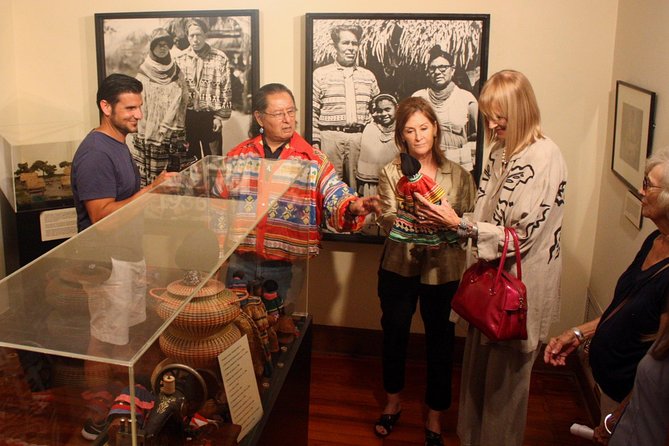
- Period details reward a slow look: Expect early telephones, a hand-operated Victrola, old furnishings, a period kitchen, school desks, and local memorabilia.
- English is the main tour language: Spanish, French, and Portuguese translations are available through QR codes that you scan with your own phone.
- Allow about 90 minutes: The advertised visit lasts roughly one to two hours, though the exact pace depends on the guide and group.
Why This Museum Matters in Modern Fort Lauderdale
Fort Lauderdale is easy to read as a modern resort city. You see canals, high-rise hotels, restaurants, and busy roads. This museum gives you a different starting point, showing how a small South Florida settlement developed through agriculture, the railroad, local businesses, schools, and civic work.
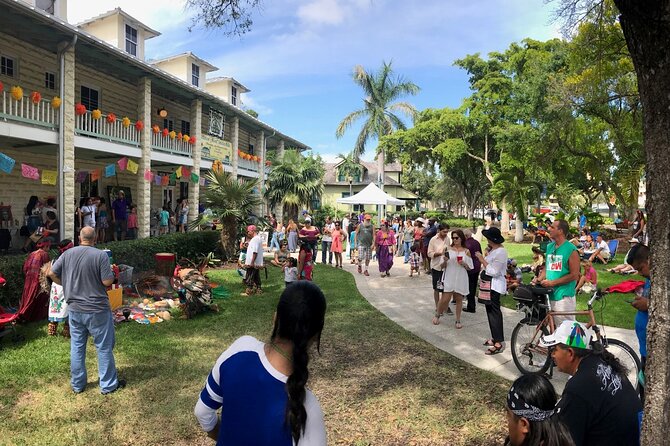
The setting helps. History Fort Lauderdale occupies the historic heart of downtown beside the New River, with trees and gardens around the buildings. After the tour, you can walk along the river or continue toward nearby restaurants. I like this combination because the museum does not require a special day trip or a long ride across town.
The collection also connects local history to ordinary life. Instead of focusing only on major political figures, the tour looks at families, teachers, business owners, workers, and the people who built services for the growing community. That makes the visit useful if you want to understand Fort Lauderdale as a place where people lived and worked, not just as a vacation address.
The museum receives a 4.8 rating from 439 reviews, with 95 percent recommending it. Those numbers suggest a very dependable experience, but they do not erase the main variable: the quality and pace of the guide on your date.
More Museum and Gallery History Tours in the USA
- Guided African American History Tour with Reserved Museum Entry
★ 4.5 · 1,180 reviews - Chicago: Field Museum of Natural History Ticket or VIP Tour
★ 4.7 · 717 reviews - Field Museum of Natural History Admission Tickets
★ 4.5 · 489 reviews
Starting at the Former Hotel Museum
Your visit begins at 231 SW 2nd Avenue, in a central downtown location. The main museum building was described by one family as a former 1920s hotel that became a museum in the 1950s. That detail gives the building extra interest, since you are not just looking at displays in a modern gallery.
A short introductory video helps set the timeline. One account describes a film of about seven minutes covering the area’s Seminole origins, agricultural growth, and railroad expansion. The railroad still runs beside the building, adding a useful bit of atmosphere as you consider how transport helped the town grow.
Inside, you can expect memorabilia from the early 1900s, historical displays, photographs, posters, and rotating art exhibitions. The third floor has hosted local exhibitions, including work connected to Fort Lauderdale’s present-day public art and community life. One artist highlighted there, Stephanie MacMillan, paints local electrical utility boxes, and small souvenirs of that work have been available for purchase.
The art display is a welcome touch. It keeps the museum from feeling locked in the past and shows that local history is still being interpreted by artists today. If you enjoy small exhibitions, allow a little extra time for the upper floor rather than treating it as a quick passage between historic rooms.
Walking Through the Pioneer House
The Pioneer House is the strongest part of the visit for many people. It presents a preserved domestic setting from the early twentieth century, with rooms arranged to show how an established family might have lived and worked.
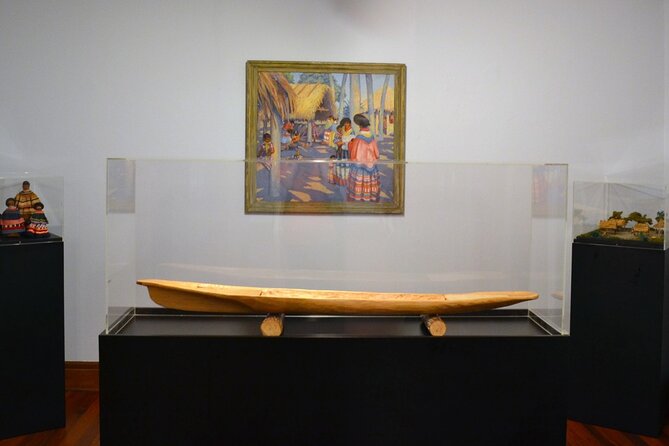
Look for the period kitchen, dining area, upstairs rooms, old tables, Miami oak wood, telephone lines, and a Victrola. The Victrola is an early record player with a built-in horn and storage, operated by hand. These objects help turn a general history lesson into something you can picture at household level.
The house also gives the guide a chance to discuss the people who shaped Fort Lauderdale. The stories include early business owners, the first Black-owned services in the area, nursing work, taxi companies, and the hiring of the area’s first Black schoolteacher. These details matter because they broaden the usual pioneer story beyond a handful of prominent founders.
Guides have also connected the town’s growth to Henry Flagler and the railroad. You will hear how transportation helped turn an agricultural settlement into a larger community. The best guides tie those facts back to the rooms around you, explaining how families, businesses, and public institutions grew together.
David, one guide who has led tours for nearly a decade, has been praised for wearing 1920s clothing and telling these stories with warmth. Daniel has also received strong praise for explaining Fort Lauderdale from its early period through the modern city. Guide assignments can change, so treat those names as examples of the museum’s guiding style rather than a promise of who you will meet.
Sitting at the 1899 Schoolhouse
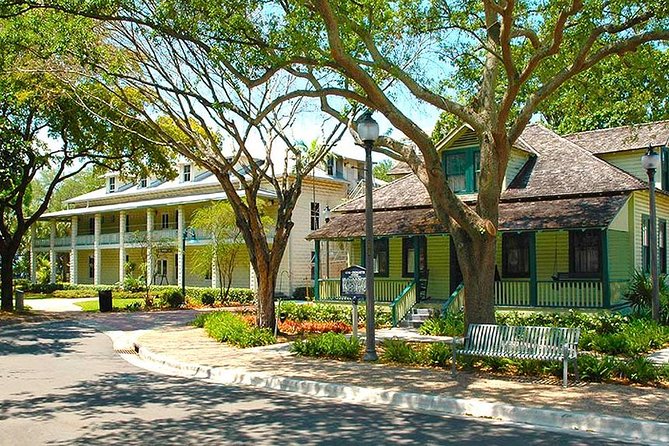
The Schoolhouse is a replica of an 1899 building. It is simpler than the main museum, but that simplicity is the point. Wooden desks and the plain classroom arrangement help you think about what schooling looked like before modern equipment and air-conditioned classrooms.
This stop can be especially useful for families. Children may connect more easily with the school desks than with a case of documents, and adults get a clear picture of how much education has changed. The guide explains the classroom and the role of early teachers in building a more organized community.
There is one practical issue: South Florida heat. The schoolhouse and historic buildings may not offer the same comfort as a modern air-conditioned museum. One account describes an extended talk in an unventilated room, which made the opening portion uncomfortable. If you visit during a hot part of the day, bring water and dress lightly.
The timing of the schoolhouse visit also depends on the guide. Most of the time, the tour should include all three buildings, but a long opening talk can reduce time for the final stops. If the schoolhouse is a priority for you, say so early and keep an eye on the schedule.
Same place, a different slice of the past:
- History and Hauntings of Salem Guided Walking Tour
★ 5.0 · 14,564 reviews - Charleston’s Old South Carriage Historic Horse & Carriage Tour
★ 5.0 · 10,023 reviews - Beneath The Streets Underground History Tour
★ 4.5 · 8,006 reviews - Boston: Freedom Trail History Small Group Walking Tour
★ 5.0 · 6,450 reviews
The Value of the Guided Format
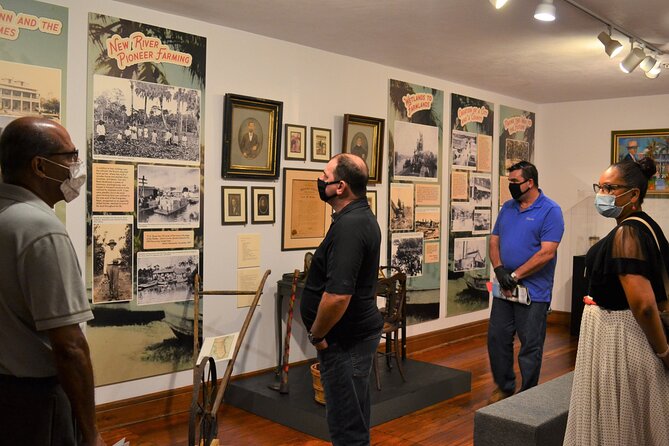
The admission includes a guided walking tour, and that guide is central to the experience. The displays provide objects and dates, but a good docent explains why they matter. The best tours connect railroad development, local families, Black community history, early schools, agriculture, and civic growth into one understandable story.
I like the human scale of the explanations. Instead of throwing a long list of dates at you, a strong guide can make the founders and residents feel like real people. Stories about couples meeting, working together, opening businesses, and building services add warmth without turning the visit into a theatrical show.
The format is not perfect for everyone. Several comments describe guides who were well informed and clearly passionate but talked too long or wandered away from the main subject. One person wanted more focus on Ivy Cromartie Stranahan and less time on distant railroad history. Another found that a long lecture left too little time to see the final building.
That is a fair concern. If you prefer a self-guided museum where you set the pace, this tour may feel slow. If you enjoy conversation and local anecdotes, the same style may be a major benefit. I would ask the guide at the start how the 90 minutes will be divided, especially if the Schoolhouse or Pioneer House is your main reason for booking.
What You Can Expect to Pay for the Experience
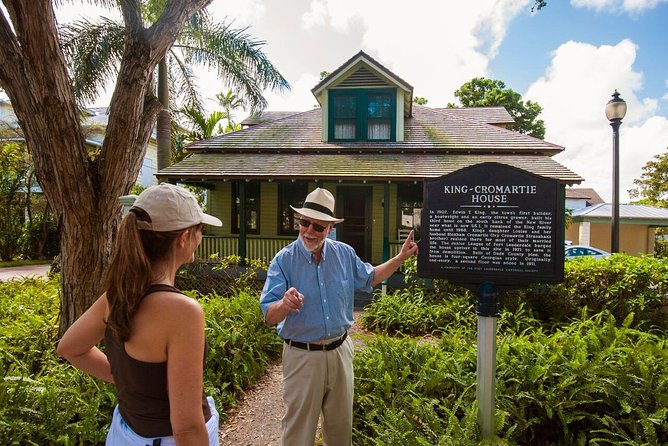
One family described adult admission as $15, with young children entering free. Since prices can change, check the current amount before booking. At that reported price, the value is good because the fee covers three buildings, a guided visit, the introductory video, museum displays, and the surrounding grounds.
The value is strongest for first-time visitors who want context before exploring the rest of Fort Lauderdale. You learn why the city developed where it did, how its early residents worked, and how transport and education affected growth. That background can make later walks through downtown feel more meaningful.
The value is less clear if you only want a quick look at historic objects. The tour may last closer to 90 minutes or longer, and the experience depends on the guide’s pacing. You are paying for interpretation as much as for entry.
Souvenir photos are not included, though they may be available for purchase. Drinks and transportation to and from the museums are also not included. The central location helps, since restaurants are nearby and public transportation is accessible.
Planning the Visit Without Extra Hassle
The meeting point is 231 SW 2nd Avenue in Fort Lauderdale. A mobile ticket is accepted, and confirmation arrives when you book. The museum is near public transportation, and service animals are allowed.
The group size can reach 35 people. That is large enough to create a proper group atmosphere but still manageable in historic rooms. A smaller group may feel more personal, and one account describes receiving what was effectively a private tour because no other people had booked that time.
You do not need to arrange a separate transfer between the three museums. The visit is designed as a walking experience within the museum grounds. If you arrive by car, one family reported that museum parking could be free with validation, but confirm that arrangement directly because parking terms may change.
The area is easy to pair with other downtown plans. Have lunch nearby, walk beside the New River, or continue toward Las Olas Boulevard. The museum is particularly useful on a day when you want a break from water activities and shopping.
One transportation warning is worth noting. A visitor who used a rideshare to arrive had trouble finding Wi-Fi for the return trip. Do not assume you can arrange your ride home from inside the museum. Download the ride app, save the address, and arrange your return plan before you arrive.
Language, Comfort, and Accessibility
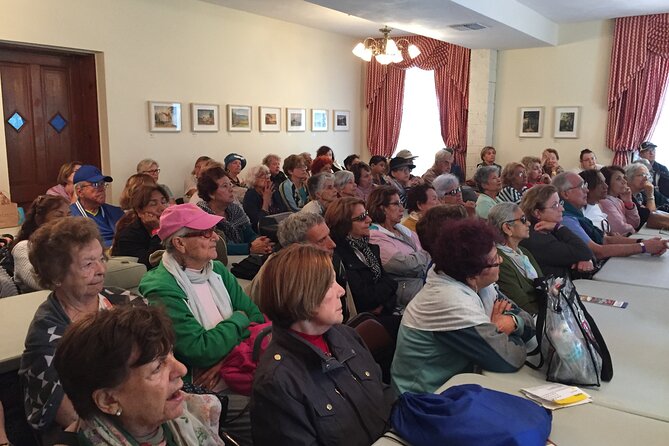
The tour is offered in English. If you need another language, translation is available through QR codes placed throughout the exhibits, with Spanish, French, and Portuguese options. You use your own smart device, and headphones are not supplied as part of the experience.
That system is useful, but it is not the same as a live multilingual guide. Bring a charged phone and mobile data if you plan to use the translations. If English is difficult for you, the QR translations may help with exhibits, but the spoken tour itself remains in English.
Most people can participate, and service animals are allowed. The route is a walking tour through historic buildings, so comfort can vary with heat, room conditions, and the amount of standing. The provided information does not promise full step-free access to every area, so contact the museum directly if you have specific mobility needs.
Free cancellation is available if you cancel at least 24 hours before the start time. Within 24 hours, the payment is not refunded, and changes are not accepted. That policy is simple, but remember that cut-off times use Fort Lauderdale local time.
Who Will Like This Fort Lauderdale Tour
I would recommend this experience to first-time visitors who want to understand the city beyond its beaches and waterways. It is also a good fit for families, local residents who have never visited the museum, solo visitors who enjoy guided interpretation, and anyone interested in early Florida communities.
History fans will get the most from the Pioneer House details, early Black businesses, school history, railroad development, and period objects. The setting also suits people who like modest museums with personal service rather than large institutions with crowds and audio guides.
You may want to skip it if you want air-conditioning throughout, a fast-moving tour, or a strictly scripted presentation. The guide’s personality shapes the experience, and long explanations can reduce your time inside the Schoolhouse and Pioneer House.
For the best visit, arrive with three questions in mind: How did the railroad change Fort Lauderdale? Who built the city’s early services? What did daily life look like in the Pioneer House? Those questions will help you listen for the details that make the buildings meaningful.
Should You Book History Fort Lauderdale?
Book it if you want a compact, affordable introduction to Fort Lauderdale’s past, especially if you have 90 minutes to spare downtown. The three-building format, New River setting, period furnishings, local art, and friendly staff make this more than a quick collection of old objects.
I would be prepared for an uneven pace. Ask about the tour timing at the beginning, bring water, use the QR translations if needed, and make a plan for your ride home. If the guide keeps the stories focused, you will leave with a clearer sense of how Fort Lauderdale grew from a small settlement into the city outside the museum doors.
FAQ
Where does the tour begin?
The tour begins at 231 SW 2nd Avenue, Fort Lauderdale, Florida 33301.
How long does the museum visit take?
The experience takes approximately one to two hours. The main guided visit is commonly described as about 90 minutes.
What does admission include?
Admission includes the guided walking tour of History Fort Lauderdale, the Pioneer House Museum, and the Schoolhouse Museum.
Are young children admitted free?
Children ages 0 to 6 enter free.
Is the tour available in languages besides English?
The guided experience is offered in English. Spanish, French, and Portuguese translations are available through QR codes that you scan with your own smart device.
Can I cancel for a full refund?
Yes. You can receive a full refund if you cancel at least 24 hours before the experience begins. Cancellations within 24 hours are not refunded.
Just added around the USA
- Historical Bicycle Tour of Dunedin★ 5.0 · 44 reviews
- Safety Harbor Ghost Tour★ 5.0 · 60 reviews
- Tarpon Springs Ghost Tour★ 4.5 · 19 reviews
- Cincy Brunch History and Streetcar Tour with Riverside Food Tours★ 5.0 · 108 reviews
- 2.5 Hour Kayaking with Manatee and History Tour in Tarpon Springs★ 5.0 · 24 reviews
- Chicago River Architecture Tour Aboard a Historic Yacht★ 5.0 · 45 reviews
- Walkin’ with Colin: Chicago History-Mystery-Comedy-Tragedy Tour★ 5.0 · 218 reviews
- Historical and Architectural Chicago Fireboat River & Lake Cruise★ 5.0 · 246 reviews
Museum & Gallery History Tours, compared.
Louvre Museum Entry with History of Mona Lisa
Read our review →
Venice’s Best: Basilica, Doge’s Palace, Gondola & History Gallery
Read our review →
Guided African American History Tour with Reserved Museum Entry
Read our review →
POLIN Museum of the History of Polish Jews Ticket
Read our review →
Bell Tower & St Mark’s Square History Gallery Ticket
Read our review →
Field Museum of Natural History Ticket or VIP Tour
Read our review →
Madrid in a Day Tour:Royal Palace, Historic Center & Prado Museum
Read our review →
Basilica, Doge’s Palace, History Gallery & Bell Tower Option
Read our review →Browse the lists this tour appears in