
Review · NORTHERN GERMANY
Hamburg: Speicherstadt Historical Guided Walking Tour
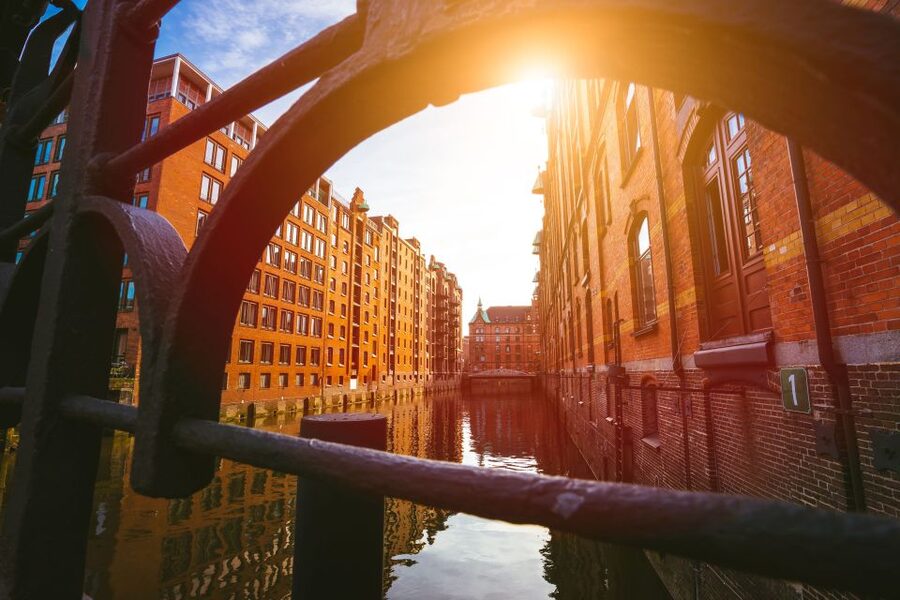
Hamburg’s warehouse district tells a global story. This two-hour walk through the Speicherstadt pairs striking red-brick architecture with the story of coffee, carpets, customs rules, and Hamburg’s rise as a trading port. I like the way the tour links grand buildings to everyday economic life, and I especially like that it leaves room for quiet courtyards and lesser-seen corners rather than staying only on the main paths.
The local historian guides are another strong point. Paul has earned praise for his lively explanations and good humor, while Jana led an informative walk with stops where she pointed out details in the buildings. The main drawback is practical: the tour is conducted in German, covers about 2 to 3 miles, takes place in all weather, and does not suit people with mobility impairments.
Key points to know before you go
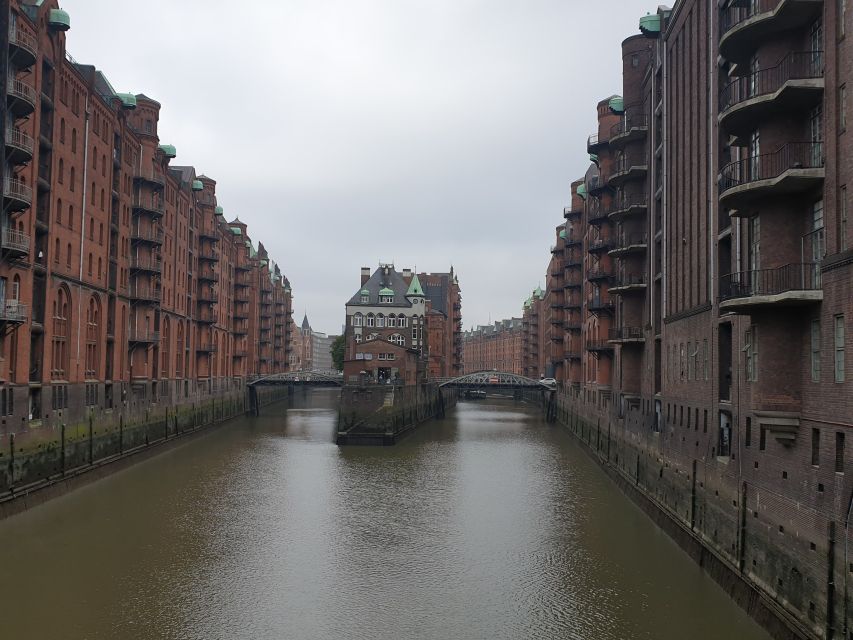
- UNESCO setting: You walk through Hamburg’s Speicherstadt, a World Heritage Site known for its large warehouse buildings and distinctive architecture.
- Trade comes first: The tour explains how duty-free coffee, carpets, and other imported goods shaped Hamburg’s economy.
- Two hours on foot: Expect roughly 2 to 3 miles of walking, with stops for explanations and architectural details.
- German-language guiding: Paul and Jana have both led well-received tours, but you need comfortable German listening skills.
- Small-group feel: A small group can make it easier to hear extra details and ask questions, although the exact group size is not stated.
- Simple value: At $29 per person, the tour is reasonably priced if you want context and conversation rather than just a self-guided stroll.
Why Speicherstadt is worth two hours

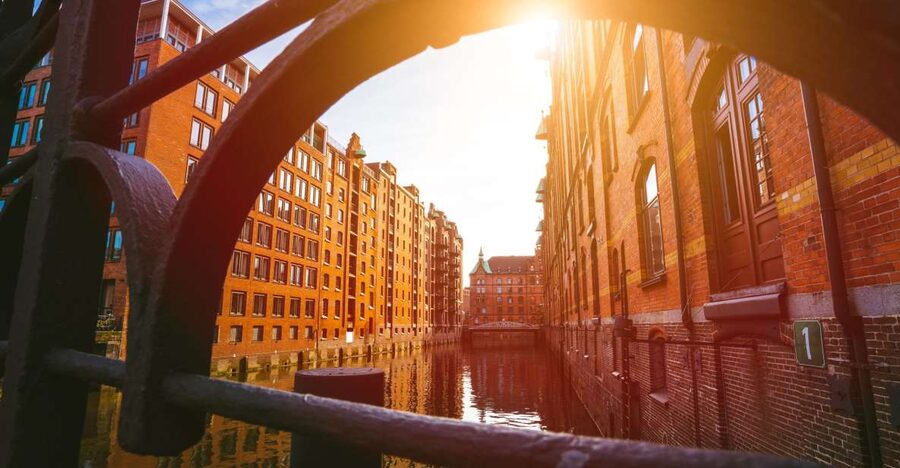
The Speicherstadt can look simple at first glance: long brick buildings, waterways, bridges, and rows of tall windows. A guide helps you see that this was not built merely for appearance. It was designed as a working warehouse district tied to Hamburg’s trade system.
That change in viewpoint is the main reason I find this walk useful. On your own, you can admire the facades and photograph the canals. With a historian, you learn why the district was formed, how goods moved through it, and how Hamburg’s commercial life affected local people.
The tour focuses on early imported products such as coffee and carpets. These were not just exotic objects in storage. They represented taxes, customs rules, shipping networks, merchants, and customers far beyond Hamburg. The explanation connects a quiet warehouse passage with global economics, which gives the district more meaning than its attractive brickwork alone.
The tour also pays attention to the Speicherstadt’s less obvious spaces. You may enter courtyards, pass through alcoves, and pause in quiet corners that are easy to miss when you are simply walking from one attraction to another. These pauses help you understand how the district functioned as a place of business rather than a decorative backdrop.
More History Walking Tours in Germany
- Leipzig: 1.5-Hour Historical Walking Tour in German
★ 4.7 · 2,217 reviews - Berlin: History of the Third Reich Guided Walking Tour
★ 4.7 · 791 reviews - Trier: Guided Old Town Highlights and History Walking Tour
★ 4.7 · 687 reviews
Following the warehouse streets and courtyards
The walk lasts two hours, so the pace is likely to be steady rather than rushed. You should expect to move through the district on foot, stopping at different points for explanations, stories, and observations about the buildings.
The exact sequence of stops is not specified, and that is worth knowing before you book. This is not a ticketed attraction with a fixed indoor route. It is a guided neighborhood walk, so the experience depends on the guide’s choices, the group’s pace, and conditions on the day.
The architecture provides a clear thread throughout. The Speicherstadt’s buildings have a powerful sense of scale, but the guide’s role is to point out how that scale served the warehouse trade. Look for details in the facades, the layout of the passages, and the way the district creates both broad commercial spaces and narrow, quieter corners.
I like the balance between large ideas and small observations. One moment may concern Hamburg’s place in international trade. The next may involve a detail in a courtyard or a practical feature of the warehouse district. That mix keeps the tour from becoming a long lecture.
You should also expect some standing while the guide talks. Comfortable shoes matter more than fashionable ones. The walk covers about 2 to 3 miles, and the tour is not suitable for people with mobility impairments. Anyone who finds extended walking difficult should choose a shorter or more accessible way to see the area.
Coffee, carpets, and Hamburg’s commercial rise
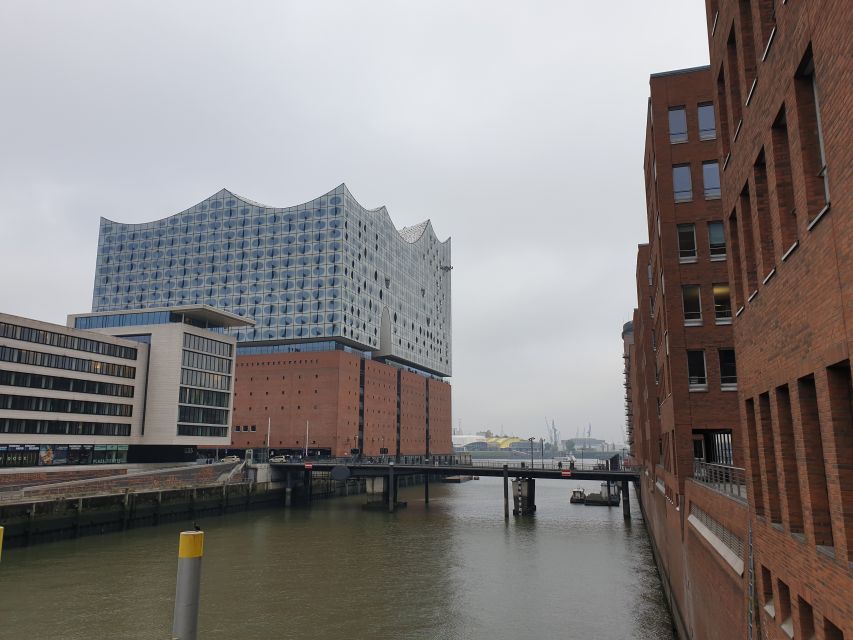
The strongest subject here is the relationship between imported goods and Hamburg’s development. Coffee and carpets give the guide familiar examples, but the larger lesson concerns the systems behind them.
The tour explains how duty-free goods were traded and sold in the warehouse district. That detail helps you understand why the Speicherstadt mattered. The buildings were linked to customs arrangements and commercial rules, and those rules influenced where goods were stored and how they entered the market.
This is useful context for anyone who has already seen Hamburg’s harbor or plans to visit other maritime sights. The Speicherstadt is not an isolated historic quarter. Its story belongs to the wider story of Hamburg as a port city and trading center.
The guide also discusses how the formation of the district affected Hamburg’s locals. That local angle matters. It keeps the tour from treating trade as an abstract success story and asks you to consider how economic change shaped ordinary life in the city.
You should not expect a museum-style display of coffee sacks or carpets during the walk. The value comes from the explanation and the setting. If you want objects, indoor exhibits, or a tasting, this is not that kind of experience. If you want to understand why the buildings were there and what they meant, the tour fits well.
What the guide adds to the experience

A good guide makes this district readable. The tours led by Paul and Jana have both been praised for clear, engaging explanations. Paul, in particular, is described as enthusiastic, well informed, and funny. One light touch involved including a public restroom stop in the route, which sounds minor but shows an awareness of real walking needs.
That sort of humor can help during a two-hour walk. The Speicherstadt is interesting, but a continuous stream of facts can become tiring. Small practical moments make the tour feel more human.
The German-language format is both a strength and a limitation. If you understand German well, you may get a more natural local experience, with room for anecdotes and questions. If your German is limited, the tour could be frustrating even if the guide is excellent.
The available information identifies the guides as local historians, not simply route leaders. That distinction matters because the tour is built around interpretation. You are paying for the stories, connections, and explanations, not transportation or entry to a separate attraction.
A smaller group can make a real difference. One recent tour was praised for allowing extra information beyond the basic material. The exact group size is not promised, so you should not book on the assumption that it will always be intimate. Still, the format appears suited to questions and conversation when numbers are manageable.
Same place, a different slice of the past:
- Leipzig: City History Canal Sightseeing Tour on a Motorboat
★ 4.7 · 7,671 reviews - Berlin: 3-Hour World Heritage Cruise to Potsdam
★ 4.5 · 1,569 reviews - Heidelberg: Night Watchman Historic Adventure Tour
★ 4.7 · 1,186 reviews - The Local Tour of Hamburg Historic Centre
★ 5.0 · 1,058 reviews
Weather, walking, and the route’s practical side
This is a rain-or-shine activity. Bring weather-appropriate clothing, water, and shoes that can handle several miles of city walking. Hamburg weather can feel cool, especially when you are standing beside waterways or in shaded passageways, so an extra layer is sensible.
A recent winter tour was described as chilly, though the group found places to warm up and completed the route together. That detail gives you a useful warning: cold weather will not cancel the walk, and you should dress for time outdoors rather than relying on indoor shelter.
The tour does not end where it begins. This matters if you have a restaurant reservation, a train to catch, or another timed activity afterward. Check the starting and finishing points carefully when booking, and leave a buffer after the two-hour schedule.
There is no transportation included. That is not a serious issue for a central walking district, but you are responsible for getting to the starting point and continuing from the end. Food and drinks are also not included, so carry water and plan a café stop separately.
Pets are not allowed. The tour is also not suitable for people with mobility impairments, given the distance and walking format. These are not small technical details. They affect whether the experience will be comfortable.
Is $29 a fair price?
At $29 per person, this tour offers good value if you care about context. You get two hours with a local historian, a tour brochure, and a focused introduction to one of Hamburg’s most important districts.
The price is less attractive if you only want photographs or a basic orientation. You can walk through the Speicherstadt without paying, and the buildings are visible from public streets. The fee earns its keep through the guide’s interpretation, especially the explanations about customs, trade, imported goods, and the district’s effect on Hamburg.
There is no food, drink, transportation, or separate attraction admission included. That keeps the package simple, but it also means you should judge the price as a guiding fee rather than an all-inclusive outing.
For a first visit to Hamburg, I think the cost is reasonable. The tour gives you a framework that can improve the rest of your time in the city. You may notice the warehouses differently afterward, because you understand their business purpose rather than seeing only their romantic brick facades.
The free-cancellation policy also reduces the risk. You can cancel up to 24 hours in advance for a full refund, and the reserve-now, pay-later option lets you keep your plans flexible. Those terms are useful when Hamburg weather or your wider schedule is uncertain.
Who will enjoy this Speicherstadt walk?
I would choose this tour for you if you like urban history, trade, architecture, and walking tours that connect buildings to real economic forces. It is also a good fit if you want a local perspective instead of a sightseeing loop with only quick photo stops.
German speakers will get the most from it. Since the live guide speaks German, you need enough language ability to follow historical explanations and anecdotes. The information provided does not list an English-language option.
The tour suits adults and older children who can comfortably walk 2 to 3 miles. It is less suitable for anyone needing accessible routes, frequent seating, or a slower pace. The rain-or-shine policy also makes it a poor choice if you want a weather-proof activity.
You might prefer a self-guided visit if you have only a short time in Hamburg, want to move at your own speed, or do not speak German. You might prefer this tour if you want the district to make sense as a place of trade, not simply as a photogenic quarter.
My booking advice
I would book this tour early in a Hamburg visit, especially if you speak German and want a useful introduction to the Speicherstadt. The strongest reasons are the local historian guides, the focus on coffee and carpet trading, and the chance to see courtyards and quieter corners that you might pass without noticing.
I would skip it if walking several miles is difficult, if you need an English-language tour, or if your schedule cannot handle a route that finishes somewhere different from its starting point. For everyone else, $29 is a fair price for two hours of clear historical context in one of Hamburg’s most distinctive districts.
FAQ
How long does the Speicherstadt tour last?
The tour lasts two hours.
What language is the tour conducted in?
The live tour is conducted in German.
How much does the tour cost?
The listed price is $29 per person.
How much walking is involved?
The tour includes approximately 2 to 3 miles of walking.
What is included in the price?
A local historian serves as the guide, and a tour brochure is included.
Are food, drinks, or transportation included?
No. Food, drinks, and transportation are not included.
Can I cancel for a refund?
Yes. You can cancel up to 24 hours in advance for a full refund.
Just added around Germany
- Historic Christmas tour of Lübeck★ 4.3 · 47 reviews
- Historic Berlin Pubs & History Tour★ 4.9 · 73 reviews
- Heidelberg: Experience our history 1.5-hour walking tour through the old town★ 4.7 · 306 reviews
- Heidelberg: Discover Heidelberg Castle – experience history up close★ 4.7 · 171 reviews
- Berlin: Cold War History and Berlin Wall Guided Walking Tour★ 5.0 · 33 reviews
- Görlitz: Ghosts and Spooky Historical Night Walking Tour★ 4.8 · 197 reviews
- German Hamburg Historic City Center Pay-What-You-Want Tour★ 4.8 · 80 reviews
- Freiburg: Exciting City Tour with sightseeing and history★ 4.3 · 103 reviews
History Walking Tours, compared.

History and Hauntings of Salem Guided Walking Tour
Read our review →
Freedom Trail History Small Group Walking Tour
Read our review →
Historic Charleston Guided Sightseeing Walking Tour
Read our review →
Tapas Walking Tour with Food, Wine, and History
Read our review →
Savannah History and Haunts Candlelit Ghost Walking Tour
Read our review →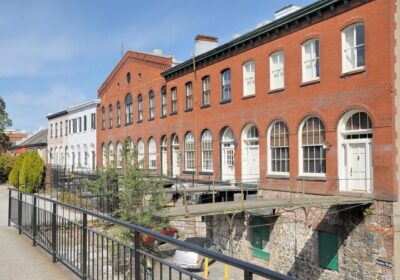
A History of Terror – Belfast City Centre Walking Tour
Read our review →Browse the lists this tour appears in