
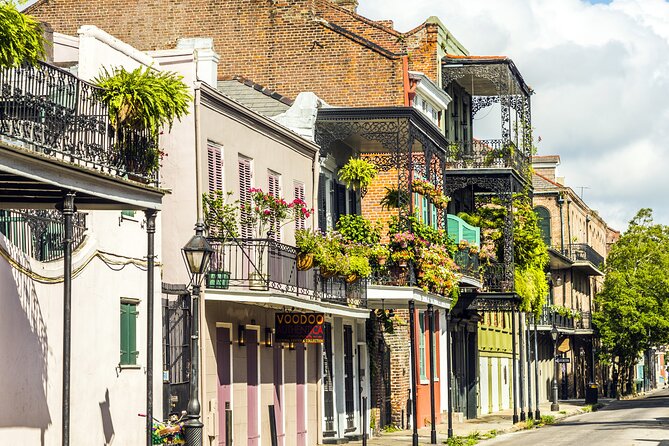
Review · NEW ORLEANS
Eras of New Orleans: A History Lover’s Walking Tour
New Orleans rewards curious walkers. This two-hour French Quarter tour connects early settlement, slavery, piracy, voodoo, religion, fire, disease, and architecture in one compact route. I like the way it gives attention to figures and communities often left out of the usual French Quarter story, and I like the small-group format, capped at 22 people. The visit to Lafitte’s Blacksmith Shop Bar is a fine closing touch.
The main caution is simple: this is a serious history lesson on foot, not a light stroll with a few entertaining facts. Guides may pack in so much information that you need to concentrate, and the tour can be canceled if too few people sign up. You should also expect uneven pavement and a finish several blocks from the starting point.
- Jackson Square sets the stage: Begin with the city’s first settlers, slave rebellions, and Michaela Almonester.
- Seven stops cover several centuries: French, Spanish, and American periods all receive attention.
- Voodoo gets a fuller explanation: Learn what New Orleans Voodoo is, and what it is not, along with Marie Laveau’s story.
- Architecture is part of the history: Fires, yellow fever, and changing building styles help explain the French Quarter you see today.
- The tour ends at an old bar: Lafitte’s Blacksmith Shop Bar is the final stop, and drinks are not included.
- Best for serious history fans: Bring walking shoes and be ready to listen for most of two hours.
What This French Quarter Walk Does Well
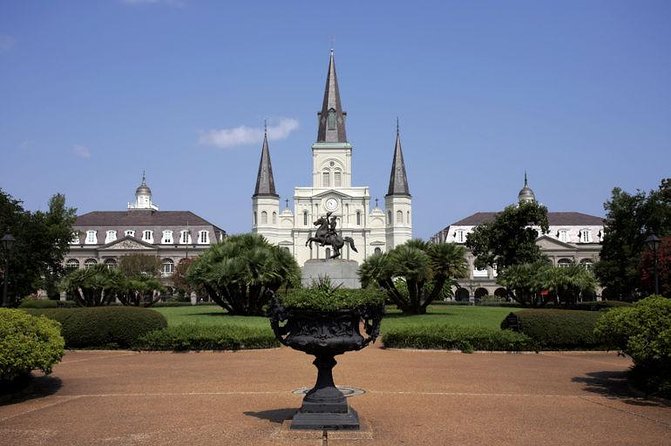
At $27.99 per person, this is a reasonably priced way to spend two hours in the French Quarter with a live guide. You are paying for interpretation rather than admission tickets. Most stops are viewed from outside, so the value depends on how much you enjoy stories, context, and connections between places.
I especially like the scope. The route does not treat New Orleans as a single French colonial postcard. It moves through Indigenous, French, Spanish, and American eras, while also addressing slavery, rebellion, smuggling, piracy, religion, public health, and architecture.
That wider view matters. You leave with a better sense of why New Orleans developed as it did, rather than simply collecting a list of famous buildings.
The tour is offered in English and begins at 1:30 pm. It starts at Witches Brew Gallery & Haunted Sanctuary on Exchange Place and ends at Lafitte’s Blacksmith Shop Bar on Bourbon Street. Since the endpoint is not the starting point, avoid scheduling something immediately afterward at the first location.
The group can reach 22 people. That is still manageable for a walking tour, though it may not feel as personal as a private visit or a very small group. One cancellation account involved only two people signed up, so the minimum-group rule is worth taking seriously when planning a tightly timed day.
Jackson Square and the City’s First Chapters
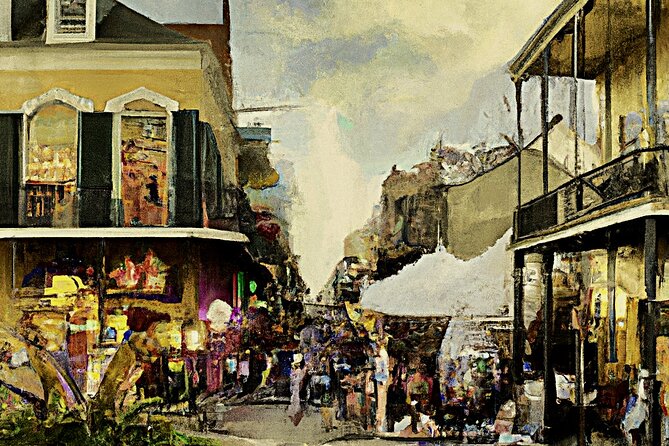
The opening half hour at Jackson Square carries much of the tour’s weight. This is where the guide introduces the early settlement and explains how New Orleans began, changed hands, and grew into the city you see today.
You will hear about the earliest settlers and the forces that shaped the young community. The discussion also includes slave rebellions, an important subject that many quick French Quarter walks barely touch.
Michaela Almonester receives special attention. Her story gives the opening stop a human focus and helps move the tour beyond dates and colonial labels. She is presented as an important woman in the city’s past, making this a useful counterpoint to the usual parade of male governors, soldiers, and merchants.
Jackson Square is a public space, so there is no admission fee for this stop. The tradeoff is that you are outdoors, likely standing while the guide talks. In New Orleans heat or rain, that can feel longer than the clock suggests.
This is also where you can judge the guide’s style. The strongest sessions have been led by guides such as Graham, whose delivery is detailed and heavily prepared. If you prefer a quick overview, the amount of material may feel dense. If you like social and political history, this opening should set the right tone.
More History Walking Tours in New Orleans
- New Orleans Garden District History Walking Tour
★ 5.0 · 2,879 reviews - French Quarter Historical Sights and Stories Walking Tour
★ 5.0 · 2,724 reviews - New Orleans Food and History Walking Tour
★ 5.0 · 1,544 reviews
St. Louis Cathedral and the Business of New Orleans
The next stop takes about ten minutes outside St. Louis Cathedral. You will not have an included interior visit, but the exterior provides a useful setting for stories about early economics, smuggling, and piracy.
That combination is one of the tour’s strengths. New Orleans was not shaped by church life alone. Trade, unofficial commerce, and people working around legal restrictions also helped form the city.
The stop is brief, so expect a focused explanation rather than a full architectural study. You can see the cathedral without buying an admission ticket through the tour, but any separate entry cost is not included.
I would pay attention here to the practical side of colonial life. The city’s position made it important, but that position also created opportunities for people willing to bend rules. The talk of smuggling and piracy adds a less polished edge to the standard civic story.
Voodoo Authentica and Marie Laveau
New Orleans Voodoo is often reduced to spooky symbols and tourist-shop clichés. This ten-minute stop at Voodoo Authentica aims to correct that.
The guide explains what New Orleans Voodoo is and is not, then introduces Marie Laveau, the city’s famous Voodoo Queen. The value here is context. You are not simply being pointed toward a mysterious storefront and handed a ghost story. You are given a way to understand Voodoo as part of New Orleans culture and history.
Ten minutes is not enough for every question, so expect an introduction rather than a complete study of the subject. Still, the stop helps place Voodoo within the larger city story, alongside Catholicism, African influence, local custom, and changing public attitudes.
This is one section where a good guide matters greatly. A guide who handles the subject with care can separate fact, tradition, and popular myth. The tour description promises exactly that distinction, which makes this a better choice than a walk built only around sensational tales.
Old Ursuline Convent and the Women Who Shaped the City
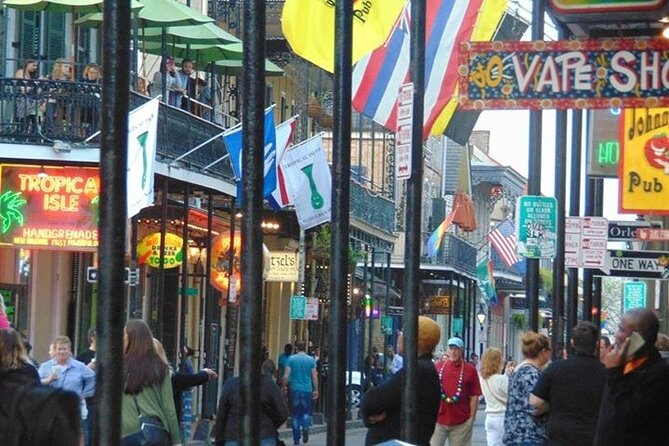
The Old Ursuline Convent Museum gets about 20 minutes, making it one of the longer stops. You will learn how the Ursuline nuns came to New Orleans and how they influenced early city life.
The stop expands the story beyond soldiers and merchants. Religious institutions played a practical part in education, care, and the daily structure of the early settlement. The nuns’ arrival helps explain how New Orleans developed social institutions as well as streets and commercial networks.
Admission to the museum is not included. The tour focuses on the historical setting and exterior unless you arrange entry separately, so you should not expect a museum visit as part of the $27.99 price.
I like the balance this stop adds. After the economic stories at the cathedral and the cultural discussion at Voodoo Authentica, the Ursuline section shows another way people built a community. It is also a good reminder that women’s work often shaped early New Orleans without receiving equal attention in traditional accounts.
More History Walking Tours in the USA
- New Orleans: French Quarter Food History Walking Tour
★ 4.9 · 713 reviews - New Orleans Cocktail History Walking Tour in the French Quarter
★ 5.0 · 604 reviews - New Orleans Jazz History and Music Walking Tour
★ 4.5 · 477 reviews - New Orleans French Quarter Walking and History Tour
★ 4.5 · 288 reviews
919 Royal Street, Fire, and Yellow Fever
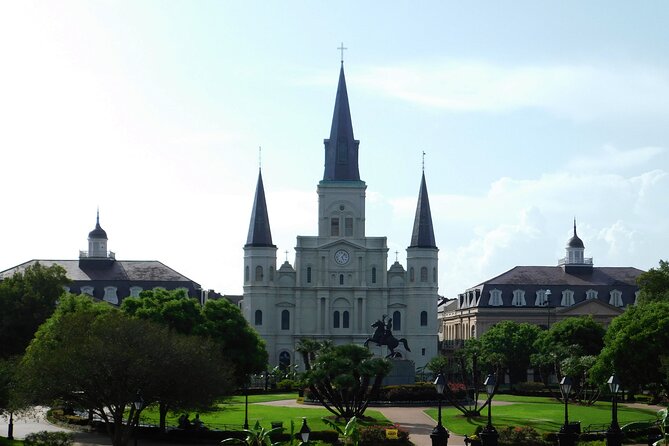
At 919 Royal Street, the guide turns to what New Orleans looked like in the 18th and 19th centuries. The discussion includes yellow fever and the numerous fires that damaged the city.
This stop helps you read the French Quarter with sharper eyes. Buildings are not just decorative backdrops. Their materials, layouts, and survival are tied to disease, fire, rebuilding, and changing city life.
The stop lasts about 15 minutes and is free. You will be standing outdoors, so comfortable shoes and water matter more than they might on a short sightseeing loop.
The disease and fire stories also add needed realism. New Orleans history was not only festivals, commerce, and grand architecture. Public health crises and destruction repeatedly forced the city to adapt.
Madame John’s Legacy and New Orleans Architecture
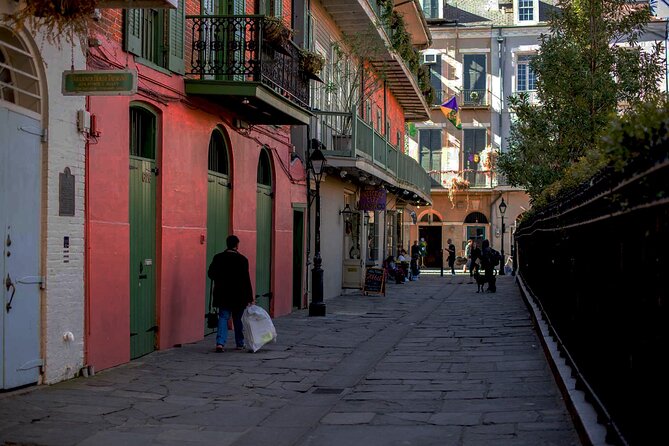
The architecture stop at Madame John’s Legacy lasts about ten minutes. Here you hear about the different building styles found in New Orleans and what makes them distinctive.
This is a useful point in the route because you have already heard about fires and yellow fever. Now the buildings themselves become evidence. The guide can connect architectural features to the city’s colonial periods and practical problems.
Admission is not included, so treat this as an outside explanation rather than an interior tour. The short length also means you should not expect a full survey of every architectural style in the French Quarter.
Still, this can be one of the most useful stops for the rest of your stay. Once you understand that New Orleans architecture reflects several cultural periods and responses to local conditions, you start noticing more than balconies and bright paint.
Lafitte’s Blacksmith Shop Bar Is the Finish
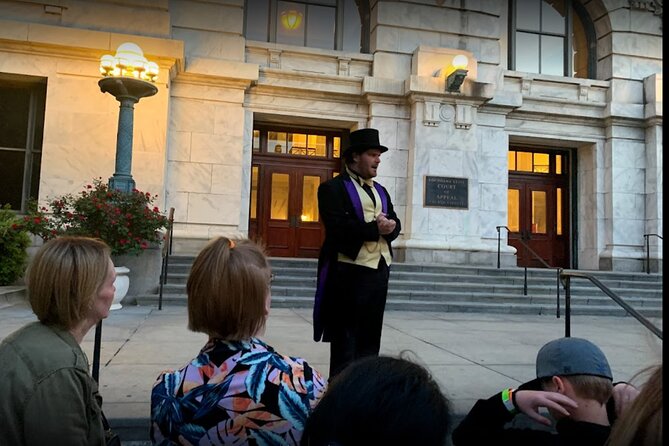
The walk ends at Lafitte’s Blacksmith Shop Bar, one of the city’s oldest operating bars. The final stop lasts about five minutes, but the location gives the tour a memorable finish.
Alcohol is not included. The tour is BYOB, so plan to buy your own drink if you want to continue the evening there. The bar is on Bourbon Street, at 941 Bourbon Street, and the tour does not return to Exchange Place.
I like ending here because it lets the historical discussion settle into a real place. You are not finishing beside a generic meeting point. You are ending in a historic bar that connects naturally with the city’s old-world image.
Do not treat this as a full bar experience included in the ticket. It is a short closing stop, and anything you consume costs extra. Families should also note that the overall presentation is aimed at adults and serious history fans, not children or adolescents.
How Much Information Fits Into Two Hours?
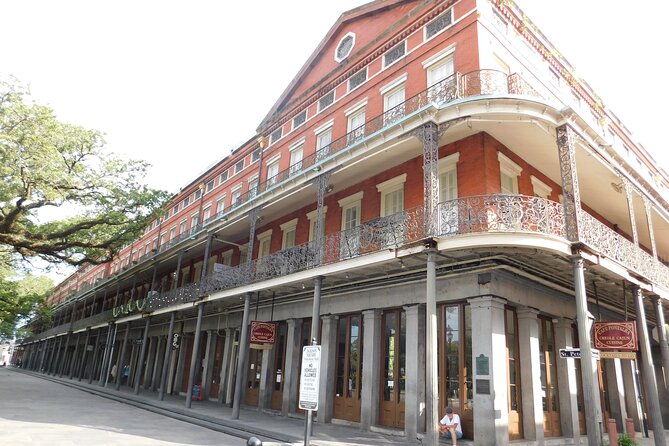
The answer is: quite a lot. The route covers several centuries and a wide range of subjects. One session led by Graham was described as so detailed that the guide sometimes sounded like a textbook. That is praise if you want facts, names, and context. It may be a warning if you prefer a loose, joke-filled stroll.
You should expect to listen for long stretches at a small number of stops. One account described roughly 20 minutes at each location, even though the official timing varies from five to 30 minutes. The walk has seven stops, but it is not seven quick photo opportunities.
I would book this if you enjoy learning how political and social forces shape a city. The tour is especially useful early in a New Orleans visit because it can give meaning to places you see later on your own.
I would skip it if you want mostly food, music, ghost stories, or entertainment. The tour may include unusual subjects, but the purpose is historical education.
Price, Group Size, and Physical Comfort
The $27.99 price is fair for a live, two-hour walking tour with a maximum group size of 22. You are not paying for a string of major admissions, so the value rises or falls with the guide’s ability to organize a large amount of material.
The group limit is not tiny. If you want constant conversation with the guide, a private tour may suit you better. Still, a group walk keeps the price far below a private booking and provides a structured way to cover the French Quarter.
You should have a moderate level of physical fitness. The historic streets can be difficult for people with mobility concerns, and the tour provider warns that the terrain presents challenges. Service animals are allowed, and the starting point is near public transportation.
Wear walking shoes. This is not the place for thin soles or footwear chosen only for photographs. Since the tour takes place outdoors and requires good weather, check the forecast and leave some flexibility in your schedule.
Free cancellation is available until 24 hours before the 1:30 pm start. Changes made inside that window are not accepted for a refund. If bad weather or the minimum group size causes cancellation, you are offered another date, another experience, or a full refund.
Who Should Book This New Orleans Walk?
I recommend it most strongly to adults who enjoy history, politics, religion, architecture, and social change. You should be comfortable hearing a large amount of information and walking through the French Quarter for about two hours.
It is a good fit if you want:
- A broader account of New Orleans than the usual colonial highlights
- Stories about slavery, rebellions, smuggling, piracy, Voodoo, and public health
- A local guide who can connect buildings with historical events
- A lower-cost group option rather than a private tour
- A walk that ends at a historic bar
It is less suitable if you need a child-focused activity, an accessible route with no street challenges, or a tour built around food and drinks. The end point also matters if you have a reservation or transport waiting near the start.
Should You Book Eras of New Orleans?
Book it if you want the French Quarter explained rather than merely photographed. The tour’s strongest quality is its range, from early settlers and Michaela Almonester to Marie Laveau, the Ursuline nuns, yellow fever, fires, and architectural change.
The main risk is not the price or the subject. It is the volume of information, plus the possibility of a minimum-group cancellation. Keep your plans flexible, wear good shoes, and leave room after the tour instead of rushing to another appointment.
For a history-minded visit to New Orleans, this is a useful two-hour investment. You may not remember every name by dinner, but you should see the French Quarter with more context and fewer clichés.
FAQ
How long is the Eras of New Orleans walking tour?
The tour lasts approximately two hours.
What time does the tour start?
The tour starts at 1:30 pm.
Where does the tour begin?
The meeting point is Witches Brew Gallery & Haunted Sanctuary at 311 Exchange Place, New Orleans, Louisiana 70130.
Where does the tour end?
The tour ends at Lafitte’s Blacksmith Shop Bar at 941 Bourbon Street, New Orleans, Louisiana 70116.
Is admission to the attractions included?
Admission is not included for St. Louis Cathedral, Voodoo Authentica, the Old Ursuline Convent Museum, or Madame John’s Legacy. Jackson Square and 919 Royal Street have no admission charge for the tour stops.
Are drinks included?
No. Alcoholic beverages are not included, and the tour is BYOB.
What language is the tour offered in?
The tour is offered in English.
How large can the group be?
The experience has a maximum of 22 participants.
Is the tour suitable for people with mobility concerns?
The route can be challenging because of the terrain in the historic French Quarter. A moderate level of physical fitness is recommended, and you should book with those conditions in mind.
Can I cancel for a refund?
Yes. You can cancel at least 24 hours before the start time for a full refund. Poor weather or failure to meet the minimum number of participants may also result in an alternative date, another experience, or a full refund.
Just added around New Orleans
- After-Dark Historical Night Tour of St. Louis Cemetery No. 1★ 5.0 · 132 reviews
- Private New Orleans Haunted History Ghost Tour★ 5.0 · 31 reviews
- Sip History in the Crescent City Cocktail Making Class★ 4.5 · 32 reviews
- Adults-Only Voodoo History Guided Walking Tour in New Orleans★ 5.0 · 105 reviews
- New Orleans Voodoo History Walking Tour★ 4.5 · 87 reviews
- New Orleans Storyville Museum All Access Ticket★ 5.0 · 73 reviews
- New Orleans Music Heritage Tour★ 5.0 · 246 reviews
- New Orleans Small-Group History Tour Pub Crawl of The Irish Channel★ 5.0 · 40 reviews
History Walking Tours, compared.
History and Hauntings of Salem Guided Walking Tour
Read our review →
Freedom Trail History Small Group Walking Tour
Read our review →
Historic Charleston Guided Sightseeing Walking Tour
Read our review →
Tapas Walking Tour with Food, Wine, and History
Read our review →
Savannah History and Haunts Candlelit Ghost Walking Tour
Read our review →
A History of Terror – Belfast City Centre Walking Tour
Read our review →Browse the lists this tour appears in