

Review · VIRGINIA
Discover Alexandria: Historic Homes, Churches, and Taverns!
History is under your feet in Alexandria. This 90-minute walk through Old Town connects George Washington’s homes, pre-Revolutionary churches, old taverns, Civil War sites, and easy-to-miss architectural details into one lively story. I especially like the focus on Washington’s personal connection to Alexandria and the way the guide points out small features, including fire marks and tiny houses, that you could easily pass without noticing. The $30 price is fair for a well-planned introduction to the city.
I also like the tour’s broad time span. You move from Alexandria’s founding and the years before the Revolution to Washington’s neighborhood and the Civil War, rather than hearing only about one famous figure. The main consideration is the pace: 90 minutes covers a lot, so you should expect an informative outdoor walk, not long interior visits or a slow museum-style tour.
Key points to know before booking
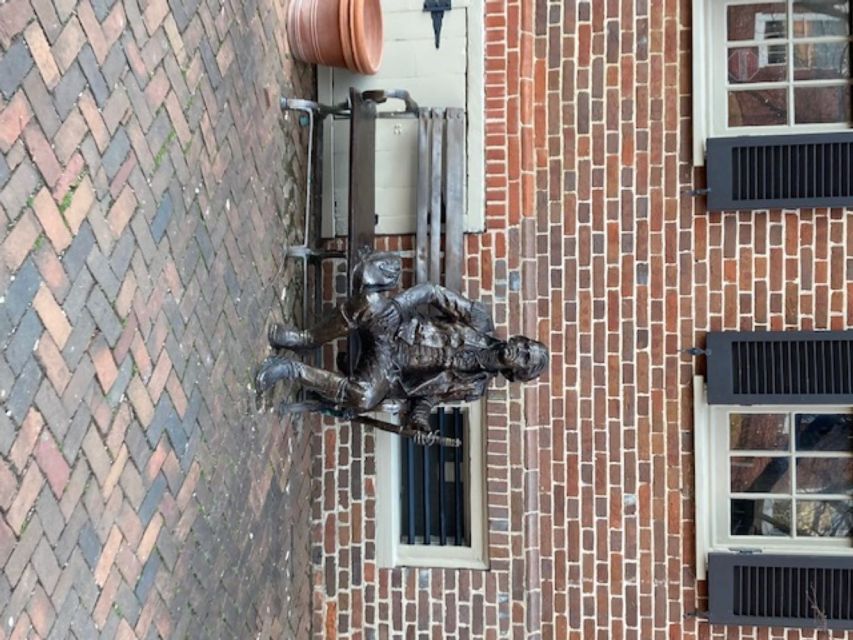
- George Washington had two Alexandria homes: The tour explains both residences and his social and civic ties to the town.
- Pre-Revolutionary Alexandria comes first: Carlyle House and other early sites show why Alexandria mattered before the United States existed.
- Fire marks tell a practical story: Odd marks on Old Town buildings connect the city’s architecture to its fire-fighting past.
- Captain’s Row is more than a pretty street: Its cobblestones and historic houses also make it a popular place for family photos.
- Civil War history is built into the route: You’ll see where a major prison stood and learn about Alexandria’s many wartime hospitals.
- Guides bring different strengths: Tim is especially good for Washington and military history, while Wayne and Eileen have also been praised for humor, warmth, and clear storytelling.
Starting at 221 King Street

The tour begins at the Visitor Center at 221 King Street, a sensible place to meet because it is easy to identify and offers useful facilities before you set out. You can find a bathroom on the lower level, refill your water, and pick up local information. Your guide will be either on the porch or inside.
That meeting point also puts you in the middle of Old Town, where the walk can begin without a long transfer. You should arrive ready to walk outdoors for 90 minutes. The activity is wheelchair accessible, though the route includes historic streets and cobblestones, so anyone who uses a wheelchair may want to allow a little extra care around older surfaces.
The tour is conducted in English. Starting times vary, so you need to check availability when booking. The reservation can be cancelled up to 24 hours before the start for a full refund, and you can reserve now and pay later. Those policies are useful if your Alexandria plans depend on weather or a changing Washington, DC schedule.
More Architecture and Landmark Tours in the USA:
- Chicago in a Day: Food, History & Architecture Walking Tour
★ 5.0 · 1,153 reviews - Historic Charleston Walking Tour: Rainbow Row, Churches, and More
★ 5.0 · 691 reviews - Charleston’s Best Highlights: History, Culture & Architecture
★ 5.0 · 422 reviews
Alexandria before the Revolution at Carlyle House
One of the most interesting promises of this walk is its attention to events that happened before Lexington and Concord. Alexandria was already an important place in colonial Virginia, and the tour uses Carlyle House to explain how local events helped push the colonies toward independence.
That early date matters. Many city walks rush straight to the Revolution, the presidency, or the Civil War. Here, you get a look at the political and social pressures that were already building in Alexandria about 20 years before the famous battles in Massachusetts.
Carlyle House gives the story a strong anchor. Instead of hearing only broad statements about colonial unrest, you connect those changes to a specific Alexandria location. The guide explains what happened there and why it mattered. I like this part because it gives the city a role in the road to independence, rather than treating it as a quiet neighbor to better-known historical places.
You should not expect a full house tour as part of the 90-minute walk. The value is the explanation of the site and its place in the larger story. If you want to go inside historic houses afterward, ask your guide for suggestions while you still have the city map in your head.
Walking through George Washington’s Alexandria

George Washington is central to this experience, but the tour does not treat him as a name on a plaque. You’ll see the two houses he had in Alexandria and hear about his ties to the town, including the people and places connected to his social life.
The walk also points out where Washington celebrated the end of the Revolutionary War with friends and neighbors. That detail gives the history a local scale. You are not just hearing about a national victory. You are picturing how people in one town marked the news together.
For anyone interested in Washington, this is likely the strongest reason to book. Tim, one of the guides, has been especially praised for his preparation and his ability to connect Alexandria with Washington and military history. That makes this tour a good fit if you want more than a quick photo stop at a famous building.
The Washington material also works for people who are not specialists. The guide’s job is to connect houses, streets, and events, so you can follow the story without arriving with a stack of books. Come ready to ask questions. The tour provider specifically encourages questions, and the guides have been described as friendly and willing to adjust the conversation.
Taverns, churches, and the shape of early town life

Alexandria’s old taverns were not simply places to eat and drink. In early America, they could serve as meeting places, social centers, and important stops for people passing through town. The tour explains that role and helps you see taverns as part of the city’s civic life.
That subject adds useful texture to the Washington story. Political decisions, business deals, local gossip, and travel all depended on places where people gathered. You get a better sense of how a small port town functioned before modern offices, hotels, and communication.
The churches and old homes broaden the picture. Some pre-date the Revolutionary War, and the guide uses them to explain Alexandria’s beginnings and its changing population. You’ll see how different buildings preserve different parts of the town’s past, even when their plaques offer only a few lines.
This is also where the tour’s attention to architecture pays off. Alexandria has plenty of attractive streets, but the guide points out details that can disappear into the general view. Local legends, building histories, and small design features make the walk more than a parade of old facades.
A few more history tours around the USA worth a look
- History and Hauntings of Salem Guided Walking Tour
★ 5.0 · 14,564 reviews - Charleston’s Old South Carriage Historic Horse & Carriage Tour
★ 5.0 · 10,023 reviews - Beneath The Streets Underground History Tour
★ 4.5 · 8,006 reviews - Boston: Freedom Trail History Small Group Walking Tour
★ 5.0 · 6,450 reviews
Fire marks and the stories hidden on old walls
One of the most distinctive parts of the walk is Alexandria’s fire history. The guide points out unusual marks on houses and explains what they mean, giving you a practical way to read the buildings around you.
Old towns often look polished after years of preservation. That can make it easy to forget that houses once faced real dangers, including major fires. Fire marks bring that danger back into view. They also show how the city responded to a problem that shaped daily life and building design.
I like this feature because it changes the way you look at Old Town after the tour. You may continue noticing marks, fittings, and repairs on your own. That is a good sign for a walking tour: it gives you a new habit of looking, not just a list of dates to remember.
The fire discussion is also a useful break from the better-known Washington material. If someone in your group has already read a lot about the first president, these architectural details provide a fresh angle on Alexandria.
Tiny houses and easy-to-miss architecture
The tour presents Alexandria as an early example of the tiny house idea, with two small homes on the route. One is famous. The other is easy to walk past unless someone points it out.
That contrast captures the best kind of local guiding. You can find major landmarks in a brochure or on a phone map. The smaller house requires someone who knows the street well and understands why the building matters.
The tour’s architectural stops are not limited to tiny homes. You’ll see unusual features across Old Town and learn how they fit into the city’s development. Some details may be tucked beside more imposing buildings, which is why a guide adds real value here.
Do not expect every stop to be an interior attraction. Much of the experience involves looking at buildings from the street and hearing the stories attached to them. If you prefer grand rooms and formal exhibits, this may feel light on access. If you enjoy noticing overlooked details, it should be rewarding.
Captain’s Row and Alexandria’s best photo stop
Captain’s Row is one of the walk’s most photogenic locations. Its cobblestone street and historic houses create the kind of setting that works well for family photos, portraits, and holiday cards.
The guide explains why the street has that name, so you get more than a pretty background. The story helps place the row within Alexandria’s waterfront and maritime past, while the buildings show how much of Old Town’s character comes from connected streets rather than isolated monuments.
This is a good place to slow down for a few minutes, but remember that the tour lasts only 90 minutes. You may have time for quick photographs, not a long private photo session. If you want carefully composed family pictures, tell the guide early and plan to return after the tour.
The cobblestones are also a practical consideration. The route is wheelchair accessible, but older surfaces can still require care. Comfortable shoes are sensible for everyone, especially if you plan to continue exploring King Street afterward.
Civil War Alexandria: prison and hospitals
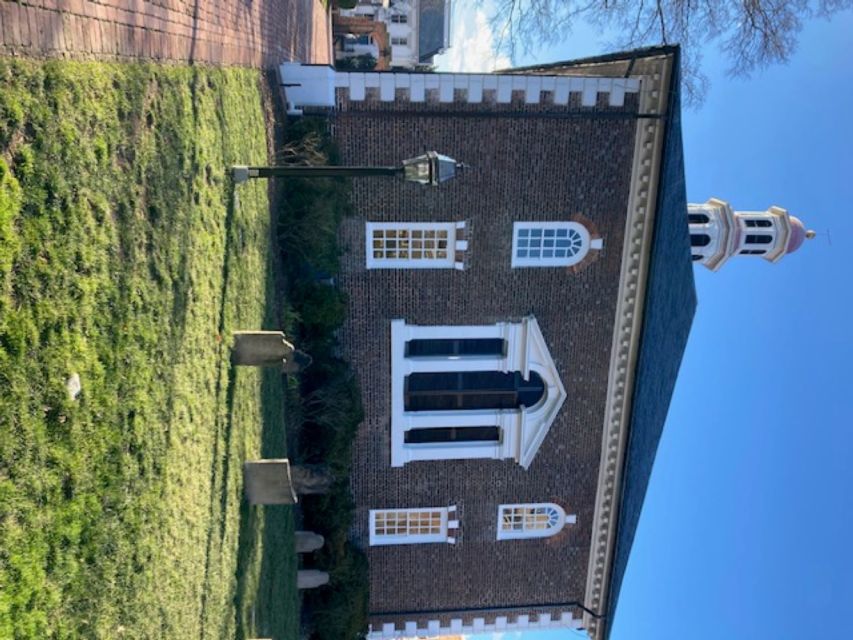
The walk then reaches Alexandria’s Civil War story. You’ll learn where one of the city’s best-known Civil War prisons was located and see places connected with the approximately 30 hospitals that operated in Alexandria during the war.
That number gives you a sense of the town’s wartime role. Alexandria was not merely near the conflict. It became a place where military prisoners were held and wounded people were treated. The hospital sites make the war feel local and immediate, tied to streets and buildings you can still walk past.
The prison stop is especially useful for understanding how Alexandria changed during the Civil War. A building or site can look ordinary now, but its earlier use may have affected the town’s residents, soldiers, and families in serious ways.
This section may appeal most to people interested in military history, and Tim has been praised for handling that subject well. Still, the guide keeps the walk connected to ordinary buildings and streets, so you do not need a military background to follow it.
A guide-led walk with a personal feel
The guides are a major part of the experience. Tim has been praised for preparation, strong knowledge of Washington and military history, and a friendly approach. Wayne has been described as funny and well informed, while Eileen has been praised for being personable and telling stories that go beyond the information posted on plaques.
Those different guide styles matter because a 90-minute history walk can become dry if it is delivered as a string of dates. Here, the best reports point to a relaxed, conversational experience with room for questions.
The group may be small on some dates. In very hot or cold conditions, the guide has shown a willingness to adapt, including choosing shade or indoor spaces when possible. You should still dress for the weather, since this is an outdoor walk and no guide can remove every effect of a 97-degree afternoon or a cold January morning.
The route also appears suitable for people with different levels of prior interest. A local resident learned new things, while visitors from the United States, Brazil, the United Kingdom, and France found the history easy to enjoy. That mix suggests the guide can explain the city clearly without assuming too much.
Is $30 a fair price for 90 minutes?
At $30 per person, the tour costs more than a self-guided walk, but the comparison is not quite fair. A map can show you Carlyle House, Captain’s Row, and Washington-related sites. It cannot easily explain the fire marks, identify the lesser-known tiny house, or connect a church, tavern, prison, and hospital into one timeline.
The price is strongest for a first visit to Alexandria. You get an overview of the city and a list of places to revisit at your own pace. It can also help you decide which interiors, museums, and historic houses deserve more of your afternoon.
The value is lower if you have already taken several Old Town walks and mainly want extended access inside buildings. This experience focuses on the streets and the stories behind them. It is not designed as a full museum admission package.
You can improve the value by scheduling it early in your Alexandria visit. Then you can return to the sites that interest you most, use the guide’s suggestions for further exploration, and spend the rest of the day with a better sense of direction.
Who should book this Alexandria walk?
I would recommend it to first-time visitors who want a clear introduction to Old Town without committing to a half-day activity. It suits families, couples, solo visitors, local residents, and anyone curious about how national events shaped one Virginia town.
It is particularly good for:
- People interested in George Washington and the Revolutionary War
- Anyone who enjoys architecture and overlooked street details
- Visitors curious about taverns and daily life in early America
- People studying the Civil War or Alexandria’s wartime role
- Families looking for a photo-friendly walk with short historical stops
- Repeat visitors who want stories beyond the building plaques
You may want something else if you dislike outdoor walking, want long interior visits, or prefer a tightly chronological lecture. The tour moves across several centuries and subjects, so its strength is range rather than exhaustive treatment of one building.
Final verdict: book it for context, not just landmarks
Book this tour if you want Alexandria to make sense as a living town, not just a collection of attractive old streets. The strongest parts are the two Washington homes, Carlyle House, the fire marks, Captain’s Row, and the Civil War sites. Those stops give you both famous names and details you might otherwise miss.
The 90-minute length keeps the commitment modest, and $30 is reasonable for a guided introduction with local stories and time for questions. Choose it near the start of your visit, wear comfortable shoes, and tell the guide what interests you most. If Washington, military history, or architecture is your priority, Tim may be a particularly good fit when his name appears for your date. If another guide leads the walk, Wayne and Eileen have also shown the warm, engaging style that makes this kind of tour work.
FAQ
Where does the Alexandria walking tour meet?
It meets at the Visitor Center at 221 King Street in Alexandria. The guide will be on the porch or inside.
How long does the tour last?
The walking tour lasts 90 minutes. Starting times depend on availability.
What language is the tour conducted in?
The tour is conducted in English.
Is the tour wheelchair accessible?
Yes, the activity is listed as wheelchair accessible. Because Old Town includes historic streets and cobblestones, you may still want to allow extra care on older surfaces.
What does the tour cover?
It covers Alexandria’s founding, George Washington’s two homes in the city, early taverns, churches and homes from before the Revolutionary War, Carlyle House, fire history, tiny houses, Captain’s Row, a Civil War prison site, and locations connected with Alexandria’s hospitals.
Can I cancel the booking?
Yes. You can cancel up to 24 hours in advance for a full refund. You can also reserve now and pay later.
Just added around the USA
- Philadelphia: Valley Forge National Historical Park Tour★ 4.9 · 39 reviews
- Door County Historic Cottage Row & Strawberry Islands Cruise★ 4.2 · 24 reviews
- Denver: History and Architecture Walking Tours★ 4.5 · 34 reviews
- D.C: Monuments & History Guided Open-Air Bus Tour-Day &Night★ 4.8 · 92 reviews
- Denver: City Highlights and History Walking Tour★ 4.9 · 95 reviews
- DC: Georgetown History & Architecture Tour with Local Guide★ 4.9 · 69 reviews
- Washington DC: African American History Museum Private Tour★ 4.7 · 54 reviews
- Dallas: Historic West End Ghost Walking Tour★ 4.6 · 59 reviews
Architecture & Landmark Tours, compared.

St. Mark’s Basilica Guided Tour & VR History Intro
Read our review →
Venice’s Best: Basilica, Doge’s Palace, Gondola & History Gallery
Read our review →
Córdoba: Skip-the-Line Great Mosque-Cathedral History Tour
Read our review →
Pantheon Elite Guided Tour – Rome’s Iconic Ancient Temple
Read our review →
Abu Dhabi Grand Mosque, Palace, and Heritage Village
Read our review →
Chicago in a Day: Food, History & Architecture Walking Tour
Read our review →

Colosseum Special Access Tour, with Ancient Temples & Tombs
Read our review →Browse the lists this tour appears in