
Review · NEW ORLEANS
Black History & Tremè Neighborhood Walking Tour
Tremé tells New Orleans from the inside. This 105-minute walk links Black music, worship, resistance, and neighborhood life through Congo Square and the streets around Louis Armstrong Park. I like the focus on places with real historical weight, and I like that guides such as LaToya and Malika bring personal passion rather than a rehearsed list of dates. The main drawback is the short format: four stops leave little time for extended museum visits or long neighborhood wandering.
I also like the manageable $40 price, especially since the tour stays outdoors and returns to its starting point. You get a focused introduction to Tremé, plus useful ideas for what to see next, including the Backstreet Cultural Museum and local food spots mentioned by guides. Come prepared for a walking tour in New Orleans weather, since the experience depends on good conditions.
Key points to know before you book
- Congo Square is the emotional center: Learn why this gathering place mattered to enslaved and free Black residents and how music traditions grew there.
- The guides give the tour its character: LaToya is praised for warm storytelling, while Malika brings strong background in ethnomusicology, local history, and New Orleans culture. Your guide may vary.
- The route honors both famous names and everyday people: Louis Armstrong and Mahalia Jackson appear alongside the stories of enslaved people, church communities, craftspeople, and neighborhood residents.
- St. Augustine Church adds a solemn pause: The Tomb of the Unknown Slave shifts the tour from music and celebration to remembrance.
- The group can reach 28 people: That is large enough for energy, but possibly less intimate than a tiny private walk.
- The 10:30 a.m. start is practical: You finish back at 801 N Rampart Street with much of the day still ahead.
Why this Tremé walk matters
New Orleans is often sold through its French Quarter facades, cocktails, and famous jazz clubs. Those are part of the city, but they do not explain how its music and culture took shape. Tremé gives you a different starting point.
This neighborhood is presented as the oldest Black neighborhood in the nation, and the tour uses its streets and public spaces to explain how Black New Orleanians shaped the city. You hear about music, religion, food, architecture, commerce, and community life as connected parts of one story.
That connection is the tour’s real value. You are not simply stopping beside a statue and hearing a name. You are asked to consider how African traditions, forced migration, Christian worship, local businesses, neighborhood customs, and creative expression developed alongside one another.
The tone is also important. The tour does not treat Black history as a short chapter added to a standard New Orleans sightseeing route. It places Black residents at the center of the city’s story. That means some moments are joyful, some are painful, and some challenge the polished myths often repeated about New Orleans.
The guides are central to this approach. LaToya receives especially warm praise for her energy, humor, kindness, and personal connection to Tremé. Malika is described as an academic and Vodou High Priestess with a strong background in local history and ethnomusicology. Another review names Malik as a clear and engaging guide. Because the guide can change, you should book the subject matter first and regard the individual storytelling style as part of the day’s luck.
More History Walking Tours in New Orleans
- New Orleans Garden District History Walking Tour
★ 5.0 · 2,879 reviews - French Quarter Historical Sights and Stories Walking Tour
★ 5.0 · 2,724 reviews - New Orleans Food and History Walking Tour
★ 5.0 · 1,544 reviews
Starting at 801 N Rampart Street
The tour begins at 10:30 a.m. at 801 N Rampart Street and ends at the same location. Returning to the start makes the outing simple to fit into a New Orleans schedule. You can plan lunch, a museum visit, or an afternoon in another part of the city without arranging a separate ride back.
The advertised walking time is about one hour and 45 minutes. That is long enough to build a meaningful story, but short enough for most people who can comfortably walk through city streets. It is not a full-day neighborhood study, and you should not expect a leisurely stop at every cultural site in Tremé.
The route uses four main stops. The tickets for each are listed as free, so the $40 fee pays for the guide and the organized interpretation rather than admission charges. That makes the price reasonable if you value context and conversation. If you prefer to read plaques on your own, the cost may feel less attractive.
A mobile ticket keeps the arrival process straightforward. The tour is offered in English, and most people can participate. Service animals are allowed, and the meeting point is near public transportation. The group limit is 28, so ask yourself how much you value a personal exchange with the guide. A group of that size can still work well, but it will not feel like a private walk.
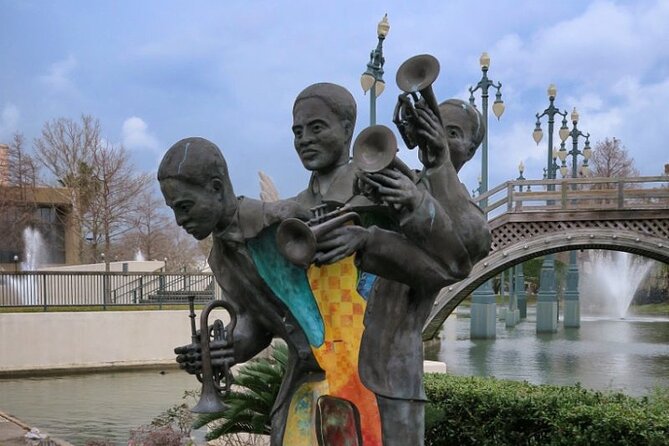
New Orleans Jazz National Historical Park and the people behind the music
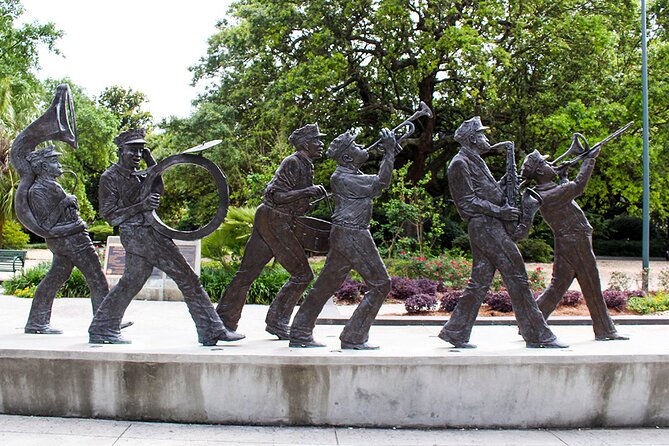
The first stop lasts about 30 minutes at New Orleans Jazz National Historical Park. The focus is not just on jazz as a genre, but on the people and circumstances that helped shape it.
You hear about Louis Armstrong, Mahalia Jackson, Buddy Bolden, Moses Hogan, and other musical figures. That list gives the guide room to show that New Orleans music did not come from one genius or one famous club. It grew through singers, bandleaders, composers, church traditions, neighborhood gatherings, and generations of Black creativity.
I like this opening because it gives you names to carry through the rest of the walk. When the tour later discusses Congo Square and Tremé, you have a clearer sense of how public space and community life connect to musical expression.
The stop is also useful for visitors who know only the biggest names. You may arrive familiar with Armstrong but less familiar with Mahalia Jackson, Buddy Bolden, or Moses Hogan. The guide’s job is to place these figures in a wider New Orleans story rather than offer isolated biographies.
The limitation is time. Thirty minutes can introduce several people, but it cannot fully explain each career. Bring a willingness to listen rather than expect a complete music course. The point is to give you a firm foundation for the rest of the walk and perhaps a list of names to explore later.
Congo Square and the power of public gathering
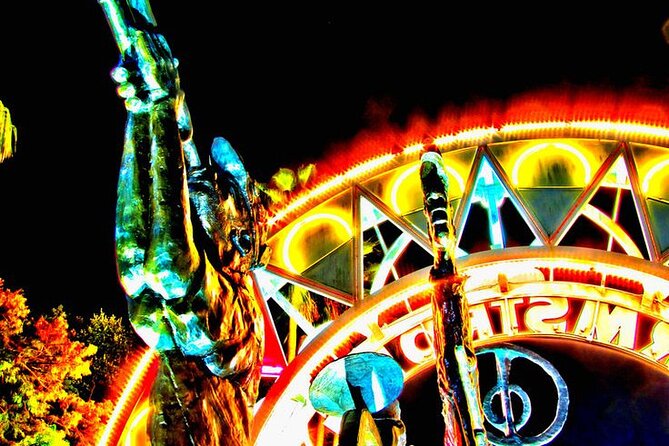
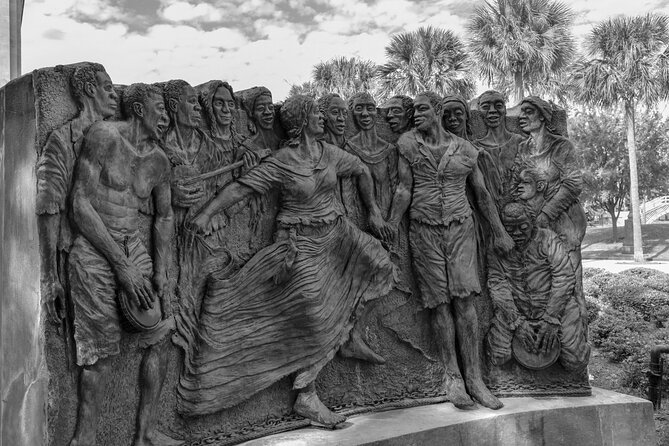
The next 30-minute stop is Congo Square, the heart of the tour for many people. The tour presents this as the place where West African drum circles took place every Sunday beginning in 1724, and as a place linked to the birth of jazz.
The history here reaches beyond music. Enslaved people were allowed to gather in this area, one of the few places in the United States where such a mass gathering could occur. The tour explains that people married, held church, traded goods, and maintained communal ties here.
That last point matters. It is easy to hear about enslaved people only through laws, labor, and suffering. Congo Square brings attention to the ways people sustained culture and relationships under brutal conditions. Music was not decoration. Gathering, worship, trade, and ceremony helped people preserve identity and create community.
I find this part especially useful because it asks you to picture the site as a lived place, not merely a historical marker. The guide connects the physical ground under your feet to sounds, movement, family life, and religious practice.
The tour’s description calls Congo Square the actual site where jazz was born. A more careful way to understand the stop is that it introduces the African musical traditions and public gatherings that helped shape New Orleans music. You will get the strongest value here if you listen for those connections rather than search for one simple origin story.
Expect a serious section, but not a gloomy one. The guides praised in the feedback use humor, warmth, and clear explanations alongside difficult facts. That balance helps the history remain accessible without watering it down.
More History Walking Tours in the USA
- New Orleans: French Quarter Food History Walking Tour
★ 4.9 · 713 reviews - New Orleans Cocktail History Walking Tour in the French Quarter
★ 5.0 · 604 reviews - New Orleans Jazz History and Music Walking Tour
★ 4.5 · 477 reviews - New Orleans French Quarter Walking and History Tour
★ 4.5 · 288 reviews
St. Augustine Church and the Tomb of the Unknown Slave
The 15-minute stop at St. Augustine Catholic Church changes the pace. On the church grounds, you visit the Tomb of the Unknown Slave and pay your respects.
After the music and public gathering at Congo Square, this is a quieter moment. The tomb represents enslaved people whose names and individual stories were not preserved. It also encourages you to think about the many people whose labor and lives helped build New Orleans but are absent from standard tourist narratives.
The stop is brief, so you should not expect a long interior church tour or a detailed architectural study. Its strength is symbolic and reflective. The guide can connect the site to the wider story of Black Catholic life in Tremé and to the people whose history cannot be reduced to famous names.
I appreciate the placement in the route. The tour does not rush straight from celebration into another list of musical facts. It gives you a pause to remember the human cost behind the city’s development.
You may find this part more solemn than the rest of the walk. That is appropriate, but it also means the experience is not designed as light entertainment. Book it if you want an honest account of New Orleans culture, including the parts that require attention and respect.
Louis Armstrong Park and the foundations of Tremé
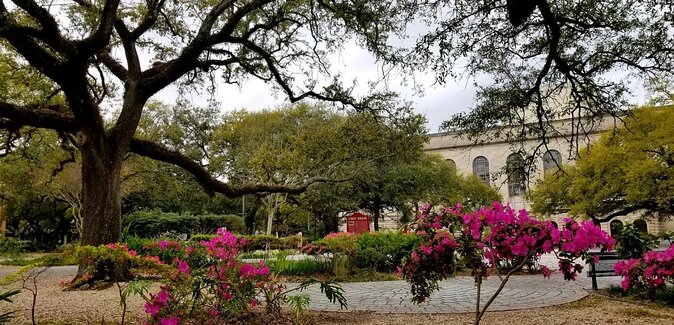
The final stop is Louis Armstrong Park, with about 15 minutes devoted to its history and meaning. The park is tied to New Orleans music, cuisine, architecture, and culture, so it serves as a fitting place to bring the tour’s main ideas together.
The name Louis Armstrong draws attention to one of New Orleans’ most famous sons, but the park’s significance reaches beyond a single musician. The tour explains the traditions and neighborhood forces that helped make New Orleans what it is.
This is also where you may need to pay close attention to the guide’s directions. The supplied information notes that the history connected with the park can be surprisingly hard to find. A guide is useful here because the meaning of a public space is not always obvious from its signs or layout.
One review describes a guide handling an unpleasant encounter with another guide in the park and adapting when a coffee stop was closed. That detail tells you something practical about walking tours: streets, businesses, and other groups do not always follow the plan. A strong guide keeps the story moving when small changes arise.
Fifteen minutes is enough for a final explanation, but not enough for a full exploration of the park. If you want more time, plan to return on your own. The tour gives you a frame for understanding the area, then leaves you with the choice of looking closer.
The guides are the main reason to book
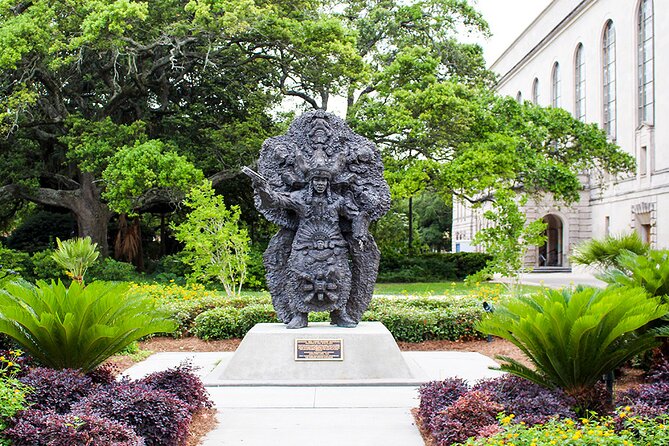
The strongest praise is aimed at the guides, not the route alone. LaToya is repeatedly described as an excellent storyteller who is approachable, funny, energetic, and deeply invested in New Orleans. She is also praised for pointing out Black-owned homes and businesses that remain important in the neighborhood.
That present-day focus matters. A history walk can become a museum piece if it treats the community as something that ended in the past. LaToya’s approach connects earlier generations to the Tremé you can see now.
Malika receives similar praise for her passion and command of New Orleans culture. One account describes her background in ethnomusicology, history, and Vodou, while another says she made difficult subjects understandable for parents and tweens or teens. That suggests the tour can work for mixed-age families, provided everyone is ready to walk and listen.
You may also encounter another guide, since several names appear in the feedback. I would not book on the assumption that one specific person is guaranteed unless the provider confirms it. Still, the repeated pattern is clear: storytelling, cultural context, and direct answers are central to the experience.
What $40 gets you
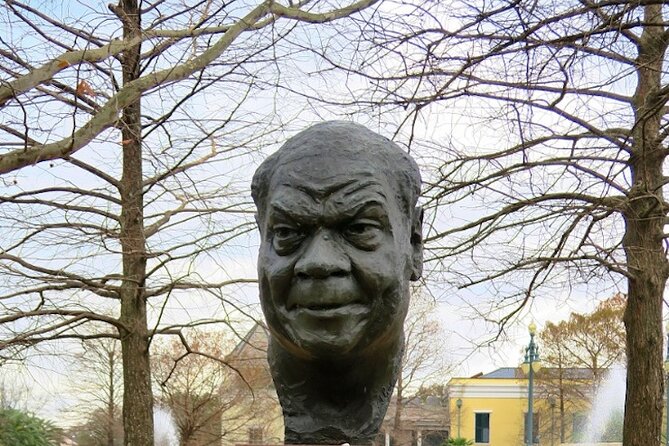
At $40 per person, this is not the cheapest way to walk through Tremé. You can visit public spaces without paying an admission fee, and the route itself lasts less than two hours.
The value comes from the interpretation. You are paying someone to connect Congo Square, the church tomb, the park, and the musicians into one understandable story. You are also getting local suggestions that may shape the rest of your stay.
One guide inspired a guest to return to the Backstreet Cultural Museum, while another food suggestion involved calas. Those are not listed tour stops, so do not assume they are included. Treat them as useful leads for your own follow-up plans.
The price makes the most sense for a first visit, for anyone who wants a Black-centered account of New Orleans, or for people who have walked through the area before but felt they were missing its meaning. It is less compelling if you want a long museum visit, a private guide, or an exhaustive architectural tour.
Practical details for a comfortable walk
Wear shoes you can use for nearly two hours and check the weather before leaving. The experience requires good weather, and poor conditions can lead to a different date or a full refund.
The 10:30 a.m. start gives you a useful morning plan. Arrive at 801 N Rampart Street with your mobile ticket ready, then keep the afternoon open for more Tremé exploration or another part of New Orleans.
You can cancel for a full refund up to 24 hours before the start time. Changes or cancellations made later are not accepted for a refund. The tour also needs a minimum number of people to operate, so a cancellation for that reason may result in another date, another experience, or a full refund.
Because the tour is in English and most people can participate, it suits a broad range of visitors. The group limit of 28 is worth noting if you prefer a quiet, highly personal walk. Service animals are allowed, and public transportation is nearby.
Who should book this walk?
You should book it if you want New Orleans history told through Black voices, local places, and human stories rather than only through famous buildings. It is a strong choice for first-time visitors and for repeat visitors who have already seen the French Quarter and want a different view of the city.
Families with older children and teens can also get a lot from it. The themes are serious, but the guides’ humor and storytelling keep the material approachable. Music fans will appreciate the links between West African traditions, church life, and New Orleans musicians.
I would hesitate only if you dislike outdoor walking, need a private experience, or want long periods at each site. The pace is purposeful. You get four stops, a clear story, and a return to the meeting point, not an unhurried afternoon in every corner of Tremé.
Should you book the Black History and Tremé Neighborhood Walking Tour?
Yes, if your goal is to understand how Black communities shaped New Orleans music, culture, and public life. The route is short, the price is fair for a guided interpretation, and the best part is the human delivery from guides such as LaToya and Malika.
Book it early if your schedule is tight, since the experience is often reserved about 22 days ahead. Afterward, use the guide’s suggestions to keep exploring. The walk works best as a beginning: it gives you the context to see Congo Square, Louis Armstrong Park, and Tremé with sharper eyes.
FAQ
How long is the Black History and Tremé Neighborhood Walking Tour?
The tour lasts approximately one hour and 45 minutes.
What time does the tour start?
It starts at 10:30 a.m.
Where does the tour begin and end?
It begins at 801 N Rampart Street in New Orleans and ends back at the same meeting point.
What places are included?
The route includes New Orleans Jazz National Historical Park, Congo Square, St. Augustine Catholic Church and the Tomb of the Unknown Slave, and Louis Armstrong Park.
Is the tour offered in English?
Yes. The experience is offered in English.
What happens if the weather is poor?
The experience requires good weather. If it is canceled because of poor conditions, you will be offered another date or a full refund.
Just added around New Orleans
- Historic Garden District Walking Tour★ 5.0 · 75 reviews
- Garden District History and Homes Walking Tour★ 4.5 · 100 reviews
- New Orleans French Quarter Walking and History Tour★ 4.5 · 288 reviews
- New Orleans French Quarter and Voodoo History Walking Tour★ 5.0 · 151 reviews
- New Orleans Garden District Food & History Tour (10am Everyday)★ 5.0 · 51 reviews
- French Quarter Historical Segway Tour★ 5.0 · 178 reviews
- Small-Group French Quarter History Walking Tour★ 5.0 · 39 reviews
- French Quarter History Tour with Cafe Du Monde★ 4.5 · 121 reviews
History Walking Tours, compared.
History and Hauntings of Salem Guided Walking Tour
Read our review →
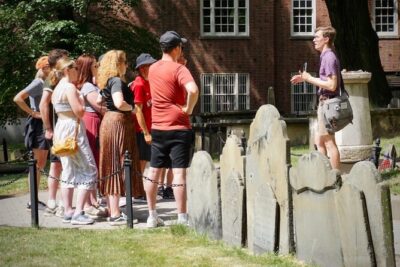
Freedom Trail History Small Group Walking Tour
Read our review →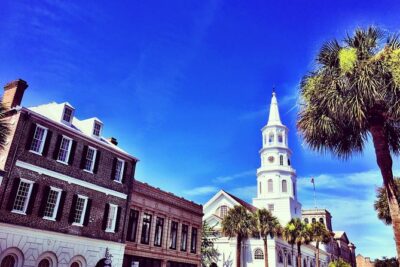
Historic Charleston Guided Sightseeing Walking Tour
Read our review →
Tapas Walking Tour with Food, Wine, and History
Read our review →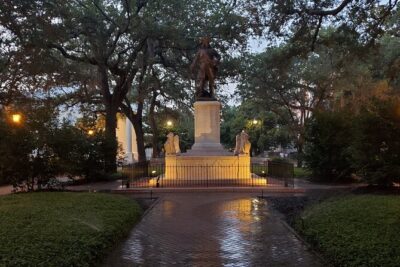
Savannah History and Haunts Candlelit Ghost Walking Tour
Read our review →
A History of Terror – Belfast City Centre Walking Tour
Read our review →Browse the lists this tour appears in