
Review · BERLIN (STATE)
Berlin: Berlin Charité Guided History Tour
Medicine has a very human story. This two-hour Berlin tour brings that story to life through the Charité, one of Europe’s major university hospitals, and the people who shaped modern medicine. I especially like the focus on famous Berlin scientists and the visit to the old Animal Anatomical Theatre, a wonderfully unusual place hidden inside the city. I also like that the tour does not skip the institution’s difficult Nazi-era past.
The main drawback is clear: you will view the Charité Bed House from outside, and group tours cannot enter the hospital grounds. The tour is conducted in German, so you need a strong understanding of the language to get the full value from the guide’s stories.
Key Points About the Charité Tour

- Three centuries of medicine: Follow the Charité from its beginnings as an 18th-century plague house to its modern role as a leading university hospital.
- Famous names: Learn about Rudolf Virchow, Emil von Behring, Robert Koch, Ferdinand Sauerbruch, and other major figures in Berlin medicine.
- A difficult past: The tour addresses doctors who worked with the Nazi regime, giving the subject needed honesty rather than a polished version of institutional history.
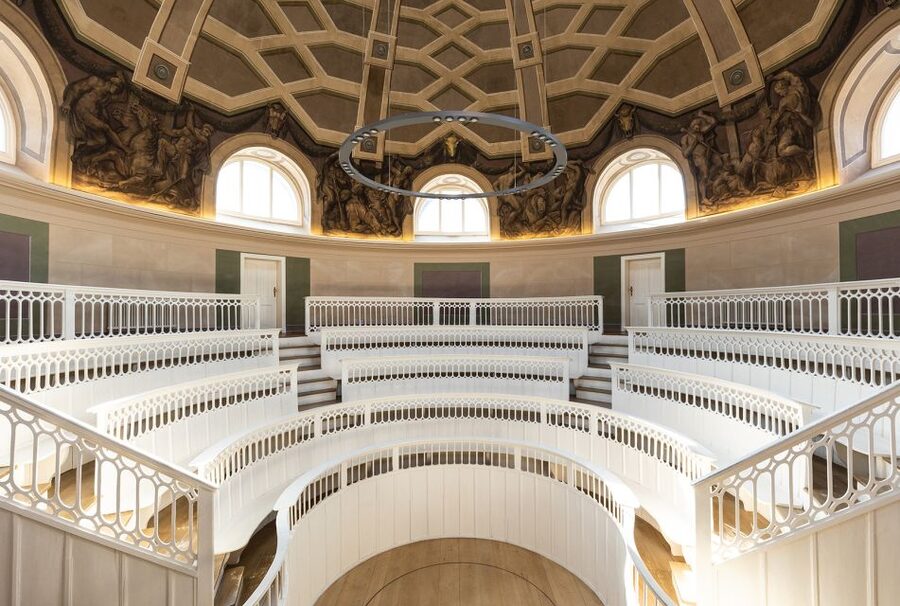
- An unusual final stop: Enter the Animal Anatomical Theatre, Berlin’s oldest surviving teaching building, sometimes described as a mysterious medicine temple.
- Mostly an outdoor walk: You move along Luisenstraße and across the university campus, but the Charité Bed House and hospital grounds are not open to the group.
- Good flexibility: The price is $28 per person, the tour lasts two hours, and cancellation is free up to 24 hours before departure.
Starting at the Charité Tower
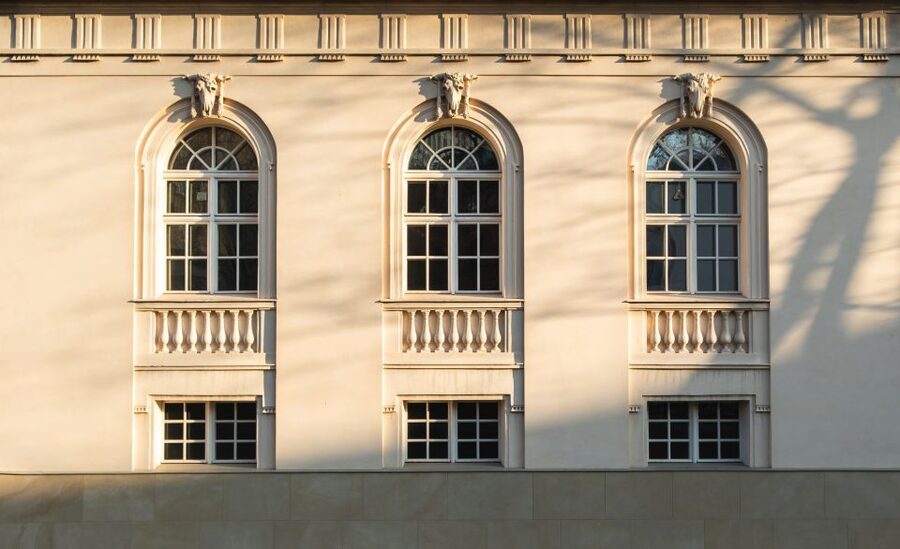
Your meeting point is in front of the Charité Tower, at the crossroads of Schumannstraße, Charitéplatz, and Charitéstraße. This detail matters because the area has several medical buildings and busy streets, so arriving at the exact crossroads will make the start less stressful.
The tour begins on time. I would arrive a little early, especially if you are unfamiliar with Berlin’s medical district. You will be starting in an active hospital area, not at a clearly separated museum entrance.
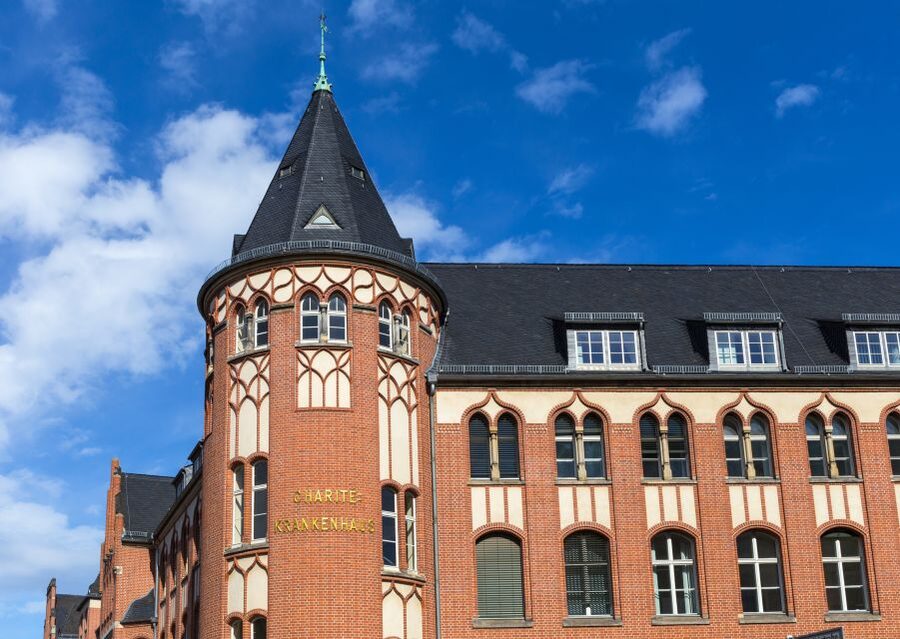
The first major sight is the Charité Bed House. You look at it from the outside and hear how the institution developed from a plague house in the 18th century into a hospital linked to university research and teaching. That change is the basic thread of the tour: medicine here is not just a story of buildings, but of changing ideas about disease, treatment, science, and public health.
Do not expect to enter the Bed House. It is still a hospital facility, with the hygiene and protection rules you would expect in a working medical institution. The limit may disappoint anyone hoping for a hospital museum visit, but it also explains why the tour stays on public routes and uses the surrounding streets to tell its story.
More Guided Tours in Berlin:
- Berlin: History of the Third Reich Guided Walking Tour
★ 4.7 · 791 reviews - Berlin: Cold War & Berlin Wall History Guided Bike Tour
★ 4.8 · 422 reviews - Berlin History Walking Tour with a French-Speaking Guide
★ 5.0 · 240 reviews
From Plague House to University Hospital
The Charité’s early role gives the tour a strong starting point. A plague house sounds like a small detail, but it helps you understand how medical care in Berlin changed over roughly 300 years. The institution grew from an emergency response to disease into a major center for university medicine.
As you walk, the guide connects the buildings and streets to the people who worked there. The stories include both scientific achievement and the ordinary human stakes of illness and death. That mix keeps the tour from becoming a dry roll call of doctors.
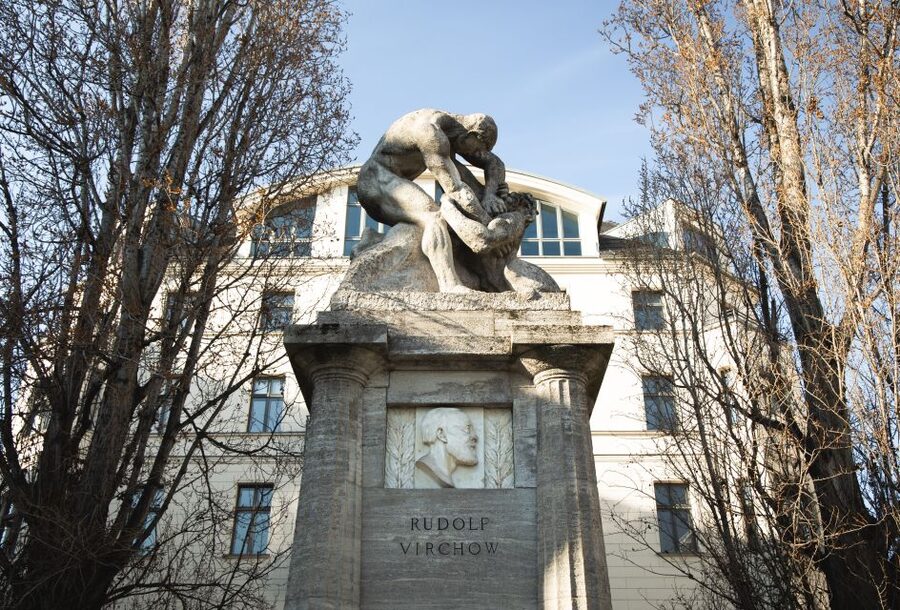
The best part for me is the way the tour links individual names to larger changes in medicine. Rudolf Virchow is especially important in Berlin’s medical story, while Robert Koch and Emil von Behring represent the era when laboratory science began transforming the understanding and treatment of disease. Ferdinand Sauerbruch adds another chapter, tied to surgical medicine and the dramatic reputation of early modern hospital work.
You will also hear about Nobel Prize winners connected with Berlin medicine. The tour does not present science as a string of abstract discoveries. Instead, it shows how research affected hospitals, patients, doctors, and the city itself.
For anyone interested in the history of science, this is the tour’s strongest subject. You get names and dates, but you also get a sense of how medical thinking moved from crisis control toward research-based university medicine.
Walking Along Luisenstraße

After the opening stop, the route continues along Luisenstraße and across the university campus. This section is mostly about listening while moving through the surroundings, so comfortable shoes are sensible even though the tour lasts only two hours.
The outdoor setting gives the guide a chance to explain Berlin’s medical past in place. You are not simply standing in a gallery looking at labeled objects. You see the streets and buildings connected with the institution while hearing how doctors, researchers, and students worked within this part of the city.
At the same time, you should set your expectations correctly. The hospital grounds at Charité Campus Mitte are not accessible to group tours. You will not wander through the full hospital complex or receive an inside look at current clinical facilities.
That restriction makes the guide especially important. A strong guide must turn an outdoor route into a coherent story, and the available feedback points to that being a major strength. The guide has been praised for clear speaking, strong presentation, and the ability to make the subject interesting even for people who already live in Berlin.
If you have lived in the city for years, you may find the tour useful precisely because it changes the way you see familiar buildings. Afterward, the older Charité structures are no longer just urban scenery. They carry stories about research, teaching, illness, and medical power.
The Scientists Behind Berlin Medicine
The tour’s scientific section is not aimed only at specialists. You do not need a medical background to appreciate the main ideas, and the guide explains why certain figures mattered.
Rudolf Virchow is one of the key names to watch for. His connection to Berlin helps place the city within the development of modern medical science. Robert Koch and Emil von Behring bring attention to the period when laboratory work and new approaches to infectious disease changed what doctors could understand and treat.
Ferdinand Sauerbruch represents another side of the story. His name is linked with surgery and the difficult, sometimes risky character of early modern medical practice. These figures help you see that progress was not a single smooth march forward. It involved experiments, argument, setbacks, and strong personalities.
The Nobel Prize references add another useful layer. They show that the Charité was not only a local hospital, but part of a wider scientific network. If you enjoy learning how cities produce major thinkers, this section gives you plenty to consider without requiring a separate museum visit.
Still, the tour is not a substitute for a specialist medical history course. The guide has only two hours and must cover 300 years, several major figures, the institution’s darker history, and the final building visit. You will get an engaging overview rather than a detailed study of each scientist.
A few more history tours around Berlin worth a look
- Berlin: 3-Hour World Heritage Cruise to Potsdam
★ 4.5 · 1,569 reviews - Berlin Historical Highlights Walking Tour
★ 4.9 · 657 reviews - Berlin Private Complete History All Day Walking Tour
★ 5.0 · 474 reviews - Berlin: Historic Boat Sightseeing City Center Tour
★ 4.5 · 415 reviews
The Charité’s Nazi-Era History
A serious account of the Charité must address its relationship with the Nazi regime, and this tour does. You hear about the dark period when doctors collaborated with the regime, a subject that can be uncomfortable but cannot be left out.
This part gives the tour moral weight. Medical institutions can produce lifesaving research, but doctors and scientists can also misuse their authority. The Charité’s story shows that professional status and scientific achievement do not automatically protect an institution from political pressure or ethical failure.
I appreciate that the tour includes this chapter instead of presenting only famous discoveries and Nobel winners. The balance matters. You hear about medical progress, but you also confront the ways medicine can serve destructive policies.
The guide’s presentation is important here. The subject needs care and clarity, not sensational treatment. The strong comments about the guide’s rhetoric and ability to explain the material suggest that this is one of the tour’s more effective sections.
You should know that the tone is not light throughout. This is a history tour about life and death, scientific achievement, and institutional failure. If you want only cheerful sightseeing, choose a different Berlin activity. If you want a more honest look at how medicine and power intersect, this section is a reason to go.
Inside Berlin’s Oldest Surviving Teaching Building
The tour finishes with the most unusual stop: the Animal Anatomical Theatre, also called the TAT. It is described as Berlin’s oldest surviving teaching building and has the feel of a medicine temple tucked away in a backyard.
This is the one place on the route you enter. The building gives the tour a physical ending after the outdoor walk and helps you picture how medical education once worked. Its unusual design and old teaching purpose make it more memorable than a standard hospital corridor.
The TAT is not guaranteed to be open every day. It can change its opening hours at short notice for closed events, and it is closed on public holidays. Check the date carefully before booking if this building is your main reason for taking the tour.
That caveat is important because the visit is a central part of the experience. If the TAT is closed, the tour may need to adjust the final stop. The supplied information does not promise that an alternative interior visit will be offered, so I would treat the building visit as subject to opening conditions rather than an absolute guarantee.
Even with that limitation, the TAT gives the route a distinctive finish. You begin with a working hospital viewed from the street and end inside a historic teaching space. That contrast neatly shows how medical education and hospital practice have changed.
What the $28 Price Gets You
At $28 per person, the tour is fairly priced for a two-hour guided walk with an interior visit. You are paying for interpretation rather than admission to a large collection or access to the hospital itself.
The value depends heavily on your interest in the subject and your German skills. If you enjoy science, medical history, Berlin institutions, or the history of universities, the guide’s explanations can make the price worthwhile. You get a focused route, historical context, and access to the Animal Anatomical Theatre.
If you speak little or no German, the value drops sharply because the tour is offered in German. There is no indication of an English-language option in the supplied details. In that case, you may see the buildings but miss the information that makes the route meaningful.
The price also compares well with a general city tour if you want a narrow topic rather than a broad introduction to Berlin. You will not cover famous monuments across the whole city. Instead, you spend two hours on one institution and the medical world around it.
You can reserve now and pay later, which helps if your Berlin plans are still changing. Cancellation is free up to 24 hours before the tour for a full refund. Those terms are useful, but the real question is whether you will enjoy a serious, mostly outdoor history walk.
Who Will Enjoy This Tour Most
I would recommend the Charité tour to:
- People interested in medicine, science, hospitals, or university history
- Berlin residents who want fresh context for familiar streets and buildings
- Visitors who prefer a focused subject to a general city overview
- Anyone curious about Nobel Prize winners and major medical figures
- People comfortable with a serious discussion of Nazi-era institutional history
- German speakers who can follow a detailed live explanation
Families with older children may also find the subject worthwhile, particularly if they already enjoy science or history. The material includes life, death, disease, doctors, and political abuse, so it may not suit young children.
You should think twice if you expect to enter the modern hospital, walk freely around the Charité campus, or take an English-language tour. Those are not part of the stated experience.
Practical Advice Before You Go
Meet at the Charité Tower crossroads of Schumannstraße, Charitéplatz, and Charitéstraße. The tour starts on time, so allow enough time to locate the meeting point.
Wear comfortable shoes because the route includes walking along Luisenstraße and across the university campus. The tour lasts two hours, and much of it takes place outdoors.
Check the date against public holidays. The Animal Anatomical Theatre is closed on public holidays, and its opening hours can change for private or closed events.
Keep the language in mind. The tour is in German, and the guide’s explanations are the main reason to book. A basic ability to understand signs or simple conversation will not be enough for the full experience.
The hospital itself remains a working medical facility. Follow the group’s route and do not expect access to patient areas, the Bed House interior, or the wider Charité Campus Mitte grounds.
Should You Book the Charité History Tour?
Book it if you want a focused, serious look at Berlin through medicine. The combination of famous scientists, Nobel Prize winners, Nazi-era history, and the Animal Anatomical Theatre gives the tour more substance than a simple walk past old buildings.
Skip it if you need English, want to explore hospital interiors, or prefer a light sightseeing activity. The tour is built around spoken history, and you will lose much of its value if you cannot follow German.
For German-speaking visitors, especially those who already know Berlin, this is a smart choice. It can turn familiar Charité buildings into places with meaning, conflict, and memory. At $28 for two hours, it offers good value when the subject matches your interests and the TAT is open.
FAQ
How long does the Berlin Charité history tour last?
The tour lasts two hours.
What language is the tour conducted in?
The live tour guide speaks German.
Where does the tour meet?
The meeting point is in front of the Charité Tower at the crossroads of Schumannstraße, Charitéplatz, and Charitéstraße.
Can I enter the Charité Bed House?
No. The Bed House is viewed from the outside because it is a working hospital facility with protection and hygiene regulations.
Can the group enter the Charité Campus Mitte hospital grounds?
No. The hospital grounds are not accessible for group tours.
Does the tour visit the Animal Anatomical Theatre?
Yes. The route includes an inside visit to the Animal Anatomical Theatre, Berlin’s oldest surviving teaching building. Its opening hours can change, and it is closed on public holidays.
Which medical figures are discussed?
The tour discusses figures including Rudolf Virchow, Emil von Behring, Robert Koch, and Ferdinand Sauerbruch, along with Nobel Prize winners connected with Berlin medicine.
Can I cancel the booking for a refund?
You can cancel up to 24 hours in advance for a full refund. You can also reserve the tour and pay later.
Just added around Berlin
- Historic center of Berlin – Tour in Italian★ 5.0 · 143 reviews
- Berlin Food & Cultural Tour: Must-Try German & Berliner Classics★ 5.0 · 51 reviews
- Private Berlin WWII and Cold War History Tour with Local Expert Guide★ 5.0 · 28 reviews
- Private Tour: Jewish Heritage Walking Tour of Berlin★ 5.0 · 29 reviews
- Small-Group Historical Bike Tour in Berlin★ 4.5 · 103 reviews
- East Berlin Food & History Tour with Eating Europe★ 5.0 · 204 reviews
- Explore Berlin History and Highlights Sightseeing Walking Tour★ 5.0 · 81 reviews
- Berlin: Private Bike Tour of the Berlin Wall and Third Reich★ 5.0 · 23 reviews
Berlin History Tours, compared.



Berlin Private Complete History All Day Walking Tour
Read our review →
Cold War & Berlin Wall History Guided Bike Tour
Read our review →

Small group Potsdam: A Journey Through History and Palaces
Read our review →Browse the lists this tour appears in