
Review · ZANZIBAR
Stone Town Historical Walking Tour
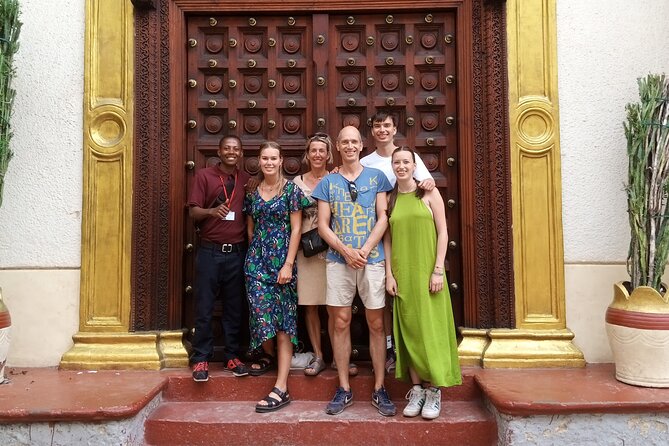
Stone Town rewards slow feet. This private walking tour brings you through Zanzibar’s old center, where carved doors, sea air, minarets, markets, and colonial buildings reveal the island’s unusual cultural mix. I like the small private format and the way guide Ahmed is praised for adjusting the pace to match your interests. The main drawback is that some entrance fees are extra, and a two to three-hour visit can feel rushed if you want to explore every museum.
I also like the tour’s broad view of Zanzibar. You move from Portuguese and Omani rule to royal life, the former slave market, local food, and Freddie Mercury’s Zanzibar connection. You should expect plenty of walking on uneven streets, plus a market and food stop where the experience is more about atmosphere than a formal meal.
Key points to know before booking
- A private Stone Town walk: Only your group takes part, so you can ask questions and request more or less time at different stops.
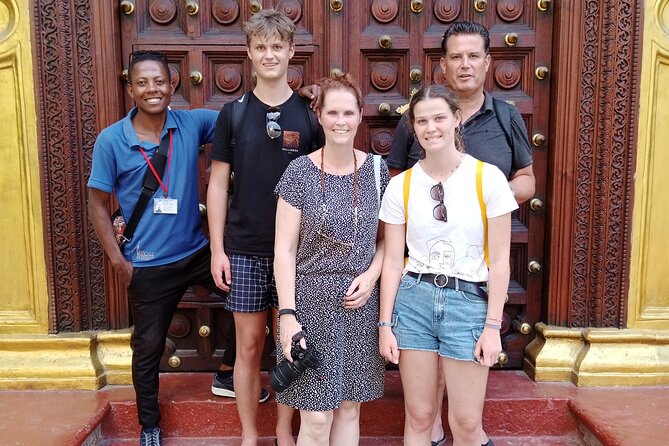
- Ahmed’s flexible guiding style: One particularly strong account praises his pacing, historical detail, cultural insight, and willingness to discuss present-day challenges in Zanzibar.
- Seven contrasting stops: The route links the Old Fort, Forodhani Gardens, Darajani Bazaar, the Palace Museum, Christ Church Cathedral, and the Freddie Mercury Museum.
- A useful introduction to cultural mixing: African, Arab, Persian, Indian, and European influences appear in the city’s buildings, food, faiths, and trade history.
- Food is not included: Forodhani’s evening food market is part of the route, but you pay for anything you eat or drink.
- Good value at $25: The price includes a professional guide, with Stone Town hotel pickup available by advance request, but it does not cover every admission fee or transport from elsewhere on the island.
Why Stone Town deserves a walking tour
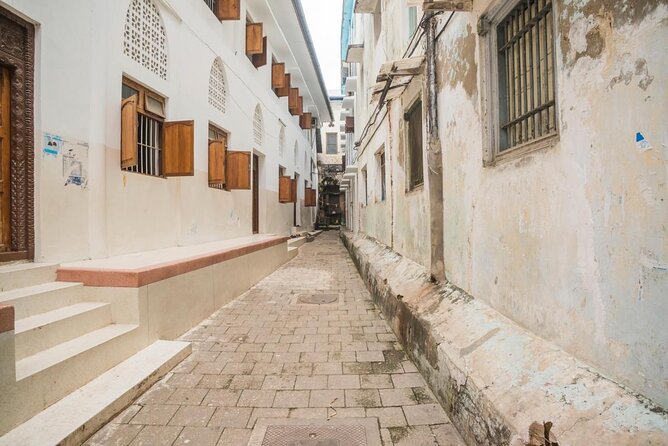
Stone Town is the historic center of Zanzibar City, the capital of the Zanzibar Islands. Its narrow streets grew from centuries of trade involving spices, silk, enslaved people, and goods moving between Africa, Arabia, Persia, India, and Europe.
That mixture is the reason a guided walk helps. You can admire a carved door on your own, but a guide can explain why the city looks the way it does and how different powers shaped it. Here, an old building may carry African, Indian, Arab, and European details at once.
The city is also a place of religious coexistence. Islam is the dominant faith, but Christianity and Hinduism are part of Stone Town’s cultural story as well. You may hear the call to prayer from minarets while passing buildings linked to other traditions. The effect is not a neatly arranged museum display. It is a working city with old layers still in use.
The tour’s short length makes sense as an introduction. At roughly two to three hours, it gives you a useful first look without consuming an entire day. You will not inspect every room or linger at every market stall, but you will get the basic map and historical frame needed to explore Stone Town with more confidence afterward.
More History Walking Tours in the world:
- History and Hauntings of Salem Guided Walking Tour
★ 5.0 · 14,564 reviews - Lisbon: History, Stories and Lifestyle Walking Tour
★ 4.8 · 10,902 reviews - Boston: Freedom Trail History Small Group Walking Tour
★ 5.0 · 6,450 reviews
Starting at Forodhani and entering the Old Town
The meeting point is Forodhani in Stone Town, and the walk ends back there. Pickup from Stone Town hotels is available if you request it and send a message in advance. If you are staying in another part of the island, transportation is not included, so you need to arrange your own way to the city.
The first section introduces the Old Town itself. Expect a sensory start: the smell of the sea, perfumes from shops, old masonry, carved doors, and calls to prayer overhead. This is one of the tour’s best features because Stone Town makes more sense when you experience it at street level.
The guide can also point out how the city’s architecture reflects its trading past. Zanzibar was not shaped by one culture alone. African building traditions meet Arab and Indian design, with European colonial influence added to the mix.
I would use this opening to ask questions about daily life, not only dates and rulers. The guide’s strongest recorded praise concerns the ability to discuss both history and the current struggles faced by Zanzibarians. That kind of conversation can turn a standard sightseeing walk into a more useful picture of the island today.
The Old Fort and the end of Portuguese rule
The Old Fort, known locally as Ngome Kongwe, receives about 40 minutes on the route. It is described as Stone Town’s oldest building, with its origins around 1560. Its story connects Zanzibar to Portuguese control, the Omani takeover, and the Yarub effort that pushed the Portuguese out after the capture of Mombasa.
The fort is valuable because it gives you a physical setting for events that can otherwise feel remote. You are not only hearing that European colonial influence reached Zanzibar. You are looking at a surviving structure linked to those power struggles.
The site also helps explain why Zanzibar mattered. Its position in the Indian Ocean made it an important stop in trade between the African coast, Arabia, Persia, India, and Europe. Control of the island meant influence over movement, commerce, and regional politics.
Admission is listed as free for this stop. Even so, I would confirm the day’s arrangements with your guide, especially if the route changes or a separate museum visit is added. The 40-minute allocation is generous compared with several later stops, so this is one place where you may have time to ask questions rather than simply take photographs.
Forodhani Gardens after dark

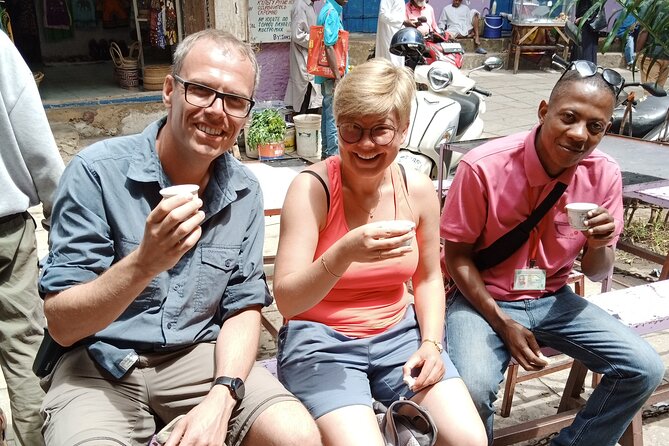
Forodhani Gardens becomes a major gathering point after sunset. Locals and visitors come for the food market, where you can find grilled seafood, samosas, cassava, potatoes, and other Kiswahili and Zanzibari dishes.
The tour allows about 30 minutes here. That is enough to see the scene and decide what interests you, but it is not a full food tour. Food and drinks are not included in the $25 price, so carry some money if you want to sample something.
I like this stop because it connects history with present-day life. After walking past forts and palaces, you see how Stone Town functions as a social place. The food also reflects Zanzibar’s location and cultural blend, with Indian, African, Arab, and coastal influences showing up in familiar dishes.
You should use normal market judgment. Look at what is being served, ask the price before ordering, and do not assume the tour fee covers anything you eat. If your tour takes place before sunset, you may see the gardens without the full evening food scene.
A few more history tours around the world worth a look
- Colosseum: Underground and Ancient Rome Tour
★ 4.7 · 12,691 reviews - London Small Group Tour of Historical Pubs
★ 5.0 · 10,422 reviews - Prague: Oldtown, Medieval Underground & Dungeon History Tour
★ 4.3 · 10,277 reviews - Charleston’s Old South Carriage Historic Horse & Carriage Tour
★ 5.0 · 10,023 reviews
Darajani Bazaar and the working city

Darajani Bazaar gives you a different side of Stone Town. Instead of monuments, you see everyday commerce: produce, spices, seafood, clothing, crafts, and local vendors.
The planned visit lasts about 18 minutes, which is brief. That short timing lets you get a taste of the market without turning the tour into a shopping trip, but it may not satisfy you if you want to browse carefully or buy several items. You can ask your guide where a longer return visit would fit into your schedule.
This is the place to pay attention to ordinary details. Markets show what people cook, sell, carry, and discuss. You might see displays of spices associated with Zanzibar’s famous nickname as the Spice Island, along with food and goods that connect the island to its coastal trade.
A guide is especially useful here because markets can feel confusing at first. You can ask about unfamiliar produce, the role of seafood in local cooking, or which items make practical souvenirs. The experience remains more genuine when you treat the bazaar as a place where people work, not simply as a photo stop.
The Palace Museum and Zanzibar’s royal past

The Palace Museum, also called the People’s Palace Museum, focuses on the former residence of the Sultan. The visit offers about 18 minutes to see artifacts and exhibits connected with Zanzibar’s royal family, cultural traditions, and political past.
This stop adds an important layer to the tour. The Old Fort explains military power and the Palace Museum shows how rulers lived and presented authority. Together, they help you understand that Zanzibar’s past was shaped by more than trade alone.
The listed experience may include traditional music or craft demonstrations, although these should not be treated as guaranteed parts of every visit. The same applies to the amount of time spent inside. At 18 minutes, you will get an overview rather than a full museum visit.
Admission arrangements deserve attention here. The tour information says entrance fees are not included and gives $5 per person as the fee, while individual stops also list some admissions as not included. Ask your guide which sites require payment on your date and whether the $5 amount covers the planned admissions. That quick question can prevent confusion.
Christ Church Cathedral and the former slave market
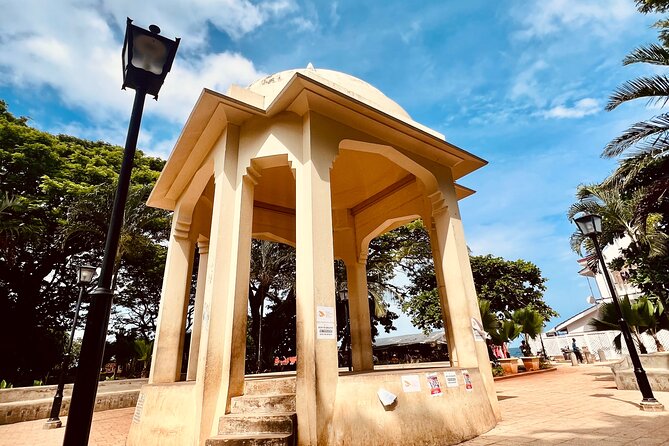
Christ Church Cathedral is built on the site of Stone Town’s former slave market. The guide takes you to that location and explains the connection between the church and the slave trade.
This is the most serious stop on the route. Zanzibar’s importance in regional trade included the forced movement and sale of enslaved people, and the cathedral site asks you to face that past directly. The visit is not simply about architecture.
The planned time is about 18 minutes, and admission is not included. The timing may be enough for a focused explanation, but it will feel short if you want to study the church and memorial areas carefully. You should also expect the subject matter to be emotionally difficult. It deserves quiet attention rather than hurried sightseeing.
I appreciate that the route does not avoid this part of Zanzibar’s story. A pleasant walk through old streets can otherwise leave you with a polished but incomplete picture of the island. Here, the guide can connect the city’s wealth and trade networks to the human cost behind them.
Freddie Mercury’s Zanzibar connection
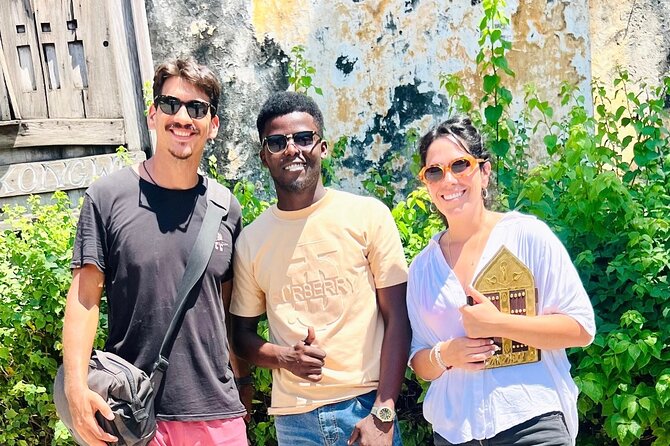
The Freddie Mercury Museum offers a modern and unexpected final note. Freddie Mercury was born in Zanzibar, and the museum presents his life, belongings, memorabilia, career, and connection to Queen.
The visit lasts about 18 minutes, with admission not included. That is enough for a compact introduction to his path from Zanzibar to worldwide fame, but fans may want more time than the schedule provides. If this is a major reason you want to visit Stone Town, ask whether you can extend the stop or return later.
This museum also shows how many kinds of identity meet in Zanzibar. The tour has already covered African, Arab, Indian, Persian, European, Islamic, Christian, royal, and commercial influences. Freddie Mercury adds a global music story linked directly to the city.
The contrast is useful. Stone Town is not frozen in the age of sultans and sailing ships. Its history continues through people, music, food, and modern cultural memory.
What the $25 price really includes
At $25 per person, this is a reasonable price for a private two to three-hour guided walk, particularly if you value conversation and flexibility. You are paying for a professional guide rather than a vehicle or a full-day package.
The price includes the guide and can include pickup from a Stone Town hotel if you request it in advance. It does not include food, drinks, tips, personal expenses, transport from another part of Zanzibar, or the stated $5 entrance fee.
The private format improves the value. You are not placed into a large group with one fixed pace, and you can ask about subjects that interest you. One especially positive account describes Ahmed adjusting the walk to personal interests while explaining history, culture, and current issues. That is exactly the kind of benefit you want from a private guide.
The value is weaker if you expect every museum admission and meal to be covered. It is also less suitable if you want an all-day historical program with long visits inside each site. Think of this as a focused orientation to Stone Town, not a complete museum pass.
Timing, walking, and practical planning
Plan for two to three hours, though the listed stop times add up to nearly three hours before pauses, transitions, and questions. The route takes place on foot through Stone Town, so comfortable shoes are more useful than polished ones.
The tour is suitable for most people, and it is a private activity for your group only. Since the walk includes markets, historic streets, religious sites, and museums, modest clothing is a sensible choice, particularly around the cathedral and Muslim areas.
Use the booking confirmation to check the meeting details. The official start and end point is Forodhani, while Stone Town hotel pickup requires an advance request. Public transportation is nearby, but transport from other parts of the island is your responsibility.
The tour has free cancellation up to 24 hours before the start time. Canceling or changing plans within 24 hours does not qualify for a refund, and the cut-off follows local Zanzibar time.
Who should book this Stone Town walk?
I would recommend it to a first-time visitor who wants a clear introduction to Zanzibar City without giving up a whole day. It suits you especially well if you enjoy history, architecture, food markets, cultural questions, and a guide who can adapt the conversation.
It is also a good choice for couples, families, and small private groups who prefer to set their own pace. The $25 cost is attractive when divided against private guiding, though you should budget separately for admissions, food, and a tip.
I would be more cautious if you dislike walking, want extensive time inside museums, or expect a fully inclusive package. The short visits at the Palace Museum, Christ Church Cathedral, and Freddie Mercury Museum are useful introductions, not exhaustive tours.
Should you book it?
Book this tour if you want Stone Town explained rather than simply photographed. The combination of a private guide, Old Fort, Forodhani Gardens, Darajani Bazaar, the Palace Museum, Christ Church Cathedral, and the Freddie Mercury Museum gives you a well-rounded first look at Zanzibar.
Before confirming, ask about the guide assigned to your date, the $5 admission charge, and the exact timing of the museum stops. If Ahmed is available, his praised ability to match the pace to your interests is a strong reason to request him. Go with realistic expectations, bring money for food and admissions, and you will get good value from a short, serious, and pleasantly varied introduction to Stone Town.
FAQ
How long does the Stone Town Historical Walking Tour last?
The tour lasts approximately two to three hours. The route includes seven stops, with individual visits ranging from about 18 to 40 minutes.
What is included in the tour price?
The $25 price includes a professional tour guide. Pickup from hotels in Stone Town can be arranged if you request it and send a message in advance.
Are entrance fees included?
No. Entrance fees are not included, and the tour information gives $5 per person as an entrance charge. Christ Church Cathedral and the Freddie Mercury Museum are specifically marked as having admission costs not included.
Is food included at Forodhani Gardens?
No. Food and drinks are separate from the tour price. You can buy local dishes such as grilled seafood, samosas, cassava, and potatoes at the evening market.
Where does the tour start and finish?
The official meeting point is Forodhani in Zanzibar, Tanzania. The activity ends back at the meeting point.
Can I cancel the tour for a refund?
Yes, if you cancel at least 24 hours before the experience starts. Cancellations or changes made less than 24 hours before the start time are not eligible for a refund.
Just added around the world
- The Curacao’s Colorful History Walking Tour★ 5.0 · 55 reviews
- Olous – Guided Snorkelling Excursion to Discover Olous Sunken Ancient City★ 4.5 · 31 reviews
- Visita Guiada Por El Casco Histórico De Cuenca Y Su Catedral★ 5.0 · 45 reviews
- Experience Cozumel Historical Center Mayan and Beach Experience★ 5.0 · 20 reviews
- Private Half Day Cultural Tour to Mayan Ruins and Cenote★ 4.5 · 31 reviews
- From Kolymbari: Ancient Diktyna & Hidden Beach Quad Safari★ 5.0 · 22 reviews
- Otoch Mayan Experience Tour: Cultural & Historical Adventure★ 3.5 · 18 reviews
- Historic Cork Delicious Donut Adventure by Underground Donut Tour★ 5.0 · 232 reviews
History Walking Tours, compared.

History and Hauntings of Salem Guided Walking Tour
Read our review →
Freedom Trail History Small Group Walking Tour
Read our review →
Historic Charleston Guided Sightseeing Walking Tour
Read our review →
Tapas Walking Tour with Food, Wine, and History
Read our review →
Savannah History and Haunts Candlelit Ghost Walking Tour
Read our review →
A History of Terror – Belfast City Centre Walking Tour
Read our review →Browse the lists this tour appears in