
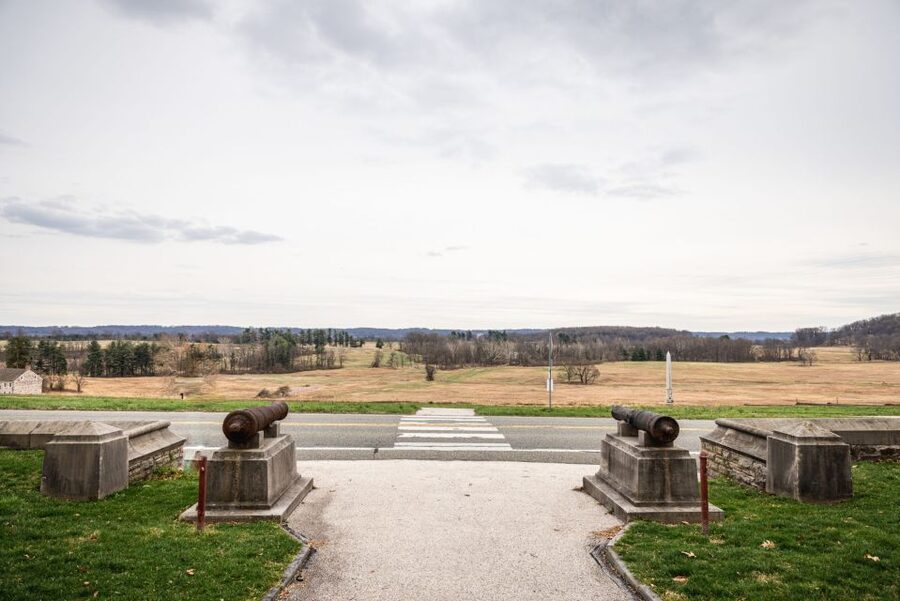
Review · PENNSYLVANIA
Philadelphia: Valley Forge National Historical Park Tour
Valley Forge makes American history feel close. This half-day trip links Philadelphia with the winter camp where Washington’s army endured hunger, illness, cold, and uncertainty, then shows you the surviving and recreated places that explain how the army became more effective. I especially like the small-group format, with no more than 14 people, and the way guides such as Marty, Tom, Dale, and James turn dates into human stories. The main drawback is that four and a half hours goes quickly, so this is an introduction rather than a full park visit.
I also like the simple downtown pickup at 12th and Arch Streets, followed by roundtrip transportation into the countryside. You avoid arranging a car and get useful background on the ride out. Still, the tour runs rain or shine, and several stops are outdoors, so dress for the forecast and wear shoes you can walk in.
Key points to know before you book
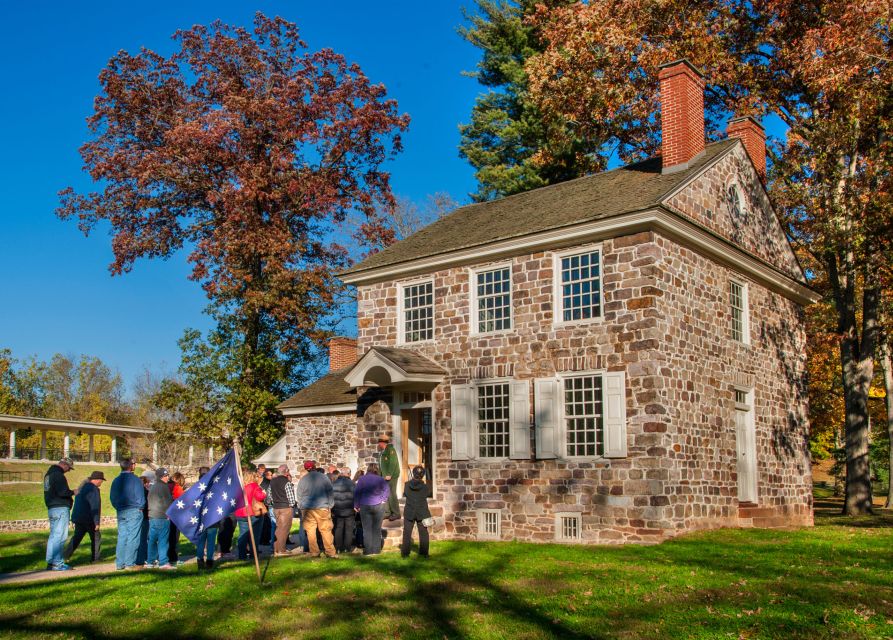
- Washington’s Headquarters gives the encampment a personal scale: You see the house where George Washington worked and made decisions during the winter crisis.
- The recreated soldiers’ huts make hardship easier to picture: They show the cramped conditions behind the larger military story.
- The guide is the main reason to choose this trip: Past guides including Marty, Tom, Dale, James, Rick, Adam, Owen, and others have been praised for clear explanations and lively anecdotes.
- The ride from Philadelphia adds useful context: The story begins before you arrive, covering the war’s early years and the events that led the army to Valley Forge.
- The park offers more than military history: The Schuylkill River, open fields, memorials, and quiet roads give the visit a peaceful countryside setting.
- The $115 price buys convenience as much as sightseeing: Transportation, a live guide, and a donation to Valley Forge National Historical Park are included.
Why Valley Forge matters beyond the famous winter
Valley Forge is often reduced to a short lesson about cold weather and suffering. The real story is more useful than that. Washington’s army arrived in December 1777 after a difficult campaign, and the encampment became a test of supply, discipline, leadership, and morale.
The soldiers did not fight a major battle at Valley Forge. That surprises many people. The importance of the site comes from what happened between battles. The army trained, reorganized, and endured a brutal winter. By the time it left, it was a more capable fighting force.
Your guide begins this explanation before the van reaches the park. That matters because the huts and monuments mean much more when you understand the pressure facing Washington. Guides have included former teacher Marty, history professor James, and other experienced storytellers such as Tom and Dale. Their job is not simply to recite dates. They connect the military crisis to the people who had to solve it.
The drive also gives you a chance to ask questions early. If you know little about the American Revolution, you get the basic framework. If you already know the broad story, you can use the ride to ask about commanders, supply problems, army life, or Philadelphia’s part in the war.
A few more history tours around the USA worth a look
- History and Hauntings of Salem Guided Walking Tour
★ 5.0 · 14,564 reviews - Charleston’s Old South Carriage Historic Horse & Carriage Tour
★ 5.0 · 10,023 reviews - Beneath The Streets Underground History Tour
★ 4.5 · 8,006 reviews
From 12th and Arch Streets to the countryside
The meeting point is at the southwest corner of 12th and Arch Streets. Look for the WeVenture Tours sign. This is a practical starting point in central Philadelphia, close to Reading Terminal Market, and the pickup saves you from finding a rental car or working out your own route to the park.
The trip lasts 270 minutes, including transportation in both directions. The vehicle takes you from the city into a quieter setting, and the guide uses that transition well. Instead of spending the ride in silence, you hear about the early years of the war and the events that brought Washington’s army to Valley Forge.
The group is limited to 14 participants. That does not guarantee a tiny group every time, but it keeps the outing more personal than a large coach tour. One small group had only two participants, creating something close to a private visit. Other outings used mid-size SUVs and groups of fewer than six.
That smaller setup is useful at a place with several stops. You can hear the guide without a microphone, ask follow-up questions, and move at a sensible pace. It also means the experience depends partly on your guide. The praise for Marty, Tom, Dale, James, Rick, Adam, Owen, and others is consistent: clear explanations, patience, good organization, and a friendly manner.
Valley Forge Visitor Center: begin with objects and context
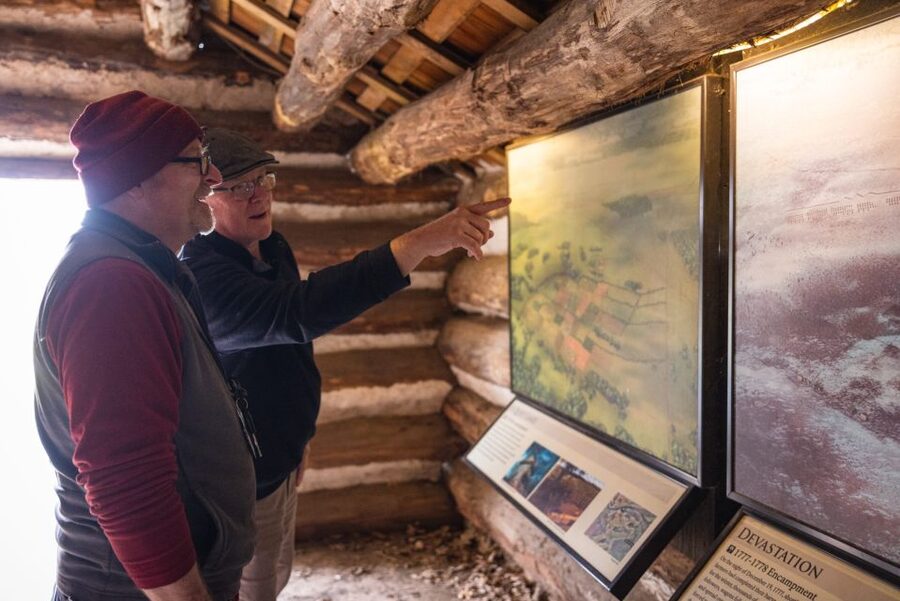
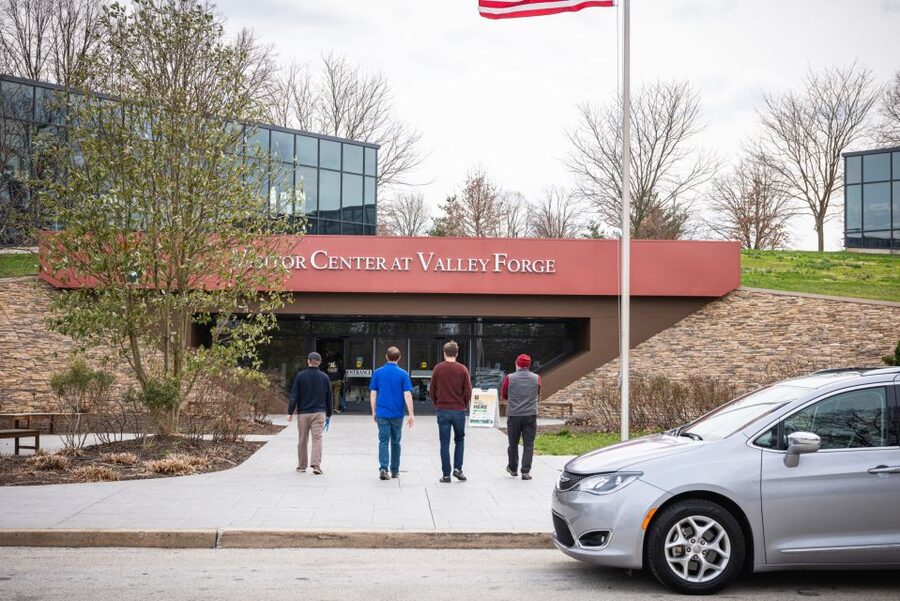
The Visitor Center is your first major stop inside the park. It displays historic objects and artifacts that help move the story from an abstract battle map to the daily life of soldiers.
This is an important opening because Valley Forge can look peaceful today. The fields and roads do not automatically reveal the pressure of an army camp. Objects give you physical clues about what soldiers carried, used, and endured.
Your guide adds the larger explanation. You learn why the army camped here, what obstacles it faced, and how the winter affected both ordinary soldiers and commanders. The guide may also fill in details that a display cannot easily cover, such as the people who kept the army operating and the decisions that shaped its training.
Allow yourself time to look closely rather than racing through. The tour includes several other stops, but this center supplies the basic vocabulary for everything that follows.
Recreated soldiers’ huts show the cost of the winter
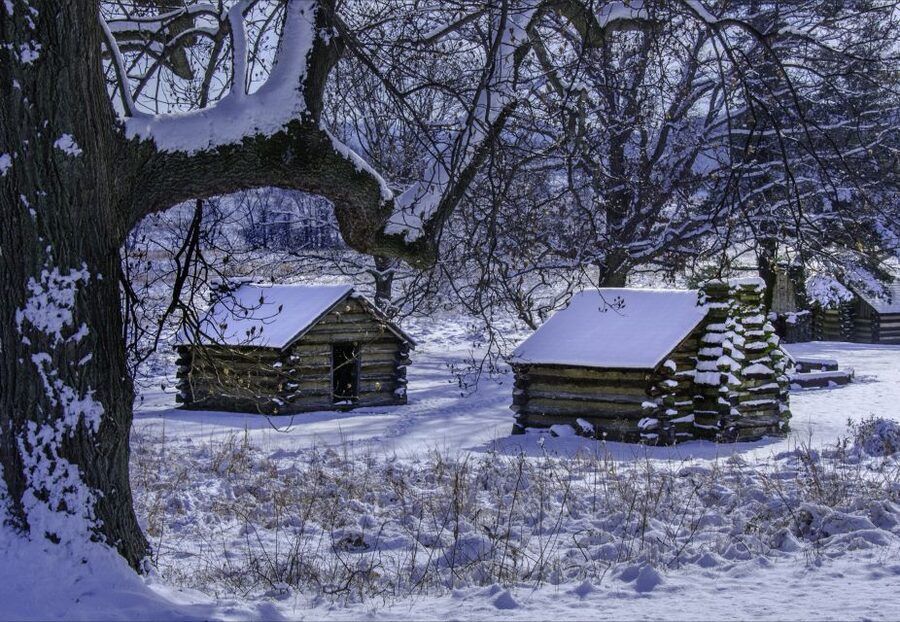
The recreated huts are among the most direct parts of the visit. They offer a simple physical picture of army life: soldiers lived in cramped wooden shelters rather than comfortable barracks or permanent homes.
You can look at the construction and scale while your guide explains the pressures behind it. The huts help you think about crowding, cold, food, illness, and the lack of basic supplies without needing a dramatic presentation. You are looking at a modest structure and imagining an entire army trying to function around it.
The Commander in Chief’s Guard Huts give the stop another angle. They are connected to the people responsible for protecting Washington and his headquarters. That detail helps show that the encampment was not just a mass of suffering soldiers. It was also a working military organization with guards, commanders, engineers, artillery, and support roles.
Varnum’s Quarters adds another named location to the picture. Stops like this are valuable because they keep the story tied to actual people and places. Instead of hearing only about the army, you begin to see a chain of officers, units, and responsibilities.
Same place, a different slice of the past:
- Boston: Freedom Trail History Small Group Walking Tour
★ 5.0 · 6,450 reviews - Historic Charleston Guided Sightseeing Walking Tour
★ 5.0 · 6,216 reviews - Charleston Horse-Drawn Carriage Tour: Explore Historic Charleston
★ 5.0 · 3,561 reviews - Savannah History and Haunts Candlelit Ghost Walking Tour
★ 5.0 · 3,235 reviews
Washington’s Headquarters along the Schuylkill River
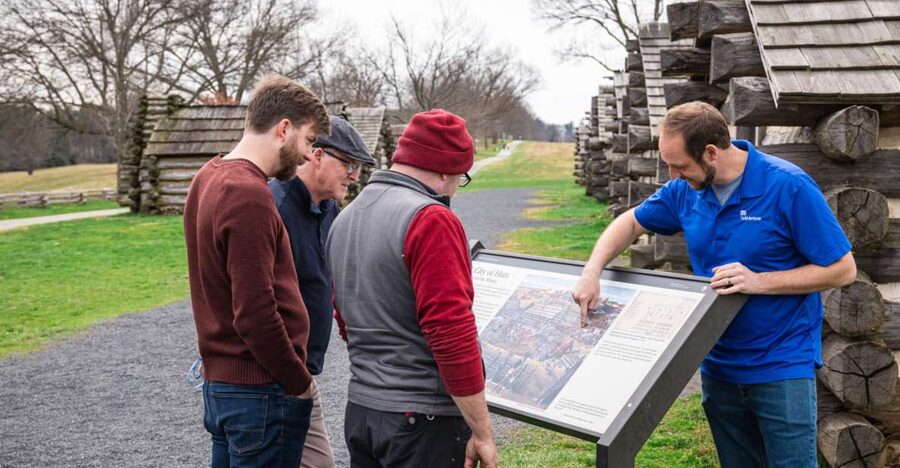
Washington’s Headquarters is one of the strongest stops for visitors who want a direct connection to the commander. The house remains open to the public along the Schuylkill River, and it gives the tour a human center.
This was where Washington worked during the encampment. You can consider the practical burden of directing an army from a house while troops struggled nearby. The contrast matters: a commander had to manage military plans, supplies, discipline, political pressure, and morale at the same time.
The guide’s explanation is especially useful here. You hear about the decisions that helped the army survive and the men who supported Washington. The story becomes less about a lone hero and more about leadership shared across a difficult organization.
If you enjoy military history, this stop may be the emotional high point. If you prefer scenery and open-air sightseeing, the river setting offers a calmer pause before the next memorial and statue.
The National Memorial Arch and Washington Memorial Chapel
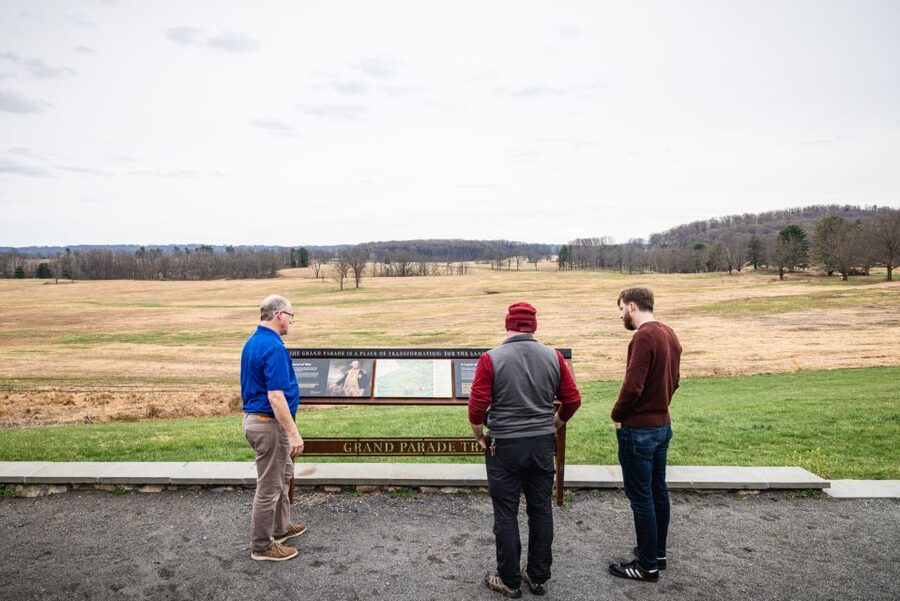
The National Memorial Arch is one of the park’s most recognizable sights. Its size gives physical weight to the memory of Washington and his army. It is a good place to step back from the small huts and individual stories and consider the whole encampment.
The arch also helps explain how later generations chose to remember the Revolutionary War. Your guide can place the monument within the larger story of Washington’s leadership and the army’s endurance.
The Washington Memorial Chapel adds a different tone. It is part of the guided route and connects the park’s military memory with reflection and commemoration. You do not need to be deeply familiar with Revolutionary War history to appreciate the change in mood. After huts, military units, and supply problems, the chapel offers a quieter stop.
These locations also reinforce that Valley Forge is not only an indoor museum experience. You move through a park with memorials, roads, open ground, and river views. The countryside setting can be as valuable as the buildings, particularly if you want a break from Philadelphia’s city center.
Statues, estates, and the people behind the army
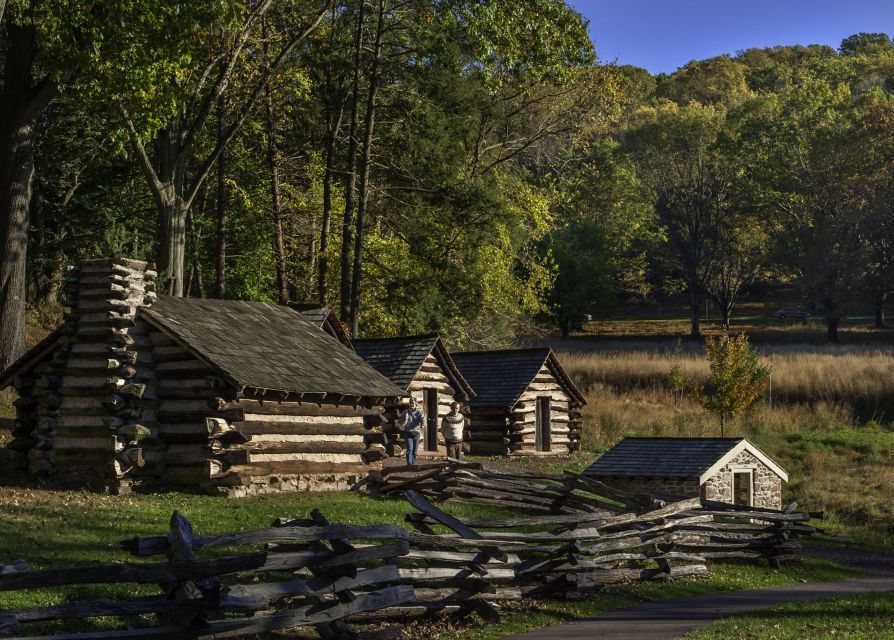
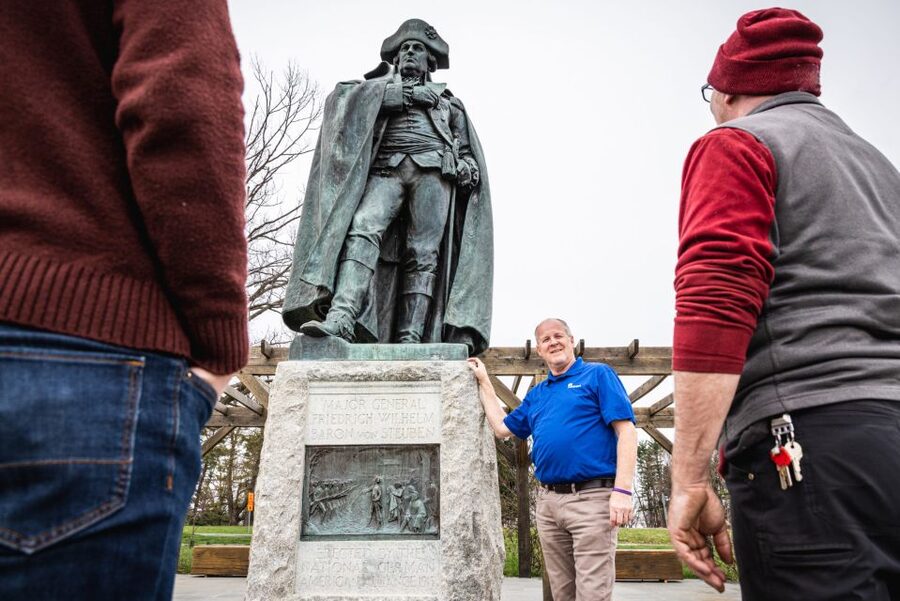
The General Wayne Statue provides another named figure from the Revolution. Stops like this keep the military story from becoming too Washington-centered. You get a broader sense of the officers and personalities who helped run the army.
The Philander Chase Knox Estate adds a later historic layer to the park. Its connection is different from the winter encampment itself, and your guide can explain why it belongs in the route. This is one place where the guide’s storytelling matters most, since a quick look at a building does not explain its significance on its own.
You also pass Muhlenberg Brigade and Artillery Park rather than receiving the same full stop there. That distinction is worth knowing. The route gives you a wide view of the park, but not every location receives equal time. If a particular brigade or artillery history matters to you, ask your guide about it during the drive or at another stop.
The best part of this approach is variety. You are not spending four and a half hours looking at one building. The tradeoff is that the experience can feel brisk if you want long visits at every location.
How the guides shape the experience
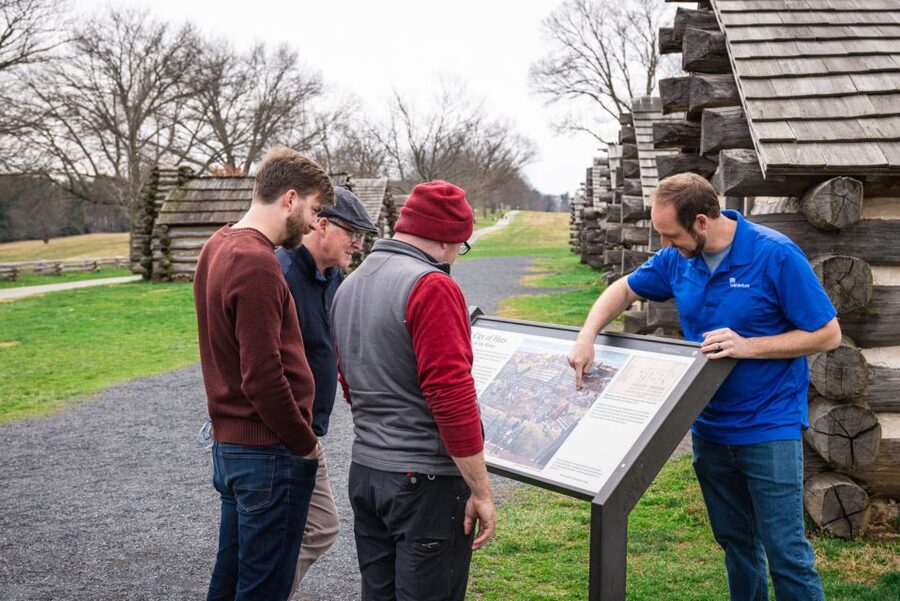
The guide is not a minor extra here. The park’s meaning depends on explanation, and the guides have been praised for making difficult history easy to follow.
Marty has a teaching background and is a strong choice for families with school-age children. Her style has been described as conversational, full of unusual anecdotes, and responsive to specific research questions. James brings an academic background in history and has been praised for giving clear background on the ride out.
Tom has led particularly detailed tours, with an enthusiastic approach and strong command of small facts. Dale has been praised for careful organization and attention to the needs of the whole group. Other guides, including Rick, Adam, Owen, and James, have also been described as approachable and willing to answer questions.
You should not expect every guide to use exactly the same script. That is part of the appeal of a small-group trip. The shared strength is the human delivery: explanations that connect the winter camp to the wider Revolution, Philadelphia, and the people who served in the army.
A useful tip is to ask questions early rather than waiting until the final drive back. The guides welcome questions, and one of the strongest features of the tour is the chance to steer some of the conversation toward your interests.
Is $115 a fair price?
At $115 per person, this is not the cheapest way to see Valley Forge. You can visit a national historical park independently, but you would need to arrange transportation from Philadelphia and provide your own interpretation.
Here, the price includes roundtrip transportation, a live English-speaking guide, and a donation to Valley Forge National Historical Park. The guide begins teaching before you arrive, takes care of the route, and helps you understand why each place matters. For a first visit, that package makes the cost easier to justify.
The value is strongest if you are staying in Philadelphia without a car, have limited time, or want a clear introduction to the Revolution. It is also useful for families, since the guide can adjust explanations and answer questions without forcing you to follow a fixed lecture.
The value is weaker if you already know the park well or want a full day for independent walking. Four and a half hours allows for the main locations, but it does not provide unlimited time at each one. You are paying for a guided overview, not an all-day research visit.
Who should book this Valley Forge tour?
I would recommend it to first-time visitors, families, history fans, and anyone who wants to connect a Philadelphia stay with the countryside beyond the city. It works especially well if driving is inconvenient or you prefer not to handle navigation and parking.
The tour also suits people who learn best through stories. Guides bring out the men who worked with Washington, the army’s organizational problems, and the details that can disappear in a textbook. If you have a lifelong interest in Valley Forge, the small group and chance to ask questions should help make the visit feel personal.
You may want to skip it if you need a completely self-directed schedule or dislike moving between several stops in a set period. The tour runs rain or shine, so outdoor comfort is part of the decision. Bring suitable clothing and shoes, and remember that food and drinks are not included.
Wheelchair access is available, and cancellation is free up to 24 hours before departure. You can also reserve now and pay later, which helps if your Philadelphia plans are still taking shape.
FAQ
Where does the Valley Forge tour meet?
Meet at the southwest corner of 12th and Arch Streets in Philadelphia. Look for the WeVenture Tours sign.
How long does the tour last?
The tour lasts 270 minutes, or four and a half hours, including roundtrip transportation from Philadelphia.
What is included in the price?
The $115 price includes transportation from Philadelphia, a tour guide, and a donation to Valley Forge National Historical Park.
Is food included?
No. Food and drinks are not included, so plan accordingly before departure.
Is the tour offered in English?
Yes. The tour has a live English-speaking guide.
What happens if it rains?
The tour runs rain or shine. Since several sites are outdoors, dress for the weather and wear practical shoes.
Should you book it?
Book this tour if you want Valley Forge explained rather than simply photographed. The combination of downtown pickup, a small group, transportation, recreated huts, Washington’s Headquarters, and a guide who can answer questions makes it a strong half-day choice.
I would especially choose it for a first Philadelphia visit, a family history outing, or a trip without a car. If you want to study every corner of the park at your own speed, visit independently instead. For most people seeking a clear, human introduction to one of the Revolution’s hardest chapters, the $115 fee is fair, and the guide is likely to be the part you remember longest.
Just added around the USA
- Door County Historic Cottage Row & Strawberry Islands Cruise★ 4.2 · 24 reviews
- Discover Alexandria: Historic Homes, Churches, and Taverns!★ 5.0 · 26 reviews
- Denver: History and Architecture Walking Tours★ 4.5 · 34 reviews
- D.C: Monuments & History Guided Open-Air Bus Tour-Day &Night★ 4.8 · 92 reviews
- Denver: City Highlights and History Walking Tour★ 4.9 · 95 reviews
- DC: Georgetown History & Architecture Tour with Local Guide★ 4.9 · 69 reviews
- Washington DC: African American History Museum Private Tour★ 4.7 · 54 reviews
- Dallas: Historic West End Ghost Walking Tour★ 4.6 · 59 reviews
Philadelphia History Tours, compared.
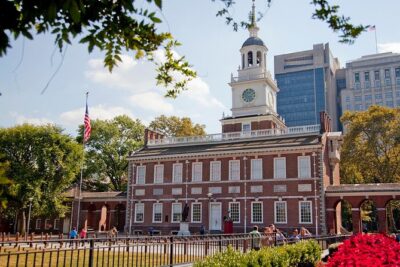
Revolution and the Founders: History Tour of Philadelphia
Read our review →
Philadelphia Old City Historic Walking Tour with 10+ Top Sites
Read our review →
2.5 Hour Philadelphia History Tour with Washington War Tent Show
Read our review →
Browse the lists this tour appears in