
Review · POKHARA
Half Day Tibetan Cultural tour Pokhara
Pokhara has a quieter cultural side. This half-day tour takes you into a Tibetan settlement to meet local people, visit a Buddhist monastery, watch carpets being woven, and eat momos or thukpa. I like the chance to learn directly from Thupten Gyatso, a Tibetan guide with personal insight into his community, and I like the tour’s mix of religion, daily life, crafts, education, and food. The main drawback is the price: at $63.52, it costs more than a simple sightseeing outing, though hotel transfers and lunch help explain the total.
You’ll spend about four and a half hours on the experience, with the advertised schedule running from 9:00 am to 2:00 pm. The tour is usually small, but the details list both a maximum of eight and a maximum of 15 people, so confirm the group size when booking. Some stops involve sensitive subjects, including exile and refugee life, so this suits you best if you want thoughtful conversation rather than a quick photo stop.
Key points before you book
- A Tibetan guide leads the experience: Thupten Gyatso explains religion, culture, refugee life, and daily customs with personal commitment.
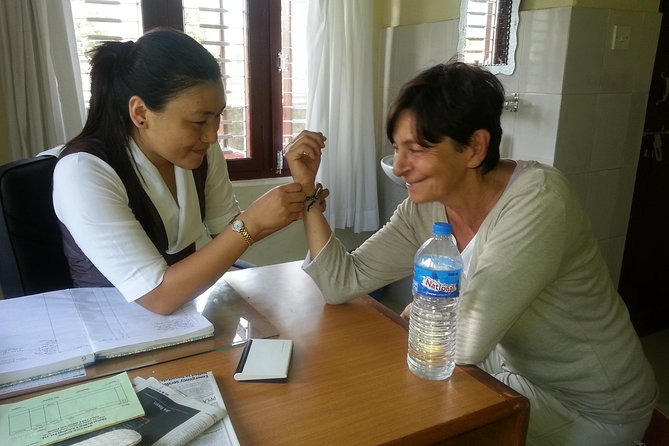
- The Tibetan doctor visit is unusual: You can learn about Tibetan medicine and experience pulse reading.
- Carpet making is shown by hand: You visit the workshop, see the process, and then browse finished designs in a showroom.
- Lunch is part of the day: Expect Tibetan food such as momos and thukpa, with vegetarian and gluten-free choices available if requested in advance.
- The tour reaches beyond monuments: You see a settlement, school-related traditions, a monastery, a photo gallery, and ordinary village life.
- Hotel transfers are included: Pickup makes this easier if you are staying in Pokhara or around the Lakeside area.
Why this Tibetan tour adds something different to Pokhara
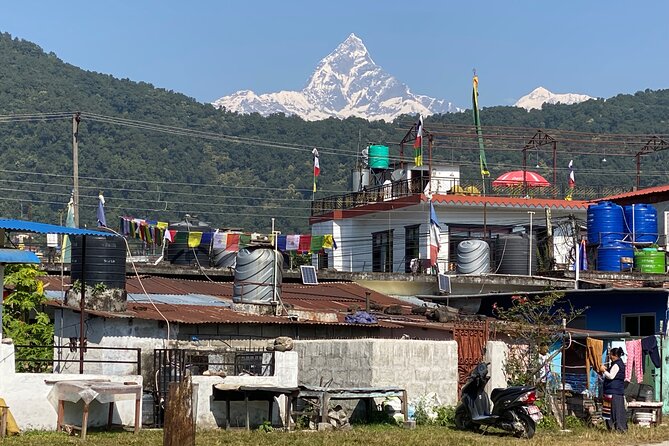
Pokhara is famous for mountain views, boating, and outdoor trips. Those are good reasons to visit, but they do not explain much about the Tibetan communities that have made a home in Nepal.
This tour shifts the focus from scenery to people. You walk through one Tibetan refugee settlement and see how daily life works there. The experience is not just a stop at a monastery. It connects religion, work, education, medicine, food, and displacement.
I like that range. You are not asked to treat Tibetan culture as a museum display. Instead, the day shows how traditions continue through prayer, craftwork, cooking, and community life. Thupten Gyatso is central to that approach. His explanations cover both the spiritual side of Tibetan life and the difficult story of Tibetans who left Tibet after the Chinese invasion.
The subject can be emotional. The tour includes a photo gallery about Tibetan refugees, and the discussion may raise questions about migration, identity, and life in present-day Nepal. Go with curiosity and respect. This is a better choice for you if you want context and conversation, not simply a list of sights.
More Local Culture and Traditions Tours in Nepal:
- Full-Day Tibetan Cultural Tour to Tibetan Settlements Pokhara
★ 5.0 · 184 reviews - Afternoon Tibetan Cultural Tour to Tibetan Settlements Pokhara
★ 5.0 · 106 reviews - Morning Tibetan cultural tour to Tibetan settlements Pokhara
★ 5.0 · 66 reviews
The 9:00 am pickup and first walk through the settlement
The tour begins at 9:00 am, with hotel transfers included. That is useful in Pokhara, where a pickup saves you from arranging a taxi and keeps the morning simple. The return is scheduled for 2:00 pm, although the stated experience length is approximately four hours and 30 minutes.
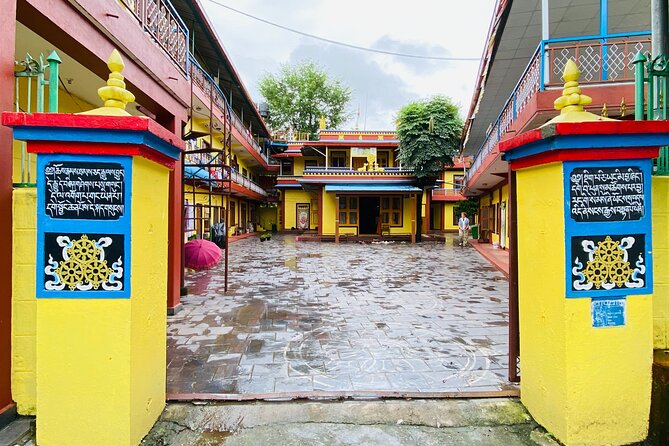
Once you reach the settlement, you walk around the village and observe how people live their daily lives. The appeal here is the ordinary detail. You are seeing homes, workspaces, religious places, and community facilities in one setting rather than jumping between unrelated attractions.
The walking is an important part of the tour. You should expect to spend time on foot as Thupten explains what you are seeing. Wear comfortable shoes and keep your schedule light after the tour, since the overall timing covers the late morning and lunch.
The settlement visit also helps put the other stops into place. The monastery, school, carpet workshop, doctor, and restaurant are not isolated examples of Tibetan culture. They are parts of a living community.
Reading the symbols at the Buddhist monastery
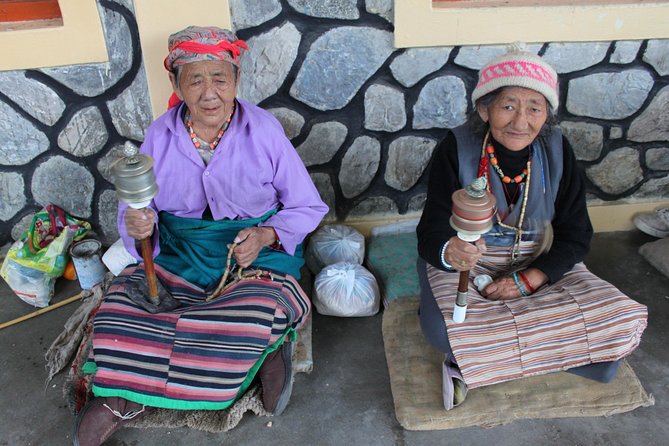
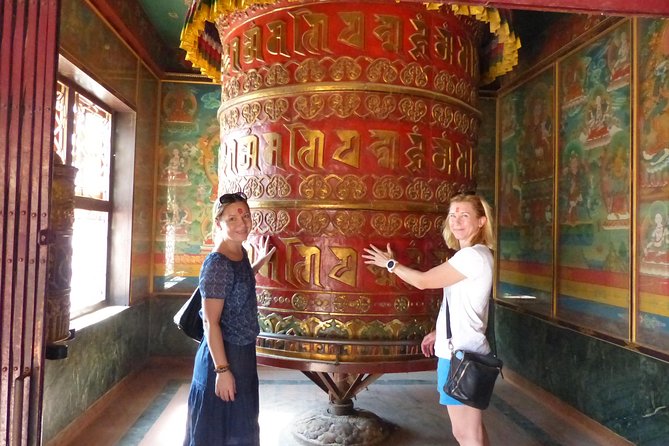
The monastery visit introduces the religious foundation of Tibetan life. Thupten explains the meaning of Buddhist signs and symbols, including prayer wheels, prayer flags, and stupas.
You will get more from this stop if you pay attention to the purpose behind each object. Prayer wheels are not simply colorful features for photographs. Prayer flags are not just decoration. Stupas carry religious meaning, and the tour explains how these elements fit into everyday practice.
This is one of the strongest reasons to have a guide who can explain the culture from within the community. Without context, a monastery visit can become a quick look at architecture. With explanations, you begin to understand why these places matter and how religious practice shapes daily routines.
The stop also suits first-time visitors to Tibetan Buddhism. You do not need prior knowledge. The experience is designed to explain the signs and traditions in plain terms, while still leaving room for questions.
Some people will find this part more rewarding than the craft or food stops. Others may prefer the social side of the tour. The good news is that the monastery is only one part of a broader program, so the day does not depend on your interest in religion alone.
Schools, young monks, and the next generation
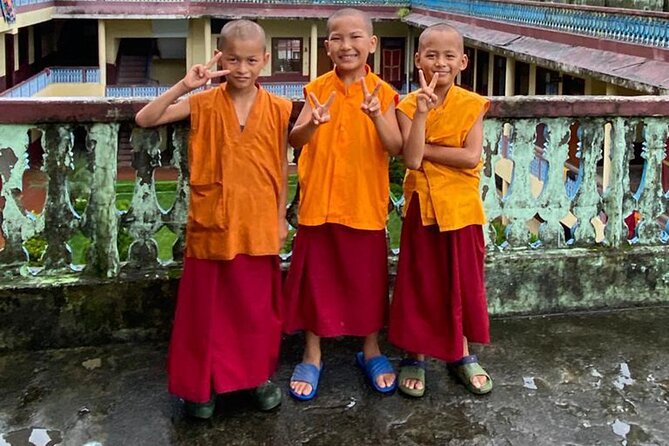
Education receives its own place in the program. You learn about Tibetan schools and the educational system used by the community.
That detail matters because it shows how culture is passed forward. A community preserves language, religion, and customs through children as much as through monasteries and workshops. The tour gives you a chance to think about how Tibetan identity continues in Nepal.
The time available for conversation can vary with the group and the day. One particularly memorable part of the experience can be speaking with a young monk, when that opportunity is available. Do not assume this is guaranteed, but the program’s emphasis on personal contact makes conversation more likely than on a standard sightseeing visit.
I would approach this part with patience. The value is not in collecting a photograph or checking off a school. It is in listening to how education and religious life fit together.
A few more history tours around Nepal worth a look
- Private Kathmandu Sightseeing Tour | UNESCO World Heritage sites
★ 5.0 · 756 reviews - UNESCO Seven World Heritage Tour in Kathmandu
★ 5.0 · 253 reviews - Nepal Discovery Tour: Heritage Sites & Scenic Hill Easy Hike
★ 5.0 · 121 reviews - Kathmandu Private Sightseeing Tour | UNESCO World Heritage Sites
★ 5.0 · 109 reviews
Watching Tibetan carpets take shape by hand
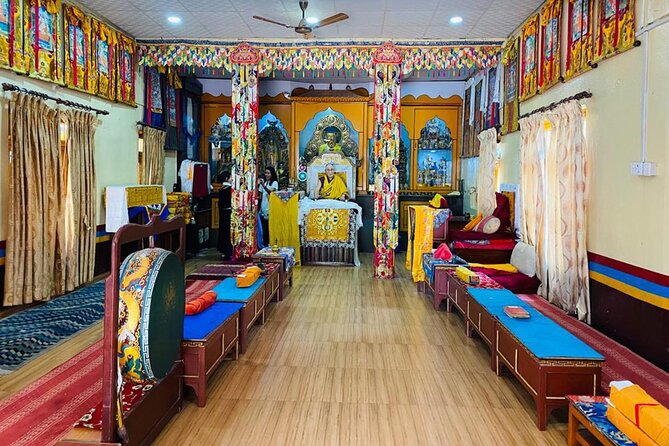
The carpet workshop is one of the most concrete stops. You see Tibetan carpets being made by hand, with Thupten explaining the stages of the process.
This is where the tour moves from ideas to skilled work. You can watch how a design becomes a finished carpet and understand why handmade pieces require time and care. The workshop also shows the economic side of the settlement. Cultural traditions often survive partly because people can earn a living through them.
After the workshop, you visit a carpet showroom. It displays different patterns, colors, and designs, giving you time to look at the finished work.
The showroom is also the point where you should keep your spending plan in mind. Browsing is part of the visit, but buying a carpet is not required. If you are considering a purchase, ask about size, materials, price, shipping, and care before making a decision. The tour details do not promise that a purchase is included or that shipping arrangements are available.
One appealing feature is the chance to try some of the rug-making work when the group is small and the workshop allows it. That hands-on element can make the craft easier to understand. It is also one reason a smaller group is preferable here.
The photo gallery and the story of Tibetan refugees
The photo gallery focuses on the history of Tibetan refugees. This gives the tour its political and human context.
You learn about Tibetans who escaped Tibet and built new lives in Nepal. The subject is not treated as a distant historical footnote. It connects directly to the settlement you are walking through and the people who maintain its institutions.
This may be the most serious portion of the morning. It is worth giving the photographs and explanations your full attention. The story helps you understand why language, religion, schools, crafts, and community networks matter so much.
I appreciate that the tour does not limit Tibetan culture to food, prayer flags, and colorful carpets. Those elements are important, but they make more sense when you understand the pressures faced by Tibetan communities in exile.
If you prefer a purely lighthearted outing, this part may feel heavier than expected. If you want a clear explanation of Tibetan life in present-day Nepal, it adds real value.
Meeting a Tibetan doctor and trying pulse reading
The Tibetan medicine visit is the most unusual stop on the schedule. You meet a Tibetan doctor, hear about traditional Tibetan medicine, and have first-hand experience of pulse reading.
This is not simply a demonstration. It gives you a chance to ask how the medical tradition understands the body and health. The pulse reading can be a memorable personal moment, especially because it offers direct contact rather than a lecture from a distance.
Several people have found this conversation one of the strongest parts of the tour. That makes sense. Medicine is a practical doorway into culture, and the discussion can reveal how Tibetan ideas about health differ from modern Western approaches.
Keep your expectations sensible. The program offers insight into Tibetan medicine, not a substitute for medical diagnosis or treatment. The tour does not state that the doctor provides formal consultations, so treat the pulse reading as a cultural experience.
This stop also works well for people who enjoy asking questions. You might want to ask about diagnosis, traditional remedies, and how Tibetan medicine exists alongside other medical systems in Nepal. Be polite about personal health matters, and remember that the visit is part of a cultural tour.
A Tibetan lunch with momos and thukpa
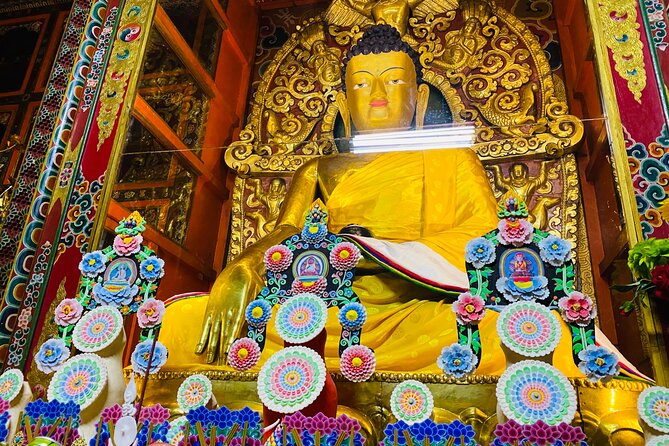
The tour ends with an authentic Tibetan lunch at a local Tibetan restaurant. The food highlights include momos and thukpa, two familiar favorites for anyone interested in Himalayan cuisine.
Momos are dumplings, while thukpa is a noodle soup. Together, they give you a simple introduction to Tibetan comfort food. The meal is not an afterthought. It brings the morning’s cultural lessons into an everyday setting where food, conversation, and community meet.
Vegetarian food is available, but you should request it when booking. Gluten-free food is also offered, including plain rice with vegetable or non-vegetable curry. The information does not specify every ingredient in the momos or thukpa, so explain your dietary needs clearly before the tour.
A local restaurant is a better setting for this meal than a generic tourist dining room. You get to connect the food with the community you have just visited. If you enjoy trying regional dishes, lunch may be one of the most satisfying parts of the day.
Is $63.52 a fair price?
The price is $63.52 per person. That is not the cheapest way to spend a morning in Pokhara, but it covers more than transportation and a meal.
You are paying for hotel transfers, a guide, access to several community-based stops, the monastery visit, the workshop, the photo gallery, the Tibetan medicine conversation, and lunch. The guide’s explanations are the main value. Without them, you could see a monastery or showroom, but you would miss much of the meaning behind them.
The price works best for you if you value personal interpretation and direct contact with local people. It is less appealing if you want a low-cost walk or prefer to explore independently.
Group size affects the value. The tour is described as small, with one section listing a maximum of eight and another listing a maximum of 15. On some departures, the group may be very small. A small group gives you more time to ask questions and can make the workshop and doctor visit feel more personal. Confirm the expected group size if that matters to your decision.
The tour is booked an average of 86 days ahead, so planning early is sensible during busy periods. Confirmation is provided when you book, and free cancellation is available if you cancel at least 24 hours before the start time. Changes or cancellations inside that 24-hour window are not accepted for a refund.
Who will enjoy this experience most?
I would recommend this tour to you if you:
- Want to understand Tibetan life in Nepal beyond surface-level sights
- Enjoy talking with guides and local community members
- Have an interest in Buddhism, Tibetan medicine, or refugee history
- Like seeing traditional crafts made by hand
- Want a cultural activity that includes food
- Are staying in Pokhara or near Lakeside and prefer hotel pickup
It may not suit you if you want a fast, highly visual sightseeing tour with little discussion. The photo gallery and refugee history section also require a respectful attitude toward difficult subjects.
Families and first-time visitors can take part, since most people can participate and no special experience is required. People with food restrictions should request vegetarian or gluten-free meals in advance.
Should you book the Tibetan Cultural Tour?
Book it if you want Pokhara to mean more than mountain views and adventure sports. The combination of settlement life, Buddhist symbols, handmade carpets, Tibetan education, refugee history, medicine, and food gives you a rounded understanding of the community.
The strongest reasons to choose it are Thupten Gyatso’s personal guidance, the Tibetan doctor visit, and the chance to see daily life rather than only monuments. The main caution is cost, along with the possibility that the group size may be larger than expected.
For a quiet, thoughtful half-day with real cultural context, this is a strong choice. Ask about the group size, confirm your dietary needs, and leave room in your schedule for the conversations to take their proper time.
FAQ
Where does the Tibetan Cultural Tour take place?
The tour takes place in Pokhara and visits one Tibetan refugee settlement, along with a monastery, carpet workshop, showroom, photo gallery, Tibetan medical practice, and local restaurant.
What time does the tour start and finish?
The advertised departure time is 9:00 am, with return scheduled for 2:00 pm. The experience is listed as approximately four hours and 30 minutes.
Is hotel pickup included?
Yes. Hotel transfers are included, and pickup is offered.
What food is served during lunch?
The tour includes a Tibetan lunch at a local restaurant. Food highlights include momos and thukpa.
Are vegetarian and gluten-free meals available?
Yes. Vegetarian food is available if requested at booking. Gluten-free options include plain rice with vegetable or non-vegetable curry.
How many people can join the tour?
The tour is described as a small-group experience. The information gives both a maximum of eight and a maximum of 15 participants, so confirm the expected group size when booking.
Who guides the tour?
The guide is Mr. Thupten Gyatso, a member of the Tibetan community who explains Tibetan culture, Buddhism, refugee life, crafts, and medicine.
Can I cancel for a full refund?
Yes, if you cancel at least 24 hours before the experience start time. Cancellations or changes made less than 24 hours before the start time are not accepted for a refund.
Just added around Nepal
- Morning Tibetan cultural tour to Tibetan settlements Pokhara★ 5.0 · 66 reviews
- Full-Day Tibetan Cultural Tour to Tibetan Settlements Pokhara★ 5.0 · 184 reviews
- Afternoon Tibetan Cultural Tour to Tibetan Settlements Pokhara★ 5.0 · 106 reviews
- Morning Half Day Tibetan cultural tour to Tibetan Settlements★ 5.0 · 26 reviews
- Full Day Private Tour of Seven World Heritage Sites in Kathmandu★ 5.0 · 19 reviews
- Seven World Heritage Day Tour in Kathmandu Nepal★ 5.0 · 26 reviews
- Kathmandu UNESCO World Heritage Tour★ 5.0 · 24 reviews
- Kathmandu Heritage Day Tour with Guide.★ 5.0 · 30 reviews
Local Culture & Traditions Tours, compared.

Amsterdam Food and Cultural Tour with Tastings
Read our review →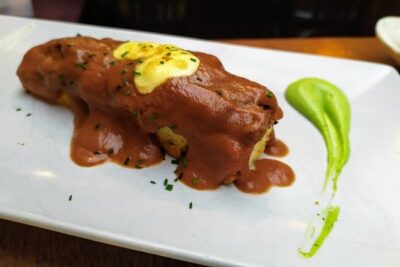
Sevilla Food Tour: Tapas, Wine, History & Traditions
Read our review →
Tromsø: Reindeer Camp and Sami Cultural Tour with Lunch
Read our review →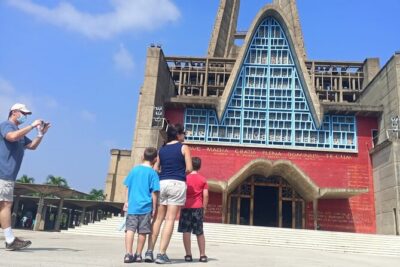
Half Day Dominican Republic Cultural Tour : Small Group
Read our review →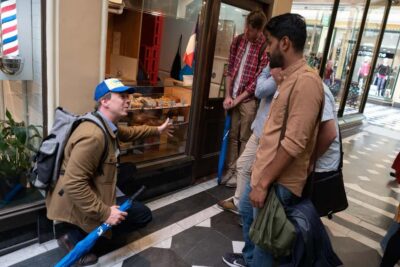
Ultimate Melbourne Walking Tour: History, Laneways & Culture
Read our review →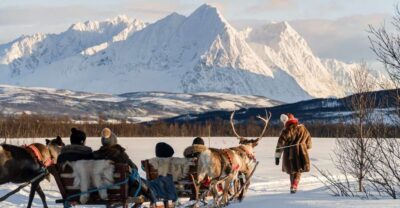
Tromsø: Sámi Reindeer Sledding and Sami Cultural Tour
Read our review →
Kyoto Gion: 2-Hour Geisha Culture & History Walking Tour
Read our review →
Marrakech Historical and Cultural Tour – Half Day City Tour
Read our review →Browse the lists this tour appears in