
Review · NEW ORLEANS
New Orleans Food and History Walking Tour
Come hungry, leave curious. This three-hour French Quarter food tour links classic New Orleans dishes with the people, languages, and traditions behind them. I like the way it takes you to several established food stops, including 3rd Block Depot, Leah’s Pralines, and NOLA Poboys, while guides such as Beth, Meg, John, and Dylan explain what is on your plate. I also like the generous portions, small groups of up to 16, and choice of morning or afternoon departure.
The main drawback is the limited dietary flexibility. A vegetarian option is available if requested at checkout, but there is no vegan, dairy-free, or gluten-free menu. The walk is not ideal if you have mobility problems, and the stops can change with availability.
Key points at a glance
- Five food stops in about three hours: Expect a progressive lunch with gumbo, po’boys, pralines, boudin, muffulettas, red beans and rice, and dessert samples.
- French Quarter setting: The route starts at 3rd Block Depot on Chartres Street and ends at New Orleans Creole Cookery on Toulouse Street.
- Food with context: You learn how French, African, Italian, Spanish, Caribbean, and other immigrant traditions shaped Creole cooking.
- Strong guides: Beth, Meg, John, Sarah, Ben, and Dylan have all been praised for humor, clear explanations, and answers to questions.
- A full meal, not a nibble trail: Several people found the portions generous enough that they did not need lunch afterward.
- Plan for walking and weather: Wear comfortable shoes, bring rain protection when needed, and expect to keep moving between stops.
Starting at 3rd Block Depot in the French Quarter
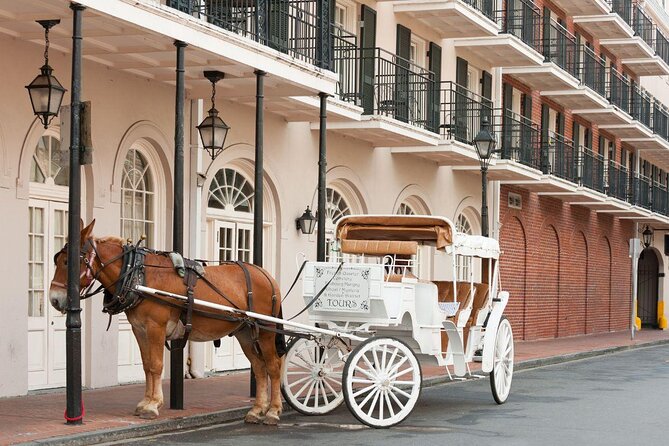
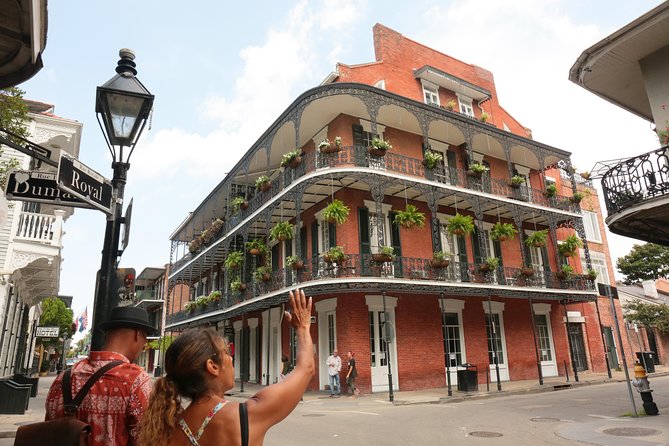
Your meeting point is 3rd Block Depot, at 310 Chartres Street. This puts you in the French Quarter from the first minute, among the old streets and signs of the Vieux Carré, New Orleans’ historic Old Square.
The experience begins with your guide introducing the group and setting the theme: food is not just fuel here. Recipes reflect migration, trade, local crops, waterways, labor, and the city’s changing population. That approach gives the walk more weight than a simple sequence of restaurant samples.
The group can include no more than 16 people. That is a useful size for a food tour. You can hear the guide without fighting a crowd, and there is a fair chance to ask questions. The exact personality depends on your guide. Beth is frequently praised for her humor and practical food knowledge, while Meg has been singled out for her energy and ability to explain the city’s past. Dylan, also called Dr. Gumbo, is especially strong at connecting food with local culture.
The pace is generally manageable, but do not confuse this with a sit-down meal at one restaurant. You walk from one stop to another, listen while standing, eat at several venues, and keep moving. One person found the walking easy, while another advised wearing walking shoes and being ready to move quickly. If you have trouble walking or standing, choose another way to explore the food scene.
More History Walking Tours in New Orleans
- New Orleans Garden District History Walking Tour
★ 5.0 · 2,879 reviews - French Quarter Historical Sights and Stories Walking Tour
★ 5.0 · 2,724 reviews - New Orleans: French Quarter Food History Walking Tour
★ 4.9 · 713 reviews
Gumbo and the first taste of Cajun cooking
At 3rd Block Depot, the first substantial sample is rustic Cajun gumbo. The version described here uses a dark roux, chicken, and andouille sausage, with chicken stock and a spoonful of warm country-style potato salad.
That potato salad detail matters. Gumbo is not a single fixed recipe, and New Orleans cooks have their own habits about rice, vegetables, sausage, seafood, and accompaniments. Your guide uses the dish to explain the difference between Cajun and Creole cooking, along with the role of the dark roux that gives gumbo its color and toasted flavor.
The portion is more than a tiny tasting spoon. Several people found the food generous overall, and this first stop can take a fair amount of time. One practical criticism was that the first stop felt a little long. If the group settles in here, you may spend less time at later places.
You can buy a drink at the bar, but beverages other than water are not included. If you order one, budget extra and remember that the tour already provides a full meal’s worth of food.
Hot sauce, seasonings, and a useful break from restaurant food
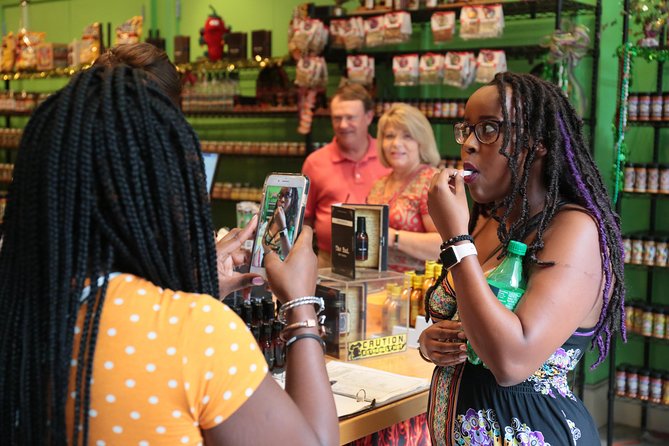
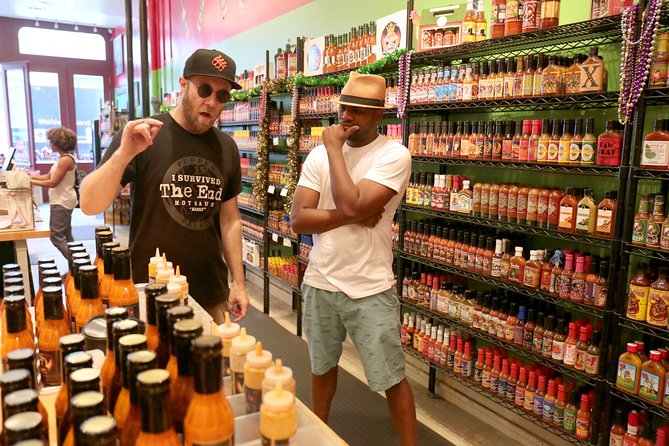
The next stop is a hot sauce shop where you can sample many varieties. The selection can include hot sauces, dry rubs, barbecue sauces, marinades, Buffalo wing sauces, and other seasonings.
This stop gives you a different view of Louisiana cooking. The focus shifts from finished dishes to the sauces and spice blends that home cooks use to adjust flavor. You can compare heat, sweetness, smoke, and acidity, then ask your guide how those flavors fit into local recipes.
Still, this is the stop most likely to divide opinions. If you want the widest possible range of classic dishes, you may prefer another restaurant sample in its place. One person felt that the hot sauce stop took space away from dishes such as jambalaya and muffuletta. That is a fair point, especially if this is your only food activity in New Orleans.
If you enjoy trying seasonings and buying edible souvenirs, the stop earns its place. The tour also gives you a chance to pick up gifts along the way, though purchases are not part of the price.
Leah’s Pralines and the sweet side of New Orleans
Leah’s Pralines introduces one of New Orleans’ best-known sweets. The traditional praline uses local brown sugar, dairy, and pecans. You may also find newer variations, including bacon pecan brittle.
This is more than a sugar stop. Your guide can explain how local ingredients and cooking traditions shaped the praline, while also pointing out the difference between the soft, creamy local version and other kinds of nut candy. It is a simple lesson, but a memorable one because you taste the result immediately.
The stop works well in the middle of a savory-heavy meal. Gumbo, sausage, fried seafood, and sandwiches are filling. A small sweet sample resets your palate before the tour returns to the main dishes.
You may want to buy something here for later. The food tour includes the sample, but extra treats are your own expense. If you are carrying purchases through the rest of the walk, pack lightly and keep that in mind.
More History Walking Tours in the USA
- New Orleans Cocktail History Walking Tour in the French Quarter
★ 5.0 · 604 reviews - New Orleans Jazz History and Music Walking Tour
★ 4.5 · 477 reviews - New Orleans Historic Cemetery Walking Tour
★ 5.0 · 175 reviews - New Orleans: Drunk History Walking Tour
★ 4.2 · 165 reviews
NOLA Poboys and Louisiana’s seafood traditions
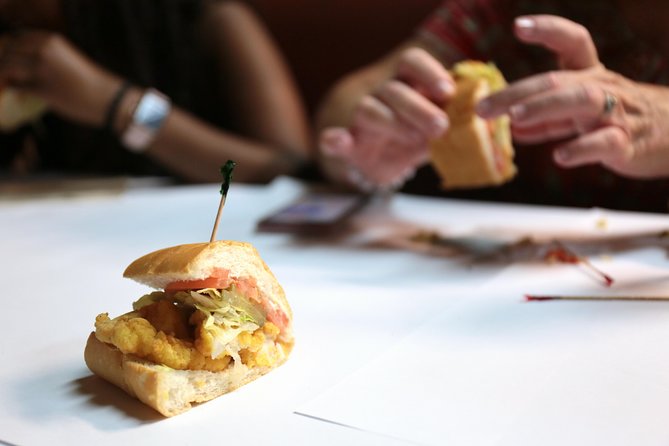
At NOLA Poboys, the expected main sample is a fried catfish po’boy on local French bread. It comes dressed with lettuce, tomato, mayonnaise, and pickles. Hot sauce is optional, which gives you a good reason to remember the earlier seasoning stop.
The guide also discusses seafood harvesting in Louisiana. That detail connects the sandwich to the state’s waterways and working food traditions. You are not simply tasting fried fish on bread. You are hearing why seafood became such a practical and lasting part of local cooking.
The po’boy is also a lesson in language and custom. The word dressed has a specific meaning here, and your guide explains the usual toppings as the sandwich arrives. You can learn these small local terms quickly, then use them when ordering on your own.
The food is substantial. If you are expecting a small cube of sandwich, adjust your expectations. The meal is designed to fill you, and the combination of fried catfish, French bread, and other stops adds up fast.
Muffuletta, boudin, and the city’s many influences
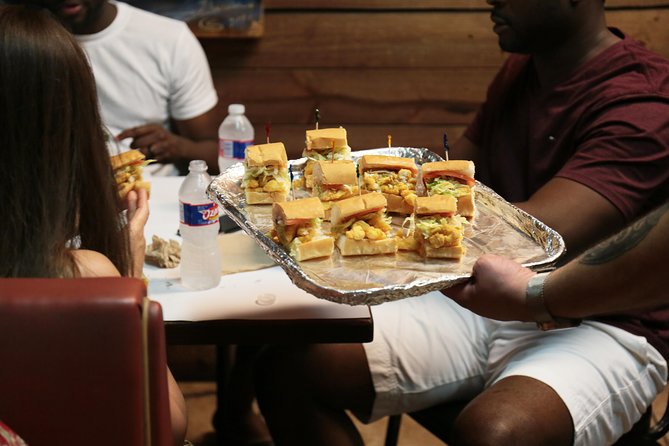
The menu can include a muffuletta, a large Italian-style sandwich on Sicilian bread. It is layered with smoked ham, mortadella, Genoa salami, provolone, mozzarella, and local olive salad.
This is one of the clearest examples of New Orleans’ mixed food traditions. Italian ingredients and bread meet an olive salad that has become closely linked with the city. The guide uses dishes like this to show how immigrant communities influenced local cooking instead of treating Creole food as one single tradition.
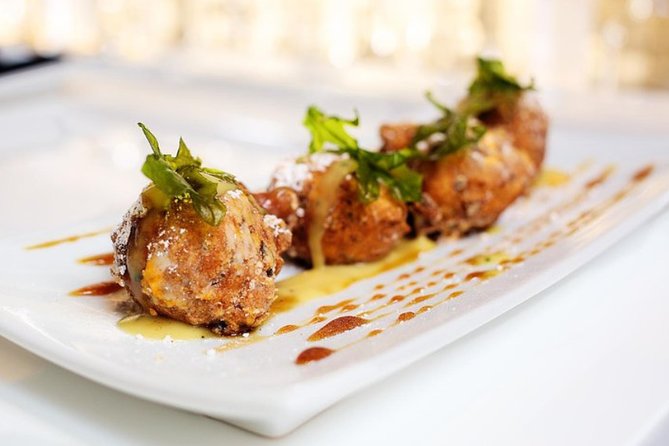
Boudin may also appear. The fried boudin ball combines smoked pork, rice, and spices, with Creole remoulade for dipping. It is a compact, savory bite, but it also shows how rice and pork became central to regional food.
Some people consider the muffuletta and boudin among the best bites of the tour. The muffuletta is especially helpful for you if you have heard of the sandwich but never understood what makes it different from an ordinary deli sub.
The exact order and selection may change. The tour description lists a full set of possible dishes, but restaurants and food availability can affect what you receive. Think of the menu as a strong sample of New Orleans classics, not a guarantee that every named dish will appear on your particular departure.
Red beans, rice, and a sweet finish
Red beans and rice with andouille sausage may be included as another savory course. The beans are slow cooked with smoked ham and sausage, then served over rice with green onions.
This is the kind of food that explains everyday New Orleans cooking better than a flashy restaurant dish. Beans, rice, smoked meat, and seasoning make a practical meal, and the result is filling without needing complicated presentation. It also gives you a chance to compare the slow-cooked texture with the darker, more layered flavor of the gumbo.
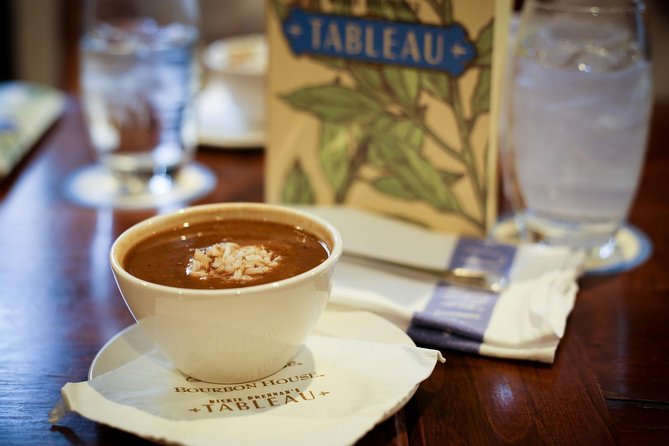
Dessert can include seasonal bread pudding, served baked or fried. A fried bananas Foster bread pudding has been especially well received. The combination of warm bread, fruit, and dessert sauce makes a strong final course after the salty sandwiches and sausage.
The portions can leave you genuinely full. This is not the best tour to book immediately before a large dinner reservation. It works better as your main lunch, which is why the morning departure can be useful if you want a meal in the middle of your sightseeing day.
How the history adds value
The strongest part of the experience is the link between food and place. Guides explain the origins of words such as étouffée and jambalaya, discuss the ethnic groups that shaped Creole cooking, and connect recipes to Louisiana’s geography.
The quality of this part depends on your guide, but the staff has a strong record of keeping the group involved. Beth is praised for answering questions and even sharing recipes. Meg has been appreciated for connecting each dish with a wider story. John is known for explaining city history while the group eats, and Dylan brings humor along with a detailed understanding of the food.
This is also a good first activity in New Orleans. You receive a list of dishes to seek out later, along with recommendations for places you might revisit. You may finish the walk knowing exactly what to order for dinner, or return to a praline shop, sandwich counter, or restaurant from the route.
One caution: this is mainly a food tour with history woven into it. It is not a full architecture walk. You will see the French Quarter while moving between stops, but the emphasis remains on cooking, ingredients, people, and dining customs.
Timing, price, and practical value
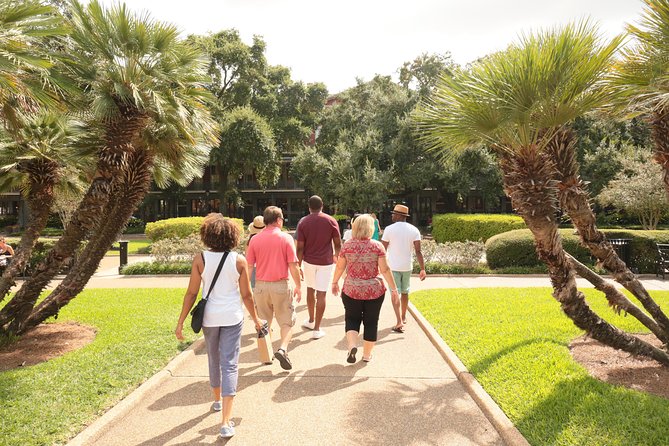
The price is $85 per person for about three hours. That is a fair amount for a guided lunch if you use the included food as a meal. You receive samples at five eateries, server gratuities at those establishments, and instruction from a guide who also handles the route and explanations.
The value is weaker if you eat very little, skip several dishes, or mainly want a formal history tour. It is stronger if you want an efficient introduction to local food and would otherwise spend money ordering full portions at several places.
Morning and afternoon departures let you fit the tour around other plans. The tour is often booked well ahead, with an average booking lead time of 26 days, so reserve early if your New Orleans dates are fixed.
Water is included, but other drinks are not. Guide gratuity is optional and separate. Comfortable shoes are essential, and you should dress for the forecast. The tour operates in all weather conditions, though poor weather can lead to cancellation, a new date, or a full refund.
Cancellation is free up to 24 hours before the start time. If the minimum number of participants is not reached, the operator offers another date or experience, or a full refund.
Food restrictions and who should book
This tour suits adventurous eaters who want classic meat, seafood, dairy, bread, and sweet dishes in one outing. It also works well for solo visitors. A solo participant can join a small group comfortably and still have plenty of chances to ask questions.
A vegetarian option is available if requested at checkout. The operator does not offer vegan, gluten-free, or dairy-free alternatives. You should report actual food allergies during checkout, not simple dislikes, and confirm that the available menu works for you before booking.
The route is not recommended if you have mobility or walking issues. Service animals are allowed, and the meeting area is near public transportation. The ticket is mobile, and the experience is offered in English.
Should you book this New Orleans food tour?
Book it if you want a filling introduction to New Orleans cooking, prefer learning while you eat, and can manage a few hours of walking and standing. The combination of gumbo, po’boys, pralines, boudin, muffuletta, red beans and rice, and bread pudding gives you a broad first taste of the city.
Skip it if you need strict dietary control, want a pure architecture tour, or prefer tiny samples with many more dishes. The hot sauce stop also means you may taste fewer restaurant dishes than expected.
For most first-time visitors, I would book this near the start of the trip, preferably on a day when you can treat it as lunch. You will leave with a full stomach, useful food vocabulary, and a better idea of what to order for the rest of your stay.
FAQ
How long is the New Orleans Food and History Walking Tour?
The tour lasts approximately three hours.
Where does the tour start?
It starts at 3rd Block Depot, 310 Chartres Street, New Orleans, Louisiana 70130.
Where does the tour end?
It ends at New Orleans Creole Cookery, 508 Toulouse Street, New Orleans, Louisiana 70130.
What food is included?
Possible samples include gumbo, hot sauces and seasonings, pralines, fried catfish po’boys, muffuletta, boudin balls, red beans and rice with andouille sausage, and bread pudding. Stops can change based on availability.
Is a vegetarian option available?
Yes. A vegetarian option is available, but you must request it at checkout.
Does the tour offer vegan, gluten-free, or dairy-free food?
No. The tour does not offer vegan, gluten-free, or dairy-free options.
Are drinks included?
Water is included. Other beverages are not included and must be purchased separately.
Can I cancel for a refund?
You can cancel at least 24 hours before the start time for a full refund. Changes or cancellations made less than 24 hours before the start time are not accepted for a refund.
More Food Tours in New Orleans
- New Orleans Cocktail and Food History Tour
★ 5.0 · 819 reviews - New Orleans: Combo Cocktail and Food History Tour
★ 4.9 · 180 reviews - New Orleans: Garden District Food, Drinks & History Tour
★ 4.9 · 97 reviews - Amsterdam Food and Cultural Tour with Tastings
★ 5.0 · 4,315 reviews
More Food and History Tours in New Orleans
- Sevilla Food Tour: Tapas, Wine, History & Traditions
★ 5.0 · 3,468 reviews - Victoria Guided Food and History Tour
★ 5.0 · 2,015 reviews - Gastown Historic Walking Food Tour
★ 5.0 · 1,863 reviews - Dublin Historical Centre Food Tour with 8 Food Tastings & Drinks
★ 5.0 · 1,718 reviews
Just added around New Orleans
- New Orleans: Wicked History Walking Tour with a Local Witch★ 4.3 · 29 reviews
- New Orleans: Swamp Boat Ride and Historic Plantation Tour★ 4.7 · 303 reviews
- New Orleans: Tremé African American & Creole History Tour★ 4.9 · 208 reviews
- New Orleans: 1.5-Hour Voodoo History Evening Tour★ 4.5 · 34 reviews
- New Orleans: Garden District Food, Drinks & History Tour★ 4.9 · 97 reviews
- New Orleans: Drunk History Walking Tour★ 4.2 · 165 reviews
- New Orleans: French Quarter Food History Walking Tour★ 4.9 · 713 reviews
- New Orleans: French Quarter Saints & Sinners History Tour★ 4.6 · 56 reviews
Food & History Tours, compared.
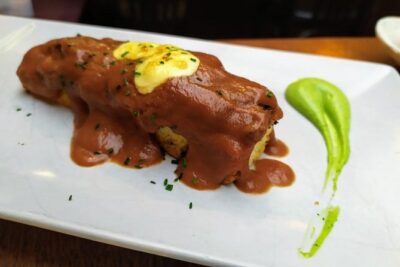
Sevilla Food Tour: Tapas, Wine, History & Traditions
Read our review →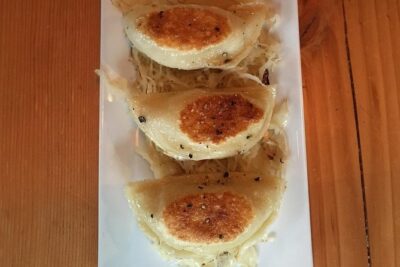
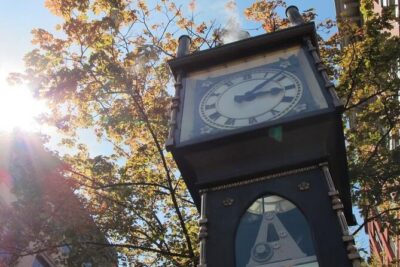
Dublin Historical Centre Food Tour with 8 Food Tastings & Drinks
Read our review →
The Great Indian Food Tour: Old Delhi Food and Heritage Walk
Read our review →

Boston Pizza Lovers Food and History Walking Food Tour
Read our review →Browse the lists this tour appears in