
Review · LOUISIANA
New Orleans: Swamp Boat Ride and Historic Plantation Tour
History meets wild Louisiana here. This full-day outing pairs a plantation visit with a Manchac Swamp boat ride, giving you two very different views beyond New Orleans. I especially like the choice between Oak Alley in the morning and Destrehan in the afternoon, plus the chance to hear local stories about Cajun culture and the Rougarou werewolf.
The guides are a major part of the experience. Guides such as Dionne, Robi, Midge, Kate, Brittany, and Joanne have been praised for clear storytelling about New Orleans, French and Spanish rule, slavery, Creole and Cajun life, and plantation history. The main drawback is the long day: at $126 per person, the value is good if you want both activities, but some people may find the plantation visit or bus ride too lengthy.
Key points to know before you book
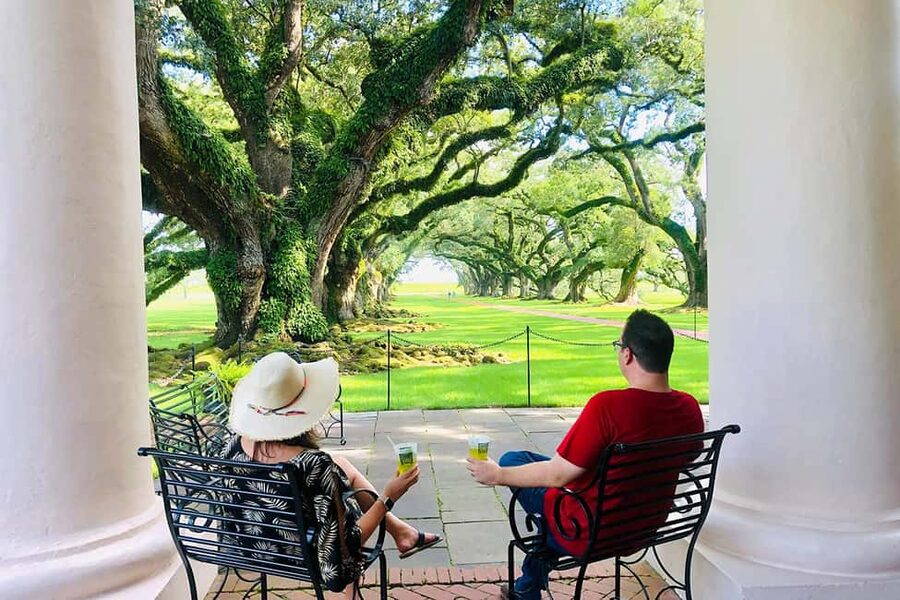
- Oak Alley gives you the classic plantation view: A quarter-mile avenue of oak trees, some more than 250 years old, leads toward the 1839 mansion.
- Destrehan offers a different historical focus: The 1787 plantation is the oldest documented French Colonial-style house in the lower Mississippi Valley.
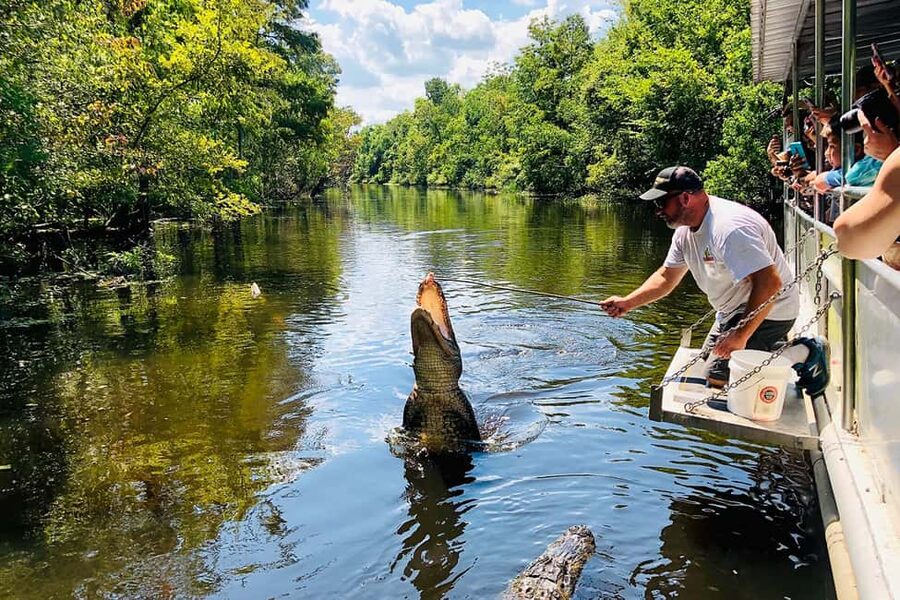
- The Manchac Swamp ride is the lively half of the day: You may see alligators close to the boat, along with other wildlife and wetland scenery.
- Your guide can shape the whole outing: Strong guides add context about slavery, Louisiana’s French and Spanish past, and Cajun traditions.
- This is a full seven-and-a-half-hour commitment: You leave New Orleans behind for most of the day and return to the same meeting point.
- Pick your timing carefully: The morning option visits Oak Alley, while the afternoon option visits Destrehan.
Leaving New Orleans from Toulouse Street
Your day begins at the Gray Line Lighthouse ticket office on Toulouse Street. You exchange your voucher for a boarding ticket there, then meet the guide and board the bus.
The round-trip coach transportation matters because neither plantation nor the Manchac Swamp is a simple city outing. You can let someone else handle the driving while your guide fills the trip with information about New Orleans and the surrounding region. Several guides have been praised for keeping the ride interesting, and one bus was described as a comfortable coach with a bathroom.
The tour lasts about 7.5 hours, so plan it as your main activity for the day. You return to the same meeting point in New Orleans. Food and drinks are not included, though refreshments can be purchased at the swamp stop.
The bus temperature may not suit everyone. One person found the air-conditioning very cold, so I would bring a light layer even in warm weather. That is a small point, but a cold bus can feel much longer on a full-day trip.
A few more history tours around New Orleans worth a look
- New Orleans Garden District History Walking Tour
★ 5.0 · 2,879 reviews - French Quarter Historical Sights and Stories Walking Tour
★ 5.0 · 2,724 reviews - New Orleans Small-Group Haunted History Carriage Tour
★ 4.5 · 2,289 reviews
Oak Alley and the famous quarter-mile entrance
The morning option visits Oak Alley Plantation, built in 1839. Its best-known feature is the long avenue of oak trees leading toward the main house. The trees are more than 250 years old, creating the grand approach most people picture when they imagine an old Louisiana plantation.
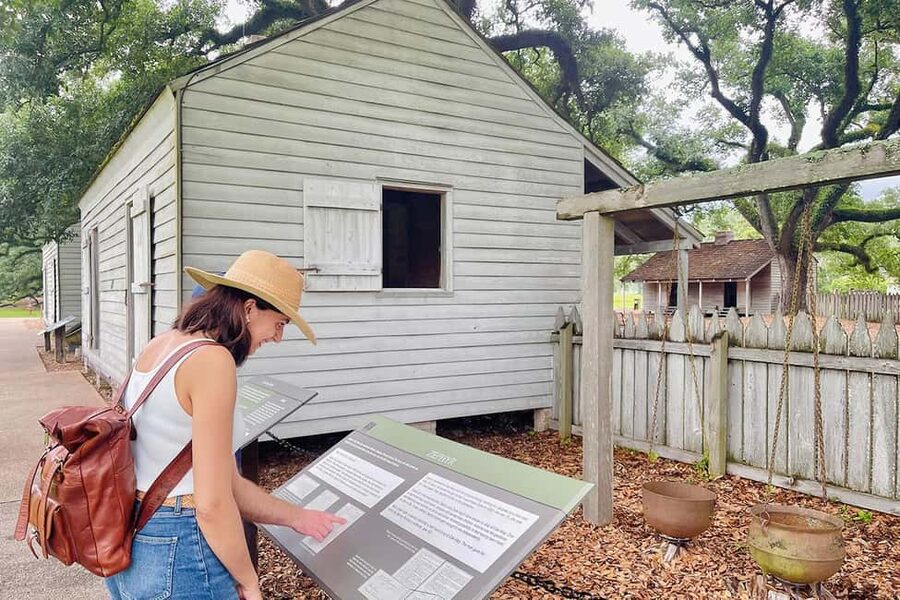
The setting is beautiful, but it is important to look beyond the postcard view. The plantation was tied to sugar production, and the tour addresses the people who lived and worked there, including the enslaved people whose labor supported the property. The site’s exhibitions include Slavery at Oak Alley, a blacksmith shop, and a Sugarcane Theater.
Those exhibits add needed context. A tour focused only on the mansion and oak trees would give you a polished but incomplete picture of plantation life. The extra displays help explain the work, tools, crops, and human cost behind the elegant front entrance.
Your guide may add even more background before or after the plantation tour. Brittany, for example, was praised for explaining slavery in Louisiana across French, Spanish, and later American periods. That wider context is useful because Louisiana’s past does not fit neatly into a single national story.
Oak Alley is a strong choice if you want the most visually impressive plantation setting. The cypress trees near the Mississippi River add to the scenery, and there is a cafe and gift shop on site. You may also be able to order a mint julep, which makes for a pleasant drink during the visit, though food and drinks are extra.
The main limitation is access inside the historic house. The second floor can only be reached by stairs. Oak Alley is also a smoke-free facility, and videography is not permitted inside the plantation.
Destrehan, an older French Colonial house
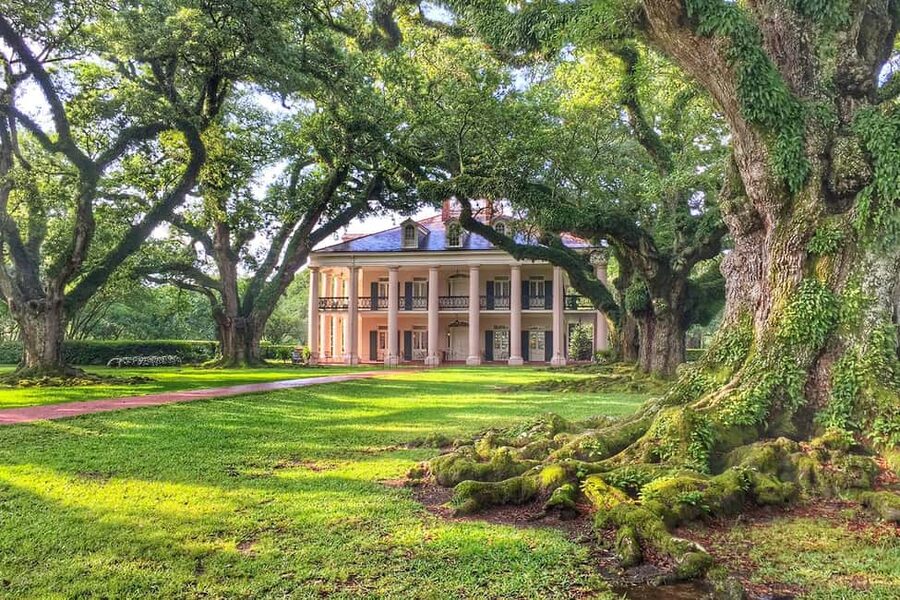
The afternoon option takes you to Destrehan Plantation instead. Established in 1787, Destrehan is the oldest documented French Colonial-style house in the lower Mississippi Valley.
That age gives the visit a different feel from Oak Alley. Rather than focusing mainly on the famous oak-lined approach, Destrehan places more attention on its architecture, its owners, the sugar economy, and major events connected with the property. The house sits along the Mississippi River a short distance upriver from New Orleans.
Costumed docents lead the house tour and explain the Destrehan family’s sugar business. They also point out architectural details that can easily be missed if you simply walk through the rooms on your own.
Daily trade demonstrations add a useful hands-on element. Costumed artisans show older skills that were once part of ordinary life. These demonstrations help turn the plantation from a static house into a working place with trades, tools, and labor.
I would choose Destrehan if you are more interested in French Colonial architecture, costumed interpretation, and demonstrations. Choose Oak Alley if the grand tree-lined entrance and the site’s dedicated slavery and sugar exhibits matter most to you.
You do not visit both plantations on this outing. The morning departure is tied to Oak Alley, while the afternoon version visits Destrehan, so check the selected option carefully before paying.
Plantation history needs careful attention
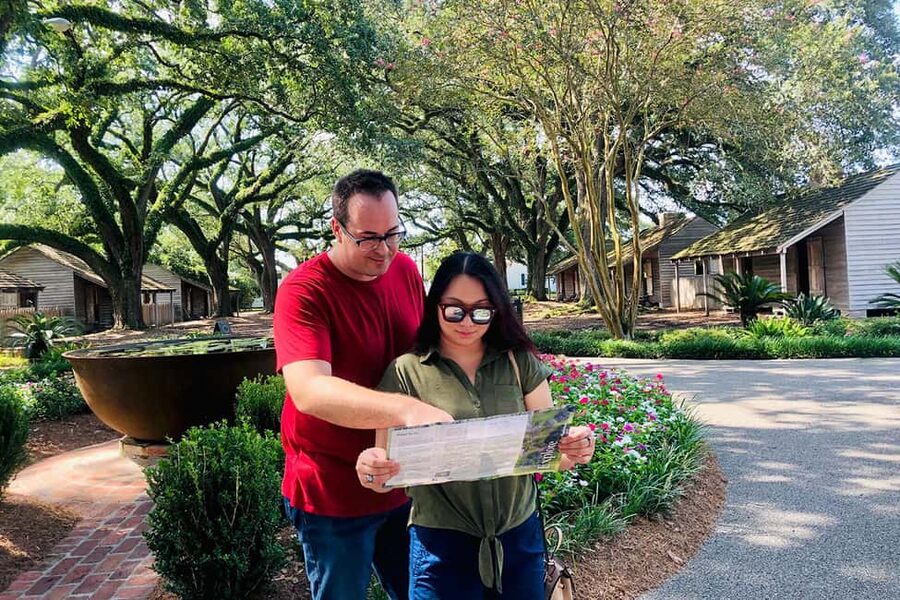
Plantation tours can be visually appealing while still dealing with painful subjects. This outing is at its best when the guide does not treat the mansion as the whole story.
The plantation interpretation includes the owners, the sugar industry, enslaved labor, domestic work, and the people who maintained the property. Some people have felt they wanted more information about the enslaved residents, so you should know that the balance may depend partly on the guide and the specific plantation program that day.
That is why the bus guide matters so much. Guides including Dionne and Robi have been praised for connecting plantation history with New Orleans, French and Spanish rule, and Creole and Cajun culture. If you have questions, ask them. The guides are encouraged to engage with the group, and several have been singled out for welcoming questions.
I also appreciate that the two plantation choices are not presented as interchangeable decorations. Oak Alley offers exhibits about slavery and sugarcane, while Destrehan focuses on an older French Colonial house, family history, trade demonstrations, and events tied to the site. Neither replaces a dedicated study of Louisiana slavery, but both can add useful context to a New Orleans visit.
Same place, a different slice of the past:
- New Orleans Haunted History Ghost Tour
★ 4.5 · 2,084 reviews - Paddlewheeler Creole Queen Historic Mississippi River Cruise
★ 4.5 · 1,948 reviews - New Orleans Food and History Walking Tour
★ 5.0 · 1,544 reviews - New Orleans: Creole Queen History Cruise with Optional Lunch
★ 4.3 · 1,112 reviews
Manchac Swamp by boat
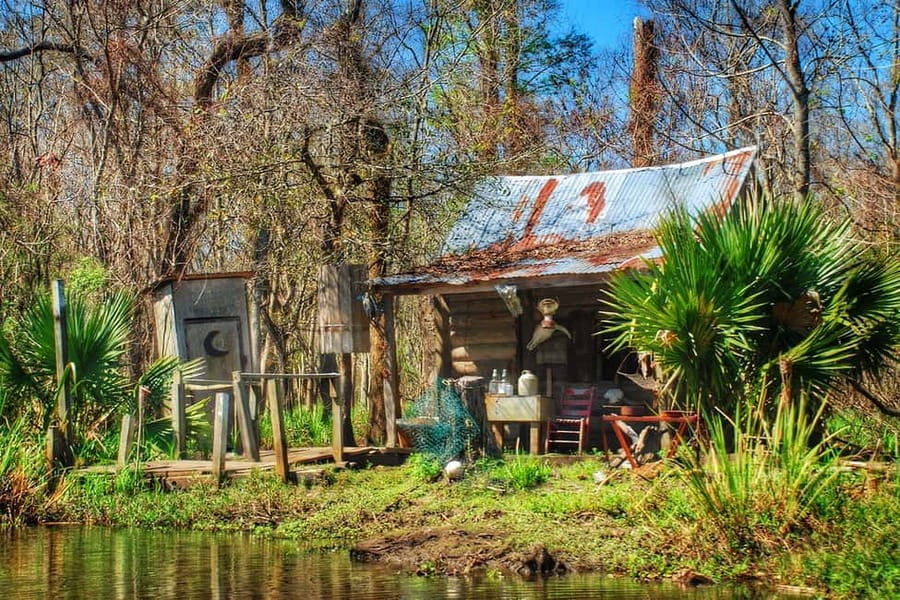
After the plantation visit, the bus continues toward Manchac Swamp, a privately owned wildlife refuge. Here the pace changes. Instead of rooms, documents, and architecture, you get open water, cypress trees, wildlife, and a boat guide watching the edges of the swamp.
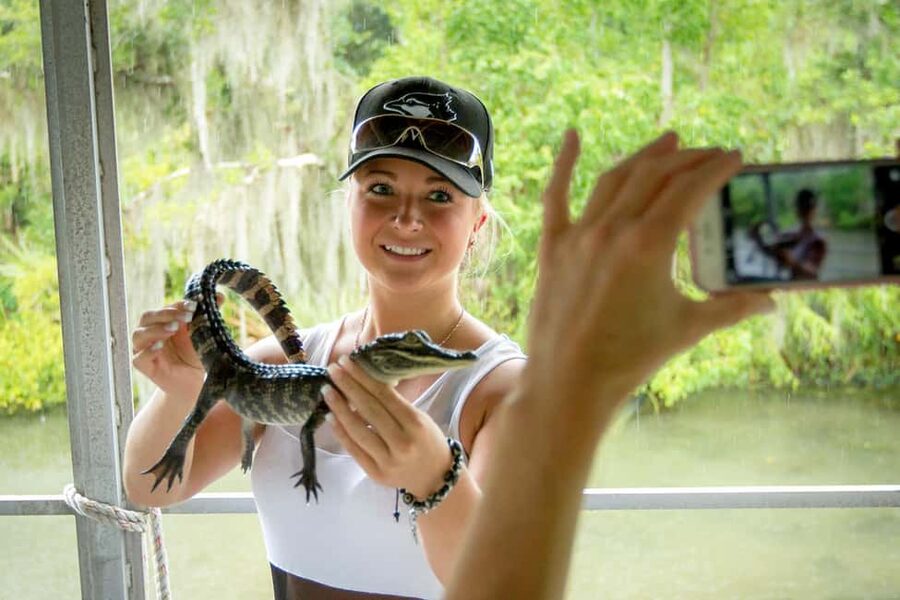
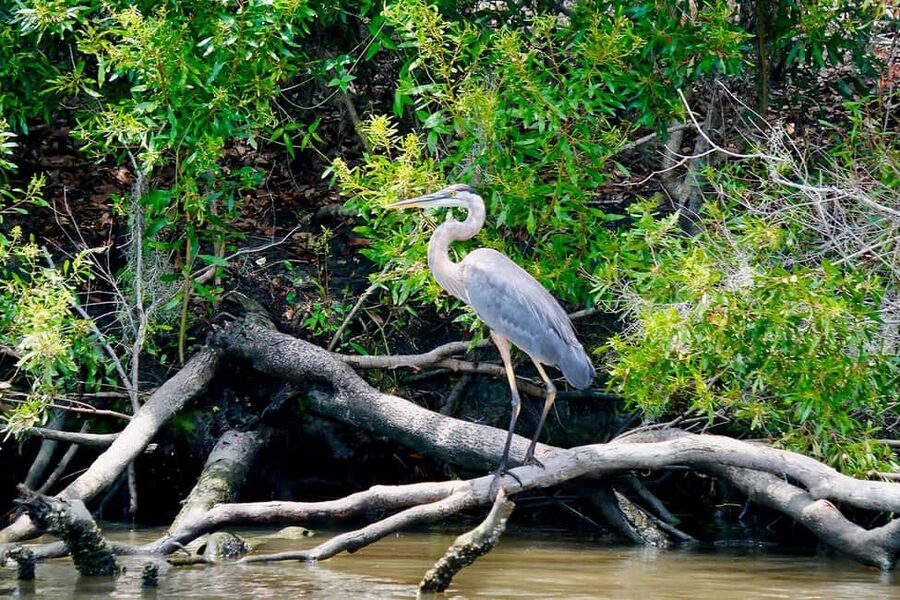
The boat ride is often the most exciting part of the day. Alligators can come close to the boat, sometimes only a few feet away. Other wildlife may include raccoons and birds, though sightings are never guaranteed.
The quality of the swamp trip depends heavily on the captain. Brandon has been praised for his Cajun background, humor, and stories about local traditions. Another captain, Danny, was singled out for making the ride especially enjoyable. The best guides do more than point at animals. They explain the swamp, local culture, and the way people relate to this wet environment.
The Rougarou legend adds a little Louisiana folklore. The Rougarou is often described as a werewolf-like creature, and hearing the story in the swamp is more fun than hearing it in a hotel lobby. It gives the boat ride a local voice without pretending the trip is only about wildlife.
Cold weather can affect alligator sightings. One guide reportedly adjusted the route to find a sunny area where the animals were more likely to be active. That sort of local judgment is valuable, though you should still treat wildlife as unpredictable.
The boat ride is a good fit for families, and children may find the alligators especially memorable. It also gives adults a break from formal history. After spending time with plantation architecture and difficult subjects, the swamp provides a change of pace without losing the regional connection.
How the two halves work together
The plantation and swamp are very different, which is the point. You begin with built history: houses, sugar production, forced labor, family fortunes, and historic events. You finish with a living wetland shaped by water, wildlife, weather, and local culture.
That contrast makes this a better choice than a plantation-only excursion if you want variety. You are not spending seven and a half hours looking at similar rooms. The bus ride links two parts of Louisiana that are close to New Orleans but feel far removed from the French Quarter.
There is a trade-off. Because the tour covers two major activities, neither stop offers unlimited time. One person wished for less time at the plantation and the swamp, while another wanted a longer overall outing. That tells you the schedule may feel full rather than leisurely.
I would not book this if you dislike organized day trips or want to set your own pace. You follow the group schedule, return to the bus at set times, and spend a substantial part of the day in transit. But if you want an efficient introduction to plantations and wetlands, the combination works well.
Price, timing, and practical value

At $126 per person, the cost is not cheap, but it includes round-trip transportation, the plantation admission and tour for the selected option, and the Manchac Swamp cruise. You are paying for two attractions plus a full day of guiding and transport.
That makes the price easier to justify than the cost of a single plantation visit. It is especially useful if you do not have a car or do not want to arrange separate transport to the river plantations and swamp.
Food and drinks cost extra. Oak Alley has a cafe, and refreshments are available at the swamp, so you should budget for those separately. The tour does not include a meal.
The activity is offered in English with a live guide. Free cancellation is available up to 24 hours before the tour for a full refund, and you can reserve now and pay later. Those terms are helpful if your New Orleans schedule may shift.
Wheelchair storage is available on the tour vehicles if the chair folds and collapses. A scooter requires special arrangements for an accessible bus at least 48 hours before the tour date. The historic nature of the plantation also means that the second floor is accessible only by stairs.
Who will enjoy this Louisiana day trip?
I would recommend this outing to first-time New Orleans visitors who want to see more than the city center. It suits anyone interested in plantation history, Cajun culture, alligators, local folklore, and guided sightseeing.
Families can also get a lot from it. The plantation offers history and scenery, while the swamp boat provides the most immediate excitement. Children may not follow every detail about sugar economics or colonial architecture, but the wildlife gives the day a strong payoff.
History-minded visitors should pay close attention to the selected plantation. Oak Alley is the better choice for its slavery, blacksmith, and sugarcane exhibits. Destrehan is a good pick for French Colonial architecture, costumed docents, and trade demonstrations.
I would hesitate to recommend it to anyone with very limited time in New Orleans. A 7.5-hour tour uses most of a day, and you will not have much freedom to shorten the visit. It is also not ideal if stairs are difficult, since the upper floor at the historic plantation cannot be reached by elevator.
Is the New Orleans plantation and swamp tour worth booking?
Yes, if you want a well-organized day that combines two signature Louisiana experiences. The plantation visit gives you history and difficult questions to think about, while the Manchac boat ride adds alligators, wildlife, Cajun stories, and a welcome change of pace.
Choose Oak Alley for the oak avenue and the strongest emphasis on slavery and sugar production. Choose Destrehan for an older French Colonial house, costumed interpretation, and craft demonstrations. Either way, expect a full schedule, extra costs for food, and a tour that depends greatly on the guide.
For $126, I think the combination offers fair value, especially without a car. Book it if you want convenience and variety. Skip it if you prefer slow, independent visits or need a flexible day in New Orleans.
FAQ
How long does the tour last?
The activity lasts approximately 7.5 hours, including transportation, the plantation visit, and the Manchac Swamp boat cruise.
Where does the tour begin?
You begin at the Gray Line Lighthouse ticket office on Toulouse Street in New Orleans. You must exchange your voucher for a boarding ticket there.
Where does the tour end?
The tour returns to the original meeting point in New Orleans.
Which plantation does the morning tour visit?
The morning option visits Oak Alley Plantation, built in 1839.
Which plantation does the afternoon tour visit?
The afternoon option visits Destrehan Plantation, established in 1787.
Do you visit both Oak Alley and Destrehan?
No. The tour visits Oak Alley or Destrehan, depending on the departure option you select.
What can you see at Oak Alley?
Oak Alley has a quarter-mile avenue of oak trees, cypress trees near the Mississippi River, and exhibits including Slavery at Oak Alley, a blacksmith shop, and a Sugarcane Theater.
What happens at Destrehan Plantation?
Costumed docents lead a tour of the historic house and explain the Destrehan family’s sugar business, site history, and architectural details. Costumed artisans also demonstrate historic trades.
Can you see alligators on the swamp boat ride?
The Manchac Swamp cruise takes you through a wildlife refuge where you may see alligators and other wildlife. Sightings are not guaranteed.
Is the tour wheelchair accessible?
Tour vehicles can store folding wheelchairs. If you use a scooter, you must arrange an accessible bus with the local partner at least 48 hours before the tour. The plantation’s second floor is accessible by stairs only.
Just added around New Orleans
- New Orleans: Wicked History Walking Tour with a Local Witch★ 4.3 · 29 reviews
- New Orleans: Tremé African American & Creole History Tour★ 4.9 · 208 reviews
- New Orleans: 1.5-Hour Voodoo History Evening Tour★ 4.5 · 34 reviews
- New Orleans: Garden District Food, Drinks & History Tour★ 4.9 · 97 reviews
- New Orleans: Drunk History Walking Tour★ 4.2 · 165 reviews
- New Orleans: French Quarter Food History Walking Tour★ 4.9 · 713 reviews
- New Orleans: French Quarter Saints & Sinners History Tour★ 4.6 · 56 reviews
- New Orleans: Haunted Drunken History Walking Tour★ 4.9 · 50 reviews
New Orleans History Tours, compared.
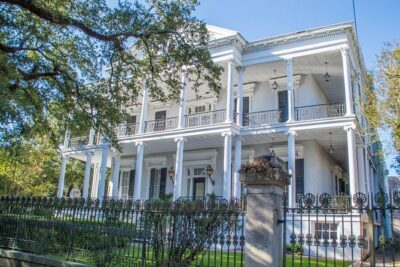
New Orleans Garden District History Walking Tour
Read our review →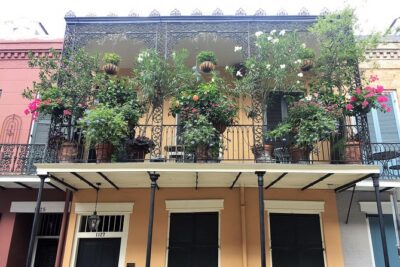
French Quarter Historical Sights and Stories Walking Tour
Read our review →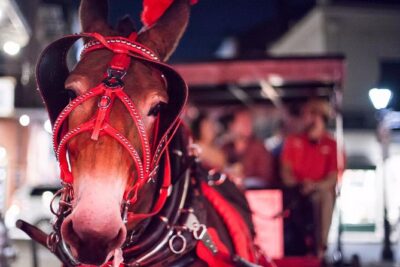
New Orleans Small-Group Haunted History Carriage Tour
Read our review →
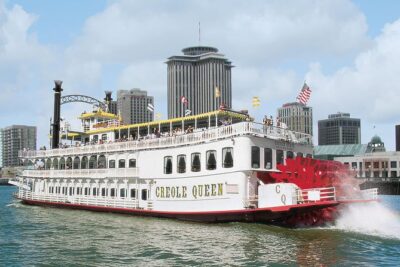
Paddlewheeler Creole Queen Historic Mississippi River Cruise
Read our review →
Creole Queen History Cruise with Optional Lunch
Read our review →
Browse the lists this tour appears in