
Review · NEW ORLEANS
New Orleans Cocktail and Food History Tour
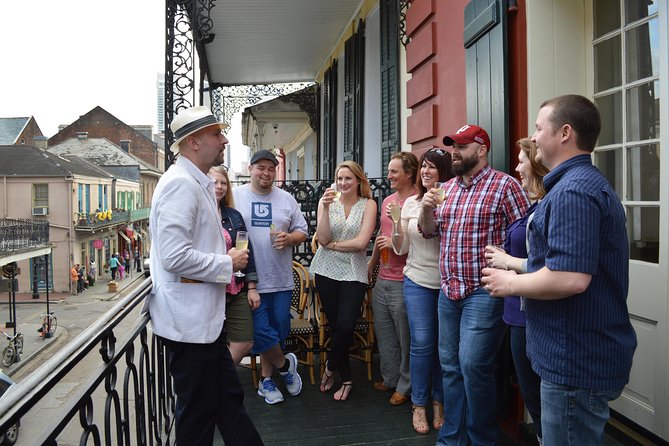
New Orleans tells its story through a glass and a bowl. This four-hour walking tour links gumbo, muffuletta, jambalaya, pralines, plantains, and four full-size cocktails across the French Quarter and nearby streets. I like the smart food-and-history pairing, and I like that guides such as Meg, Ben, and Gary add personal stories rather than simply reciting dates. The main drawback is the price: at $160 per person, you should expect a generous tasting tour, not a series of full restaurant meals.
I also like the route’s variety. You begin with a Hurricane and seafood gumbo, move through hot sauces and candy, sit down for a muffuletta and Pimm’s Cup, then finish with fried plantains and a daiquiri at Cane & Table. The walking is part of the lesson, but it is substantial, so comfortable shoes matter.
Five things to know before booking
- Four-hour food-and-cocktail route: The tour begins at 2 p.m. and finishes inside Cane & Table.
- Six food and drink settings: You visit Red Fish Grill, Pepper Palace, Napoleon House, Leah’s Pralines, and Cane & Table, with Jackson Square and Royal Street along the way.
- Classic New Orleans flavors: Expect gumbo, alligator sausage, muffuletta, jambalaya, pralines, fried plantains, hot sauces, and rum-based drinks.
- Strong guides make the difference: Meg, Ben, Gary, and Dylan have been praised for mixing city history, food origins, humor, and practical suggestions.
- Important food limits: A vegetarian menu is available by request, but there is no gluten-free, dairy-free, or vegan option. The minimum age is 21.
Starting with gumbo and a Hurricane on Bourbon Street
Your afternoon starts inside Red Fish Grill at 115 Bourbon Street. That is a useful meeting point because it puts you right in the French Quarter, close to several major sights and easy to reach by public transportation.
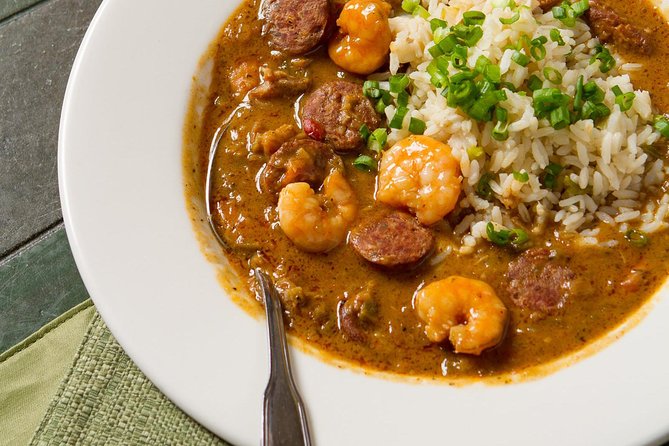
The first tasting sets the tone: seafood gumbo with shrimp, crab, rice, and alligator sausage, followed by a craft Hurricane. The gumbo uses a dark roux, so you get the slow-cooked, savory side of New Orleans cooking rather than a light soup. The alligator sausage adds a distinctly Louisiana touch without making the dish feel like a novelty act.
The guide also begins with Louisiana’s pre-colonial and colonial past. That matters because the food here is not one simple tradition. Indigenous ingredients, European cooking, African techniques, Caribbean influences, and later immigrant communities all helped shape the dishes you eat today.
The first stop lasts about 35 minutes. Since the tour starts with both food and alcohol, pace yourself. You have several more drinks ahead, and the afternoon is better when you can still pay attention to the stories by the final stop.
The Hurricane receives especially warm praise in the feedback, with some people calling it the best one they had during their stay. That makes it a memorable opening, but it also makes the tour unsuitable for anyone who cannot drink alcohol. The minimum age is 21.
More Food Tours in New Orleans:
- New Orleans Food and History Walking Tour
★ 5.0 · 1,544 reviews - New Orleans: French Quarter Food History Walking Tour
★ 4.9 · 713 reviews - New Orleans: Combo Cocktail and Food History Tour
★ 4.9 · 180 reviews
Pepper Palace brings the Cajun heat
After about four blocks, you reach Pepper Palace. This is less a sit-down meal than a tasting stop, but it adds a different piece of the food story.
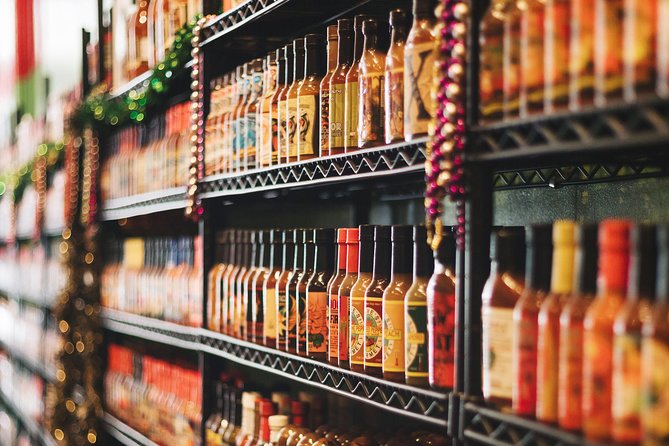
You can sample an unlimited range of hot sauces, barbecue sauces, Buffalo wing sauces, salsas, dry rubs, marinades, and seasonings. You also receive a free bottle of Louisiana-style hot sauce. That small take-home item gives the stop more value than a quick taste at a counter.
This is where the discussion turns toward Cajun influence. The food is not just about rich sauces and long-cooked dishes. Spices, peppers, seasoning blends, and preserved flavors are central to the way many Louisiana meals are built.
The word unlimited needs a little context. It refers to samples at the shop, not an additional full dish. If you enjoy hot sauce, you may spend a good deal of time comparing flavors. If you prefer mild food, tell the guide and sample carefully. The tour provides food allergy information at checkout, but it does not offer a vegan, dairy-free, or gluten-free version.
Napoleon House delivers the substantial sit-down stop
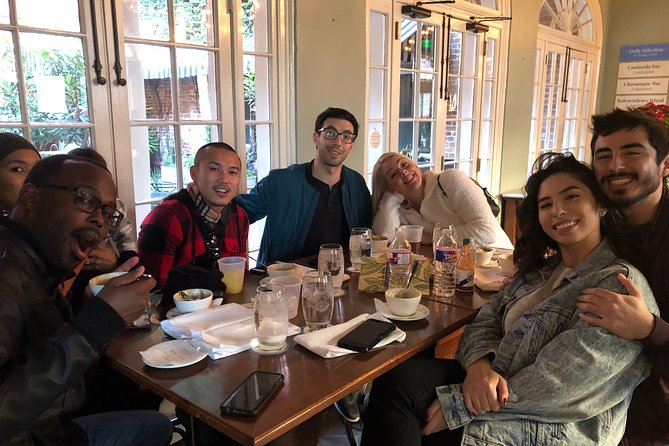
Napoleon House is the most traditional restaurant stop on the route. Here you sit down for a combination of muffuletta, chicken and andouille sausage jambalaya, and a Pimm’s Cup.
The muffuletta is a New Orleans classic with Italian roots. It uses fresh bread layered with pastrami, salami, smoked ham, provolone, mozzarella, and an in-house olive salad. The sandwich is salty, filling, and built for sharing in spirit, even if your portion is intended for the tour.
The jambalaya brings a different texture and flavor. Chicken and smoked sausage are cooked with rice, herbs, and spices, giving you a savory dish that feels more like a complete meal than a sample. The guide uses this stop to explain 19th-century immigrant patterns and how they affected Louisiana cooking.
The Pimm’s Cup adds a cooler, more refreshing note. It is also a chance to discuss New Orleans cocktail culture, which is a major reason this experience costs more than a standard walking tour.
Several people praise the food portions as larger than expected, and some finish full. Others feel the amount of food and drink does not quite match the $160 price. Both reactions make sense. You receive a proper collection of tastings and four drinks, but you are paying for the guide, the restaurant settings, the history, and the coordination as much as the food itself.
Pralines and Bourbon Street add a sweet pause
The route then passes Bourbon Street and continues toward Leah’s Pralines, a third-generation family-owned candy shop. This is a short but useful change of pace after the savory food at Napoleon House.
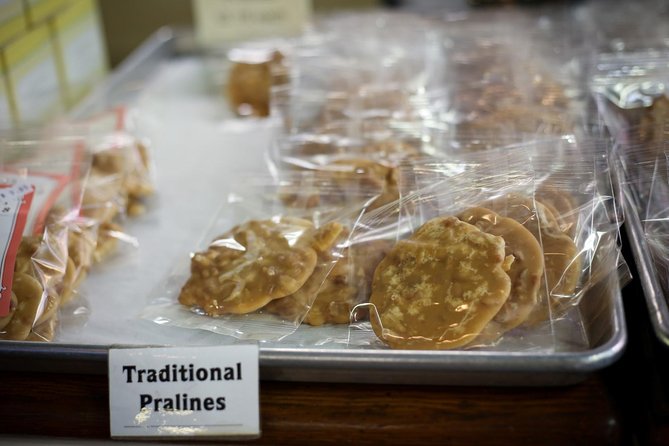
You taste a traditional Louisiana praline made with brown sugar, pecans, and dairy. You also sample bacon pecan brittle, which gives the stop a saltier, crunchier edge. Pralines are closely tied to the city’s sweet-making tradition, and the family-owned setting helps keep this from feeling like a random candy break.
The Bourbon Street section is more about atmosphere and orientation than a formal sightseeing stop. You walk through one of the city’s best-known areas, then continue toward the next restaurant. The route can be lively and crowded, and you should stay close to the group while crossing streets and moving between venues.
A few more history tours around New Orleans worth a look
- New Orleans Garden District History Walking Tour
★ 5.0 · 2,879 reviews - French Quarter Historical Sights and Stories Walking Tour
★ 5.0 · 2,724 reviews - New Orleans Small-Group Haunted History Carriage Tour
★ 4.5 · 2,289 reviews - New Orleans Haunted History Ghost Tour
★ 4.5 · 2,084 reviews
Cane & Table finishes with plantains and a daiquiri
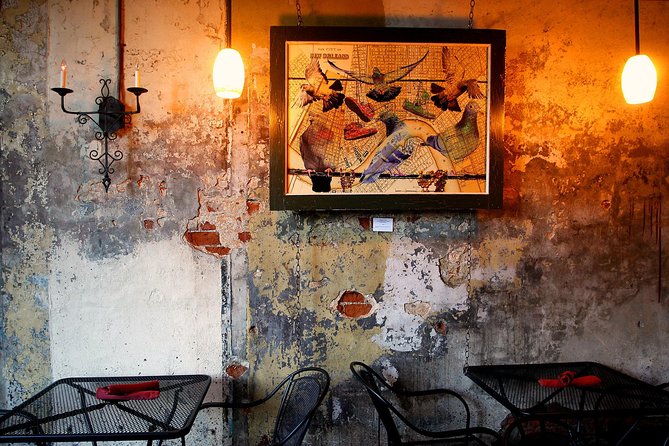
The tour ends at Cane & Table on Decatur Street, with a focus on rustic colonial cooking and rum drinks. This is a fitting final stop because it brings together the Caribbean and colonial threads that have appeared throughout the afternoon.
The dish is fried plantains, also called maduros, served with lime crème fraîche, salsa macha, and cilantro. The plantains are mildly sweet, while the lime and salsa add tang and heat. Compared with the gumbo, muffuletta, and jambalaya, this plate feels lighter and more playful.
The cocktail is a classic daiquiri made with Caribbean white rum, fresh lime, and sugar. It is a simple drink, but that simplicity makes it a useful lesson in balance. You can taste how rum, citrus, and sweetness work together without a long list of ingredients hiding the result.
The tour finishes inside Cane & Table, not back at Red Fish Grill. Plan your evening from Decatur Street. That is convenient if you want to continue exploring the French Quarter, but you should not assume the ending point is close to your hotel.
Jackson Square and Royal Street are part of the lesson
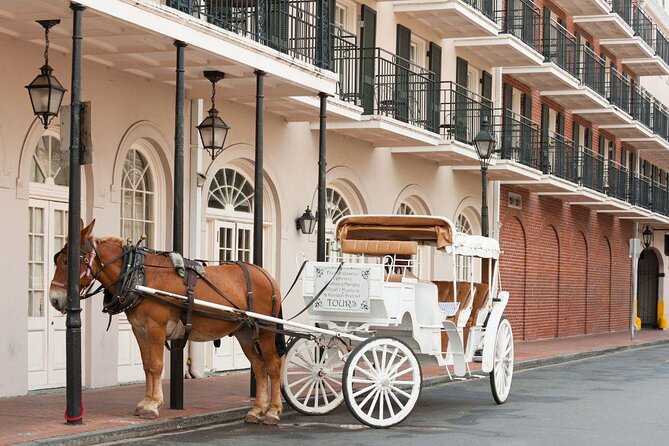
The route includes a pass by Jackson Square and a walk along Royal Street. These are not separate attraction admissions, and the tour does not present them as long sightseeing stops. Their value comes from the way they connect the restaurants.
Jackson Square gives you one of the French Quarter’s most recognizable views, while Royal Street adds galleries, shops, and old streetscapes to the walk. Your guide may use these blocks to explain the city’s development, architecture, and neighborhood character.
That walking time also helps break up the food. You are not sitting at one table for four hours, and you are not rushing from bite to bite without context. The tradeoff is distance. The route covers several blocks, and the walk may feel long, especially in warm or wet weather.
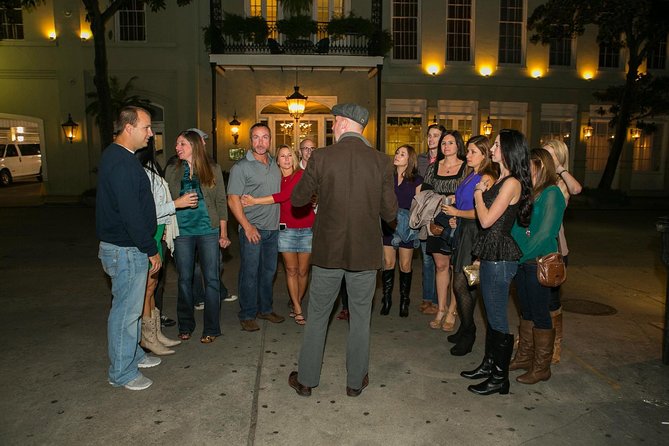
The activity is not recommended for people with walking or mobility issues. Service animals are allowed, and the group is limited to a maximum of 16 people, though smaller departures are possible. Wear comfortable shoes and keep your afternoon open rather than planning a tight appointment immediately afterward.
The guides shape the whole afternoon
The food is important, but the guide can determine whether this feels like a well-connected story or simply a string of tastings. The strongest praise goes to Meg, Ben, Gary, and Dylan.
Meg is repeatedly described as warm, funny, passionate, and highly informed about the city. Ben receives praise for his energy, food knowledge, cocktail explanations, and ability to answer questions. Gary is noted for fitting a surprising amount of city and culinary history into the route, while Dylan is praised for personality and enthusiasm.
Those details matter because the tour covers several subjects at once: colonial Louisiana, Cajun influence, immigrant communities, restaurant traditions, cocktail origins, and the modern French Quarter. A guide who can connect those subjects makes each stop feel purposeful.
You may not receive the same guide on every departure, so you should not book solely on the hope of getting one particular person. Still, the consistent pattern is encouraging. The experience depends on a guide who can keep a small group moving, explain unfamiliar dishes clearly, and make room for questions.
The tour has a 4.9 rating from 819 reviews, with 97 percent of customers recommending it. Those numbers suggest a strong overall experience, but they do not erase the price concern or the walking demands.
Is $160 a fair price?
The honest answer depends on what you want from a food tour. If you compare the cost only with the amount of food, it may feel high. You receive several dishes, dessert tastes, unlimited hot sauce samples, and four full-size drinks, but most stops are tastings rather than full meals.
If you value a guided introduction to New Orleans, the calculation looks better. The tour gives you access to several established food and drink settings, a seated restaurant stop, historical explanations, a small group capped at 16, and a route that would be difficult to organize efficiently on your own.
The drinks also affect the value. Four full-size cocktails can add up quickly, especially when they include a Hurricane, Pimm’s Cup, daiquiri, and another cocktail from the route. You should still think of the food as a substantial introduction rather than dinner at four restaurants.
Some people finish comfortably full, while others expect more food for the price. I would book this as a late lunch that may carry you into the evening, not as a replacement for every meal that day.
Who should book this tour?
This is a strong first-day or second-day activity in New Orleans. You get a quick orientation to the French Quarter, a list of foods to seek out later, and practical suggestions for the rest of your stay. One useful tip from the feedback is to ask your guide for post-tour restaurant and jazz recommendations.
It suits couples, small groups of friends, solo visitors who enjoy meeting people, and anyone who wants history with lunch. It is also a good match for someone who likes classic local dishes but does not know which ones to order.
I would be cautious if you need strict dietary control. Vegetarian options are available if requested at checkout, but there is no gluten-free, dairy-free, or vegan option. You must report actual food allergies during checkout, not simply dislikes or preferences.
The tour runs in English, uses a mobile ticket, and usually requires booking well ahead, with an average booking time of 33 days before departure. Free cancellation is available up to 24 hours before the 2 p.m. start. Bad weather or failure to meet the minimum group size can lead to a new date or a full refund.
Should you book it?
Book this tour if you want a guided introduction to New Orleans food, cocktails, and local stories, and you are comfortable paying for the full package rather than just the bites. The Hurricane, muffuletta, jambalaya, and daiquiri give you a solid range of flavors, while the walk connects them to the French Quarter.
Skip it if you want one large meal, need a special diet, dislike alcohol, or find four hours of walking tiring. For everyone else, especially first-time visitors and food-focused couples or friends, this is a lively way to get your bearings and leave with a better sense of what makes New Orleans cooking so distinctive.
FAQ
How long does the New Orleans Cocktail and Food History Tour last?
The tour lasts approximately four hours and begins at 2 p.m.
Where does the tour begin?
It begins inside Red Fish Grill at 115 Bourbon Street in New Orleans.
Where does the tour finish?
The tour ends inside Cane & Table at 1113 Decatur Street.
How many drinks are included?
The tour includes four full-size drinks. Named examples include a Hurricane, Pimm’s Cup, and classic daiquiri.
What food is included?
Food may include seafood gumbo with alligator sausage, hot sauce samples, pralines, bacon pecan brittle, muffuletta, chicken and andouille sausage jambalaya, and fried plantains.
Is a vegetarian option available?
Yes. A vegetarian option is available if you request it at checkout.
Is the tour suitable for people with food allergies?
You must report food allergies during checkout. The tour does not offer gluten-free, dairy-free, or vegan options.
What is the cancellation policy?
You can cancel at least 24 hours before the start time for a full refund. Cancellations or changes made less than 24 hours before the tour are not refunded or accepted.
Just added around New Orleans
- New Orleans: Wicked History Walking Tour with a Local Witch★ 4.3 · 29 reviews
- New Orleans: Swamp Boat Ride and Historic Plantation Tour★ 4.7 · 303 reviews
- New Orleans: Tremé African American & Creole History Tour★ 4.9 · 208 reviews
- New Orleans: 1.5-Hour Voodoo History Evening Tour★ 4.5 · 34 reviews
- New Orleans: Garden District Food, Drinks & History Tour★ 4.9 · 97 reviews
- New Orleans: Drunk History Walking Tour★ 4.2 · 165 reviews
- New Orleans: French Quarter Food History Walking Tour★ 4.9 · 713 reviews
- New Orleans: French Quarter Saints & Sinners History Tour★ 4.6 · 56 reviews
New Orleans History Tours, compared.
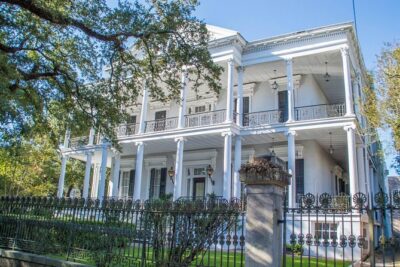
New Orleans Garden District History Walking Tour
Read our review →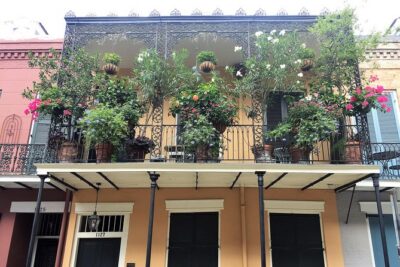
French Quarter Historical Sights and Stories Walking Tour
Read our review →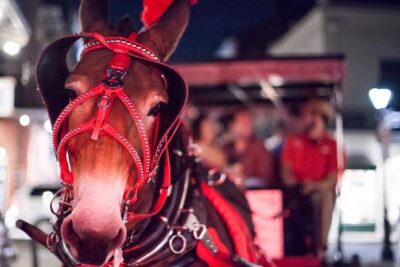
New Orleans Small-Group Haunted History Carriage Tour
Read our review →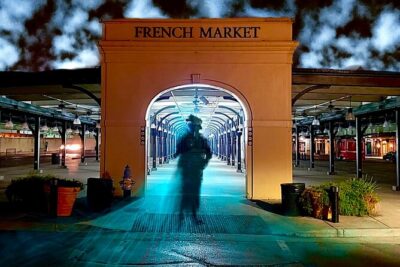
Paddlewheeler Creole Queen Historic Mississippi River Cruise
Read our review →
Creole Queen History Cruise with Optional Lunch
Read our review →
Browse the lists this tour appears in