
Review · NASHVILLE
Journey to Jubilee Guided Tour at Belle Meade with Wine Tasting
History needs room to speak. Belle Meade’s Journey to Jubilee tour focuses on the enslaved and formerly enslaved people whose labor kept this Tennessee plantation running. I like its use of primary sources and its effort to follow Black lives from enslavement through freedom. I also like the thoughtful wine tasting afterward, which adds value to the $33 admission.
The main drawback is that this is a discussion-led walking tour, not a grand-house tour. You will spend much of the hour listening and standing outdoors, and the quality of the presentation may depend on your guide. The mansion requires a separate ticket, so check what you are buying before you arrive.
Key points to know before you go
- The tour centers Black lives: You hear about people who were enslaved, later freed, and then worked as contract laborers after Emancipation.
- Primary sources shape the story: The presentation covers nearly a century of life at Belle Meade rather than treating slavery as a brief footnote.
- The mansion is not included: Your ticket covers the grounds and outbuildings, but a guided mansion tour costs extra.
- Wine tasting follows the walk: You receive a complimentary sampling at Belle Meade Winery, with proceeds supporting preservation.
- Plan for stairs and standing: The tour takes place outside and is not a good fit if you cannot walk or stand for 30 minutes or more.
- Allow extra time afterward: Your ticket includes access to 30 acres of grounds, the outdoor game court, and the on-site restaurant.
What Journey to Jubilee is really about
Belle Meade is often presented through its plantation buildings, family history, horses, and polished grounds. Journey to Jubilee shifts the focus. It asks you to consider the men and women whose work made the property possible, then traces their lives beyond the end of slavery.
That shift matters. A plantation visit can easily become a tour of architecture and wealthy owners while the enslaved population receives only a few lines. Here, the central subject is the Black community connected to Belle Meade. The tour covers people who lived through enslavement, gained freedom, and continued working as contract laborers after Emancipation.
I appreciate that the story does not stop in 1865. Freedom was not a clean ending, and the tour tries to show what came next. You hear about the years after slavery and the ways people remained tied to the property.
The presentation draws on primary sources. That gives the guide a stronger base than a general talk about plantation life. You may hear names, documented details, and carefully explained gaps in the record. Just as important, the guide can point out where the surviving evidence is incomplete rather than pretending every part of a person’s life is known.
More Wine Tours in the USA:
- Undiscovered Charleston: Half Day Food, Wine & History Tour with Cooking Class
★ 5.0 · 948 reviews - #1 Sonoma Walking Food, Wine Tasting & History Tour (Public Tour)
★ 5.0 · 457 reviews - Gettysburg: Beer, Wine, and History Guided Walking Tour
★ 4.3 · 41 reviews
Walking through Belle Meade’s grounds and outbuildings
The tour begins at Belle Meade Historic Site and Winery, at 5025 Harding Pike. After checking in at the Visitor Service desk, you join a small group, limited to 20 people. A smaller group should make it easier to hear the guide and take part in the discussion.
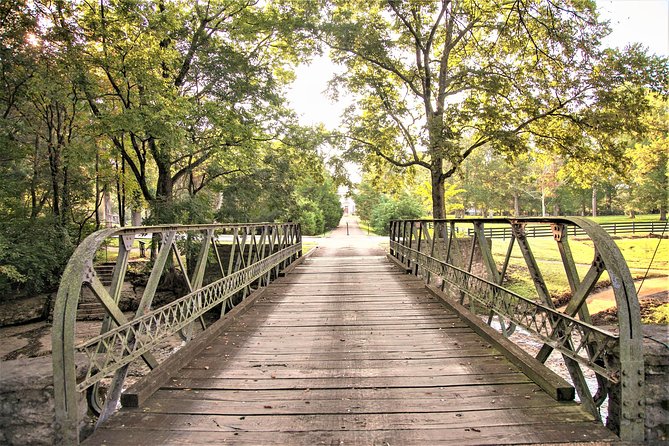
You move through the grounds and outbuildings rather than spending the tour inside the mansion. The route includes several sets of stairs and takes place outdoors, so comfortable shoes are a sensible choice. Nashville weather can change quickly, and the experience requires enough stamina for extended standing.
The property itself gives the discussion a physical setting. You are not only hearing about labor and living conditions in the abstract. You are moving through the place where those systems operated. The grounds, work areas, and structures help connect the names and events to a real location.
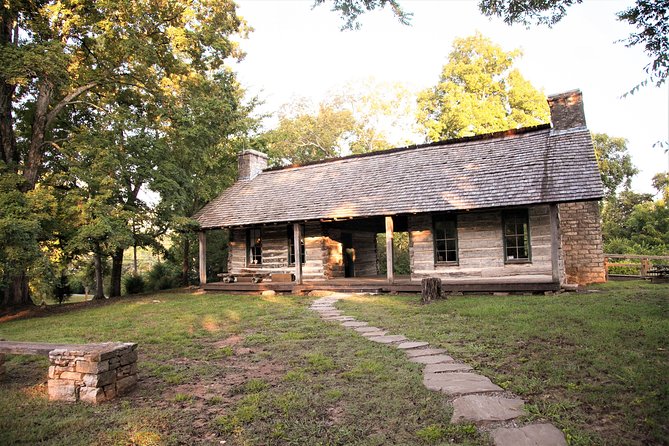
One part of the experience includes a kitchen setting, where the group can listen among familiar furnishings from the past. Another highlight is the Carriage House. The tour also includes a replica of a slave cabin. That replica can help you picture the cramped conditions described, but you should remember that it is not an original building from the property.
This is also where expectations matter. If you want a large number of original artifacts or a dramatic sequence of historic rooms, you may find the tour visually limited. Some of the impact comes from conversation and interpretation rather than from preserved objects.
Why the discussion format can work
The guide does more than recite dates. The format encourages you to think about power, labor, freedom, and the choices available to people living under slavery and its aftermath. Guides may ask the group to respond to a situation or consider how a person might have experienced a particular moment.
I like this approach when the guide handles it with care. It gives you a chance to connect the historical record with the human consequences. A strong guide can make the hour feel like a serious conversation rather than a memorized speech.
Several guides have received especially strong praise. Ben has been described as bringing a background in African and African American folklore and history to his presentation. Melissa has been praised for making the subject engaging through questions and discussion. Anastasia is noted for her empathy, clear delivery, and suggestions for further reading. Tom has been described as informative, entertaining, and effective at telling the story of the Wallace family’s people.
That said, a discussion format puts extra pressure on the guide. One poorly prepared presentation can feel repetitive or thin, especially when the group is quiet. You may hear questions posed to the group, followed by an explanation that the historic record does not provide an answer. That honesty is appropriate, but it can become frustrating if too much of the hour is spent on speculation or uncertainty.
My advice is to judge the tour by its purpose. It is designed to make you think about the lives behind the property, not to provide a complete catalog of every building or family detail. If you want a fact-heavy architectural tour, choose the mansion tour as well.
The mansion ticket confusion
The biggest practical trap is the difference between Journey to Jubilee and the mansion tour. The $33 ticket does not include a guided tour of the mansion.
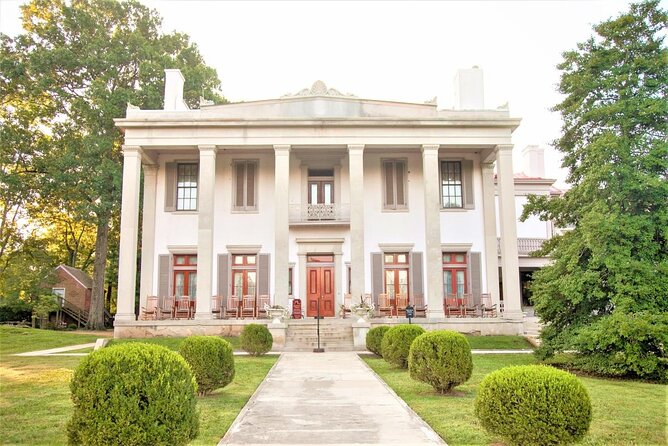
Your ticket does include guided history of the grounds and outbuildings, plus time to explore the property at your own pace. You can purchase a mansion tour separately if you want to see the main house with a guide.
This distinction has caused disappointment for people who arrived expecting the full Belle Meade tour. I recommend checking your confirmation before setting out. If the mansion is your main reason for visiting, budget for the additional admission and allow time for both experiences.
The two tours serve different purposes. Journey to Jubilee focuses on enslavement, freedom, and Black lives connected to Belle Meade. The mansion tour gives you a closer look at the main residence. Taking only one may leave you with an incomplete picture of the site, depending on your interests.
More Guided Tours in the USA:
- History and Hauntings of Salem Guided Walking Tour
★ 5.0 · 14,564 reviews - Historic Charleston Guided Sightseeing Walking Tour
★ 5.0 · 6,216 reviews - Historic Savannah Guided Walking Tour
★ 5.0 · 2,918 reviews - 2-Hour Gettysburg Battlefield Guided History Bus Tour with a National Park Guide
★ 4.5 · 2,201 reviews
The complimentary wine tasting at Belle Meade Winery
After the guided portion, you can enjoy a complimentary wine tasting at the on-site Belle Meade Winery. This is a pleasant finish to a serious subject, though the tasting should not be mistaken for the main attraction.
The wine program also supports historic preservation, giving the tasting a practical connection to the property. You can sample the wine, then continue exploring the grounds, visit the restaurant, or use the outdoor game court.
The tasting adds real value to the admission price. At $33, you are not paying only for a one-hour talk. You also receive access to 30 acres, the outbuildings and grounds, and a winery sample. If you arrive early or stay afterward, the visit can fill two or three hours without rushing.
Still, I would not book this solely for the wine. The tasting is an extra benefit, while the historical interpretation is the reason to come. The wine is decent, according to the feedback provided, but the quality of your visit will depend far more on your guide and your interest in the subject.
Is $33 a fair price?
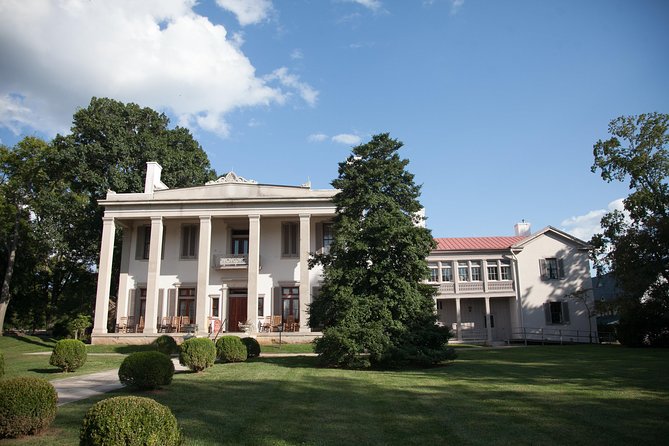
For Nashville, $33 is a reasonable price if you use the full access included with the ticket. You receive a professional guided tour, admission to the grounds, access to the outbuildings, a wine tasting, free parking, and time to explore after the group portion.
The value is weaker if you want only a quick look at the property. A visitor who prefers a self-guided visit may feel that the discussion does not add enough, especially if the guide is not well prepared. One criticism of the experience was that the printed map and brochure seemed to contain more useful information than the tour itself.
I would see the price as fair for someone who wants a guided conversation about slavery and freedom in Middle Tennessee. It is less compelling for someone mainly interested in the mansion, decorative rooms, or a broad plantation overview.
The proceeds from the wine tasting help with historic preservation, but you may also want to think about how the site presents and funds its interpretation. Some people have raised questions about using images of enslaved people on wine merchandise and about whether more funds should support descendants and reparative work. That is a serious point, and it is reasonable to consider it when deciding how you want to spend your admission money.
Timing, arrival, and getting around
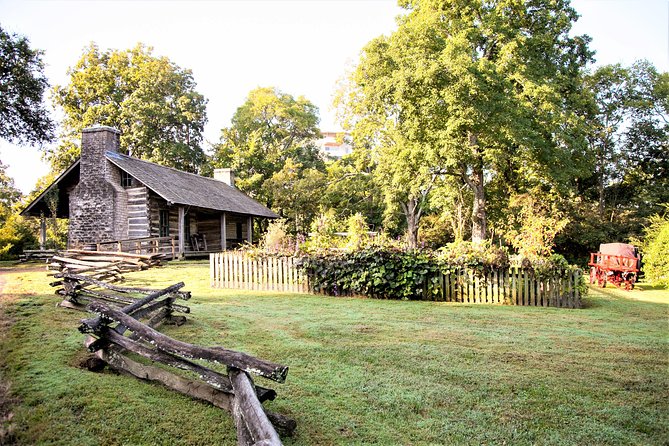
The experience is listed as approximately one hour, although the tour information also describes the guided portion as lasting an hour and a half. I would allow at least 90 minutes for the guided visit and two to three hours if you want to enjoy the grounds, restaurant, game court, and wine tasting without rushing.
Arrive 20 minutes before your scheduled start. Take your mobile ticket to the Visitor Service desk, where staff will redeem it and direct you to the tour.
Free on-site parking is available. The property is also near public transportation, but getting a taxi from central Nashville can be difficult or expensive. If you are staying downtown, check your return transportation before you go rather than assuming a quick taxi pickup will be available.
The tour ends back at the meeting point. It requires walking and several sets of stairs, with extended periods on your feet. Service animals are allowed, and most people who can comfortably walk and stand for 30 minutes or more should be able to take part.
The subject matter is intense, so the minimum age is 12. That age rule makes sense given the direct discussion of slavery, violence, oppression, and the long effects of those systems.
How to get more from the visit
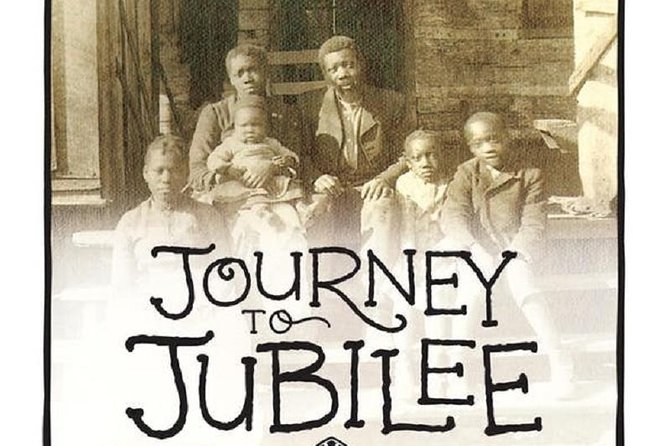
I would arrive early enough to look at the grounds before the group gathers. That gives you a sense of the property and lets you notice how much of the visit will take place outside.
Bring water, wear shoes with good support, and check the weather. There are no assurances of frequent seating, and one useful criticism was the lack of chairs at several stopping points. If standing is difficult for you, ask at the desk about the route before joining.
Listen for names and family connections. The tour explores nearly 100 years, so it can be easy to remember the general theme while losing the people themselves. A small notebook or a note in your phone can help you keep track of names and reading suggestions.
Keep your questions focused. The best guides use questions to open discussion, but a large group can become quiet. If you are comfortable participating, your questions may help bring out more detail about the people and sources behind the story.
Afterward, take time with the replica cabin, kitchen setting, Carriage House, and other outbuildings. The tour may not provide a long list of objects, but the physical spaces can give the discussion more weight.
Who will appreciate this tour most?
I recommend Journey to Jubilee to anyone who wants a more direct discussion of slavery at a historic plantation. It suits adults, families with children aged 12 and older, couples, and visitors who prefer a thoughtful conversation to a light sightseeing stop.
It is also a good choice if you have already seen grand houses and want to understand the workers and families who made those properties function. The focus on life after Emancipation makes it more useful than a tour that treats freedom as the final page.
You may prefer another ticket if you mainly want the mansion, original furnishings, or a self-guided visit with lots of visual material. You may also be disappointed if you expect every question to have a documented answer. The tour is strongest when you are willing to sit with both the evidence and the gaps in the evidence.
Should you book Journey to Jubilee?
Book it if you want a serious, discussion-based look at the enslaved, formerly enslaved, and contract laboring people connected to Belle Meade. The primary-source focus, the strong guides reported by name, the grounds access, and the wine tasting make $33 a fair deal for an interested visitor.
I would pair it with the mansion tour if you have the time and budget. That combination gives you a fuller visit, while Journey to Jubilee keeps the people who made Belle Meade possible at the center of the story.
Skip it if you want only a grand-house tour or if walking and standing outdoors will be uncomfortable. Also arrive with realistic expectations: this is a thoughtful historical discussion with some physical settings, not a large museum packed with original displays.
FAQ
How much does the Journey to Jubilee tour cost?
The tour costs $33 per person.
How long does the tour last?
It is listed as approximately one hour, though the tour information also describes the guided portion as lasting an hour and a half. Allow extra time for the wine tasting and grounds.
What does the tour focus on?
It focuses on the lives and legacies of enslaved, formerly enslaved, and contract laboring Black people connected to Belle Meade.
Is the mansion tour included?
No. A guided mansion tour is not included with this ticket and must be purchased separately.
Is wine tasting included?
Yes. The ticket includes a complimentary wine tasting at the on-site Belle Meade Winery.
Where does the tour start?
It starts at Belle Meade Historic Site and Winery, 5025 Harding Pike, Nashville, Tennessee 37205.
Is parking available?
Yes. Free on-site parking is available.
What should I know about physical requirements?
The tour takes place outside and includes walking, extended standing, and several sets of stairs. It is not recommended for people who cannot stand or walk for 30 minutes or more.
Can I cancel for a refund?
Yes. You can cancel at least 24 hours before the scheduled start for a full refund. Cancellations or changes made within 24 hours are not refunded or accepted. If poor weather cancels the experience, you will be offered another date or a full refund.
Just added around the USA
- Historical Bicycle Tour of Dunedin★ 5.0 · 44 reviews
- Safety Harbor Ghost Tour★ 5.0 · 60 reviews
- Tarpon Springs Ghost Tour★ 4.5 · 19 reviews
- Cincy Brunch History and Streetcar Tour with Riverside Food Tours★ 5.0 · 108 reviews
- 2.5 Hour Kayaking with Manatee and History Tour in Tarpon Springs★ 5.0 · 24 reviews
- Chicago River Architecture Tour Aboard a Historic Yacht★ 5.0 · 45 reviews
- Walkin’ with Colin: Chicago History-Mystery-Comedy-Tragedy Tour★ 5.0 · 218 reviews
- Historic Homes and Cottages of Wicker Park Walking Tour★ 5.0 · 44 reviews
Wine Tours, compared.

Douro Valley: Historical Sites, Wine Experience, Lunch & Cruise
Read our review →
Tapas Walking Tour with Food, Wine, and History
Read our review →
Live Fado Show with Port Wine in Historic Center
Read our review →
Sevilla Food Tour: Tapas, Wine, History & Traditions
Read our review →
Valencia Old Town Tour with Wine & Tapas in 11th Century Historic Monument
Read our review →
Barcelona Tapas Walking Tour: Food, Wine & History
Read our review →
Ultimate Seville Tapas, Wine & History Small Group Tour
Read our review →
Browse the lists this tour appears in