
Review · MELBOURNE
Aboriginal Heritage Walk – Royal Botanic Gardens Victoria, Melbourne Gardens
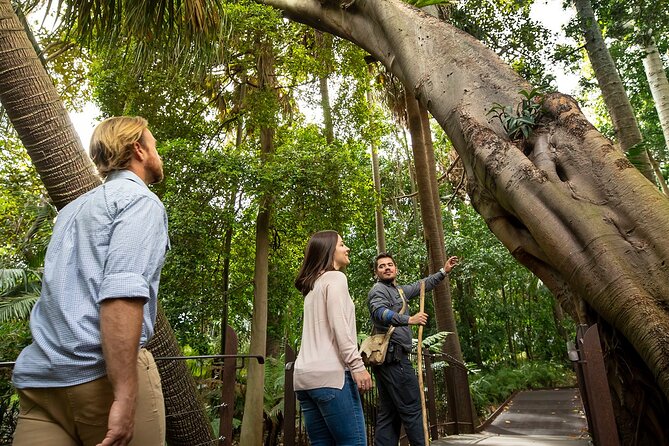
Country speaks through plants. This 90-minute walk brings you into the ancestral lands of the Kulin Nation with an Aboriginal guide who explains how native plants connect to food, medicine, custom, and daily life. I like the setting at Royal Botanic Gardens Victoria, and I like that the experience is led by a First Peoples guide rather than presented as a generic garden tour. The main consideration is timing: the walk begins at 11:00 am, lasts about an hour and a half, and depends on suitable weather.
At $30.51 per person, this is a fairly priced cultural experience in central Melbourne, especially since a hosted walk and lemon myrtle tea are included. You should still allow extra time to explore Melbourne Gardens on your own, because the tour covers only one part of a large and beautiful garden.
Key Points at a Glance
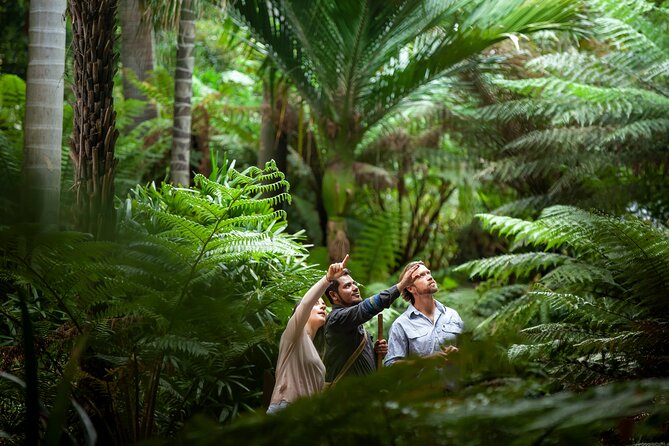
- An Aboriginal guide leads the walk: You learn about Country, customs, and native plants from a guide with a personal connection to Aboriginal heritage.
- Plant knowledge is central: Expect discussion of food, medicine, and practical uses for plants and trees, with chances to smell leaves and feel tree bark.
- The setting is the Royal Botanic Gardens: The walk combines cultural learning with one of Melbourne’s most attractive green spaces.
- Lemon myrtle tea is included: This small tasting adds a pleasant sensory touch to the experience.
- The group is capped at 25 people: That keeps the walk reasonably personal, though it is not a private tour.
- You return to the meeting point: The 11:00 am walk starts at the Visitor Centre at 100 Birdwood Avenue and finishes there.
Meeting the Kulin Nation at Melbourne Gardens
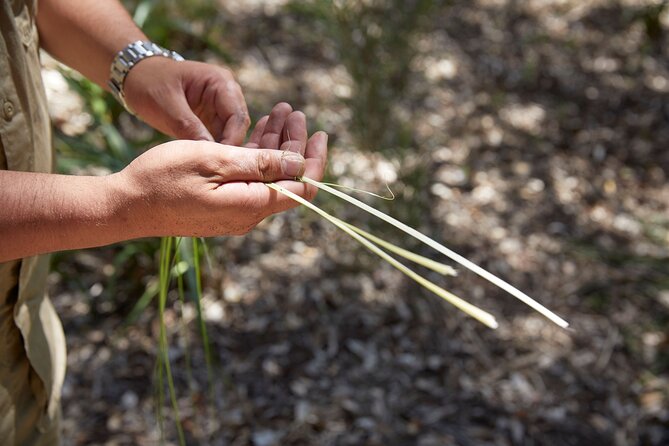
The tour begins at the Visitors Centre in Royal Botanic Gardens Victoria. You should arrive 15 minutes early for check-in, giving yourself time to find the meeting point without rushing. The official start time is 11:00 am.
The opening welcome, Womin Djeka, sets the tone. This is not simply a walk through pretty flowerbeds. The garden becomes a place to consider the ongoing connection between Aboriginal people and Country, including the plants that support life and carry cultural meaning.
I appreciate this approach because it gives the garden a different focus. You are not only looking at what grows here. You are learning to ask how a plant was used, why it mattered, and what respectful contact with the land can mean.
The experience is fully hosted by an Indigenous guide. That matters. The information is not separated from Aboriginal identity and lived culture, and the guide can connect the subject to different ages and backgrounds in the group.
Several guides have made a strong impression, including Den, Uncle Ben, and Jacobi. Den has been praised for his humor and for linking the walk to the need to respect Country and reconnect with one another. Uncle Ben is remembered for a poem and hand gestures that brought his presentation to life. Jacobi has been described as proud of his heritage, enthusiastic, and clear in his explanations.
Guide assignments can change, so you should not book expecting one particular person. Still, these details show the range of the experience: storytelling, humor, poetry, plant knowledge, and personal connection can all be part of the hour and a half.
More History Walking Tours in Australia
- Ultimate Melbourne Walking Tour: History, Laneways & Culture
★ 5.0 · 1,451 reviews - Sydney: The Rocks 90-Minute History Walking Tour
★ 4.7 · 1,092 reviews - Discover Perth Walking Tour: History, Art, Local Insights + More!
★ 5.0 · 458 reviews
Native Plants, Food, and Medicine
The main subject is the identification of significant native plants in the gardens. You will learn how Aboriginal people used plants for food and medicine, as well as how plants fit into customs and everyday life.
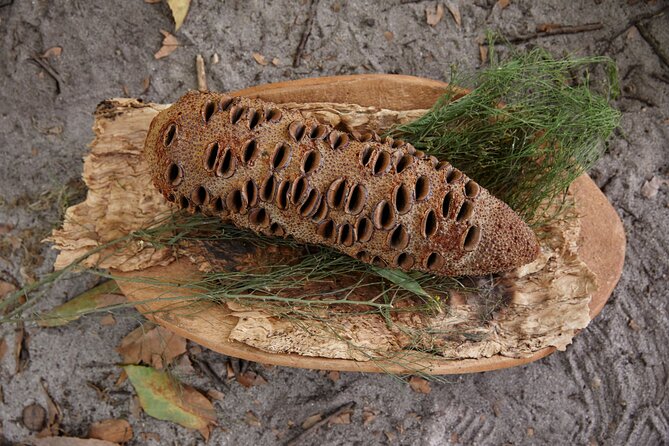
The walk is at its best when it turns ordinary-looking leaves and trees into useful resources. You might smell a leaf, touch rough or bumpy bark, or look more closely at a plant you would otherwise pass without noticing. That sensory element gives the information a practical edge. You are not just listening to names and dates. You are using your senses to pay attention.
The exact plants covered can vary with the guide and the route. The experience specifically includes native plants and trees, their food uses, and their medicinal uses. It does not promise a full lesson in bush foods or a plant identification course, so treat the walk as an introduction rather than expert training.
That distinction is useful. You will gain ideas for looking at Australian flora differently, but you should not assume every plant discussed is safe to eat or use yourself. The tour explains cultural and traditional uses. It is not a substitute for specialist medical advice or formal plant safety instruction.
The included lemon myrtle tea adds another link between plant knowledge and taste. It is a simple inclusion, but a good one. After hearing about native plants, you get a direct sensory reminder of how Australian plant life can be used.
Stories, Poetry, and a More Personal Walk
Plant information alone can become dry. This walk appears to avoid that trap by mixing facts with stories, reflection, and performance.
Uncle Ben’s poem, accompanied by hand gestures, is one example of how the experience can move beyond a standard guided talk. Den’s humor also helps keep the tone relaxed. That balance matters because the subject is serious, but the walk is still meant to be approachable.
You can expect the guide to speak about Aboriginal life, customs, and the continuing relationship with Country. The most useful parts are likely to be the connections between past and present. Aboriginal culture is not presented as something finished or locked in a museum display. The walk focuses on ongoing culture and respect for land.
I also like that the format can work for mixed groups. The guide may need to speak to Australians who already know something about Aboriginal culture as well as international visitors encountering these ideas for the first time. A good guide can make room for both.
The experience is not designed as a theatrical show. Its appeal comes from listening, walking, observing, and asking yourself how people have used and cared for this place. If you want constant action, you may find the pace quiet. If you enjoy thoughtful interpretation, that slower pace is a strength.
Why the Royal Botanic Gardens Add Value

Royal Botanic Gardens Victoria provides a fine setting for the walk. You are surrounded by trees, plants, and open garden spaces rather than sitting in a classroom. The scenery makes the subject easier to grasp because the plants are present as part of the discussion.
The gardens are also worth time beyond the tour. The 90-minute walk gives you a focused introduction, but it does not cover everything. I would plan to arrive with enough time to get oriented and stay afterward if your schedule allows.
This is a good place to begin an Australian visit. The walk acknowledges the original occupants of the land and offers a way to think about Australian plants through Aboriginal knowledge. It can help you look at later parks, gardens, and natural areas with more attention.
There is a practical limit, though. The garden setting may make the experience feel like a general botanical walk if you do not listen closely to the cultural context. The value depends on engaging with what the guide is saying, not simply enjoying the scenery.
Same place, a different slice of the past:
- Puffing Billy Railway: Heritage Steam Train Journey
★ 4.6 · 1,195 reviews - Morning World Heritage Cruise on the Gordon River from Strahan
★ 5.0 · 1,193 reviews - Strahan: World Heritage Cruise on Gordon River with Lunch
★ 4.8 · 1,143 reviews - Experience History onboard The Mary Valley Rattler
★ 5.0 · 963 reviews
A 90-Minute Format That Fits a Melbourne Day
The start time works well for a morning in Melbourne. You can take the walk at 11:00 am, then have lunch and continue exploring the gardens or nearby parts of the city.
Because the tour lasts about 90 minutes, it is long enough to develop a theme without taking over your whole day. You should not expect a full-day cultural program. This is a compact introduction with a clear focus on plants, Aboriginal heritage, and Country.
The walking format also keeps the experience straightforward. There is no hotel pickup, no coach transfer, and no separate transport between attractions. You make your own way to 100 Birdwood Avenue, check in at the Visitor Centre, and finish back at the meeting point.
That arrangement is best for independent visitors who are already moving around Melbourne. It is less convenient if you want door-to-door service or a tour that combines several city sights.
The group can include up to 25 people. That is small enough for a shared experience rather than a large crowd, but it is not a private walk. Your position in the group may affect how easily you hear or see demonstrations, so arriving early is sensible.
Price, Inclusions, and Overall Value
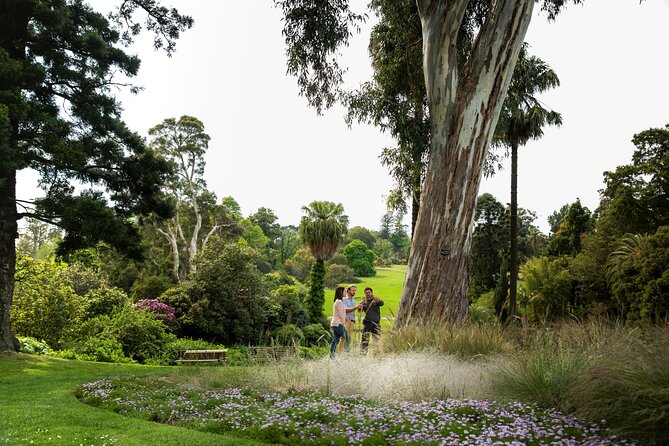
The listed price is $30.51 per person. For that amount, you receive a fully hosted Indigenous walking experience, the garden setting, and lemon myrtle tea.
I consider that good value if you want cultural context rather than only sightseeing. The price pays for the guide’s time and interpretation, while the gardens provide the setting. You are also getting an experience that adds meaning to a place you might otherwise visit only for its beauty.
The value is lower if you are looking for a broad Aboriginal cultural program with many locations, meals, transport, or a long list of activities. None of those extras are included. Hotel pickup and drop-off are not provided, and you need to arrange your own transport to the gardens.
The strong overall score, 4.8 out of 5 from 315 ratings, and 96 percent recommendation rate suggest that the format works well for most people. Still, there have been practical problems. One booking issue involved a customer arriving after the scheduled date had apparently changed, so I would check your confirmation carefully and verify the date and time before setting your day around the tour.
Another poor experience involved an age-related booking concern. The supplied information does not explain the issue clearly, so I would not draw a broad conclusion from it. If age or participant details affect your booking, contact the provider before paying rather than relying on guesswork.
Who Should Book This Walk?
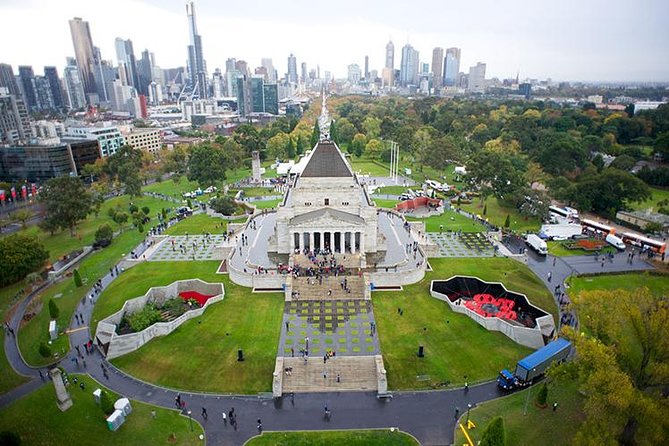
I would recommend it to you if you want to learn about Aboriginal culture in a respectful, accessible way and prefer a walk to a formal indoor presentation.
It suits:
- First-time visitors to Melbourne who want cultural context early in their trip
- People interested in native plants, food, and traditional medicine
- Garden lovers who want more than plant labels
- Families and mixed-age groups, since most people can participate
- Visitors who value walking, local interpretation, and low-impact sightseeing
- Australians who want to learn more about the Kulin connection to Country
It may not suit you if you dislike guided walks, need hotel transport, or want a highly active tour. The experience is also weather-dependent, so poor conditions can affect your plans.
Dress for the season. Wet-weather clothing is sensible in winter, while sunscreen and a hat are useful in summer. Wear something suitable for walking and bring water, even though lemon myrtle tea is included.
Service animals are allowed, and the activity is near public transport. Most people can participate, though the supplied details do not provide a full accessibility breakdown. If you have specific mobility or access needs, ask the provider before booking.
Booking and Cancellation Advice
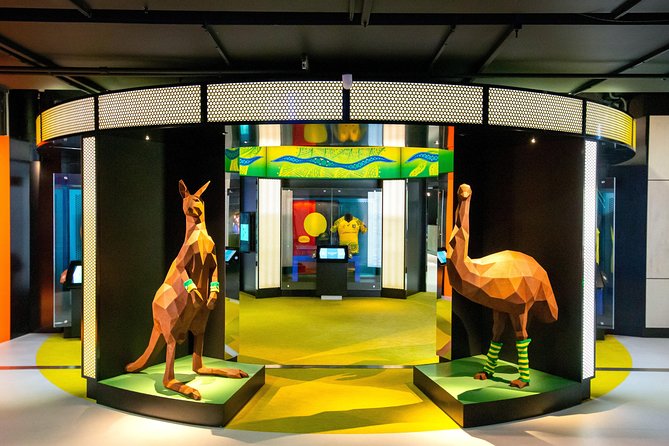
You receive confirmation at the time of booking. Arrive at the Visitor Centre 15 minutes before the 11:00 am start.
Free cancellation is available if you cancel at least 24 hours before the experience begins. Cancellations made less than 24 hours before the start time are not refunded, and changes inside that period are not accepted.
The experience requires good weather. If Royal Botanic Gardens Victoria cancels because of poor conditions, you can choose another date or receive a full refund. Since the walk is outdoors, keep your schedule flexible if rain or severe weather is forecast.
Should You Book the Aboriginal Heritage Walk?
Yes, if you want a short, fairly priced cultural experience with a clear connection to Melbourne and the land beneath the city.
I especially like the combination of an Aboriginal guide, native plant knowledge, and the Royal Botanic Gardens setting. The strongest moments may come through the small details: smelling leaves, feeling bark, hearing a poem, tasting lemon myrtle tea, and thinking about the idea of taking only what you need.
Book it as a focused introduction, not a complete account of Aboriginal Australia. Arrive early, check the date carefully, dress for the weather, and leave time to explore the gardens afterward. If that sounds like your kind of morning, this walk earns its place in a Melbourne itinerary.
FAQ
Where does the Aboriginal Heritage Walk start?
It starts at the Visitor Centre at 100 Birdwood Avenue, Melbourne VIC 3004, Australia.
What time does the walk begin?
The experience starts at 11:00 am.
How early should I arrive?
You should check in 15 minutes before the experience begins at the Visitor Centre.
How long does the walk last?
The Aboriginal Heritage Walk lasts approximately 1 hour and 30 minutes.
Where does the tour finish?
The walk ends back at the meeting point.
Is an Aboriginal guide included?
Yes. The experience is a fully hosted Indigenous walking experience led by an Aboriginal guide.
What will I learn about?
You will learn about Aboriginal life, customs, ongoing connection to Country, and the uses of significant native plants and trees for food and medicine.
Is lemon myrtle tea included?
Yes. Lemon myrtle tea is included in the experience.
How many people can join the tour?
The activity has a maximum group size of 25 travelers.
What happens if the weather is poor?
The experience requires good weather. If it is canceled because of poor weather, you will be offered another date or a full refund.
Just added around Australia
- Melbourne’s History with a Drink Tour★ 5.0 · 81 reviews
- History and Donuts Walking Tour★ 5.0 · 34 reviews
- Melbourne Historical Walking Tour: Crime, Gangsters & Lolly Shops★ 5.0 · 137 reviews
- 1 Hour Sight seeing Melbourne River Cruise on historic vessel★ 4.5 · 18 reviews
- Richmond Historic Afternoon Tour from Hobart★ 4.5 · 18 reviews
- Salamanca Walk – History Tour★ 5.0 · 81 reviews
- Port Arthur Historic Site on Saturday including Salamanca Market★ 4.5 · 29 reviews
- Hobart Historic Walking Tour★ 5.0 · 64 reviews
History Walking Tours, compared.
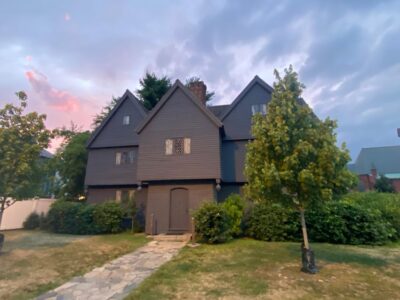
History and Hauntings of Salem Guided Walking Tour
Read our review →
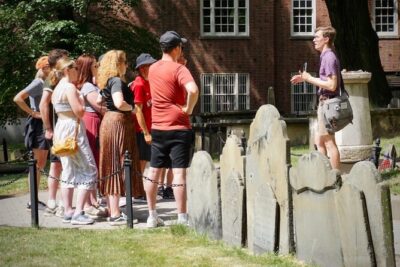
Freedom Trail History Small Group Walking Tour
Read our review →
Historic Charleston Guided Sightseeing Walking Tour
Read our review →
Tapas Walking Tour with Food, Wine, and History
Read our review →
Savannah History and Haunts Candlelit Ghost Walking Tour
Read our review →
A History of Terror – Belfast City Centre Walking Tour
Read our review →Browse the lists this tour appears in