
Review · MELBOURNE
Melbourne Historical Walking Tour: Crime, Gangsters & Lolly Shops
Melbourne has a darker side. This two-hour walk through the CBD turns old cottages, lanes, and city buildings into clues from Melbourne’s underworld between the 1870s and 1930s. I like the strong use of original police files and the way guide Michael Shelford brings figures such as Squizzy Taylor and Dolly Taylor into the story. I also like the small booklet with photographs of the characters, which gives you something useful to follow during the walk and keep afterward. The main consideration is that this is a story-led walking tour, not a food or drink tasting experience, and only one stop is described as an actual interior visit.
The tour costs $35.86 per person, lasts about two hours, and is capped at 20 people. That is fair value if you enjoy city history, crime stories, and old buildings with a past. If you want lots of stops inside historic sites, or time to sample food and drinks, you may find the format a little lean.
Key points to know before you go
- Little Lon is the central character: This former slum district once held brothels, sly-grog shops, speakeasies, and criminal meeting places.
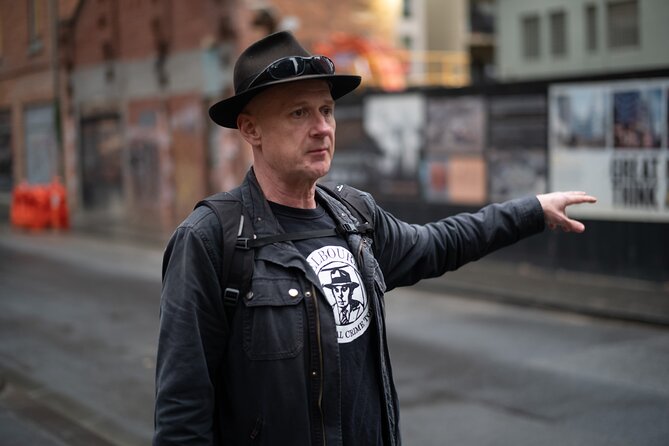
- Michael Shelford does serious research: His stories draw on old police files, including records about the people who lived and worked in the area.
- The lolly-shop title has a darker meaning: Candy stores could serve as fronts for large drug operations.
- You see the past beside the modern CBD: Old cottages and buildings remain among Melbourne’s newer streets and businesses.
- The tour stays focused: In two hours, you get a concentrated look at crime and social life from the 1870s to the 1930s.
- The group size is manageable: A maximum of 20 people should make it easier to hear the guide and ask questions.
Why Melbourne’s Little Lon story is worth your time
Melbourne’s central streets can feel familiar very quickly. You pass offices, restaurants, and traffic, but it is easy to miss what occupied the same ground a century ago. This tour changes that view by connecting ordinary-looking buildings with brothels, gambling, drugs, sly grog, and the people who operated on the edge of the law.
The focus is the old Little Lon district, an area associated with poverty, prostitution, drinking, and crime. The stories cover the period from the 1870s through the 1930s, so you get more than a single gangster tale. You hear about a whole network of people and businesses, including madams, gang leaders, shopkeepers, police, and residents.
I like that the walk does not treat Melbourne’s criminal past as a string of glamorous gangster stories. The material also points to cramped living conditions, rough street life, and the way crime could sit alongside ordinary businesses. That gives the tour more weight than a simple collection of colourful anecdotes.
At the same time, this is meant to entertain. The stories include amusing incidents, local gossip, and characters who seem almost too dramatic to be real. The mix works well for you if you want history with a sharp edge rather than a formal lecture.
More History Walking Tours in Australia
- Ultimate Melbourne Walking Tour: History, Laneways & Culture
★ 5.0 · 1,451 reviews - Sydney: The Rocks 90-Minute History Walking Tour
★ 4.7 · 1,092 reviews - Discover Perth Walking Tour: History, Art, Local Insights + More!
★ 5.0 · 458 reviews
Starting at 282 Exhibition Street
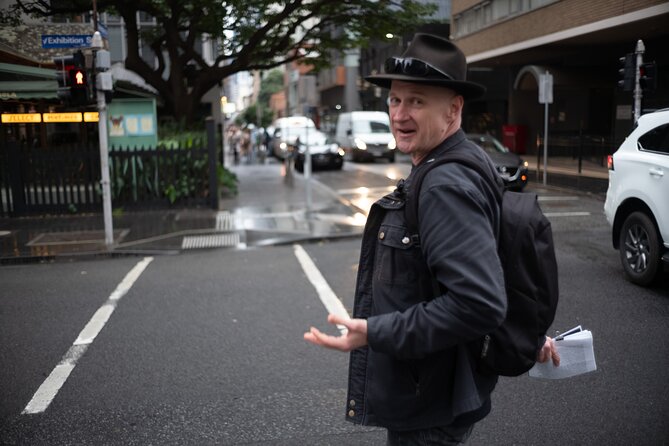
The tour begins at 282 Exhibition Street in Melbourne’s CBD. The meeting point is practical for anyone already exploring central Melbourne, and the tour operates near public transport. You receive confirmation when booking, and a mobile ticket keeps the arrival process simple.
The walk starts promptly and runs for about two hours. That timing matters. You get enough room for context and questions without committing half a day to one subject. The group limit of 20 is also useful in a city setting, where a large crowd could make it difficult to hear stories on a pavement or beside a busy street.
You should arrive ready to walk and stand for much of the tour. The supplied information does not describe a long-distance route or difficult terrain, but this remains a city walking experience. Comfortable shoes are the sensible choice.
Children must be accompanied by an adult. Service animals are allowed, and most people can take part. Since the subject includes brothels, drugs, violence, and criminal activity, adults may want to decide if the tone suits younger children.
The Little Lon Distilling Co. stop
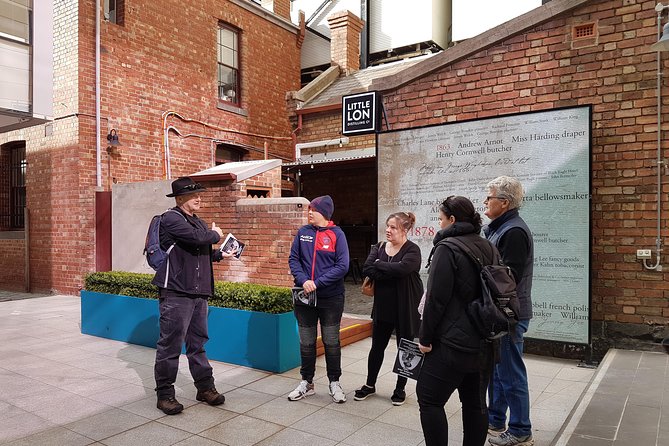
The clearest named stop is Little Lon Distilling Co., where you spend about 10 minutes. The distillery operates from Melbourne CBD’s only surviving single-storey cottage, a building with a far less respectable former life.
The cottage was once a house of ill repute. Here, Michael shares stories of its former inhabitants, using original police files as a source. That detail is important because it moves the story beyond folklore. You are not only hearing that a notorious person lived nearby. You get a sense of the records, accusations, and everyday incidents that shaped the area’s reputation.
The modern distillery creates an amusing contrast. You are looking at a place now linked with gin while hearing about earlier occupants, police attention, and the rough social world of Little Lon. It is exactly the sort of place that makes a city walk worthwhile: the building is still there, but its meaning has changed.
The drawback is the short length of this stop. Ten minutes is enough for a focused talk, but not enough for a long visit or a relaxed drink. Food and drinks are not included, so bring your own refreshments if you need them during the wider walk. You should not book this experience expecting a distillery tasting.
Gangsters, madams, and the Taylor name
Squizzy Taylor is one of the best-known figures connected with Melbourne’s criminal past, and he receives attention on this walk. The tour also brings in Dolly Taylor, helping you see the people around the famous name rather than treating Squizzy as an isolated celebrity.
The stories place these characters in a world of sly grog, brothels, street arguments, and changing criminal networks. You may hear about madams fighting in the street, shops hiding illegal business, and residents living close to people who were deeply involved in crime.
That human scale is one of the strongest parts of the experience. Instead of hearing only about major crimes, you get a picture of what it might have felt like to live next door to a gang leader or pass a business that served an entirely different purpose after dark.
The guide’s presentation seems to be a major part of the value. Michael Shelford is described as articulate, friendly, and easy to listen to. The walk is praised for its pace, with the two hours passing quickly because the information is broken up by characters and stories.
If you prefer a strictly academic tour, the dramatic storytelling may feel informal. If you like history told through people, it should work well.
Same place, a different slice of the past:
- Puffing Billy Railway: Heritage Steam Train Journey
★ 4.6 · 1,195 reviews - Morning World Heritage Cruise on the Gordon River from Strahan
★ 5.0 · 1,193 reviews - Strahan: World Heritage Cruise on Gordon River with Lunch
★ 4.8 · 1,143 reviews - Experience History onboard The Mary Valley Rattler
★ 5.0 · 963 reviews
What the lolly shops really mean
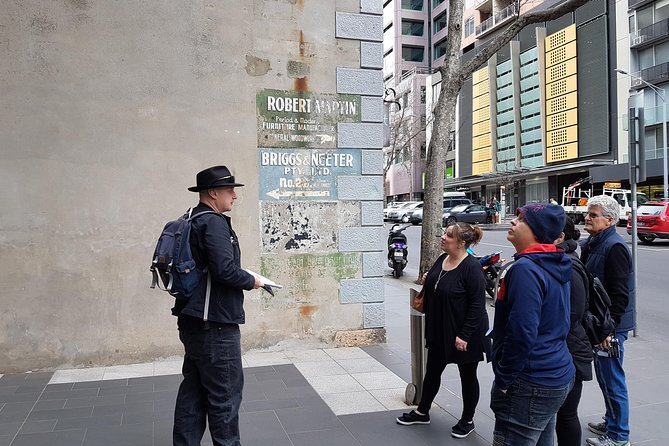
The title catches your attention, but it is not simply about Melbourne sweets. Lolly shops, or candy stores, could be used as fronts for large drug operations. That detail gives the tour its most surprising angle.
A shop selling harmless treats could provide cover for illegal trade, contacts, and money. The contrast between a child-friendly business name and a criminal purpose is memorable, and it shows how crime could blend into ordinary urban life.
This part also helps explain why the tour is more than a gangster walk. You are looking at how businesses, buildings, and neighbourhoods functioned. A lolly shop could be part of a much wider network, just as a cottage could serve different residents and purposes over time.
I would pay close attention here, because these details change how you see the street after the tour ends. Modern Melbourne can hide its past in plain sight. Once you know what kinds of activity took place behind shopfronts, the old district feels less like a collection of buildings and more like a record of work, survival, and crime.
Old buildings beside the modern city
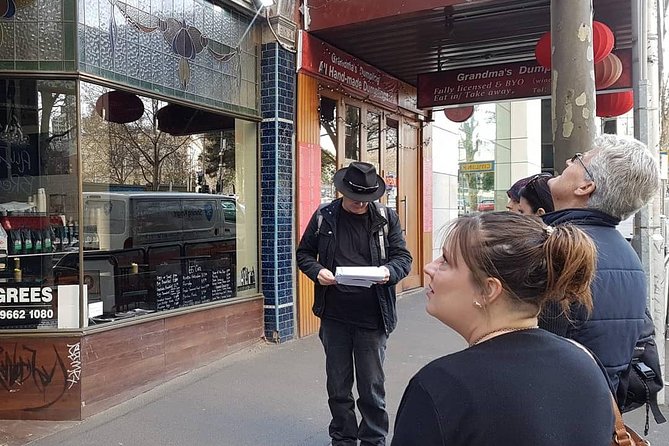
One of the pleasures of the walk is the tension between the old stories and the present-day CBD. You may be standing near offices, shops, and city traffic while hearing about brothels and speakeasies that operated in the same area from the 1870s to the 1930s.
The tour includes buildings that were once used as brothels and crime hubs. Not every stop is described in detail, so you should not expect a full building-by-building architectural tour. The emphasis is on what happened there and who was connected with the place.
That makes the walk useful even for people who already know Melbourne reasonably well. A local can easily pass these streets for years without knowing the old stories. The experience gives you a new way to read the CBD, especially around Lonsdale Street and the Little Lon area.
The final point is at the corner of Lonsdale Street and Madame Brussels Lane, at 36 Lonsdale Street. That location is convenient if you want to continue exploring central Melbourne afterward. The tour does not return to its starting point, so keep the ending location in mind when planning the rest of your day.
The booklet and the research behind the stories
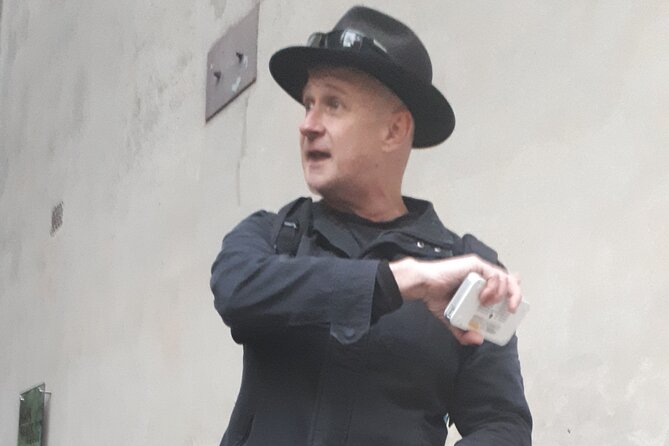
A tour booklet with photographs of the characters is included. This is a modest extra, but it improves the experience. Old names can blur together when you hear many stories in one afternoon. Photos give you faces to connect with the names and help you remember the people after the walk.
The strongest feature is the research behind the presentation. Michael has worked through thousands of old police reports, and the tour uses original police records for stories connected with the Little Lon cottage. That does not mean every story is free from myth or legend. In fact, the tour openly includes myths and legends about gangsters such as Squizzy Taylor.
That mix is worth understanding. You are getting documented material alongside stories that became part of Melbourne’s folklore. A good guide needs to make the difference clear, and the available information suggests that the tour takes its research seriously while keeping the delivery lively.
I like this balance. Crime history can become either dry paperwork or exaggerated legend. Here, the police files provide grounding, while the colourful characters keep the walk moving.
Is $35.86 good value?
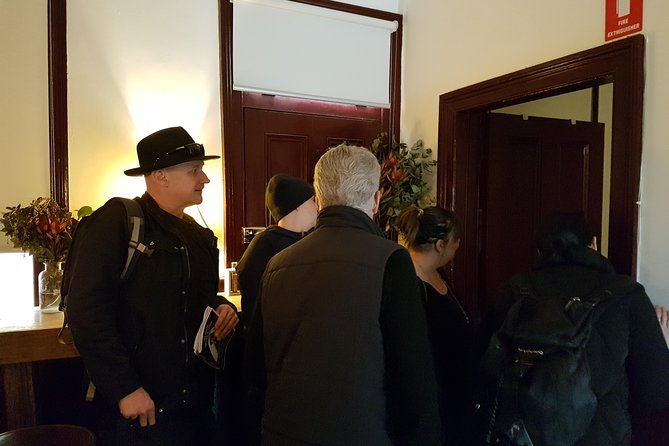
At $35.86, the tour is priced below many longer guided city experiences. For two hours with a specialist subject, a small maximum group, an experienced guide, and a booklet, I consider it good value.
You are paying for the guide’s research and storytelling, not for entry to a long list of attractions. That distinction matters. The tour has no included food or drinks, and the named Little Lon Distilling Co. stop lasts around 10 minutes. If you measure value by the number of interiors entered, you may want something else.
I would book it if you enjoy local history, true crime, old buildings, or unusual city stories. It also suits a visitor who has already seen Melbourne’s main sights and wants a different angle on the CBD. The price is easier to justify because the subject is specific and difficult to discover on your own.
The tour also makes sense for a local. Several old buildings and stories are easy to miss, even if you have lived in Melbourne for years. The booklet adds a small keepsake, and the walk may give you material for further reading.
Who should book this walking tour?
I would choose this tour for:
- People interested in Melbourne history from the 1870s to the 1930s
- True-crime fans who prefer local stories over famous international cases
- Visitors who enjoy guides with strong research and storytelling skills
- Melbourne residents who want to see familiar streets differently
- Couples, friends, and families with older children who can handle mature themes
- Anyone who likes a compact two-hour activity rather than a full-day tour
I would think twice if you want a food-focused experience, a gin tasting, or a long visit inside historic buildings. I would also check the subject matter before bringing young children, since brothels, drugs, and violence are central to the stories.
Free cancellation is available when you cancel at least 24 hours before the start time. Changes or cancellations made inside that period are not refunded, so keep the local cut-off time in mind when booking.
Should you book Melbourne’s gangster walk?
Book this tour if you want Melbourne history with real characters, police records, and a darker sense of place. The best reason to go is Michael Shelford’s researched storytelling, supported by the booklet and the surviving Little Lon cottage.
The walk will not suit you if you expect tastings, many formal museum entries, or a broad survey of all Melbourne history. It is focused, informal, and built around crime, personalities, and old streets.
For $35.86, I think it offers a smart way to spend two hours in the CBD. You finish at Lonsdale Street with a sharper eye for the buildings around you, especially the places that once hid brothels, sly-grog rooms, speakeasies, and lolly-shop drug networks.
FAQ
How long is the Melbourne Historical Walking Tour?
The tour lasts approximately two hours.
Where does the tour start?
It starts at 282 Exhibition Street, Melbourne VIC 3000, Australia.
Where does the tour finish?
The tour ends at 36 Lonsdale Street, Melbourne VIC 3000, Australia, at the corner of Lonsdale Street and Madame Brussels Lane.
What period of Melbourne history does the tour cover?
The tour focuses on Melbourne’s gangsters, crime mobs, brothels, speakeasies, and related activity from the 1870s to the 1930s.
Is Little Lon Distilling Co. included?
Yes. The tour includes a stop at Little Lon Distilling Co., a gin distillery operating from Melbourne CBD’s only surviving single-storey cottage. The stop lasts about 10 minutes and has no separate admission charge.
Are food and drinks included?
No. You need to bring your own food and drinks.
What is the cancellation policy?
You can cancel for a full refund up to 24 hours before the experience begins. Cancellations or changes made less than 24 hours before the start time are not accepted for a refund.
More Shopping Tours in Australia
- Port Arthur Historic Site on Saturday including Salamanca Market
★ 4.5 · 29 reviews - Brooklyn Food Walking Tour: Local Eats & Family‑Run Shops
★ 5.0 · 592 reviews - Private Excursion to Floating Market and Ayutthaya World Heritage
★ 5.0 · 515 reviews - Old San Juan Historical Walk, Shopping, and Dining w/ Transport
★ 4.5 · 381 reviews
Just added around Australia
- Melbourne’s History with a Drink Tour★ 5.0 · 81 reviews
- History and Donuts Walking Tour★ 5.0 · 34 reviews
- 1 Hour Sight seeing Melbourne River Cruise on historic vessel★ 4.5 · 18 reviews
- Aboriginal Heritage Walk – Royal Botanic Gardens Victoria, Melbourne Gardens★ 5.0 · 314 reviews
- Port Arthur Historic Site on Saturday including Salamanca Market★ 4.5 · 29 reviews
- Richmond Historic Afternoon Tour from Hobart★ 4.5 · 18 reviews
- Salamanca Walk – History Tour★ 5.0 · 81 reviews
- Hobart Historic Walking Tour★ 5.0 · 64 reviews
History Walking Tours, compared.
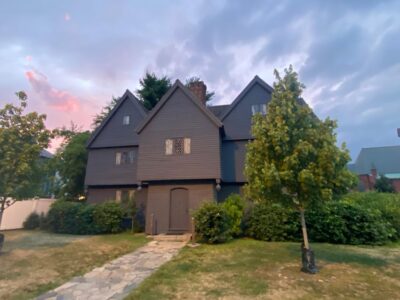
History and Hauntings of Salem Guided Walking Tour
Read our review →
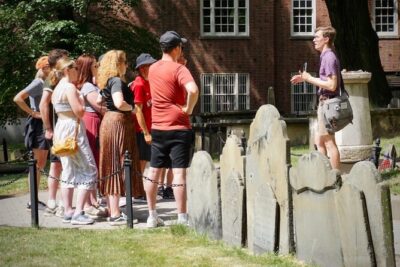
Freedom Trail History Small Group Walking Tour
Read our review →
Historic Charleston Guided Sightseeing Walking Tour
Read our review →
Tapas Walking Tour with Food, Wine, and History
Read our review →
Savannah History and Haunts Candlelit Ghost Walking Tour
Read our review →
A History of Terror – Belfast City Centre Walking Tour
Read our review →Browse the lists this tour appears in