Review · BUENOS AIRES PROVINCE
Buenos Aires: La Boca Art and History Walking Tour
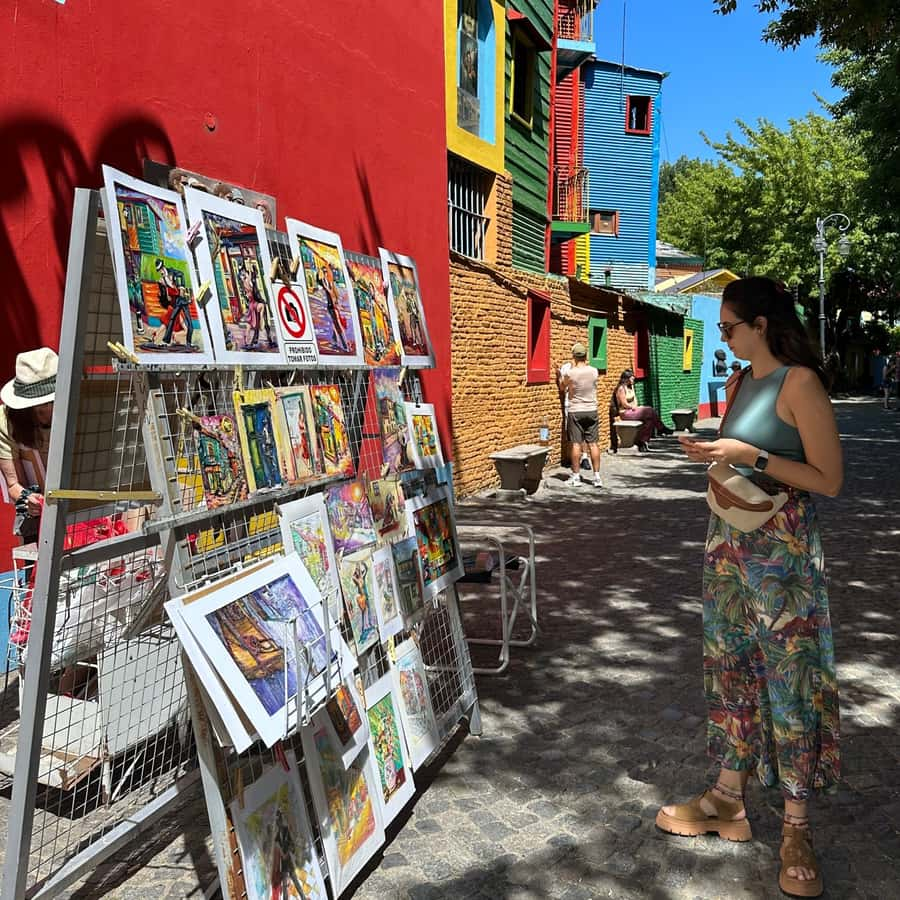
Colorful streets tell only half the story. This 150-minute walk through La Boca connects its painted houses and tango culture with immigration, working-class life, local art, and Boca Juniors football. I like the way the route goes beyond quick photos in Caminito, especially through the work of Benito Quinquela Martín and the Riachuelo art movement. I also like the mix of serious history and lighter touches, with a museum visit plus either wine or dulce de leche tasting.
The main consideration is that La Boca requires context. Without a guide, the colorful facades can feel like a brief photo stop. This tour is best for you if you want the stories behind the neighborhood, not simply a stroll past bright buildings. Booking at least 24 hours ahead is required, and solo visitors should confirm that the tour will operate on their chosen date.
Key points to know before you book
- Quinquela Martín shapes the tour: His art, philanthropy, and connection to La Boca give the neighborhood more meaning than its famous colors alone.
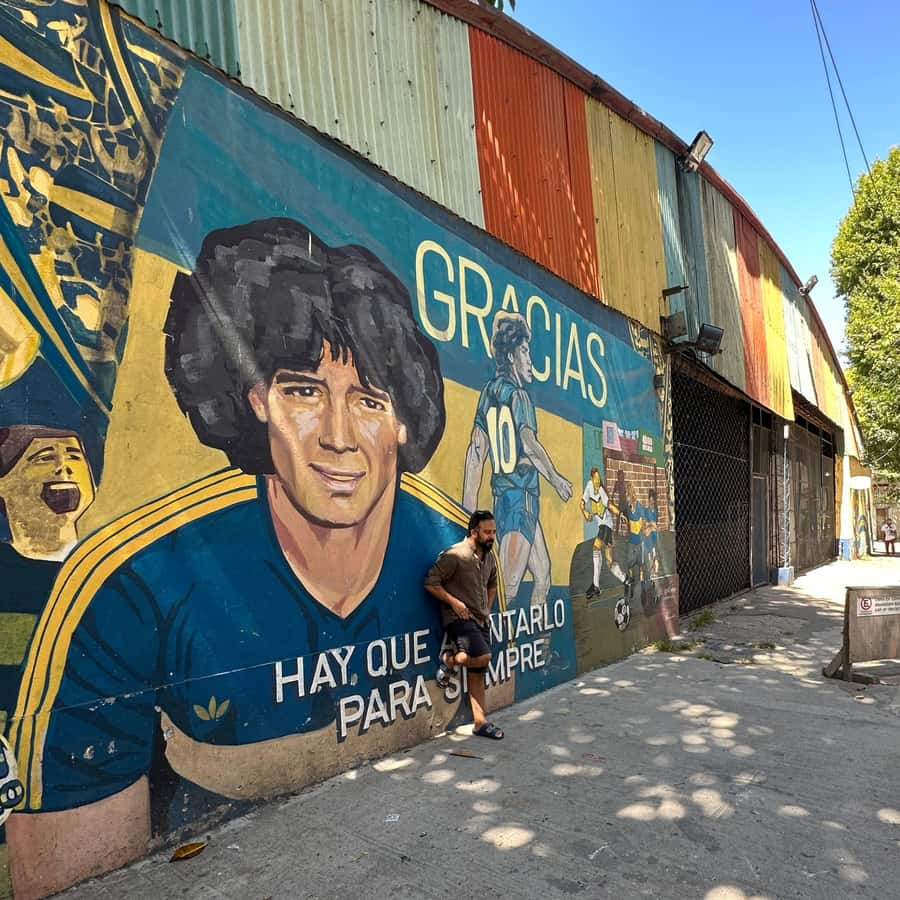
- La Bombonera adds football passion: You stop at Boca Juniors’ stadium for photos and a look at one of Argentina’s strongest sporting identities.
- Two small extras are included: Your booking includes two of three options: entry to the Benito Quinquela Martín Museum, a free wine tasting, or a dulce de leche tasting.
- Three languages are available: Guides conduct the walk in Spanish, English, or Portuguese.
- The route is compact: It begins at the Benito Quinquela statue on Avenida Don Pedro de Mendoza and finishes nearby, at number 1835.
- Guide quality is a major strength: Guests have singled out Facundo, Juan, Rafa, Laura, Dani, Frani, Francisco, Loli, Ludmila, and others for warm service, clear storytelling, and strong English.
Why La Boca deserves more than a colorful photo
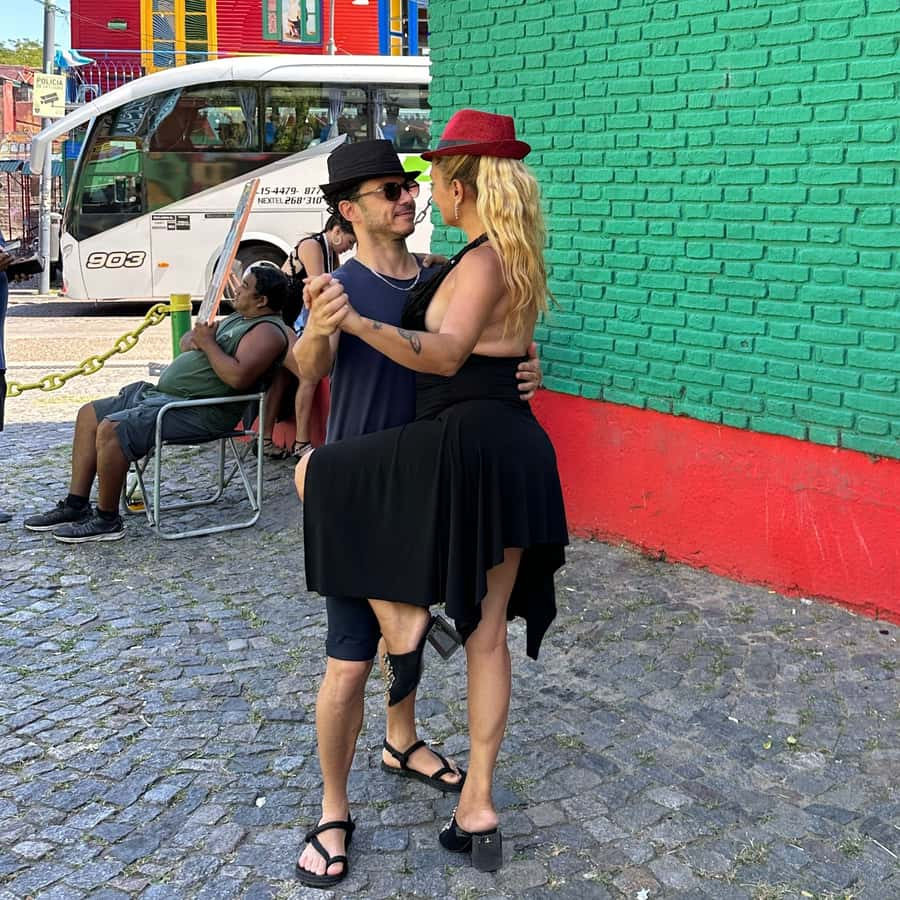
La Boca is one of Buenos Aires’ best-known neighborhoods, but its famous painted streets can give you a narrow view of the place. This walk puts the color into context through immigration, working-class roots, art, tango, and football.
I like that the tour treats La Boca as a living cultural district rather than a decorative set. The route focuses on the people and ideas that shaped it, including the arrival of immigrants, the neighborhood’s social identity, and the artists who turned local life into a subject worth preserving.
The tour also helps explain why Benito Quinquela Martín matters. He was not simply an artist whose paintings hang in a museum. His work and public efforts had a lasting effect on La Boca, and the route uses his story to connect art with community life.
You should expect a guided walk rather than a performance or a long museum program. The experience lasts two and a half hours, enough time for several stops without taking an entire day from your Buenos Aires plans.
More History Walking Tours in the world:
- History and Hauntings of Salem Guided Walking Tour
★ 5.0 · 14,564 reviews - Lisbon: History, Stories and Lifestyle Walking Tour
★ 4.8 · 10,902 reviews - Boston: Freedom Trail History Small Group Walking Tour
★ 5.0 · 6,450 reviews
Meeting the guide beside Quinquela’s statue
The meeting point is the Benito Quinquela statue at Avenida Don Pedro de Mendoza 1921. This is a useful beginning because the statue immediately places the neighborhood’s leading artistic figure at the center of the story.
Look for your guide there rather than heading straight toward the best-known tourist streets. The finish is at Avenida Don Pedro de Mendoza 1835, so the tour stays within a compact part of La Boca and does not require hotel pickup or a long transfer at either end.
The company asks for bookings at least 24 hours in advance. If you are traveling alone, contact Experience Baires by email or WhatsApp before or after booking to confirm that the tour will run on your date. That small check matters, particularly if your Buenos Aires schedule is tight.
Bring a passport or identity card. The activity is listed as wheelchair accessible, though you may still want to confirm the exact route and museum access with the operator if you have specific mobility needs.
Walking through La Boca’s working-class roots
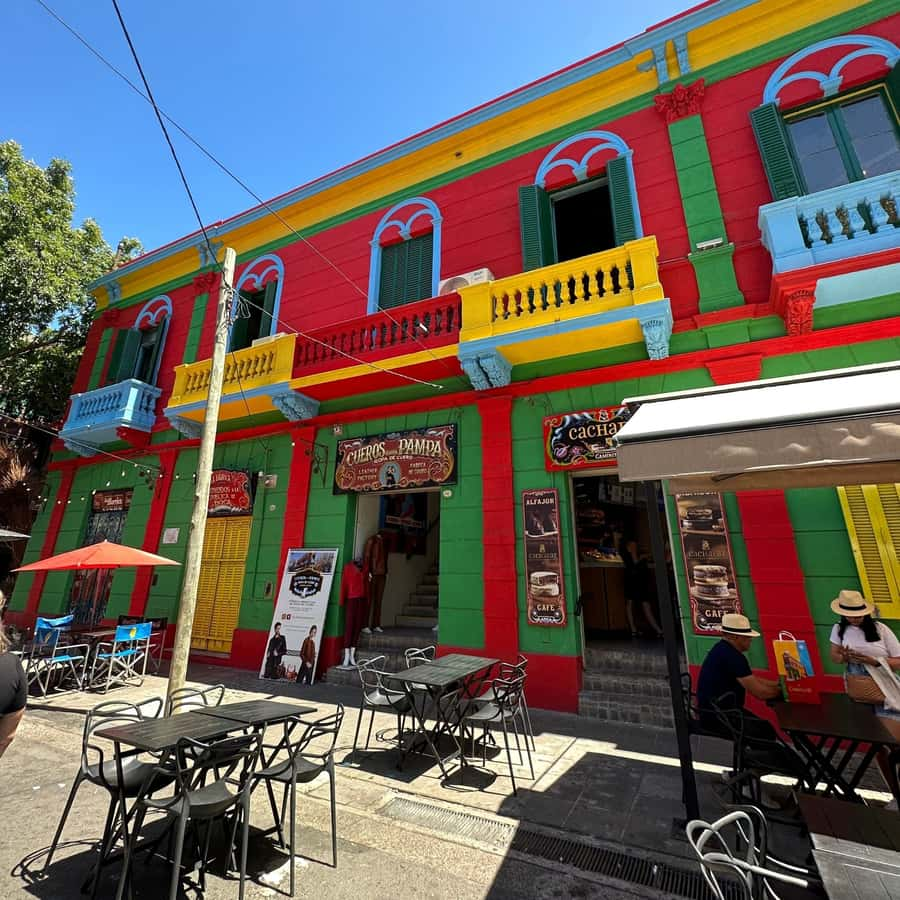
The opening walk looks at La Boca through its social and historical background. Immigration is an important part of the explanation, and the guide connects the neighborhood’s working-class identity with its art and public life.
This is where the tour earns its price. A self-guided walk can show you unusual colors and painted walls, but it will not necessarily explain why La Boca developed such a distinct character or how the neighborhood became linked with artists, tango, and football.
The guides seem to be the strongest part of the experience. Facundo has been praised for his warm manner and excellent English. Rafa made a point of helping with the meeting place before the walk, while Laura has been noted for clear English, friendly company, and a strong affection for La Boca’s art and history.
Other named guides include Juan, Dani, Frani, Francisco, Loli, and Ludmila. Their backgrounds and personalities may differ, but the consistent pattern is a guide who can explain the area in an approachable way rather than reciting dates at you.
Tango, painted houses, and the motion of La Boca
Tango is one of the tour’s stated themes, and La Boca is an especially fitting place to discuss its movement and character. You should think of this part as cultural interpretation rather than a guaranteed stage show. The advertised experience promises a feel for tango’s motion, not a full dance performance.
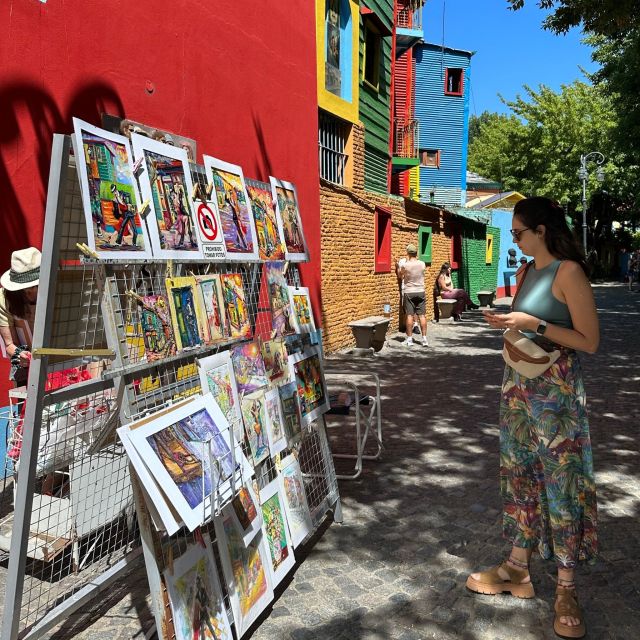
The colorful houses and shops provide the visual side of the walk. They are photogenic, but the guide’s explanation gives them greater value. You can ask questions about the neighborhood’s art, social meaning, and connection to Buenos Aires instead of simply collecting pictures.
I appreciate that the tour does not present La Boca as only cheerful and colorful. Its focus on immigration and working-class life adds needed balance. The area’s public image is appealing, but its identity comes from real communities, artists, and social changes, not just bright paint.
This portion should suit first-time visitors who want an introduction to Buenos Aires culture. It also works for anyone who has already seen the main streets but wants a better explanation of what they are seeing.
A few more history tours around the world worth a look
- Colosseum: Underground and Ancient Rome Tour
★ 4.7 · 12,691 reviews - London Small Group Tour of Historical Pubs
★ 5.0 · 10,422 reviews - Prague: Oldtown, Medieval Underground & Dungeon History Tour
★ 4.3 · 10,277 reviews - Charleston’s Old South Carriage Historic Horse & Carriage Tour
★ 5.0 · 10,023 reviews
La Bombonera and the emotional side of football
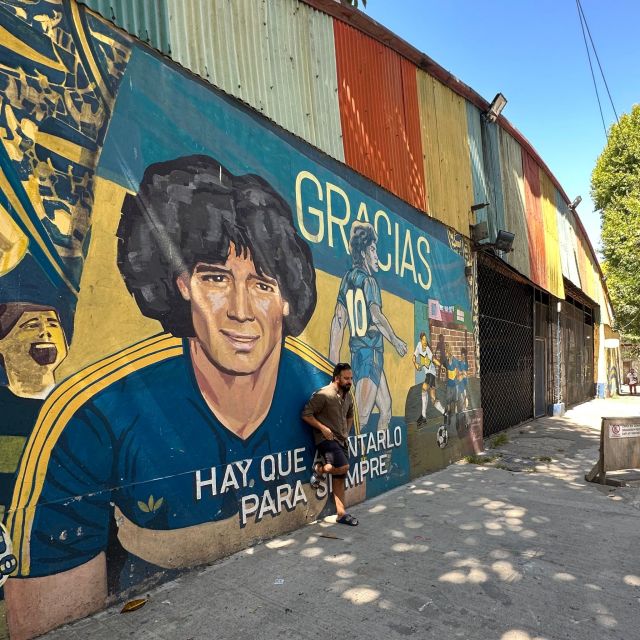
The stop at La Bombonera is a photo stop and sightseeing visit. You should not book this expecting a full stadium tour, match ticket, or behind-the-scenes access. The value is the chance to connect La Boca with Boca Juniors and Argentina’s intense football culture.
Even if you do not follow football, the stop helps explain local identity. The stadium is not treated as a random landmark. It represents the passion surrounding Boca Juniors and gives the walking route another angle beyond art and architecture.
Football fans will likely consider this a highlight. If you care more about museums than sport, the stop is still fairly easy to appreciate because it is short and included in a wider story about the neighborhood.
The exact amount of time at the stadium is not specified, so plan for a photo and sightseeing stop rather than an extended visit. That keeps the tour moving, but it also means serious football fans may want a separate stadium experience.
Museo Conventillo El Rincon de Lucia
The visit to Museo Conventillo El Rincon de Lucia adds an indoor stop to the street walk. It is listed as a guided visit, making it a useful place to slow down and connect La Boca’s domestic and social character with the wider story of the neighborhood.
The name conventillo points toward the kind of shared housing associated with working-class and immigrant life in Buenos Aires. The supplied information does not specify the museum’s exact displays, so I would treat the guide’s explanation as the key part of this stop.
That uncertainty is worth noting. You should not expect a large national museum with hours of galleries. Instead, this appears to be a more focused neighborhood visit, valuable because it supports the tour’s themes of immigration, housing, and daily life.
The Benito Quinquela Martín Museum
The Benito Quinquela Martín Museum is the most important stop for understanding the tour’s art focus. The visit is guided, and museum entry is one of the three possible included extras.
Check before departure which two options your booking includes. The activity says you receive two of these three choices: museum entry, free wine tasting, or dulce de leche tasting. The wording does not guarantee that all three are included, so confirm the combination with Experience Baires if the museum is essential to you.
For many people, the museum will be the best choice. Quinquela Martín is central to the tour, and seeing his work gives you something more substantial than a street-level introduction. The route also discusses his impact and the Riachuelo Art movement, helping you connect individual paintings with La Boca’s wider artistic identity.
The museum stop should especially appeal to you if you want to understand why the neighborhood became so closely associated with color, labor, waterways, and local life. It gives the art discussion a physical home instead of leaving it at the level of background commentary.
Wine, dulce de leche, and the value of the extras
The tour includes two of three options, with a free wine tasting and dulce de leche tasting among the possibilities. These are modest additions, but they make the afternoon more varied and give you a taste of familiar Argentine pleasures.
I would not choose the tour solely for the tastings. The main value comes from the guide, the route, and the museum or cultural stops. Still, a small tasting can be a pleasant finish or pause after a history-heavy walk.
Because the exact pair can matter to you, ask about it before booking. The safest assumption is not that you will automatically receive the museum, wine, and dulce de leche. Confirm what is available on your selected date and in your language.
Is $46 a fair price?
At $46 per person, this is not the cheapest way to see La Boca. You are paying for a live guide, a two-and-a-half-hour route, guided visits, and two of the three listed extras. The value depends heavily on the quality of the guide and whether the museum entry is part of your booking.
The strong guide feedback makes the price easier to justify. People have praised guides for clear storytelling, good English, local art knowledge, and an ability to make the walk feel friendly rather than formal. Frani, for example, was praised for explaining both La Boca and Argentina more broadly, while Francisco was noted for good timing and keeping the group engaged.
If you only want photographs of colorful houses and a stadium, $46 may feel high. You can see the outside of many landmarks without paying for a tour. If you want the social, artistic, and historical links explained in one compact outing, the cost is more reasonable.
The reserve-now-and-pay-later option also helps if your itinerary is still changing. Free cancellation is available up to 24 hours before the activity for a full refund, subject to the stated booking conditions.
Who will enjoy this walk most?
I would recommend it to first-time visitors who want a structured introduction to La Boca. It suits you if you like local history, art, neighborhood stories, tango, or football and prefer a guide who can join those subjects together.
It is also a good match for museum-minded visitors who do not want a full-day commitment. The compact route gives you a focused look at one neighborhood, leaving time for other Buenos Aires sights.
Football fans should enjoy the La Bombonera stop, though they should arrange a separate stadium visit if they want more than photographs and sightseeing. Art lovers should confirm that the Benito Quinquela Martín Museum is one of their included options.
You may want to skip it if you prefer wandering alone, dislike scheduled stops, or only want an evening tango show. This is a history and culture walk with tango as a theme, not a dedicated dance performance.
Language, timing, and practical planning
Guiding is available in Spanish, English, and Portuguese. English-language guiding has been particularly well received, with several named guides praised for speaking clearly and making conversation easy.
The duration is 150 minutes. Wear comfortable shoes and leave room in your schedule before and after the tour, since the experience is entirely on foot and includes several stops.
There is no hotel pickup or drop-off. You must reach the statue at Avenida Don Pedro de Mendoza 1921 yourself and collect your belongings at the nearby finish at number 1835.
The activity is wheelchair accessible according to the provided details. For anyone with particular access needs, I would still contact the operator in advance, especially because the route includes streets and museum interiors.
Should you book the La Boca tour?
Book it if you want La Boca explained, not just photographed. The best reasons are the Quinquela Martín focus, the combination of art and football, and the guides’ repeated strength in storytelling and communication.
I would make two checks before paying: confirm that the tour operates on your date, especially if you are alone, and ask which two included extras you will receive. If you want the museum, make sure it is part of your selected combination.
At $46, this is a sensible choice for an informed, compact introduction to La Boca. It is less compelling for someone who only wants a quick look at colorful streets. For most first-time visitors who value context, the guided route offers more than a photo stop and gives this famous neighborhood a human shape.
FAQ
Where does the La Boca walking tour begin?
It begins at the Benito Quinquela statue at Avenida Don Pedro de Mendoza 1921.
Where does the tour finish?
The walk finishes at Avenida Don Pedro de Mendoza 1835.
How long does the experience last?
The tour lasts 150 minutes, or two and a half hours.
What languages are available?
The live guide may conduct the tour in Spanish, English, or Portuguese.
Is La Bombonera included?
Yes. The itinerary includes a photo stop and sightseeing at La Bombonera.
Does the tour include the Benito Quinquela Martín Museum?
Museum entry is one of the three possible extras. The booking includes two of these three choices: museum entry, free wine tasting, or dulce de leche tasting. Confirm which options apply to your booking.
Are food or drink tastings included?
A free wine tasting and a dulce de leche tasting are listed as possible included extras. Two of the three listed extras are included.
Is hotel pickup provided?
No. Hotel pickup and drop-off are not included.
What should I bring?
Bring your passport or identity card.
Can I cancel for a full refund?
You can cancel up to 24 hours in advance for a full refund, according to the stated cancellation terms.
Just added around the world
- The Curacao’s Colorful History Walking Tour★ 5.0 · 55 reviews
- Olous – Guided Snorkelling Excursion to Discover Olous Sunken Ancient City★ 4.5 · 31 reviews
- Visita Guiada Por El Casco Histórico De Cuenca Y Su Catedral★ 5.0 · 45 reviews
- Experience Cozumel Historical Center Mayan and Beach Experience★ 5.0 · 20 reviews
- Private Half Day Cultural Tour to Mayan Ruins and Cenote★ 4.5 · 31 reviews
- From Kolymbari: Ancient Diktyna & Hidden Beach Quad Safari★ 5.0 · 22 reviews
- Historic Cork Delicious Donut Adventure by Underground Donut Tour★ 5.0 · 232 reviews
- Otoch Mayan Experience Tour: Cultural & Historical Adventure★ 3.5 · 18 reviews
History Walking Tours, compared.
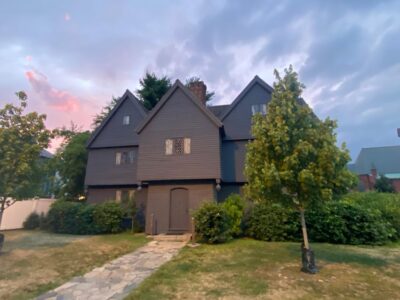
History and Hauntings of Salem Guided Walking Tour
Read our review →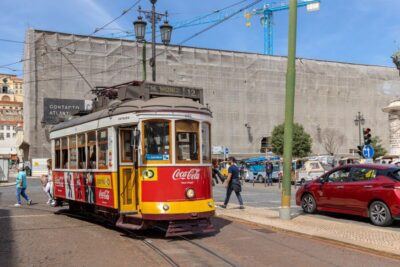
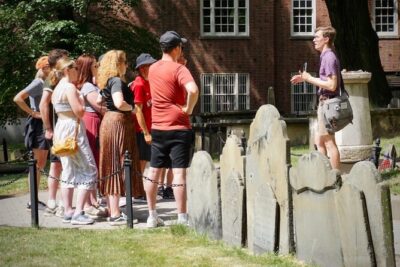
Freedom Trail History Small Group Walking Tour
Read our review →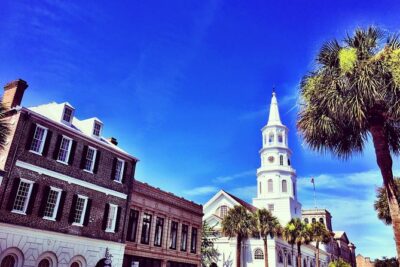
Historic Charleston Guided Sightseeing Walking Tour
Read our review →
Tapas Walking Tour with Food, Wine, and History
Read our review →
Savannah History and Haunts Candlelit Ghost Walking Tour
Read our review →