Review · LAGOS
Slave Trade Tour: Badagry Black Heritage Adventure
History here is personal, painful, and close. This private Badagry tour takes you from Lagos to former slave-trade sites, including the Seriki Faremi Williams Abass Slave Museum, the Mobee Slave Relics Museum, and Gberefu Island’s Point of No Return. I like the private guide, which gives your group room to ask questions and pause when the subject feels heavy. I also like the mix of museums, old buildings, and a short boat ride rather than a day spent inside one exhibit.
The main consideration is the subject itself. This is not a light sightseeing outing, and some stops present the cruelty of enslavement in a direct, physical way. The six- to seven-hour schedule also asks you to give up most of a day, though pickup and admission tickets are included.
Key points to know before you book
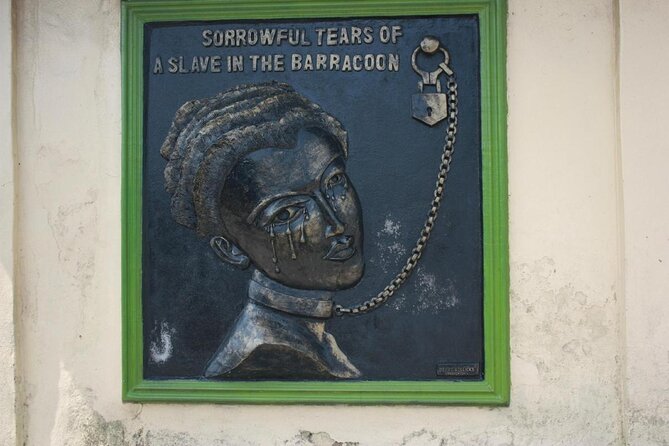
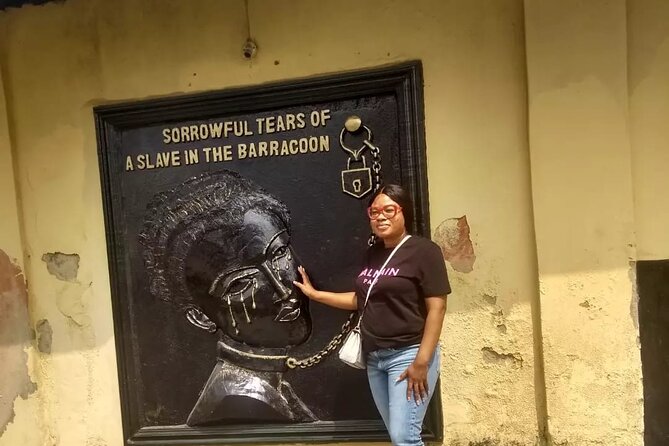
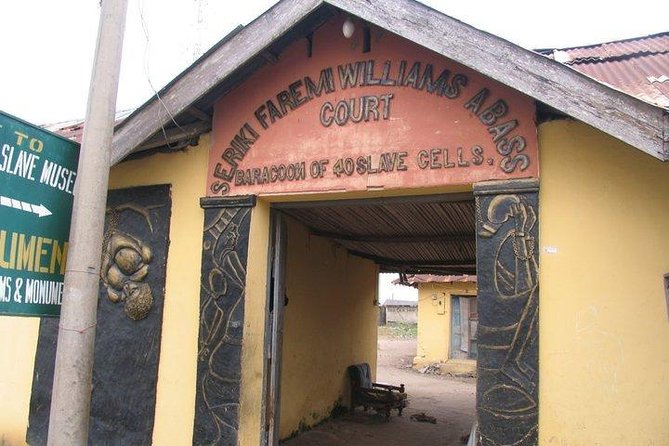
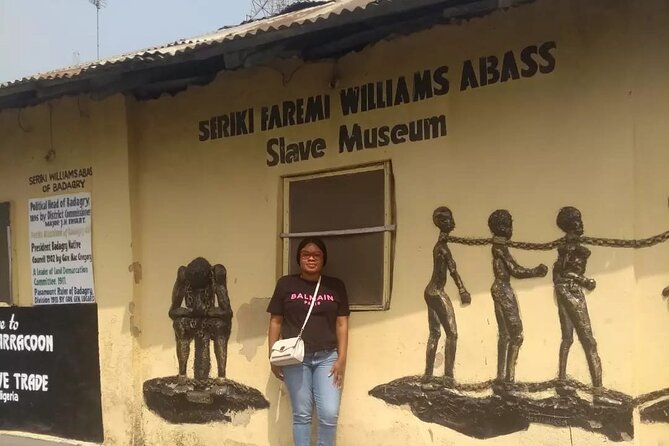
- The Seriki Faremi Williams Abass compound shows the cramped holding rooms where enslaved people were kept before sale and shipment.
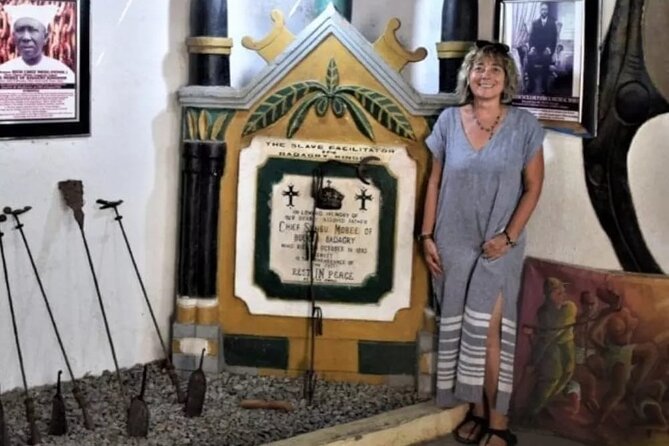
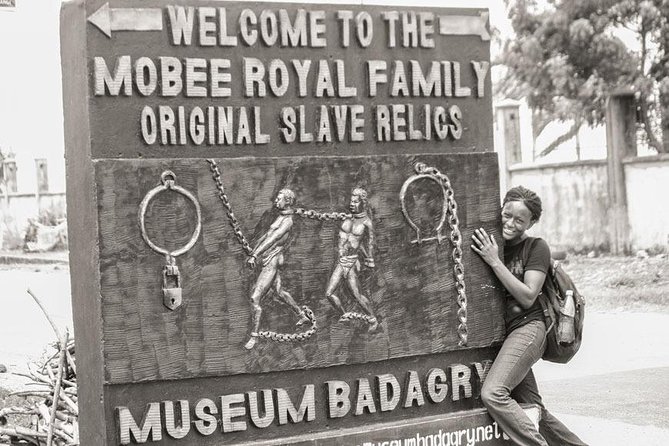
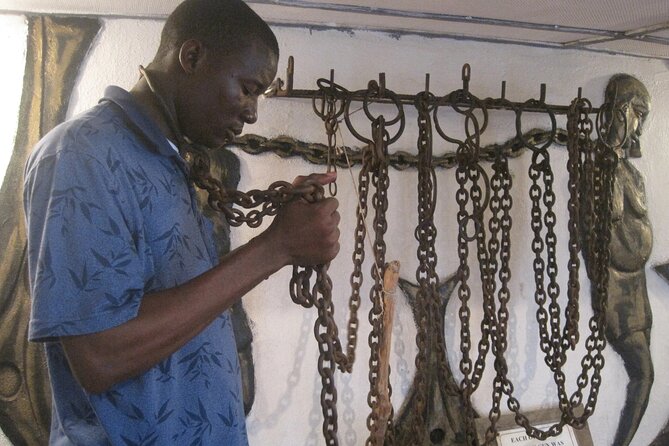
- The Mobee Slave Relics Museum displays chains, mouth guards, locks, and other objects linked to the slave trade.
- The 1845 Badagry Building connects the town’s missionary past with Samuel Ajayi Crowther’s Yoruba translation work.
- Gberefu Island requires a boat ride across a small lagoon, followed by a walk toward the Point of No Return.
- The private format suits families, couples, and heritage-focused groups who want control over the pace and conversation.
- The tour costs $250 per person, so the value depends largely on how much you value private transport, guiding, admissions, and a focused day of history.
Why Badagry matters to this tour
Badagry was a major coastal point connected with the transatlantic slave trade. The town’s museums and memorial sites do not treat the subject as a distant chapter in a textbook. They connect it to rooms, objects, routes, names, and places where people were held before being sent overseas.
That physical setting matters. You can hear about forced movement in a museum, but it lands differently when you see the small rooms used to contain large numbers of people. The route toward Gberefu Island adds another layer, showing how the final passage to the coast worked.
I would approach this tour as a history visit first and a sightseeing trip second. You will see attractive coastal surroundings and take a boat across a lagoon, but the purpose is remembrance and learning. The best part of the day is not entertainment. It is the chance to connect several sites into one clear story.
The tour has a 4.9 rating from 20 ratings and a 100 percent recommendation rate. Those figures suggest a consistently strong experience, especially for people seeking a serious and personal connection to African and diaspora history. They do not remove the need to prepare yourself emotionally.
A few more history tours around the world worth a look
- History and Hauntings of Salem Guided Walking Tour
★ 5.0 · 14,564 reviews - Colosseum: Underground and Ancient Rome Tour
★ 4.7 · 12,691 reviews - Lisbon: History, Stories and Lifestyle Walking Tour
★ 4.8 · 10,902 reviews
Entering the Seriki Faremi Williams Abass Slave Museum
The first stop is the Seriki Faremi Williams Abass Slave Museum, also called the Williams Seriki Abass Slave Baracoon. This is where the tour begins to put human scale on the subject.
You will see the small rooms where about 100 enslaved people were kept. That detail is difficult to absorb, and it is one of the most important parts of the visit. The cramped rooms show the lack of space and dignity imposed on people before they were sold or sent across the Atlantic.
Your guide will explain how slave prices were set and how the trade operated in Nigeria. You will also see objects connected to that period and visit the resting place of Williams Seriki Abass, described as one of the major figures involved in the local slave trade.
That final detail gives the stop a complicated edge. The site is not presented as a simple story of heroes and villains from far away. It points to the local people and systems involved, as well as the larger foreign trade that carried enslaved Africans across the ocean.
Plan on about one hour here. Since the subject is intense, a private group can be useful. You can ask for clarification, slow down, or spend a little longer with a particular part of the story without worrying about a large group’s schedule.
Seeing the chains and locks at the Mobee Slave Relics Museum
The second stop is the Mobee Slave Relics Museum, also described as the Badagry Slave Museum and Black History Museum. It holds physical objects associated with enslavement, including chains, mouth guards, locks, and other relics.
These items can be hard to look at. Their value is not decorative. They show the tools used to control, restrain, silence, and transport human beings. A good guide can help place them in context, so you are not left with a collection of objects but no explanation of how they fit into the wider trade.
You will also see wreckage and other items linked with the period. The museum adds material evidence to the account you heard at the first stop. The two locations work well together: the baracoon shows the setting where people were held, while this museum shows some of the devices used against them.
The visit lasts about one hour, with admission included. I would not rush this section. It is easy to move quickly through a small museum, but the displays deserve attention. At the same time, you should expect a modest historical museum rather than a large modern institution with extensive multimedia exhibits. The strength is the directness of the artifacts and the guide’s explanation.
The 1845 Badagry Building and Samuel Ajayi Crowther
The third stop changes the subject slightly. You will visit the Badagry Building, known as the first storey building in Nigeria. Missionaries built it in 1845, and the site is tied to their work in the country.
The building also connects with Samuel Ajayi Crowther, who translated the Bible from English into Yoruba. That detail makes the stop important beyond its architecture. It shows how language, religion, education, and colonial-era activity intersected in Badagry.
After the first two stops, this building offers a different kind of historical evidence. Instead of chains and holding rooms, you are looking at a structure linked to missionary life and written language. It helps show that Badagry’s past includes several overlapping stories, not only the slave trade.
You will spend about an hour here. The building is especially worthwhile if you like historic structures and the role of language in cultural change. If your main reason for booking is the transatlantic slave trade, this may feel less direct than the two museums. Still, it gives the day useful context and breaks up the heavier material.
Same place, a different slice of the past:
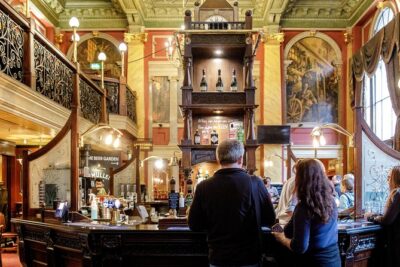
- London Small Group Tour of Historical Pubs
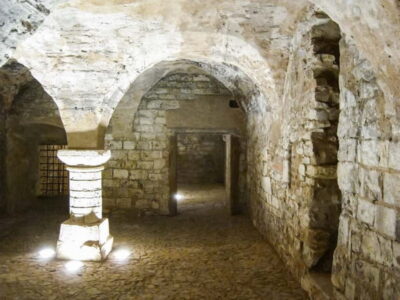
★ 5.0 · 10,422 reviews - Prague: Oldtown, Medieval Underground & Dungeon History Tour
★ 4.3 · 10,277 reviews - Charleston’s Old South Carriage Historic Horse & Carriage Tour
★ 5.0 · 10,023 reviews - Edinburgh: Edinburgh Castle Guided History Tour with Tickets
★ 4.8 · 9,933 reviews
Crossing to Gberefu Island’s Point of No Return
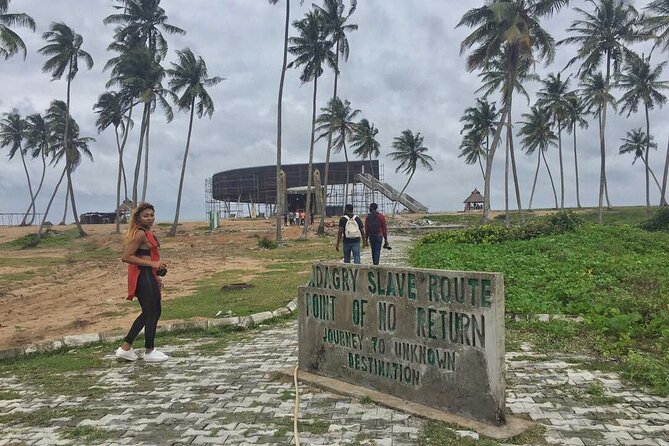
The most emotionally powerful part of the route is Gberefu Island. You will take a boat across a small lagoon to reach the sandy beach leading toward the Point of No Return.
This section helps you understand the final land route before enslaved people were taken to ships bound for foreign countries. The name is symbolic, but the route gives it physical meaning. You are following a passage connected with separation from home, family, and identity.
The boat ride is short, yet it changes the mood of the day. You leave the town’s buildings behind and move toward an open coastal area. The walk across the sand then becomes part of the reflection. It is not simply a photo stop.
You will also stop at the Attenuation Well. You will hear the traditional account that enslaved people were made to drink magical water believed to make them forget who they were. Treat this as part of the site’s oral history and memory, rather than as a claim you need to accept literally. The important point is what the story expresses: the fear that people would lose their names, identities, and connection to home.
At the beach front, you will have a brief rest and time to reflect. I appreciate that the schedule allows this pause. A site like the Point of No Return should not be handled like a quick checklist attraction.
You should also keep the practical setting in mind. This part includes a boat crossing and a sandy walk, and the tour requires good weather. If poor weather forces cancellation, you are offered another date or a full refund. The outdoor portion is central to the day, so weather is not a minor detail.
What the private format changes
This is a private activity, meaning only your group participates. That is a strong feature for a subject that can prompt personal questions and emotional reactions.
A private guide can adjust the conversation to your interests. You can ask about local history, the museums’ objects, the route to the beach, or the meaning of the Point of No Return. You also avoid being tied to the mood and pace of a large mixed group.
The private setup is particularly valuable for people of African or African-American heritage visiting Nigeria as part of a family or ancestral journey. One person who took the trip described it as a rite of passage and encouraged African-Americans to make the journey at least once. That kind of response shows how personal this place can feel for members of the diaspora.
The guide’s role matters greatly. Several of the strongest comments about the tour focus on the professionalism of Samap Travels & Tours and the guides’ grasp of the historical meaning of the Point of No Return. You should expect the quality of the day to depend partly on how the guide handles difficult material, answers questions, and gives you time to think.
Is $250 per person good value?
At $250 per person, this is not a low-cost day trip. The price makes more sense if you value a private experience with pickup, a dedicated guide, admission tickets, a boat crossing, and a full route through Badagry’s main heritage sites.
The tour lasts about six to seven hours, so you are paying for a substantial portion of the day rather than a short museum visit. A private arrangement also avoids the compromises of a large group, although the exact pickup point and transport details should be confirmed when you book.
I would see the value in three parts:
- You receive a connected route through four major sites rather than a single attraction.
- You get a private guide for questions and personal discussion.
- Admission tickets are included, and pickup is offered.
The price may feel high if you only want a brief introduction to Badagry or prefer to explore independently. It is easier to justify if this visit has personal importance, especially for diaspora heritage, family history, or serious study of the slave trade.
Group discounts are available, which may help if you are traveling with relatives or friends. The tour is also available with a mobile ticket, making it simple to keep the booking details on your phone.
Who should book this Badagry tour?
I would recommend it most strongly to people who want a focused history day from Lagos. It suits adults, families with older children, students, and diaspora visitors who want to understand the local setting connected with the transatlantic slave trade.
It is also a good fit if you prefer a private guide over a fixed group. The day has enough variety to keep the route moving: two museums, a historic building, a boat ride, and a beach walk.
You should think twice if you want a relaxed coastal outing with only light cultural material. The topic is painful, the artifacts can be confronting, and the schedule is fairly full. This is a place for respectful attention, not casual sightseeing.
Most travelers can participate, and service animals are allowed. The tour’s opening hours are listed as 8:00 a.m. to 2:00 p.m., Monday through Sunday, for the stated operating period. Since the experience lasts six to seven hours and includes outdoor travel, confirm the start time, pickup details, and weather conditions before setting your Lagos plans.
Free cancellation is available up to 24 hours before the start time for a full refund. Cancellations or changes made within 24 hours are not refunded or accepted.
My recommendation for the Badagry Black Heritage Adventure
You should book this tour if you want to face Badagry’s past through real places and objects, with a private guide to explain the route. The baracoon, the relics, the 1845 building, and Gberefu Island form a strong sequence that moves from confinement to departure and remembrance.
I especially like the way the tour ends at the Point of No Return rather than at the final museum. That beach gives you a quiet place to consider what you have seen. The cost is serious, but the private format and full-day route make it reasonable for a group that considers this visit important.
If you choose it, arrive ready to listen, ask questions, and allow the final stop the time it deserves. Badagry is not just a stop on a Lagos itinerary. For many people, it is a place to honor ancestors and confront the human cost of the Atlantic slave trade.
FAQ
How long does the Badagry Black Heritage Adventure last?
The tour lasts approximately six to seven hours.
Is this a private tour?
Yes. Only your group participates in the activity.
What places are included?
The route includes the Seriki Faremi Williams Abass Slave Museum, the Mobee Slave Relics Museum, the Badagry Building, and Gberefu Island’s Point of No Return.
Is transportation or pickup offered?
Pickup is offered. The tour also includes a boat ride across a small lagoon to Gberefu Island.
Are admission tickets included?
Yes. Admission tickets are included for the listed stops.
What is the cancellation policy?
You can cancel at least 24 hours before the start time for a full refund. Cancellations or changes made less than 24 hours before the start time are not accepted, and the amount paid is not refunded. If poor weather causes the tour to be canceled, you will be offered a different date or a full refund.
Just added around the world
- Brodie’s Historical and Fun Lagos Walking Tour★ 5.0 · 188 reviews
- Lahore Heritage in a Day★ 5.0 · 40 reviews
- Lahore Heritage and Sightseeing Guided Tour★ 5.0 · 20 reviews
- Tour Historic Vermilionville★ 4.5 · 107 reviews
- Small Group Historic Walking Tour of A Coruña★ 5.0 · 43 reviews
- Historic La Jolla Walking Tour★ 5.0 · 124 reviews
- Baton Rouge Historic Downtown Self-Guided Audio Walking Tour★ 4.0 · 19 reviews
- Private Guided Historical Sightseeing Tour in Kyoto★ 3.5 · 24 reviews
Tours, compared.
History and Hauntings of Salem Guided Walking Tour
Read our review →
Colosseum: Underground and Ancient Rome Tour
Read our review →
Oldtown, Medieval Underground & Dungeon History Tour
Read our review →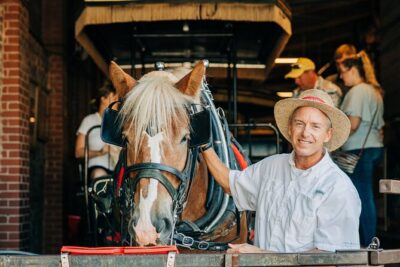
Charleston’s Old South Carriage Historic Horse & Carriage Tour
Read our review →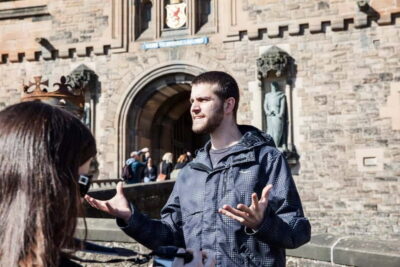
Edinburgh Castle Guided History Tour with Tickets
Read our review →