
Review · GHENT
Chocolate history workshop Ghent
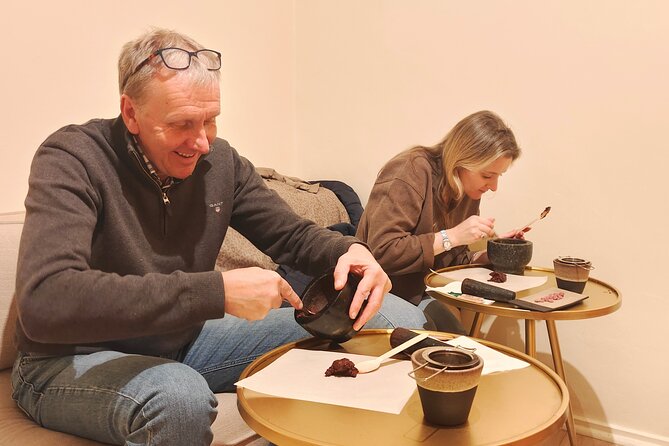
Chocolate tells a surprising story. This 90-minute workshop in Ghent combines hands-on chocolate making with a guided trip through Belgian chocolate history, then lets you compare artisanal chocolates from several makers in one cozy room. I like the small maximum of six people, and I like the way the session moves beyond ordinary praline tasting by starting with cacao beans. The main drawback is the price: at $82.90 per person, this is not a quick chocolate stop.
The setting helps justify some of the cost. You meet at Chocolade Ambassade on Kraanlei, around the corner from Gravensteen Castle and about five minutes from Graslei and Korenlei. I also like that the English-language session includes a chocolate bar you make yourself, cacao products, hot chocolate, water, and a certified guide. The tasting room is kept at about 18°C to protect the chocolate, so bring a sweater if you get cold easily.
Key points to know before booking
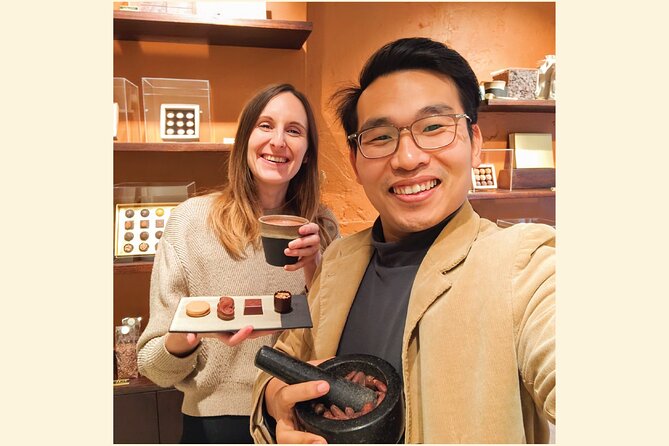
- You start with cacao beans: The workshop explains the chocolate-making process from the raw ingredient rather than beginning with finished sweets.
- The group is very small: The maximum is six people, creating a more personal format than a large museum demonstration.
- History is part of the tasting: You sample cacao fruit juice, cacao tea, and an early form of drinking chocolate as the story develops.
- You compare Belgian makers: Artisanal chocolates from several Belgian chocolate makers are served in one place.
- You make your own chocolate bar: The finished bar gives you a tangible souvenir, while the hot chocolate recipe lets you repeat part of the experience at home.
- It fits neatly into a Ghent day: The meeting point is close to Gravensteen, Graslei, and Korenlei, with no transport included.
Starting at Chocolade Ambassade near Gravensteen
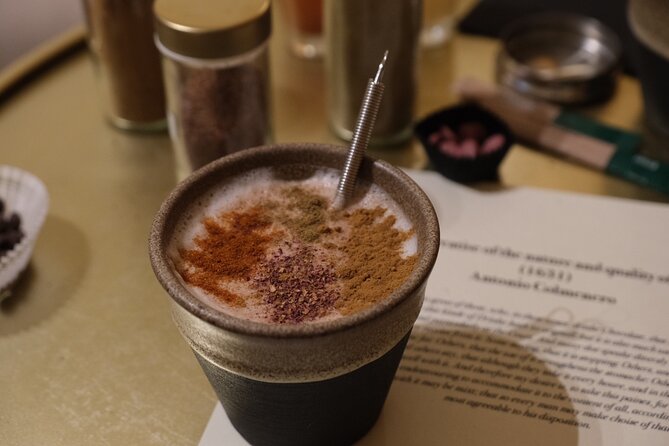
The experience begins at Chocolade Ambassade, Kraanlei 3, 9000 Gent, in Ghent’s historic center. The start time is 11:00 a.m., and the activity ends at the same location. That makes the workshop easy to pair with sightseeing, especially if you plan to visit Gravensteen Castle or walk along the waterways at Graslei and Korenlei.
The location matters because you do not need to spend part of your day crossing town. You can reach the meeting point using public transportation, and it is already close to some of Ghent’s main sights. Transportation is not included, so you handle your own way to the shop, but this is not a remote food tour requiring a special transfer.
Inside, the tasting room is designed for small groups of up to six people. The description also refers to a cozy, personal setting, and that small capacity is one of the clearest reasons to choose this workshop over a large chocolate demonstration. You have more room to ask questions, watch the process, and take part without feeling lost in a crowd.
Keep the temperature in mind. The room stays around 18°C so the chocolate remains in good condition. That is comfortable for many people, but you may want a light sweater, especially if you tend to feel cold indoors.
A few more history tours around Belgium worth a look
- Brussels: Historical Tour with Chocolate & Waffle Tasting
★ 4.8 · 1,206 reviews - Brussels: Historical Walking Tour with Chocolate & Waffle Tasting
★ 5.0 · 1,165 reviews - Best of Bruges: History, Chocolate & Beer Tour
★ 5.0 · 256 reviews
Beginning with cacao instead of a finished praline
The most useful feature of this workshop is its starting point. You do not simply receive a tray of polished Belgian chocolates and hear a few facts. The session introduces cacao beans and follows how they become the chocolate products you know.
That approach gives the tasting a practical order. You can connect the raw ingredient with the finished bar, drink, or praline. It also helps explain why chocolate can taste so different from one maker to another, even when the basic ingredient is the same.
The workshop includes cacao products as part of this process. The exact selection can vary, but the experience is built around showing several forms of cacao rather than treating chocolate as one single flavor. This is useful if you want to understand chocolate instead of simply eating it.
The guide also explains each step of chocolate making. One especially appealing detail is the chance to make a chocolate bar from cacao beans yourself. You are not only watching a professional work behind a counter. You take part in turning the raw material into something you can keep.
That small project gives the workshop a clear payoff. You leave with a bar crafted by you, not just a box bought from a shop. The result may not look like a master chocolatier’s work, but that is part of the fun. The point is to understand the process and feel that you have made something.
Following chocolate through its early history
The historical section is not treated as a separate lecture that interrupts the tasting. Instead, the session uses drinks and cacao products to show how chocolate developed over time.
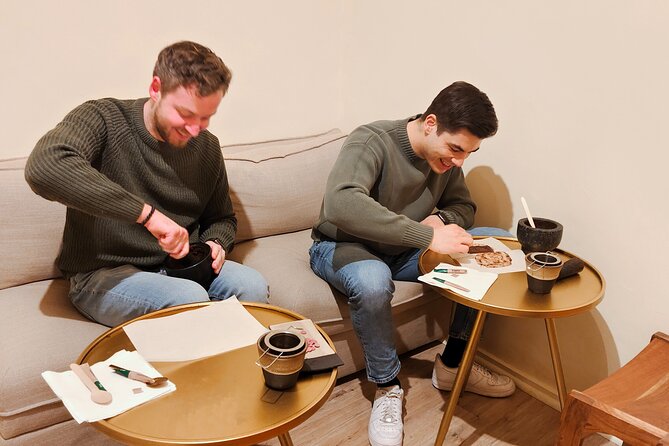
You sample cacao fruit juice and cacao tea, then taste what is described as the first drinking chocolate. These are valuable stops because they show that chocolate was not always the sweet, creamy bar associated with Belgium today. The flavor and form change as the timeline moves forward.
The workshop also includes the chance to make versions of chocolate items linked with the 16th and 17th centuries. That is a clever way to make the past feel concrete. Rather than hearing only dates and names, you get to handle and taste something connected to earlier chocolate traditions.
I would expect this part to appeal most to people who enjoy food history. You learn how chocolate developed, but you also experience the changes through your senses. The fruit juice, tea, early drinking chocolate, and later confections create a much clearer sequence than a display case alone.
This does not replace a full museum visit for someone who wants a long historical tour. The session lasts about one hour and 30 minutes, and chocolate tasting and making take up much of that time. But as an alternative to a museum, or as a companion to one, it offers a more active way to learn.
Tasting Belgian makers side by side
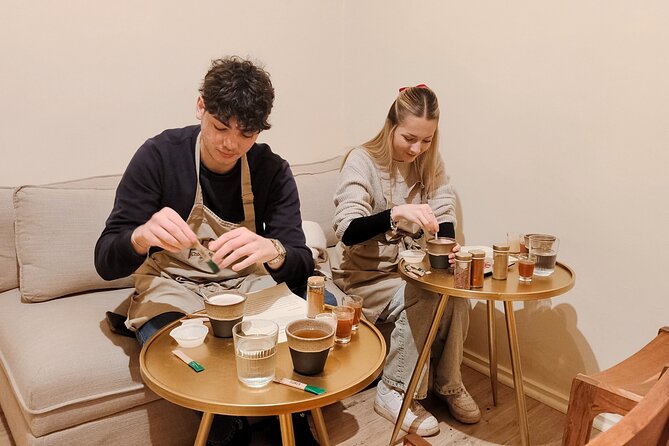
The workshop includes artisanal chocolates from several chocolate makers located around Belgium. That is one of the strongest practical reasons to book it. You can compare styles in one sitting instead of spending half a day visiting shops and buying full boxes of sweets that you may not even like.
Belgian chocolate is often treated as one broad category, but this tasting gives you a chance to notice differences between makers. You may find that you prefer a particular balance of sweetness, texture, filling, or cocoa flavor. The main value is not just the amount of chocolate served. It is the comparison.
The tasting also places modern pralines beside the older forms explored earlier. This gives the experience a useful contrast. You start with cacao and historical preparations, then reach the refined confections most people associate with Belgium.
If you already know a great deal about chocolate, the session may feel introductory in parts. The workshop is designed for a broad audience, not only for pastry professionals or serious chocolate experts. Still, comparing makers and asking questions in a small group can make it worthwhile even for someone who has already visited plenty of chocolate shops.
One practical warning: chocolate adds up quickly. You will taste several products, make a bar, and have hot chocolate, so this is not the ideal activity immediately after a large meal. On the other hand, the 90-minute length keeps it from becoming an all-day sugar marathon.
More Workshops and Classes in Belgium:
- Dubai Evening Heritage Safari by Vintage G Class Al Marmoom Oasis
★ 5.0 · 1,500 reviews - Undiscovered Charleston: Half Day Food, Wine & History Tour with Cooking Class
★ 5.0 · 948 reviews - Hanoi Cooking Class and Market Tour in Ancient House
★ 5.0 · 379 reviews - Sip History in The Sun Cabana Covered Cocktail Class
★ 5.0 · 332 reviews
Making historical chocolate and your own bar
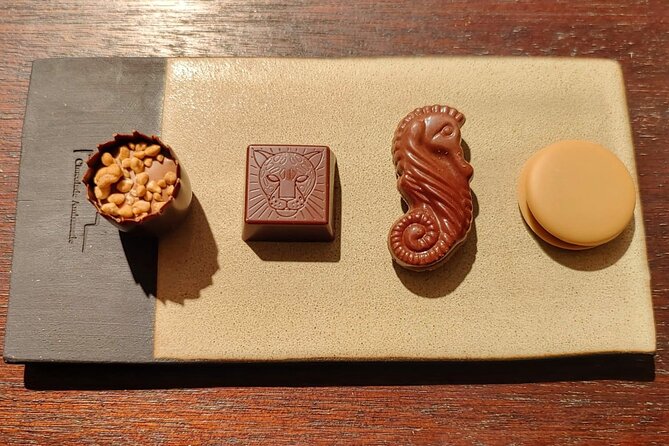
The hands-on portion is where this experience earns its workshop title. You make chocolate items linked to earlier periods and craft a bar from cacao beans. That gives the session more variety than a standard tasting, where you remain seated and simply sample what is placed in front of you.
The historical recipes also add a sense of purpose. You are not making a random sweet for a photo. You are connecting the activity to the story of chocolate and seeing how earlier preparations differ from modern Belgian pralines.
The cacao-bean bar is the most memorable takeaway. You can think of it as both a souvenir and a lesson. The finished product reminds you of the raw-to-finished process, and it gives you something physical to carry away after the tasting.
The included hot chocolate adds another useful touch. You receive a recipe, so the workshop does not end when you leave Kraanlei. If you enjoy the drink, you can try making it at home and compare your result with what you tasted in Ghent.
Do not expect a full professional chocolatier course in 90 minutes. The activity introduces the process and gives you a chance to create, but the focus remains on history, tasting, and comparison. If your goal is to master tempering, molding, or advanced decoration, you will need a more specialized class.
What the small group changes
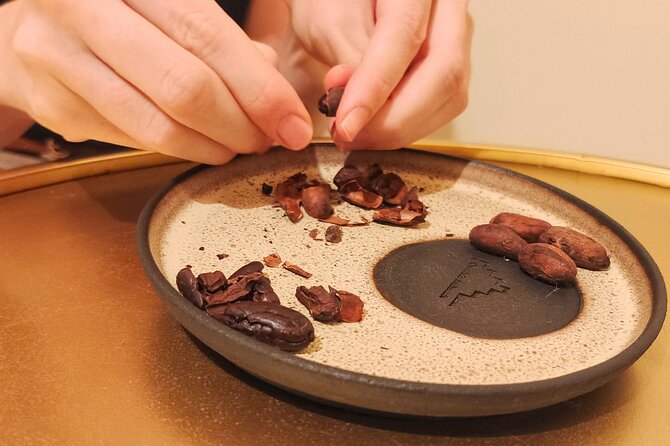
A maximum of six people is a real advantage here. Chocolate tasting involves questions about flavors, ingredients, history, and technique, and a small group makes it easier to get clear answers. You also have a better chance to see what the guide is doing during the practical sections.
The personal format suits couples, families, and solo visitors who prefer a calm activity. It also works well for anyone who finds large food tours tiring or impersonal. The guide can keep the pace focused rather than waiting for a large group to catch up.
The English guide is licensed or certified, and the session is offered in English. One guide named in the feedback is Leo, who was praised for explaining each step and for mixing humor with instruction. That combination matters in a history-based food experience. A guide who only lists facts can make the session feel dry, while a guide who only entertains may leave you with little useful information.
The tone described by past participants suggests that Leo keeps the workshop friendly and clear. Still, a guide’s style can change from one date to another, so I would book this for the format and subject first, not only for one individual personality.
Is $82.90 a fair price?
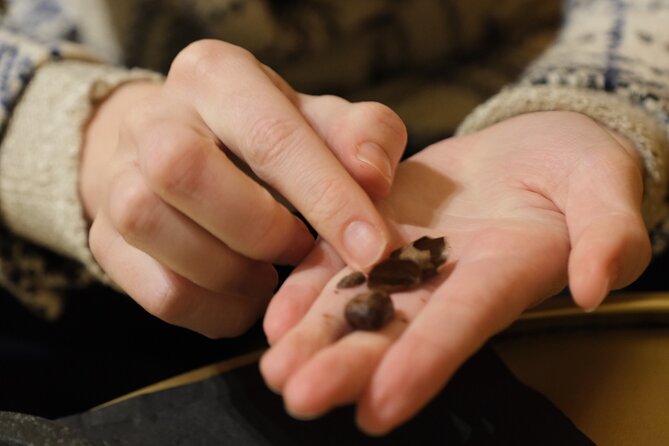
At $82.90 per person, this workshop is expensive compared with buying a few pralines from a Belgian chocolate shop. The fair comparison, however, is not a box of chocolates. You are paying for a small-group class, a certified English guide, several tasting elements, a cacao-bean activity, a handmade bar, historical context, and hot chocolate with a recipe.
The price makes more sense if you planned to visit several chocolate shops anyway. This session gathers chocolates from different Belgian makers in one place, saving you the guesswork and the cost of buying separate selections. It also lets you identify your preferences before spending more money on souvenirs.
Value depends on what you want from Ghent. If your priority is a low-cost sightseeing day, this may feel like a splurge. If you want one special food activity that combines tasting, history, and making, the cost is easier to defend.
The strongest value comes from the range of activities. You taste cacao products, follow the development of chocolate, sample modern chocolates, make historical items, craft a bar, and receive a hot chocolate recipe. It is not simply 90 minutes of eating.
Who will enjoy this workshop most?
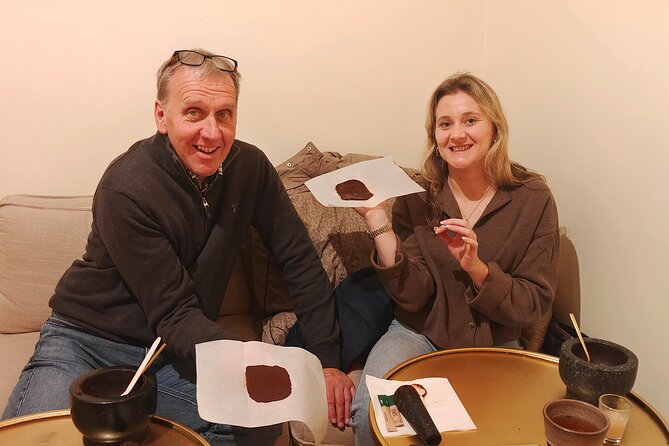
I would recommend it to anyone curious about how chocolate is made, especially if you prefer active experiences to displays behind glass. Families with older children may enjoy the making element, though the supplied information does not specify an age range, so confirm suitability before booking for young children.
It is also a good fit for couples and solo visitors who want a focused morning activity near Ghent’s main sights. The small group gives the workshop a personal feel, and the English format removes a language concern for English-speaking participants.
Chocolate fans who have already visited many Belgian shops can still get something new from the cacao-bean approach and the comparison between makers. Someone from Switzerland, a country with its own strong chocolate culture, found the workshop a fun way to compare traditions without needing to declare a winner.
I would be less likely to recommend it to someone who only wants a quick free sample or a simple shopping stop. The experience asks you to spend 90 minutes indoors, listen to explanations, participate in activities, and pay a premium for guidance. That is useful if you are curious, but unnecessary if you only want to buy chocolate.
Service animals are allowed, and the meeting point is near public transportation. The activity requires a minimum number of people to operate. If that minimum is not met, you are offered another date or experience, or a full refund. You can cancel for a full refund up to 24 hours before the 11:00 a.m. start time, while changes or cancellations inside that window are not accepted.
Planning it around your Ghent sightseeing
The 11:00 a.m. start works well as a morning anchor. After the workshop, you are already close to Gravensteen Castle, Graslei, and Korenlei, so you can continue sightseeing without arranging another journey across town.
You could also plan the castle or the waterfront before the workshop, but leave enough time to reach Kraanlei. The session ends at its starting point, which makes the logistics simple. There is no second drop-off location to find.
Keep your schedule flexible after the workshop if you want to shop. The experience includes an opportunity to buy chocolate afterward, but shopping is optional and transportation is not part of the activity. The tasting room remains around 18°C, so dress for a cool indoor setting even if the day outside is warm.
Should you book the Chocolate History Workshop?
Book it if you want more than a Belgian chocolate sample. The strongest reasons are the maximum six-person group, the cacao-bean starting point, the historical tastings, and the chance to compare several Belgian makers in one place.
Skip it if you are watching your budget or only want to buy pralines. At $82.90, the workshop needs to be treated as a guided food experience, not a shop visit.
For most chocolate fans, I think the combination is convincing. You learn where chocolate begins, taste how it changes, make a bar, and leave with a recipe and a better idea of which Belgian style suits you. Pair it with Gravensteen and the nearby canals, and the workshop becomes an easy, distinctive part of a day in central Ghent.
FAQ
Where does the Chocolate History Workshop take place?
It starts and ends at Chocolade Ambassade: The Belgian Chocolate Experience, Kraanlei 3, 9000 Gent, Belgium. The location is near Gravensteen Castle and about a five-minute walk from Graslei and Korenlei.
What time does the workshop start?
The listed start time is 11:00 a.m. The activity lasts approximately one hour and 30 minutes.
How many people can join the workshop?
The maximum is six participants. It is designed as a small-group, personal experience.
Is the workshop offered in English?
Yes. The workshop is offered in English, and the guide is licensed or certified.
What is included in the price?
The experience includes artisanal Belgian chocolates from different makers, cacao products, a chocolate bar made by you from cacao beans, hot chocolate with a recipe, water, and the English-language guide.
Can I cancel for a full refund?
Yes. You can cancel at least 24 hours before the local start time for a full refund. Cancellations or changes made less than 24 hours before the start are not accepted for a refund.
Just added around Belgium
- Small Group Ypres Remembrance Day Filled With War History★ 5.0 · 31 reviews
- Private Historical Tour: The Best of Ghent★ 5.0 · 115 reviews
- Discover authentic Ghent with historian & taste the best chocolate★ 5.0 · 30 reviews
- Bicycle tour in historic Ghent★ 5.0 · 87 reviews
- Historical Walking Tour: The Story of Brussels – by Legends★ 5.0 · 164 reviews
- Bruges Bites & Sights – Belgian Food, Beer & A Little Bit Of History★ 5.0 · 94 reviews
- 2-Hour Historical Walking Tour in Bruges with Praline Included★ 5.0 · 291 reviews
- Historic Battle of the Bulge Sites Tour from Brussels★ 5.0 · 31 reviews
Workshops, compared.
Dubai Evening Heritage Safari by Vintage G Class Al Marmoom Oasis
Read our review →
Undiscovered Charleston: Half Day Food, Wine & History Tour with Cooking Class
Read our review →
Hanoi Cooking Class and Market Tour in Ancient House
Read our review →
Sip History in The Sun Cabana Covered Cocktail Class
Read our review →
3-Course Meal in Historic 1st Class Waiting Rooms
Read our review →
2 Hour Historic Market Food Tour and Hands-On Biscuit Class
Read our review →
Milan: Fresh Pasta and Tiramisù Class in A Historical Home
Read our review →
Browse the lists this tour appears in