
Review · GAINESVILLE
Butterfly Rainforest at Florida Museum of Natural History Ticket
Butterflies may land before you expect them. At Gainesville’s Butterfly Rainforest, you walk through a 6,400-square-foot screened garden where more than 50 butterfly species share the space with birds, turtles, fish, plants, and water features. I like the close-up nature of the visit, especially the chance to watch butterflies settle on a still hand or arm. I also like that your ticket includes the wider Florida Museum of Natural History, so this is more than a short garden stop.
The main drawback is that conditions and butterfly numbers can change from day to day. The screened exhibit is exposed to Florida weather, so extreme heat, cold, lightning, or heavy rain can affect the experience. The butterfly release can also vary, and a staff presentation may be difficult to hear when the area is busy.
Key points to know before you go
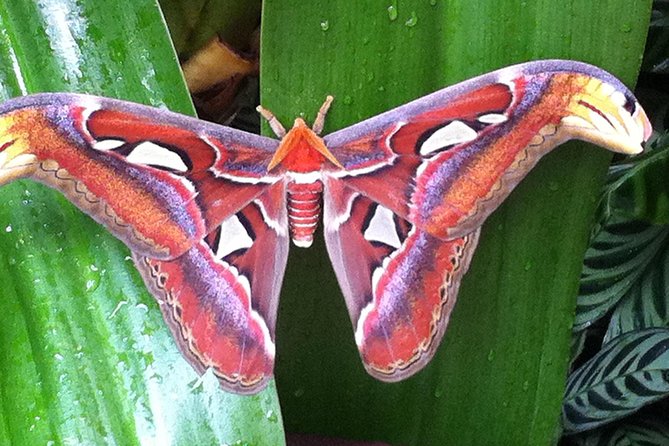
- More than 50 butterfly species share the screened rainforest with free-roaming birds, quail, turtles, fish, and koi.
- The exhibit covers 6,400 square feet, giving you room to move at your own pace rather than follow a fixed route.
- Butterflies may land on you if you stand still, making the visit especially appealing for children and photographers.
- Florida weather matters, since the rainforest is outdoors behind screening and can close during lightning.
- Your admission includes the museum, with mammoth and mastodon fossils, indoor butterfly displays, and exhibits about Florida’s Indigenous peoples.
- Plan for about two hours, though families may easily spend three hours when they include Powell Hall and the wider museum.
Entering the 6,400-square-foot Butterfly Rainforest
You begin at Powell Hall on the University of Florida campus, where you exchange your voucher for admission at the desk. Once inside, the Butterfly Rainforest becomes the main event: a humid, plant-filled enclosure designed to feel more like a living tropical garden than a standard museum room.
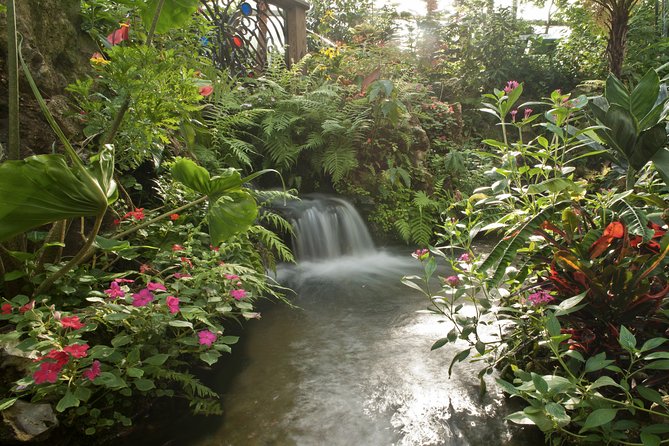
The screening lets in Florida’s natural conditions. That matters because you are not looking at butterflies behind glass or in a tightly controlled indoor case. Sun, temperature, and weather all shape the visit, giving the plants and animals a more natural setting.
The tradeoff is comfort. On a hot day, the rainforest can feel warm enough that you will want to keep moving. On a cold day, the butterflies may be less active, though the museum itself remains a useful place to spend time. Lightning can cause a temporary closure because this is an outdoor exhibit, so check conditions if storms are nearby.
There is no required route or tour group to keep up with. You can stop beside a flowering plant, sit on a bench, or move slowly through the paths. That freedom is useful for families, photographers, and anyone who wants a quiet break instead of a tightly scheduled attraction.
More Museum and Gallery History Tours in the USA
- Guided African American History Tour with Reserved Museum Entry
★ 4.5 · 1,180 reviews - Chicago: Field Museum of Natural History Ticket or VIP Tour
★ 4.7 · 717 reviews - Field Museum of Natural History Admission Tickets
★ 4.5 · 489 reviews
Butterflies, birds, koi, and the small details
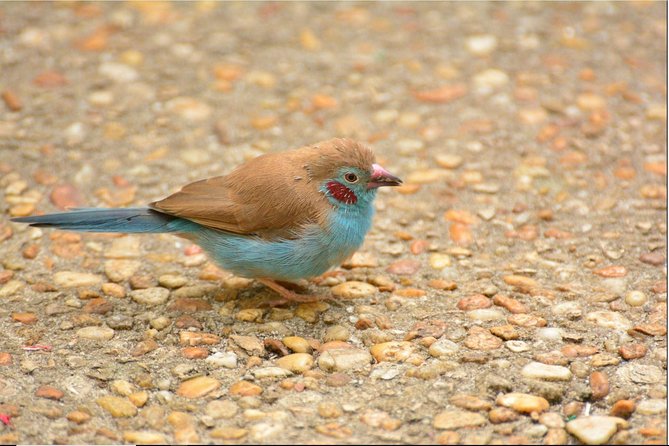
The butterflies are the obvious stars, but the enclosure works because there is plenty to look at between close encounters. You may see free-roaming birds, small quail, turtles, fish, and koi among the foliage and water features. The birds and quail add movement at ground level while butterflies drift overhead, so the exhibit does not feel like a single-species display.
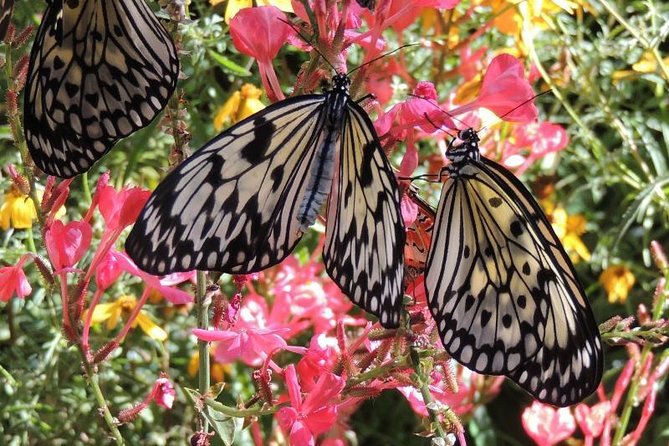
The most memorable moment may be surprisingly small. If you hold still, a butterfly may settle on your arm or clothing. That possibility keeps children watching carefully and gives adults a good reason to slow down. You should not touch or chase the butterflies, but patience can reward you with a photograph or a close look at wing patterns.
Look for the life-cycle displays as well. A particularly interesting feature is the chance to see larvae hatching, which helps connect the bright adult butterflies with the less glamorous early stages of their lives. The exhibit becomes more meaningful when you see it as a working life cycle rather than a garden stocked only for decoration.
The number of active butterflies will not be identical every day. New butterflies emerge on their own schedule, and the daily release can be smaller than expected. If you are hoping for a wall-to-wall cloud of wings, keep expectations flexible. The garden, birds, fish, and plants still give you plenty to observe, but the exact butterfly count and activity level are not guaranteed.
Learning from staff without losing your own pace
Interpretive staff are available to answer questions about the species and the exhibit. That is helpful if you want to know what you are seeing, especially since tropical butterflies can look similar at first glance. You can ask about behavior, life stages, or the plants that support the enclosure.
A staff presentation or speaker may not always be easy to hear. If the area is noisy or crowded, stand close when possible or ask staff to repeat a point. This is one place where the visit works best when you treat the talk as an optional layer rather than the entire experience.
The listed highlights also include a Calusa Indian welcoming ceremony. The museum’s Calusa material adds cultural context to the visit, particularly for anyone interested in South Florida’s Indigenous peoples. I would treat this as a feature to check on the day of your visit, since the information provided does not give a fixed schedule for the ceremony.
Powell Hall adds fossils and Florida history
The Butterfly Rainforest is ticketed, but your admission also includes the Florida Museum of Natural History. This is what gives the $24 price more weight. If you spent only twenty minutes in the garden, the ticket might feel expensive. If you stay for the rainforest and the museum galleries, it becomes a fuller half-day outing.
Powell Hall includes exhibits on Florida’s natural past, including mammoth and mastodon fossils. These large remains provide a striking contrast to the delicate butterflies. After watching a butterfly balance on a flower, you can stand beside evidence of enormous animals that once lived in the region.
Indoor butterfly exhibits extend the subject beyond the screened garden. They are useful when the outdoor enclosure feels too hot, too cold, or temporarily closes because of lightning. Families can shift between the living exhibit and the museum displays without needing another admission.
The museum also includes exhibits about the Calusa Indians and other Florida material. One family spent three hours in the museum because the children stayed interested in the hands-on displays and the Florida Indigenous exhibits. That is a good reminder not to rush away after the rainforest. The wider museum may be the part that keeps older children engaged once the first burst of butterfly excitement fades.
Same place, a different slice of the past:
- History and Hauntings of Salem Guided Walking Tour
★ 5.0 · 14,564 reviews - Charleston’s Old South Carriage Historic Horse & Carriage Tour
★ 5.0 · 10,023 reviews - Beneath The Streets Underground History Tour
★ 4.5 · 8,006 reviews - Boston: Freedom Trail History Small Group Walking Tour
★ 5.0 · 6,450 reviews
How long to stay and how to plan the day
The experience is advertised at about two hours, but that is a useful starting point rather than a hard limit. I would allow two hours for a focused visit and closer to three if you plan to explore Powell Hall carefully.
A short visit could look like this:
- Exchange your voucher at the admissions desk.
- Spend roughly an hour in the Butterfly Rainforest.
- Visit the indoor butterfly material.
- Finish with fossils, Calusa exhibits, and other Florida displays.
Families with children may need longer because the exhibit encourages slow observation. You may stop repeatedly for photographs, wait for a butterfly to land, or return to a favorite water feature. Adults looking for a calm outing may also stay longer because benches and quiet corners make it easy to pause.
The attraction is near public transportation, and most people can participate. Service animals are allowed. The information provided does not promise special access details for every part of the exhibit, so contact the museum directly if you have specific mobility needs.
Is the $24 ticket good value?
At the listed price of $24, the value depends on how much of the museum you use. The Butterfly Rainforest alone is a pleasant nature experience, but its relatively compact size means some people may finish the main enclosure faster than expected. The included museum changes the calculation.
You are paying for a live tropical exhibit, staff support, indoor butterfly displays, fossils, and Florida cultural material in one visit. For a family, that variety can prevent the common problem of an attraction lasting only as long as a child’s first burst of excitement.
Buying ahead may save time at the admissions desk, since you can exchange your voucher rather than begin by arranging admission. At the same time, the price paid through an outside booking service may be higher than buying directly at the museum. Check the current total before paying, including any added booking charges.
The best value comes when you treat this as a museum visit with a special outdoor exhibit, not as a standalone butterfly house. If you only want a quick look at butterflies, the cost may feel less convincing. If you enjoy natural history, fossils, Florida culture, and living exhibits, the ticket earns its keep.
When weather changes the experience
The rainforest is screened, not sealed indoors. That design creates a more natural environment, but it also makes weather part of the plan.
On very hot days, you may enjoy the butterflies but leave sooner than planned. One family found the indoor museum a welcome relief from heat. Cold weather does not necessarily ruin the visit, and one particularly chilly outing still offered attractive plants and water features, but butterfly activity can vary.
Lightning is the more serious concern. The exhibit may close temporarily for safety, and one cancelled visit ended in frustration when the visitor had trouble getting a prompt response about a refund. The stated policy is that poor weather cancellations can lead to a different date or a full refund, but ordinary cancellation by you is non-refundable.
For the best chance of a comfortable visit, look at the forecast before setting out. If storms are developing, keep the museum galleries in your plan and allow flexibility in case the rainforest closes for a time.
Who will enjoy this most?
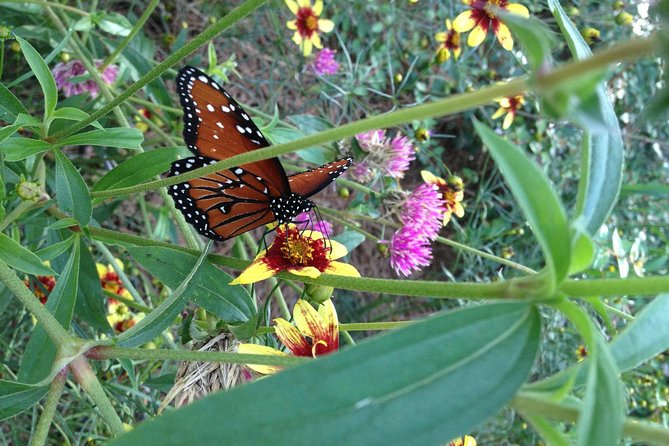
I would recommend the Butterfly Rainforest to families with children, grandparents looking for an easy shared outing, university visitors, and anyone who enjoys nature without committing to a long trail. Children can watch butterflies land, spot quail and fish, and then move indoors to fossils and hands-on displays.
It also suits adults wanting a peaceful afternoon. Benches, plants, water features, and gentle movement give the exhibit a quiet quality, especially when you stop trying to photograph every butterfly.
Photographers should bring patience rather than expect a guaranteed perfect shot. A butterfly may land on you, but it may also fly away just as someone raises a camera. The setting offers plenty of color and activity, yet nature does not follow a schedule.
The experience is less ideal if you expect a huge conservatory with constant, dense butterfly activity. The enclosure is substantial but not enormous, and daily conditions affect what you see. Visitors who have seen larger butterfly conservatories may find this one more modest.
Should you book the Butterfly Rainforest?
Book it if you want a flexible Gainesville attraction that combines live butterflies with fossils, Florida culture, birds, and indoor museum exhibits. The strongest reason to go is not simply the number of species. It is the chance to move from a living rainforest garden to the natural history of Florida in the same visit.
I would especially choose it for a family day, a University of Florida visit, or a hot-weather plan that needs both outdoor interest and indoor backup. I would also book it if you like slow observation and the possibility of a butterfly landing on your arm.
Think twice if your only goal is a large, highly controlled butterfly conservatory or if your schedule cannot tolerate a weather-related closure. For most people, though, the combination of the 6,400-square-foot rainforest and the wider museum makes this a worthwhile two to three hour stop in Gainesville.
FAQ
How long does the Butterfly Rainforest visit take?
The experience lasts approximately two hours, though you can spend about three hours if you explore the rest of the Florida Museum of Natural History in detail.
What animals can you see besides butterflies?
The screened rainforest includes birds, quail, turtles, fish, and koi, along with more than 50 butterfly species.
Is the Butterfly Rainforest indoors?
It is a screened-in exhibit exposed to typical Florida weather conditions. The rest of the Florida Museum of Natural History includes indoor exhibits.
Does admission include the Florida Museum of Natural History?
Yes. The ticket includes entry to the Butterfly Rainforest and the Florida Museum of Natural History. Specially ticketed exhibitions or events are not included.
Can butterflies land on visitors?
They can. If you remain still, a butterfly may land on your arm or clothing, though this is not guaranteed.
What happens if bad weather closes the exhibit?
If the experience is cancelled because of poor weather, you will be offered another date or a full refund. Lightning can cause a temporary closure because the rainforest is an outdoor exhibit.
Are service animals allowed?
Yes. Service animals are allowed, and the attraction is near public transportation.
Just added around the USA
- Spirits of Seville Pensacola’s Haunted History Tour with Meal★ 4.5 · 101 reviews
- Guided Urban Art and Historical E-Bike Tour in Park City★ 5.0 · 49 reviews
- Palm Springs Modernism Architecture & History Bike Tour★ 5.0 · 359 reviews
- Manteo Historic Walking Tour★ 5.0 · 228 reviews
- Skip the Line: Museum of Military History Ticket★ 4.5 · 37 reviews
- 2 Hour Historical Wildlife Tour of the Chain of Lakes★ 5.0 · 293 reviews
- 1 Hour Historical Wildlife Tour of The Famous Chain of Lakes★ 5.0 · 141 reviews
- Historical Honolulu Bike Tour★ 5.0 · 76 reviews
Museum & Gallery History Tours, compared.
Louvre Museum Entry with History of Mona Lisa
Read our review →
Venice’s Best: Basilica, Doge’s Palace, Gondola & History Gallery
Read our review →
Guided African American History Tour with Reserved Museum Entry
Read our review →
POLIN Museum of the History of Polish Jews Ticket
Read our review →
Bell Tower & St Mark’s Square History Gallery Ticket
Read our review →
Field Museum of Natural History Ticket or VIP Tour
Read our review →
Madrid in a Day Tour:Royal Palace, Historic Center & Prado Museum
Read our review →
Basilica, Doge’s Palace, History Gallery & Bell Tower Option
Read our review →Browse the lists this tour appears in