
Review · COBH
The Queenstown Story @ Cobh Heritage Centre , Great Stories of Emigration.
The past leaves from Cobh. The Queenstown Story turns a restored Victorian railway station into a clear, moving account of Irish emigration, from the 1600s through the 20th century. I like the way the museum follows real migration routes instead of treating Irish history as one single story. I also like its hands-on touches, including Morse code and a personal emigrant journey to follow.
The main drawback is that this is a self-guided museum, not a live walking tour with a guide explaining each display. You may also find that advance tickets matter less on a quiet day, since one visitor found no queue and the entry route appeared the same for ticket holders and people buying on site.
Key things to know before visiting
- A Victorian railway station sets the scene: You enter through the restored station at Deepwater Quay, a fitting place to begin a story about departure.
- The story covers more than the Titanic: Displays explain Irish emigration, the Great Famine, port life, military connections, and Cobh’s links with both the Titanic and Lusitania.
- You can follow one emigrant’s path: An assigned name gives the visit a personal thread and helps turn dates and statistics into a human story.
- Plan on 60 to 100 minutes: The official visit takes about an hour, but you can stay longer and revisit sections on the same day.
- It is close to the cruise pier and train station: The centre is less than 200 yards from the cruise landing area and about a four-minute walk from Cobh railway station.
- The cafe adds practical value: Scones, cream, jam, coffee, and tea make it easy to pause before or after the exhibits.
Why the Queenstown Story works so well
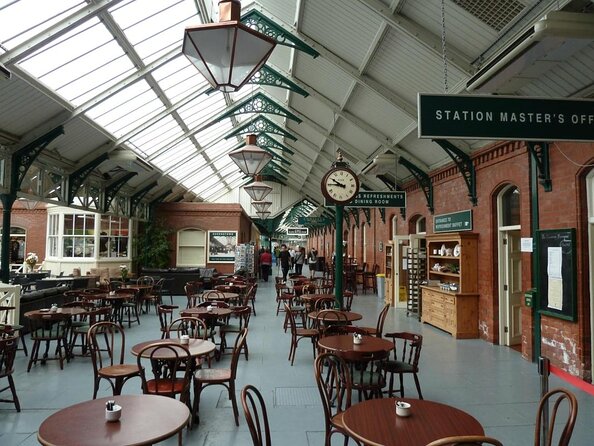
Cobh is a place where departure feels close at hand. The Heritage Centre occupies a beautifully restored Victorian railway station, so the building itself helps explain how people once reached the harbour before leaving Ireland for a new life.
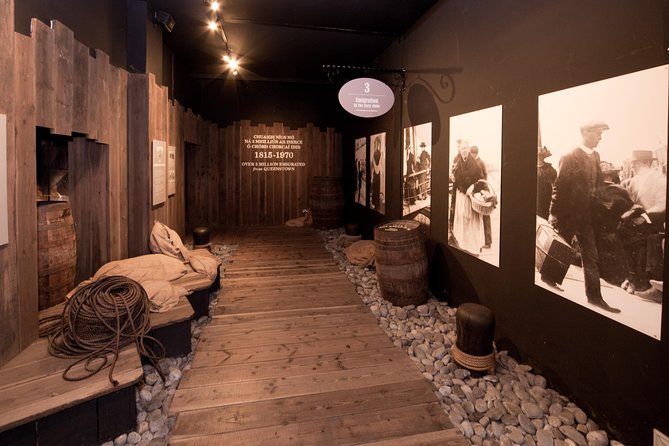
I like this setting because the museum does not begin with famous ships. It begins earlier, in the 1600s, when Irish people left for the American colonies and the West Indies. From there, the displays move through later centuries and different destinations, showing that emigration came in waves and had more than one cause.
That wider view is one of the centre’s greatest strengths. If you arrive expecting only a Titanic display, you will find a much larger story. The Titanic and Lusitania are here, but they are part of Cobh’s wider maritime past rather than the entire subject.
The museum follows the lives of more than three million Irish emigrants. That number is striking, but the presentation works best when it brings the story back to individual people. You may be given the name of an emigrant to follow through the displays, almost as if you are making the journey yourself. This simple idea gives the visit a clear path and keeps the statistics from becoming a blur.
A few more history tours around Ireland worth a look
- Dublin Historical Centre Food Tour with 8 Food Tastings & Drinks
★ 5.0 · 1,718 reviews - 2-Hour Historical Walking Tour from Dublin
★ 5.0 · 875 reviews - Celtic Boyne Valley & Ancient Sites Day Tour From Dublin
★ 4.5 · 865 reviews
Inside the restored railway station
The entrance is at Deepwater Quay, at the Cobh Heritage Centre in Ringmeen, Cobh, County Cork. Once inside, you begin in a building with its own connection to travel and departure. The high ceilings and Victorian details give the centre more character than a modern gallery would have.
The museum is mostly self-guided. You move through the displays at your own pace, using written panels, audio, films, and interactive sections. That mixture suits different interests. You can read closely, watch a presentation, or move on when a subject is less relevant to your family or personal research.
I would allow at least an hour, even if you plan a quick visit. Ninety to 100 minutes gives you time to read the main panels, use the interactive features, and pause at the more personal sections without racing through. If you have more time, you can revisit displays on the same day.
One useful feature is the range of formats. The museum is not simply a corridor of posters. The exhibits include visual displays and hands-on elements, with one section allowing you to learn how to type Morse code. That small activity gives a sense of the communication systems that shaped life at sea.
The self-guided format also makes this a flexible stop for a mixed group. One person can spend time on family history while another moves through the maritime exhibits. The trade-off is that you do not have a guide beside you to answer questions or explain a confusing detail.
Following Irish emigration from the 1600s onward
The central section traces Irish emigration over several centuries. Rather than presenting departure as a single event, it shows different destinations and periods. Irish people left for the American colonies, the West Indies, and other parts of the world at different times and for different reasons.
This is especially useful if your family story begins with a single ancestor. You may arrive knowing only that someone left Ireland, then discover that the timing, destination, and social conditions all matter. The exhibits give you a starting point for asking better questions about your own family.
The Great Famine receives important attention. The subject is painful, but the museum treats it as a key part of the story rather than a brief mention. The displays help connect hunger, hardship, and mass departure with the people who boarded ships and often never returned.
That emotional weight is part of the experience. You will see the scale of Irish emigration, but you will also be reminded that every departure meant a family split, an uncertain voyage, or a permanent break from home. If you have Irish ancestry, the visit may feel personal very quickly.
The museum also makes clear that Irish migration was not driven by one crisis alone. The different sections show several waves and reasons for leaving. That broader context is valuable because it prevents a simplistic picture of Irish history.
Titanic, Lusitania, and Cobh’s port story
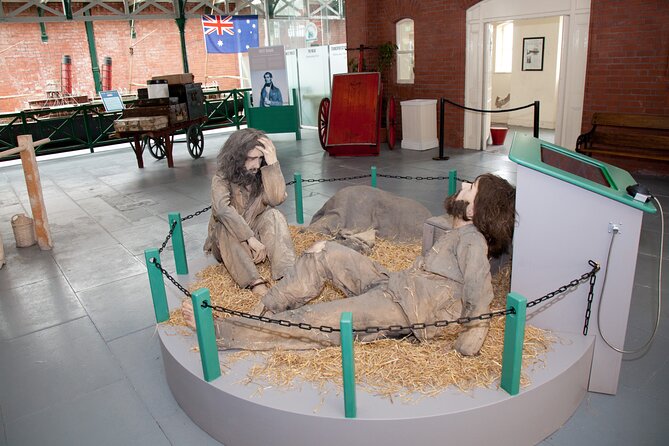
Cobh’s connection with the Titanic is well known, but the Queenstown Story places it beside another major maritime event, the Lusitania. These sections add drama, but the centre does not allow famous ships to swallow the rest of the exhibition.
For a first-time visitor to Cobh, this balance is helpful. You can learn about the port’s role in major events while still seeing how ordinary emigrants used the same harbour. The contrast between celebrated ships and everyday departures gives the town a more complete identity.
The maritime and military material also broadens the visit. Cobh was not only a point of departure for emigrants. It had wider importance as a port, and the centre places that role within Ireland’s story.
If your main interest is the Titanic, you may want to pair this visit with the Titanic museum nearby. The two attractions are about a four-minute walk apart, according to the practical directions provided by a recent visitor. The Queenstown Story is the better choice if you want the Titanic connection set within the longer story of Irish emigration.
Same place, a different slice of the past:
- Historical 2-Hour Guided Walking Tour of Dublin
★ 4.7 · 865 reviews - From Dublin: Celtic Boyne Valley and Ancient Sites Tour
★ 4.5 · 618 reviews - Dublin to Cork, Blarney Castle & Cóbh Heritage Centre by train
★ 4.5 · 510 reviews - Dublin: Jeanie Johnston Tall Ship Irish Famine History Tour
★ 4.8 · 431 reviews
The personal side of the museum
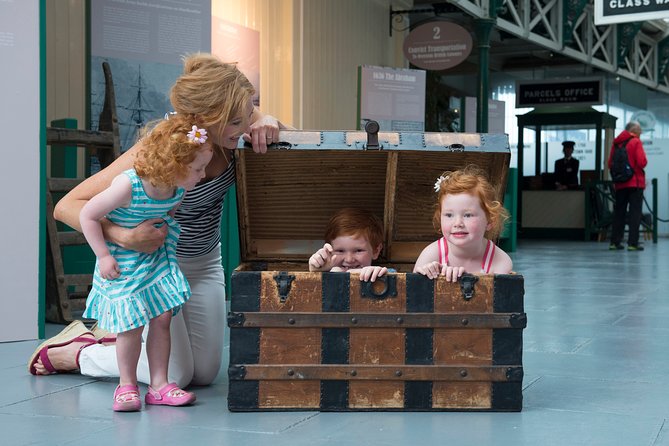
The most effective idea here is the personal emigrant trail. Being given a name to follow helps you imagine the process rather than simply observe it. You can track a person through departure, settlement, and the wider events that shaped the journey.
That approach is particularly meaningful for anyone with an Irish family connection. One visitor connected the visit with a great-grandmother who left in the 1890s. Another had a grandfather who departed from Cobh for America. The museum cannot reconstruct every family story, but it can give those memories a physical setting.
A genealogy service is available inside, and access to Ancestry.com is mentioned as part of the centre’s resources. This can make the visit more useful if you arrive with names, dates, or family documents.
You should keep expectations practical. The genealogy consultant may not always be at the desk, and an appointment cannot be assumed. If family research is your main reason for visiting, treat the genealogy service as an added resource rather than the only reason to buy admission.
The museum is strongest when you combine its general history with your own research. Even a surname or approximate date can make the displays feel less distant. If you know nothing about your Irish ancestry, the exhibits still work as a clear introduction to the forces that shaped emigration.
Timing, access, and the value of the ticket
Admission is listed at about $18.15 per person. For a museum visit of 60 to 100 minutes, that is a reasonable price if you take time with the displays and make use of the interactive sections. It becomes better value if you are interested in genealogy, Irish emigration, or the port’s links with the Titanic and Lusitania.
The ticket includes skip-the-line entry. That can be useful on busy days, especially when cruise ships bring many people into Cobh at once. Still, do not assume the benefit will always be dramatic. One visit had no queue, and the entry flow appeared similar for advance ticket holders and people buying at the centre.
The museum is open daily from 9:30 a.m. to 4 p.m. for the stated 2026 operating period, from September 1 through December 30. Check the opening details for your date before setting out, especially if your visit depends on a tight cruise or train schedule.
The location is one of the centre’s strongest practical advantages. It is very close to the cruise landing area, with one account placing it less than 200 yards away. If you arrive by train from Cork, the journey takes about 25 minutes, followed by a walk of roughly four minutes from Cobh station.
That makes the museum easy to fit into a short stay. You can visit the centre, walk through Cobh, and continue to the nearby Titanic attraction without needing a car. The activity ends where it begins, at Deepwater Quay.
The cafe, shop, and useful extras
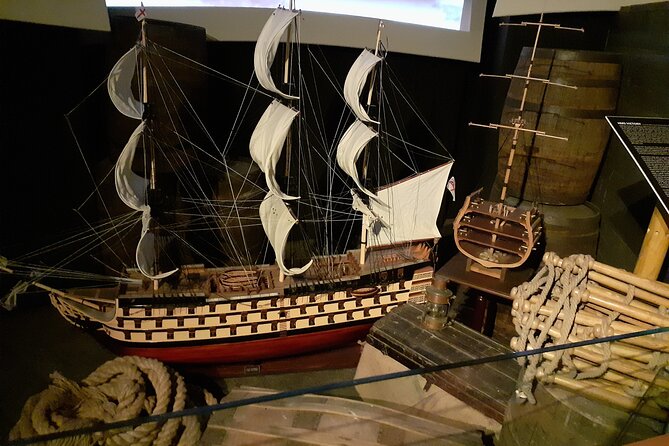
The cafe is positioned conveniently for a break before or after the museum. Scones with cream and jam, coffee, and tea are specifically available. That matters if you are building a short Cobh visit around the centre and do not want to search for a separate place to sit.
The gift shop adds another reason to allow a little extra time. It offers a natural stopping point after the exhibition, especially if you want a book or small reminder connected with Irish history or family heritage.
Facilities are described as clean, including the bathrooms. Service animals are allowed, and the centre is near public transport. Most people can take part, though the experience depends on reading, watching, and moving through the exhibition at your own pace.
The maximum group size is listed as 40 people. Because the museum is self-guided, that number does not mean you will spend the whole visit in one group. It mainly gives you an idea of the potential scale at busy times.
Food and drinks are not included with admission, so budget separately for the cafe. That is not a major issue, since the stop is optional and the centre sits close to other places in Cobh.
Who will get the most from this visit
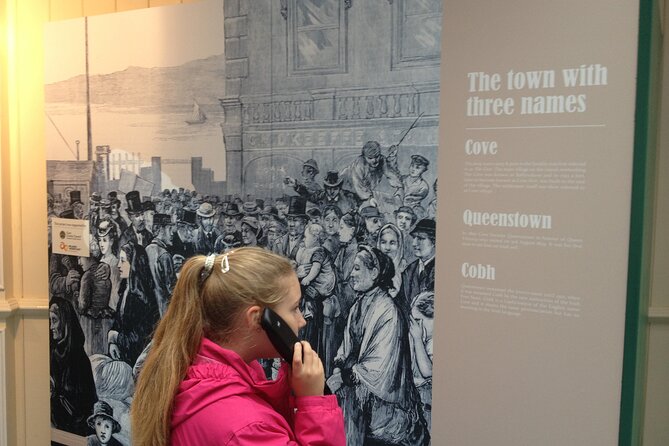
I would recommend the Queenstown Story most strongly to people with Irish ancestry, anyone interested in migration, and cruise passengers looking for a meaningful nearby activity. It also suits visitors who want more context before seeing Cobh’s Titanic attraction.
Families can use the personal emigrant trail and interactive features to keep younger visitors involved, though the amount of reading may not suit every child. The Morse code activity offers a welcome change of pace from the text panels.
This is less ideal if you want a lively guided tour or a highly focused Titanic attraction. You will need to read and listen at your own speed, and you may have unanswered questions unless a staff member is available.
The centre also works well for a rainy day or a short gap between transport connections. Its location, cafe, and flexible timing mean you can spend an hour inside or stay closer to two hours without needing a full-day plan.
Should you book the Queenstown Story?
Book it if you want to understand Cobh beyond the Titanic. The strongest parts are the chronological story of Irish emigration, the personal emigrant trail, the Great Famine displays, and the easy location beside the cruise pier and train station.
It is also a good choice if your family left Ireland. Bring any names or dates you have, but do not depend on the genealogy desk being staffed during your visit.
You can skip it if you only want a guided walking tour or a narrowly focused ship exhibit. For most people spending time in Cobh, though, the price is fair, the visit is easy to fit into a day, and the story gives real weight to the town’s harbour.
Free cancellation is available up to 24 hours before the start time. After that cutoff, refunds are not provided, and changes are not accepted.
FAQ
How long does the Queenstown Story visit take?
The stated duration is about one to two hours. The main tour takes about one hour, while many people may prefer 90 to 100 minutes to read the displays and use the interactive sections.
Where does the experience begin and end?
It begins and ends at The Queenstown Story at Cobh Heritage Centre, Deepwater Quay, Ringmeen, Cobh, County Cork, P24 CY67, Ireland.
Is the tour guided?
The museum visit is self-guided, with written displays, audio, films, and interactive features. The experience information also lists a driver or guide, but the exhibition itself is designed for independent touring.
Is the centre close to public transportation?
Yes. It is about a four-minute walk from Cobh railway station, and the train journey from Cork City takes about 25 minutes. It is also close to the cruise landing area.
Are food and drinks included?
No. Food and drinks are not included in admission, but the centre has a cafe serving items such as scones, cream, jam, coffee, and tea.
Can I cancel for a full refund?
Yes, if you cancel at least 24 hours before the experience start time. Cancellations made less than 24 hours before the start time are not refunded, and changes within that period are not accepted.
Just added around Ireland
- Visit 16 Sites Key Historical Sites And Experience Cobh Rebel Tours★ 5.0 · 167 reviews
- Galway: Dark History Guided City Walking Tour★ 4.8 · 236 reviews
- Kilkenny: Historical Highlights Walking Tour★ 4.9 · 90 reviews
- Kilkenny: Historical and Hysterical Guided City Walking Tour★ 5.0 · 126 reviews
- Dublin: Macabre History Walking Tour★ 4.9 · 95 reviews
- Dublin: LGBT Pride Walking Tour with Queer History★ 5.0 · 24 reviews
- Wicklow Historic Gaol: 1-Hour Tour★ 4.4 · 56 reviews
- Cork: Guided Historical Walking Tour★ 4.7 · 310 reviews
Ireland History Tours, compared.

Dublin Historical Centre Food Tour with 8 Food Tastings & Drinks
Read our review →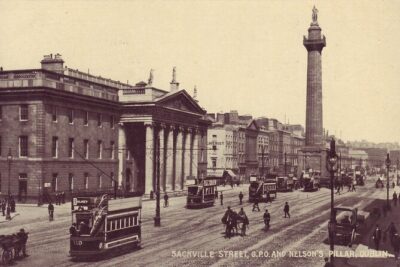
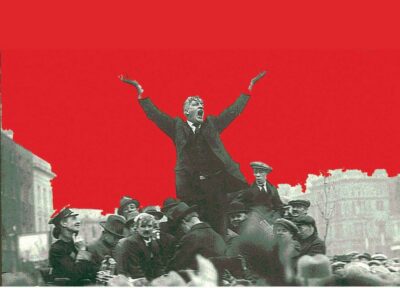
Historical 2-Hour Guided Walking Tour of Dublin
Read our review →
Celtic Boyne Valley & Ancient Sites Day Tour From Dublin
Read our review →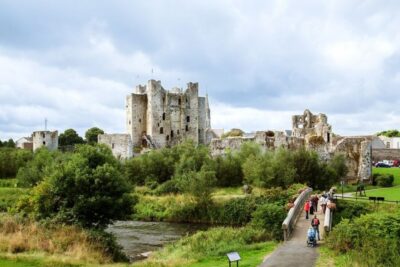
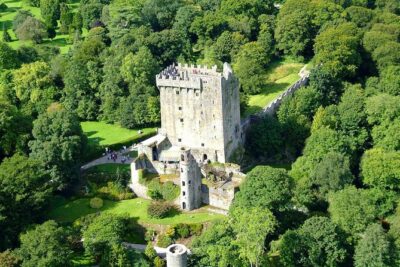
Dublin to Cork, Blarney Castle & Cóbh Heritage Centre by train
Read our review →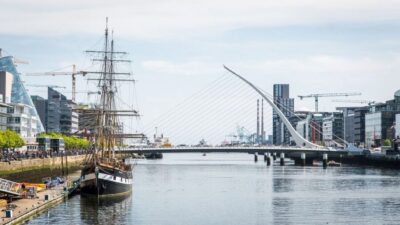
Jeanie Johnston Tall Ship Irish Famine History Tour
Read our review →
Browse the lists this tour appears in