Review · CEBU
The Original Cebu City Historical and Food Walking Tour
Cebu’s best stories are found on foot. This four-hour afternoon tour links major landmarks with local food stops, a jeepney ride, and busy streets that many beach-bound visitors never see. I like the mix of Cebu history and street food, and I like having a guide such as Kyle, Lorelei, Philip, or Necian explain the city as you move through it. The main drawback is value: at $69.99, the tour can feel expensive if your group moves quickly or some listed sights are closed.
You begin at Ayala Terraces at 4:00 pm and finish near Freedom Park in Carbon. The route includes admission to the listed attractions, but hotel transport home is not included, and public transportation is part of the experience rather than a backup plan. Come ready to walk, eat unfamiliar food, and handle a four-hour outing that may be shorter if the group moves fast.
Key points at a glance
- A six-stop history route: See the Heritage of Cebu Monument, Yap-Sandiego Ancestral House, Santo Niño Basilica, Carbon Market, Magellan’s Cross, and Cebu Metropolitan Cathedral.
- Street food with a local guide: Expect several tasting stops, with possible favorites including lechon, balut, tuslob buwa, and other Filipino snacks.
- Jeepney travel may be included: The public ride gives you a practical look at daily Cebu life, though it will not suit anyone seeking private transport.
- A 4:00 pm start: The late afternoon timing brings cooler walking conditions and leads into the city’s evening food activity.
- Small enough to feel social: The maximum group size is 20, and solo visitors have found the format comfortable and reassuring.
- Plan your way back: The tour ends at Freedom Park in Carbon, not at your hotel.
Why this tour works for a first evening in Cebu
Cebu City is easy to underestimate. Many visitors use it only as a landing point for beaches, island trips, and resort areas. This tour makes the city itself the destination for one afternoon and evening, using food and old buildings to give you a sense of place.
I like this approach because the history is not separated from daily life. You see churches and monuments, then walk through a market or stop for food. A jeepney ride may connect parts of the route, giving you a small but useful lesson in how people get around Cebu.
The guide matters here. Past guides named Kyle, Lorelei, Lor, Philip, and Necian have been praised for being friendly, patient, conversational, and good at explaining local customs. Kyle, in particular, is repeatedly described as helpful with food choices and city navigation, while Lorelei is praised for her enthusiasm for Cebu street food.
The experience is capped at 20 people, so it is not a private tour, but it should be more personal than a large bus outing. If the group is small, you may get plenty of time for questions. One booking even worked out as a private-feeling outing because only two people attended.
More History Walking Tours in the world:
- History and Hauntings of Salem Guided Walking Tour
★ 5.0 · 14,564 reviews - Lisbon: History, Stories and Lifestyle Walking Tour
★ 4.8 · 10,902 reviews - Boston: Freedom Trail History Small Group Walking Tour
★ 5.0 · 6,450 reviews
Starting at the Heritage of Cebu Monument
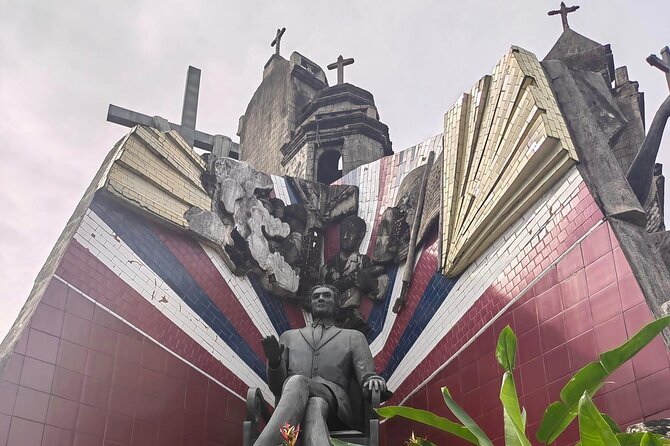
The first major stop is the Heritage of Cebu Monument, a large sculptural tableau showing important scenes from Cebu and Philippine history. Its subjects include the Battle of Mactan, the inauguration of Sergio Osmeña as president, and the canonization of Pedro Calungsod.
You get about 30 minutes here, enough to look closely and hear the basic story behind the figures. This is a useful opening because it gives your guide a visual way to explain how Cebu fits into the larger story of the Philippines.
The monument is more of an outdoor history lesson than a quiet museum visit. If you want long explanations or time for careful photography, 30 minutes may feel brief. Still, it gets the tour moving and gives you context before the older houses and churches appear.
Stepping inside Yap-Sandiego Ancestral House
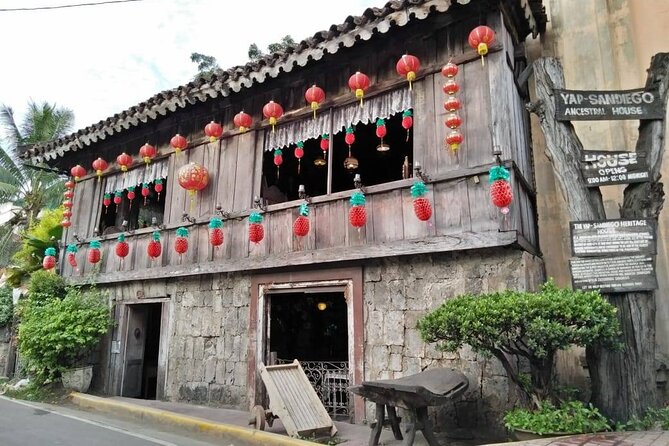
The Yap-Sandiego Ancestral House offers a change of mood. Built around 1680 from wood and coral stone, it reflects Spanish and Chinese influences and is considered one of the oldest residential homes in the Philippines.
The house is atmospheric rather than polished in a modern museum style. Its age, materials, and furnishings help you picture how Cebu’s early urban families lived. The coral stone construction is especially useful to see after hearing about the city’s colonial period in more general terms.
Admission is included, and this is one of the stops where going inside matters. One practical point is that the experience at the religious buildings can vary, particularly on a busy Sunday. You may enter the ancestral house while only viewing the cathedrals from outside, depending on services, crowds, or access that day.
Santo Niño Basilica and Cebu’s Catholic story
The Basilica Minore del Santo Niño de Cebu, usually called the Santo Niño Basilica, was founded in 1565 by Fray Andrés de Urdaneta. It is one of Cebu’s most important religious sites and sits close to several other key landmarks.
The basilica gives the tour a chance to explain the arrival and growth of Christianity in Cebu. The visit is also a reminder that these places are active churches, not simply sightseeing stops. Dress and behavior should be respectful, and access inside may be limited during services or crowded periods.
The listed stop allows roughly 30 minutes, but that does not guarantee an extended interior visit. If entering the basilica is central to your plans, ask the guide what access is possible on your date. The value here comes partly from seeing the site and partly from understanding its place in Cebu’s public and religious life.
More Food Tours in the world:
- Amsterdam Food and Cultural Tour with Tastings
★ 5.0 · 4,315 reviews - Barcelona: Tapas Walking Tour with Food, Wine, and History
★ 4.8 · 4,261 reviews - Sevilla Food Tour: Tapas, Wine, History & Traditions
★ 5.0 · 3,468 reviews - Madrid Tapas & Taverns Small Group Food & History Tour
★ 5.0 · 2,664 reviews
Magellan’s Cross beside Plaza Sugbo
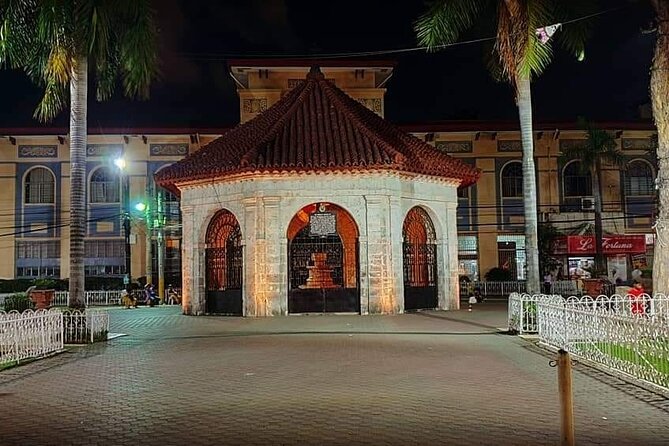
Magellan’s Cross is housed in a small stone pavilion beside the Santo Niño Basilica at Plaza Sugbo. The cross is associated with the arrival of the explorers led by Ferdinand Magellan and the early Christian history of the Philippines.
This is a compact stop, so do not expect a long visit. It works best when your guide explains the connection between the cross, the basilica, and Cebu’s place in the first Spanish contact period.
Because it is close to the basilica, this part of the route efficiently groups several major sights together. The tradeoff is that the area can feel crowded and heavily visited. The guide helps by pointing out what you are seeing and keeping the stop connected to the larger story.
Cebu Metropolitan Cathedral and the city’s changing fortunes
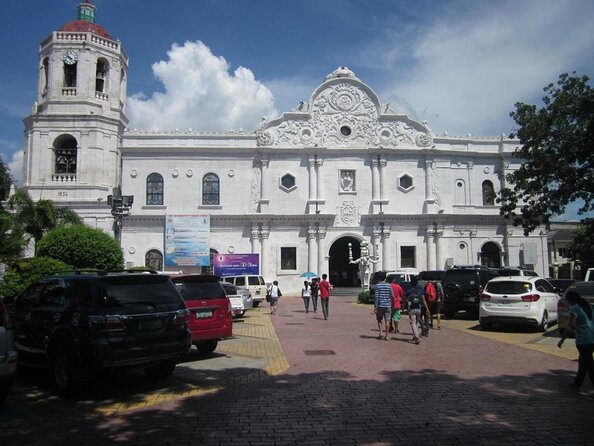
The Cebu Metropolitan Cathedral, formally dedicated to Saint Vitalis and the Immaculate Conception, adds another layer to the religious history of the city. Much of the building was destroyed during World War II and later restored.
This stop is valuable because it shows that Cebu’s history is not a straight line from old colonial buildings to modern city life. War, rebuilding, religion, and urban change all appear in a small area.
Again, the practical issue is access. You may see the cathedral from the outside rather than go inside, especially when the building is crowded or services are taking place. The tour still provides context, but the exact balance between viewing and entering can change.
Carbon Market: the most local-feeling section
Carbon Market is likely to be the most lively and least polished part of the route. The name comes from carbón, the Spanish word for coal, and is linked to a former coal depot near the old Cebu Railway.
This is where the tour shifts from formal sights to ordinary commerce. You may see produce, prepared food, vendors, shoppers, and the working rhythm of central Cebu. I consider this one of the strongest reasons to book with a guide, since a first-time visitor may not know where to walk, what to try, or how to read the scene.
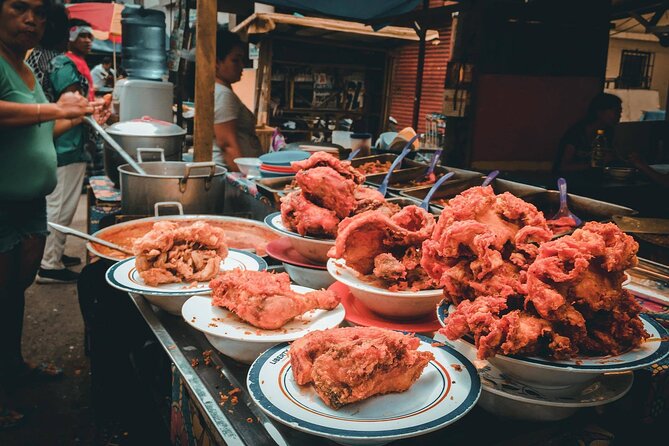
Food is a major part of the Carbon Market section. Possible tastes include local street dishes and snacks, with food experiences associated with lechon, balut, tuslob buwa, and other unfamiliar Filipino specialties. The exact offerings can change, and the tour’s food component is best understood as a guided introduction rather than a restaurant meal.
The market can also be affected by holidays and closing days. If Carbon Market is quiet or partly closed, you may feel that the tour offers less than expected. This is one reason to keep your expectations flexible.
Eating Cebu one small portion at a time
The food is designed for curiosity, not cautious familiarity. The guide may invite you to taste first and explain the dish afterward, a playful method that can make unusual food less intimidating.
You might encounter lechon, which has been singled out as a favorite, or balut, a well-known Filipino food that some people will want to try and others will prefer to skip. Tuslob buwa, mentioned as part of the street experience, offers another taste of Cebu food culture. Durian may also appear around a night-market setting, though you should not assume every item is served on every date.
The tour provider describes three food stops, while some past outings included food at four places. That difference suggests the number and type of tastings can vary with timing, market conditions, and the pace of the group.
I would not book this expecting a polished food crawl with carefully portioned dishes. The food is local, direct, and sometimes challenging. One of the strengths is that you can try things you might not order alone. One of the weaknesses is that local street food will not suit every palate, and a few people found some dishes ordinary.
Vegetarians should ask about the menu before booking. The available information emphasizes local meat and street-food specialties, and no dedicated vegetarian plan is described.
Riding a jeepney through Cebu
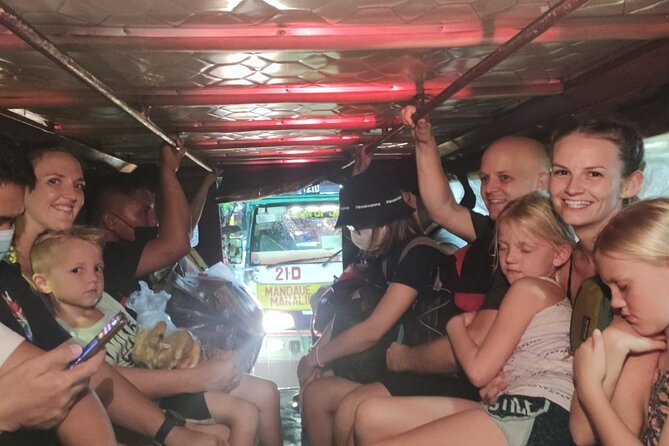
A jeepney ride may be one of the most memorable parts of the afternoon. The route has included public transportation between stops, giving you a practical look at how residents move through the city.
This is not a luxury transfer. You may need to board and move with the group, and the vehicle will not offer the privacy or predictability of a private car. In return, you get a small slice of everyday Cebu that a sightseeing van cannot provide.
The jeepney segment also helps explain the city beyond monuments. You see how transport, markets, churches, and neighborhood streets fit together. If you have never used a jeepney, this guided introduction can make the experience much less confusing.
Do not assume the tour includes a ride back to your hotel. The listed endpoint is Freedom Park in Carbon, and you are responsible for arranging the onward journey. A ride-hailing service may be needed, so keep your phone charged and leave room in your budget.
Timing, pace, and what four hours really means
The advertised duration is about four hours, but the actual time can depend on how quickly the group moves. Some outings have finished closer to two and a half hours when the route was covered quickly.
That matters at $69.99. The price makes more sense when you receive the full combination of guiding, admissions, food tastings, city orientation, and public transport. It feels less attractive if you miss a museum-style visit, skip a food stop, or finish far earlier than expected.
The 4:00 pm start is a smart choice for Cebu’s heat. It also lets the route move from historical sightseeing into the city’s evening food activity. Rain is possible, and the tour requires good weather, so the operator may offer another date or a full refund if weather causes cancellation.
Arrive on time. One late arrival resulted in a missed museum portion, and that changed the visitor’s view of the value. Traffic in Cebu can be serious, so allow extra time to reach Ayala Terraces at Biliran Road.
Who will enjoy this Cebu experience
I would recommend this tour to a first-time Cebu visitor with only one free evening. It gives you a useful overview without requiring you to plan the route, research admission details, or decide which street food is safe to try.
It also suits solo visitors. The group format provides company, and the guides have been praised for helping solo women feel comfortable while moving through unfamiliar parts of the city.
Food lovers with an adventurous streak will get the most from it. You need not eat every item, but you should be open to trying local dishes and asking questions.
I would be more cautious if you want a private vehicle, a slow museum visit, a carefully controlled menu, or a guaranteed four-hour schedule. People who dislike public transport, heat, crowds, or unpredictable street food may find the experience tiring.
The tour can include up to 20 people, so the guide’s attention may vary. If you want a specific guide, names such as Kyle, Lorelei, Lor, Philip, or Necian have been associated with strong experiences, but guide assignment is not guaranteed.
Should you book it?
Book it if you want a quick, guided introduction to Cebu City that combines churches, old houses, markets, local transport, and unfamiliar food. The strongest value is the connection between the stops: you are not just looking at monuments, you are seeing how historic Cebu sits beside working markets and everyday city life.
Think twice if the $69.99 price stretches your budget or if you expect every listed sight to be open and every food stop to suit your taste. Arrive early, wear comfortable shoes, carry water, keep your plans flexible, and budget for the ride home.
FAQ
Where does the tour start?
It starts at Ayala Terraces, 8W94+H97, Biliran Road, Cebu City.
What time does the tour begin?
The scheduled start time is 4:00 pm.
Where does the tour finish?
It ends at Freedom Park in Carbon, Cebu City.
Is transportation back to my hotel included?
No. The tour ends at Freedom Park, and you need to arrange your own transportation afterward.
How long does the tour last?
The listed duration is approximately four hours, though the actual length can depend on how quickly the group moves between stops.
What attractions are included?
The route includes the Heritage of Cebu Monument, Yap-Sandiego Ancestral House, Basilica Minore del Santo Niño de Cebu, Carbon Market, Magellan’s Cross, and Cebu Metropolitan Cathedral.
Are entrance tickets included?
Admission is listed as included for the scheduled stops.
Is food included?
The tour includes food stops, with the provider describing three food stops. The exact dishes and number of tastings may vary.
Is a jeepney ride included?
Past versions of the route have included a jeepney ride or other public transportation between stops. Ask for confirmation if this is important to you.
What happens if bad weather cancels the tour?
If poor weather causes cancellation, you are offered another date or a full refund. The same options apply if the minimum number of participants is not reached.
Just added around the world
- Chania: Hiking through History and Hidden Gems at Katholiko Bay★ 4.0 · 19 reviews
- Heritage Pass★ 5.0 · 154 reviews
- Full Day Sukhothai Historical Park Tour★ 5.0 · 96 reviews
- Private Danang City and Hoi An Ancient Town from Cruise Port★ 5.0 · 18 reviews
- Full-Day Historical Park and Countryside Tour in Sukhothai★ 5.0 · 27 reviews
- BEST OF CEBU: Cebu City Heritage with Uphill Tour | Joiners★ 4.5 · 22 reviews
- Full Day Cycling tour to Sukhothai Historical Park★ 5.0 · 163 reviews
- Guided Cultural Tour of the Godfather Film in Messina★ 5.0 · 31 reviews
History Walking Tours, compared.
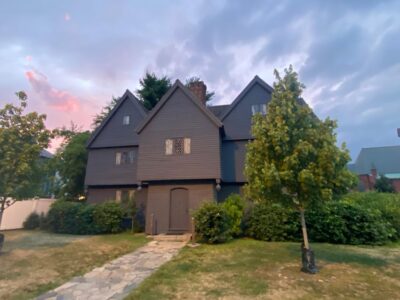
History and Hauntings of Salem Guided Walking Tour
Read our review →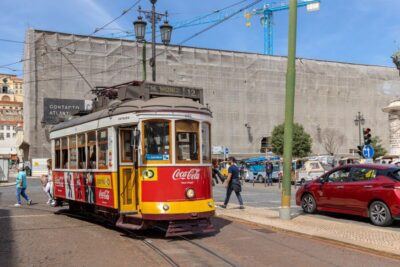
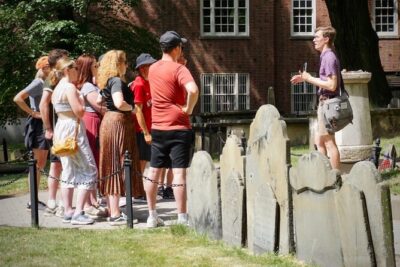
Freedom Trail History Small Group Walking Tour
Read our review →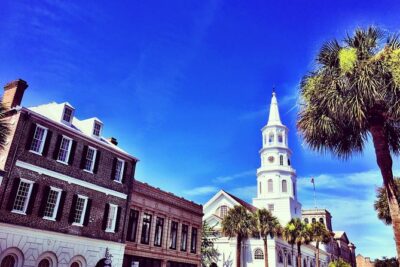
Historic Charleston Guided Sightseeing Walking Tour
Read our review →
Tapas Walking Tour with Food, Wine, and History
Read our review →
Savannah History and Haunts Candlelit Ghost Walking Tour
Read our review →