Review · BIRMINGHAM
Experience Birmingham – The Historic Highlights
Birmingham’s story is never just one story. This 3 to 4 hour tour connects steel-era ambition, Victorian streets, Southern memory, baseball, food, and the Civil Rights Movement in one compact ride. I like the small group of no more than three people and the chance to cover far more ground than you could on foot.
I also like the mix of major sights and odd local details, from the world’s largest cast-iron statue to peanuts roasted in a historic building. The main drawback is the vehicle: past riders found it less comfortable than expected, with one reporting pet hair and an odor, so anyone sensitive to cramped or imperfect transport should ask about the vehicle before booking.
Key points to know before booking
- The tour covers six major stops, including Vulcan Park, Arlington Antebellum Home, and 16th Street Baptist Church.
- A maximum of three people allows the guide to adjust the pace and subject matter to your interests.
- Birmingham’s difficult past is addressed directly, especially at 16th Street Baptist Church and the Civil Rights district.
- Air-conditioned transport, snacks, and bottled water make the long route easier in warm weather.
- Pickup is available from downtown hotels and bed-and-breakfasts, while the listed meeting point is Vulcan Park and Museum.
- The tour includes both admission sites, but the old ballpark stop is currently closed to visitors during renovations.
Why this tour gives you a useful first look at Birmingham
Birmingham can be hard to understand from a single downtown walk. Its important places are spread across the city, and the story shifts quickly from industrial growth to Victorian commerce, from plantation history to civil rights, and from baseball to the modern food scene.
This tour works because you ride between those areas in an air-conditioned vehicle instead of spending your limited time walking from one disconnected site to another. You get a broad first look, then you can decide which places deserve a longer visit later.
The listed price is $100 per person. That is not bargain sightseeing, but the value improves if you want a private-feeling experience without paying for a fully private tour. With a maximum of three people, you are not being moved through the city in a large group. The guide can answer questions, adjust the focus, and spend more time on subjects that matter to you.
Past bookings also suggest that the guide, David, is a major part of the experience. He is described as friendly, flexible, enthusiastic, and exceptionally well informed about Birmingham. Several tours were adjusted to suit personal interests, and one anniversary outing was shaped around what the couple wanted to see.
That flexibility is useful, but I would be clear about your priorities at the start. If you want extra time at the Civil Rights sites, more architecture, or a lunch break, say so before the vehicle leaves.
A few more history tours around the USA worth a look
- History and Hauntings of Salem Guided Walking Tour
★ 5.0 · 14,564 reviews - Charleston’s Old South Carriage Historic Horse & Carriage Tour
★ 5.0 · 10,023 reviews - Beneath The Streets Underground History Tour
★ 4.5 · 8,006 reviews
Heaviest Corner reveals Birmingham’s early ambition
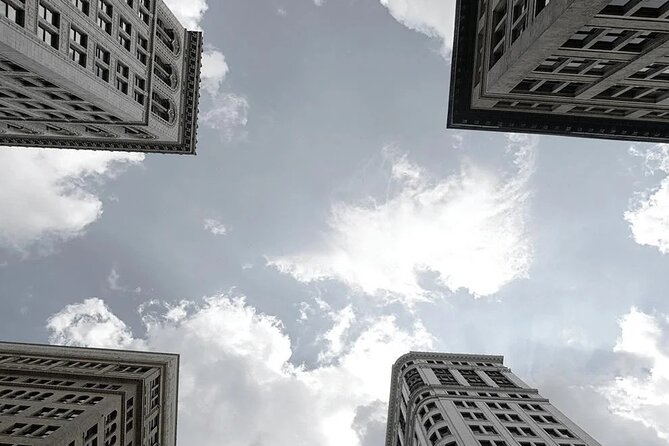
The first stop is the Heaviest Corner on Earth, at 20th Street and 1st Avenue North. The name comes from the early 20th century, when four of the South’s tallest buildings appeared around the same intersection.
The buildings include the 10-story Woodward Building from 1902, the 16-story Brown Marx Building from 1906, the 16-story Empire Building from 1909, and the 21-story American Trust and Savings Bank Building from 1912. The nickname was promotional, but it captured something real: Birmingham was announcing itself as a serious commercial city.
You get about 10 minutes here, with no admission charge. That is enough for an introduction and a look around, but not a long architectural study. The stop works best as a quick orientation to Birmingham’s growth before the tour moves into older streets and more personal stories.
If you enjoy city architecture, pay attention to the contrast between the grand commercial buildings and the later places on the route. The tour does not treat Birmingham as a collection of isolated monuments. It shows how the city changed as money, industry, neighborhoods, and public life shifted.
Morris Avenue brings out the city’s Victorian side
Morris Avenue is one of the most atmospheric stops. This preserved Victorian district has gaslights and cobblestones, giving you a sharp change of mood after the downtown towers.
The visit lasts about 20 minutes and costs nothing. That makes it an easy place to slow down, look at the buildings, and hear how Birmingham’s older commercial streets fit into the city’s story.
I like this stop because it adds texture to the tour. Birmingham is often introduced through steel, industry, and civil rights, all important subjects. Morris Avenue reminds you that it was also a city of storefronts, streetscapes, and everyday urban life.
The cobblestones may make walking less comfortable for some people, so wear shoes with a steady sole. You do not need a long walk here, but you should expect a short amount of walking at several stops.
Alabama Peanut Company adds a small local surprise
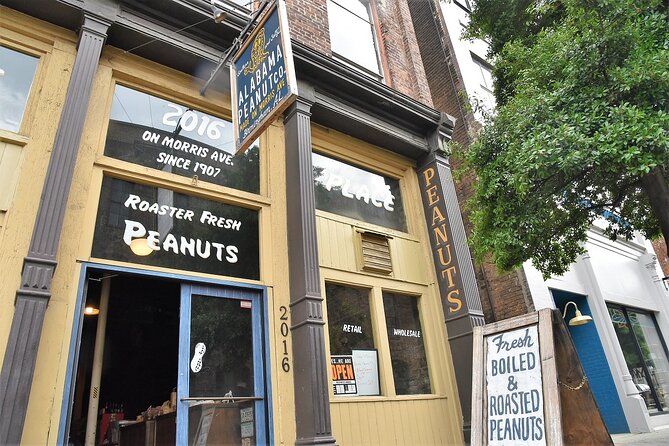
At the Alabama Peanut Company, you stop for about five minutes and pick up a bag of roasted peanuts. The peanuts are made in a historic building with a mysterious past, adding a bit of local character to the route.
This is a small stop, but it helps keep the experience from feeling like a string of formal monuments. Snacks and bottled water are also provided during the tour, so the peanut stop adds something specific to Birmingham rather than simply filling a break.
Do not expect a long tasting session or a full meal. Five minutes is enough to get the peanuts and hear the story. If you need lunch, bring it up early with the guide. One useful suggestion from past outings is to ask about a food break before departure, since the tour can run beyond the expected time and the route has a lot to cover.
Same place, a different slice of the past:
- Boston: Freedom Trail History Small Group Walking Tour
★ 5.0 · 6,450 reviews - Historic Charleston Guided Sightseeing Walking Tour
★ 5.0 · 6,216 reviews - Charleston Horse-Drawn Carriage Tour: Explore Historic Charleston
★ 5.0 · 3,561 reviews - Savannah History and Haunts Candlelit Ghost Walking Tour
★ 5.0 · 3,235 reviews
Food, public art, and Birmingham’s changing identity
The vehicle passes through an area described as the center of Birmingham’s food revolution. The guide discusses how the city is becoming a major food destination, giving you a look at the present-day city rather than stopping the clock in the past.
This part is brief, but it widens the tour’s scope. You are not only seeing old buildings and solemn memorials. You are also hearing about how Birmingham is trying to define itself now.
The route also includes an intriguing and controversial artwork. The information provided does not name the artwork, so you should treat this as a conversation stop rather than a guaranteed major attraction. Its value depends heavily on the guide’s explanation and your interest in public art, civic debate, and how a city presents itself.
Because this is a small-group tour, you can ask questions here instead of simply looking out the window. That is one of the clearest reasons to choose this experience over a large sightseeing bus.
Vulcan Park gives you the broadest view
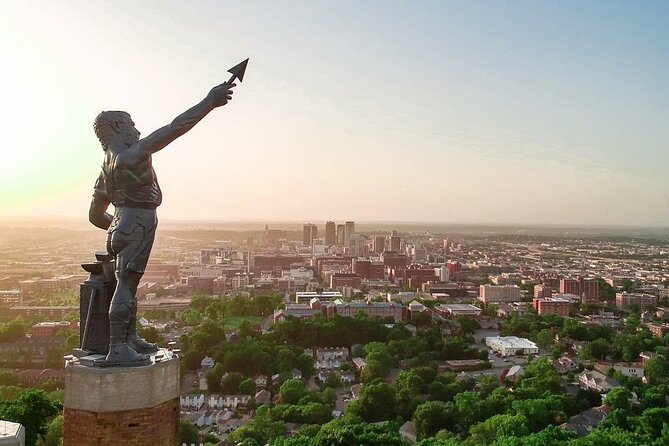
Vulcan Park and Museum is one of the main anchors of the outing. Here you see the world’s largest cast-iron statue, a huge figure that has become one of Birmingham’s best-known symbols.
You spend about 30 minutes at the park and museum, with admission included. The site also gives you a broad view over Birmingham, making it a useful place to understand the city’s spread and its industrial setting.
The tour description refers to the moon that never sets, an unusual local phrase that the guide explains as part of Birmingham’s story. This kind of detail is exactly where a good guide can make a short stop stick in your memory.
Vulcan is also the listed meeting point at 1701 Valley View Drive. If you are staying downtown, pickup is offered from a downtown hotel or bed-and-breakfast, but confirm the pickup arrangement when you book. If you are driving yourself, the tour ends back at the meeting point.
The stop includes some walking and standing. Most people with moderate physical fitness should manage it, but this is not a completely vehicle-based sightseeing ride. Bring comfortable shoes and plan for warm conditions if you visit during hot weather.
Arlington Antebellum Home asks you to face a painful past
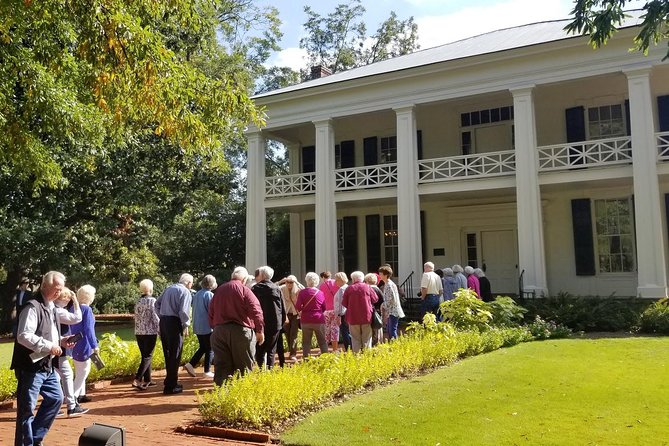
Arlington Antebellum Home and Gardens is described as Birmingham’s only remaining Southern plantation house. The tour allows about 45 minutes here, the longest scheduled stop.
That extra time matters. Arlington is not a quick photo stop. It asks you to look at the city before and around the Civil War, including the architecture, grounds, and social system connected with a plantation home.
The word antebellum can sometimes make a site sound genteel and distant. A responsible visit needs to keep the setting connected to the people who lived and worked there, not just the house’s appearance. The tour’s wider focus on Birmingham’s difficult past suggests that this stop is meant to be part of that honest conversation.
Admission is included. Expect more walking and standing here than at the downtown stops, especially if you spend time in the gardens. If historic houses are a priority, this is one of the strongest reasons to book the tour.
The old ballpark connects baseball with segregation
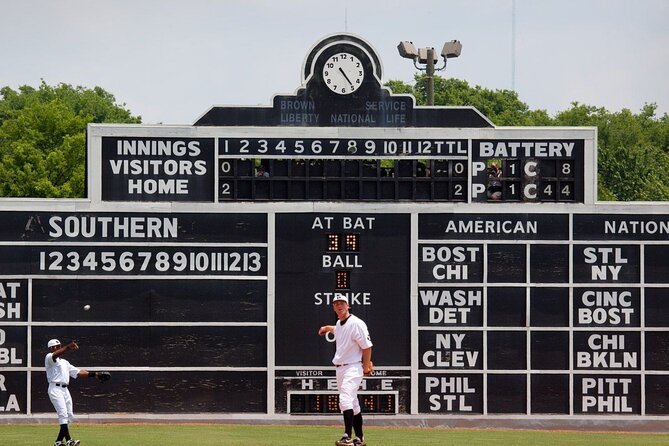
The route passes the oldest ballpark in America, a place linked with both White and Negro League teams. It has also been used as a location for several films.
At present, the ballpark is undergoing renovations for a major league game in 2024 and is closed to visitors. That means you should not book this tour expecting an interior visit or a museum-style stop there.
Even so, the location matters. Baseball history in Birmingham cannot be separated from the racial divisions that shaped American life. The ballpark gives the guide another way to connect sport, public space, segregation, and civic identity.
Because the stop is currently a pass-by, its value will depend on what you want from the tour. It is an added point of context, not one of the main included admissions.
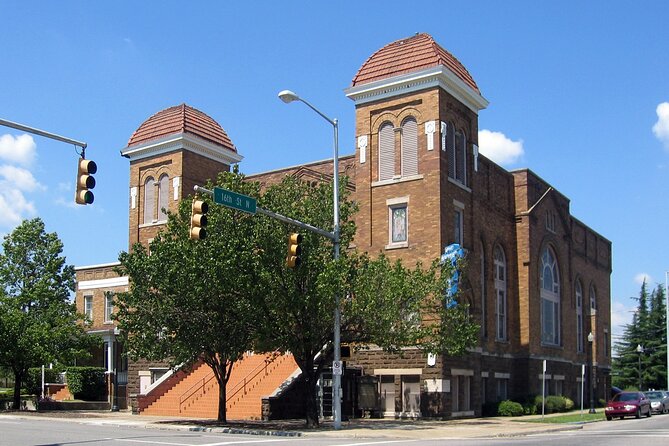
16th Street Baptist Church is the emotional center
The 16th Street Baptist Church is the most solemn stop on the route. It is the site of the 1963 bombing that killed four children and helped push the United States toward the Civil Rights Act of 1964.
You spend about 30 minutes here, with admission included. That is enough time to take in the place, hear the story, and understand why Birmingham became such a central setting in the Civil Rights Movement.
The tour also passes through the surrounding area, identified as the center of the struggle that defined Birmingham in the 1960s and continues to shape the city today. This is not treated as a closed chapter. The route connects past events with questions that still matter.
I would not plan this stop as a casual photo opportunity. Give yourself room to listen and reflect. The subject is painful, and the importance of the church comes from the lives lost and the national consequences that followed, not from sightseeing value alone.
Kelly Ingram Park is also highlighted as a memorable part of the central Birmingham experience, along with the Negro League Players Museum. The supplied schedule does not list either as a formal admission stop, so ask David if you especially want more time in that area. The small group makes that question worthwhile.
Timing, transport, and comfort
The tour begins at 10:00 a.m. and lasts about 3 to 4 hours, though some outings have started a little early or run well beyond the scheduled ending. That extra time can be generous, especially if you are enjoying the discussion, but do not schedule a tight lunch reservation immediately afterward.
The air-conditioned vehicle is a practical advantage in Birmingham’s heat. You will cover downtown, historic districts, parks, residential areas, and civil rights sites without losing energy between stops.
Comfort is the main practical concern. One person found the van less comfortable for older people, and another reported a dirty interior, pet hair, and an odor. The company has considered moving to a larger bus-style vehicle, but you should confirm the current vehicle if comfort or pet allergies are important to you.
The tour requires a moderate level of physical fitness. You will not be walking continuously, but you should be able to get in and out of the vehicle and manage short visits at historic properties, parks, and city sites.
Service animals are allowed. The activity is offered in English, and mobile tickets make check-in simple.
Who will get the most from this $100 tour
I would recommend this tour to a first-time Birmingham visitor who wants a strong overview in half a day. It suits solo visitors, couples, and small groups who prefer conversation and flexibility over a fixed large-bus route.
It is especially useful if you have limited time in town. You will see the city’s major themes in one outing: commercial growth, Victorian architecture, food, public art, industrial identity, plantation history, baseball, and civil rights.
History-minded visitors will get the most from the route, but you do not need to be an expert. The guide’s role is to connect the places and explain why they matter. Past experiences with David suggest that his personal stories and direct answers are a major part of the appeal.
I would hesitate if you want a polished luxury vehicle, a full meal, or a slow visit at every site. You should also think twice if a 3 to 4 hour schedule feels too long for you, since the tour may run over. And if your main goal is the old ballpark, remember that it is currently closed to visitors.
Free cancellation is available up to 24 hours before the start time. Cancellations made inside that window are not refunded, and poor weather can lead to a different date or a full refund.
Should you book Experience Birmingham?
Book it if you want Birmingham explained through places rather than reduced to a list of attractions. The strongest parts are the very small group, the flexible guide, Vulcan’s city view, Arlington’s longer visit, and the serious treatment of 16th Street Baptist Church.
Before paying, confirm your pickup point and ask about the current vehicle. Then tell the guide your priorities, especially if you want extra time at the Civil Rights sites, the Negro League Players Museum, or a food stop.
For $100, this is a fair choice for a first visit, especially when two admissions, transport, snacks, and bottled water are included. It is less compelling for someone who wants only a quick downtown walk or a highly polished coach ride. For most curious first-time visitors, though, it offers a thoughtful and efficient way to get your bearings in Birmingham.
FAQ
How long is Experience Birmingham: The Historic Highlights?
The tour lasts approximately 3 to 4 hours. Some outings may begin slightly early or continue beyond the expected end time.
Where does the tour start?
The listed meeting point is Vulcan Park and Museum at 1701 Valley View Drive, Birmingham, Alabama 35209. Pickup is also offered from downtown Birmingham hotels and bed-and-breakfasts.
What time does the tour begin?
The scheduled start time is 10:00 a.m.
How many people can join the tour?
The tour has a maximum of three travelers, making it a very small-group experience.
Is admission included at the attractions?
Admission is included at Vulcan Park and Museum, Arlington Antebellum Home and Gardens, and 16th Street Baptist Church. The Heaviest Corner on Earth, Morris Avenue, and the Alabama Peanut Company stops do not require an admission ticket.
Can I cancel for a full refund?
Yes. You can cancel for a full refund up to 24 hours before the experience starts. Cancellations or changes made less than 24 hours before the start time are not accepted for a refund.
Just added around the USA
- Walking Tour: Civil Rights History -The Church, Children & Community★ 5.0 · 21 reviews
- The Sacred Ground of 1963: Birmingham’s Civil Rights Struggle★ 4.5 · 40 reviews
- Kona Tour: Bee Farm, Kona Coffee, and National Historical Parks★ 4.5 · 78 reviews
- Kona Shore Excursion: Sea Turtles, Historic Kona & Coffee★ 4.5 · 324 reviews
- Cruise Ship Shore Excursion of Historic Kona★ 4.0 · 33 reviews
- Kailua-Kona Haunted History Walking Ghost Tour★ 4.5 · 27 reviews
- Historic Hilo Bay and Coconut Island Guided Kayak Adventure★ 4.5 · 28 reviews
- Historic Bar Harbor Self-Guided Walking Audio Tour Guide★ 4.5 · 38 reviews
USA History Tours, compared.
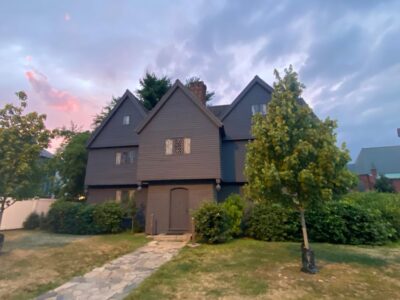
History and Hauntings of Salem Guided Walking Tour
Read our review →
Charleston’s Old South Carriage Historic Horse & Carriage Tour
Read our review →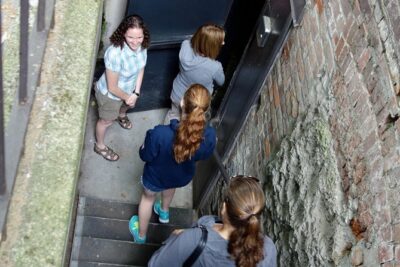
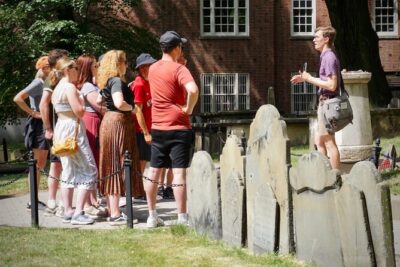
Freedom Trail History Small Group Walking Tour
Read our review →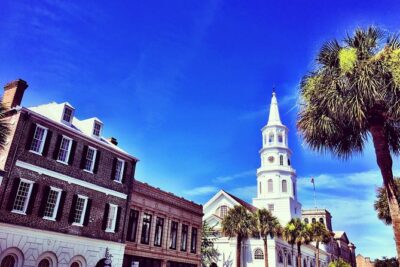
Historic Charleston Guided Sightseeing Walking Tour
Read our review →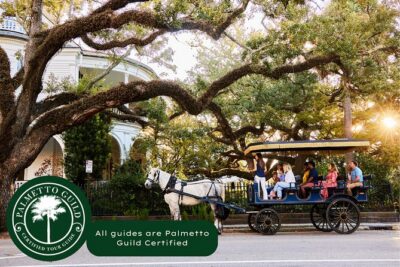
Charleston Horse-Drawn Carriage Tour: Explore Historic Charleston
Read our review →
Savannah History and Haunts Candlelit Ghost Walking Tour
Read our review →