
Review · ATHENS
Acropolis of Athens Historical Tour For History Enthusiasts
Ancient stones tell better stories with context. This Athens tour connects the Acropolis to the origins of civilization, then brings the story to life through theatre, mythology, politics, engineering, and philosophy. I especially like the historian or archaeologist guide and the use of personal headsets, which help you follow the commentary even when the hill is crowded. I also like the route’s steady progress from the South Slope to the Parthenon, rather than rushing straight to the most famous monument.
The main consideration is the pace and subject matter. At nearly three hours, this is not a quick photo stop. You will spend much of the visit listening, asking questions, and thinking about how ancient Athens shaped the modern world. That is excellent for a history-minded visitor, but less suitable if you mainly want a short look at the ruins.
Key points to know before you book
- The tour begins with human civilization: Your guide sets ancient Greece within a much larger story, reaching back to the development of human societies.
- The Theatre of Dionysus comes early: You visit the place associated with the birth of theatre, including the tragedies and comedies of Sophocles, Euripides, and Aeschylus.
- Harris is a major strength: His style combines history, mythology, philosophy, humor, questions, and practical help with photos.
- The Parthenon comes last: The route builds toward the Acropolis’s best-known monument rather than using it as a rushed opening stop.
- Headsets improve the experience: Each person receives an earset receiver, so you can hear the guide while moving through a busy archaeological site.
- The group is capped at 25 people: That is still a proper group, but small enough to make questions and conversation possible.
Why this Acropolis tour is different
Many Acropolis visits give you impressive ruins without much explanation. You see columns, gates, temples, and marble fragments, then move on. This experience takes a different approach. It asks you to understand what Athens contributed to human civilization and why those ideas still matter.
The opening lesson on civilization is especially useful. Instead of treating ancient Greece as an isolated chapter, your guide places it within the long development of human societies. That wider frame helps explain why Athens became so influential in politics, theatre, philosophy, art, and public life.
The guides are described as historians or archaeologists, and the strongest guide repeatedly praised by name is Harris, also referred to as Haralampos. His style is not limited to dates and construction details. He uses stories, mythology, engineering explanations, questions, and humor to keep the group involved.
That approach suits you if you want more than a list of facts. Harris has been praised for explaining the political changes of Greece through the centuries, the ways Athens was invaded and rebuilt, and the ideas ancient structures may have been meant to pass from one generation to the next.
The experience also works well for mixed groups. Children have been kept involved with quizzes and stories, while adults can ask about philosophy, mythology, theatre, and the technical design of the monuments. The guide has also been praised for adjusting the discussion when someone shows a particular interest, such as ancient religion or theatre.
More Ancient History Tours in Athens
- Athens: Ancient Greek Theater Performance
★ 4.7 · 2,481 reviews - Historical Delphi One Day Tour with Arachova Stop & Expert Guide
★ 4.5 · 1,247 reviews - From Athens: Ancient Corinth Day Trip with Canal & VR Guide
★ 4.6 · 1,073 reviews
Starting on the South Slope
The meeting point is at Dionysiou Areopagitou 17, near the Acropolis pedestrian zone. The first part takes place on the South Slope, where your guide introduces the broader story before the group climbs toward the sanctuary.
This opening lasts about 40 minutes and includes admission when you select the ticket option with entry fees. It is a significant portion of the tour, but it gives the rest of the visit a clear purpose. You are not just looking at old buildings. You are learning how Athens developed and why its ideas carried so far.
I think this section will be most valuable if you enjoy connecting individual monuments to larger themes. The drawback is simple: if you already know the general story of ancient Greece, the opening may feel slower than you want. The guide’s strength is explanation, not speed.
The South Slope also begins the physical climb. Wear sensible shoes, take water, and expect uneven ground and steps. The supplied information says most people can participate, but it does not promise that every part of the route will be easy for every mobility level.
The Theatre of Dionysus and the birth of drama
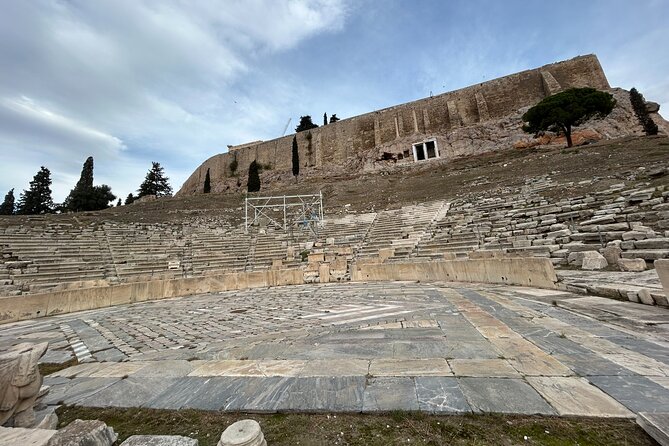
The Theatre of Dionysus is the first major monument on the climb. The tour allows about 20 minutes here, focusing on the development of theatre and drama.
This is a fine place to pause and consider how familiar forms of entertainment began. The theatre is connected with early tragedies and comedies, including works by Sophocles, Euripides, and Aeschylus. Your guide may help you imagine the relationship between playwrights, performers, public audiences, and the civic life of Athens.
The value here is not simply seeing stone seating. It is understanding theatre as a public activity with a place in the life of the city. The guide has also been praised for comparing different forms of performance and explaining why some became more popular than others.
If you have children in the group, this may be one of the easiest sections to make lively. Stories, characters, drama, and a quiz format can make ancient theatre feel less like a school lesson and more like a human activity that still resembles modern entertainment.
The Odeon of Herodes Atticus
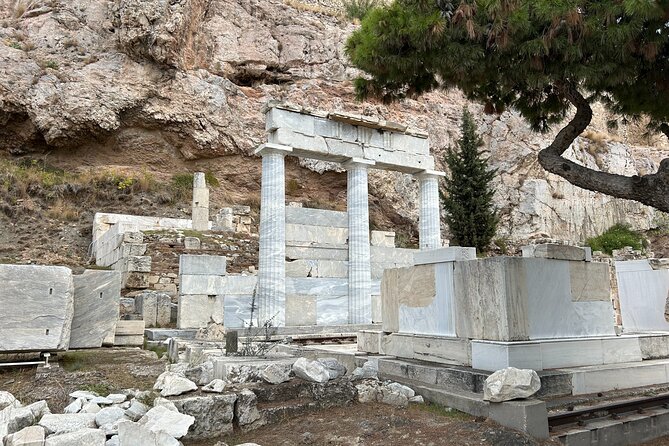
The route next reaches the Odeon of Herodes Atticus. The supplied timing does not list a separate duration for this stop, so expect it to be part of the uphill movement rather than a long independent visit.
The building was constructed by Herodes Atticus, a wealthy benefactor and philosopher of the second century AD, in memory of his wife. That personal reason gives the monument a more human story than a simple construction date.
This is also a useful reminder that the Acropolis area was shaped over many centuries. The site is not only about the Classical period. Roman-era additions, later changes, and the reuse of Athens help explain why the hill feels like several chapters of history placed together.
More Ancient History Tours in Greece
- Acropolis, Parthenon & Athens Old City Heritage Walking Tour
★ 4.5 · 876 reviews - Private Biblical Tour Ancient Corinth & Isthmus Canal from Athens
★ 5.0 · 762 reviews - Athens: Ancient Corinth & Nafplio Full Day Trip with Swim
★ 4.8 · 531 reviews - Athens Skip the Line: Open Air Ancient Greek Theatre Performance
★ 4.5 · 520 reviews
Athena Nike and the sanctuary entrance
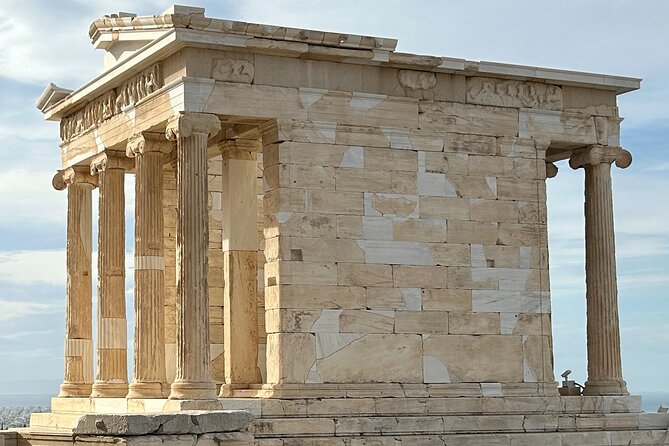
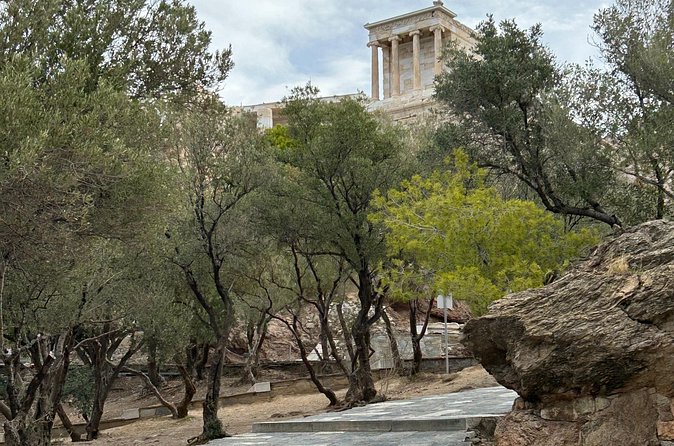
At the main entrance to the Acropolis sanctuary, the group pauses at the Temple of Athena Nike. The visit here lasts about 20 minutes.
Athena Nike was dedicated to the goddess of victory. Its position near the entrance makes the symbolism easy to understand: people entering the sanctuary encountered a temple connected with success, protection, and civic pride.
This stop is brief, but it helps establish the religious character of the Acropolis. The hill was not designed as a collection of attractive ruins. It was a sacred center filled with buildings linked to gods, myths, rituals, and the identity of Athens.
The exact route and access conditions can vary at an archaeological site, so listen carefully to the guide and staff. The tour includes entry only if you choose the booking option that includes admission fees.
The Propylaea and views across Athens
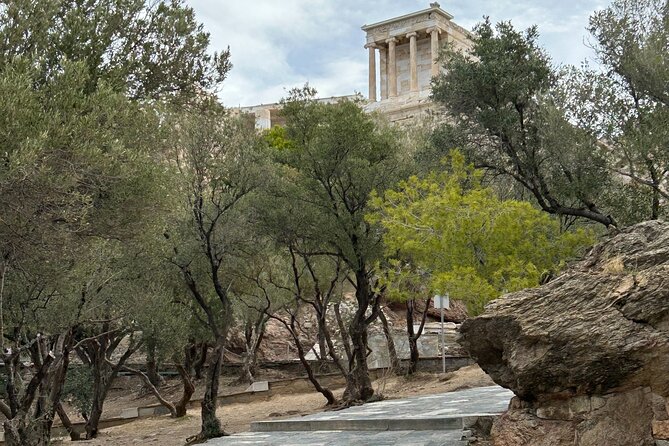
The Propylaea is the monumental gateway into the Acropolis sanctuary. The tour gives this section about 20 minutes, including the approach up the main stairway and views of the surrounding hills.
This is one of the moments when the physical setting becomes part of the lesson. From the climb, you can look across the historically important hills around Athens and see how the sanctuary dominates the city.
The gateway also prepares you for the Acropolis interior. Its scale and formal design made arrival feel important. Even in its damaged state, it communicates that this was a place of ceremony and power.
The stairway is a practical consideration. You should expect uphill walking and uneven surfaces. The tour is not a good choice if you need a flat, effortless route, though one review describes Harris checking the status of the elevator and the weather for a participant using a wheelchair. That shows useful care from the guide, but you should confirm current access arrangements before booking if mobility is a major concern.
The Erechtheion and its myths
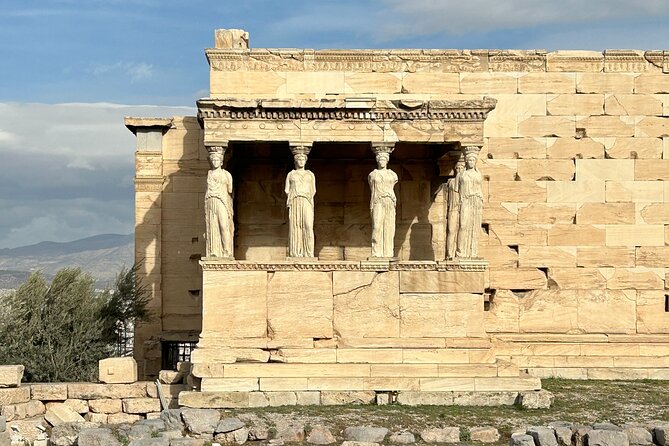
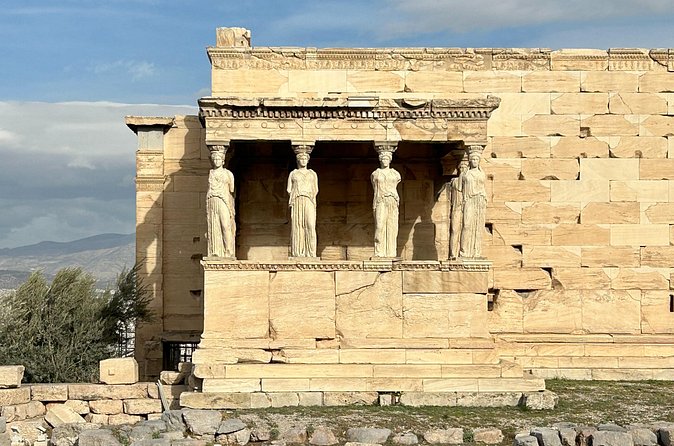
The Erechtheion receives about 20 minutes. This temple is especially appealing if you enjoy mythology, religious stories, and unusual architecture.
It is associated with myths and legends and is known for its distinctive sculptures. The guide can use the building to explain how sacred stories shaped the identity of Athens and how different traditions could gather around one important place.
This is also where a good guide matters most. A basic explanation might give you the temple’s name and date. A strong explanation connects the architecture to the myths, the patron gods, and the competing stories that made the Acropolis meaningful to ancient Athenians.
The Erechtheion is not as visually straightforward as the Parthenon. Its unusual design rewards patience, and the commentary helps you understand why it deserves more than a quick photograph.
The Parthenon as the final lesson
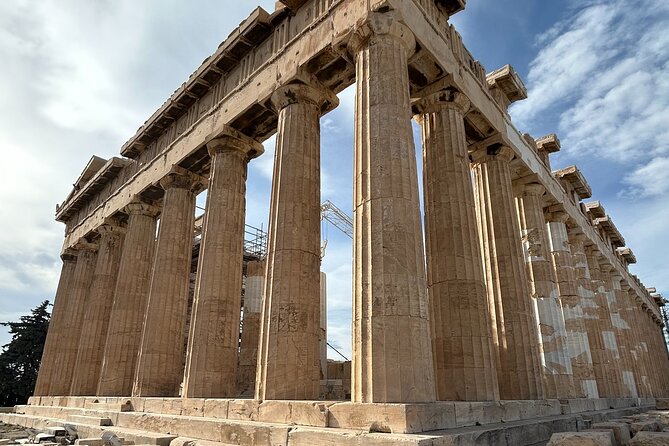
The tour ends with about 30 minutes at the Parthenon. This is the climax of the route, and the group finishes in front of the temple at the top of the Acropolis hill.
The Parthenon was built as a gift to Athena, the patron goddess of Athens. It is presented here as the finest achievement of Classical Greek architecture and as a major symbol of Western civilization. Your guide also explains the technical skill behind its appearance.
One particularly useful detail concerns the way parts of the building look curved when viewed close up, even though the overall structure appears straight from farther away. The guide also explains how ancient builders joined marble pieces together. These details turn the Parthenon from a familiar picture into a difficult engineering project made with remarkable precision.
The political meaning matters too. The monument is linked with the democratic state of Athens, so the visit can move naturally from architecture to citizenship, public life, and the ideas that influenced later societies.
You should not expect an intact temple. The Parthenon is damaged, and the Acropolis can be crowded. The reward is not seeing a perfect ancient building. It is understanding the surviving structure, the missing pieces, the setting, and the ideas attached to it.
The tour ends here rather than returning you to the starting point. You finish at the top of the hill, in front of the Parthenon. Plan the rest of your day from that location.
The guide style: history with humor and questions
The strongest feature of this experience is the guide’s teaching style. Harris has been praised for explaining ancient Greek culture, the development of Athens, and the influence of Greek thought without making the visit feel like a lecture.
His approach appears to include thoughtful questions and open discussion. He may connect ancient ideas with the modern world, then leave you with a lesson to consider after the tour. That reflective element is unusual and gives the visit more weight than a standard monument walk.
There are playful touches too. One account describes quizzes and even small candy prizes. Harris has also been praised for helping with photographs, finding good places for group pictures, and showing kindness during changing weather.
That personality will suit you if you like a guide who talks with the group rather than recites a prepared script. It may be less appealing if you prefer quiet exploration or a strictly academic lecture with no humor.
Price, group size, and what you receive
The listed price is $36.14 per person. That is a fair price for a 2-hour-40-minute guided visit if admission is included in the option you select. It is less straightforward if you choose the option without entry fees, so check the ticket choice carefully before paying.
The price covers a local licensed English-speaking guide who is a historian or archaeologist, plus a personal earset receiver. Food, drinks, hotel pickup, and hotel drop-off are not included. Tips are optional, but appropriate if the guide gives you the thoughtful and personal experience described above.
The maximum group size is 25 people. This is not a private tour, and you may still be part of a sizable group. The headsets help solve the main problem with a larger group: losing the guide’s voice while walking or standing near crowded monuments.
The tour is offered in English only. Confirmation arrives at booking, and the experience is offered near public transportation. Service animals are allowed.
Weather, timing, and cancellation
The experience requires good weather. If poor weather forces cancellation, you are offered another date or a full refund.
You can cancel for a full refund up to 24 hours before the start time. Cancellations or changes made less than 24 hours before the start time are not accepted, and the cut-off uses local Athens time.
Because the route climbs an exposed hill and spends time outdoors, weather matters more here than on a museum visit. Check the forecast before you go, wear practical shoes, and bring water. The tour provider does not include hotel transportation, so you will need to reach the meeting point at Dionysiou Areopagitou 17 yourself.
Who should book this Acropolis experience?
I would choose this tour if you want the Acropolis explained rather than simply photographed. It is especially well suited to:
- People who enjoy ancient history, mythology, philosophy, or theatre
- First-time visitors who want a clear framework for understanding Athens
- Families who prefer stories, questions, and quizzes to a dry lecture
- Visitors who want to understand how ancient Greek ideas influenced later societies
- Anyone who appreciates a guide willing to discuss engineering, politics, religion, and daily life
I would choose a shorter or more independent visit if your main goal is a fast look at the Parthenon. The opening context and long route are the point here, not an inconvenience to rush through.
Should you book it?
Book this tour if you want the Acropolis to feel like a chapter in an ongoing human story. The route covers the Theatre of Dionysus, Odeon of Herodes Atticus, Temple of Athena Nike, Propylaea, Erechtheion, and Parthenon, but the real value comes from the connections between them.
The guide’s energy, humor, visual explanations, and interest in the group appear to be the deciding factors. Harris in particular has earned strong praise for turning difficult history into something personal, clear, and memorable.
Skip it if you want complete freedom to wander silently or if nearly three hours of uphill commentary sounds tiring. For a history enthusiast, though, the price is reasonable, the route is well chosen, and the final view of the Parthenon carries far more meaning after the long walk up.
FAQ
Where does the tour begin?
The tour begins at Dionysiou Areopagitou 17, Athina 117 42, Greece.
Where does the tour end?
It ends in front of the Parthenon at the top of the Acropolis hill.
How long does the experience last?
The tour lasts approximately 2 hours and 40 minutes.
What language is the tour offered in?
The tour is offered in English.
Is admission to the Acropolis included?
Admission is included only when you select the booking option that includes entry fees. It is not included with the option that excludes admission.
Who leads the tour?
The guide is a local licensed English-speaking historian or archaeologist. Harris, also referred to as Haralampos, is specifically associated with many of the detailed guide experiences described for this tour.
Are headsets provided?
Yes. Each person receives a personal earset receiver so the guide can be heard during the visit.
How large can the group be?
The maximum group size is 25 people.
Is the tour suitable for most people?
Most people can participate, and service animals are allowed. The route includes an uphill walk, stairs, and uneven archaeological surfaces.
What happens if bad weather cancels the tour?
You will be offered a different date or a full refund if poor weather causes the experience to be canceled.
Can I cancel for a refund?
Yes. You can cancel at least 24 hours before the start time for a full refund. Cancellations or changes made less than 24 hours before the start time are not accepted.
Just added around Athens
- The original Christian tour on Paul’s footsteps in Athens and ancient Corinth★ 4.5 · 25 reviews
- Small-Group Women History in Ancient Greece Walking Tour★ 5.0 · 38 reviews
- Athens: Combo Ticket for Acropolis & 6 ancient sites★ 3.0 · 21 reviews
- Ancient Sparta & Mystras Private Day Tour from Athens★ 5.0 · 52 reviews
- Ancient Olympia & Isthmus Canal Private Tour from Athens★ 5.0 · 20 reviews
- Ancient Agora & Temple of Hephaestus Entrance Ticket★ 3.5 · 22 reviews
- Half Day Historical Athens City Private Taxi Service Tour★ 5.0 · 79 reviews
- Ancient Corinth, Sanctuary of Hera, Blue Lake & Canal from Athens★ 5.0 · 26 reviews
Ancient History Tours, compared.
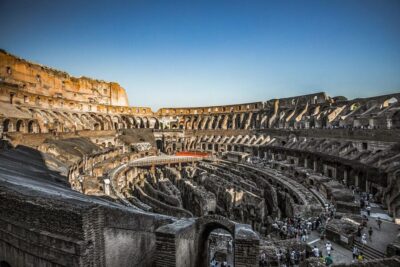
Colosseum: Underground and Ancient Rome Tour
Read our review →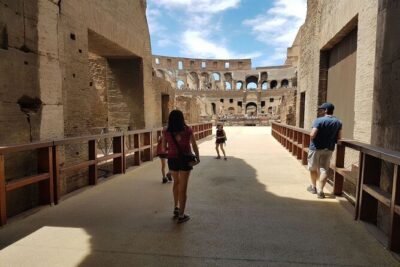
Colosseum & Ancient Rome with Arena Floor Option I Max 6 People
Read our review →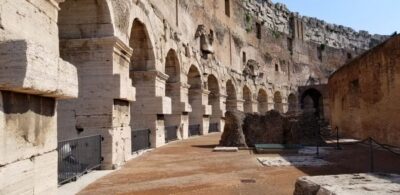
Colosseum, Ancient Rome Tour or AudioGuided Tour
Read our review →
Colosseum Underground & Ancient Rome Guided Tour
Read our review →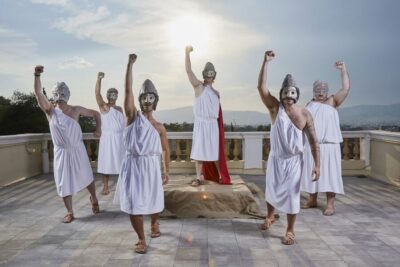
Taormina: Ancient Theater Skip-the-Line Ticket & Audio Guide
Read our review →
Discover the Ancient Ruins of Pompeii: Day Trip from Rome
Read our review →
Discover Matera, the ancient city – English tour
Read our review →Browse the lists this tour appears in