
Review · AMRITSAR
Amritsar Heritage Walking Tour
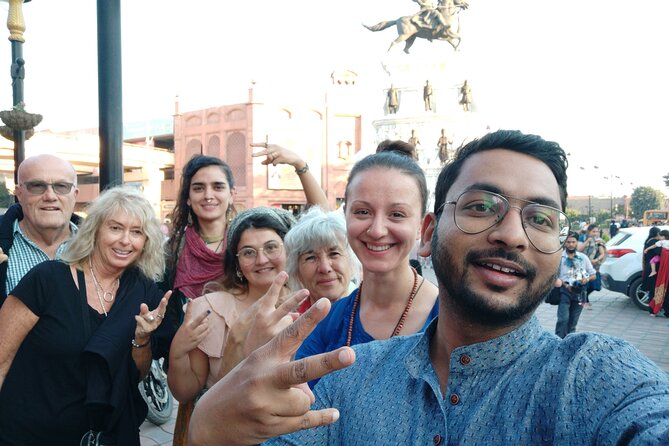
Amritsar reveals itself one lane at a time. This walking tour brings together Partition history and Sikh heritage, then leads you through old streets that are easy to miss on your own. I like the way it links major sights with local corners, and I also like the friendly storytelling style praised by people who joined guides such as Prerit and Hardik. The main catch is that the tour is a group experience, not a private walk, and one critical account felt that some historical explanations were too loose.
The route costs $16.66 per person, which is fair for nearly three hours with a trained English, Hindi, or Punjabi-speaking guide. You should expect a steady walk, some crowded lanes, and a broad introduction rather than a scholarly study of Amritsar. It is especially useful at the start of a visit, when you want to understand the Golden Temple area and find your bearings.
Key points at a glance
- Starts at the Partition Museum: The Town Hall meeting point opens with the story of the 1947 division of India and Pakistan.
- Covers 8 to 10 heritage places: The route includes major memorials, religious sites, old streets, and lesser-known corners.
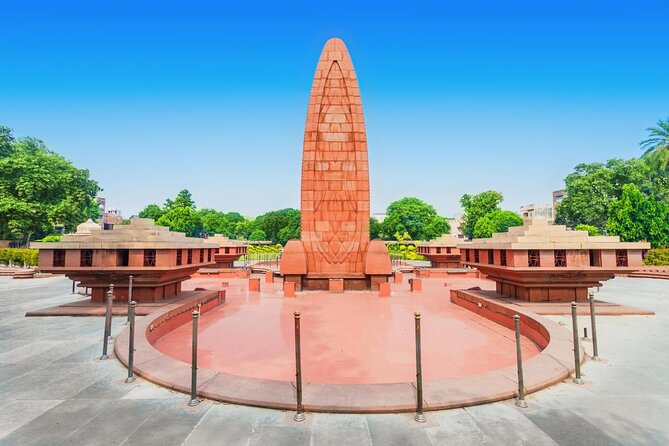
- Reaches Jallianwala Bagh: You receive context about the massacre of 13 April 1919, on the eve of Baisakhi.
- Uses old lanes as the classroom: Guru Bazar and the narrow streets around Baba Bohar show everyday Amritsar beyond its headline sights.
- Offers local advice: Guides share tips about bargaining, city life, Sikh culture, and practical things to do.
- Keeps the group manageable: The maximum group size is 20, though the experience is still shared rather than private.
Starting at the Partition Museum in Town Hall
The tour begins outside the Partition Museum in Amritsar’s Town Hall area, at Hall Road in Katra Ahluwalia. This is a useful starting point because it places you close to the old city and within reach of the Golden Temple complex by the end of the walk.
The opening subject is the Partition of India and Pakistan in 1947. The museum presents the human cost of that division, which affected more than 18 million people. Even if you do not pay for museum admission, beginning here gives the rest of the walk a serious frame. Amritsar was not simply a city of temples and markets. It was also shaped by political upheaval, migration, violence, and the sudden redrawing of borders.
Admission to the Partition Museum is not included. The walk uses the museum as a meeting point and introduces its subject, so you should budget separately if you want to enter. The tour allows about 10 minutes here, which is enough for an orientation but not enough for a full museum visit.
That distinction matters. If the museum is a priority, plan to return separately or arrive early. The walk is designed to keep moving, and its value comes from the connections among several places rather than from long visits inside one attraction.
More History Walking Tours in India
- Fontainhas Heritage Walk by Make It Happen
★ 5.0 · 2,834 reviews - The Great Indian Food Tour: Old Delhi Food and Heritage Walk
★ 5.0 · 1,698 reviews - Old Goa Heritage Walk by Make It Happen
★ 5.0 · 797 reviews
Saragarhi Memorial and the story of 21 soldiers
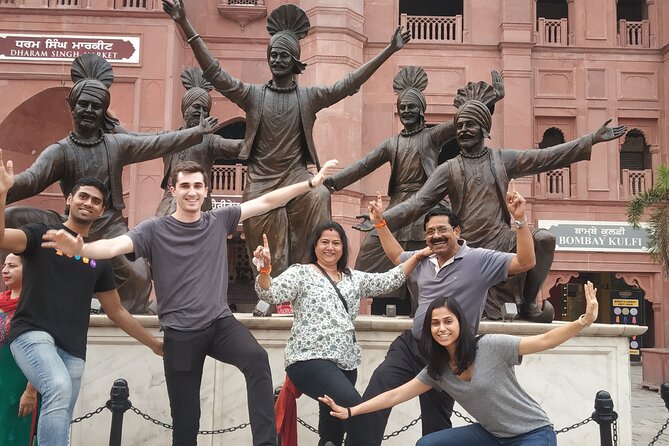
From Town Hall, the route heads toward the Saragarhi Memorial Gurudwara. This stop honors 21 Sikh soldiers who died while serving in the British army. The site gives the guide a chance to explain military service, Sikh identity, and the way sacrifice is remembered in Punjab.
The memorial is a short part of the walk, but it adds a different note to the tour. You are not only hearing about national tragedies such as Partition or Jallianwala Bagh. You are also meeting the stories of individuals whose actions became part of Sikh memory.
As with any religious site, listen closely to instructions from your guide about respectful conduct. The supplied information does not specify a dress code or a shoe policy for this stop, so ask on the day rather than assuming. The walk is built around access to local places, and good behavior helps keep that access open.
Maharaja Ranjit Singh and Punjab’s former power
The next major stop is the statue of Maharaja Ranjit Singh, the leader associated with the Punjab Empire. The guide uses the statue to explain his role and the political world that shaped Amritsar before the modern Indian state.
You receive about 10 minutes here, with no admission charge. That is enough for a focused explanation and a few questions, but not a long historical lecture. I would treat this as a scene setter. It helps you place the city’s Sikh institutions, public monuments, and regional identity within a larger story.
The guide’s approach matters at this point. Hardik has been praised for clear English and an engaging manner, while Prerit has been described as punctual, organized, and a strong storyteller. Individual guides can shape the tone of the tour, so your experience may feel more conversational or more fact-driven depending on who leads your group.
Jallianwala Bagh, where the walk turns solemn
Jallianwala Bagh is the most emotionally weighty stop. The memorial marks the massacre of 13 April 1919, when people gathered on the eve of Baisakhi. The guide explains the event and its place in the history of British rule in India.
The tour allows about 30 minutes here, longer than at the statue or Saragarhi Memorial. That extra time is appropriate. Jallianwala Bagh is not a quick photo stop, and the setting calls for quiet attention.
Admission is not included. The tour information does not give the current entry fee, so check locally if you intend to enter the memorial area. Your guide can provide the historical explanation, but you may want time on your own as well. Some places should not be rushed simply because the schedule is tight.
This stop also shows the tour’s overall strength. Instead of treating Amritsar as a series of attractive buildings, it places the city’s landmarks in relation to political violence and public memory. That makes the later market walk feel more meaningful. You begin to see the old streets as places where ordinary life continued through periods of enormous change.
Same place, a different slice of the past:
- Old Delhi Food, Heritage&Cultural Walk with Rickshaw ride to Masterji Kee Haveli
★ 5.0 · 742 reviews - Blue City Heritage Private Walking Tour With Pickup and Drop-Off
★ 5.0 · 441 reviews - Kolkata Heritage Tram Tour
★ 4.0 · 395 reviews - Private Heritage Walking Tour in Jaisalmer Fort and Old Bazaar
★ 5.0 · 306 reviews
Udasin Akhara and Amritsar’s religious life
The route then visits Udasin Akhara on Sangal Wala Road. An akhara is connected with religious practitioners and traditional spiritual communities, and the guide explains its significance in Amritsar.
About 20 minutes are set aside here. One person who joined the walk singled out the ashram visit as a particularly interesting part of the experience. That praise makes sense because this kind of stop offers a different view of the city from the better-known Golden Temple. You are looking at a living religious setting, not only a monument built for sightseeing.
The tour description does not promise a formal ceremony or a private meeting with religious figures. Expect an explanation of the site and its role, with the exact experience depending on access and conditions on the day. This is one of the places where a good guide can make a major difference by explaining what you are seeing without turning it into a rushed photo opportunity.
Guru Bazar and the old streets of Amritsar
The longest part of the walk, about 90 minutes, takes place around Guru Bazar and the old heritage lanes. This is the section I find most useful for understanding daily life. Large monuments tell you what a city wants remembered. Narrow lanes show you how a city actually works.
You walk through older streets and bylanes, learning about local life, commerce, and the city’s past. The route includes narrow alleys leading toward Baba Bohar, a large old banyan tree in the middle of the city. You also visit a 150-year-old feature, though the supplied details do not identify it fully, so your guide’s explanation on the day will fill in that part.
This section is not polished sightseeing. Streets can be tight, noisy, and busy with ordinary activity. That is exactly why a guide helps. The route can take you to corners you might not find by searching online, and the guide can explain what is happening around you instead of leaving you to guess.
One favorable account described the walk as a good introduction to the Golden Temple area and said it opened up many bylanes that would have been difficult to find alone. Another praised the chance to see business communities and the way commerce shaped the city. That is an important detail: the tour is not only about kings, soldiers, and massacres. It also looks at the merchants and residents who made old Amritsar function.
At the same time, this portion may feel fragmented if you want a single, carefully developed historical argument. One less enthusiastic assessment found that the walk offered short pieces of history and culture rather than detailed treatment of every subject. That criticism is fair. You are getting a guided introduction to many places, not a university course.
Finishing outside the Golden Temple
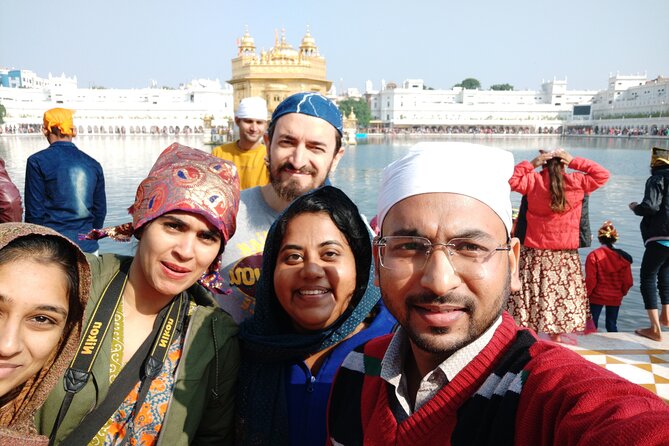
The walk ends outside Sri Harmandir Sahib, better known as the Golden Temple, at Atta Mandi in Katra Ahluwalia. This is a practical finish. You are placed near one of Amritsar’s main sights, with the rest of your day open for a visit.
The tour does not include an interior visit to the Golden Temple, and the endpoint is specified as outside the complex. That separation is useful because the temple deserves time on its own. You can enter later at your own pace rather than trying to squeeze a major religious site into the final minutes of a walking tour.
It also means you should not book this experience expecting a complete Golden Temple tour. The walk helps you understand the surrounding area and the city’s cultural setting. You will need a separate visit for the temple itself.
What the guides do well, and where to stay alert
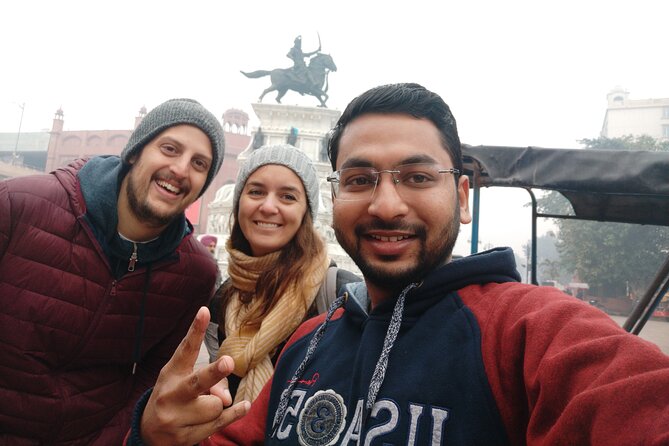
The strongest praise centers on the guides’ warmth, organization, and ability to answer questions. Hardik has been described as friendly, clear in English, and easy to engage with. Prerit has been praised for punctuality, organized pacing, and storytelling. Those qualities matter on a city walk because the difference between a useful explanation and a blur of names is often the guide’s delivery.
The tour also promises guides who speak English, Hindi, and Punjabi. That gives you a better chance of asking about local terms, religious practices, and street life in a language that feels comfortable.
Still, you should keep your expectations sensible. A critical account objected to explanations it considered based on forwarded messages, films, or weak sources. I cannot verify the individual claims, but the warning is worth noting. If a historical detail sounds uncertain, ask where it comes from. A strong guide should welcome questions and separate established facts from local stories.
The overall rating is 4.9 from 112 ratings, with 99 percent recommending the experience. That indicates a consistently positive response, especially for the guides and the mix of famous sights with lesser-known lanes. It does not erase the possibility of an uneven experience, particularly if you want precise academic history or a private pace.
Timing, group size, and walking comfort
The advertised duration is about 2 hours and 45 minutes, though one account described finishing in a little over two hours. Allow at least three hours so you are not pressed for another appointment afterward. The route includes old lanes, memorials, and religious sites, so comfortable walking shoes are a sensible choice.
The maximum group size is 20. That is small enough for a guide to speak with the group, but it is not intimate in the way a private tour would be. If you need frequent stops, have many personal questions, or prefer to control the pace, a private arrangement would suit you better, though this experience does not present itself as private.
Most people can participate, and the route is near public transportation. The meeting point is in the Town Hall area, while the finish is outside the Golden Temple. A mobile ticket is provided, and confirmation comes at booking.
The cancellation terms are simple: cancel at least 24 hours before the start for a full refund. Cancellations or changes inside that window are not refunded or accepted.
Is $16.66 a fair price?
Yes, for the right kind of visitor. At $16.66, you are paying for nearly three hours of guiding, access to old streets that can be hard to interpret alone, and a connected introduction to Amritsar’s Sikh, colonial, commercial, and political past.
The price is less attractive if you only want the Golden Temple and Jallianwala Bagh. You can visit those major sights separately, and admission fees are not included. The value comes from the added context, the local lanes, and the guide’s ability to connect places that might otherwise feel unrelated.
I especially like the bargaining tips and practical advice included with the walk. Those small details can save money later and help you move through the city with more confidence. Since the tour also introduces places such as Saragarhi Memorial, Udasin Akhara, and Baba Bohar, you are getting more than a standard landmark checklist.
Who should book this Amritsar walk?
Book it if you are visiting Amritsar for the first time and want an organized introduction before exploring alone. It suits solo visitors, couples, and small groups who enjoy conversation, local stories, and a look at ordinary streets as well as famous monuments.
It is also a good fit if you want to understand the Golden Temple district before your main visit. The end point makes it easy to continue sightseeing afterward.
Think twice if you dislike group walks, have limited walking tolerance, or expect every historical claim to be presented with museum-level documentation. The route offers range and personality, but it may trade depth for variety. For most people, that is a reasonable bargain at this price.
Should you book it?
I would book this tour early in an Amritsar visit, especially if you want help making sense of the old city. The best reasons are the broad route, the time in the bylanes, the stop at Jallianwala Bagh, and the generally strong guide feedback around Prerit and Hardik.
Go in expecting a lively orientation, not a private seminar. Ask questions, verify any story that sounds uncertain, and save extra time to visit the Partition Museum and Golden Temple separately. With those expectations, the Amritsar Heritage Walking Tour offers a useful and affordable first look at a city where faith, memory, commerce, and daily life share the same narrow streets.
FAQ
Where does the Amritsar Heritage Walking Tour start?
The tour starts at the Partition Museum, Hall Road, Town Hall, Katra Ahluwalia, Amritsar.
Where does the walking tour end?
It ends outside Sri Harmandir Sahib, also called the Golden Temple, at Atta Mandi in Katra Ahluwalia.
How long does the tour last?
The advertised duration is approximately 2 hours and 45 minutes. One account described completing it in a little over two hours.
Is admission to the museums and memorials included?
No. Entry tickets and fees are not included, including admission to the Partition Museum and any other paid site.
Is this a private tour?
No. It is a group walking tour with a maximum of 20 participants.
Can I cancel for a full refund?
Yes. You can receive a full refund if you cancel at least 24 hours before the experience start time. Cancellations or changes made within 24 hours are not refunded or accepted.
Just added around India
- Georgetown heritage walking tour in Chennai about the founding of Chennai★ 5.0 · 144 reviews
- Private Chennai Day Tour – Art History and Contemporary Chennai★ 5.0 · 21 reviews
- Chennai Heritage & Cultural Walk (2 Hours Guided Walking Tour)★ 3.5 · 32 reviews
- Exploring Mylapore: A Cultural & Historical Walking Tour★ 5.0 · 42 reviews
- See Bangalore through my eyes (Cultural / Historical / Walking Tour)★ 5.0 · 60 reviews
- Treasures of Mysuru – day tour★ 5.0 · 27 reviews
- Malleswaram heritage walk, an immersive walking tour in Bangalore★ 5.0 · 20 reviews
- Discover Bangalore with Me (A Private Historical Walk Tour)★ 5.0 · 24 reviews
History Walking Tours, compared.

History and Hauntings of Salem Guided Walking Tour
Read our review →
Freedom Trail History Small Group Walking Tour
Read our review →
Historic Charleston Guided Sightseeing Walking Tour
Read our review →
Tapas Walking Tour with Food, Wine, and History
Read our review →
Savannah History and Haunts Candlelit Ghost Walking Tour
Read our review →

A History of Terror – Belfast City Centre Walking Tour
Read our review →Browse the lists this tour appears in