
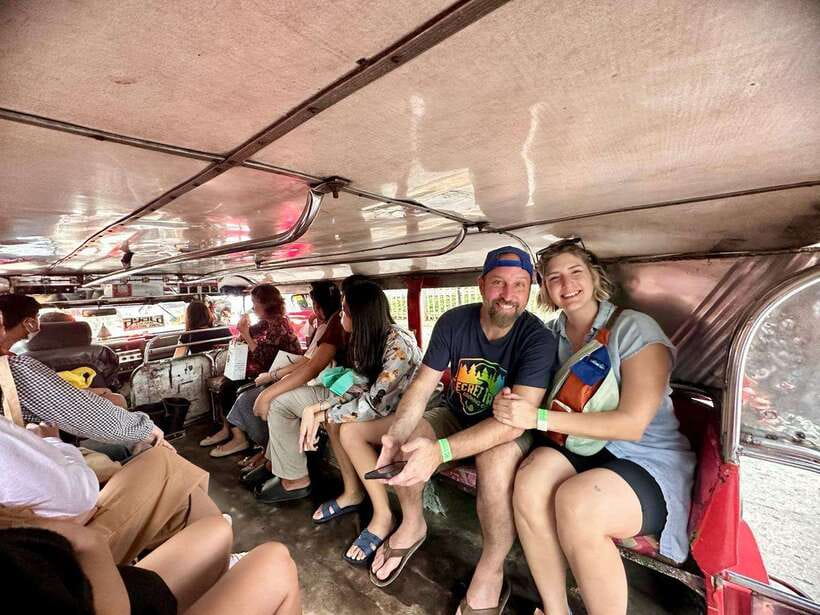
Review · VISAYAS
Cebu City: Historical Street and Food Tour
Cebu’s past is packed into a few walkable streets. This three-hour tour mixes street food with landmarks from Spanish colonial Cebu, giving you a quick, lively introduction to the Philippines’ oldest city. I like the way it connects everyday places, such as Carbon Market, with major sights such as Magellan’s Cross. I also like the small-group setup, limited to 10 people, which gives you room to ask questions.
The guide is the real key here. Guests have singled out Philip, Nacien, and Kyle for their energy, care, and clear English. One guide even helped a solo guest catch a taxi home. The main drawback is price: at $90 per person, this is not a cheap walking tour, especially if you are comfortable exploring churches and markets by yourself. The food may also feel modest for the cost.
Key points to know before booking
- Balut is part of the tasting: You may sample the famous boiled salted duck egg, along with other Filipino street food and drinks.
- Cebu’s oldest landmarks fit into three hours: The route includes the Heritage of Cebu Monument, Yap Sandiego Ancestral House, Basilica Minore del Sto. Niño de Cebu, Magellan’s Cross, and Cebu Metropolitan Cathedral.
- The tour reaches Carbon Market and Colon Street: This gives you a look at working Cebu, not just polished historic facades.
- The group is capped at 10 people: That is useful for a walking route with food stops and busy city streets.
- You meet at a designated area: Hotel transfer is not included, so plan your way to the start point.
- Come ready for weather and pavement: The tour runs rain or shine. Wear comfortable shoes and clothes, bring cash, and leave jewelry behind.
Why this Cebu walk is worth your time
Cebu City can feel scattered at first. The old churches, markets, monuments, and commercial streets do not form one tidy historic quarter. That is why a guide helps. You get the story linking the stops, instead of seeing a church here and an old house there without knowing how they fit together.
The tour also gives you two versions of Cebu in a short stretch. One is the ceremonial city of churches, Spanish-era landmarks, and Christian symbols. The other is the food market city, where you watch daily trade and taste snacks that are far removed from standard restaurant fare.
The three-hour length is sensible for a first look. You cover plenty, but you are not committing a whole day to a walking route in a hot city. The pace may feel brisk, though, especially if you want long visits at every church or time to linger over food.
The strongest part is the human element. English is the tour language, and the guide is expected to explain the sites while helping you handle the food and city streets. That matters more here than a polished audio guide would. You can ask why a place matters, how Cebu became the first Spanish settlement and capital, or what you are actually eating.
More Food and History Tours in the world:
- Sevilla Food Tour: Tapas, Wine, History & Traditions
★ 5.0 · 3,468 reviews - Victoria Guided Food and History Tour
★ 5.0 · 2,015 reviews - Gastown Historic Walking Food Tour
★ 5.0 · 1,863 reviews
Starting with food at Cebu Farmers Market
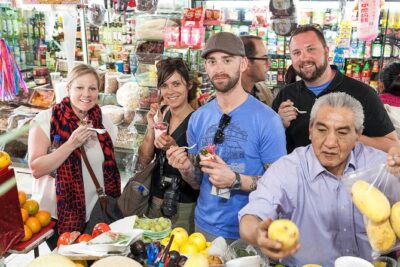
The tour begins with a look at Cebu Farmers Market, where the food focus takes shape. This is not simply a stop to grab a snack. Your guide introduces local ingredients and explains how food fits into daily life in Cebu.
The market setting gives the tasting some context. Instead of receiving neatly arranged samples in a restaurant, you encounter food in the place where people buy and sell it. That makes the experience more direct, though it also means you should expect a working market rather than a quiet food hall.
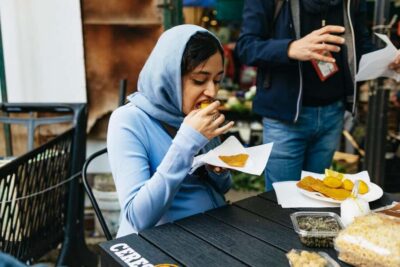
Balut is the best-known challenge on the menu. This is a boiled duck egg traditionally eaten with salt. If you have never tried it, the guide can make the experience less awkward by explaining how it is usually eaten. You do not need to pretend it is your favorite food. Trying it is enough.
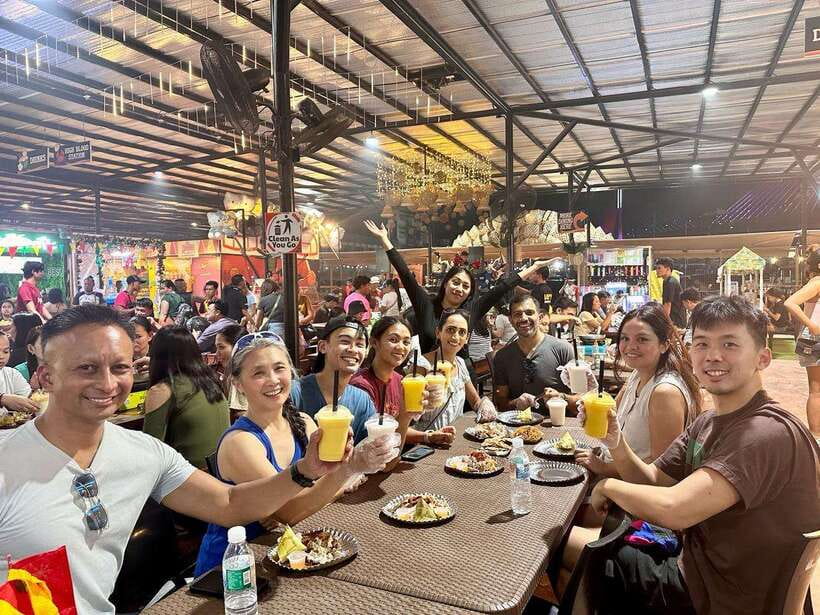
The tour also includes other Filipino street food and drinks, with bold flavors and combinations. The exact selection is not specified, so do not book this expecting a fixed tasting menu. The food portion is better understood as an introduction to local snacks, with the guide helping you make sense of what appears along the way.
One practical point: bring cash. It is listed among the recommended items, and it is useful for a food-focused walk. You should also wear comfortable clothes and shoes. This is a walking tour through markets and historic streets, not a seated culinary class.
Reading Cebu’s story at the Heritage of Cebu Monument
The Heritage of Cebu Monument is one of the route’s most useful history stops. Its metal sculptures show important scenes and figures from Cebu’s past in one large public work.
A guide adds value here because the monument can be difficult to understand at a glance. The figures and scenes need explanation, and the tour connects them to Cebu’s role as the oldest city in the Philippines, the first Spanish settlement, and the first capital.
This stop helps set up the rest of the walk. Cebu’s story is not only about one Spanish arrival or one church. It includes local life, trade, religion, and the layers left by Chinese and Spanish influence. The monument gives you a broad frame before the tour moves into older buildings.
Allow yourself time to listen. Three hours is not long, and the guide has several major sites to cover. Still, the explanations are one of the main reasons to choose a guided walk over visiting the same places without help.
Stepping inside the 1680 Yap Sandiego Ancestral House
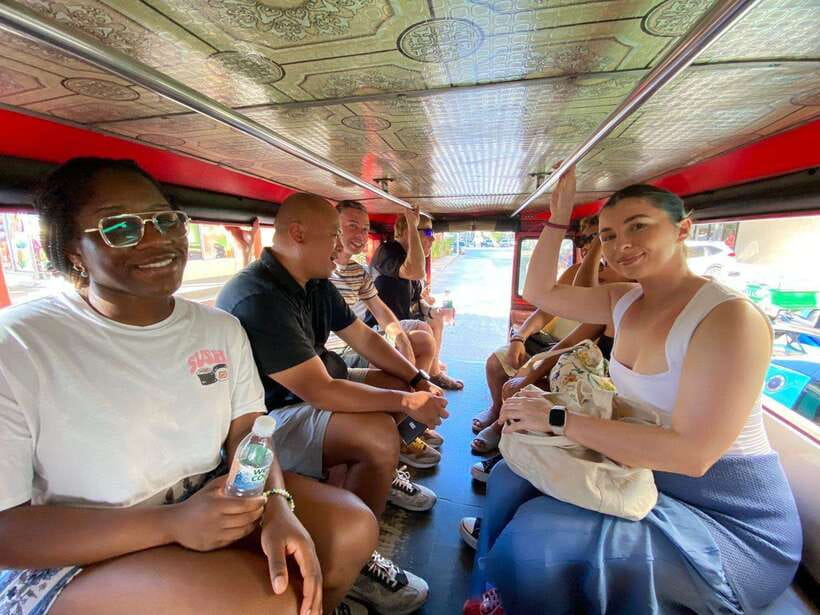
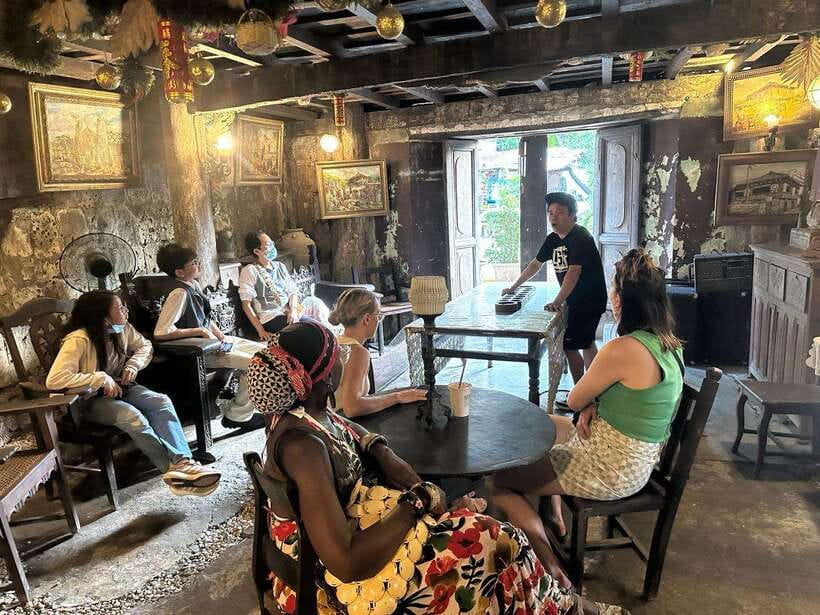
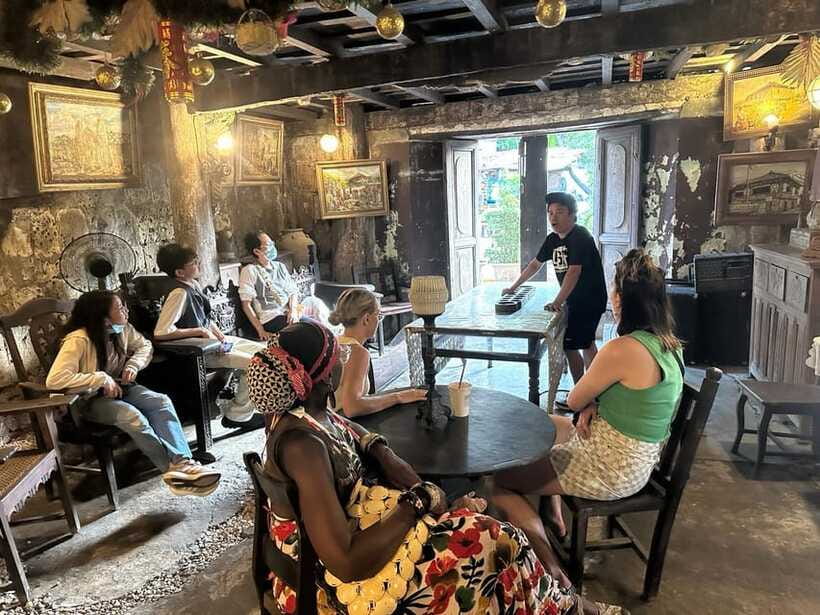
The Yap Sandiego Ancestral House is one of the most distinctive stops. Built from coral stone in 1680, it reflects Chinese and Spanish architectural influence.
The age of the house is impressive, but the mix of influences is the bigger point. Cebu developed through contact among local communities, Chinese traders, and Spanish colonizers. A house like this gives that story a more personal scale than a monument or church facade.
You can expect this stop to feel different from the market and the open streets. It offers a look at domestic architecture and the kind of old building that can be easy to miss if you rush between major landmarks. The coral-stone construction also gives the house a strong sense of place.
The tradeoff is time. With several other sites ahead, the visit cannot function like a long museum tour. If historic houses are your main interest, you may wish you had more time here. If you want a broad introduction to Cebu, the short visit works well.
More Food Tours in the world:
- Amsterdam Food and Cultural Tour with Tastings
★ 5.0 · 4,315 reviews - Barcelona: Tapas Walking Tour with Food, Wine, and History
★ 4.8 · 4,261 reviews - Madrid Tapas & Taverns Small Group Food & History Tour
★ 5.0 · 2,664 reviews - Historic Ybor City Food Walking Tour
★ 5.0 · 2,210 reviews
Visiting the Basilica Minore del Sto. Niño de Cebu
The Basilica Minore del Sto. Niño de Cebu dates to 1565 and is identified as the oldest Roman Catholic church in the Philippines. Its age gives the tour’s Spanish-colonial story a clear anchor.
This is not just another old church on a checklist. It represents the start of a major religious chapter in Philippine history. Your guide can connect the basilica to the arrival of Spanish rule and the spread of Catholicism in Cebu.
Expect a working place of worship, not only a historic attraction. Dress and behave respectfully, and follow any instructions in force during your visit. The tour information does not promise a private entrance or extended interior access, so the experience may depend on conditions at the church when you arrive.
For many people, this will be one of the most important stops. You get the date, the religious context, and the physical presence of a building that has shaped Cebu’s identity for centuries. The guide’s explanations make the difference between simply photographing an old church and understanding why it matters.
Seeing the old coal depot at Carbon Market
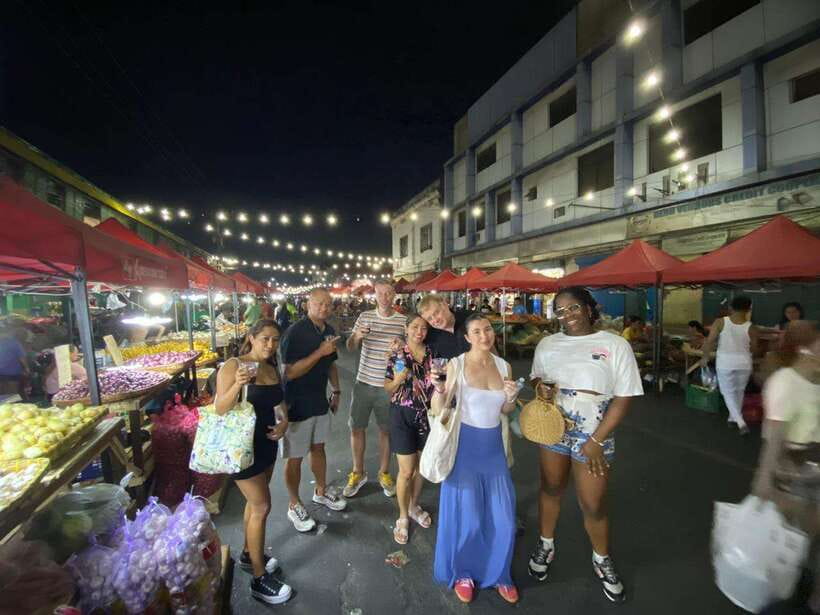
Carbon Market brings the route back to present-day Cebu. Its name comes from the Spanish word for coal, and the area was once a coal depot.
That small detail shows how the city’s commercial life changed over time. A place tied to fuel and transport became a major market area. Today, the stop gives you a look at Cebu beyond formal heritage sites.
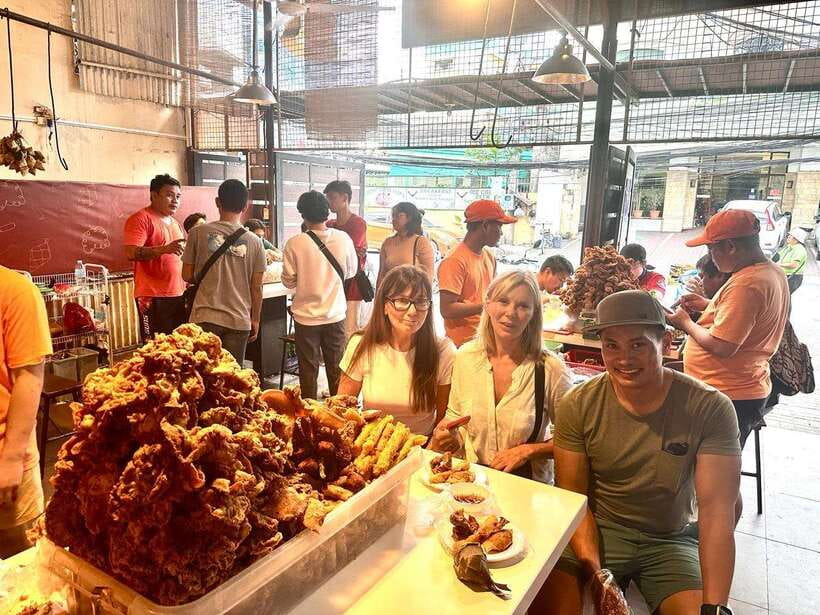
Carbon Market may be the part of the tour that feels least polished, but that is exactly its value. You are seeing an active city district rather than a preserved display. The route may also include Colon Street, and the guide helps you move through these places with more confidence.
The experience is not designed as a shopping trip. You are there to observe, learn, and sample food. Keep your belongings secure, follow your guide, and avoid wearing jewelry. The tour specifically lists jewelry among the items not allowed.
One especially useful feature is the attention given to solo participants. A guide has helped a solo guest get a taxi home after the tour, which suggests a level of practical care that can matter in a busy city. Still, you remain responsible for arranging your own return because hotel transfer is not included.
Following the route to Magellan’s Cross
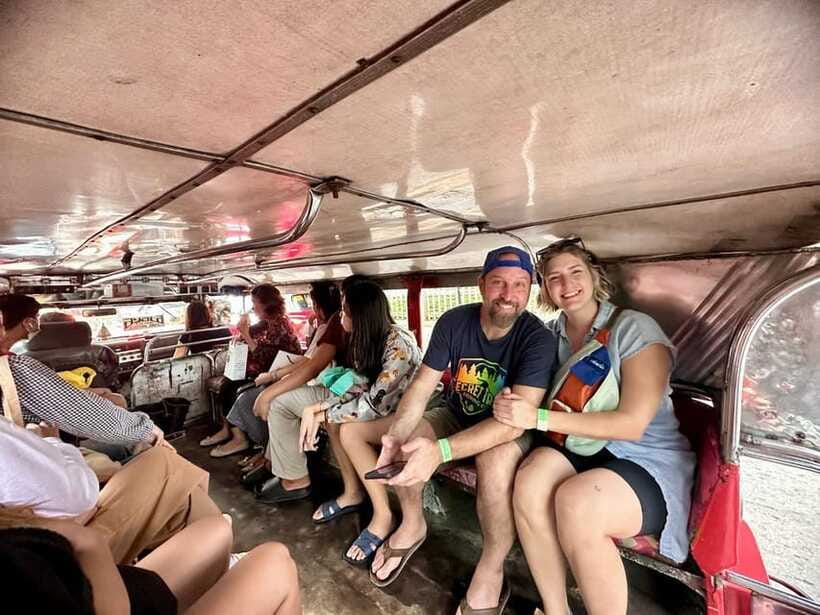
Magellan’s Cross marks the place where a Christian cross was left in 1521 by Spanish explorers led by Ferdinand Magellan. This is one of Cebu’s most recognizable historical sites and a central point in the city’s Spanish-contact story.
The guide’s explanation is important because the cross is not simply an isolated object. It represents the beginning of a long and complicated period of Spanish influence, Catholic conversion, and colonial rule. You get more from the stop when you understand the event behind the symbol.
This is also a good point to remember that Cebu’s story did not begin in 1521. The tour starts with local food, markets, and earlier cultural influences before reaching the Spanish arrival. That wider framing keeps the visit from becoming a one-note colonial history lesson.
Crowds and activity may affect how long you can stay, but the route is built to include the stop. Bring your camera if you want photographs, though it is worth listening before taking out your phone. The best part is the explanation of what happened here and why the site still carries such weight.
Ending at Cebu Metropolitan Cathedral
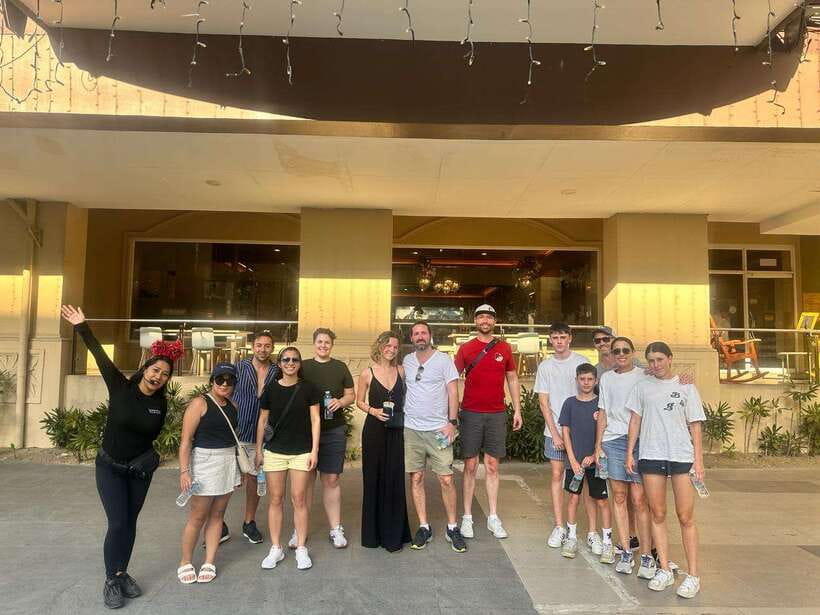
The final major church is Cebu Metropolitan Cathedral. The building was destroyed during the Second World War and rebuilt in the 1950s.
This stop adds a different layer to the route. The earlier sites take you back to the sixteenth and seventeenth centuries, while the cathedral shows how war changed the city and how Cebu rebuilt. It reminds you that historic buildings are not always untouched survivors. Some carry their history through destruction and renewal.
By this point, you will have seen religious, domestic, commercial, and public landmarks. The cathedral helps tie those threads together. You also get one more chance to ask questions before the tour ends and you return to your accommodation on your own.
The route covers a lot in three hours. That is its strength and its limitation. You receive a useful first orientation, but you should not expect a slow architectural study of every church. If a particular site grabs you, note it and return later with more time.
Food, comfort, and the pace of the walk
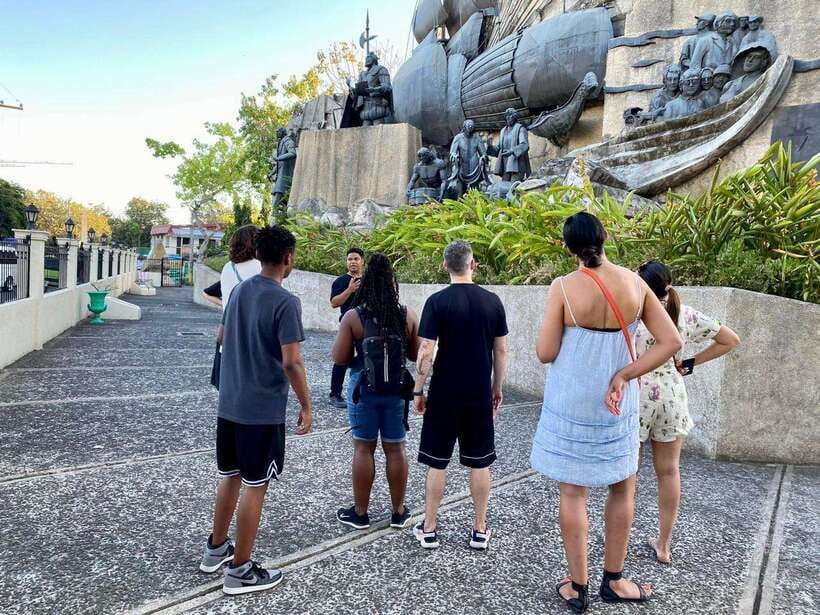
The tour runs rain or shine. Cebu weather can make a walking route feel very different from one day to the next, so wear light, comfortable clothes and shoes that can handle a few hours on city streets.
A camera is worth bringing, especially for the ancestral house, monument, churches, and market scenes. Cash is also important for the food-focused parts of the experience. Jewelry is not allowed, so keep accessories simple.
The group limit of 10 is a practical advantage. The guide can explain a food item without shouting across a crowd, and you have a better chance of asking questions at the historic stops. Some departures may be smaller. One guest had the guide’s full attention, which allowed plenty of conversation about history and food.
The tour is in English. Strong English communication is one of its praised qualities, and that matters because the route depends on explanation rather than sightseeing alone. The guide is also a useful bridge at the market and food stops, where local names and unfamiliar dishes can otherwise leave you guessing.
Is $90 a fair price?
At $90 per person, this tour costs more than a self-guided walk. You could visit several of the landmarks independently for less, and the food itself may not feel generous enough to justify the price on its own.
The value comes from the package: a small group, a guide, local food, background on Cebu’s past, and help navigating places such as Carbon Market and Colon Street. If you are visiting Cebu for the first time, that orientation can save you time and help you see meaning in places you might otherwise pass quickly.
The price is easier to justify if you are traveling alone, want English explanations, or prefer not to work out the route yourself. Solo guests may also appreciate the extra attention and practical help at the end of the walk.
It is harder to justify if you are a confident independent explorer, have plenty of time, or mainly want to eat. The food is an important part of the tour, but this is a history walk with tastings, not a full food tour. Think of the $90 as payment for access to a guide and a carefully connected introduction to Cebu, not for a large meal.
Who should book this three-hour experience?
I would choose this tour for a first day in Cebu City. It gives you a useful map of the historic center and shows you which places deserve a longer return visit.
It suits solo visitors, couples, and small groups who like a mix of food and history. It is also a good fit if balut is on your must-try list but you would rather have a guide explain the tradition before you taste it.
You may want to skip it if you dislike walking in uncertain weather, have no interest in churches, or expect a polished restaurant-style food experience. It is also not ideal for someone seeking a slow, detailed visit to every landmark. The route is active and fairly packed.
The strongest guides make this experience work. Philip, Nacien, and Kyle are among the guide names associated with particularly warm, attentive service, including help for solo guests and lively explanations. Guide quality can vary by departure, but the format gives a good guide plenty of chances to make the city come alive.
FAQ
How long is the Cebu City Historical Street and Food Tour?
The tour lasts three hours.
What language is the tour conducted in?
The live tour guide speaks English.
How much does the tour cost?
The price is $90 per person.
Is hotel transfer included?
No. Hotel transfer is not included. You should meet the guide at the designated meeting area.
How large is the group?
The tour is limited to 10 participants.
What food can I expect to try?
The tour includes Filipino street food and local delicacies, including balut, a boiled salted duck egg traditionally eaten with salt.
Which historical sites are included?
The route includes the Heritage of Cebu Monument, Yap Sandiego Ancestral House, Basilica Minore del Sto. Niño de Cebu, Magellan’s Cross, Carbon Market, and Cebu Metropolitan Cathedral.
What should I bring?
Bring comfortable shoes, comfortable clothes, a camera, and cash.
Does the tour operate in bad weather?
Yes. The tour takes place rain or shine.
Should you book it?
Book this tour if you want Cebu’s old streets explained while you taste local food and see major landmarks in one compact outing. The small group, English-speaking guide, and strong personal attention make it especially useful for first-time visitors and solo guests.
Skip it if $90 feels too high for a three-hour walk or if you are happy to plan the churches and markets yourself. The food is a bonus, not a full meal. For the right person, though, this is a lively first look at Cebu, with enough history to give the city shape and enough street-level detail to keep it from feeling like a museum visit.
Just added around the world
- Tokyo: Imperial Palace, the history of Japan (ENGLISH GUIDE)★ 5.0 · 77 reviews
- Tokyo: Customized Private Historical Guided Photoshoot Tour★ 5.0 · 25 reviews
- Tirana: Walking Tour through Attractions of Historic Center★ 5.0 · 24 reviews
- Throne of Helios: The History of Rhodes in 9D Experience★ 4.5 · 272 reviews
- (Ticket Included) Explore Osaka Castle & Museum of History★ 4.8 · 21 reviews
- Vienna: historical tours with locals in the unknown City,★ 4.7 · 156 reviews
- Williamsburg: The Patriots Historical Walking Tour★ 4.8 · 41 reviews
- Austin: Downtown History Walking Tour★ 4.9 · 123 reviews
Food & History Tours, compared.
Sevilla Food Tour: Tapas, Wine, History & Traditions
Read our review →
Dublin Historical Centre Food Tour with 8 Food Tastings & Drinks
Read our review →
The Great Indian Food Tour: Old Delhi Food and Heritage Walk
Read our review →
Browse the lists this tour appears in