
Review · NEW YORK (STATE)
Soul of Harlem: Strivers Row, Apollo Theatre, Gospel History
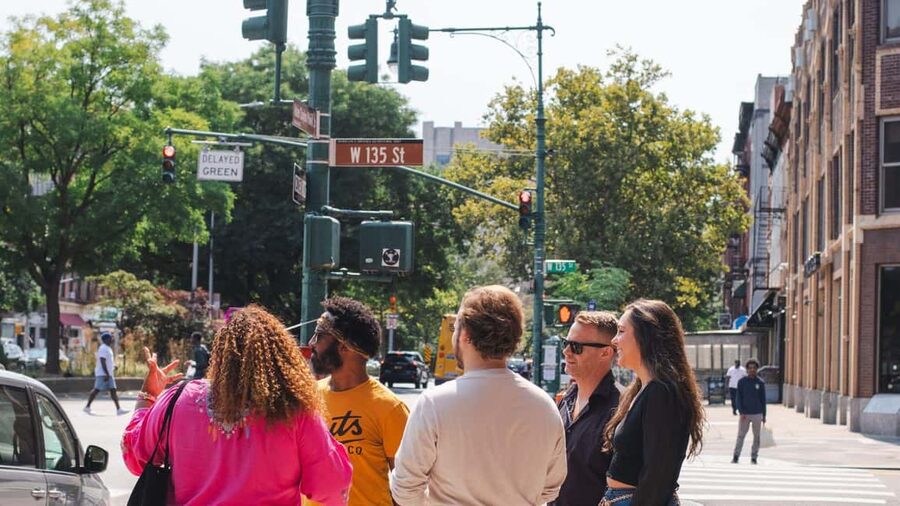
Harlem tells big American stories on ordinary city blocks. This two-hour walk links the Apollo Theater, Strivers’ Row, gospel traditions, and the people who shaped music, politics, and daily life. I especially like the local perspective and the way the route stays focused instead of trying to cover all of Manhattan.
I also like the mix of famous landmarks and odd, memorable details, including the story of Fidel Castro being turned out of a Midtown hotel for keeping chickens in his room. The main consideration is simple: this is an outdoor walking tour, and the Apollo stop may mean seeing the theater from outside rather than going in.
Harlem in a nutshell: what makes this walk worthwhile

- A tight two-hour route: You spend your time in a concentrated part of Harlem rather than losing half the tour to transport.
- Music history with real names: Ella Fitzgerald, Duke Ellington, and other Harlem Renaissance figures anchor the story.
- Sunday gospel option: On Sundays, the experience includes skip-the-line access to a gospel service at a local church.
- Strong local guides: Guides such as Altovise and Ron have been praised for lively storytelling, community ties, and careful answers.
- Landmarks with context: The Abyssinian Baptist Church, Schomburg Center, Bill’s Place, Strivers’ Row, and the Apollo Theater each reveal a different side of Harlem.
- Flexible booking: The tour costs $49 per person, lasts two hours, and allows free cancellation up to 24 hours before departure.
A short walk through four centuries of change
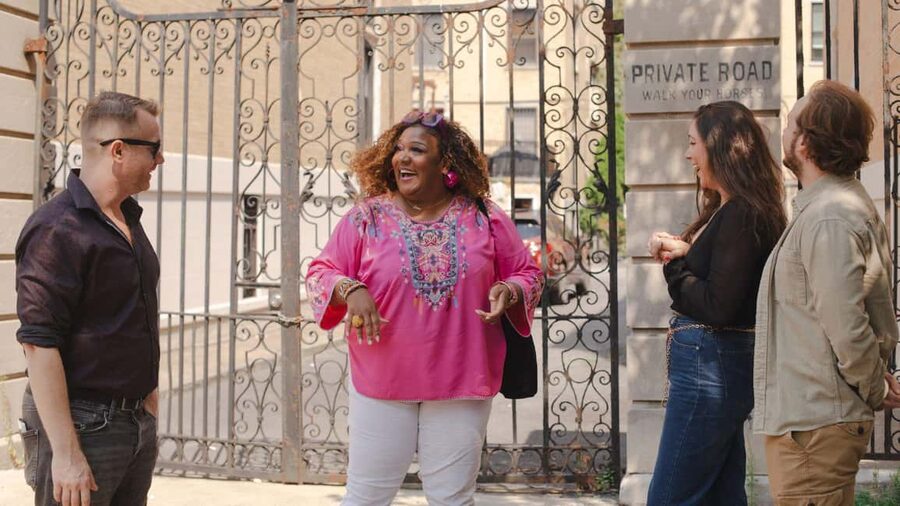
Harlem’s story is not one straight line. Over roughly 400 years, the area has passed through major ethnic, cultural, and economic shifts. That change is visible in its houses, churches, theaters, research centers, and restaurants.
I like that this tour treats Harlem as a living neighborhood, not just a museum of Black culture. You get the music story, but you also get the religious, political, social, and economic forces that shaped the streets.
The route is compact enough to feel manageable. In two hours, you can focus on the area without the fatigue that often comes with a longer city walking tour. It also gives you a useful first visit to Harlem, especially if you want an introduction before returning on your own for a meal, church service, performance, or museum visit.
The experience is offered in English with a live guide. The meeting point can vary by the option you book, with the Apollo Theater and 515 Malcolm X Boulevard listed as starting points. Check your confirmation closely so you do not head to the wrong end of the route.
A few more history tours around New York City worth a look
- NYC: Speakeasy Drinks and Prohibition History Tour
★ 4.7 · 474 reviews - #1 Rated NYC Chinatown Food and History Walking Tour with FNYT
★ 5.0 · 171 reviews - Tribeca Architecture And History Walking Tour
★ 5.0 · 141 reviews
Meeting the neighborhood through its guides
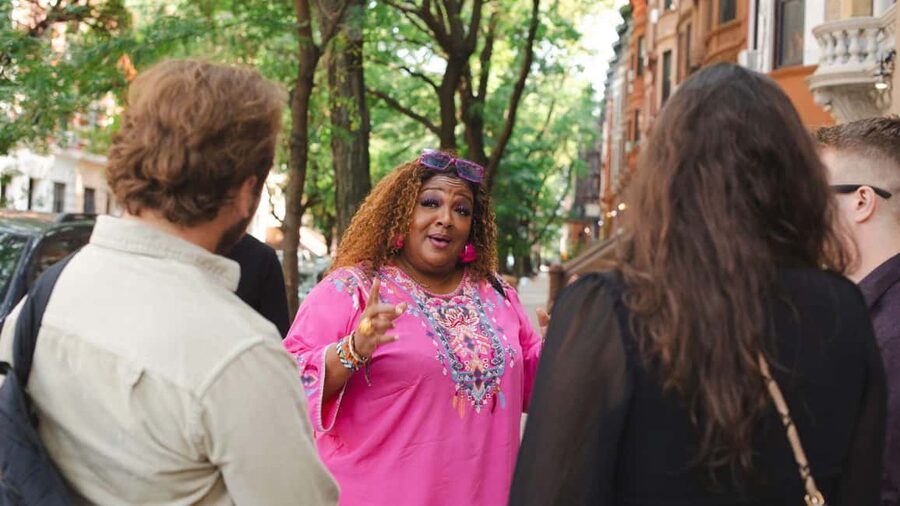
The guide can make or break a walking tour. Here, the feedback points to a clear strength: guides bring personality and personal connection rather than simply reciting dates.
Altovise receives especially strong praise for her humor, energy, and care with questions. She is described as someone who knows the area and connects the past with present-day Harlem. One particularly useful detail is her ability to point people toward extra local resources, including information about synchronized swimming teams at the YMCA.
Ron is also praised for bringing documents and plenty of background to the walk. Other comments highlight guides who made an effort to include everyone, checked on arrivals, and offered suggestions for places to eat afterward.
That local connection matters. Harlem can be reduced to a short list of famous names if the guide is not careful. A good guide helps you see the neighborhood as a place where people live, work, worship, and know one another. You may also hear different stories depending on who leads your walk, since the experience is shaped by the guide’s own experience and interests.
The Abyssinian Baptist Church and Harlem’s spiritual life
The Abyssinian Baptist Church is one of the major stops. You should expect a visit and photo opportunity, with the guide explaining why churches have played such an important role in Harlem’s community life.
This is not just a decorative landmark. Churches in Harlem have long been places of worship, public speech, music, social support, and political organization. The stop helps explain why gospel music belongs in the same conversation as the Apollo Theater and the Harlem Renaissance.
The exact balance between exterior explanation and interior access can depend on the day and the church’s schedule. The tour information specifically promises a visit, but you should not assume a full private tour of every building. The Sunday option adds a more direct church experience, which is likely the better choice if gospel music is your main reason for coming.
Remember that a gospel service is a worship service, not a staged concert. Dress and behavior should be respectful, and you should be prepared to participate as an observer in an active religious setting.
Sunday gospel: the most distinctive part of the experience
The gospel addition is available on Sundays only, with skip-the-line access at a local church. This makes Sunday the most appealing day to book if you want more than a street-level history lesson.
The gospel component gives the tour emotional weight. You hear about Harlem’s musical traditions during the walk, then encounter church music in its living setting. That connection is more meaningful than simply looking at a plaque or taking a picture outside a famous venue.
Still, you should understand what you are booking. The supplied details do not name the church for every departure or spell out the length of the service. The itinerary lists Memorial Baptist Church among the drop-off points, while the tour description refers to a local church. Confirm the Sunday arrangements when you book.
If you are visiting on another day, you will still get the Harlem history and music themes, but not the Sunday gospel access. For many people, that is the main reason to plan this walk around a Sunday morning.
Same place, a different slice of the past:
- Hamilton and Washington Revolutionary Walking Tour
★ 5.0 · 182 reviews - NYC: Night Out Prohibition History Bar and Speakeasy Tour
★ 4.6 · 128 reviews - Lower Manhattan Secrets And History Walking Tour
★ 5.0 · 96 reviews - NYC: History of Slavery & Underground Railroad Walking Tour
★ 4.7 · 87 reviews
The Schomburg Center and the work of preserving Black culture
The Schomburg Center for Research in Black Culture appears as a photo stop and visit. It adds an important layer to the tour because Harlem’s story is not only performed on stages or passed down in church. It is also recorded, studied, and protected in institutions.
The center represents the value of archives and research in telling Black history on its own terms. You may not have time for a full museum-style visit during the two-hour walk, so think of this stop as an introduction rather than a substitute for a dedicated visit.
I appreciate its place in the route because it keeps the tour from becoming a celebrity checklist. Ella Fitzgerald and Duke Ellington matter, but so do the writers, researchers, artists, and community members who preserved the record of Harlem’s cultural life.
Bill’s Place and the neighborhood’s music story
Bill’s Place is another photo stop. Its inclusion points to Harlem’s long connection with music venues and performance spaces beyond the most famous theater on the avenue.
The route uses places like this to build a wider music story. Ella Fitzgerald and Duke Ellington are part of the headline history, but Harlem’s musical importance came from many rooms, clubs, churches, and neighborhood institutions.
You should not expect a long performance or an extended interior visit here. It is best viewed as one piece of the walk’s broader explanation. The value comes from hearing how the location fits into Harlem’s musical past, then comparing it with the Apollo and the gospel service if you visit on Sunday.
Strivers’ Row: elegant homes and changing fortunes
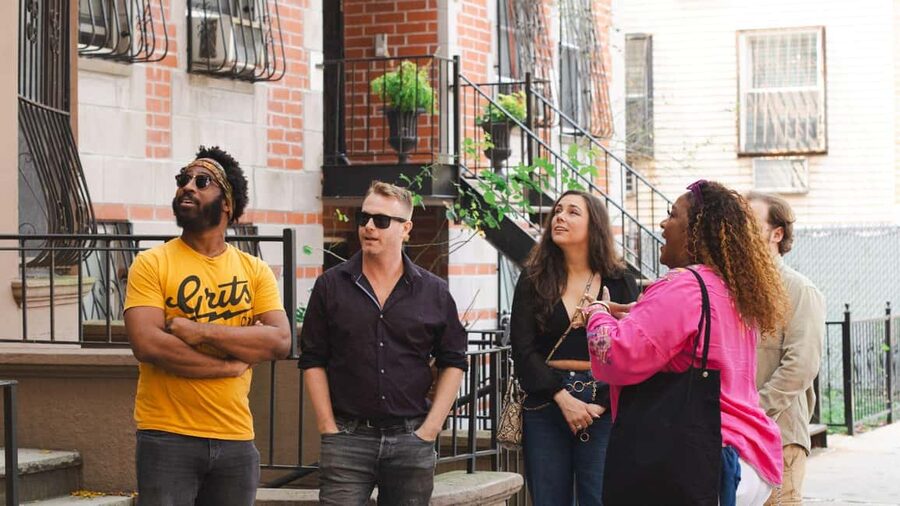
Strivers’ Row gives the walk a different visual mood. The historic row houses show Harlem through architecture and social ambition, not only through theaters and churches.
The name points to the people who worked hard to improve their position in a changing city. A stop here helps you think about who could live in such homes, how Harlem developed as a desirable neighborhood, and how economic fortunes shifted over time.
The itinerary lists Strivers’ Row as a photo stop, so plan to view the buildings from the street. That is still useful, especially because the homes provide a clear contrast with the institutional scale of the church and cultural center.
This is also one of the places where your guide’s detail matters most. Architecture alone can be easy to admire and quickly forget. A story about residents, class, ambition, or change gives the facades a reason to matter.
The Apollo Theater and the limits of the stop
The Apollo is the best-known name on the route, and it is central to Harlem’s music identity. The theater is tied to generations of performers and to the broader story of how Harlem helped send American music around the world.
Expect a photo stop and an explanation from outside. Do not book this walk assuming you will tour the interior. One recent participant specifically wished for a peek inside and felt that access would have added depth, even at a higher price. That is useful advice, especially if the Apollo is your top priority.
The theater may also be affected by renovation or access restrictions. Conditions can change, so check before booking if an interior visit is essential to you. The guide can still make the exterior stop worthwhile by explaining the performers, neighborhood setting, and cultural importance, but outside access is not the same as a backstage or auditorium tour.
The listed route offers two starting points, including the Apollo Theater, and two possible drop-off locations, Memorial Baptist Church and the Apollo Theater. That flexibility can help you connect the walk with the rest of your day.
The surprising Fidel Castro story
One of the tour’s more unusual details concerns Fidel Castro. After being asked to leave a Midtown hotel because he kept chickens in his room, he reportedly slept in Harlem.
This is exactly the kind of side story that makes a neighborhood walk memorable. It shows Harlem as a place that has received famous, controversial, and unexpected figures, not merely as a backdrop for the Harlem Renaissance.
The story also gives the guide a chance to connect local history with world events. You will hear major cultural history, but you will also get the sort of strange human detail that helps you remember the route after the tour ends.
How much value do you get for $49?
At $49 per person, this is not the cheapest way to see Harlem, since you could walk many of these streets on your own. The question is what you would miss without a guide.
For the price, you are paying for a focused route, live interpretation, local stories, and the chance to ask questions. The strongest value comes if you know little about Harlem and want a clear introduction without spending a full day on a large group tour.
The Sunday gospel addition improves the value for people who want a real church experience. On a non-Sunday departure, the price makes more sense if you care about the guide’s storytelling and the cultural context, not just collecting photographs of landmarks.
I would not choose this tour only to enter the Apollo Theater, because interior access is not guaranteed. I would choose it for the combination of Harlem’s music, faith, architecture, community life, and unusual personal stories.
The tour also offers reserve-now, pay-later booking and free cancellation up to 24 hours before departure. Those policies make it easier to fit into a New York schedule, especially if you are still sorting out your plans.
Who should book this Harlem walk?
I would recommend it most strongly to:
- First-time visitors who want a clear introduction to Harlem
- People interested in Black music, gospel, theater, and cultural history
- Visitors who prefer a compact two-hour walk to a long city excursion
- Sunday visitors who want gospel included
- Anyone who values local storytelling and time for questions
- Families or mixed-age groups that need a manageable route
You may want a different experience if you require a full interior tour of the Apollo, prefer to explore independently, or want a long museum visit at the Schomburg Center. The route gives you a strong overview, but it cannot provide an in-depth treatment of every stop in only two hours.
The walk is listed as wheelchair accessible, though the exact meeting point and route details can vary by booking option. If you have specific mobility needs, confirm the starting point before you arrive.
My verdict: book it for the stories, not just the sights
I would book this tour if I wanted Harlem to make sense quickly. The route covers famous places, but its real strength is the link between music, religion, architecture, politics, and everyday community life.
Choose Sunday if gospel is important to you. Choose a different day if your schedule demands it, but keep your expectations realistic about church and Apollo access. The guides appear to be the biggest asset, with Altovise and Ron praised for warmth, humor, preparation, and local ties.
At $49, the walk earns its price when you use the guide to ask questions and understand what you are seeing. If you only want exterior photos, you can spend less by walking alone. If you want the neighborhood’s stories delivered with energy and care, this is a smart Harlem introduction.
FAQ
How long does the Harlem walking tour last?
The tour lasts two hours.
How much does the tour cost?
The price is $49 per person.
What language is the tour offered in?
The live guided tour is offered in English.
Where does the tour start?
The starting point may vary by the option booked. Listed starting locations include 515 Malcolm X Boulevard and the Apollo Theater.
Does the tour include a gospel experience?
Yes, skip-the-line access to a gospel experience at a local church is included on Sundays only.
Which Harlem landmarks are included?
The route includes the Abyssinian Baptist Church, Schomburg Center for Research in Black Culture, Bill’s Place, Strivers’ Row, and the Apollo Theater.
Is the Apollo Theater interior included?
The listed experience includes a photo stop at the Apollo Theater. Interior access is not guaranteed.
Can I cancel the booking?
You can cancel up to 24 hours in advance for a full refund. Reserve-now, pay-later booking is also available.
Just added around New York City
- NYC: Lower East Side Devour Food & History Walking Tour★ 4.8 · 19 reviews
- New York: Mafia and Gangster History Tour in Little Italy★ 4.6 · 79 reviews
- New York: Rock and Roll History and Culture Walking Tour★ 5.0 · 22 reviews
- NYC: History of Slavery & Underground Railroad Walking Tour★ 4.7 · 87 reviews
- NYC: Night Out Prohibition History Bar and Speakeasy Tour★ 4.6 · 128 reviews
- New York City: Flatiron Food, History, and Architecture Tour★ 4.8 · 43 reviews
- NYC: New York City History of Stand-Up Comedy Tour★ 4.8 · 21 reviews
- NYC: Central Park Pedicab Tour and Natural History Access★ 4.7 · 52 reviews
New York City History Tours, compared.

NYC: Speakeasy Drinks and Prohibition History Tour
Read our review →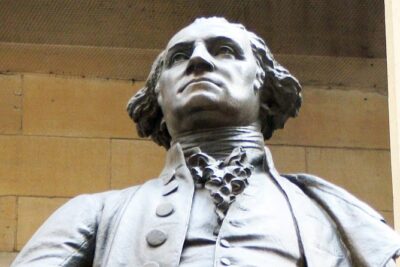
Hamilton and Washington Revolutionary Walking Tour
Read our review →
#1 Rated NYC Chinatown Food and History Walking Tour with FNYT
Read our review →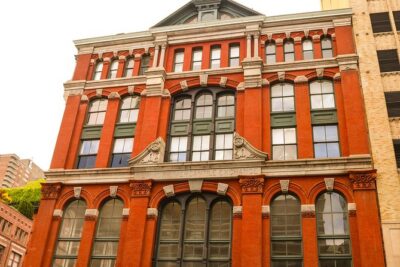
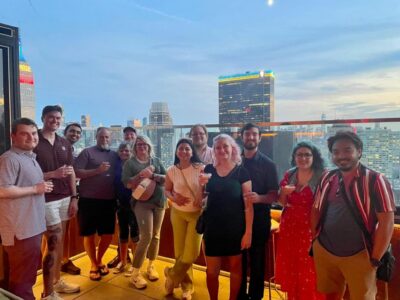
NYC: Night Out Prohibition History Bar and Speakeasy Tour
Read our review →
Lower Manhattan Secrets And History Walking Tour
Read our review →
NYC: History of Slavery & Underground Railroad Walking Tour
Read our review →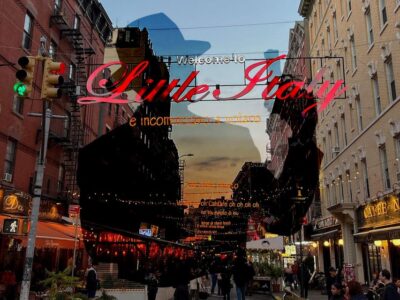
New York: Mafia and Gangster History Tour in Little Italy
Read our review →Browse the lists this tour appears in