
Review · SINGAPORE
Singapore: Chinatown Historic Walking Tour with Lunch
Chinatown rewards slow feet. This 210-minute walk links old temples and shophouses with living food and shopping traditions, giving you much more than a quick look at Pagoda Street. I especially like the early start at Yueh Hai Ching Temple and the meal at Chiew Kee Noodle House, where soy sauce chicken keeps the history lesson properly grounded.
I also like the route’s range, from the Fuk Tak Chi Museum and Thian Hock Keng Temple to tea, pastries, and Chinese remedies. The main drawback is simple: you cover a lot of ground in three and a half hours, often in Singapore’s heat or rain, so comfortable shoes and water are not optional.
Six details that make this Chinatown walk worthwhile
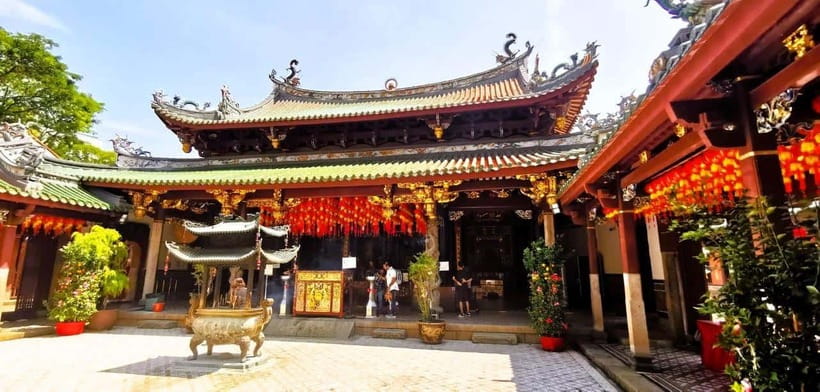
- Thian Hock Keng Temple dates to 1821, with ornate decoration and a connection to Mazu, the sea goddess.
- Lunch is included at Chiew Kee Noodle House, one of Singapore’s oldest eateries, known for soy sauce chicken.
- Pek Sin Choon has more than a century of tea-trading history, plus Cantonese pastries to browse.
- The route reaches quieter corners, including Mohamed Ali Lane, Ann Siang Hill, and Sago Lane.
- Ping is the guide most often praised, for clear storytelling, local insight, flexibility, and taking photos during the walk.
- Rain does not cancel the tour, and a disposable poncho is provided if needed.
Starting at Raffles Place, where old Singapore begins
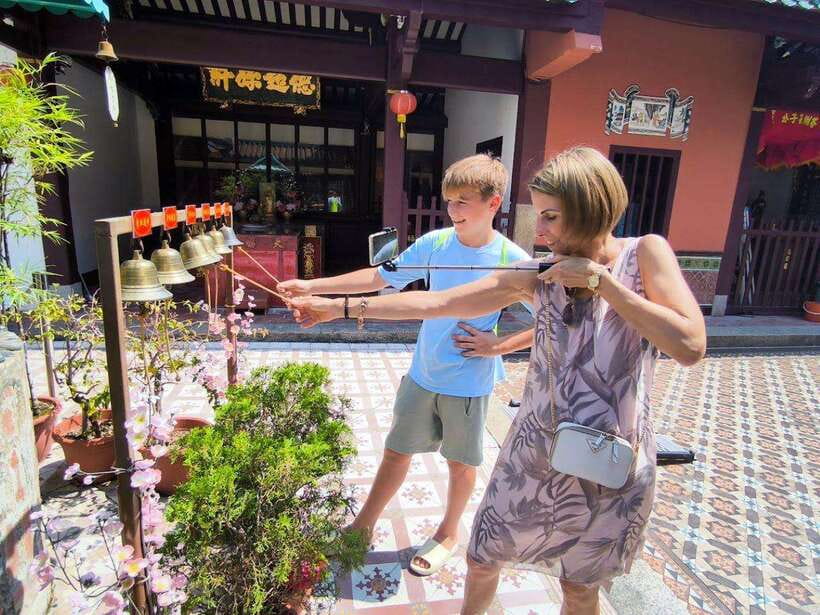
Meet your English-speaking guide at 9:55 AM in front of The Whisky Distillery at One Raffles Place, across from Raffles Place MRT Station Exit A. The tour begins at 10:00 AM, which is useful because you start in the modern business district before moving toward the older quarters.
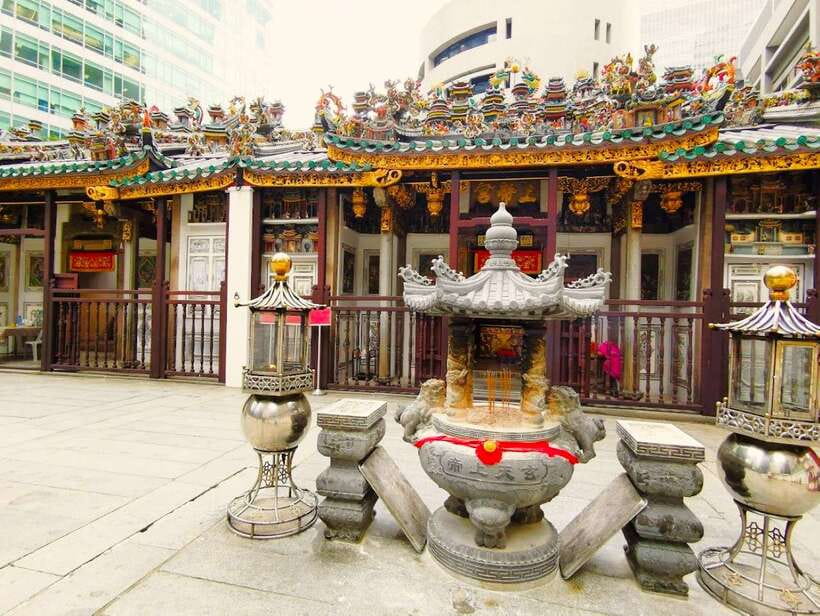
That contrast gives the morning a clear shape. Singapore’s glass towers are close by, but the first stop, Yueh Hai Ching Temple, points to the hopes and fears of early Chinese immigrants. It is a national monument, and the guide spends about 20 minutes explaining its place in the city’s story.
I like beginning here instead of being dropped straight into the souvenir shops of Chinatown. You first get a sense of why temples mattered to people arriving by sea, looking for work, family, protection, and a place to belong.
More History Walking Tours in the world:
- History and Hauntings of Salem Guided Walking Tour
★ 5.0 · 14,564 reviews - Lisbon: History, Stories and Lifestyle Walking Tour
★ 4.8 · 10,902 reviews - Boston: Freedom Trail History Small Group Walking Tour
★ 5.0 · 6,450 reviews
Yueh Hai Ching and Fuk Tak Chi, two very different shrines
From Yueh Hai Ching Temple, the walk moves toward Pekin Street, a pedestrian-only lane. The route then reaches Fuk Tak Chi Museum, which occupies a former Taoist shrine restored within a boutique hotel.
The stop lasts about 20 minutes. That is enough time to look at the compact interior and hear how a religious site could later become a museum. Fuk Tak Chi feels smaller and more intimate than the grander temples later in the morning, so the sequence works well.
You also pause at Nagore Dargah for around five minutes. This Muslim shrine adds an important reminder: Chinatown was never only Chinese. Singapore’s old port drew people from many places, and the city’s religious buildings often sit close together. The stop is brief, but it helps prevent a too-narrow view of the district.
Thian Hock Keng Temple and the meaning of Mazu
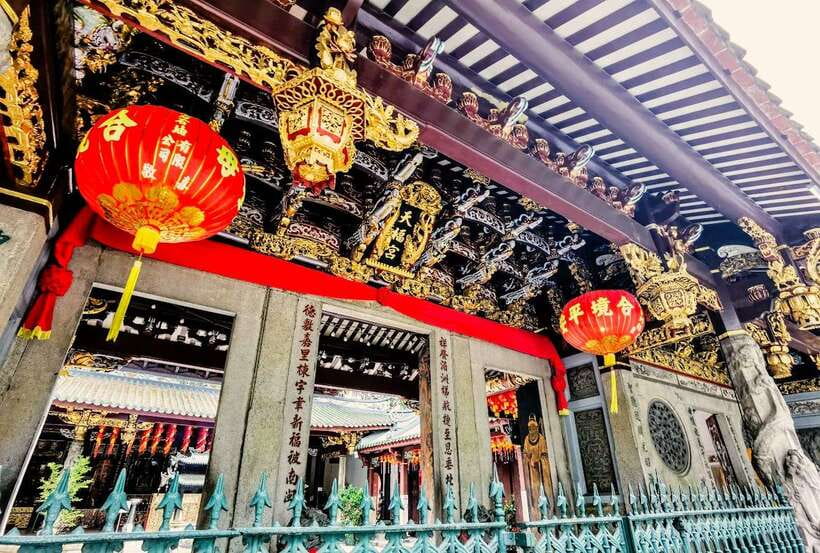
The centerpiece of the first half is Thian Hock Keng Temple, built in 1821 and dedicated to Mazu, the sea goddess. Plan on about 25 minutes here.
This is the sort of place where a guide adds real value. The architecture rewards a slow look, but a visitor on their own may miss the links between the temple, seafaring, migration, and the early Chinese community. Your guide can point out details and explain the customs tied to them.
The temple is also a good photo stop, though the point is not simply to collect another picture. You are seeing one of the places that helped early immigrants make a difficult new city feel less unfamiliar.
Afterward, the route climbs Ann Siang Hill for about 10 minutes. The change in setting is noticeable, with older shophouses and a more polished modern feel. I would not treat this as a strenuous climb, but the tour remains a walking experience, not a hop-on, hop-off outing.
Clubs, lanes, and the less polished side of Chinatown
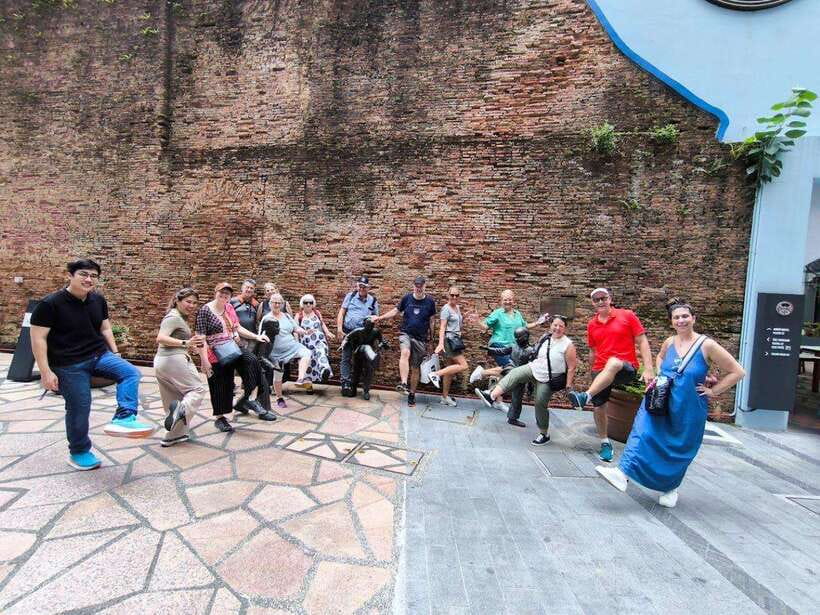
The Chinese Weekly Entertainment Club and Goh Loo Club offer a look at social life beyond temples and trading houses. The first gets a short explanation, while Goh Loo Club receives about 20 minutes.
These stops matter because they show how Chinese communities built places for leisure, business, and social contact. The buildings are part of the story, but the guide’s explanation gives them purpose. A shophouse can look decorative from the pavement; the stories tell you how people once used it.
At Mohamed Ali Lane, the guide shares more about Chinatown’s past. This is one of the route’s quieter stretches and one reason I would choose a guided walk instead of only following the main tourist streets.
The tour packs many stops into the morning. That is a strength if you like variety, but a possible weakness if you prefer long, unhurried visits. You will often listen, look around, take a few pictures, and keep moving.
A few more history tours around the world worth a look
- Douro Valley: Historical Sites, Wine Experience, Lunch & Cruise
★ 5.0 · 5,133 reviews - Tromsø: Reindeer Camp and Sami Cultural Tour with Lunch
★ 4.7 · 3,326 reviews - Ninh Binh Heritage Full Day Tour with Buffet Lunch and Limousine
★ 5.0 · 2,692 reviews - From Kuala Lumpur: Historical Melaka Day Tour with Lunch
★ 4.4 · 2,297 reviews
Chiew Kee Noodle House puts lunch at the center
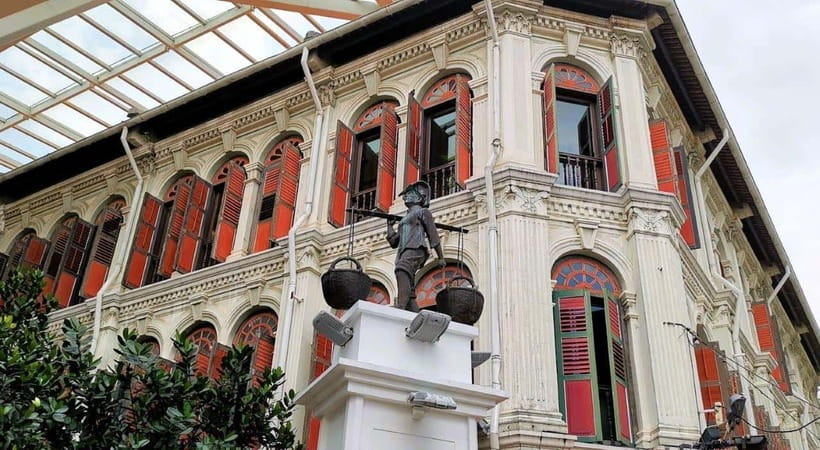
After the temples and lanes, lunch arrives at Chiew Kee Noodle House. You have about 35 minutes, and an authentic meal is included in the $54 price.
The restaurant is known for soy sauce chicken and is described as one of Singapore’s oldest and most loved noodle houses. The meal is not presented as a fancy restaurant experience. That is precisely the point. You eat at a long-running local establishment that fits the tone of the walk.
I value this part of the tour because food turns history into something immediate. You can hear about old Chinatown, or you can sit down and eat in a family-run or long-established setting that still serves a local crowd. Several people also found the lunch simple and delicious, which sounds right for this kind of stop.
If you want a long, leisurely meal, 35 minutes may feel short. If you want a genuine local lunch without having to choose a dish or find a suitable restaurant yourself, it is a useful inclusion.
Yue Hwa, The Majestic, and the Chinese shopping quarter
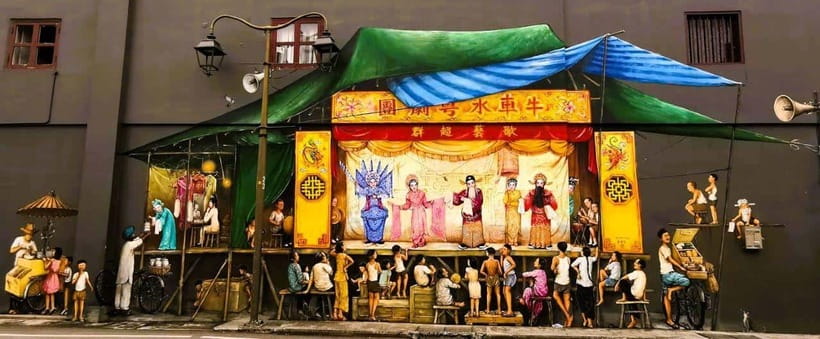
After lunch, the walk passes Yue Hwa Chinese Products and the Yue Hwa Building. The stop at the building is brief, around three minutes, so expect an exterior explanation rather than a full shopping visit.
The Majestic follows as a photo stop with a short talk. It gives you another chance to see how old commercial buildings have been reused and preserved within a modern city.
The route then reaches Pagoda Street, one of the better-known parts of Chinatown. This is where you will see more shops and activity, but the guide helps connect the commercial street to the neighborhood’s earlier role.
Lim Chee Guan’s famous New Bridge Road store is also included in this stretch. The tour does not promise a long shopping session, so bring your own list if you have a particular product in mind. The emphasis is on context and local traditions rather than a dedicated retail excursion.
Three faiths in a few city blocks
Sri Mariamman Temple receives about 10 minutes. It is Singapore’s oldest Hindu temple, and its presence makes the walking route feel broader than its Chinatown label suggests.
The tour also reaches the Buddha Tooth Relic Temple, with a shorter five-minute guided visit. The timing indicates that this is mainly an orientation stop, not a full museum visit or extended religious tour.
I like this part of the route because Singapore’s culture is easier to understand when you see different faiths close together. The morning moves from Taoist and Chinese temples to a Muslim shrine and Hindu temple, then back to Buddhist traditions. You do not need to know the differences in advance. The guide supplies the basic explanations and helps you notice how the buildings fit into the same urban neighborhood.
Dress and behavior should be respectful at religious sites. The supplied information does not state a specific dress code, so I would choose modest clothing and follow instructions on the day.
Smith Street, Maxwell Food Centre, and the changing city
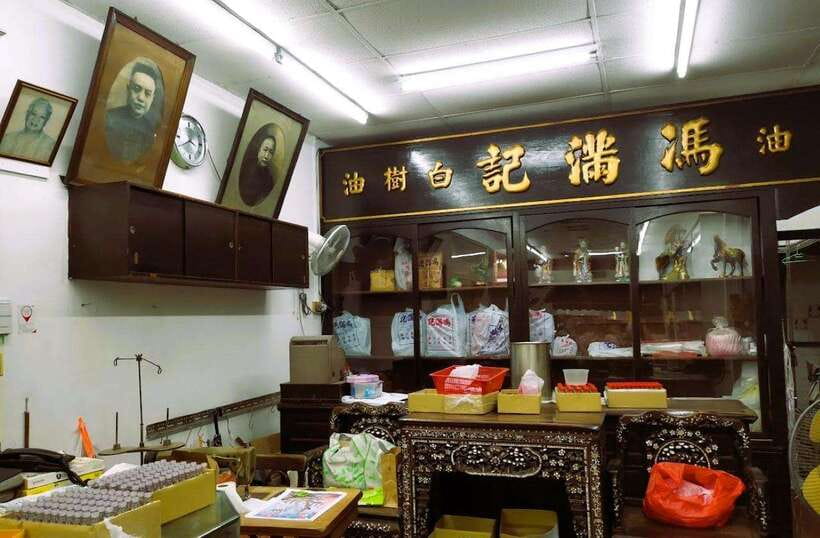
Smith Street brings you into another well-known food and shopping area. The guided stop lasts about 10 minutes, followed by a short visit around Maxwell Food Centre.
The route does not turn into a separate food crawl here. Instead, these places help you see how Chinatown functions now, with food centers and shops alongside temples, hotels, museums, and restored shophouses.
The Singapore City Gallery is listed for a 20-minute guided visit. This gives the final part of the experience a wider city-planning angle. After spending the morning looking closely at lanes and buildings, you can consider how Singapore has changed and how older districts fit into the modern city.
The description also places a visit to Fong Moon Kee near the end. This family-run shop has specialized in traditional remedies since the early 1900s. The stop adds a practical, everyday note to the temple visits and architectural sights. You are not only looking at old buildings; you are seeing traditional medicine remain part of Chinatown’s commercial life.
Tea, Cantonese pastries, and Sago Lane
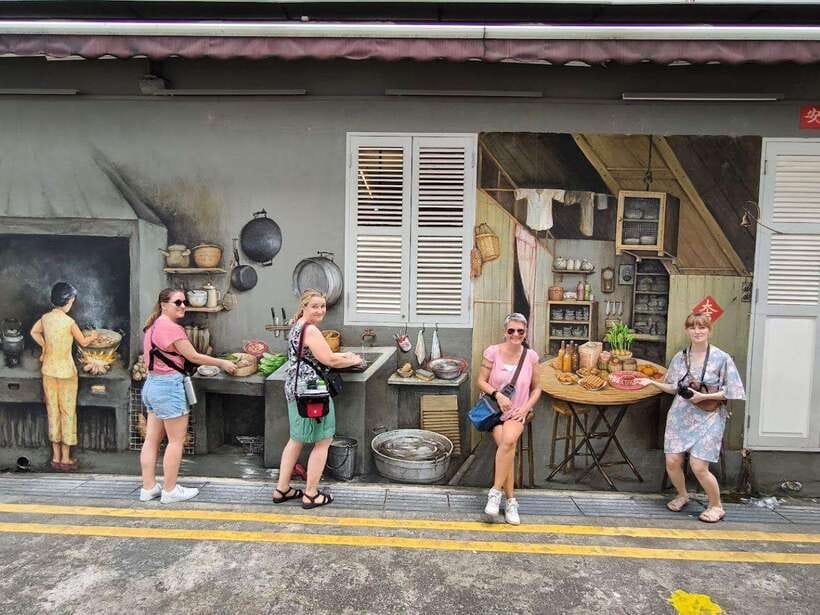
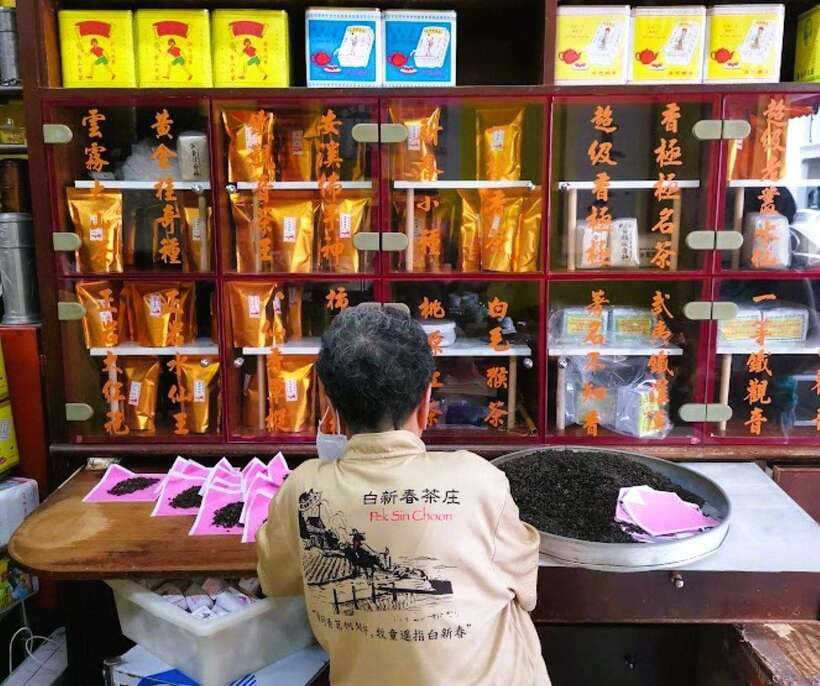
Pek Sin Choon is one of the most distinctive stops. This tea merchant has more than 100 years of history, and you have time to browse tea and Cantonese pastries.
This is a good place to buy something small and useful rather than another generic souvenir. You might find a tea product or pastry that gives you a better sense of the district’s food customs. The tour does not state that purchases are included, so plan to pay separately if you want something.
The walk continues along Smith Street toward Sago Lane, once home to sago factories. The route links food production, trade, and daily life, which helps explain why Chinatown developed as more than a collection of attractive façades.
What the guide adds, especially Ping
The strongest part of this experience is the guiding. Ping is repeatedly praised for clear English, lively storytelling, warmth, and a strong grasp of Singapore’s past and present.
You can expect a guide who answers questions, explains religious and cultural details, and compares earlier Singapore with the city you see today. Ping is also known for taking photos during the walk and sending them afterward, a particularly nice extra if you are traveling alone or want a few pictures without constantly stopping to use your phone.
The pace is generally described as manageable for different ages, and Ping has adjusted for walking speed and rainy weather. One tour even ran longer because the group was enjoying it, though you should not count on an overrun if you have a fixed afternoon appointment.
Rain, heat, and practical comfort
The tour runs rain or shine. A disposable poncho is included if rain arrives, but I would still bring an umbrella if you have one, along with water and comfortable shoes.
Singapore’s weather can make three and a half hours outdoors feel longer than the clock suggests. Wear light clothing, protect yourself from the sun, and keep your hands free for temples, food, and photos. The route includes many short stops, but you remain on foot for most of the experience.
Hotel pickup and drop-off are not included. You make your own way back after the final stop, so avoid booking a tight connection immediately afterward.
The walk is conducted in English. Because the route includes temples, shrines, museums, shops, and food, it suits you best if you enjoy listening and walking rather than moving quickly from one major attraction to the next.
Is $54 a fair price?
At $54 per person, the value is solid if you would otherwise pay separately for lunch, a private history walk, and help finding lesser-known sites.
You receive a 210-minute guided experience, lunch at Chiew Kee Noodle House, and access to a route that connects several parts of Chinatown and nearby Raffles Place. The guide is the main value. Without one, you can visit many of these places, but you may not understand why they matter or how they connect.
The price is less attractive if you mainly want free time for shopping, long temple visits, or an open-ended meal. The schedule is full, and the lunch is one included stop rather than the entire purpose of the day.
The flexible booking terms also help. You can cancel up to 24 hours before the tour for a full refund, and reserve now while paying later, according to the stated conditions.
Who should book this Chinatown walk?
I would choose this tour for a first visit to Singapore, especially if you want a strong introduction to Chinatown without planning every temple and restaurant yourself.
It is also a good fit for solo visitors, couples, families who enjoy cultural sights, and anyone who likes local food with a little history attached. Ping’s photo-taking is a useful bonus for solo participants, and the steady pace suits people who want to see a lot without racing.
I would hesitate if you dislike walking in humid weather, prefer independent wandering, or need a fully accessible route with guaranteed seating. The provided information does not give accessibility details, so ask the operator before booking if that matters for you.
Should you book it?
Book it if you want Chinatown explained, not just photographed. The mix of temples, old clubs, food, tea, pastries, medicine, and city planning gives you a fuller picture than a short stroll along Pagoda Street.
Skip it if your priority is shopping time or a slow restaurant lunch. For most visitors, though, $54 buys a well-filled morning, a proper local meal, and a guide who can turn ordinary lanes into places worth remembering.
FAQ
How long does the Chinatown walking tour last?
The tour lasts 210 minutes, or three and a half hours.
What time does the tour begin?
Meet your guide at 9:55 AM. The tour starts at 10:00 AM.
Where is the meeting point?
Meet in front of The Whisky Distillery at One Raffles Place, across from Raffles Place MRT Station Exit A at street level.
Is hotel pickup included?
No. Hotel pickup and drop-off are not included.
What language is the tour conducted in?
The live tour guide speaks English.
Is lunch included?
Yes. An authentic lunch at Chiew Kee Noodle House is included in the tour price.
What food is Chiew Kee Noodle House known for?
The restaurant is known for soy sauce chicken and is described as one of Singapore’s oldest and most popular noodle houses.
What should I bring?
Bring comfortable shoes and water. Since the tour runs rain or shine, an umbrella can also be useful.
What happens if it rains?
The tour continues in rainy weather, and a disposable poncho is provided if needed.
Can I cancel the booking?
You can cancel up to 24 hours in advance for a full refund, according to the stated booking terms.
Just added around the world
- From Antalya: Roman Ancient Sites & Manavgat Waterfall Tour★ 4.8 · 38 reviews
- Ephesus Ancient City Highlight Tour For Cruisers★ 4.8 · 35 reviews
- Small Group Guided Tour of the Secret History of Rouen★ 5.0 · 24 reviews
- Smithsonian National Museum of Natural History Guided Tour★ 4.1 · 159 reviews
- Rome: Colosseum and Ancient Rome Guided Walking Tour★ 4.5 · 95 reviews
- Virpazar: Historical & Nature Boat Adventure on Lake Skadar★ 4.8 · 145 reviews
- Sintra Historical Jeep Adventure – Palaces & Secret Routes★ 4.9 · 230 reviews
- Silves History – Nature Boat Tour – free drink and Port wine★ 4.9 · 39 reviews
History Walking Tours, compared.
History and Hauntings of Salem Guided Walking Tour
Read our review →
Freedom Trail History Small Group Walking Tour
Read our review →
Historic Charleston Guided Sightseeing Walking Tour
Read our review →
Tapas Walking Tour with Food, Wine, and History
Read our review →
Savannah History and Haunts Candlelit Ghost Walking Tour
Read our review →
A History of Terror – Belfast City Centre Walking Tour
Read our review →Browse the lists this tour appears in