
Review · GYEONGGI PROVINCE
Seoul: UNESCO Heritage Palace, Shrine, and More Tour
Royal Seoul comes with quiet corners. This guided tour brings together Changdeokgung Palace, Jongmyo Shrine, and Bukchon Hanok Village, giving you a useful introduction to Korea’s royal traditions in one organized outing. I like the mix of grand palace rooms, sacred ancestral grounds, and old residential lanes. I also like that the guide handles transport between stops, which saves you from piecing together several subway journeys.
The main consideration is the changing schedule. Bukchon is replaced by Namsangol Hanok Village on Sundays, Jongmyo Shrine is replaced by Insa-dong on Tuesdays, and Changdeokgung is replaced by Gyeongbokgung on Mondays. Check the day carefully before booking, since the exact experience depends heavily on your travel date.
Key points at a glance
- Three very different sides of old Seoul: See a royal palace, an ancestral shrine, and preserved traditional homes in one tour.
- UNESCO sites with real context: Changdeokgung Palace and Jongmyo Shrine are not just photo stops. Your English-speaking guide explains their place in Korean royal life.
- Schedule changes matter: Sunday, Monday, and Tuesday departures follow different sightseeing plans.
- Helpful personal service: Guides such as KyungAh Park, also called Chloe, and Ms. Park have been praised for taking photos, helping with hanbok shopping, and adjusting to guests’ needs.
- A useful longer option: The full-day version adds Suwon Hwaseong Fortress and Hwaseong Haenggung Palace.
- Good value at $36: Entrance fees, a guide, a driver, and van transport are included, but lunch and hotel pickup are not.
What the $36 price really covers
At $36 per person, this tour offers solid value for a guided cultural day in Seoul. The price includes entrance fees, an English-speaking guide, and van transportation with a driver. That matters because the sites are spread across different parts of the city, and a guide adds useful background that you would miss by simply walking through the gates with a map.
You still pay for your own meal, and hotel pickup is not included. You need to reach the assigned meeting point yourself, with locations listed around Koreana Hotel and Myeongdong Station Exit 10 depending on the option you book. The local partner sends the exact meeting time and place by email, so check your spam folder if the message does not appear.
The shorter outing lasts about four hours, while the longer version can run up to eight hours. The full-day plan includes lunch time at your own expense, followed by the journey to Suwon. For visitors who want a tidy introduction to Seoul’s royal past, the shorter tour is likely enough. If you want a fuller day and do not mind spending more time in the vehicle, Suwon adds a worthwhile second chapter.
The end point is generally Myeongdong, a convenient area for food and shopping. The meeting and return details can vary by booked option, so read the confirmation email rather than assuming your hotel is included.
More UNESCO World Heritage Tours in Korea:
- From Busan: Gyeongju UNESCO World Heritage Guided Day Tour
★ 4.8 · 1,250 reviews - Gyeongju UNESCO World Heritage Guided Day Tour from Busan
★ 5.0 · 660 reviews - Gyeongju: UNESCO Heritage Tour Including Bulguksa Temple
★ 4.8 · 104 reviews
Bukchon Hanok Village, old houses with modern uses
The day begins at Bukchon Hanok Village when the calendar allows. This hillside district is known for preserved hanok, traditional Korean houses with tiled roofs, wooden details, and enclosed courtyards. Many buildings now hold cafés, galleries, workshops, or cultural centers, so the area connects old Seoul with present-day city life.
You receive about 50 minutes with a guide here. That is enough to see the main character of the neighborhood and take photographs, but not enough for an unhurried wander through every lane. I would treat this as an introduction rather than a full neighborhood exploration.
Bukchon is also a residential area. Keep your voice low, follow the guide’s route, and avoid treating every doorway as a photo prop. The appeal comes from the contrast between carefully preserved homes and the city beyond them, not from rushing through private streets.
A useful personal touch is possible here. Chloe, one of the guides praised for her warm manner, has helped visitors find a hanbok shop and taken photos for them. That kind of assistance can be especially useful if you want a few well-framed pictures without asking strangers.
On Sundays, all tourists are prohibited from visiting Bukchon Hanok Village under the stated schedule. The tour substitutes Namsangol Hanok Village, another place to see traditional Korean homes and cultural settings. This is not a minor timing change, so Sunday bookers should expect a different first stop.
Jongmyo Shrine, Korea’s quiet royal heart
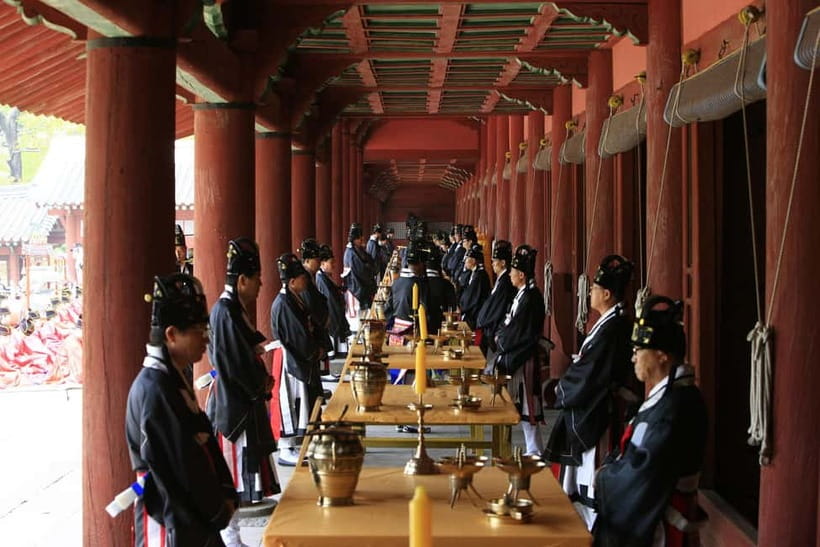
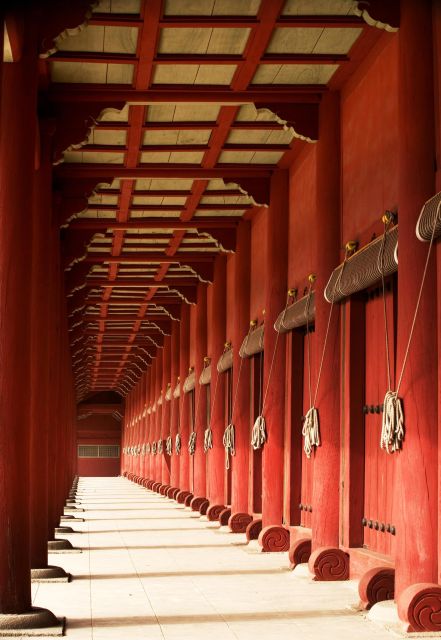
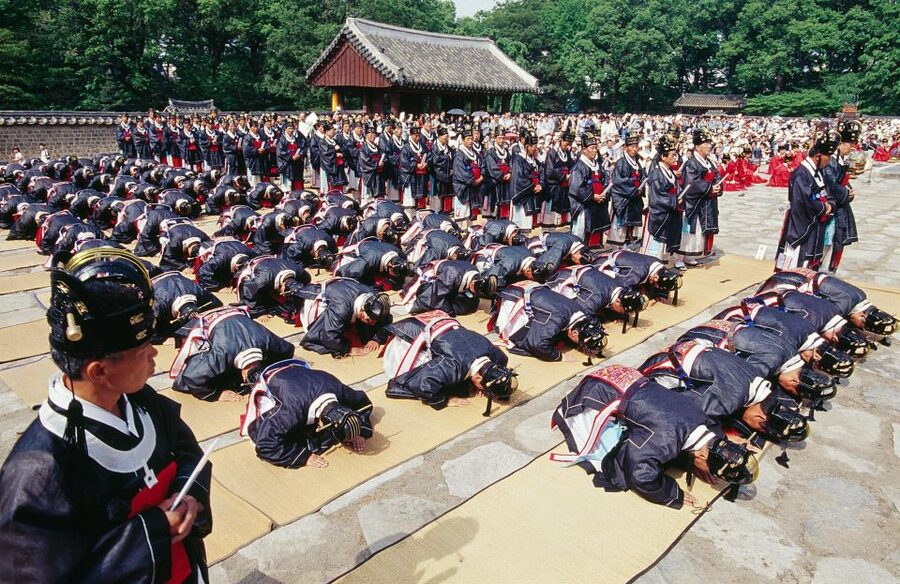
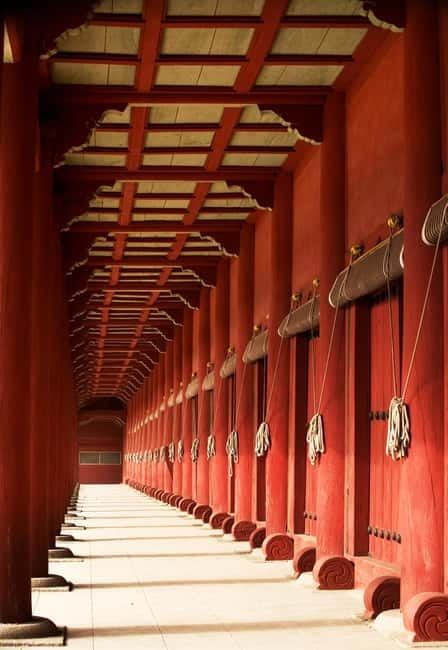
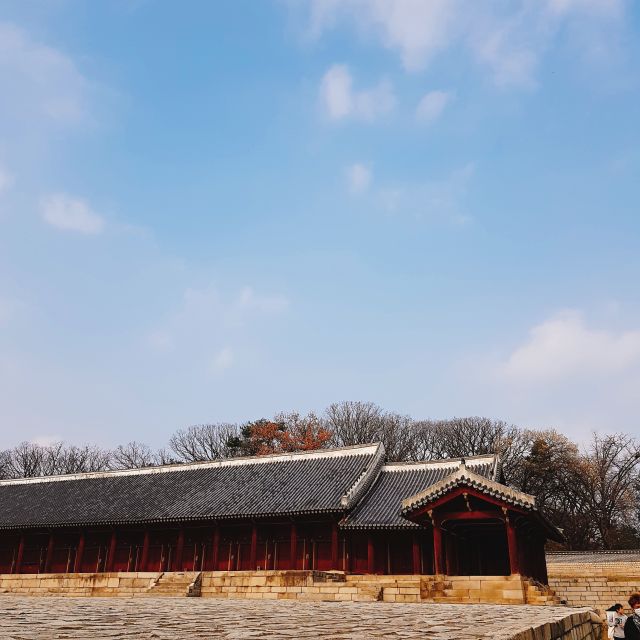
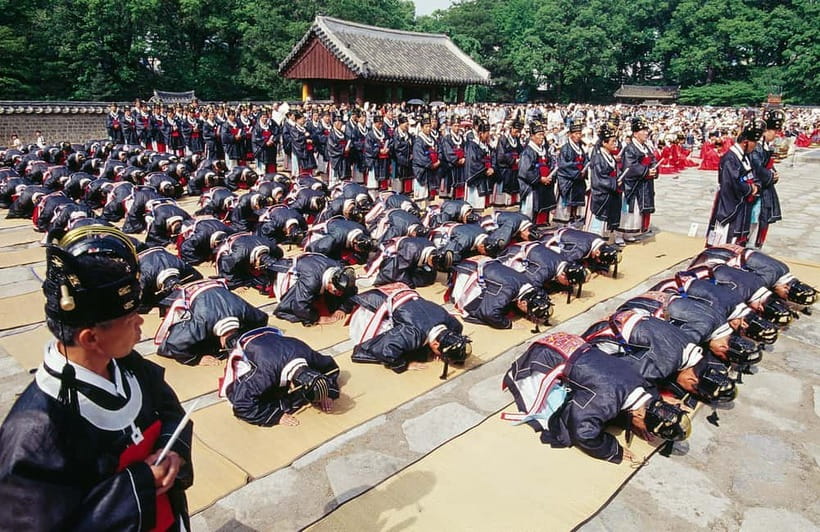
Jongmyo Royal Shrine gives the tour a calmer and more solemn mood. Built nearly 600 years ago, it was created for royal ancestral rites. Korean kings came here to honor earlier monarchs, and the site remains linked to ceremonies and traditional musical performances.
The guided visit lasts about 40 minutes. That may sound brief, but the shrine is best understood through its purpose and rituals rather than covered like a large palace complex. Listen closely to the explanation of ancestral worship, royal duty, and the role of ceremony in Korean history. Without that context, the long ceremonial spaces can seem spare. With it, the simplicity becomes meaningful.
Jongmyo is a UNESCO World Heritage Site, but the designation is only part of its appeal. The place represents an enduring system of respect for royal ancestors and the careful performance of tradition. It is less decorative than Changdeokgung, and that difference makes the tour stronger.
Jongmyo is closed on Tuesdays. On that day, the program changes to Insa-dong Culture Street, an old neighborhood with a traditional feel. Insa-dong offers a more commercial and street-level experience, so Tuesday departures are not interchangeable with the regular shrine visit. If Jongmyo is a main reason for booking, choose another day.
Changdeokgung Palace and the royal gardens
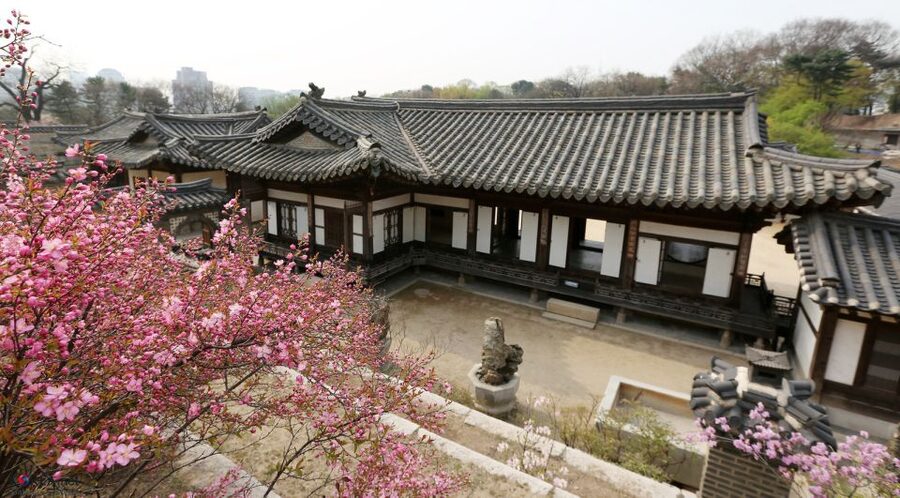
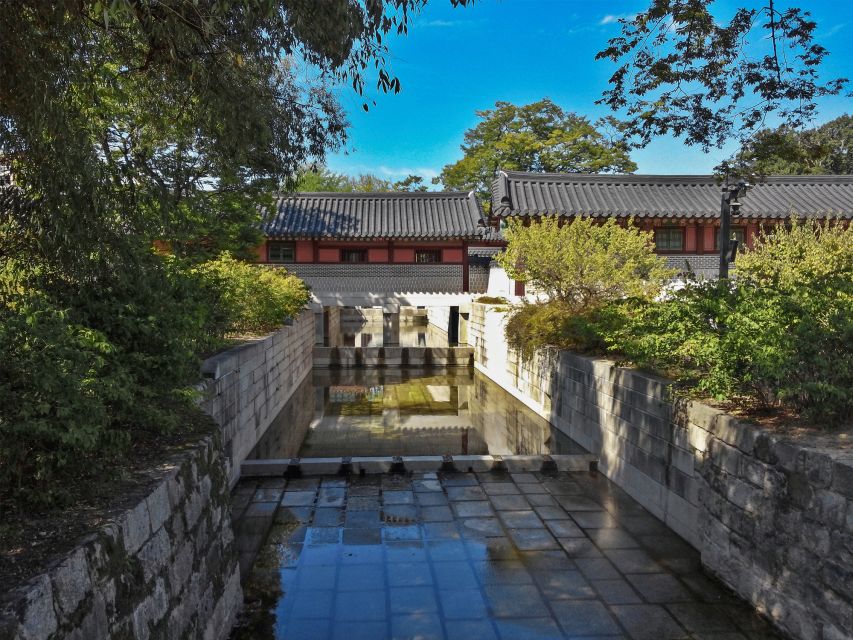
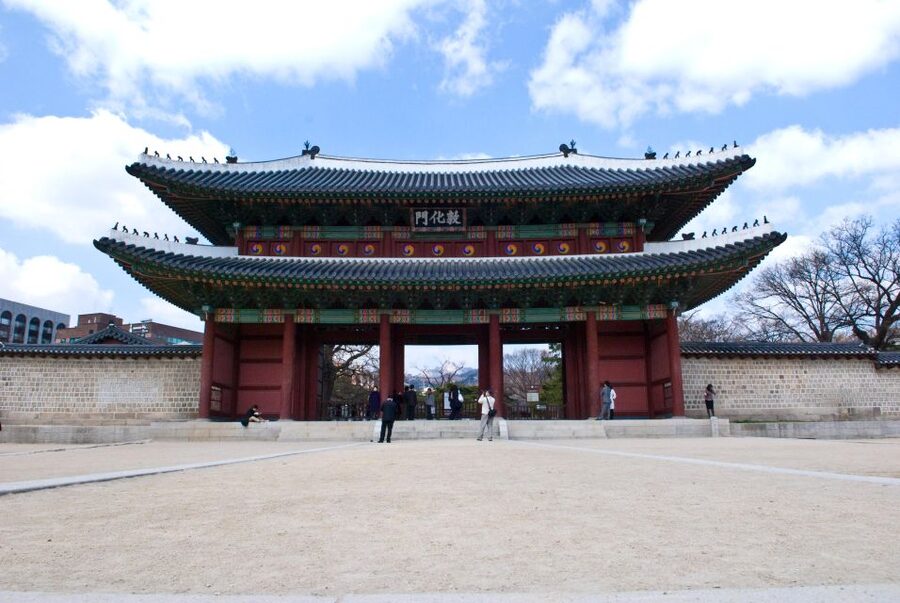
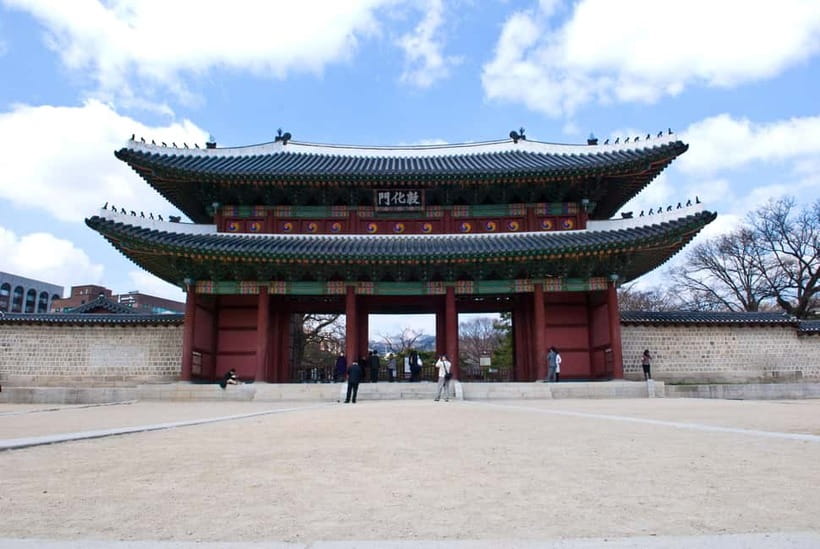
Changdeokgung Palace is the centerpiece for many history-minded visitors. Founded about 600 years ago, it served as a royal residence and is recognized by UNESCO for its architecture and setting. The palace is valued not only for its gates and halls, but also for the way its buildings work with the surrounding gardens.
The design reflects traditional Korean ideas about harmony with nature. Rather than forcing the grounds into a rigid geometric plan, the palace setting follows the land and creates changing views between buildings, courtyards, and planted areas. Your guide helps explain why this arrangement matters, turning a pretty walk into a lesson in royal design.
The exact amount of time at Changdeokgung is not specified, but it forms the main palace visit in the standard program. Visitors who want a very slow architectural study may find a group tour restrictive. The benefit is efficiency: you see the key areas, hear the larger story, and continue without spending half a day figuring out the grounds alone.
On Mondays, Changdeokgung is replaced by Gyeongbokgung Palace. Gyeongbokgung is also a major royal site, but it is a different palace and should not be treated as an identical substitute. Confirm the day’s plan if you have a particular palace at the top of your list.
More Castle and Palace History Tours in Korea:
- Hanbok Photoshoot and History Tour at Gyeongbokgung Palace
★ 5.0 · 276 reviews - Edinburgh: Edinburgh Castle Guided History Tour with Tickets
★ 4.8 · 9,933 reviews - Madrid Essential: Historic Center, Plaza Mayor & Royal Palace
★ 5.0 · 6,416 reviews - Venice’s Best: Basilica, Doge’s Palace, Gondola & History Gallery
★ 4.5 · 2,478 reviews
The ginseng stop, useful context with a shopping pause
The itinerary includes a 30-minute visit to a Korean ginseng museum and shop, listed as Cheongha Korea Ginseng. Korean ginseng has a long record in East Asian medicine, with early documentation in the Chinese text Ji Jiu Zhang during the Han Dynasty. It has traditionally been valued for its supposed ability to support the body under stress and promote general well-being.
This stop adds cultural and commercial context, but it is also a shopping visit. Go in knowing that you are not visiting another palace or heritage monument. If you are interested in Korean health products, you may find it useful. If your priority is strictly architecture and history, the half hour may feel less important than the major sites.
You are not required to buy anything based on the information provided. Keep your expectations clear, listen to the explanation, and treat the stop as optional browsing rather than a central reason to book.
The full-day extension to Suwon
The longer tour includes lunch time, with the meal paid separately, before continuing to Suwon in Gyeonggi Province. There you visit Suwon Hwaseong Fortress and Hwaseong Haenggung Palace, then return to Seoul.
This extension changes the shape of the day. The Seoul portion introduces court life, ancestral rites, and traditional neighborhoods. Suwon adds defensive architecture and a royal palace outside the capital’s central sightseeing area. If you have already visited Seoul’s main palaces, Suwon can give your itinerary more range.
The tradeoff is time. A full day means more sitting in the van and less freedom to linger at any one Seoul stop. I would choose this version if you want several major heritage sites handled in one booking. Choose the shorter option if you prefer a slower pace or already have evening plans in Myeongdong.
The full-day plan includes all UNESCO World Heritage sites listed for the experience, while the exact schedule still depends on the day of the week. Ask for the confirmed route before departure if the distinction between the standard and extended plans is important to you.
Guides who add practical value
The strongest part of this experience is the guide service. KyungAh Park, known as Chloe, has been praised for her kindness, help with finding a hanbok shop, and willingness to take photos. Those details may sound small, but they can make a half-day city tour feel more personal and less mechanical.
Ms. Park has also been praised for explaining the history clearly, allowing enough time at each location, and taking photos at the different stops. Another guide, Leo, has been noted for his friendly approach, strong command of the cultural material, and ability to handle different needs during the day.
You should not assume you will receive a particular guide, but these examples show the kind of service this company aims to provide. The English-language tour is especially useful at Jongmyo, where the meaning of the site depends on explanation, and at Changdeokgung, where architectural details can pass unnoticed.
The group size is not specified. One booking was described as feeling exclusive because it included only the people in that party, but that should not be treated as a guarantee. If group size matters to you, ask the local partner before confirming.
Practical details before you go
Wear shoes you can walk in comfortably. The tour combines palace grounds, shrine paths, neighborhood streets, and vehicle transfers. It is not suitable for wheelchair users according to the provided information.
The tour runs rain or shine, so bring suitable clothing and expect outdoor walking. The experience is not designed for visitors seeking nightlife or food tasting. Alcohol and drugs are not allowed.
Plan to eat before or during the scheduled lunch break. Meals are not included, and the lunch stop is part of the full-day version. Myeongdong is a useful finishing area because you can continue with dinner or shopping after the tour.
Free cancellation is available up to 24 hours before departure for a full refund. You can also reserve now and pay later, which helps if your Seoul schedule is still changing.
Who should book this Seoul heritage tour?
I would recommend this experience to first-time Seoul visitors who want historical context without arranging several separate admissions and transfers. It also suits people who care more about royal culture and traditional neighborhoods than modern shopping districts.
History enthusiasts will get the most from Jongmyo Shrine and Changdeokgung Palace. Photographers will like Bukchon, palace architecture, and the chance to ask the guide for help with pictures. Families and couples may appreciate the organized route and personal assistance, though the amount of walking and the lack of wheelchair suitability should be considered.
I would hesitate if you want a very slow, independent visit with long stretches at each site. The ginseng shopping stop may also feel like a detour if you want a heritage-only day. And if your schedule is fixed around Bukchon, Jongmyo, or Changdeokgung, avoid the weekday substitutions that remove those places.
Final verdict: good value with one important calendar check
At $36, this is a practical way to cover several major cultural sites with admissions, transport, and an English-speaking guide included. I especially like the balance between Bukchon’s lived-in traditional streets, Jongmyo’s ceremonial setting, and Changdeokgung’s royal architecture.
Book it if you want a guided introduction and prefer someone else to manage the route. Before paying, check the day of the week, confirm the exact meeting point by email, and decide if you want the shorter Seoul plan or the full-day Suwon extension. Those three choices will determine whether the tour fits your trip.
FAQ
How long does the tour last?
The experience lasts between four and eight hours, depending on the option and schedule you select.
What language is the tour conducted in?
The tour includes a live English-speaking guide.
Are entrance fees included?
Yes. Entrance fees, a professional guide, and van transportation with a driver are included.
Is lunch included?
No. A lunch break is provided on the full-day tour, but you pay for the meal yourself.
What happens if I visit on a Sunday, Monday, or Tuesday?
On Sundays, Bukchon Hanok Village is replaced by Namsangol Hanok Village. On Mondays, Changdeokgung Palace is replaced by Gyeongbokgung Palace. On Tuesdays, Jongmyo Shrine is replaced by Insa-dong Culture Street.
Is hotel pickup included?
No. Hotel pickup and hotel drop-off are not included. You must go to the assigned meeting point, and the exact location and time are confirmed by email.
Just added around Korea
- Busan history and market food tour with local chef★ 5.0 · 58 reviews
- Gyeongju Historic Areas Day Tour with Sky Capsule from Busan★ 5.0 · 18 reviews
- Seoul: Street Photoshoot and Hidden Gem History Walking Tour★ 5.0 · 25 reviews
- Seoul: Suwon Hwaseong & Waujeongsa & Starfield Heritage Tour★ 4.8 · 27 reviews
- Gyeongju: UNESCO Heritage Tour Including Bulguksa Temple★ 4.8 · 104 reviews
- From Busan: Echoes of Silla Gyeongju Historical Day Tour★ 4.8 · 55 reviews
- From Seoul: Dae Jang Geum Park Historic K-Drama Set Tour★ 4.9 · 143 reviews
- Seoul: City Highlights and Historical Experience No Shopping★ 5.0 · 74 reviews
UNESCO World Heritage Tours, compared.
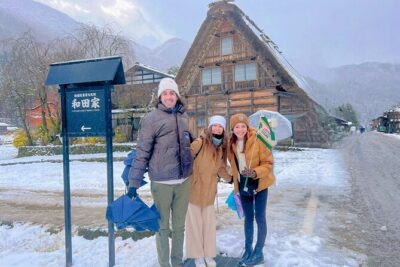
World Heritage Shirakawa-go and Experience Tours from Kanazawa
Read our review →
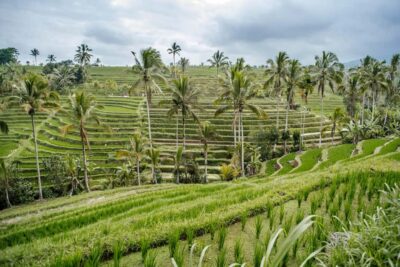
Bali: Tanah Lot UNESCO World Heritage Sites Full-Day Tour
Read our review →World Heritage Kyoto & Nara Uji Authentic Matcha Experience
Read our review →
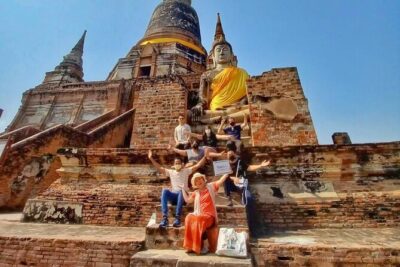
UNESCO’s Ayutthaya Historical Park: Full-Day Tour from Bangkok
Read our review →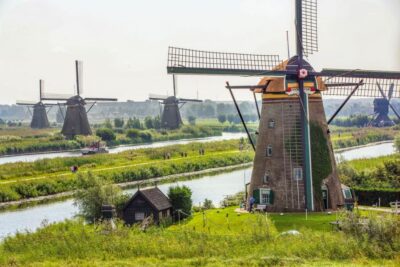
Rotterdam: Kinderdijk UNESCO World Heritage Entry Ticket
Read our review →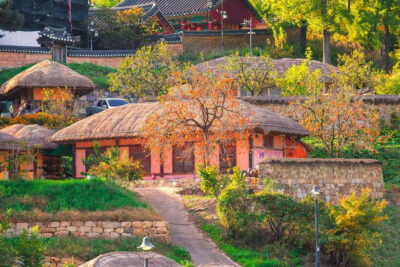
From Busan: Gyeongju UNESCO World Heritage Guided Day Tour
Read our review →Browse the lists this tour appears in