
Review · CENTRAL BOHEMIAN REGION
Prague: Top Sights and Historic Center Introduction Tour
Prague rewards anyone who starts on foot. This three-hour walk gives you a strong first look at Old Town, the Jewish Quarter, Charles Bridge, and several less obvious corners. I especially like the way local guides connect famous sights to Czech customs, music, politics, and daily life. The route also ends at the John Lennon Wall, rather than simply circling back to the main square.
I like the well-planned 3-kilometer route and the warm, humorous style praised in guides such as Lucie, Jay, Hana, David, and Kamil. The $20 price is fair for three hours with a certified English-speaking guide, though you should know that the synagogues and Prague Castle interiors are not included. Busy streets and a long restroom queue during the break can also test your patience.
Key points to know before you book
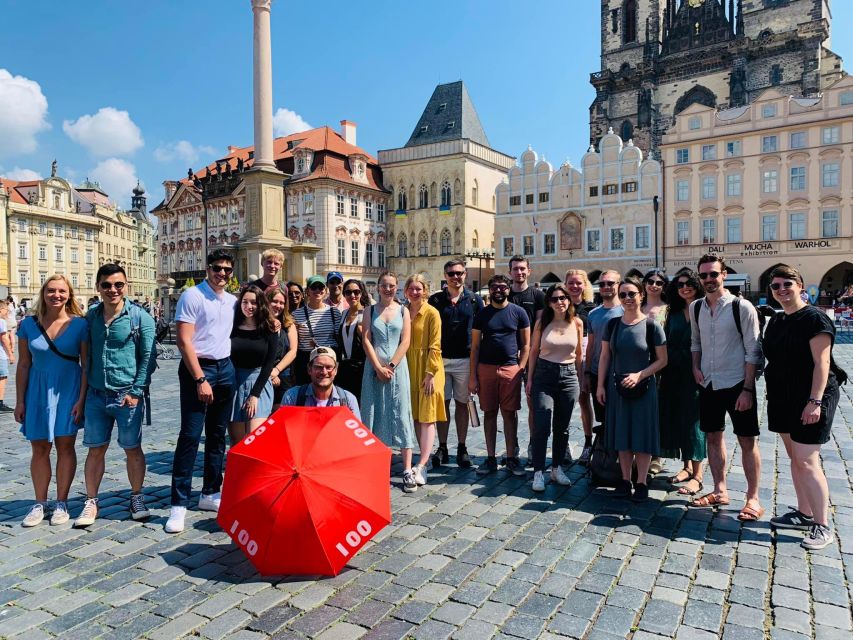
- Start with the Powder Tower: Meet at Na Příkopě 28, in front of the Powder Gate, where your guide carries a red umbrella marked with a white 100 logo.
- Cover four major areas: The walk links New Town’s edge, Old Town, the Jewish Quarter, and the west bank near Lennon Wall.
- Expect stories, not entry tickets: You see the outside of the Old New Synagogue, Old Jewish Cemetery, Jewish Town Hall, and major churches, but interior admission is not part of the tour.
- Learn to read the Astronomical Clock: Your guide explains the clock’s figures and function instead of leaving you to stare at its moving parts.
- Plan for all weather: The tour operates in rain or shine and includes about three kilometers of walking on city streets.
- Use it as an orientation walk: Guides offer suggestions for museums, food, sights, and ways to avoid tourist traps during the rest of your stay.
Starting at Prague’s Powder Tower
The meeting point is easy to identify: the Powder Gate, or Prašná Brána, at Na Příkopě 28. Look for the guide with the red opened umbrella and white 100 logo. This is a sensible place to begin because the tower marks the old entrance to Prague’s historic center and sits close to major shopping streets and public transport connections.
The first stop is brief, about five minutes, but your guide explains the old defensive wall and moat that once protected Old Town. You also learn why the Powder Tower mattered as a ceremonial gateway as well as a defensive structure. Do not expect an interior visit here. The value is in getting the city’s medieval layout into your head before the walk moves deeper into Old Town.
Nearby, the House at the Black Madonna offers a sharp change of mood. This striking building is famous for its Cubist design, a rare architectural style that gives Prague a look you will not find in every European capital. The stop lasts about five minutes, so you will mainly view the exterior and hear why the building is important.
The short stop at the Estates Theatre adds a musical note. This is where Mozart premiered Don Giovanni, one of the world’s best-known operas. You will not sit through a performance, of course, but the connection gives the street a clear place in Prague’s cultural story.
More Old Town and Historic Centre Walks in Prague:
- Prague Old Town, Medieval Underground and Dungeon Historical Tour
★ 4.5 · 3,227 reviews - Prague: Plague Doctor Old Town History Walking Tour
★ 4.9 · 204 reviews - Madrid Essential: Historic Center, Plaza Mayor & Royal Palace
★ 5.0 · 6,416 reviews
Old Town Square and the Astronomical Clock
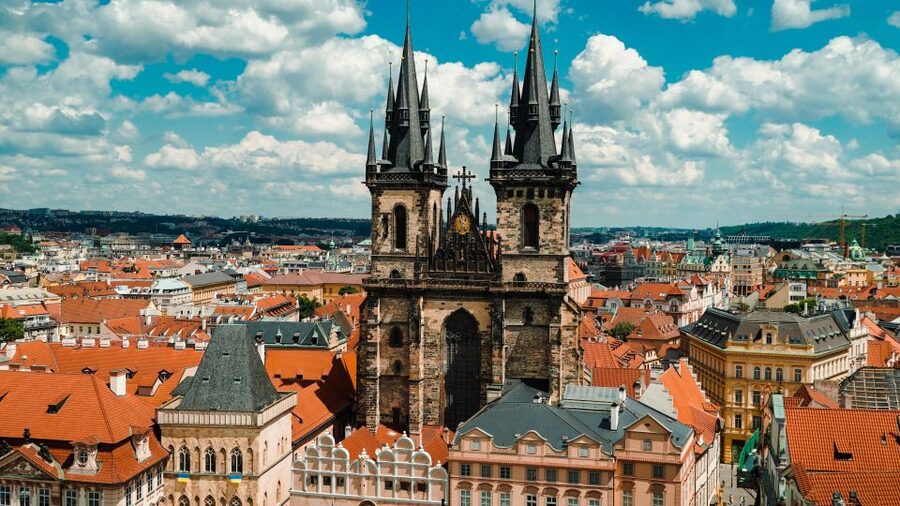
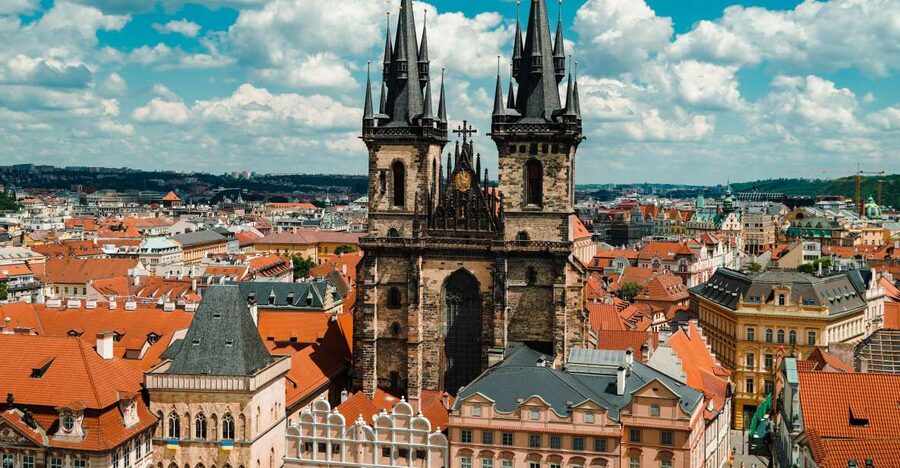
Old Town Square is the visual center of the walk. Church towers, ornate façades, cafés, and the Jan Hus Monument gather in one open space, which can feel crowded even outside the main summer season. One visitor specifically noted that Prague was busy in winter, so do not assume a cold or quiet month will give you an empty square.
The guide spends around ten minutes showing you the Church of Our Lady before Týn and the Jan Hus Monument. This is where a good guide earns the fee. A quick photo stop can show you what a building looks like, but a clear explanation helps you understand why these landmarks matter to Czech identity and religious history.
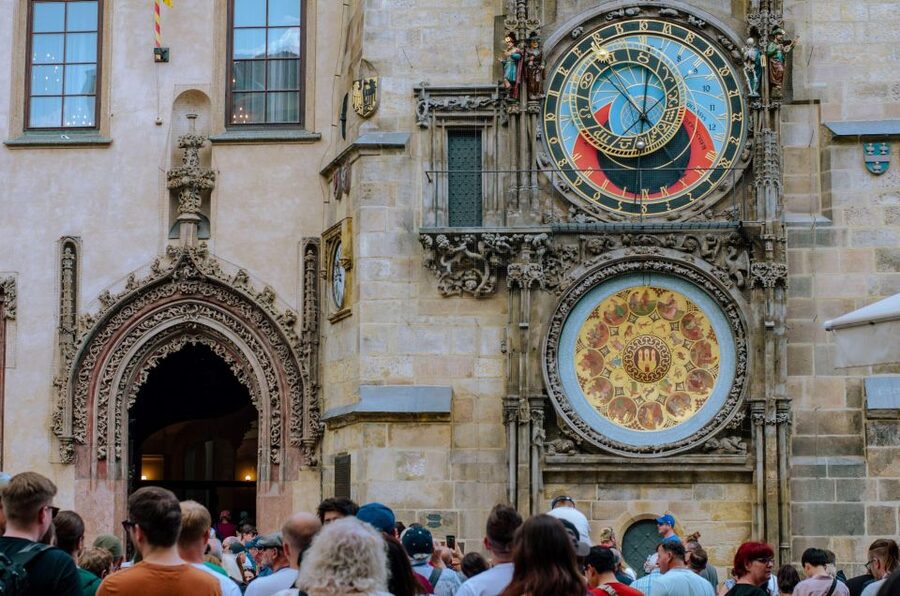
The Astronomical Clock receives about fifteen minutes, making it one of the main teaching moments. Your guide explains how to read the clock and points out its moving figures and astronomical functions. That explanation is useful because the clock can otherwise seem like a decorative puzzle surrounded by people holding up phones.
I would pay close attention here, then return later on your own if you want more photographs. The square is one of Prague’s best photo settings, but it is also one of the busiest. Stay close to the guide while crossing the square and listen for meeting instructions, especially if your group is near the larger end of the usual six to thirty people.
The fifteen-minute café pause
After the clock, the group takes a fifteen-minute break at a local café. This is a practical pause for coffee and toilets, not a meal stop. Food and drinks are not included, so bring money if you want something from the café.
The break is well placed. Three hours on foot is manageable for most people, but a short sit-down helps you reset before the Jewish Quarter. One useful warning: a long toilet queue was reported during a busy visit. If you need the restroom urgently, go as soon as the group arrives rather than waiting until the last moment.
Cold-weather visitors should take this pause seriously. Guides have sometimes added hot chocolate stops or adjusted their pace when conditions were harsh. Still, the official advice is simple: wear comfortable clothes and shoes, and expect the tour to go ahead in poor weather.
Jewish Quarter: synagogues, Golem, and memory
The walk continues into Josefov, Prague’s former Jewish Town. Here the pace becomes more reflective, with stops at the Franz Kafka Monument, Pařížská Street, the Old New Synagogue, the Old Jewish Cemetery, and the Jewish Town Hall.
The Franz Kafka Monument gives the group a chance to connect Prague with one of its most famous writers. Pařížská Street then shows you a more polished and modern side of the center, with grand architecture and high-end shops. The contrast is useful: Prague is not only medieval lanes and church towers.
At the Old New Synagogue, you see the exterior and hear what the building contains. The same applies to the Old Jewish Cemetery and Jewish Town Hall. Interior tickets are not included, so this part works best as an introduction rather than a complete visit to the Jewish Museum complex.
That limitation is important. If you want to enter the synagogues and spend time among the exhibits, you must arrange tickets separately. The guide can explain what is inside and help you understand which places may be worth returning to. I see this as a sensible division for a short orientation walk, but it may disappoint you if you expected an included museum visit.
The story of the Golem adds a legendary thread to the neighborhood. This famous Prague creature is tied to the city’s Jewish folklore and gives the guide room to mix local storytelling with documented places. Guides such as Hana, Kamil, and Lucie were praised for combining facts with humor and local feeling, a style that suits a story like this.
A few more history tours around Prague worth a look
- Prague: Oldtown, Medieval Underground & Dungeon History Tour
★ 4.3 · 10,277 reviews - Prague: Communism History and Nuclear Bunker Guided Tour
★ 4.7 · 2,417 reviews - Prague: Historic City Center Bus Tour with Top Sights
★ 4.4 · 2,360 reviews - Prague Historic Pub Tour with Drinks Included
★ 5.0 · 2,084 reviews
Charles Bridge and the final walk to Lennon Wall
The route ends with a crossing of Charles Bridge, one of Prague’s essential sights. You spend about twenty minutes here, enough to see the statues, river views, and towers without turning the crossing into a long stop.
Charles Bridge is also one of the most crowded parts of central Prague. Keep your bag secure, watch your footing on the old paving, and stay aware of the group. The bridge can be especially slow when visitors stop for photographs. A patient guide matters here, and several guides were praised for keeping everyone together without rushing.
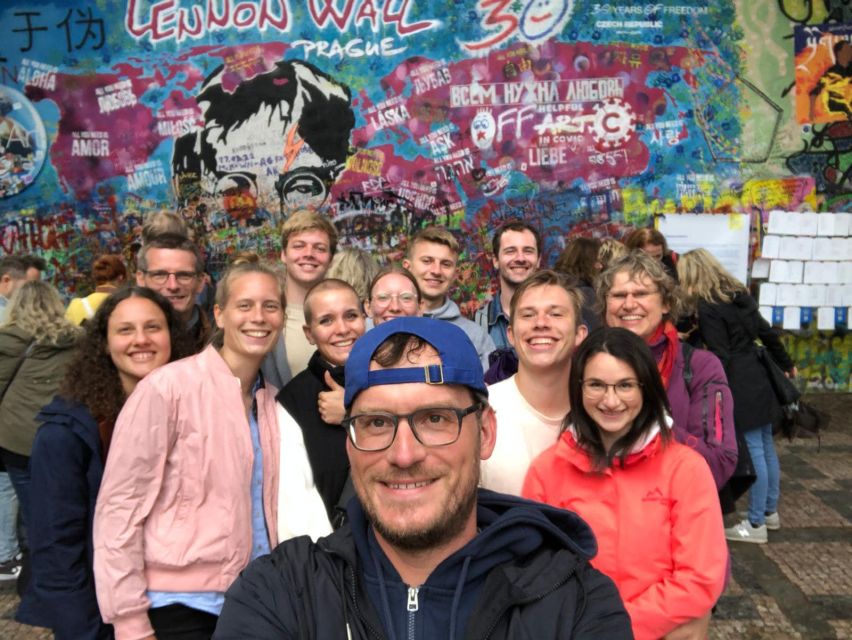
The final stop is the John Lennon Wall, where the tour finishes after roughly ten minutes. Its painted surface and changing messages offer a modern counterpoint to the medieval center. Ending here gives you a natural next step: you can remain on the west side of the river, continue toward other sights, or make your own way back across the bridge.
The route does not include Prague Castle. That is not an accidental omission. This walk focuses on the central neighborhoods and ends near the western riverbank, while a separate castle tour covers the castle interiors. If the castle is your top priority, do not treat this walk as a substitute.
How the guides shape the experience
The strongest part of this tour is the guide. Names that appear repeatedly in the supplied feedback include Lucie, Jay, Hana, David, Kamil, Jakub, Petr, Dita, Jan, Katerina, and Nico. You may not be assigned one of these particular people, but the consistent pattern is clear: the company uses English-speaking local guides who aim to teach without turning the walk into a lecture.
Lucie was praised for her clear English, humor, and personal connection to Prague. Jay received strong praise for mixing facts with jokes and giving useful suggestions for food and sightseeing. Hana was singled out for careful group management, clear speaking, and a considerate approach around pedestrians.
That last point matters in a busy city. A group of thirty can become awkward if the guide blocks the pavement or loses people at crossings. The strongest guide feedback describes guides who keep the group together, speak loudly enough to hear, answer questions, and adjust the pace when snow or ice makes walking harder.
You also get small cultural touches. One guide teaches basic Czech at the doorstep of Charles University. Another may explain life before and after the Velvet Revolution, or describe modern Czech society rather than stopping at medieval dates. That wider view makes the tour more useful than a simple parade of photo stops.
The main limitation is group size. Six to thirty people is still reasonable for a city walk, but a group near thirty can make questions harder and sightlines less comfortable. If you prefer a private guide or a very quiet pace, this is not the right format.
Is $20 good value?
At $20 per person, the tour is priced as an affordable introduction rather than a premium private experience. You receive three hours with a certified guide, a planned route through several major districts, and a fifteen-minute café and restroom break.
The price becomes especially fair if you are new to Prague and want context before exploring alone. A guide can point out the old city wall, explain the Astronomical Clock, place Mozart’s opera premiere on the map, and show you where to return for museums or interiors. Those details can save you time later.
There is one unusual pricing point to understand. This is described as a tip-based tour, but it is sold here as a prepaid activity because of booking platform rules. Most of the payment goes to the guide, and no extra fee is required. Some visitors may find that confusing because the same company also offers a free-style option through its own website, with payment made at the end.
That does not make the $20 price poor value. It simply means you should understand what you are buying. You are paying for a scheduled, prepaid place on an English walking tour, not for entry to monuments or a private experience.
Who should book this Prague walk?
I would book it for a first or second day in the city. Several people found the advice on restaurants, museums, and extra sights useful, and that information has more value when you still have time to act on it.
It suits adults, older children, and teenagers who can manage three kilometers on foot. The mix of legends, architecture, music, Czech words, and modern city life keeps the subject varied. The humor also helps the history move along.
You should think twice if you have limited mobility. The tour is not suitable for wheelchair users or people with mobility impairments, and the route involves standing and walking through crowded streets. It is also a poor match if you want indoor sightseeing, long museum visits, or a castle tour.
Wear comfortable shoes and dress for the forecast. The walk operates rain or shine. Prague’s stone streets, bridge paving, winter snow, and crowded public areas are easier to handle when you are warm, dry, and not carrying more than you need.
Final call: book it for orientation
I recommend this tour if you want a friendly, efficient introduction to Prague’s center for $20. The route covers the sights most first-time visitors want, while the local guides add Czech stories, humor, practical advice, and historical links that are easy to miss alone.
Book it early in your stay, and use the final recommendations to plan your next days. Just keep your expectations clear: this is an outdoor introduction, not an all-access ticket. You will see the Jewish Quarter from the streets, skip Prague Castle, and deal with crowds at Old Town Square and Charles Bridge.
For most visitors, that is a fair trade. You finish at Lennon Wall with a city map in your head, a list of places to return to, and enough background to look at Prague with more than just your camera.
FAQ
How long is the Prague Top Sights and Historic Center Introduction Tour?
The tour lasts three hours and covers approximately three kilometers of walking.
Where does the tour begin?
Meet in front of the Powder Gate, also called Prašná Brána, at Na Příkopě 28. The guide carries a red opened umbrella with a white 100 logo.
Where does the tour finish?
The tour ends at the John Lennon Wall.
Is the tour conducted in English?
Yes. The live guide conducts the tour in English only.
Are Prague Castle or the synagogue interiors included?
No. Prague Castle is not part of this tour, and the interiors of the synagogues are not visited because they require separate tickets. The guide explains what they contain and offers advice about obtaining tickets.
Is a break included?
Yes. The tour includes a fifteen-minute break for coffee and toilets. Food and drinks are not included.
Is the tour suitable for wheelchair users?
No. The tour is not suitable for wheelchair users or people with mobility impairments. Comfortable shoes are recommended because the walk covers three kilometers and operates rain or shine.
Just added around Prague
- Prague: World War II and Communist History Tour★ 4.7 · 130 reviews
- Prague: Immersive History Walking Tour and VR★ 4.8 · 73 reviews
- Prague: Plague Doctor Old Town History Walking Tour★ 4.9 · 204 reviews
- Absinthe Tasting Prague: Historic Cellar Experience★ 5.0 · 19 reviews
- Prague: Historic Pubs Tour with Drinks★ 4.9 · 411 reviews
- Prague: Hop-on Hop-Off Historical Tram Ticket for Line 42★ 4.1 · 1,702 reviews
- Prague Communism History and Nuclear Bunker Tour★ 5.0 · 1,742 reviews
- Prague Historic Pub Tour with Drinks Included★ 5.0 · 2,084 reviews
Old Town & Historic Centre Walks, compared.
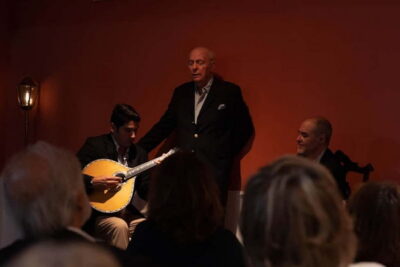
Live Fado Show with Port Wine in Historic Center
Read our review →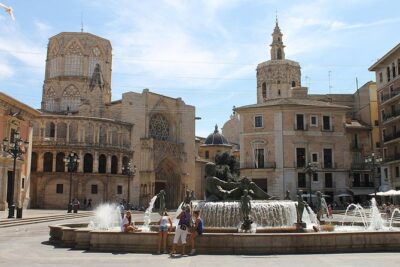
Valencia Old Town Tour with Wine & Tapas in 11th Century Historic Monument
Read our review →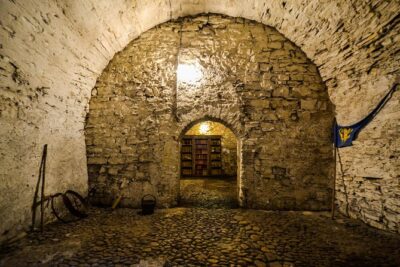
Prague Old Town, Medieval Underground and Dungeon Historical Tour
Read our review →
Historic Center and Getsemaní Shared Walking Tour
Read our review →
Old Town Walking Tour History and Tales in Edinburgh
Read our review →
Philadelphia Old City Historic Walking Tour with 10+ Top Sites
Read our review →
Saadian Tombs & Bahia Palace, Medina Guided Tour
Read our review →Browse the lists this tour appears in