
Review · INDIA
Old Delhi: Spices, Heritage and Bazaars Walking Tour
Old Delhi rewards curious feet. This three-hour walk combines Jama Masjid’s rooftop views with the scents and trade of Khari Baoli, Asia’s largest spice market. I like the way it moves beyond headline sights into old havelis, working bazaars, and a Mughal-era goldsmith quarter. I also like the small group, limited to seven people, which gives guide Jai Singh room to answer questions. The main drawback is that this is a demanding walk through narrow lanes and heavy street activity, so it is not suited to anyone with mobility limits.
At $13 per person, the tour offers unusually good value if you want orientation before exploring Old Delhi on your own. The meeting point is clear, but you must find your way to Gate 1 of Jama Masjid Metro Station, and the mosque entrance fee of INR 450 is extra if you choose to go inside.
Key points at a glance
- Jama Masjid views: Begin beside one of India’s best-known mosques, with an optional visit and views over the old city.
- Khari Baoli spice trail: See open sacks of spices, wholesale trading, and old depots where merchants handle large quantities of Indian seasonings.
- Old Delhi’s back lanes: Walk through havelis, market passages, and working neighborhoods that are easy to miss without a local guide.
- Small-group format: The group is capped at seven, useful in crowded lanes where a large tour would be awkward.
- Jai Singh’s local guidance: Jai is repeatedly praised for patient explanations, safety awareness, and help with onward transport.
- Strong budget value: The price includes a local English-speaking guide and one bottle of mineral water, while food, drinks, and mosque entry cost extra.
Starting at Jama Masjid Metro Station
The tour begins at Exit Gate 1 of Jama Masjid Metro Station. This is a practical meeting point because it puts you directly beside the part of Old Delhi you are about to explore, but do not treat it like a hotel pickup. You need to arrive at the correct exit and keep your phone available for WhatsApp communication.
The operator asks for your WhatsApp or Indian mobile number when you book. That matters here. Old Delhi has many lanes, gates, and busy approaches, and several people have needed help finding the exact meeting point. Jai has stayed in touch with late or slightly misplaced participants, which takes some pressure off the first few minutes.
You should arrive with only a small day bag. Large luggage is not allowed, and a bulky backpack will be a nuisance in tight passages and crowded market areas. Wear shoes with a firm sole, carry sun protection, and dress respectfully if you plan to enter the mosque.
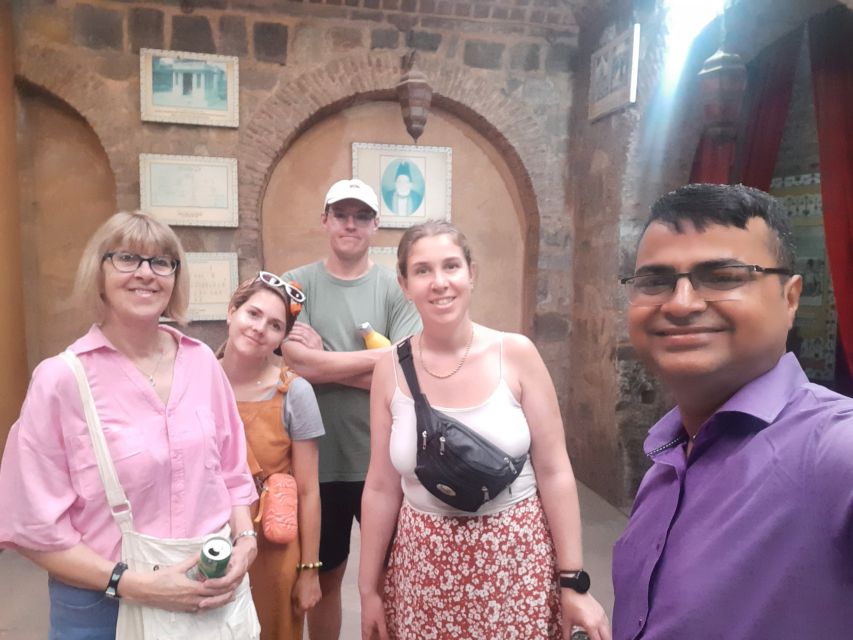
The walk is conducted in English and normally lasts three hours. The group limit of seven is a real advantage. You can hear explanations without a guide shouting, and the party can pause without blocking an entire market lane.
More History Walking Tours in India
- Fontainhas Heritage Walk by Make It Happen
★ 5.0 · 2,834 reviews - The Great Indian Food Tour: Old Delhi Food and Heritage Walk
★ 5.0 · 1,698 reviews - Old Goa Heritage Walk by Make It Happen
★ 5.0 · 797 reviews
Jama Masjid and the optional mosque visit
The first major stop is Jama Masjid, built by Mughal emperor Shah Jahan, the same ruler associated with the Taj Mahal. The broad stone steps and imposing entrance give you an immediate sense of Old Delhi’s imperial past, before the walk turns into a much more intimate look at daily life.
The guided stop is planned for about 30 minutes. The experience can include the mosque itself, its setting, and views across the old town. Some tours have included access to higher points and a minaret view, but you should confirm what is available on your date rather than assume every visit includes the same access.
Entry inside the mosque is optional. The stated entrance fee is INR 450 per person, paid separately. If you prefer not to enter, you can remain outside and take photographs from the approach. This makes the stop flexible for people with limited time, different religious preferences, or a strict budget.
Dress and behavior matter. The mosque is an active religious place, not simply a monument, so follow the guide’s instructions and expect to remove your shoes if entering. The stone steps and surrounding traffic also make this one of the more physical parts of the route.
I like beginning here because the scale of Jama Masjid gives you a useful frame for everything that follows. Soon after, you leave the monumental architecture and enter a crowded city that is still shaped by the old Mughal plan.
Meena Bazaar and the changing face of Chandni Chowk
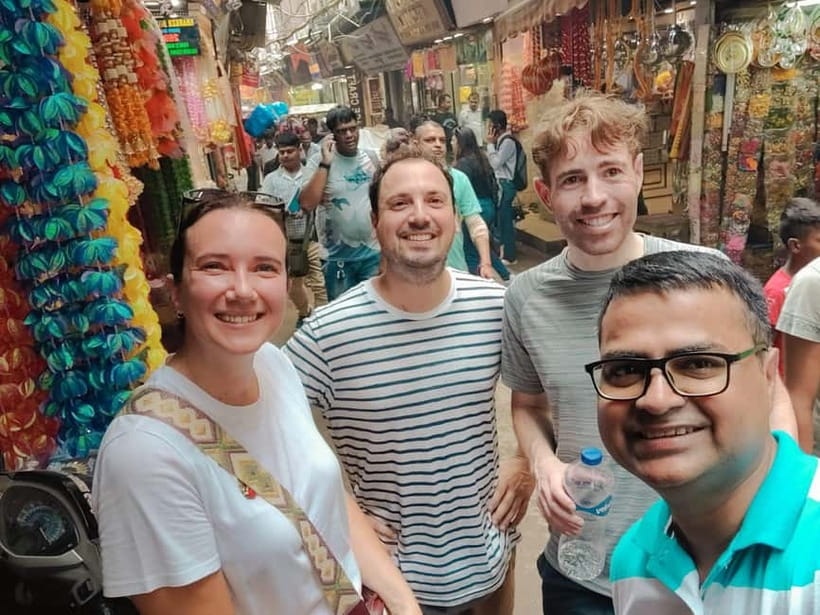
The walk continues through Meena Bazaar, once associated with precious gems and imperial commerce. Today, it serves a much broader market, with vendors selling inexpensive goods to local shoppers. That contrast is one of the tour’s best lessons: Old Delhi is not a museum frozen in the Mughal period.
Expect a market that feels practical rather than polished. You will see ordinary buying and selling, budget merchandise, and people moving with purpose. This is a good place to keep your belongings secure, stay close to the guide, and avoid stopping in the middle of a passage.
The Chandni Chowk portion takes roughly 45 minutes. Instead of treating the district as one long shopping street, the walk uses it as a gateway to smaller lanes and older neighborhoods. Jai explains how the area works, including local customs, food culture, market goods, and the social life around the shops.
This is where the tour earns its low price. You could walk down Chandni Chowk alone, but it would be easy to see only the surface. A local guide can point out the difference between a tourist-facing shop and a wholesale or neighborhood market, explain what you are looking at, and help you judge prices if you want to buy something.
Shopping is not required. You may see tea, spices, textiles, jewelry, silverware, wedding fabrics, and ethnic clothing, but the purpose is to understand the district rather than spend money at every stop. If you do want souvenirs, Jai can help you identify useful places, though you should still make your own purchasing decisions.
Through havelis and Old Delhi’s narrow lanes
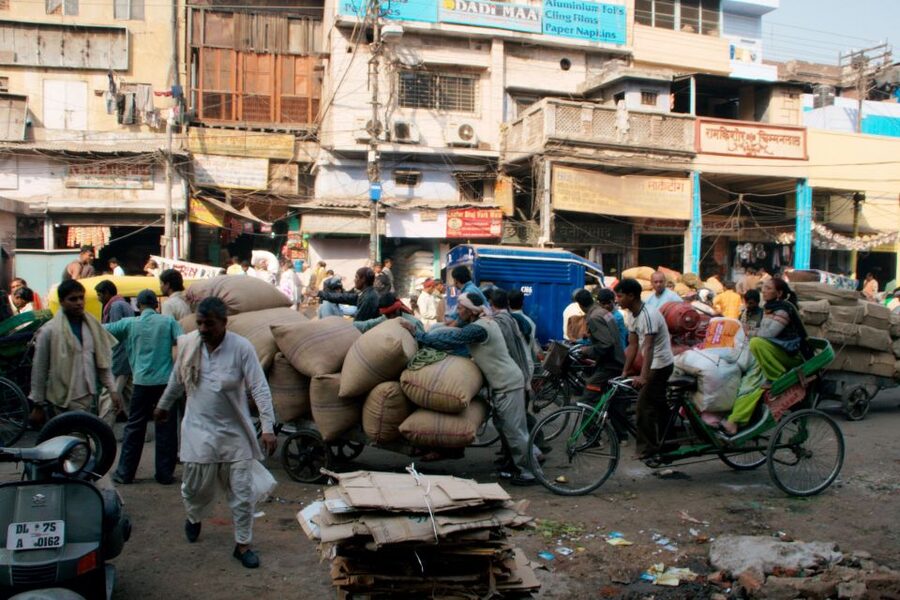
The most memorable section for me is the movement from the main roads into Old Delhi’s smaller lanes. These passages lead past havelis, traditional heritage houses, workshops, shrines, and active residential areas. The route can feel confusing, which is exactly why local navigation matters.
The word labyrinth is not an exaggeration here. Streets turn suddenly, lanes narrow, and market activity spills into the walking space. You may encounter handcarts, motorcycles, pedestrians, shop workers, and traffic all sharing very little room. This is not a quiet heritage stroll.
The payoff is access to ordinary parts of the old city that many visitors would not find by themselves. The tour includes an ancient neighborhood associated with goldsmith artisans whose families have lived and worked in the area since the Mughal era. That human detail gives the history a better connection to the present.
Some walks also pass through a Jain temple area and other religious or local spaces. Access can vary, and respectful clothing and behavior are important. If you want to stop for photographs, ask first, particularly around residents, workers, and places of worship.
Jai Singh receives strong praise for keeping a comfortable pace and adapting to the group. That is useful in a setting where rushing can make the walk stressful and slowing down can hold up local business. He has also helped older participants manage the route and made solo participants feel secure, but you should still be honest about your walking ability before booking.
Same place, a different slice of the past:
- Old Delhi Food, Heritage&Cultural Walk with Rickshaw ride to Masterji Kee Haveli
★ 5.0 · 742 reviews - Blue City Heritage Private Walking Tour With Pickup and Drop-Off
★ 5.0 · 441 reviews - Kolkata Heritage Tram Tour
★ 4.0 · 395 reviews - Private Heritage Walking Tour in Jaisalmer Fort and Old Bazaar
★ 5.0 · 306 reviews
Khari Baoli and the smell of the spice trade
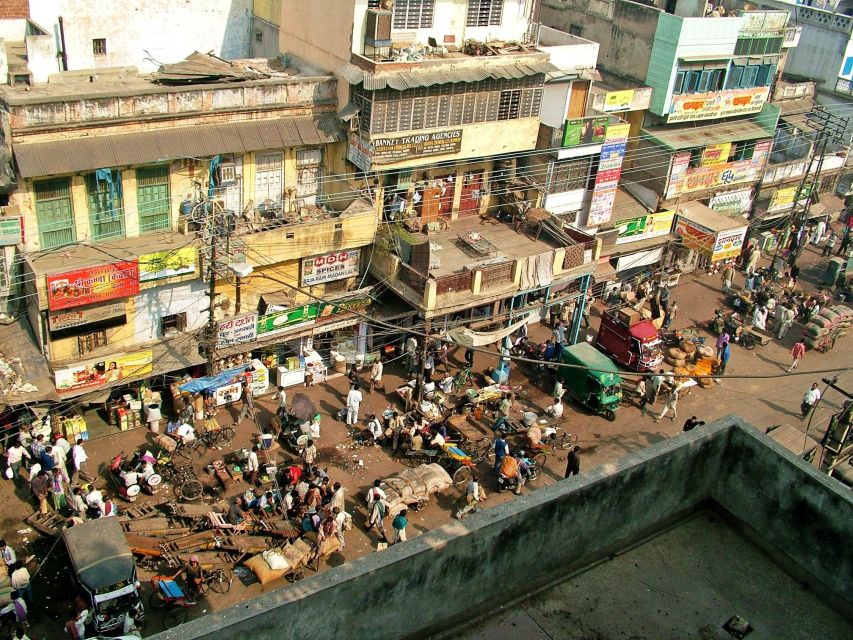
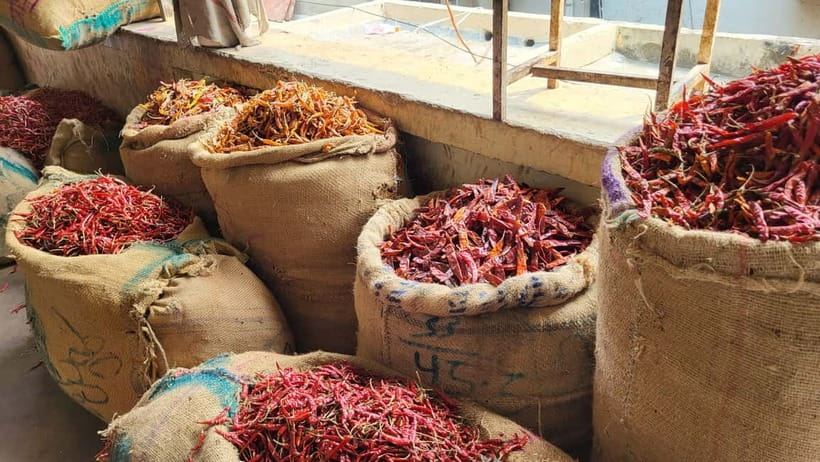
Khari Baoli is the tour’s sensory high point. The scheduled visit lasts about 30 minutes, though some walks run longer when the group has many questions or takes added stops. This is a working wholesale market, not a tidy display arranged for sightseeing.
You may see large sacks opened for inspection, with cardamom, chilies, seeds, herbs, and other spices filling the air with sharp, sweet, earthy smells. The route leads into a major warehouse area where spice merchants inspect goods and negotiate business. You are seeing trade in action, not just rows of packets made for tourists.
A visit to an older spice depot adds useful context. The guide explains how familiar Indian seasonings are used and why some products can cost far more outside India. If you cook at home, this is the part that may change how you look at an everyday jar of spice.
The market is exciting, but it can also be dusty, crowded, and physically tiring. Be careful around sacks, carts, and uneven walking surfaces. If strong aromas bother you, take a little distance from open piles and tell the guide.
Several participants have been offered masala chai or small snacks during the walk, and one person enjoyed three different varieties of chai. Other accounts mention samosas, local drinks, flower bracelets, or a short rickshaw ride. These extras appear to depend on the guide, timing, and what the group wants, so do not book on the assumption that food or rides are included. The official inclusions are a local guide and one bottle of mineral water. Food and drinks are listed as extra.
What Jai Singh adds to the walk
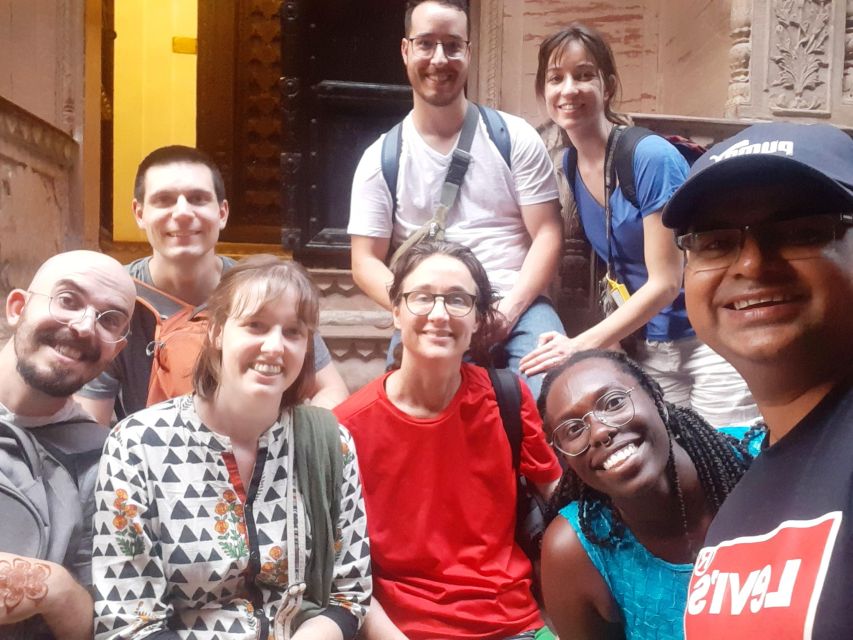
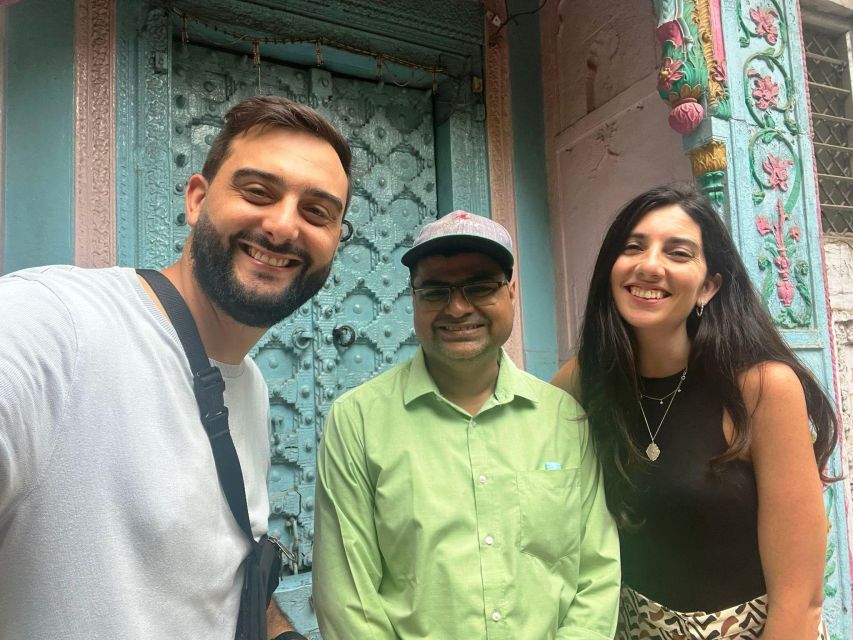
A good Old Delhi tour depends less on a script than on the person leading it. Jai Singh is the guide named most often for this experience, and his strengths are clear: he explains history in plain language, answers questions patiently, and connects buildings to modern life.
His local knowledge is especially useful in the lanes. He can help you cross busy areas, choose a route around congestion, explain market behavior, and point out places you would likely miss. Several solo participants also appreciated his attention to safety, including help arranging a taxi or ride after the walk.
That last point matters because the tour does not include hotel drop-off. The walk normally finishes near Khari Baoli or continues toward Connaught Place, depending on the selected option. Jai has helped people secure onward transport, but you should still have your hotel address ready and keep enough battery on your phone.
The tone appears friendly rather than formal. If you want a tightly timed lecture with no detours, the conversational style may feel loose. If you prefer questions, local stories, and practical help, it is a strong match.
Price, pace, and practical value
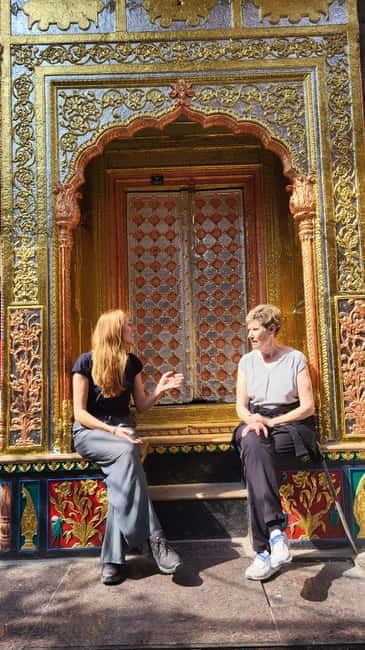
At $13, this is excellent value for a small-group introduction to Old Delhi. The price covers three hours with an English-speaking local guide and one bottle of water. You are paying for access, navigation, explanations, and time saved from getting lost, rather than for an expensive meal or a long list of included attractions.
Budget separately for the INR 450 mosque entry if you want to go inside. Food, drinks, shopping, rickshaw rides, and hotel transport are not included. That keeps the base price low, but it also means the final cost depends on the choices you make during the morning.
The pace is generally manageable, but the terrain is not easy. You will walk through crowded lanes, cross busy areas, and spend time on your feet. One account describes a tour lasting four hours rather than three, while other experiences included extra stops. If you have another booking soon afterward, leave a generous buffer.
This tour suits solo visitors, couples, first-time Delhi visitors, and anyone who wants a practical introduction before exploring independently. It is less suitable for people using mobility aids, pregnant women, or anyone who dislikes crowds, uneven routes, and strong market smells.
Free cancellation up to 24 hours before the start and reserve-now, pay-later booking make it easier to fit the walk into a changing Delhi schedule. Still, check the start time and pickup option carefully, since hotel pickup is only available from centrally located hotels and the standard meeting point is the metro station.
Should you book the Old Delhi walk?

I would book this tour if you want Old Delhi as a living neighborhood, not just a list of monuments. The strongest parts are the shift from Jama Masjid to the residential lanes, the goldsmith quarter, and the working spice warehouses at Khari Baoli.
Book it with Jai Singh if you value patient explanations, local context, and help navigating the city. Choose another type of outing if you want a relaxed food tour, a private luxury experience, or guaranteed inclusions beyond the guide and water.
The best plan is to go early in your Delhi stay. You will learn how the old city works, pick up ideas for spices or textiles, and gain enough orientation to return on your own. At $13, that is a useful introduction at a very fair price.
FAQ
Where does the tour meet?
Meet the guide at Exit Gate 1 of Jama Masjid Metro Station. If you are arriving by Uber, use the supplied Google Maps pin and keep your WhatsApp or phone available for coordination.
How long does the tour last?
The advertised duration is three hours. Some walks may run longer when the group takes extra stops or spends more time exploring.
Is entry to Jama Masjid included?
The mosque visit is optional. Entrance costs INR 450 per person and is not included in the tour price. You can take photographs from outside if you do not enter.
What does the $13 price include?
The price includes a local English-speaking guide and one bottle of mineral water per person. Food, drinks, tips, hotel transport, and the mosque entrance fee are not included.
Is this a private tour?
No. It is a small-group experience limited to seven participants. Pickup from centrally located hotels may be available with the selected option.
Can I bring luggage?
Large bags and luggage are not allowed. Bring only what you need for the walk, and wear comfortable shoes because the route includes narrow, crowded lanes.
Just added around India
- Panaji: Heritage Walking Tour in Fontainhas Latin Quarter★ 4.9 · 31 reviews
- 3-Hour Old Delhi Heritage Walking tour with Rickshaw ride★ 4.6 · 158 reviews
- Madurai: Heritage & Cultural Trails Guided Walking Tour★ 4.3 · 21 reviews
- Kolkata: Guided Heritage Walking Tour★ 4.6 · 23 reviews
- Jodhpur: Blue City Heritage Walking Tour★ 4.8 · 43 reviews
- Jaisalmer Heritage Walking Tour With Professional Guide★ 5.0 · 31 reviews
- Jaipur: History Street Food Tour with Local Guide★ 4.4 · 50 reviews
- Hyderabad: Heritage Walking Tour of Old City and Charminar★ 4.9 · 48 reviews
History Walking Tours, compared.

History and Hauntings of Salem Guided Walking Tour
Read our review →
Freedom Trail History Small Group Walking Tour
Read our review →
Historic Charleston Guided Sightseeing Walking Tour
Read our review →
Tapas Walking Tour with Food, Wine, and History
Read our review →
Savannah History and Haunts Candlelit Ghost Walking Tour
Read our review →

A History of Terror – Belfast City Centre Walking Tour
Read our review →Browse the lists this tour appears in