
Review · CALIFORNIA
Los Angeles: Downtown History & Architecture Walking Tour
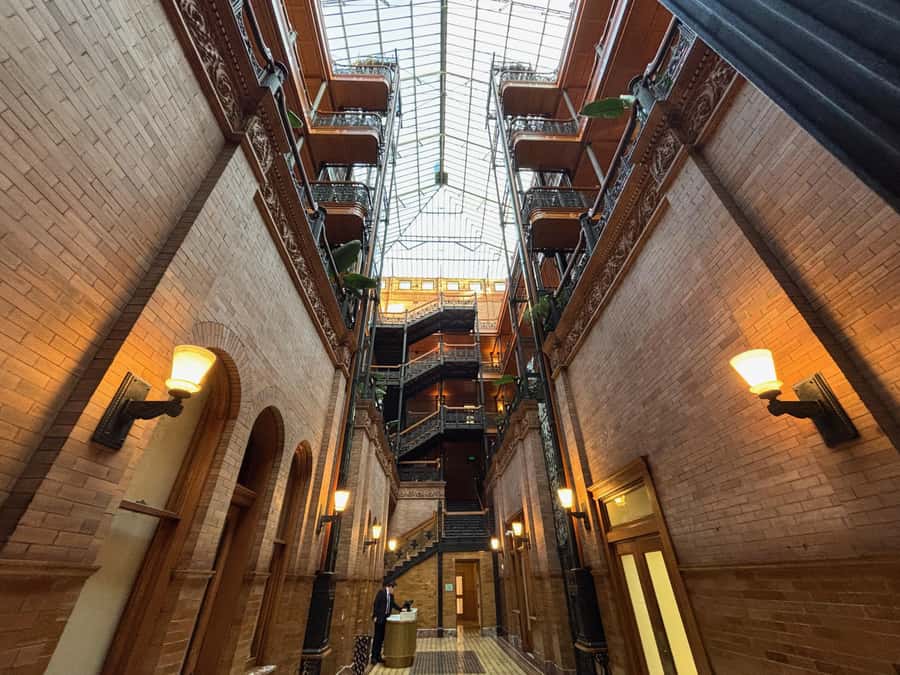
Downtown Los Angeles rewards curious walkers. This 150-minute tour brings together movie palaces, Art Deco details, grand civic buildings, and the changing face of Bunker Hill. I especially like the Belgian guide’s local and international viewpoint, plus the conversational format that lets you ask about architecture, politics, and city life rather than simply follow a memorized speech. The Bradbury Building and Last Bookstore also give you two excellent photo stops.
The main consideration is the walking itself. You cover central DTLA on foot, and the tour is not suitable for wheelchair users, people with mobility impairments, or children under six. The advertised length is two and a half hours, though it may run longer, so wear good shoes and do not schedule a tight appointment afterward.
Key things to know before you book
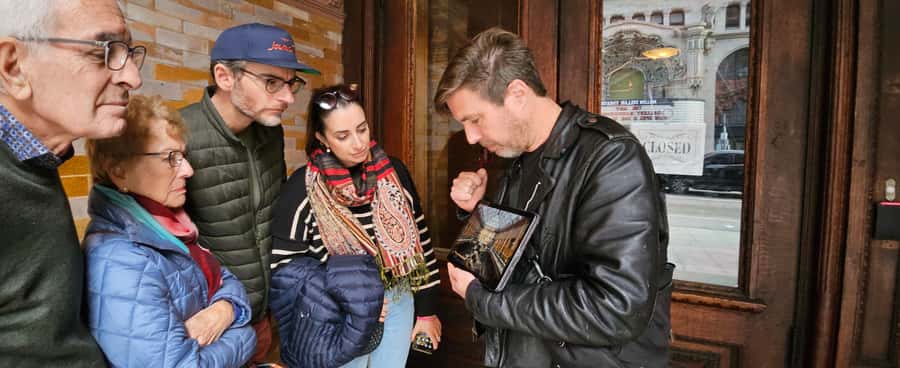
- A European view of Los Angeles: Belgian guide Mark connects local stories with wider ideas about cities, culture, and urban design.
- Architecture with a social angle: You look at Art Deco, Beaux-Arts, and Modernist buildings while discussing the forces that shaped them.
- Movie history is part of the route: Broadway’s theaters and downtown landmarks connect Los Angeles with Chaplin, JFK, Michael Jackson, Taylor Swift, and Jisoo.
- Two memorable indoor stops: The Bradbury Building receives about 20 minutes, as does The Last Bookstore.
- Easy public transport access: The walk begins near the 7th Street Metro station, with meeting options around the Central Library and Grand Central Market.
- Best for engaged walkers: The guide adjusts the discussion to your interests, and private groups are available.
Why this DTLA walk is different from a basic sightseeing tour
Many city walks amount to a list of dates, names, and photo stops. This one aims to explain how Los Angeles developed, why downtown looks the way it does, and how old buildings fit into a newer city.
That approach matters in DTLA. A grand facade is more interesting when you understand its former role, the people who used it, and the changes that followed. The guide also invites questions, so you can steer the conversation toward film, architecture, local politics, or plans for the area.
The guide, Mark, brings a Belgian perspective to a city he has made his home. He is also a long-time DTLA resident and hosts a podcast about the area. That gives the tour a useful mix of personal observation and wider context. I particularly like this setup for visitors seeing Los Angeles for the first time, since it can help you move past the usual Hollywood image.
The tour has earned a 4.6 rating from 25 ratings, with the strongest praise aimed at the guide’s enthusiasm, preparation, warmth, and ability to explain social factors behind city design. An architect on the tour found the discussion useful, while Los Angeles natives also felt they learned something new. That is a good sign that the material is not aimed only at first-time visitors.
More History Walking Tours in the USA
- History and Hauntings of Salem Guided Walking Tour
★ 5.0 · 14,564 reviews - Boston: Freedom Trail History Small Group Walking Tour
★ 5.0 · 6,450 reviews - Historic Charleston Guided Sightseeing Walking Tour
★ 5.0 · 6,216 reviews
Starting near the Central Library or Grand Central Market
You can begin at the Los Angeles Central Library or the Grand Central Market parking garage, depending on the option you book. The Central Library is next to the 7th Street Metro station, making rail access one of the simplest ways to reach the tour.
The meeting point matters because downtown driving can add stress to an otherwise easy morning or afternoon. If you choose to drive, the Grand Central Market parking garage gives you a practical starting reference, but check the exact meeting instructions before setting out.
The Central Library is also a fitting place to begin. It represents the civic side of DTLA and introduces the kind of public architecture the tour examines. Bring water, sunscreen, a hat, and a camera. Los Angeles sunshine can make a two-and-a-half-hour walk feel longer than expected, especially if you arrive without protection.
Bunker Hill and the changing shape of downtown
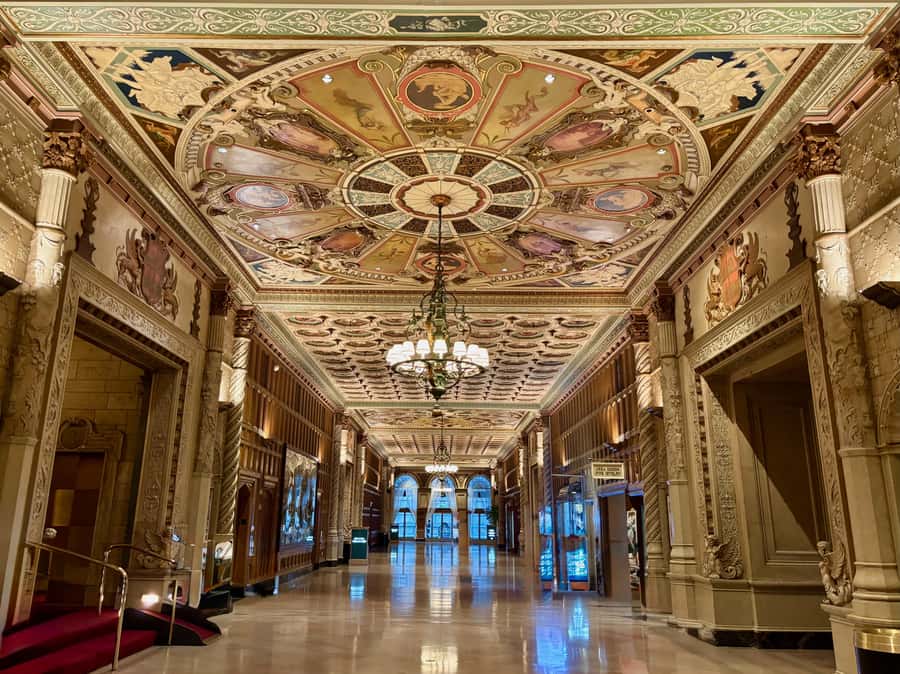
The route explores Bunker Hill, an area that helps explain the sharp contrasts of central Los Angeles. Its earlier identity as an affluent residential district sits alongside later changes in transport, buildings, public space, and commercial life.
The guide uses this area to discuss how a city changes over time. You are not just looking at isolated buildings. You are considering why districts are rebuilt, how older structures survive, and how a modern city decides what to keep.
This is one of the tour’s most useful features. Los Angeles is often presented as a place without a past, but DTLA makes that idea hard to defend. Older civic buildings, theaters, commercial facades, and hotels give the center a strong sense of time. The guide connects those pieces to the city’s wider growth and to the global forces that shaped its identity.
Expect conversation rather than a rigid lecture. If urban design interests you, this is likely to be one of the strongest sections. If you prefer only quick photo stops, the discussion may feel more detailed than expected.
Angels Flight and the city’s vertical story
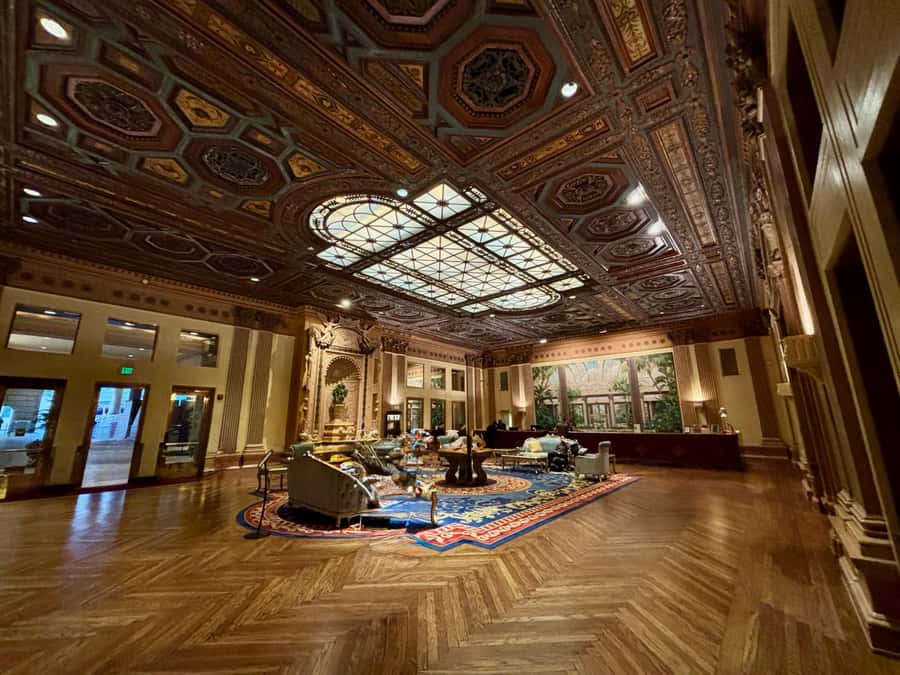
Angels Flight Railway adds another layer to the walk. This landmark is connected with Bunker Hill and gives the guide a natural way to discuss movement through downtown and the relationship between older neighborhoods and newer construction.
The stop is primarily a guided sightseeing point, so the focus is on explanation and atmosphere rather than a long ride or an extended attraction visit. The exact amount of time at each brief stop can vary, but this part helps you understand how DTLA’s hills, streets, and public spaces fit together.
It also breaks up the architecture viewing. You move between buildings, street scenes, and city infrastructure rather than spending the entire tour inside a formal district. That variety helps the two-and-a-half-hour route feel like a connected walk through the city instead of a string of unrelated addresses.
More Architecture and Landmark Tours in the USA:
- Chicago in a Day: Food, History & Architecture Walking Tour
★ 5.0 · 1,153 reviews - Historic Charleston Walking Tour: Rainbow Row, Churches, and More
★ 5.0 · 691 reviews - Charleston’s Best Highlights: History, Culture & Architecture
★ 5.0 · 422 reviews - Charleston: History and Architecture Guided Walking Tour
★ 4.8 · 349 reviews
Grand Central Market and a taste of downtown life
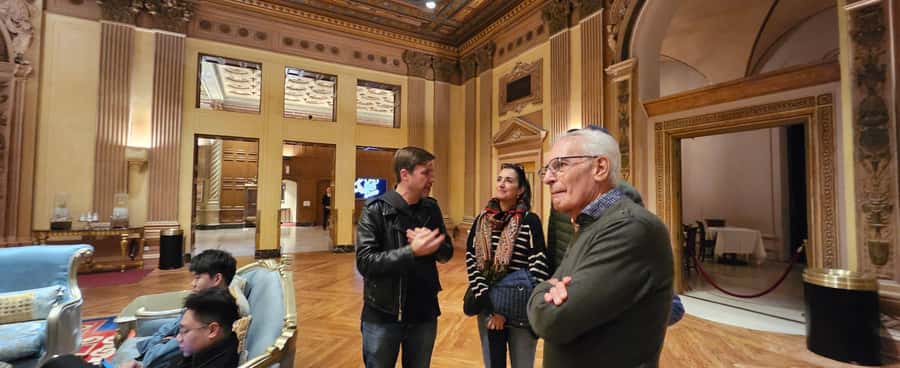
The walk includes around 10 minutes at Grand Central Market. This is a short stop, but it gives the itinerary a more everyday feel after the civic and architectural sights.
The market is useful as a contrast. Grand facades tell one part of Los Angeles’s story, while a public food market shows how people use the center today. The guide can place current downtown life beside the area’s older commercial role.
Do not expect a full meal break built into the tour. Ten minutes is enough for a look around, but not necessarily enough for a leisurely lunch. If you want to eat there, plan to return later or arrange your schedule with extra time.
The Bradbury Building: the tour’s architectural star
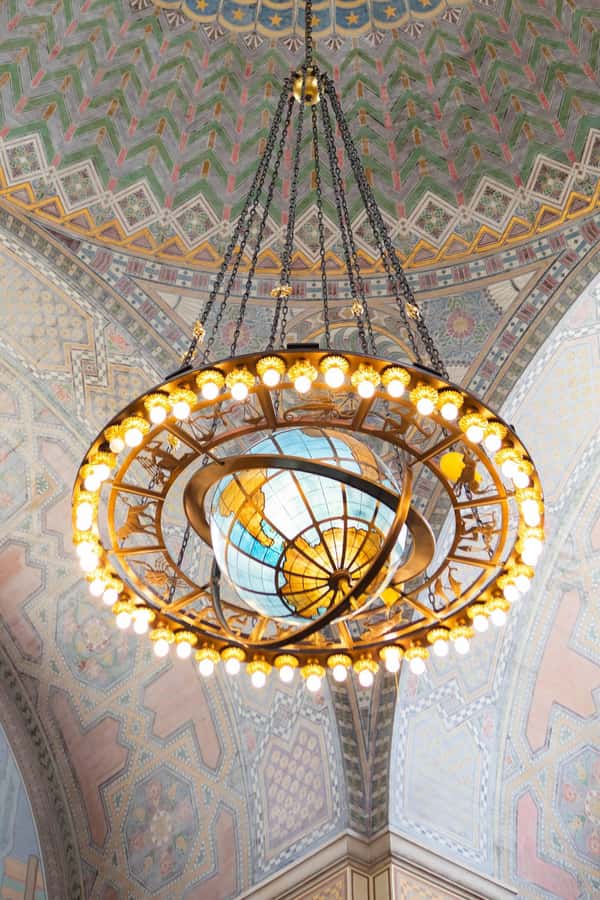
The Bradbury Building receives about 20 minutes, and this is likely to be one of the tour’s most rewarding stops. Its ornate interior is a strong example of the architectural detail found in central Los Angeles, and it gives you a chance to slow down for photographs.
The building is especially valuable for visitors who want more than a street-level view. The guide can point out design elements and explain how the building fits into downtown’s architectural story. You will also hear about its connection to film culture, which adds another layer to the visit.
Bring your camera, but remember to listen before rushing to take pictures. The details are easier to appreciate when the guide explains what you are seeing. The stop lasts about 20 minutes, long enough for a proper look without turning the tour into a single-building visit.
The Bradbury also shows why this tour works well for people who enjoy architecture but do not want a specialist lecture. You receive enough detail to notice materials, style, and structure, while the conversation stays connected to daily life and popular culture.
Broadway’s movie palaces and the old commercial center
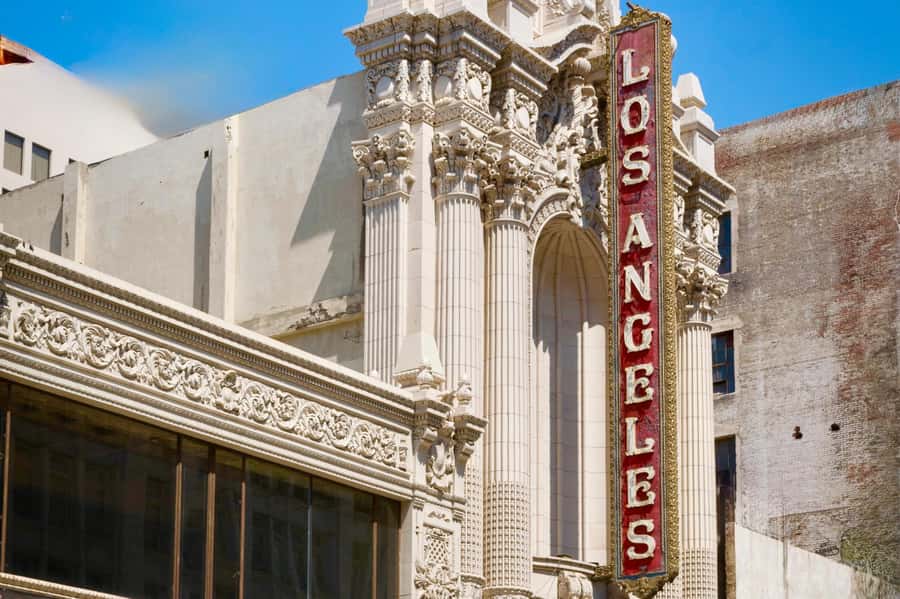
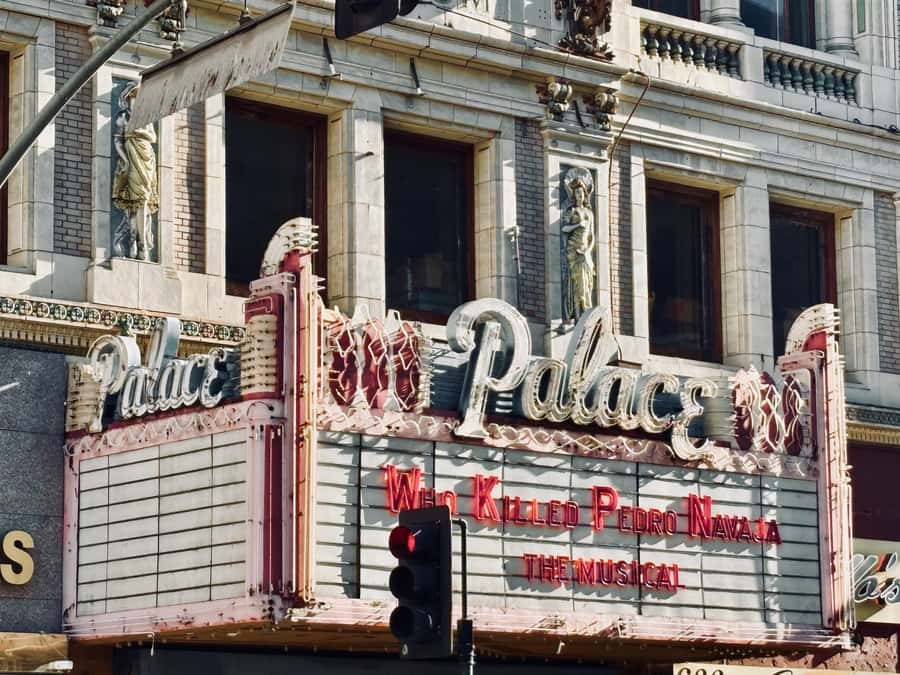
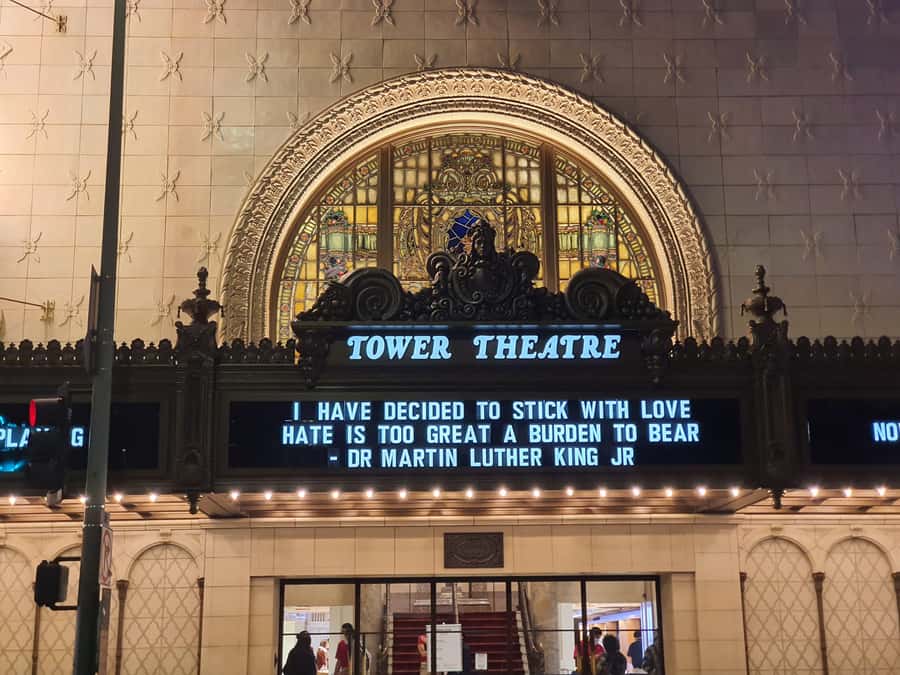
The Broadway Theater District is a major part of the route. It has the world’s highest concentration of movie palaces, according to the tour description, and its buildings preserve the glamour associated with Los Angeles’s cinema past.
The guide links these theaters to the broader story of film culture. You may hear about Chaplin and other famous figures connected with the city’s entertainment identity, along with more recent associations involving Michael Jackson, Taylor Swift, Jisoo, and JFK. These references make the route especially appealing if you enjoy seeing the places where public figures and screen culture intersect with ordinary streets.
The district is not presented as a frozen Hollywood museum. Its importance also comes from the commercial life around the theaters. Broadway was a major business corridor during the 1920s, and its storefronts and grand facades still suggest that earlier energy.
This is a good point to keep expectations realistic. The tour gives you guided views and historical explanation, not a ticket to a theater performance. Some buildings may be viewed from outside or discussed as you walk. The appeal is the district as a whole: architecture, old commerce, cinema, and the visible signs of change.
The Last Bookstore and a modern downtown mood
The Last Bookstore is another approximately 20-minute stop. Its quirky design and strong visual character provide a marked change from formal libraries, theaters, and Beaux-Arts facades.
The bookstore is a smart inclusion because it represents the creative side of present-day DTLA. It also gives you another good photo opportunity and a chance to browse a place with a distinctive identity. One of the strongest descriptions of the tour singled out the contrast between historic hotels, theaters, and this unusual bookshop.
You should not assume that 20 minutes allows for a serious shopping session. Think of it as a guided visit with time to look around. If you want to browse books at leisure, return after the tour.
The stop also supports the guide’s larger point: downtown is not only about preservation. Old structures and newer cultural spaces now sit beside one another, creating the mix that makes central Los Angeles worth walking.
Architecture, politics, and the public life of a city
The tour’s best feature is not one specific building. It is the way the guide uses buildings to start broader conversations.
You may discuss why public spaces matter, how city planning affects daily life, and how political choices shape streets and structures. The guide also talks about future plans for Los Angeles, giving you a sense that DTLA is still changing rather than simply looking backward.
That makes this experience a good fit for architecture students, urban design fans, and visitors who enjoy asking questions. An architect found the explanation of social forces behind building and city design particularly effective. You do not need a professional background, though. The guide’s interactive style is designed to make the discussion accessible.
I would choose this tour over a highly scripted walk if you want to understand the city’s contradictions. Los Angeles can look scattered and hard to read. A good guide helps you connect the pieces without pretending the city has one simple identity.
How much value do you get for $30?
At $30 per person, the tour offers solid value if you want a guided introduction to DTLA rather than a fast orientation walk. The price covers 150 minutes with a live guide, several significant buildings, movie history, and time inside or around two of the route’s most photogenic locations.
The value comes mainly from the guide. You can walk through downtown for free, but you will not automatically understand why Bunker Hill matters, how Broadway’s theaters fit into Los Angeles culture, or what makes the Bradbury Building important. Mark’s local experience and enthusiasm add the interpretation you cannot get from simply following a map.
The private-group option can make the price more worthwhile for families with older children, couples, or small groups who want the discussion shaped around their interests. The tour is not suitable for children under six, so families should take that restriction seriously.
A small issue is the uncertain end time. One booking lasted longer than advertised, which was welcome for that group but could be inconvenient if you have a reservation or transport connection. I would leave at least 30 to 60 minutes of spare time after the stated finish.
Who will enjoy this tour most?
I would recommend it most strongly to:
- First-time visitors who want context beyond Hollywood and Santa Monica
- Architecture fans interested in Art Deco, Beaux-Arts, and Modernist design
- Film lovers curious about downtown’s movie-palace era
- People who enjoy discussion rather than a fixed speech
- Los Angeles residents who want a fresh reading of their own city
- Visitors comfortable with a steady urban walk
It may be less suitable if you want a food-focused outing, a short photo tour, or a tour built around major Hollywood attractions. The route stays in DTLA and gives more time to buildings, history, and city planning than to entertainment-industry glamour.
Wear comfortable shoes and check the weather before leaving. Bring water, sunscreen, and a hat. The route has several short walking sections, plus longer stretches between major stops, and mobility limitations can make it difficult.
Should you book this DTLA walking tour?
Book it if you want to understand downtown instead of simply pass through it. The strongest reasons are the guide’s warm, interactive style, the unusual Belgian and local viewpoint, and the way architecture connects with film, politics, commerce, and city life.
At $30, it is a fair deal for a two-and-a-half-hour guided walk with stops at Angels Flight, Grand Central Market, the Bradbury Building, Broadway, and The Last Bookstore. I would schedule it early in your DTLA visit so the stories and landmarks give meaning to later independent walks.
Skip it only if you dislike extended walking or prefer a tightly timed sightseeing route with no open discussion. For curious visitors, architecture fans, and even longtime Angelenos, this is a thoughtful way to see the city center with fresh eyes.
FAQ
How long does the Downtown Los Angeles walking tour last?
The scheduled duration is 150 minutes, or two and a half hours. The tour may run longer, so leave extra time after the stated finish.
How much does the tour cost?
The price is $30 per person.
Where does the tour begin?
There are two possible starting points: the Grand Central Market parking garage or the Los Angeles Central Library. The exact meeting point depends on the option booked.
Is the tour easy to reach by public transportation?
Yes. The Central Library is next to the 7th Street Metro station, providing convenient access by Metro.
Which languages are available?
The live tour is available in English and French.
Is a private group option available?
Yes. A private group can be booked.
Is the tour suitable for children?
Children under six are not permitted on the tour.
What should I bring?
Bring comfortable shoes, a hat, sunscreen, water, and a camera. Check the weather forecast and dress appropriately.
Just added around the USA
- Los Angeles: Dark History and Haunted LA Ghost Bus Tour★ 3.8 · 33 reviews
- Louisville: 3-Hour Food and History Tour of NuLu District★ 4.9 · 17 reviews
- Kennebunkport: 2-Hour Historical Walking Tour★ 4.9 · 36 reviews
- Key West: History and Culture Southernmost Walking Tour★ 4.9 · 25 reviews
- New Orleans: 9th Ward Hurricane Katrina History Tour★ 4.7 · 31 reviews
- Houston: Buffalo Bayou Park Cistern History Tour★ 4.8 · 118 reviews
- History of Savannah Walking Tour★ 5.0 · 19 reviews
- Charleston: Walking History and Bar Tour★ 5.0 · 63 reviews
Architecture & Landmark Tours, compared.
St. Mark’s Basilica Guided Tour & VR History Intro
Read our review →
Venice’s Best: Basilica, Doge’s Palace, Gondola & History Gallery
Read our review →
Córdoba: Skip-the-Line Great Mosque-Cathedral History Tour
Read our review →
Pantheon Elite Guided Tour – Rome’s Iconic Ancient Temple
Read our review →
Abu Dhabi Grand Mosque, Palace, and Heritage Village
Read our review →
Chicago in a Day: Food, History & Architecture Walking Tour
Read our review →

Colosseum Special Access Tour, with Ancient Temples & Tombs
Read our review →Browse the lists this tour appears in