
Review · EMIRATE OF DUBAI
Historic Forts, Boats and Pearls of Old Dubai Walking Tour
Old Dubai begins where the skyscrapers fade. This two-hour walk brings you through Al Bastakiya, past heritage houses and Al Fahidi Fort, then across Dubai Creek by traditional abra. I like the strong mix of walking, market visits, and local history. I also like the small tastings, which add coffee, dates, chocolates, and dried fruit to the usual sightseeing routine. The main drawback is the pace: two hours is short for three souks, museums, heritage streets, and a boat ride, so some stops may feel brisk.
The meeting point outside Arabian Tea House is easy to place in Bastakiya, near Al Fahidi Street and the Musalla Post Office. You should wear comfortable shoes and light, comfortable clothing. The route is not suitable for wheelchair users, and hotel pickup is not provided, so you need to make your own way to the starting point.
Five things that make this Old Dubai walk worthwhile
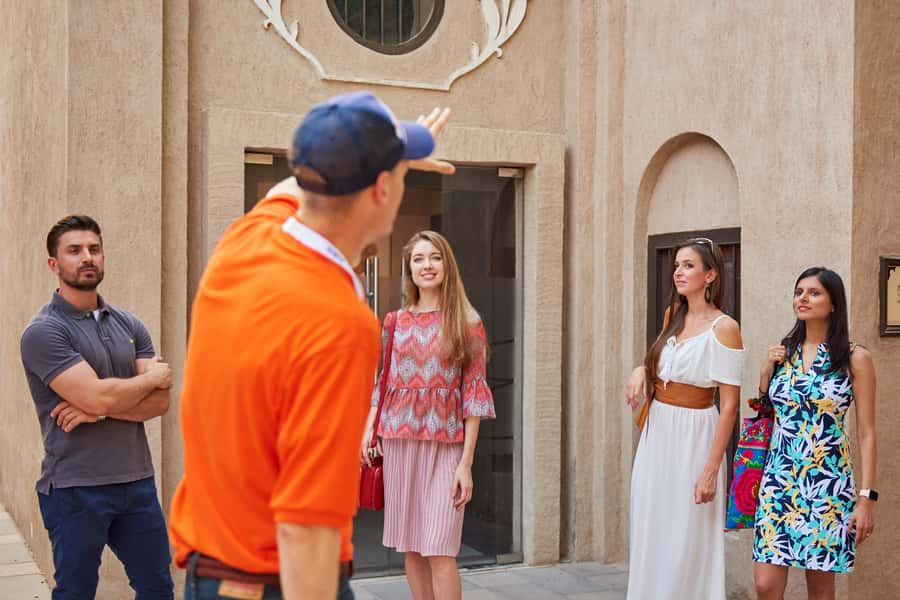
- Al Bastakiya puts Dubai’s modern skyline into perspective: You see the city’s older residential side, with heritage houses and traditional architecture.
- The abra ride is part of the transport, not a separate add-on: You cross Dubai Creek in a wooden boat and get a short but memorable view of the waterway.
- Three famous souks are included: The route covers the textile, spice, and gold markets, with time to see how each one differs.
- Coffee, dates, chocolates, and dried fruit add flavor: These small tastings help connect the tour to everyday food and hospitality.
- The guides focus on culture as well as buildings: Expect explanations of local etiquette, food, pearl trading, regional history, and Dubai’s growth.
Starting in Bastakiya, Dubai’s older residential quarter
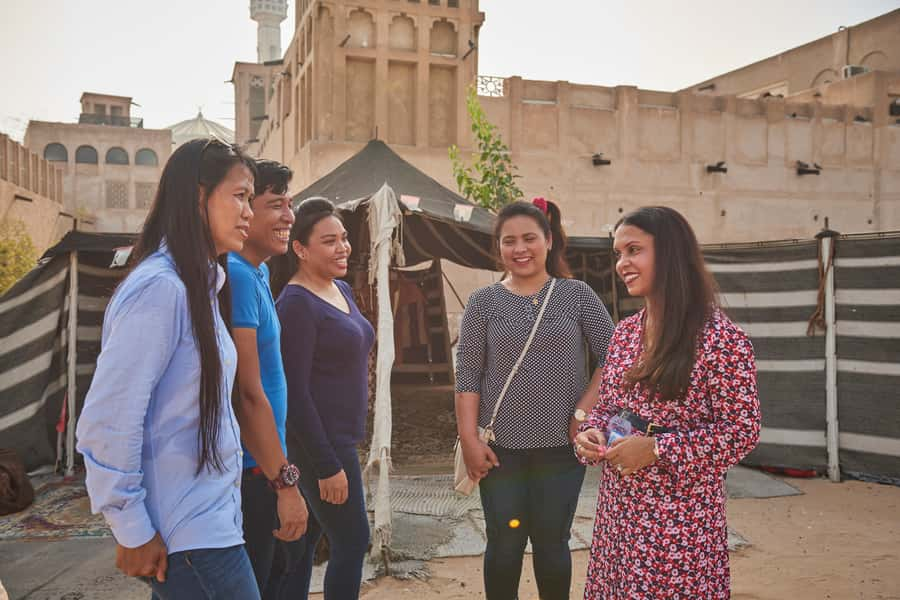
The tour begins outside Arabian Tea House in Bastakiya, also called the Al Fahidi historical neighborhood. This is a useful starting point because you are not dropped into Dubai’s modern shopping districts first. Instead, you begin with narrow lanes, old residential buildings, and a sense of how the city looked before its rapid expansion.
Al Bastakiya is often described as one of Dubai’s oldest neighborhoods. Here, the attraction is not one grand monument. It is the change in scale. The streets feel more intimate than the broad roads and towers found elsewhere in the city, and the heritage houses help you picture Dubai as a trading settlement rather than a global business center.
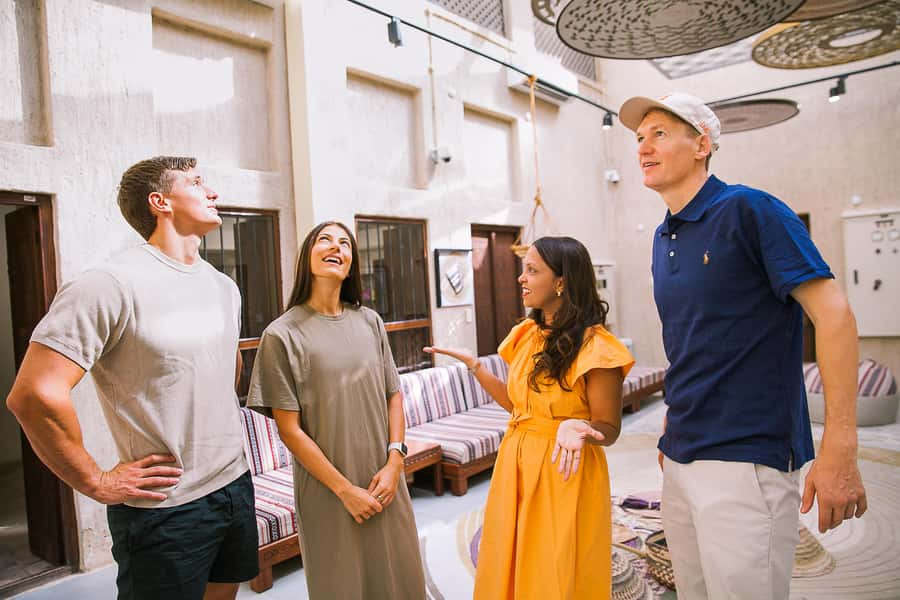
Your guide supplies the context that signs alone cannot. You can expect discussion of the city’s early residents, trade, food, customs, and social etiquette. The tour also connects Dubai’s story with the wider Gulf region, which is useful if your knowledge of the United Arab Emirates begins and ends with shopping malls and famous towers.
Several guides have received particularly warm praise for their manner. Pri was described as patient and pleasant, while Dana was praised for creating a friendly atmosphere and explaining small details with care. Sameh was also singled out for a strong presentation. Guide assignments can change, but the recurring strength is the human side of the tour: conversation, stories, and answers to questions rather than a fast list of dates.
More History Walking Tours in Dubai:
- Dubai: Walking, Architecture and History Tour of Dubai Opera
★ 4.9 · 40 reviews - History and Hauntings of Salem Guided Walking Tour
★ 5.0 · 14,564 reviews - Lisbon: History, Stories and Lifestyle Walking Tour
★ 4.8 · 10,902 reviews
Heritage houses and Al Fahidi Fort
The walk continues through the old neighborhood toward Al Fahidi Fort. The fort gives the tour a clear physical landmark and helps anchor the story of Dubai’s earlier defenses and settlement.
You should expect the guide to use the fort and nearby museums to explain the city’s development from a desert trading town to a major international destination. Museum admission is included, so you do not need to decide on an extra ticket during the walk. The provided information does not specify every museum or the length of each stop, so the amount of time inside may depend on the group and the guide.
That uncertainty matters. If you want a long museum visit with time to read every display, this is not the right format. The tour is designed to connect several places in a short period. You get a guided overview, then continue on foot to the markets and Creek crossing.
The best part of this section is the change in perspective. Dubai’s story is not only about oil, construction, and modern towers. The tour gives space to pearl trading, local food, regional customs, and the people who lived and worked here. One past participant found the explanation of pearl trading especially useful, since it showed how important that trade was before Dubai became known for its present-day economy.
Coffee, dates, and a taste of local hospitality
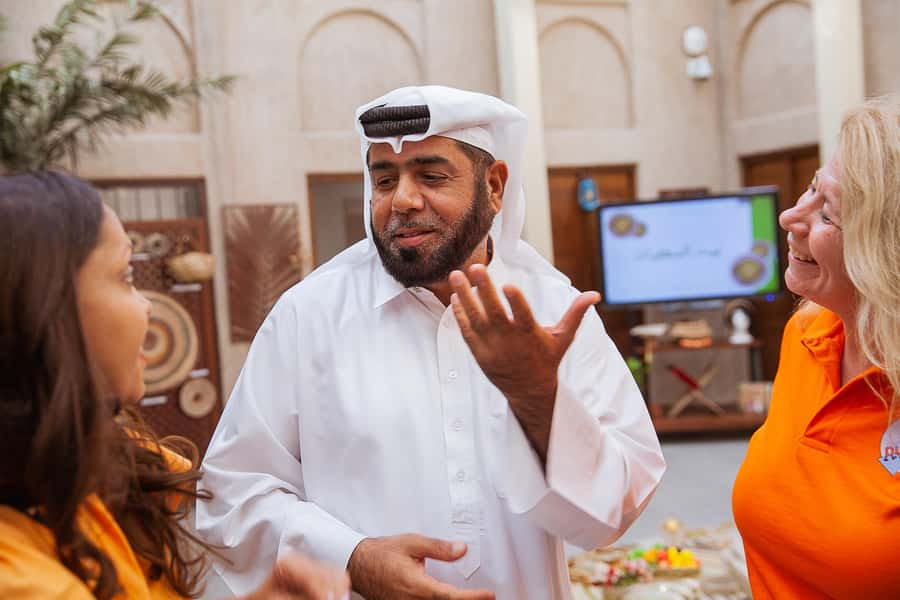
The included coffee and dates tasting is a small feature, but it earns its place in the experience. Food gives you a direct way to connect with local hospitality, and a short tasting can make cultural explanations easier to remember.
You will also taste chocolates and dried fruits in the Spice Souk. These are not a full meal, so do not book the tour expecting lunch. Think of the tastings as brief introductions that add flavor to the walk and give you something to discuss with the guide.
The tour places food beside etiquette and culture. That combination is useful for first-time visitors because you learn not only what Dubai sells, but also how certain foods and drinks fit into social life. The guide can also explain customs and correct common assumptions about the United Arab Emirates.
There is a practical benefit here too. If you are not sure what to try in a souk, the tasting gives you a gentle starting point. You can ask questions before buying anything. The experience is more useful when you treat the markets as working places rather than simply photo stops.
Crossing Dubai Creek by traditional abra
The abra ride is the tour’s change of rhythm. After walking through the heritage quarter and markets, you board a traditional wooden boat and cross Dubai Creek. The trip is short, but it gives you a view of Old Dubai from the water and links the two sides of the historic trading area.
I like that the boat ride is built into the route. You are not simply looking at an old boat from the shore. You use the same kind of local transport that helps make the Creek feel like a living part of the city.
The ride also helps explain why this area mattered. The Creek was central to trade, movement, and daily life, and crossing it makes the geography easier to understand. You see the relationship between the older neighborhoods, waterfront activity, and the markets.
Keep your expectations sensible. This is not a private cruise or a long sightseeing voyage. It is a traditional boat crossing during a walking tour. You get a memorable break from the pavement and a fresh view of the city, but the boat portion is only one part of a tightly timed two-hour route.
A few more history tours around Dubai worth a look
- Dubai Evening Heritage Safari by Vintage G Class Al Marmoom Oasis
★ 5.0 · 1,500 reviews - Dubai: Abu Dhabi Grand Mosque, Palace, and Heritage Village
★ 4.8 · 1,265 reviews - Dubai Camel Desert Safari, Traditional Meal & Heritage Activities
★ 5.0 · 937 reviews - Dubai: Heritage Safari in Vintage Land Rover with Dinner
★ 4.8 · 861 reviews
The Textile Souk: colors, fabrics, and shopping pressure
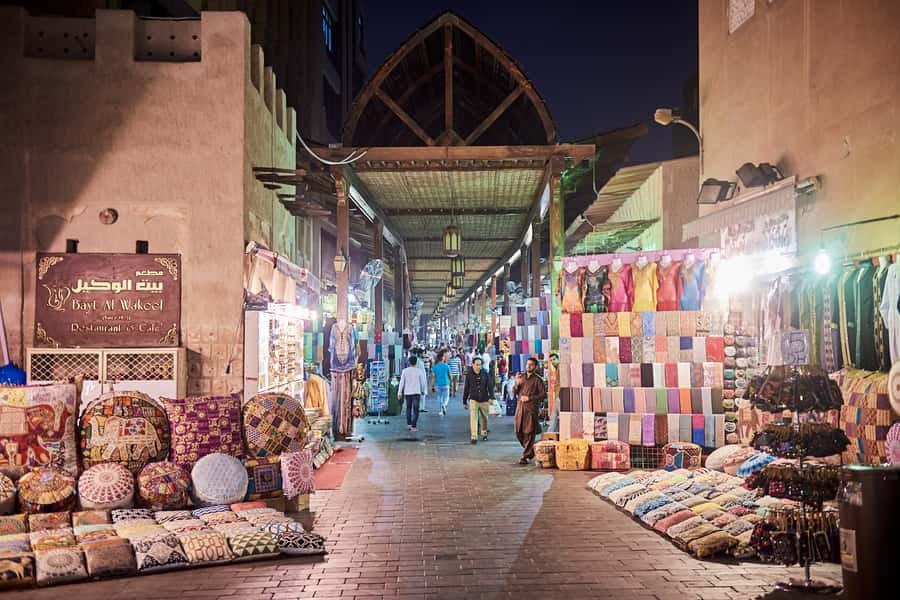
The Textile Souk gives you the chance to see a different side of Old Dubai’s commercial life. Fabric shops and displays bring color to the route, and the guide can explain what you are seeing while helping you move through the market.
This is a good place to ask questions about materials, clothing, and local dress. The tour’s cultural focus makes the stop more than a shopping exercise. You can learn how traditional clothing relates to climate, custom, and identity, although the exact depth will depend on your guide and the group.
You should also expect sellers to be interested in making a sale. That is part of the souk experience. If you want to browse without buying, say so politely and keep moving. If you do want souvenirs, the guide’s comments may help you judge what you are looking at, but the tour does not promise shopping discounts or specific purchases.
The short schedule means you should decide in advance how much shopping you want to do. Stopping to negotiate over fabric can use up the time needed for the Spice and Gold Souks.
The Spice Souk: scents, samples, and practical advice
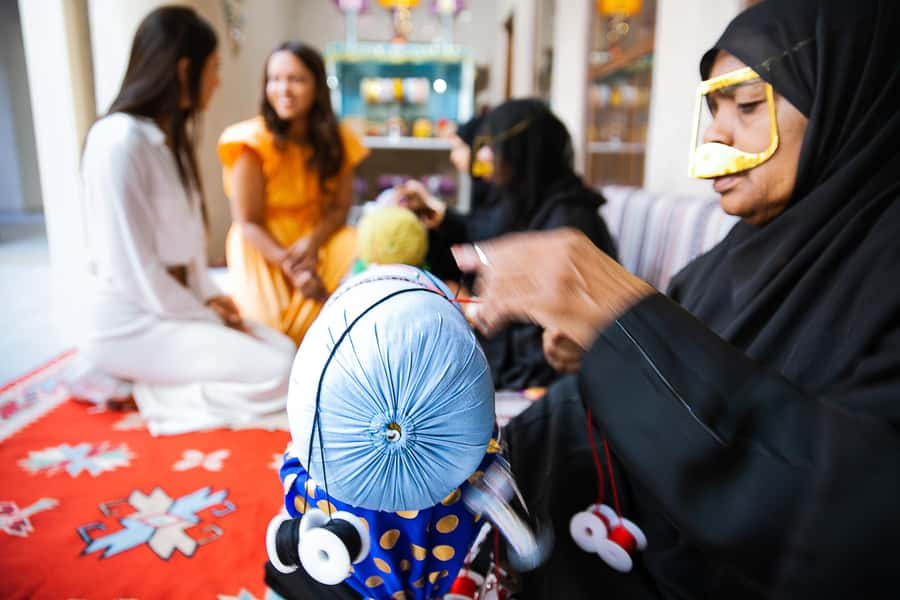
The Spice Souk is one of the most sensory parts of the walk. The included samples of chocolates and dried fruits make this stop more interactive, while the guide helps explain the products and their place in local food culture.
You might see spices, dried ingredients, sweets, and other food products arranged for shoppers. The supplied details do not promise a fixed tasting menu, so the exact samples can vary. Still, the food element makes this a useful stop for anyone who wants more than architecture and photographs.
This is also a good place to ask about what is genuinely useful to take home. A guide can help you understand unfamiliar ingredients and explain local customs around buying and bargaining. You are not required to purchase anything.
The Spice Souk may be lively, and the route can feel crowded at times. That is part of its character, but it can make it harder to hear. Stay close enough to your guide and keep your attention on the group, especially while moving between stalls.
The Gold Souk and Dubai’s trading identity
The Gold Souk completes the tour’s three-market circuit. Its focus is different from the textile and spice markets, and seeing all three in one outing gives you a broader picture of Old Dubai’s commercial life.
The gold market is particularly useful as a reminder that Dubai’s reputation for trade did not begin with luxury malls. The tour places gold alongside textiles and food products, showing how different forms of commerce gathered around the Creek.
You may be more interested in the architecture and display windows than in buying jewelry. That is perfectly reasonable. The experience is still worthwhile as a guided market visit, especially if you want help understanding the atmosphere and local shopping etiquette.
Do not expect a detailed appraisal service or a dedicated jewelry-buying consultation. The purpose is to visit the souk as part of the wider Old Dubai walk. If you plan to shop seriously, you will need additional time outside the two-hour tour.
What the two-hour schedule really means
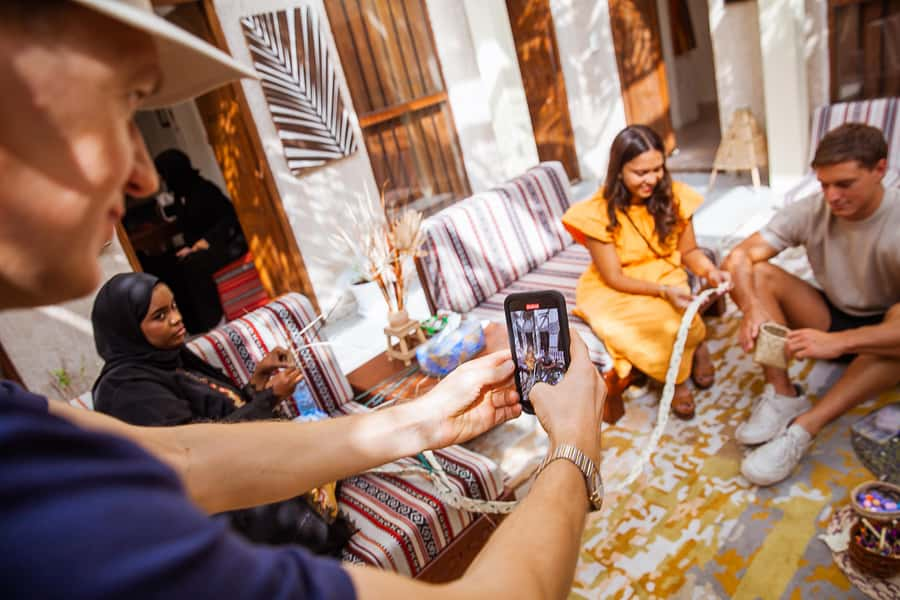
Two hours is enough for a strong introduction, not a slow examination of every stop. You will cover Al Bastakiya, heritage sites, museums, the three souks, tastings, and the abra crossing. That is a lot to fit into one route.
The benefit is efficiency. If you have a short stay in Dubai, this tour gives you a quick way to see the older side of the city and learn how the main areas connect. It is also a useful first activity because the guide can offer ideas for restaurants, public transport, and other parts of Dubai to visit afterward.
The trade-off is limited free time. You may not have long to shop, take photographs, or read every museum display. The route is best for someone who wants an organized introduction and is happy to keep moving.
The group experience can also affect the pace. One guide, Dana, was praised for handling a delayed small group calmly, but lateness still reduces the time available for everyone. Arrive at the meeting point on time so you do not lose part of the walk.
Price and practical value at $54
At $54 per person, this is not the cheapest way to wander around Old Dubai. You could walk through parts of the neighborhood and visit markets independently for less. The price makes more sense if you value a guide who explains the setting, handles the route, includes museum admission, arranges the organized experience, and adds tastings and the abra crossing.
The strongest value comes from the range of subjects covered. In two hours, you get heritage architecture, a fort, museums, food, etiquette, pearl trading, markets, and Creek transport. Paying for a guide can turn separate stops into one connected story.
The price is less appealing if you mainly want unstructured shopping or a leisurely boat trip. You are paying for interpretation and convenience, not luxury transport or an extended market visit.
English is the stated tour language, and the experience is led by a certified English-speaking guide. Hotel pickup and drop-off are not included. The meeting point is outside Arabian Tea House in Bastakiya, so plan your route there before the start time.
Free cancellation is available up to 24 hours before the tour for a full refund, and you can reserve while paying later. Those terms are helpful if your Dubai schedule is still shifting.
Who should book this Old Dubai tour?
I would choose this walk for a first visit, a short stay, or a stopover when you want cultural context without committing to a full-day excursion. It also suits you if modern Dubai has begun to feel repetitive and you want to see the older neighborhoods that shaped the city.
It is a strong fit for curious eaters, photographers, and anyone interested in markets, local customs, and the story of pearl trading. The guides have been praised for warmth, humor, patience, and clear explanations, which matters on a walking tour with many short stops.
You may want something else if you use a wheelchair, dislike walking, want a private experience, or prefer plenty of time for shopping. The route is not wheelchair suitable, and the schedule leaves little room for lingering.
Should you book it?
Book this tour if you want a well-organized introduction to Old Dubai rather than a simple market stroll. The best features are the blend of heritage streets, three distinct souks, and an abra crossing, plus the food tastings and cultural explanations.
Skip it if you already know Bastakiya, the Creek, and the markets well, or if you want a slow, self-guided day. For most first-time visitors, $54 is fair when the included guide, museum tickets, tastings, and boat crossing are taken together. Arrive ready to walk, keep your shopping plans modest, and you will get a useful look at the Dubai that existed before the towers.
FAQ
How long does the Historic Forts, Boats and Pearls of Old Dubai Walking Tour last?
The tour lasts two hours.
Where does the tour meet?
Meet your guide outside Arabian Tea House in Bastakiya, on Al Fahidi Street in Bur Dubai, opposite the Musalla Post Office.
Is hotel pickup and drop-off included?
No. You need to travel to and from the meeting point independently.
What language is the tour conducted in?
The tour is conducted in English with a live English-speaking guide.
Is the abra ride included?
Yes. The tour includes a traditional wooden abra ride across Dubai Creek.
Are museum tickets included?
Yes. Museum tickets are included in the tour.
Is the tour suitable for wheelchair users?
No. The tour is not suitable for wheelchair users.
Just added around Dubai
- Old Dubai Historic Guided Tour: Creek, Street Food & Souks★ 4.9 · 156 reviews
- Old Dubai Heritage Tour: Souks, Mosques & more hidden gems!★ 4.3 · 72 reviews
- Dubai: Heritage Camel Desert Safari with Traditional Dinner★ 4.9 · 80 reviews
- Dubai: Heritage Desert Safari wtih Overnight and Breakfast★ 4.9 · 35 reviews
- Dubai: Walking, Architecture and History Tour of Dubai Opera★ 4.9 · 40 reviews
- Dubai: Al Fahidi Historical District Heritage Tour★ 4.8 · 40 reviews
- From Dubai: Abu Dhabi Heritage Tour, Qasr Al Watan, Grand Mosque★ 5.0 · 73 reviews
- Dubai: Heritage Safari, Camel Ride & Al Marmoom Oasis Dinner★ 4.8 · 431 reviews
History Walking Tours, compared.

History and Hauntings of Salem Guided Walking Tour
Read our review →
Freedom Trail History Small Group Walking Tour
Read our review →
Historic Charleston Guided Sightseeing Walking Tour
Read our review →
Tapas Walking Tour with Food, Wine, and History
Read our review →
Savannah History and Haunts Candlelit Ghost Walking Tour
Read our review →
A History of Terror – Belfast City Centre Walking Tour
Read our review →Browse the lists this tour appears in