
Review · EMIRATE OF DUBAI
Old Dubai Historic Guided Tour: Creek, Street Food & Souks
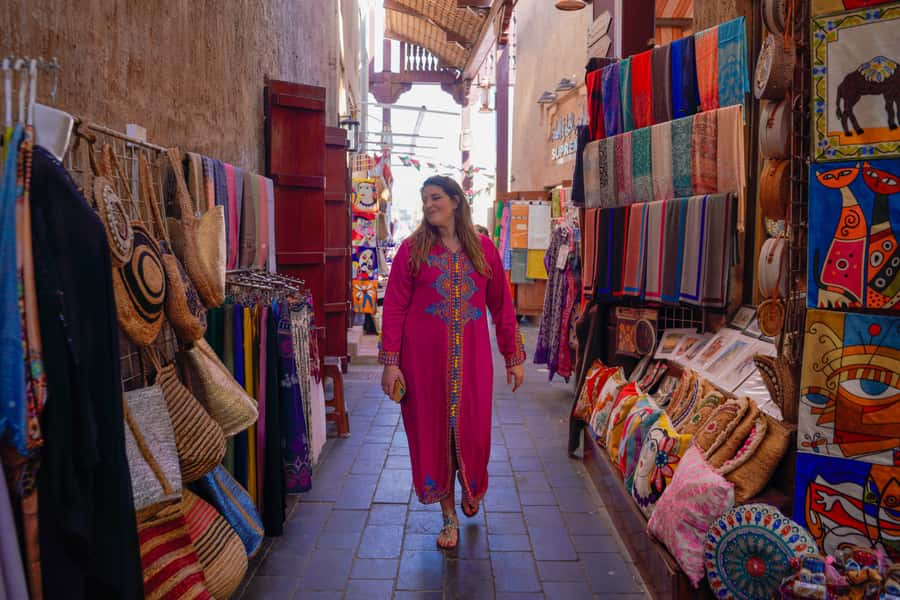
Old Dubai tells a better story than its skyline. This three to four-hour walk links an Emirati heritage house, Al Fahidi lanes, street snacks, and the Gold and Spice Souks for just $10. I especially like the traditional abra ride across Dubai Creek and the chance to start with Arabic coffee and dates in a real heritage setting. The main drawback is the amount of walking in the heat, with no wheelchair access and no room for large bags.
The tour also earns strong marks for its guides. Ahmed Hussein, Nasser, Ibrahim, Khan, Maaz, and others are praised for clear explanations, humor, and help with souk bargaining. Groups can be multilingual, so the pace and guide assignment may vary, but the experience offers an unusually good amount of history and food for the price.
Key things to know before you go
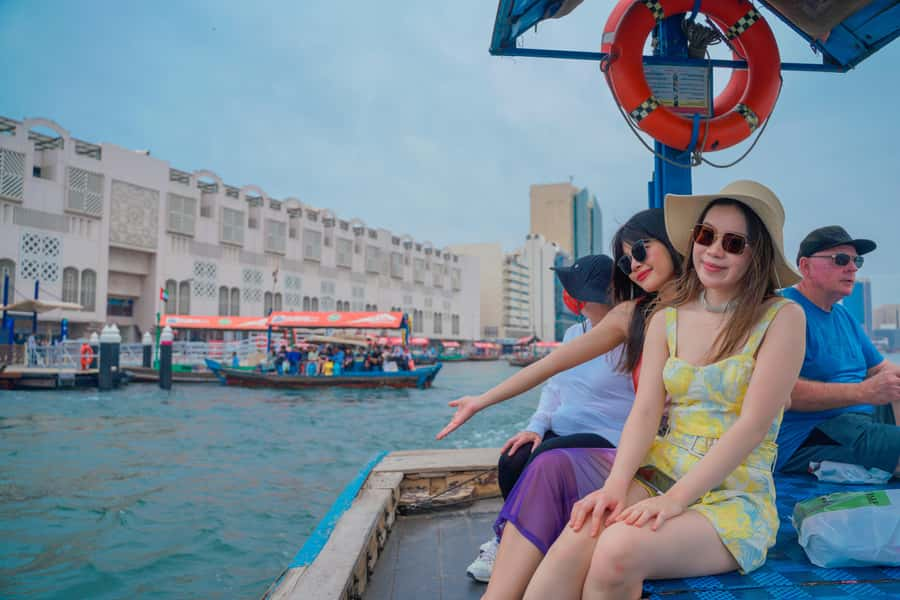
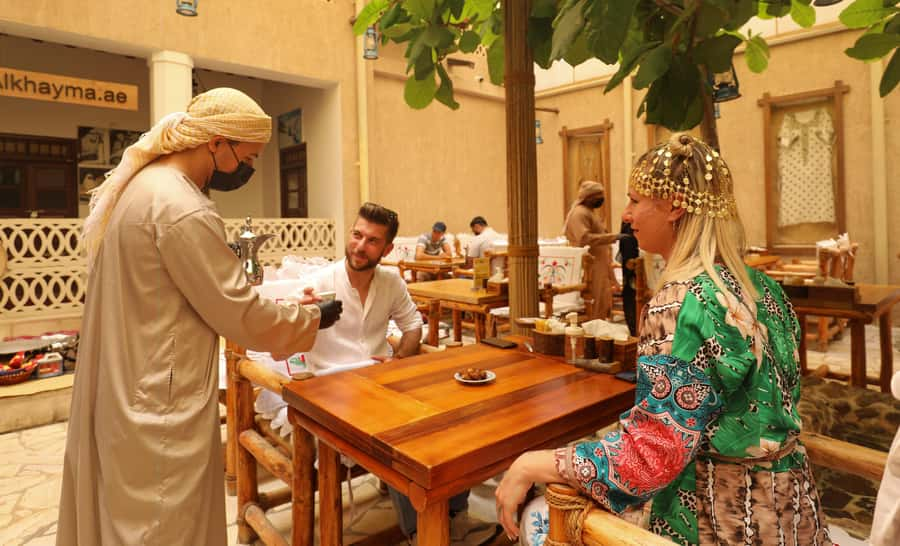
- A heritage house starts the story: Sip Arabic coffee, eat dates, and see photographs explaining the UAE’s earlier years.
- Two small food stops add real flavor: Expect Karak tea, samosas, dates, Arabic coffee, and possibly luqaimat or camel-milk tea.
- The abra is more than transport: The short boat crossing gives you views of trading ships, Dubai Creek, and the modern skyline.
- The souks finish the walk: You visit both the Spice Souk and Gold Souk, with time to browse and bargain.
- The tour costs $10: That is excellent value if you want an introduction to Old Dubai rather than a private, slow-paced visit.
- Plan for heat and walking: Wear good shoes, a hat, sunglasses, and light comfortable clothing.
Starting with coffee at Al Khayma Heritage Restaurant
The usual meeting point is Al Khayma Heritage Restaurant, near Sharaf DG Metro Station. Depending on the option you choose, hotel pickup and drop-off may be available from central Dubai hotels. Check the exact starting arrangement when booking, since the pickup option is not identical for every departure.
The first stop lasts about 30 minutes. You enter a traditional Emirati house, drink Arabic coffee, eat dates, and hear about the country before the skyscrapers and shopping malls became its public face. Photographs help put the stories into context, giving you a useful starting point before you walk into the older districts.
This opening is one of the tour’s best choices. Old Dubai can seem like a maze of alleys and shops if you arrive without context. Here, your guide can explain what you are seeing before the walk begins. Some food-focused tours rush straight to the market, but this one gives the setting a bit of meaning first.
The food is modest rather than a full meal. You should think of the coffee, dates, tea, and samosas as tastings. Some departures have included luqaimat, a sweet Emirati treat, and camel-milk tea, but the supplied details specifically guarantee Arabic tea or coffee, dates, Karak tea, samosas, and bottled water.
More Food and History Tours in Dubai:
- Sevilla Food Tour: Tapas, Wine, History & Traditions
★ 5.0 · 3,468 reviews - Victoria Guided Food and History Tour
★ 5.0 · 2,015 reviews - Gastown Historic Walking Food Tour
★ 5.0 · 1,863 reviews
Al Seef and the changing face of Dubai
From the heritage restaurant, the route moves toward Al Seef for roughly 30 minutes of walking and sightseeing. This waterfront area presents old-style architecture beside newer buildings, making it a simple place to see how Dubai markets its past while continuing to grow.
You will also have a photo stop near Al Seef Mosque. Bring your camera, but do not expect a long interior visit. The value here is visual: narrow passages, traditional forms, and the contrast between older design and the city’s modern edge.
Your guide should help you notice details that are easy to miss when walking alone. The tour is not just a list of buildings. It explains how the older neighborhoods connect to trade, daily life, and the creek. Guides such as Khan and Maaz have been praised for speaking clearly to groups made up of several nationalities, which matters when a walk includes a lot of spoken information.
Al Fahidi lanes and a taste of local street food
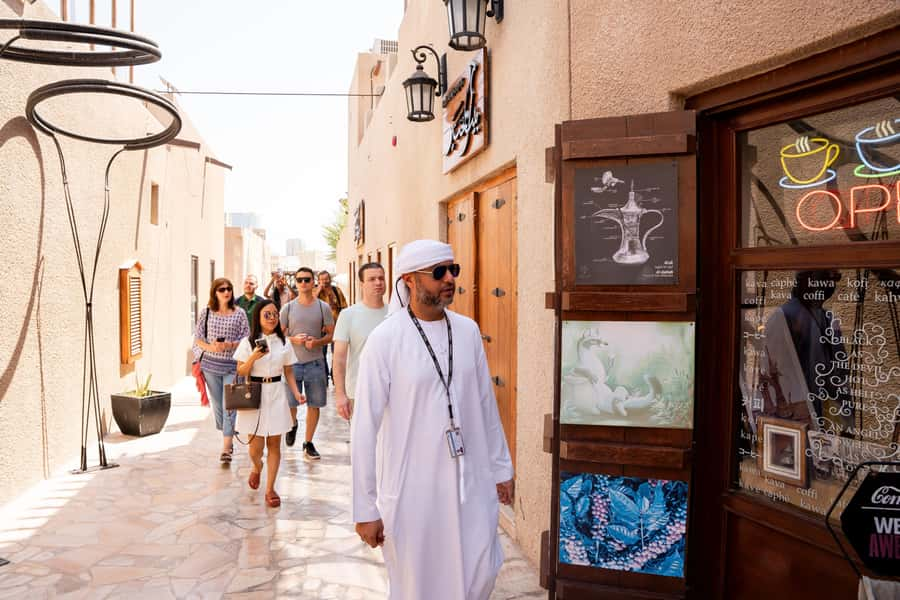
The walk continues through Al Fahidi, one of the most atmospheric parts of the route. You pass traditional buildings and narrow lanes, with newer Dubai visible nearby. The appeal is the contrast. You can see the city’s older character without pretending that modern Dubai is far away.
A street-food stop adds Karak tea and samosas. Karak is a sweet, spiced tea that has become a familiar part of everyday life in the UAE. The samosa gives you something savory, and the break helps divide the walking into manageable sections.
This is a tasting, not a food tour in the full sense. If you arrive hungry, you may want to eat something beforehand. The tour provides enough bites to make the route more enjoyable, but it does not replace lunch or dinner.
Your guide’s personality matters here. The strongest feedback goes to guides who explain the culture in plain language, answer questions, and keep the mood light. Nasser is often praised for warmth and humor, while Ibrahim has been singled out for excellent Spanish. The language list includes English, German, Spanish, Italian, and French, so you can select a suitable option when available.
Al Fahidi Fort and the Bur Dubai Souk
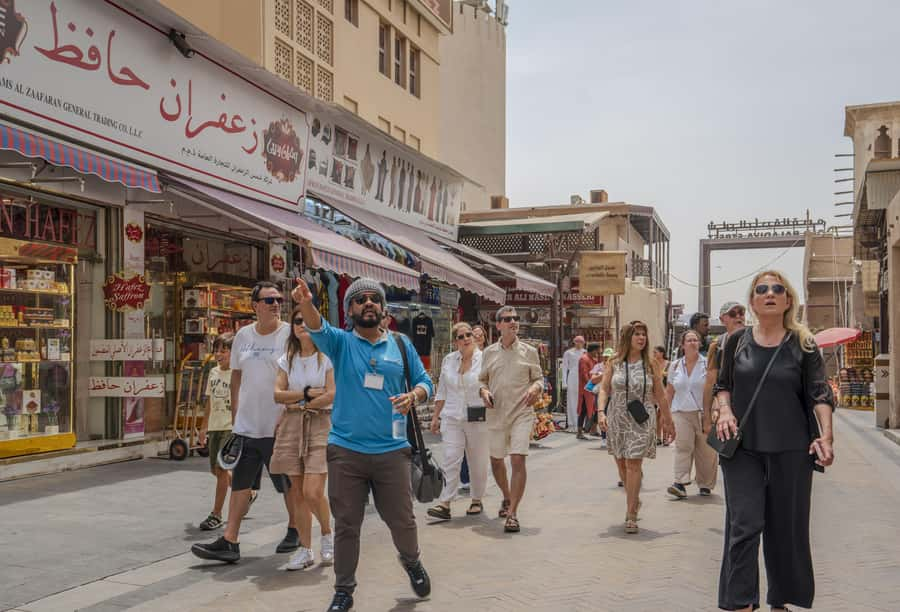
The next stops are shorter. You get about 15 minutes around Al Fahidi Fort for photographs, sightseeing, and an explanation of its place in Dubai’s past. Another 15-minute stop takes you through Bur Dubai Souk Market.
These pauses are useful for orientation, but do not mistake them for long museum visits. The tour moves at a steady pace, and you will not have unlimited time at every building. If you prefer to linger over architecture, sketch, or read every sign, you may find the group format restrictive.
That said, the compact schedule works well for a first look. You get enough exposure to the fort and souk before continuing toward the creek. The route keeps its momentum, and the guide connects each area rather than treating the stops as unrelated photo points.
More Food Tours in Dubai:
- Amsterdam Food and Cultural Tour with Tastings
★ 5.0 · 4,315 reviews - Barcelona: Tapas Walking Tour with Food, Wine, and History
★ 4.8 · 4,261 reviews - Madrid Tapas & Taverns Small Group Food & History Tour
★ 5.0 · 2,664 reviews - Historic Ybor City Food Walking Tour
★ 5.0 · 2,210 reviews
Crossing Dubai Creek by traditional abra
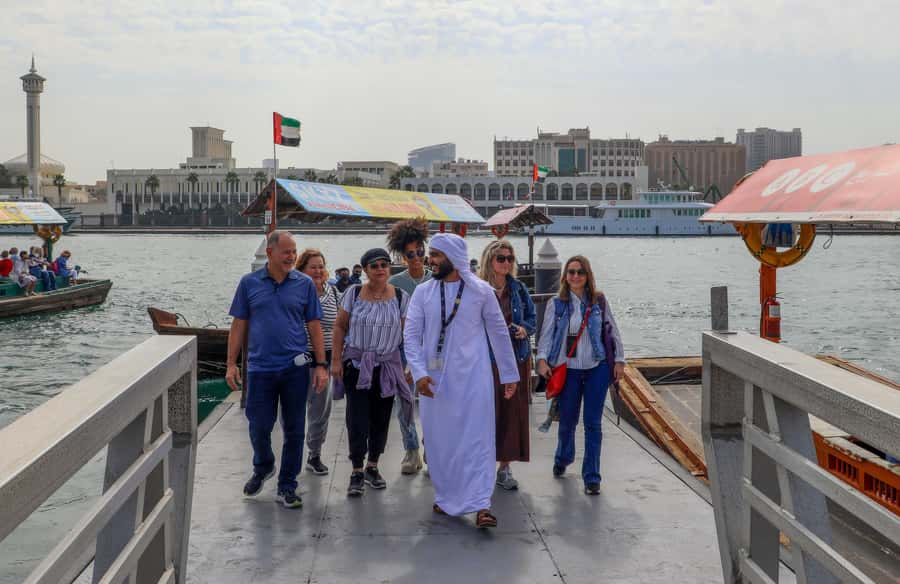
At Bur Dubai Abra Dock, the group takes a traditional abra along Dubai Creek. The boat segment lasts about 15 minutes and includes time for photographs, scenic views, and a short break.
This is the tour’s most memorable piece of transport. The creek explains why this part of Dubai developed as a trading center, and the view from the water gives you a different sense of the city. You can see large trading ships, older waterfront activity, and the newer skyline in the same frame.
The ride is also practical. It carries you toward the Deira side and keeps the tour from becoming one long street walk. Still, it is a short crossing, not a sightseeing cruise. If you expect a long boat trip with extensive narration, adjust your expectations. The charm comes from the simple local boat and the change of view.
At Dubai Creek, you have another short stop for photographs and guided sightseeing. Your guide can explain how the waterway shaped trade and the relationship between Bur Dubai and Deira. This is where the route begins to feel like one connected story, from home and neighborhood to market and waterway.
Spices, bargaining, and the Gold Souk
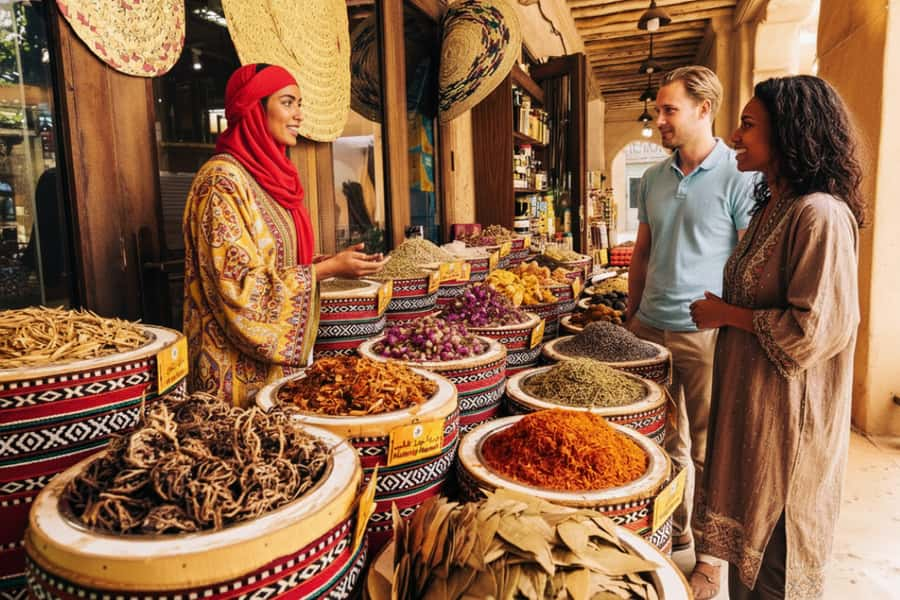
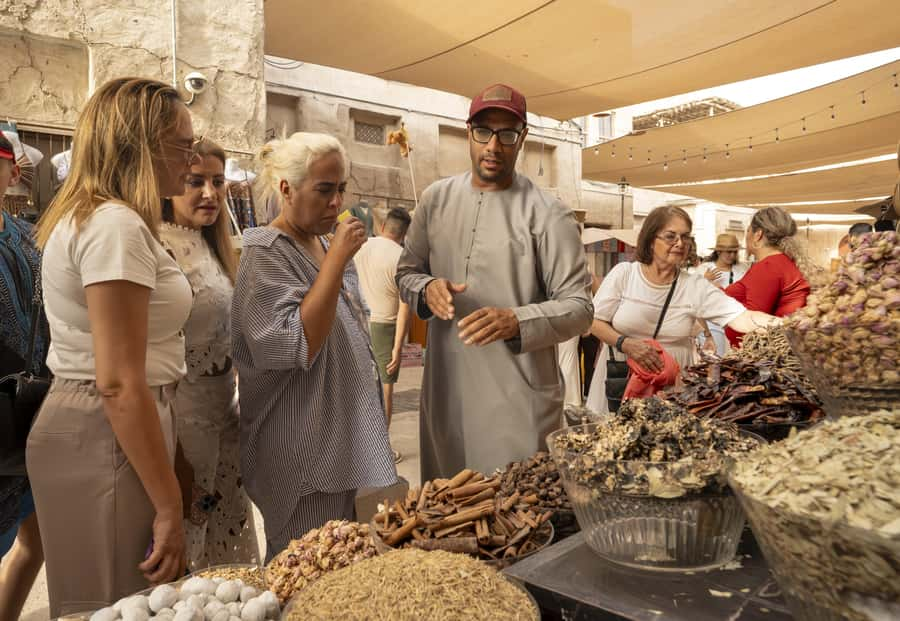
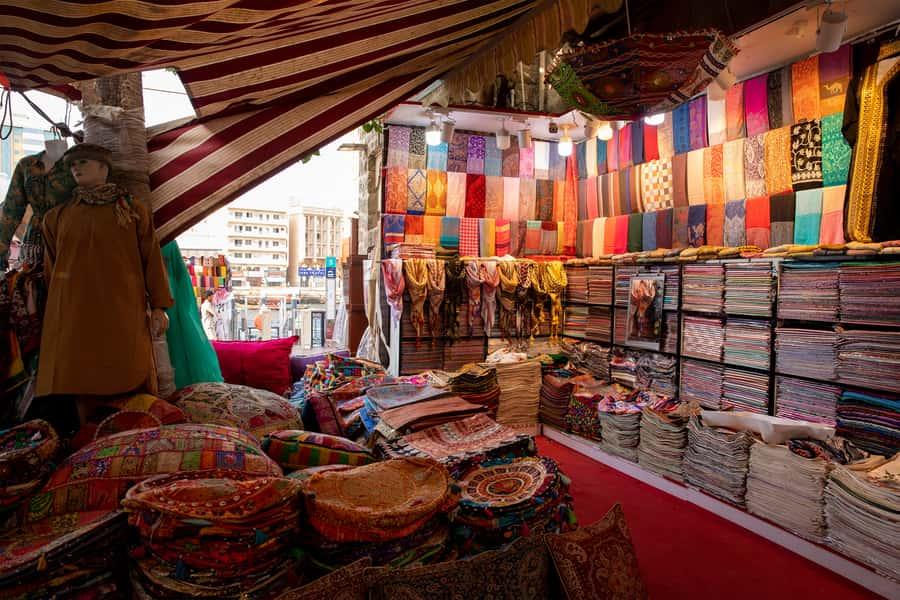
The Spice Souk receives about 30 minutes. Here, the experience becomes more sensory. You will see colorful displays and smell sacks of spices as you move through the market. Your guide can help explain what you are looking at and how to approach the merchants.
You can bargain, but do it politely and with a clear idea of what you want. Do not feel obliged to buy because a seller offers you a sample or starts a conversation. The tour gives you a chance to practice bargaining, not a requirement to spend more money.
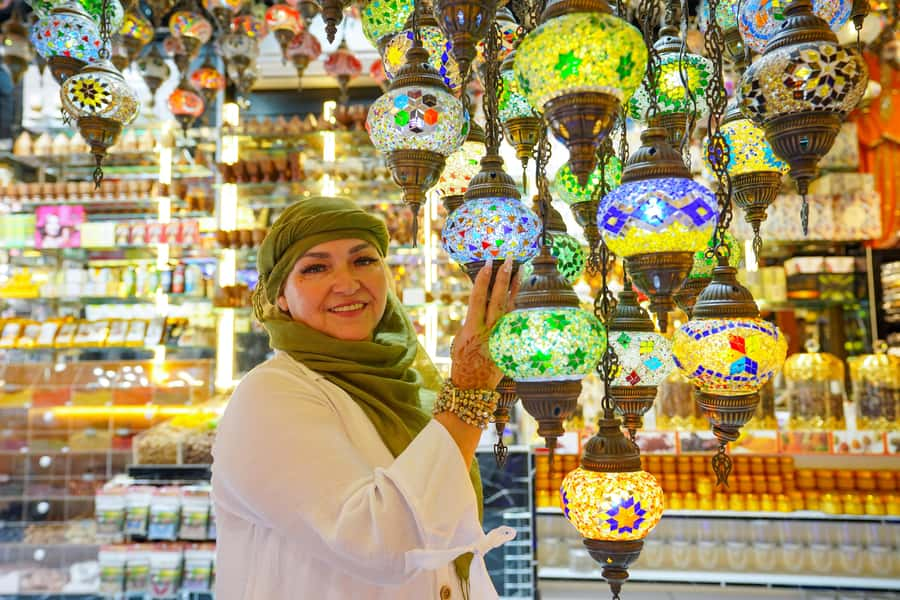
The Gold Souk follows, also for about 30 minutes. The displays are bright and polished, with jewelry and precious stones catching the light. Even if you buy nothing, it is an interesting final contrast to the earlier food and spice markets.
A guide can be especially useful here. Iqbal has been praised for helping visitors negotiate good prices, but you should still make your own buying decision. Ask about the price, weight, and details of an item before committing. The tour is not a guarantee of the lowest possible price, and bargaining is part of the market culture, not a promise that every offer is a bargain.
The route usually finishes in the Gold Souk area rather than returning you on foot to the starting restaurant. One useful detail from the experience is that you may make your own way back, including by abra and metro, depending on your selected option. Confirm the return arrangement before you set out, especially if you have evening plans.
What the $10 price really delivers
At $10 per person, this is unusually strong value. The fee includes a guide, heritage-site and museum entry, the Emirati heritage house, Arabic coffee or tea, dates, Karak tea, samosas, bottled water, the abra ride, and visits to both souks.
The value is not just the number of included items. You are paying for a route that would be harder to piece together on your own, especially if you do not know which lanes, docks, or market entrances connect. A good guide also saves you from spending your first Old Dubai visit figuring out the basics.
There are limits. This is a shared tour, not a private walk. The listed stops are brief, and the guide may need to balance several languages and interests. You also need to budget separately for anything you buy in the souks and for any meal beyond the included tastings.
Still, the low price makes the compromises easy to accept. If you have only one free afternoon in Dubai and want more than malls and towers, this tour gives you a useful local-history framework without taking half a day or requiring a large budget.
Timing, comfort, and practical limits
The full experience takes three to four hours. Starting times vary, so check availability carefully. A 5:00 PM evening departure has one specific limitation: the Coffee Museum cannot be visited at that time. The listed route still includes the heritage house, but do not choose that departure expecting every possible museum stop.
Wear comfortable walking shoes. You will move through lanes, souks, streets, and dock areas, and the route includes several standing stops. Sunglasses, a sun hat, comfortable clothes, and water are sensible, even though a bottle of water is included.
Large bags and luggage are not allowed, and baby strollers are not suitable. The experience is not recommended for children under two, people with mobility impairments, or wheelchair users. The route is described as easy walking by one participant, but easy does not mean fully accessible. Heat, uneven surfaces, and the need to keep with the group can still make it tiring.
The tour works best for first-time visitors, repeat Dubai visitors who have never explored the older districts, couples, solo visitors, and small groups seeking a short cultural introduction. It suits people who like food samples, stories, shopping, and a bit of walking. It is less suitable if you want a slow architectural study, a full meal, or a private guide who can change the route around your interests.
Guide quality makes the difference
The strongest part of this experience is the human element. The guide names connected with especially warm feedback include Ahmed Hussein, Nasser, Ibrahim, Hossam, Khan, Maaz, Mustafa, Iqbal, Dago, and Fesal.
Ahmed Hussein is praised for checking in with the group and explaining Dubai culture in a clear way. Nasser is described as friendly, cheerful, and funny. Ibrahim has earned praise for his Spanish and upbeat manner, while Khan is noted for making geography, history, and culture easy to follow.
You will not necessarily receive one particular guide, so treat these names as examples rather than a promise. The consistently positive pattern is more useful: the best guides do not simply point at a building. They explain why it matters, invite questions, and help the group feel welcome.
The overall rating is 4.9 from 156 reviews, with repeated praise for organization, food tastings, cultural explanations, and value. One four-star assessment still liked the tour and Ibrahim’s stories, which is a useful reminder that personal expectations can differ even when the experience is broadly strong.
Should you book this Old Dubai tour?
You should book it if you want an affordable, well-packed introduction to Dubai’s older neighborhoods. The combination of a heritage home, Arabic coffee, street food, abra ride, Spice Souk, and Gold Souk gives you a much fuller picture than a quick market visit.
I would especially recommend it early in your Dubai stay. The guide’s explanations can help you understand the city before you spend time in its newer districts. It also makes a smart choice for a short stopover, since three to four hours is enough to see several key areas without consuming your whole day.
Skip it if you dislike group walks, cannot manage heat and standing, or want to spend long stretches shopping. For everyone else, $10 buys a practical route, a few tasty introductions, and a view of Dubai that its famous skyline cannot provide.
FAQ
Where does the tour begin?
The usual meeting point is Al Khayma Heritage Restaurant. The nearest metro station is Sharaf DG Metro Station. Some booking options include hotel pickup and drop-off from central Dubai hotels.
How long does the tour take?
The experience lasts about three to four hours. Starting times depend on availability and the option selected.
What food and drinks are included?
The tour includes Arabic tea or coffee, dates, Karak tea, samosas, and bottled water. Some experiences have also included items such as luqaimat and camel-milk tea.
Is the abra ride included?
Yes. A traditional abra boat ride along Dubai Creek is included. The boat portion lasts about 15 minutes and includes scenic views and time for photographs.
Does the tour visit both souks?
Yes. The route includes the Spice Souk and Gold Souk. You have time for sightseeing, photographs, browsing, and bargaining.
Which languages are available?
Live guides are available in German, English, Spanish, Italian, and French, subject to the selected option and availability.
Is the tour suitable for wheelchair users or young children?
The tour is not suitable for wheelchair users, people with mobility impairments, or children under two. Baby strollers and large bags are not allowed.
Just added around Dubai
- Old Dubai Heritage Tour: Souks, Mosques & more hidden gems!★ 4.3 · 72 reviews
- Historic Forts, Boats and Pearls of Old Dubai Walking Tour★ 5.0 · 31 reviews
- Dubai: Heritage Camel Desert Safari with Traditional Dinner★ 4.9 · 80 reviews
- Dubai: Heritage Desert Safari wtih Overnight and Breakfast★ 4.9 · 35 reviews
- Dubai: Walking, Architecture and History Tour of Dubai Opera★ 4.9 · 40 reviews
- Dubai: Al Fahidi Historical District Heritage Tour★ 4.8 · 40 reviews
- From Dubai: Abu Dhabi Heritage Tour, Qasr Al Watan, Grand Mosque★ 5.0 · 73 reviews
- Dubai: Heritage Safari, Camel Ride & Al Marmoom Oasis Dinner★ 4.8 · 431 reviews
Food & History Tours, compared.
Sevilla Food Tour: Tapas, Wine, History & Traditions
Read our review →

Dublin Historical Centre Food Tour with 8 Food Tastings & Drinks
Read our review →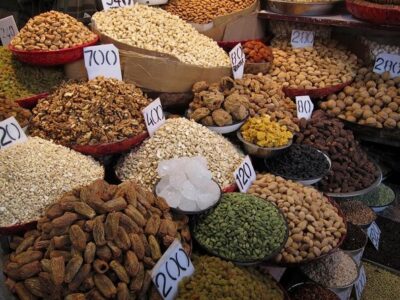
The Great Indian Food Tour: Old Delhi Food and Heritage Walk
Read our review →
Browse the lists this tour appears in