Review · CENTRAL GREECE
Herakleidon Museum of Ancient Greek Technology: Entry Ticket
Ancient Greece had more than temples. The Herakleidon Museum gives you a look at the practical brainpower behind them, from the Antikythera Mechanism to military technology and mathematical tools. I like the clear focus on science, art, and mathematics, and I like that the museum turns old ideas into an interactive learning experience.
The $8 entry price is easy to justify if you enjoy history with a technical edge. You can also reach the museum on foot from the Acropolis area, making it a useful stop between major sights. The main caution is that the experience may feel modest for the price if you expect a large museum, a guided tour, or a long list of original artifacts. A few short ratings, including one complaint that it was weak for the cost, suggest keeping expectations sensible.
Key points about the Herakleidon Museum
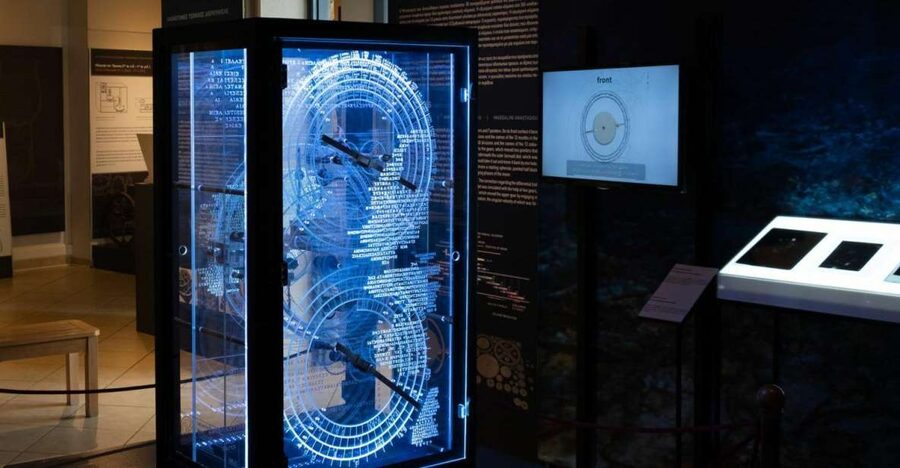
- The Antikythera Mechanism takes center stage: Learn about the ancient device often described as the world’s first computer.
- Two buildings sit 150 meters apart: Redeem your ticket at 16 Herakleidon Street, then continue to 37 Ap. Pavlou Street.
- Ancient technology is the main subject: Exhibits focus on Greek achievements in science, mathematics, engineering, and warfare.
- The museum is built around learning: Its programs connect science, art, and mathematics for adults, teachers, and students.
- The location works well with an Acropolis day: The museum is in Thisseio, near the main entrance to the Acropolis.
- The $8 ticket is simple but limited: Entry is included, while a guided tour and hotel transfer are not.
What the Herakleidon Museum is really about
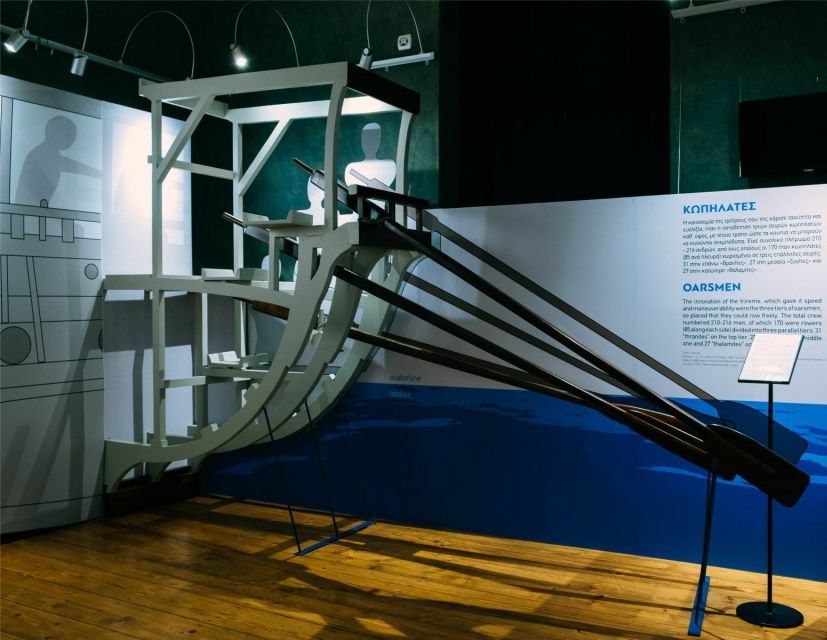
The Herakleidon Museum is not a standard gallery filled with rows of statues and pottery. Its focus is the technological intelligence of the ancient Greeks. You come here to ask how people calculated, measured, designed, built, and fought more than two thousand years ago.
The museum has developed into an interactive science center with a strong focus on antiquity. That matters because ancient technology can be hard to understand from a label alone. A drawing of a machine may look impressive, but seeing how the parts worked together gives the subject more life.
The main educational idea links science, art, and mathematics. This is a useful way to approach ancient Greece. The Greeks did not always separate those subjects as neatly as modern school timetables do. Geometry could help shape a structure, mathematics could track the heavens, and artistic skill could make a technical object easier to use or understand.
I would not come expecting a traditional archaeological museum. The emphasis is on ideas, mechanisms, and demonstrations of ancient ability. That makes the museum especially suitable if you want something different after seeing the Acropolis, the Ancient Agora, or Athens’ larger collections.
More Ancient History Tours in Athens
- Athens: Ancient Greek Theater Performance
★ 4.7 · 2,481 reviews - Historical Delphi One Day Tour with Arachova Stop & Expert Guide
★ 4.5 · 1,247 reviews - From Athens: Ancient Corinth Day Trip with Canal & VR Guide
★ 4.6 · 1,073 reviews
Starting at 16 Herakleidon Street
Your visit begins at the museum building at 16 Herakleidon Street. This is the stated redemption point for the entry ticket, so go there first even though the museum has a second building nearby.
The location is in Thisseio, within walking distance of the Thisseio Metro station. It is also close enough to the Acropolis area to fit into a day of sightseeing on foot. The museum notes that it is near the main entrance to the Acropolis, so you can pair the visit with Athens’ major ancient sites without arranging a separate taxi or transfer.
That walkable setting adds value to the ticket. You are not committing to a half-day excursion across the city. Instead, you can place the museum into an existing central Athens route, perhaps before or after the Acropolis and Ancient Agora. Hotel transfer is not included, but the location makes that omission less important for most people staying in central Athens.
The supplied information does not give a detailed room-by-room route or fixed visiting time. The ticket is described as valid for one day, and you are asked to check availability for starting times. Plan around the time shown when booking, rather than assuming you can arrive at any hour.
The Antikythera Mechanism and the ancient computer
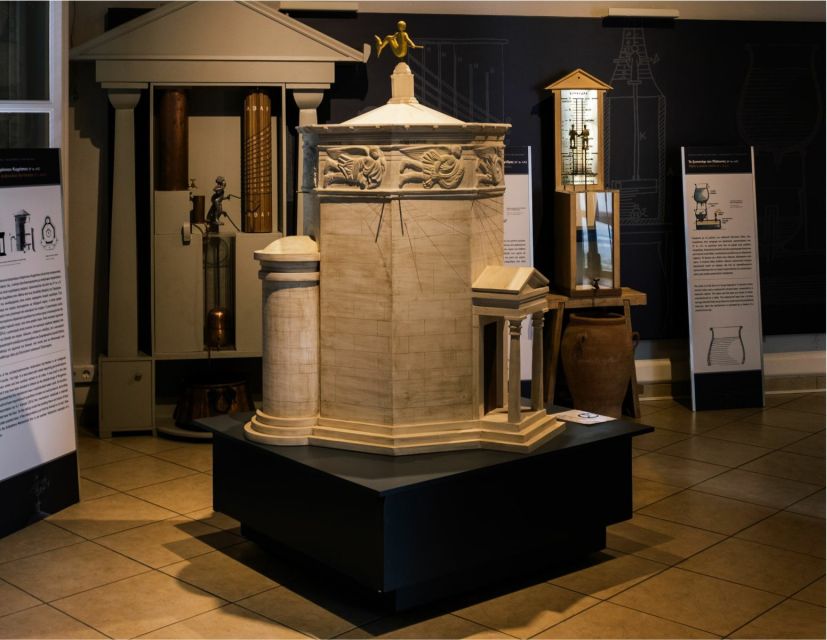
The Antikythera Mechanism is the museum’s most obvious draw for many visitors. It is often described as the world’s first computer, a phrase that helps explain its importance even if it needs a little care.
This was not a computer in the modern electronic sense. Its importance comes from the way a mechanical device could process complex astronomical information. The subject shows that ancient Greek thinkers were not limited to simple counting or basic tools. They worked with sophisticated data and built objects that reflected careful mathematical thinking.
The museum’s presentation is valuable because the mechanism can otherwise feel distant and mysterious. You may find that the displays help connect the object to wider questions about calculation, astronomy, and engineering. Rather than seeing the ancient world as a place of only stone buildings and hand tools, you get a glimpse of precision work and abstract thinking.
I would allow extra attention for this section. The Antikythera Mechanism is the kind of subject that rewards a slower look, especially if you enjoy science or the history of technology. If your interest is limited to famous sculptures, it may not hold you as long.
Science, art, and mathematics in one visit
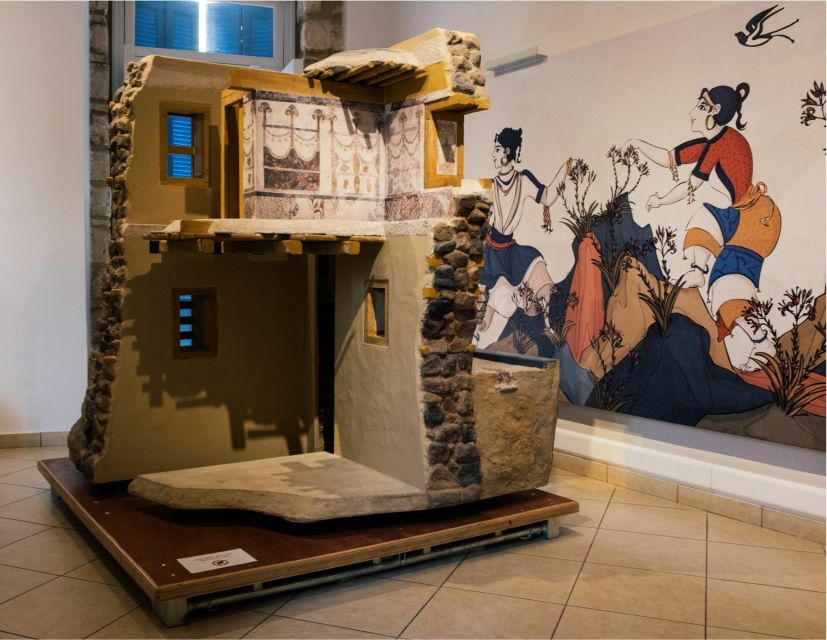
The museum’s triptych of science, art, and mathematics gives the visit its shape. You are encouraged to look at ancient objects not just as relics, but as solutions to problems.
How did people measure distance? How did they organize complicated information? How did they design structures or machines? The museum aims to show the thinking behind those achievements.
That approach also helps families and students. Technical subjects can be intimidating when they are presented as a list of names and dates. Interactive displays and accessible objects can make the ideas easier to follow. The museum’s educational work is aimed at students, teachers, and adults, with programs inspired by the exhibition EUREKA, Science, Art and Technology of the Ancient Greeks.
The wording supplied for the museum places strong emphasis on awakening a research spirit in young people. You can read that as a sign of its educational mission. This is not only a sightseeing stop. It is meant to encourage questions and show how ancient solutions can still prompt new thinking.
For adults, the benefit is different. You can use the visit to fill in a gap often left by standard ancient-history tours. Major archaeological sites show what the Greeks built. The Herakleidon Museum concentrates more on how they thought and worked.
More Ancient History Tours in Greece
- Acropolis, Parthenon & Athens Old City Heritage Walking Tour
★ 4.5 · 876 reviews - Private Biblical Tour Ancient Corinth & Isthmus Canal from Athens
★ 5.0 · 762 reviews - Athens: Ancient Corinth & Nafplio Full Day Trip with Swim
★ 4.8 · 531 reviews - Athens Skip the Line: Open Air Ancient Greek Theatre Performance
★ 4.5 · 520 reviews
Greek warfare and technological skill
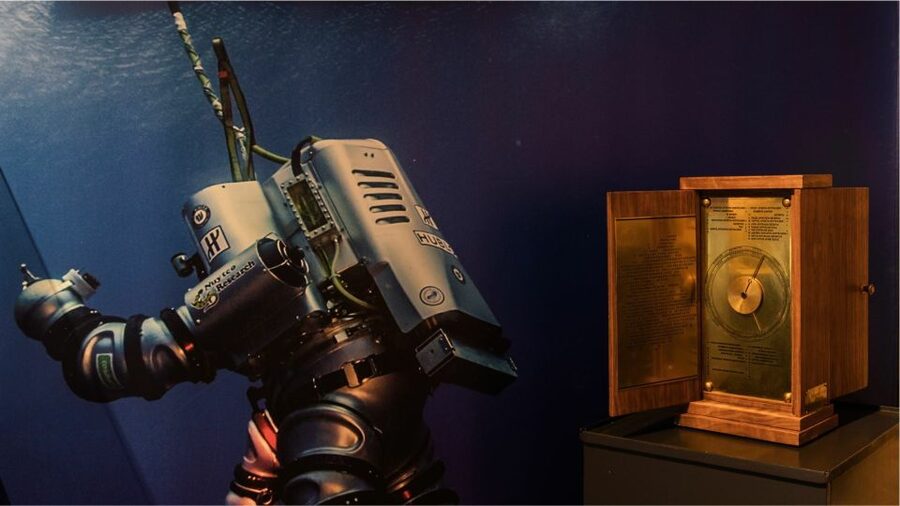
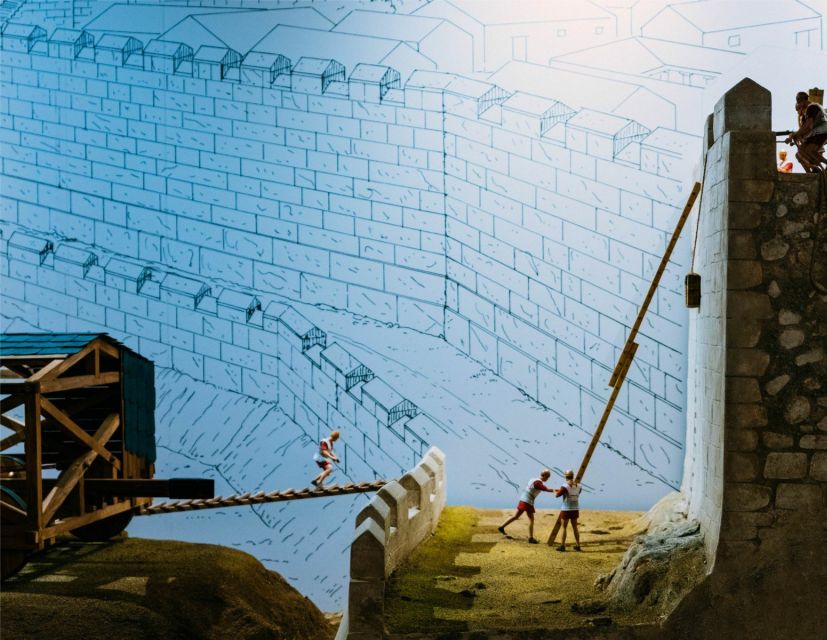
Another important part of the experience looks at war techniques used by the Greeks. The displays include technology and artifacts connected with ancient military methods.
This section adds balance to the museum. Ancient Greek technology was not only about astronomy or mathematical theory. Engineering also served practical and political needs, including defense and warfare. Seeing that side of the subject helps you understand why technical skill mattered in everyday life and in the survival of city-states.
The available information does not provide a full list of the military objects or identify particular battles. You should therefore expect a broad look at war technology rather than a detailed battlefield tour. If you are specifically interested in Greek weapons, ask at the entrance what is currently displayed and how much space that subject receives.
For me, this is one of the more useful connections in the museum. It keeps ancient technology from feeling like an isolated collection of clever inventions. Tools and methods existed within a real society, where construction, navigation, calculation, and warfare all had practical consequences.
The second building at 37 Ap. Pavlou Street
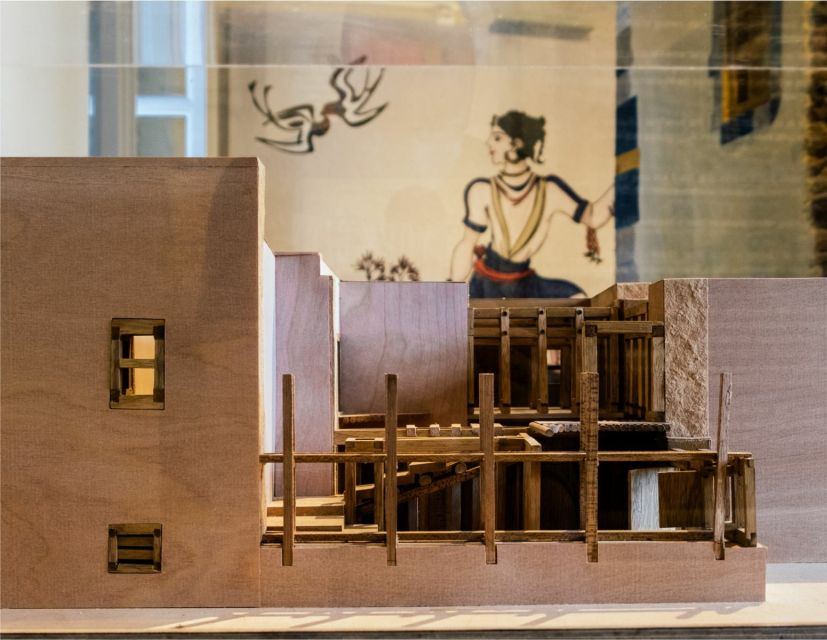
After visiting the first building, continue to the museum’s second location at 37 Ap. Pavlou Street. It is only about 150 meters away, so the move is short and easy to make on foot.
That two-building arrangement is important to know in advance. If you arrive at one address and assume the entire museum is there, you could miss part of the display. Treat the two locations as one visit, with the first building serving as your ticket redemption point.
The information provided does not specify which exact objects are in each building. Because of that, I would not plan your time around a particular exhibit being at a particular address. Start at 16 Herakleidon Street, confirm the route with staff, and then make sure you see both sites.
The short distance also makes this a practical stop in a pedestrian day around Thisseio. Ap. Pavlou Street connects well with the wider central Athens sightseeing area, so the move should not disrupt your plans.
How long should you plan to stay?
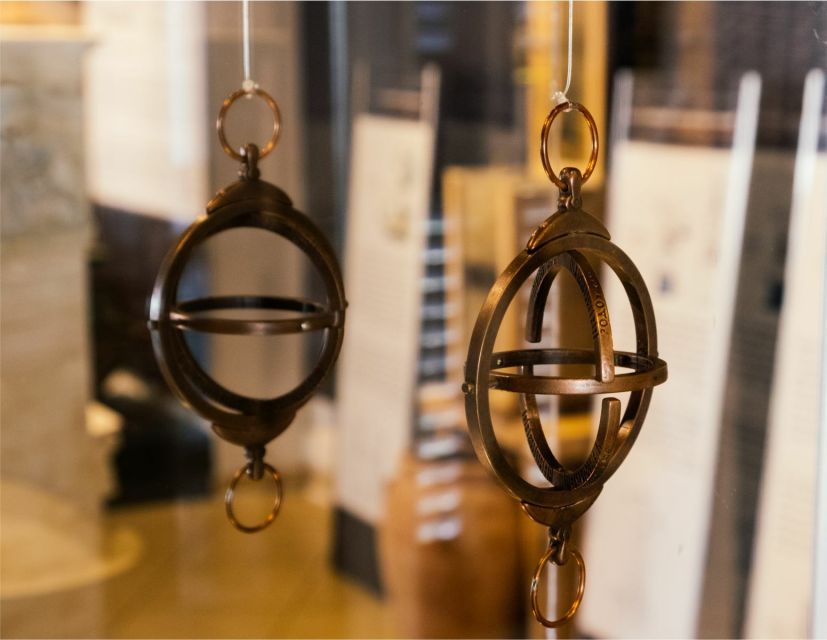
The ticket duration is listed as one day, but that does not mean you need to spend a full day inside. It means the admission is associated with that day, while the museum’s available starting times should be checked before you go.
No exact visit length is provided. The museum’s size and two-building layout suggest that your time will depend on how closely you read the displays and how much interest you have in the technical subjects. A quick visit could work for someone fitting it between larger sights. A slower visit makes more sense if you want to understand the Antikythera Mechanism and the mathematical ideas behind the objects.
I would allow enough time for both addresses rather than rushing through one. The museum’s value comes from its explanations and connections, not just from ticking off a room. If you are traveling with children or students, the interactive and educational approach may call for more time and discussion.
There is no guided tour included. That gives you freedom to set your own pace, but it also means you will need to rely on the displays or arrange guidance separately if you want a more structured explanation.
Is $8 good value?
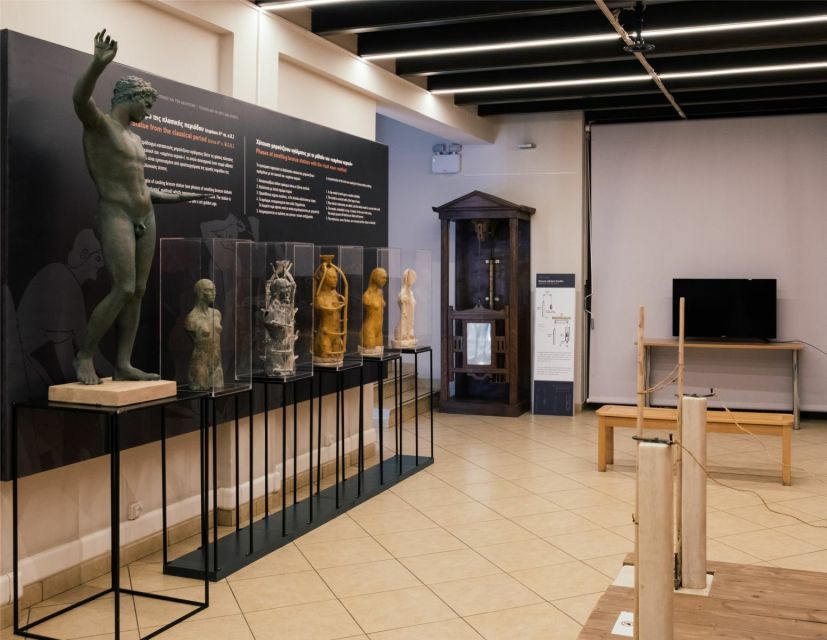
At $8 per person, the museum is priced as an affordable specialist attraction rather than a major all-day museum. I think that is fair if you are interested in ancient engineering, astronomy, mathematics, or military technology.
The value is strongest when you combine it with nearby sights. Since you can walk from Thisseio Metro station and reach it from the Acropolis area on foot, you are not spending extra money on transportation. The two-building format also gives you more than a single small room to see, though the available information does not indicate the total size of the collection.
The price becomes harder to justify if you want a large number of famous original artifacts or a guided explanation included with admission. One low rating described the experience as disappointing, and another said it was poor for the price. A higher rating simply found it good, which suggests the experience may depend heavily on your interests and expectations.
My advice is straightforward: pay $8 if the subject itself interests you. Do not buy the ticket expecting the scale of a major national museum. Think of it as a focused educational stop that adds technical context to the archaeological sights around Athens.
Practical rules and booking details
Smoking and drinks are not allowed in the museum. Keep that in mind if you are arriving during a long walking day, especially around the Acropolis and Ancient Agora.
You can cancel up to 24 hours in advance for a full refund, and the reserve-now, pay-later option allows you to keep your plans flexible. These policies are useful if your Athens schedule may shift, but they do not change what is included: the entry ticket only.
A guided tour is not included, and hotel transfer is not included. You should also check the available starting times before choosing your date. The supplied information does not list languages, opening hours, accessibility details, or a specific visit length, so ask the museum directly if any of those points affect your plans.
Who will enjoy this museum most?
I would recommend the Herakleidon Museum to you if you enjoy the how behind ancient achievements. It suits people who want to understand machines, calculations, structures, and military tools rather than only admire marble sculpture.
It is also a sensible choice for families, teachers, and students because the museum’s stated mission centers on accessible learning and educational programs. The science, art, and mathematics theme gives adults a way to explain ancient technology without reducing the visit to a list of dates.
The museum may be less satisfying if you have only a few hours in Athens and want the city’s most famous archaeological collections first. It may also disappoint you if you expect a formal guided experience, hotel pickup, or a large collection of major antiquities.
Should you book the Herakleidon Museum?
Book it if you have an interest in ancient Greek science and want a focused stop near the Acropolis. The Antikythera Mechanism, the attention to mathematics, and the look at Greek war technology give the visit a clear purpose. The $8 price and easy walking access make it a reasonable addition to a central Athens itinerary.
Skip it if your priority is a large, traditional museum or if you want a guide included. The mixed ratings and limited detail about the size of the displays suggest that this is a specialist visit, not a universal must-see.
The best plan is to place it between major sights in Thisseio, begin at 16 Herakleidon Street, and remember to walk the 150 meters to the second building at 37 Ap. Pavlou Street. If ancient Greeks as inventors and problem-solvers interest you, this small museum can give your Athens day a useful change of pace.
FAQ
Where is the Herakleidon Museum located?
The museum is in Thisseio, Athens. Redeem your ticket at 16 Herakleidon Street, near the Thisseio Metro station. The second building is at 37 Ap. Pavlou Street, about 150 meters away.
What does the museum focus on?
It focuses on the technological achievements of the ancient Greeks, with displays connected to science, art, mathematics, engineering, and war techniques.
Does the museum include information about the Antikythera Mechanism?
Yes. The museum presents the Antikythera Mechanism, which is often considered the world’s first computer.
Is a guided tour included with the ticket?
No. The ticket includes entry only. A guided tour is not included.
Is hotel transfer provided?
No. Hotel transfer is not included. The museum is within walking distance of the Thisseio Metro station.
Can I cancel my booking?
Yes. You can cancel up to 24 hours in advance for a full refund. A reserve-now, pay-later option is also available.
More Museum and Gallery History Tours in Athens
- Paris: Louvre Museum Entry with History of Mona Lisa
★ 3.9 · 2,823 reviews - Venice’s Best: Basilica, Doge’s Palace, Gondola & History Gallery
★ 4.5 · 2,478 reviews - Guided African American History Tour with Reserved Museum Entry
★ 4.5 · 1,180 reviews - Warsaw: POLIN Museum of the History of Polish Jews Ticket
★ 4.7 · 1,142 reviews
More Museum and Gallery History Tours in Greece
- Ancient Athens tour: Acropolis, Parthenon and Acropolis Museum
★ 5.0 · 256 reviews - Acropolis of Athens, Ancient Agora and the Agora Museum Tour
★ 5.0 · 86 reviews - Athens: Kotsanas Ancient Greek Technology Museum Guided Tour
★ 5.0 · 29 reviews - Ancient Olympia: Archaeological Site and Museum Entry Ticket
★ 4.3 · 555 reviews
Just added around Athens
- Ancient Olympia full day private tour from Athens★ 4.9 · 54 reviews
- From Athens: Half-Day Ancient Corinth Tour★ 4.4 · 59 reviews
- From Athens: Explore Ancient Greece 4-Day Tour★ 4.7 · 73 reviews
- From Athens: Ancient Olympia Full-Day Private Tour★ 4.8 · 22 reviews
- From Athens: Ancient Corinth Half-Day Private Tour★ 4.8 · 30 reviews
- From Athens: Explore Ancient Corinth & Charming Nafplion★ 4.6 · 102 reviews
- Athens: Women in Ancient Greece★ 5.0 · 98 reviews
- Athens: Roman Agora & Ancient Agora E-ticket & 2 Audio Tours★ 4.1 · 107 reviews
Museum & Gallery History Tours, compared.
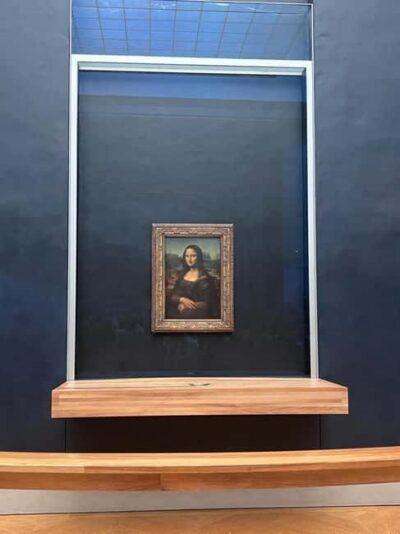
Louvre Museum Entry with History of Mona Lisa
Read our review →
Venice’s Best: Basilica, Doge’s Palace, Gondola & History Gallery
Read our review →
Guided African American History Tour with Reserved Museum Entry
Read our review →
POLIN Museum of the History of Polish Jews Ticket
Read our review →
Bell Tower & St Mark’s Square History Gallery Ticket
Read our review →
Field Museum of Natural History Ticket or VIP Tour
Read our review →
Madrid in a Day Tour:Royal Palace, Historic Center & Prado Museum
Read our review →