Review · PENNSYLVANIA
Gettysburg: 1863 Historic Downtown Walking Tour
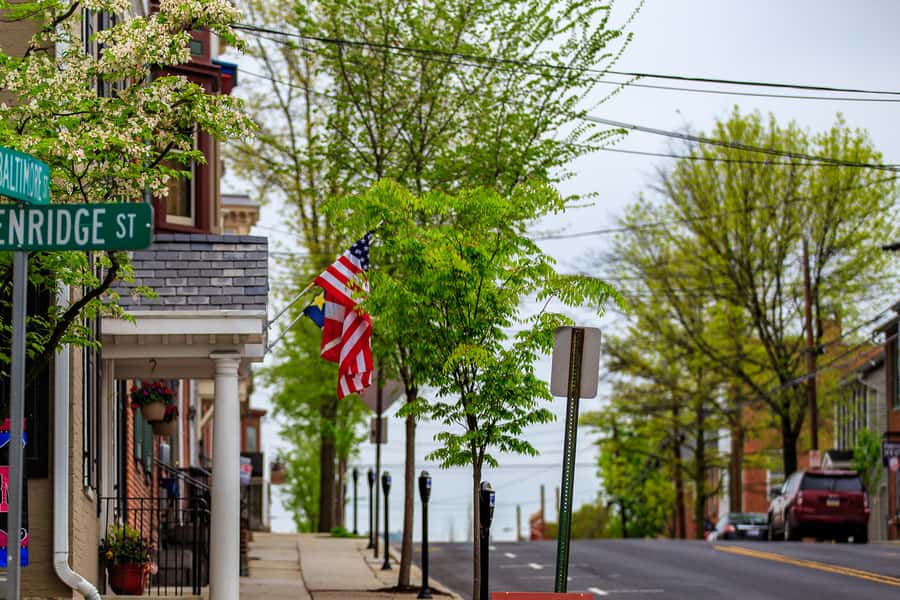
History feels different when it happens on your street. This two-hour downtown walk shifts attention from generals and battle lines to Gettysburg’s residents, whose homes, businesses, and daily routines were caught in the middle of the Civil War. I like the focus on civilian life, and I like the way the tour uses existing downtown buildings to show what the town looked like in July 1863.
The guides are a major part of the experience. Ken is praised for detailed answers and a clear passion for local history, while Jeff has led tours in character as Civil War veteran James Maclay and as an artilleryman. The main consideration is that you view several historic buildings from the outside, since some are privately owned and are not open for interior visits.
Key points to know before you go
- Civilian stories take center stage: You learn how Gettysburg’s adults and children experienced the battle, not just how soldiers moved across the fields.
- The route stays in central downtown: The tour covers the heart of Gettysburg on foot, beginning near the statue of President Lincoln at 11 Lincoln Square.
- Guides bring different strengths: Ken is praised for his detailed history and friendly conversation, while Jeff may add a theatrical portrayal of a Civil War figure.
- The $25 price is fair: Two hours with a live local guide offers useful context before or after a battlefield visit.
- You need practical walking gear: Wear comfortable shoes and dress for the weather. Arrive 15 minutes early.
- It is offered in English: The tour is wheelchair accessible, but the experience is built around walking and standing in the downtown streets.
Why downtown Gettysburg tells a different story
Most first-time visitors come to Gettysburg thinking about Pickett’s Charge, Little Round Top, and the Union and Confederate armies. Those subjects matter, but the battlefield does not tell the whole story. The town itself became part of the conflict, and this tour gives you a way to picture what that meant for people who had not chosen to fight.
In July 1863, Gettysburg was not simply a backdrop to military action. It was a working town, with residents going about ordinary business before soldiers, wounded men, confusion, and fear changed the rhythm of daily life. The tour uses the center of downtown to connect those civilian experiences with the events taking place around the town.
I especially like this approach if you already know the broad outline of the battle. Instead of repeating a standard account of troop movements, the guide asks you to consider how the battle affected families, children, local businesses, and people who became unwilling witnesses.
You will still hear about the battle itself. The difference is the point of view. The story is told through local accounts and the places where residents lived and worked, giving the conflict a more personal scale.
More History Walking Tours in the USA
- History and Hauntings of Salem Guided Walking Tour
★ 5.0 · 14,564 reviews - Boston: Freedom Trail History Small Group Walking Tour
★ 5.0 · 6,450 reviews - Historic Charleston Guided Sightseeing Walking Tour
★ 5.0 · 6,216 reviews
Meeting Lincoln Square and starting the walk
The meeting point is at 11 Lincoln Square, beside the statue of President Lincoln and the benches. Arrive 15 minutes before departure so you can find the guide without rushing.
This is a sensible place to begin because you are already in the center of Gettysburg. The tour does not require a bus, car transfer, or trip out to the national battlefield. You start among the streets that formed the town’s civic and commercial core, then spend the next two hours on foot.
The exact starting time varies, so you need to check availability when booking. The tour is conducted in English with a live guide. Since the experience is wheelchair accessible, it may suit visitors who need an accessible activity, though the organizer does not provide further detail about the surface of every part of the route.
The first minutes are useful for getting your bearings. Rather than treating downtown as a modern shopping district, the guide helps you look at the buildings and street plan as clues to Gettysburg in 1863. That shift in attention is one of the strongest parts of the tour.
Reading the town through its surviving buildings
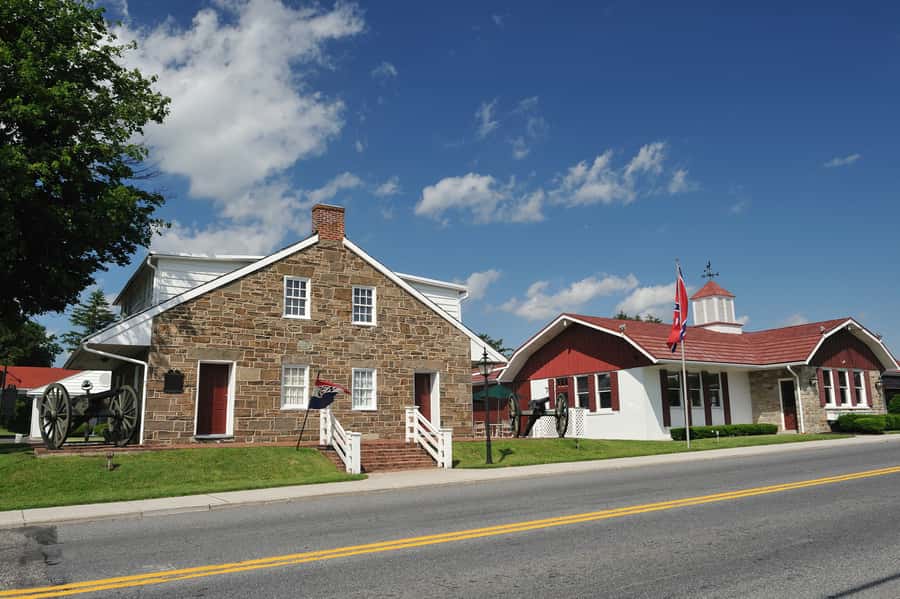
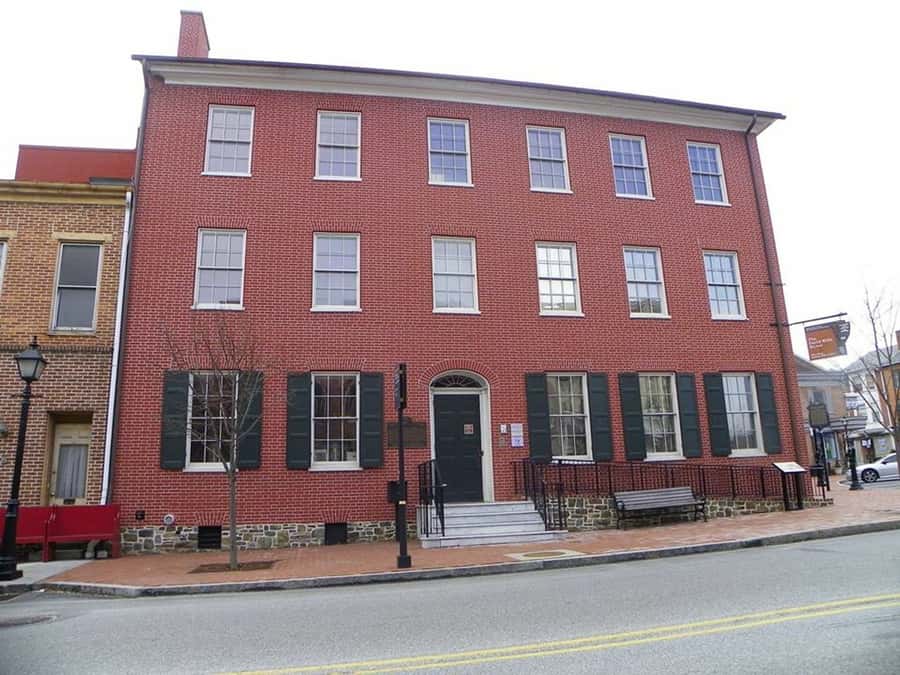
You will examine existing structures and hear how the town looked during the battle. The value here is not simply that an old building is still standing. It is that the building becomes part of a story about the people who used it and the events unfolding nearby.
The guide describes how local residents remembered July 1863 and connects those memories to the streets around you. That makes the walk more than a parade of dates. You are asked to picture the town as an urban battlefield, where the line between home and war could disappear quickly.
Do not expect a series of grand interior visits. The tour stays outdoors, and some of the oldest buildings are privately owned. One useful point raised during the experience is that not every historic property can be entered. If you want room interiors, you will need to pair this walk with another Gettysburg attraction.
Still, the outside view has real value. You see the relationship between streets, homes, and public spaces while the guide explains how civilians encountered the battle. For many visitors, that street-level setting makes the history easier to grasp than a lecture in a museum.
The civilian experience during the Battle of Gettysburg
The heart of the tour is its attention to people who did not write military orders or command regiments. You hear about Gettysburg residents who became reluctant witnesses to the fighting and about the effects on local adults and children.
The guide explains that the war did not stay on the battlefield. The town endured the confusion and human cost of a major battle at close range. Accounts of civilians help you think about the practical problems that military maps often leave out: families trying to understand what was happening, residents living near violence, and a community dealing with the aftermath.
This section is also where the tour becomes more personal. Rather than presenting the residents as a nameless crowd, the guide refers to specific citizens and families. That makes the history easier to remember, since you are following individual experiences instead of only dates and army names.
If you have visited Gettysburg before, this civilian angle may be the part that adds the most. If you know little about the battle, it gives you a clear reason to care about the town before you tackle the larger military story.
More Old Town and Historic Centre Walks in the USA
- Philadelphia Old City Historic Walking Tour with 10+ Top Sites
★ 5.0 · 2,020 reviews - Asheville Historic Downtown Guided Electric Bike Tour with Scenic Views
★ 5.0 · 1,234 reviews - Walking History Tour of St. Augustine’s Historic District
★ 5.0 · 1,152 reviews - Creepy Crawl Night-Time Haunted Pub Walking Tour of Savannah’s Historic District
★ 4.5 · 802 reviews
How guide style changes the experience
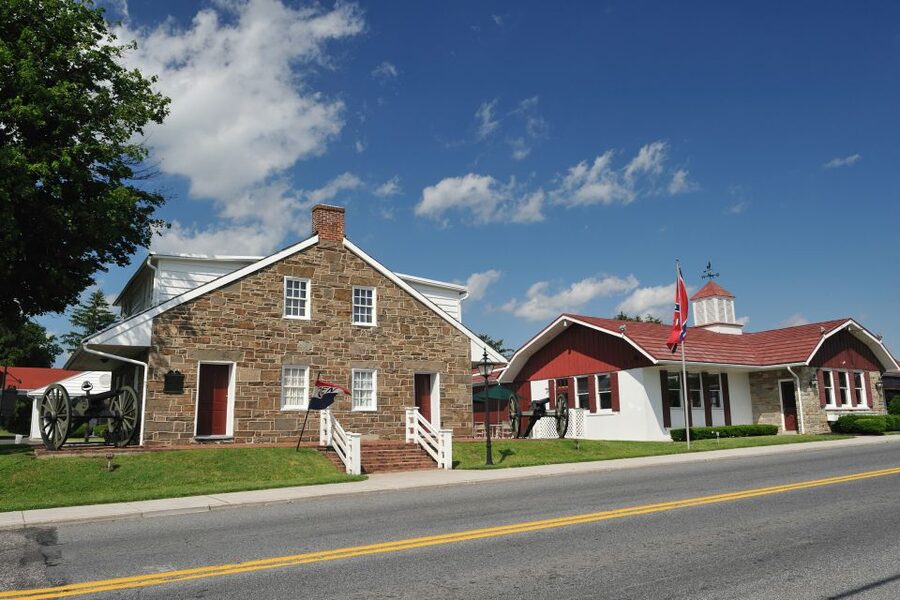
The tour is only as strong as the person leading it, and the guides bring different styles.
Ken is repeatedly praised for detailed explanations, an easy conversational manner, and his ability to answer questions. His tours are described as full and energetic without losing sight of the people who lived in town. He also adjusts his explanations to the group, which helps if your party includes both serious Civil War students and people who are new to Gettysburg.
Jeff has a more theatrical approach on some departures. He has portrayed Civil War veteran James Maclay and an artilleryman, using character work to place the subject in a human voice. That can make the past easier to picture, especially for families or visitors who respond well to performance.
Other guides, including Rich and Bruce, have also received strong praise for friendliness and clear explanations. Because guides may vary by departure, you should think of the listed personalities as examples of what you might encounter rather than a guarantee that you can choose a particular person.
I like that the experience can support questions and conversation. Several accounts of the tour describe guides taking time to answer questions rather than rushing through a fixed speech. That matters in Gettysburg, where one answer often leads to another question.
The tour’s pace, group feel, and physical demands
The walk lasts two hours and is described as leisurely, with regular stops. It is not a battlefield hike or a strenuous full-day outing. Still, you will be outside and on your feet for the duration, so comfortable shoes are important.
A small group can make a big difference. One party described having only four people, which made it easy to stay close to the guide and ask questions. Group size can vary, but a smaller departure gives the experience a more personal feel and makes conversation easier.
Summer heat is worth planning for. One guide contacted a group ahead of time about possibly changing the start time because of hot weather. You should bring weather-appropriate clothing and consider a cooler departure if that option is available.
The walk suits visitors who prefer a steady pace with frequent explanation. It may not suit you if you want a fast overview, a quiet self-guided route, or a tour focused only on battlefield tactics. The story takes time because the goal is to explain how the battle affected a community.
Why the $25 price can make sense
At $25 per person, this is a reasonable buy for two hours with a live local guide. You are paying less for access to a single landmark and more for the connections between places, people, and events.
The best value comes if you use the tour as part of a larger Gettysburg visit. Take it before the battlefield and you will have a clearer sense of the town that the armies entered. Take it after the battlefield and you may better understand what happened away from the main fighting.
It also offers value for repeat visitors. The central battle is familiar to many people, but the civilian accounts and local families may be new material. The tour can add a fresh layer without requiring another full day.
The price does not include entry to historic interiors, and you should not book it expecting a museum admission package. Its value is in the guide’s storytelling, the walk through the town, and the chance to ask questions in the places being discussed.
How to fit it into a Gettysburg visit
You can use this tour in several sensible ways.
If Gettysburg is new to you, make the downtown walk an early activity. It will introduce the town before you spend hours trying to understand the battlefield’s much larger scale.
If you are visiting for a weekend, schedule the walking tour when you want a break from driving between battlefield sites. It gives you a focused two-hour activity without sending you back into a car.
If you are traveling with family, the civilian stories may hold attention better than a long sequence of military names. Jeff’s character-based presentations may be especially appealing to visitors who enjoy history presented as a performance.
If you are a serious Civil War enthusiast, come ready with questions. Ken’s reputation for answering detailed questions makes this the kind of tour where your own interests can shape part of the conversation.
For the best experience, leave time before departure to find the Lincoln Square meeting point. Bring water if the weather is hot, wear shoes you can comfortably use for two hours, and avoid packing the schedule so tightly that you need to leave early.
Who should book this downtown history walk?
This tour suits you if you want:
- A local view of the Battle of Gettysburg
- Civilian stories involving adults, children, and families
- A moderate two-hour walking activity
- A guide who can answer questions
- A useful introduction or follow-up to the battlefield
- A history experience in English
- A wheelchair-accessible tour option
You may want something else if your priority is going inside historic buildings, covering the entire battlefield, or concentrating only on military strategy. This is a town tour with outdoor storytelling, not a substitute for a full battlefield visit.
The strongest reason to book is the change in scale. You stop thinking only about armies and begin thinking about the residents who had to live through the battle in their own streets. That perspective is memorable and gives downtown Gettysburg a meaning that casual sightseeing can miss.
Should you book the 1863 Historic Downtown Walking Tour?
Yes, especially if you want to understand Gettysburg beyond the famous battle lines. At $25, the tour offers a fair mix of local history, guided interpretation, and time for questions.
Book it early in your visit if you are new to Gettysburg, or use it later to connect the battlefield with the town. Go with comfortable shoes, expect an outdoor walk, and remember that historic buildings are generally viewed from the street.
If you can join Ken, Rich, Jeff, or Bruce, you may find a guide whose style matches your interests. You cannot count on a specific guide unless the operator confirms it, but the consistently strong guide feedback makes this a dependable choice for history-minded visitors.
FAQ
How long is the Gettysburg downtown walking tour?
The tour lasts two hours.
How much does the tour cost?
The price is $25 per person.
Where does the tour meet?
It meets at 11 Lincoln Square in Gettysburg, Pennsylvania, by the statue of President Lincoln and the benches.
How early should I arrive?
You should arrive 15 minutes before the tour begins.
What language is the tour offered in?
The live tour is offered in English.
Is the tour wheelchair accessible?
Yes, the activity is listed as wheelchair accessible.
What should I bring?
Bring comfortable shoes and clothing suitable for the weather.
Does the tour include the inside of historic buildings?
The tour focuses on the downtown streets and existing structures. Some historic buildings are privately owned, so interior access is not included for every property.
Can I cancel for a full refund?
Yes. You can cancel up to 24 hours before the tour for a full refund. You can also reserve now and pay later.
More Battlefield and Military History Tours in the USA
- 2-Hour Gettysburg Battlefield Guided History Bus Tour with a National Park Guide
★ 4.5 · 2,201 reviews - Guided Savannah Civil War History Walking Tour
★ 5.0 · 492 reviews - Ghost Tour: History and Haunts – Family Friendly – Best in Gettysburg
★ 4.5 · 378 reviews - Gettysburg: “History and Haunts” Family Friendly Ghost Tour
★ 4.4 · 141 reviews
Just added around the USA
- Sedona, AZ: Grand Canyon Guided Tour and Historic Railway★ 4.6 · 122 reviews
- Philadelphia: Grim, Dark, and Twisted History Tour★ 4.6 · 231 reviews
- True Crime Philadelphia and History Tour★ 4.9 · 25 reviews
- Gettysburg: Historic Downtown Food Tour★ 4.0 · 18 reviews
- Gettysburg: “History and Haunts” Family Friendly Ghost Tour★ 4.4 · 141 reviews
- Ghosts of Covington Haunted History Tour★ 5.0 · 23 reviews
- Gettysburg: Beer, Wine, and History Guided Walking Tour★ 4.3 · 41 reviews
- DC: Ghosts of Georgetown Haunted History Nighttime Tour★ 4.7 · 80 reviews
Battlefield & Military History Tours, compared.
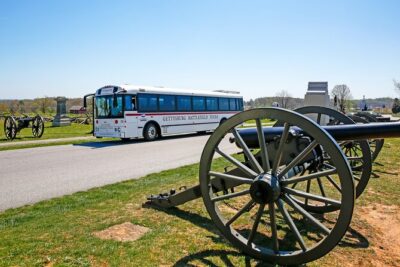
2-Hour Gettysburg Battlefield Guided History Bus Tour with a National Park Guide
Read our review →
Prague Communism History and Nuclear Bunker Tour
Read our review →
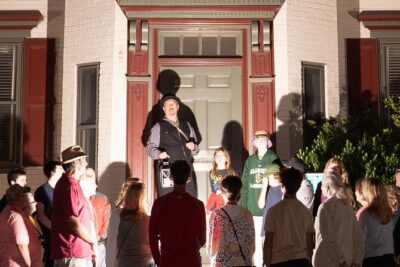
Ghost Tour: History and Haunts – Family Friendly – Best in Gettysburg
Read our review →
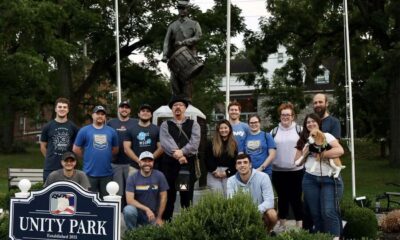
Gettysburg: “History and Haunts” Family Friendly Ghost Tour
Read our review →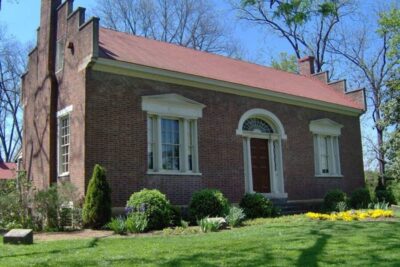
Civil War History Tour – The Battle of Franklin, Tennessee
Read our review →