
Review · LOS ANGELES
The History and Architecture of Downtown Los Angeles
Downtown LA rewards curious walkers. This tour makes the city’s old banks, movie palaces, art museums, and Japanese American history easy to understand, with Chris’s lively local storytelling tying the pieces together. I especially like the included ride on Angels Flight and the stop for mochi at Fugetsu-Do, a family business dating to 1903. One consideration: the route does not visit Olvera Street, so it gives less attention to Los Angeles’s Spanish and Mexican beginnings.
The small group, capped at 15 people, keeps the outing personal without making it feel private. You will cover a lot in three hours, so expect a steady walking pace and plenty of information. Bring a hat, as one participant wisely noted, and come ready to ask questions.
Five reasons this Downtown LA tour earns attention
- Angels Flight ride included: Begin with one of LA’s most unusual forms of public transportation and hear how it served Bunker Hill residents.
- Four downtown districts in one walk: The route links Bunker Hill, the Civic Center, Little Tokyo, and the Historic Core.
- Architecture with a human story: Frank Gehry, the Bradbury Building, Broadway’s movie palaces, and the old bank district all get useful context.
- A real Little Tokyo stop: Learn about Japanese American history, local businesses, and neighborhood landmarks before sampling mochi at Fugetsu-Do.
- Strong value at $39.20: The price includes Angels Flight and the traditional Japanese snack, plus three hours with a guide who knows the city well.
- A practical loop route: Starting and ending at 341 S Hill Street makes parking, public transportation, and further sightseeing easier to plan.
Why Downtown LA works best with a guide
Los Angeles is often sold through Hollywood signs, beaches, and celebrity addresses. Downtown offers a different city: older, denser, more layered, and full of buildings that tell stories about money, immigration, religion, politics, entertainment, and urban renewal.
The challenge is that downtown can feel scattered when you explore it alone. A bank facade may look like an old building with no obvious purpose. A modern concert hall may seem like a dramatic sculpture. A short ride on Angels Flight may appear to be a novelty. A good guide gives each place a reason to matter.
That is the main strength of this outing. Chris brings strong knowledge of local architecture and social history, but he also keeps the walk conversational. He uses images as part of his explanations, answers questions, and adjusts when a group wants more time on one subject. Several people have found his style friendly and energetic rather than stiff or scripted.
You will not simply collect photographs of famous buildings. You will learn how downtown changed from a small settlement into a major American city, how Bunker Hill was remade, why Broadway became a theater district, and how Little Tokyo survived difficult periods in American history.
More Architecture and Landmark Tours in the USA:
- Chicago in a Day: Food, History & Architecture Walking Tour
★ 5.0 · 1,153 reviews - Historic Charleston Walking Tour: Rainbow Row, Churches, and More
★ 5.0 · 691 reviews - Charleston’s Best Highlights: History, Culture & Architecture
★ 5.0 · 422 reviews
Angels Flight and the lost homes of Bunker Hill
The tour begins at 341 S Hill Street, then heads to Angels Flight Railway. The ride itself is brief, but it gives the tour a memorable opening and provides an immediate lesson in the old shape of Los Angeles.
Angels Flight is known as the shortest train ride in the world. Its real value here is historical. The railway is connected to Bunker Hill, once a Victorian residential district where steep streets made a funicular useful for local residents.
As you ride, Chris explains what happened to the Victorian homes and how the area changed into the modern financial district. This is an important piece of downtown history because it shows that LA’s current skyline did not simply grow around an untouched old neighborhood. Much of the earlier residential fabric disappeared as the city pursued new offices, roads, and large commercial buildings.
The included fare is a small but welcome value. You do not need to arrange a separate ticket or decide if the ride is worth adding. The tour makes the ride part of the story.
Afterward, you will see prominent downtown towers, including buildings recognized from films such as Independence Day. This is a good early reminder that downtown often plays other cities on screen. The real pleasure is seeing the movie backdrop as part of a changing business district.
Bunker Hill’s modern museums and dramatic architecture
The next section focuses on Bunker Hill’s major cultural buildings. You will see the Museum of Contemporary Art, known as MOCA, and hear about the architect behind it, including the professional struggles that shaped his early career.
The stop at MOCA lasts only about five minutes, so this is not an art museum visit. You will not tour the galleries or study individual works. Instead, the building becomes a quick lesson in the relationship between contemporary art and contemporary architecture.
The same applies to The Broad. Its unusual exterior is easy to photograph, but the guide adds useful context, including the correct way to pronounce its name and the plans connected with future additions. The Broad’s collection is associated with Pop Art, though the tour does not include admission or a gallery visit.
These short stops work well if you want a city overview rather than a museum day. If you hoped to enter either museum, plan a separate visit. The tour gives you the setting and the story, not enough time for a full art experience.
The Walt Disney Concert Hall receives more attention, with about 15 minutes devoted to its design and creation. Frank Gehry’s building is one of downtown’s most recognizable modern landmarks, with sweeping metal forms that change as you walk around them.
The building’s making is as interesting as its appearance. Chris explains Gehry’s place in modern architecture and the long process behind the concert hall. I like this part of the route because it keeps the focus from becoming a simple list of famous architects. You get a sense of how ambitious civic buildings come into being, including the vision and difficulties behind them.
City Hall and the political center of Los Angeles
From Bunker Hill, the walk continues toward City Hall and Grand Park. This section shifts from private architecture and cultural institutions to government and civic life.
You will hear how Los Angeles grew from a town of only 44 people into a city of millions. That simple contrast gives the rest of the walk useful scale. The grand buildings downtown were not created for a sleepy outpost. They reflect the confidence of a city that expected growth and wanted its public buildings to look the part.
The City Hall area also helps explain the Civic Center. You see where political decisions are made and how public space connects government buildings. The stop lasts about ten minutes, enough for an overview without turning into a long lecture.
Grand Park provides a change of pace. It is also one of the places where a hat and water make sense, particularly on a warm day. The guide has been praised for choosing shade when possible and keeping the pace comfortable, but this remains a three-hour city walk. Wear shoes you can use comfortably on pavement.
A few more history tours around the USA worth a look
- History and Hauntings of Salem Guided Walking Tour
★ 5.0 · 14,564 reviews - Charleston’s Old South Carriage Historic Horse & Carriage Tour
★ 5.0 · 10,023 reviews - Beneath The Streets Underground History Tour
★ 4.5 · 8,006 reviews - Boston: Freedom Trail History Small Group Walking Tour
★ 5.0 · 6,450 reviews
Little Tokyo, Japanese American history, and Fugetsu-Do
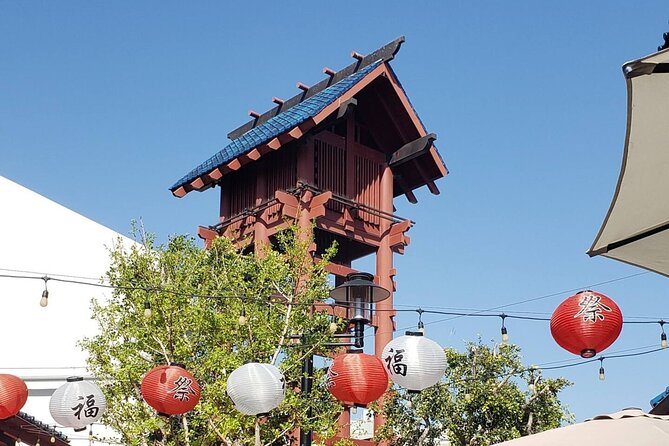
Little Tokyo is one of the most rewarding parts of the route. You spend about 30 minutes here, longer than at any single building stop, and that extra time matters.
Chris points out historic markers, long-running businesses, restaurants, and places tied to Japanese American life in Los Angeles. The neighborhood is not treated as a quick food stop. You get context about Japanese immigration and the way Japanese communities shaped California and downtown LA.
The route then reaches Fugetsu-Do, a family business opened in 1903 by the Kito family. Its survival through two world wars, the Great Depression, and more than 120 years of change gives the stop real weight. You also sample mochi, a traditional Japanese confection, making this one of the few parts of the walk that you experience through taste as well as sight and sound.
This is the kind of small detail that makes a walking tour memorable. A grand building can impress you, but a family business connects history to everyday life. Fugetsu-Do also gives the route a direct link to local commerce and community continuity.
If Japanese American history is important to your visit, this tour fills a useful gap in a typical downtown itinerary. If your main interest is the Spanish and Mexican founding of Los Angeles, you should add Olvera Street on your own. It is not part of this loop, and the guide explains that fitting it in would add substantial time.
Vibiana, Broadway, and the Million Dollar Theatre
The tour next visits Vibiana, originally St. Vibiana’s Cathedral, built in 1876. At the time, the building could hold nearly one-fifth of Los Angeles’s entire population. That fact makes the city’s early size tangible in a way that a population figure alone cannot.
The stop is short, about five minutes, but the building helps anchor downtown’s religious and civic past. It also shows how the scale of Los Angeles changed. A cathedral built for a small city now sits in a much larger urban setting.
Broadway adds another historical layer. Downtown LA has one of the largest collections of surviving historic movie palaces in the United States. These theaters once hosted major premieres and helped make downtown a center of entertainment.
The Million Dollar Theatre is among the grandest surviving examples. You will learn about Broadway’s role and the movie legends connected with the district, including Charlie Chaplin. Again, the tour does not function as a theater interior visit. You are studying the exteriors and the district’s story, so anyone hoping to sit inside a restored theater should make separate plans.
The Bradbury Building and the old Wall Street of the West
The Bradbury Building is one of the tour’s main architectural moments. Built in 1893, it is known for its striking interior and unusual design story. The stop lasts about ten minutes, giving the guide time to explain why this building matters rather than rushing past it for a photograph.
Spring Street then becomes an outdoor timeline of commercial architecture. The old bank district reflects the wealth and ambition of early twentieth-century Los Angeles. As you walk, the materials and styles change, moving from iron and steel to Beaux Arts and Art Deco.
This is where a guide adds real value. On your own, you may notice that one facade looks older or more ornate than the next. With explanation, the street becomes a record of changing technology, taste, and business confidence. The area was once known as the Wall Street of the West, and the buildings still show that ambition.
The route is especially useful for anyone interested in architecture but not ready to spend hours in a formal museum. You get a compact lesson outdoors, with the city itself as the exhibit.
The Last Bookstore and Grand Central Market
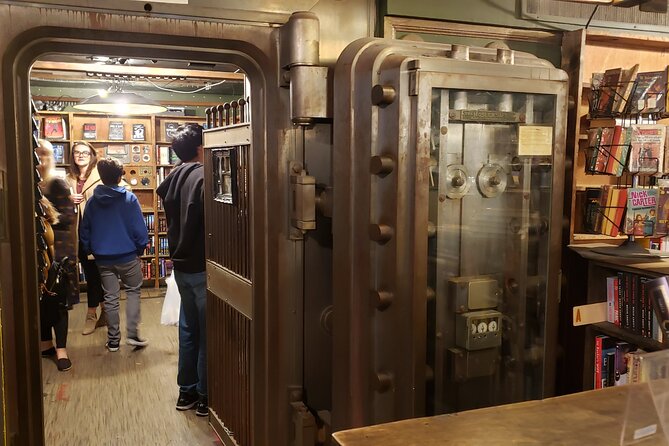
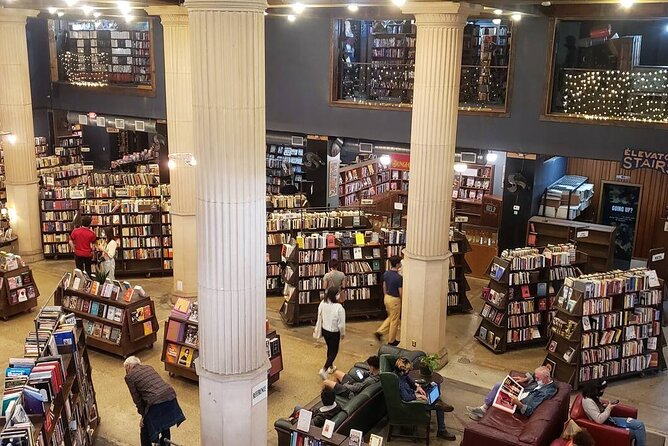
The Last Bookstore provides a more casual finish. You go inside this popular downtown hangout, which occupies an original bank building. The guide points out the old vault and the photo-friendly corners, so this is both a bookshop stop and a look at how historic commercial space has found a new use.
The stop lasts roughly ten minutes. That is enough to look around and take in the building, but not enough for a serious shopping session. If you want to browse books at leisure, return later.
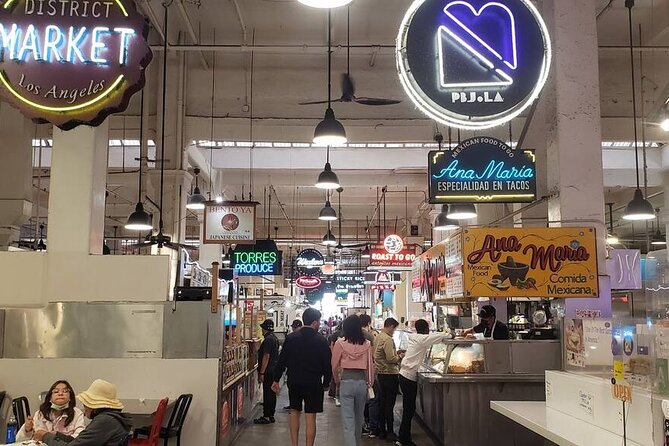
Grand Central Market is the final major stop and a practical place to end. The food hall has operated for more than a century and remains useful to both local residents and visitors. The tour offers an introduction rather than a full meal, so leave room in your schedule to return for food after the walk.
Ending at the market gives you an easy choice. You can eat, continue exploring downtown, or head back to your starting point. Since the activity returns to the original meeting point, you are not left trying to work out an unfamiliar end location.
What the $39.20 price gets you
At $39.20 per person, this is a fair price for a three-hour small-group walking tour, particularly because the maximum group size is 15. You are paying for a carefully planned route, a local guide, the Angels Flight ride, and the mochi sample at Fugetsu-Do.
The best value comes from the connections between stops. You could visit Angels Flight, The Broad, the Bradbury Building, Little Tokyo, and Grand Central Market separately, but you would need to supply the historical framework yourself. The tour turns separate sights into one story about urban change.
There are limits. Museum admission is not part of the experience, and the short stops at MOCA and The Broad do not allow time to explore their collections. Food at Grand Central Market is also separate. Still, if you want an introduction to downtown architecture and history, the cost is modest for the amount covered.
The tour is offered in English, uses a mobile ticket, and operates near public transportation. Confirmation comes at booking. Service animals are allowed, and most people can participate, though you should be comfortable with a three-hour urban walk.
Free cancellation is available up to 24 hours before the start time. Poor weather or failure to reach the minimum group size can also lead to a rescheduled experience or full refund.
Who should book this walk?
I would choose this tour if you want to understand downtown rather than simply photograph it. It suits first-time LA visitors, local residents who have never studied the city’s older districts, architecture fans, history-minded families, and solo visitors who prefer a structured route.
It also works well for people tired of the usual Hollywood focus. You will see a more complicated Los Angeles, one shaped by civic ambition, immigration, business, entertainment, and constant rebuilding.
You may want a different plan if your priority is entering museums, spending time inside historic theaters, or learning mainly about Spanish and Mexican Los Angeles. Add Olvera Street separately for that history, and allow extra time if you want to visit MOCA or The Broad properly.
Should you book the Downtown LA history and architecture tour?
Book it if you want a strong three-hour introduction to the city’s oldest central districts, with an engaging guide and several included touches that are easy to miss alone. Chris’s personal approach, clear explanations, and willingness to answer questions are central to the experience.
The route covers a lot, and the pace leaves little room for long stops. That is a fair trade for the range of places you see. Wear comfortable shoes, bring a hat, and arrive ready to walk, listen, and taste a little of downtown. At $39.20, it is a sensible choice for making sense of a part of Los Angeles that many people pass without really seeing.
FAQ
How long is the Downtown LA history and architecture tour?
The experience lasts approximately three hours.
Where does the tour begin?
The tour begins at 341 S Hill Street, Los Angeles, California 90013.
Where does the tour end?
The activity ends back at the meeting point.
Is the Angels Flight ride included?
Yes. The cost of the Angels Flight ride is included in the tour.
Is food included?
A traditional Japanese mochi sample at Fugetsu-Do is included. Food purchases at Grand Central Market are not specified as included.
How large is the tour group?
The tour has a maximum of 15 participants.
What language is the tour offered in?
The tour is offered in English.
Just added around the USA
- Historic Old Louisville Walking Tour★ 5.0 · 274 reviews
- Louisville: Private Guided Food, Bourbon & History Walking Tour★ 5.0 · 45 reviews
- Historic Walking Tour of Victorian Louisville with Food & Bourbon★ 5.0 · 216 reviews
- Louisville Legends: Downtown Derby City Food and History Tour★ 5.0 · 37 reviews
- Downtown Los Angeles History and Architecture Walking Tour★ 5.0 · 93 reviews
- Myrtles Plantation Daytime Historical Tour★ 4.5 · 50 reviews
- Black History Tours of South LA (Guided Van Tour) – Crenshaw★ 5.0 · 23 reviews
- 3 Hour Walking Food & Haunted History Tour in Lexington★ 5.0 · 18 reviews
Architecture & Landmark Tours, compared.
St. Mark’s Basilica Guided Tour & VR History Intro
Read our review →
Venice’s Best: Basilica, Doge’s Palace, Gondola & History Gallery
Read our review →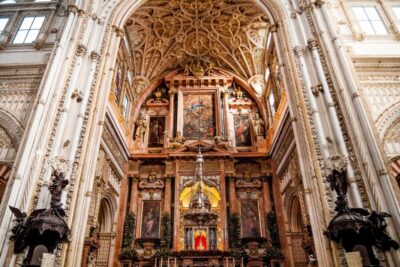
Córdoba: Skip-the-Line Great Mosque-Cathedral History Tour
Read our review →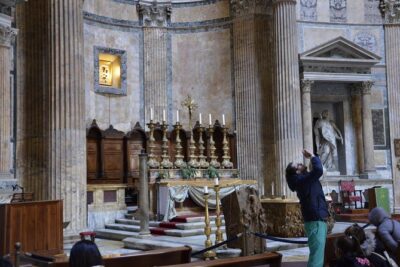
Pantheon Elite Guided Tour – Rome’s Iconic Ancient Temple
Read our review →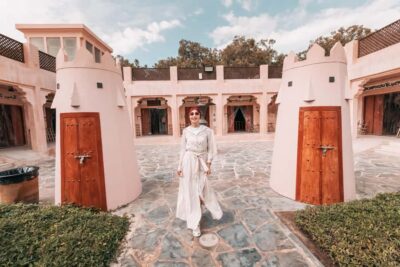
Abu Dhabi Grand Mosque, Palace, and Heritage Village
Read our review →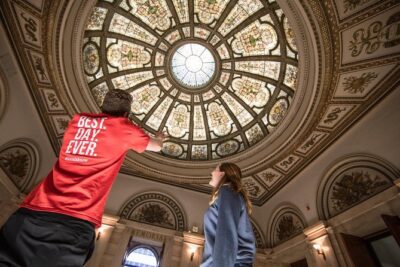
Chicago in a Day: Food, History & Architecture Walking Tour
Read our review →

Colosseum Special Access Tour, with Ancient Temples & Tombs
Read our review →Browse the lists this tour appears in