

Review · MANCHESTER
Street Art: The Modern History of the Northern Quarter
Look up, Manchester is talking. This two-hour walk uses street art and public sculpture to explain how the Northern Quarter changed from a declining district into one of the city’s best-known cultural areas. I like the ceramic art trail, which helped bring attention back to the streets, and I like the tour’s honest look at social justice, gentrification, and the loss of public space. The main drawback is that it depends on good weather, so Manchester’s clouds can have the final word.
Guide Hayley has earned praise for her clear storytelling and sharp eye for details many people miss, including the old fish market and the political ideas behind particular artworks. At $20.70 per person, the walk offers good value if you want more than a quick photo tour, though visitors focused only on famous murals may find its social and political discussion more demanding.
Key things to know before you go
- The ceramic art trail helped change the Northern Quarter, linking public art with the area’s revival.
- You’ll hear the less polished story of Manchester, including gentrification, social justice, and shrinking public space.
- Hayley’s guiding gets special praise, especially for local anecdotes and her ability to make overlooked art meaningful.
- The route includes film locations and streets missing from standard guidebooks, not just the most photographed walls.
- Ten percent of profits support local causes, giving the ticket a small social purpose beyond sightseeing.
- The walk starts at Shudehill at 11 a.m. and ends at Black Dog Ballroom, taking about two hours.
Why the Northern Quarter makes a good street-art classroom
The Northern Quarter is easy to label as Manchester’s cool district. Cafes, bars, independent shops, music connections, and painted walls now shape its public image. This tour asks you to look further back, before the area became a popular stop for an afternoon out.
The story begins in the 1970s, when the opening of the Arndale Centre, Manchester’s first American-style shopping mall, helped pull business away from the older streets. The Northern Quarter went into decline. Shops left, buildings deteriorated, and public spaces lost much of their purpose.
That decline matters because the district contains the city’s highest density of protected buildings. You are not simply walking past old brick fronts and attractive details. You are seeing a place with strong architectural value that was once treated as a problem rather than an asset.
In the early 1990s, cultural figure Tony Wilson described the area as Manchester’s Detroit because businesses had largely evacuated. That comparison gives you a useful sense of the mood at the time. The Northern Quarter was abandoned and damaged, but it had not lost its identity.
The walk connects this period with the later role of public art. Art did not magically solve every problem, and the guide does not present it that way. Instead, you hear how artistic projects helped people notice the district again and how that attention fed into wider change.
More Street Art Tours in the UK:
- Naples Spanish Quarters Walking Tour Street Art, Folklore & Sweet
★ 5.0 · 797 reviews - Naples: Street Art & History Tour in the Spanish Quarters
★ 4.9 · 540 reviews - 3-Hour Atlanta Beltline Food, Street Art and History Tour
★ 5.0 · 345 reviews
Following 25 years of street art
The tour views the Northern Quarter through roughly 25 years of street art. That time span is important. You are not getting a quick list of painted walls. You are following a long conversation between artists, residents, businesses, developers, and the city.
I like this approach because street art can be easy to admire without asking why it is there. A bright wall may add character, attract visitors, or give an empty building new life. It can also help make an area more appealing to investors and shoppers, which may contribute to higher costs and the displacement of the culture that first made the district interesting.
The walk puts those tensions on the table. You can appreciate the art while also asking who benefits from it. That is a more useful way to see public art than simply collecting photographs.
The ceramic art trail is one of the tour’s key ideas. It helped transform the area and shows how smaller-scale public art can guide people through streets they might otherwise ignore. Ceramic work also gives you something different from large painted murals. You may notice texture, placement, and how the artwork relates to nearby buildings.
The exact pieces can change over time, as street art is often painted over, altered, or removed. That is part of the subject. This is a living record, not a permanent museum display.
From the fish market to political ideas
A strong part of the route is its attention to local stories. One anecdote concerns the fish market, a detail that helps make the Northern Quarter feel like a working district rather than a stylish backdrop.
Small facts like this can do more than decorate a history talk. They show how streets were used before their current identity took shape. You begin to picture trade, movement, and everyday business in an area now associated with nightlife and design.
The walk also explains political influences behind some of the art. That does not mean every piece comes with a long academic lecture. Instead, you get help reading the choices behind public work: why something might be placed in a particular location, what message it may carry, and how art can respond to city decisions.
Hayley’s guiding has received especially strong praise for this mix of local detail and wider context. Her strength seems to be making the Northern Quarter readable. You are not expected to know the difference between a formal public-art project and an unofficial piece before you arrive.
That is useful for anyone who has lived in Manchester for years and still walks past details without seeing them. One local attendee had lived in the city for 25 years and still found artworks and stories that were new to them. You can expect the tour to reward attention, not prior expertise.
The difficult part: gentrification and public space
This is not a feel-good walk about urban renewal. The tour talks directly about gentrification and the loss of public space.
That subject may sound heavy for a street-art outing, but it fits the Northern Quarter closely. When an area becomes more desirable, new businesses and visitors may bring energy and money. At the same time, rents, property values, and commercial pressure can change who can afford to remain.
Public art sits right in the middle of that discussion. It can challenge power, give a voice to local concerns, or make a district more attractive to people with spending money. The same artwork may be viewed as community expression by one person and part of a marketing strategy by another.
I appreciate that the tour does not ask you to choose one simple answer. You can enjoy the Northern Quarter and still question how it got here. You can admire its buildings while thinking about who has access to the area now.
The discussion of public space is also practical. Streets and squares are not just places between attractions. They affect who can gather, linger, perform, trade, or feel welcome. The tour encourages you to see those spaces as part of city life, not empty areas waiting for development.
If you prefer a tour that stays light and sticks to celebrity murals, this may not be the best fit. If you want to understand what public art can do, and what it cannot do, the serious tone adds real value.
A few more history tours around the UK worth a look
- London Small Group Tour of Historical Pubs
★ 5.0 · 10,422 reviews - Edinburgh: Edinburgh Castle Guided History Tour with Tickets
★ 4.8 · 9,933 reviews - A History of Terror – Belfast City Centre Walking Tour
★ 5.0 · 2,883 reviews - Edinburgh: Whisky Tasting with History and Storytelling
★ 4.9 · 2,451 reviews
Streets and film locations beyond the usual list
The route includes streets and film locations that you are unlikely to find in a standard list of Northern Quarter highlights. That makes the experience useful even if you have already walked around the district.
You will still see public art, but the goal is not to rush from one famous wall to another. The guide points out less obvious work and explains its place in the area. This gives the route a more personal feel than a checklist of photo stops.
The film-location element adds another reason to look closely. You may recognize places from the screen, or you may simply enjoy seeing how ordinary streets can be turned into settings. The supplied details do not identify specific films, so you should think of this as an added feature rather than a film-themed tour.
I would bring a phone for photographs, but I would not plan the walk around getting perfect images. The most useful moments are likely to be the explanation of what you are seeing and why it matters.
The route ends at Black Dog Ballroom on Church Street. That is a practical finish in the heart of the Northern Quarter, and you can ask for suggestions about food and other places to visit afterward. The tour does not include a meal, so treat those tips as local guidance rather than part of the ticket.
What the two-hour format gives you
Two hours is enough time to develop a clear story without turning the walk into an all-day commitment. You get a beginning, a period of decline, a public-art response, and a discussion of the district today.
The start is at Shudehill, Manchester M4, at 11 a.m. Arrive with enough time to find the meeting point and check your mobile ticket. The end is at Black Dog Ballroom, 52 Church Street, M4 1PW.
The maximum group size is 30 people. That is not a tiny private walk, but it is still a manageable number for an urban tour. A larger group may mean standing a little farther from the guide at certain stops, while a smaller group would feel more intimate. The available information does not promise a smaller group, so I would expect a standard shared walking experience.
Most people can take part, and service animals are allowed. The tour runs outdoors and requires good weather. Wear shoes suitable for city walking and come prepared for Manchester’s changeable conditions, even if the forecast looks friendly.
The route is described as a walking tour, but no exact distance or step-free route details are provided. If you need specific accessibility information, contact the operator before booking rather than guessing.
Is $20.70 a fair price?
At $20.70 per person, this is priced like an affordable specialist walking tour rather than a basic orientation walk. The value comes from the interpretation, not from paid entries, since the tour itself has no separate admission charge.
You are paying for a focused story about one district, delivered through art, architecture, politics, and local anecdotes. If you simply want to see a few murals, you can walk around on your own for less. If you want to understand why those murals matter and how the neighborhood changed, the price is reasonable.
The donation policy improves the value for some visitors. Ten percent of profits goes to local causes, so part of the money supports work beyond the tour itself. The information does not specify which causes receive the donations, so you should not assume a particular charity or project.
I also like that the walk can help you make better use of the rest of your time in Manchester. You can ask for food suggestions at the end, and the route may point you toward streets you would not have chosen on your own. That kind of local orientation can be worth more than another standard list of attractions.
Who should book this Northern Quarter walk?
You should consider this tour if you:
- Like street art but want social and political context.
- Care about architecture, urban change, or public space.
- Have visited Manchester before and want a less familiar angle.
- Enjoy walking tours led by a strong local voice.
- Want to support a tour that gives 10 percent of profits to local causes.
- Are happy to spend two hours outdoors discussing difficult subjects as well as attractive artwork.
You may want something else if you need a fully indoor activity, want a tour centered only on famous murals, or prefer a relaxed sightseeing walk with little commentary about housing, development, and social justice.
The free-cancellation rule is generous if your plans are uncertain: you can cancel at least 24 hours before the start for a full refund. Cancellations or changes made inside that window are not refunded or accepted. If poor weather or low numbers cancel the walk, you are offered another date or experience, or a full refund.
Should you book Street Art: The Modern History of the Northern Quarter?
Book it if you want to understand Manchester through its streets, not just photograph them. The strongest parts are the local stories, the ceramic art trail, the discussion of public art’s political role, and Hayley’s engaging way of connecting past and present.
The tour earns its price by giving you a framework for what you see. You will leave with more than a collection of mural photographs. You will have a clearer idea of how the Northern Quarter declined, how art helped draw attention back to it, and why its current success creates new questions.
For a first-time visitor with only a few hours in Manchester, this is a useful choice if you enjoy cities with complicated stories. For a repeat visitor, it may reveal a side of the Northern Quarter you have walked past for years.
FAQ
Where does the tour start?
The tour starts at Shudehill in Manchester, M4, United Kingdom.
Where does the tour end?
The tour ends at Black Dog Ballroom, 52 Church Street, Manchester, M4 1PW.
What time does the tour begin?
The listed start time is 11 a.m.
How long does the tour last?
The walking tour lasts approximately two hours.
How much does the experience cost?
The listed price is $20.70 per person.
Is a mobile ticket available?
Yes. The experience includes a mobile ticket.
How many people can join the tour?
The maximum group size is 30 people.
Are service animals allowed?
Yes. Service animals are allowed.
Can I cancel for a full refund?
Yes, if you cancel at least 24 hours before the experience start time. Cancellations made less than 24 hours before the start are not refunded. The tour may also be moved or refunded if poor weather or insufficient bookings cause a cancellation.
Just added around the UK
- Historical Tour and Seafood Experience★ 4.5 · 27 reviews
- Historic Walking Tour of Colchester★ 5.0 · 35 reviews
- Cruise Wells Next The Sea on Historic RNLI and Dunkirk Veteran Lifeboat★ 5.0 · 199 reviews
- The Padstow History Walk – Tales, Tales and Traditions★ 5.0 · 25 reviews
- Lightfoot Tours: Historical Tour★ 5.0 · 38 reviews
- Newcastle: History and Highlights Private Guided Walking Tour★ 5.0 · 29 reviews
- Walkabout Durham History Tour★ 5.0 · 89 reviews
- Pub and History Tour of Durham with Alcohol Tasting★ 5.0 · 20 reviews
Street Art, compared.
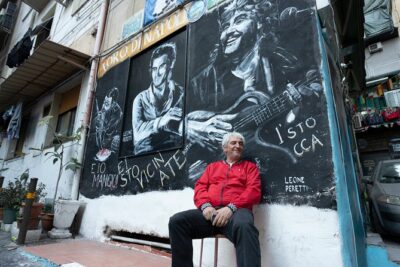
Naples Spanish Quarters Walking Tour Street Art, Folklore & Sweet
Read our review →
Street Art & History Tour in the Spanish Quarters
Read our review →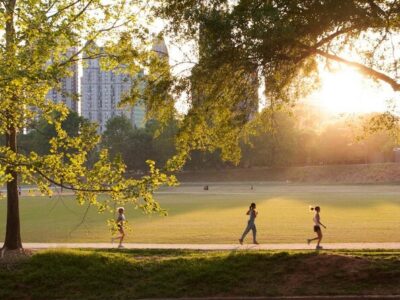
3-Hour Atlanta Beltline Food, Street Art and History Tour
Read our review →
2-Hour Food, History and Street Art Tour of Ponce City Market
Read our review →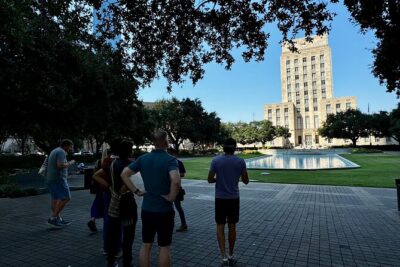
Walking Tour of Houston: History, Architecture, Street Art
Read our review →
Beltline Food, Street Art, and History Walking Tour
Read our review →
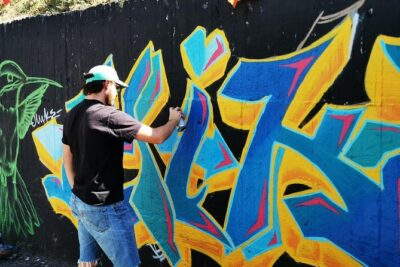
Browse the lists this tour appears in