Review · WESTERN PROVINCE
Negombo Heritage Walking Tour
Negombo reveals itself one street at a time. This three-hour walk links a Hindu temple, produce stalls, the fish market, lagoon views, the Dutch Fort area, and St. Mary’s Church, giving you a useful first look at this mixed cultural city. I especially like the local market visit and the walk along King George’s Drive, where fishing work and dry-fish processing are part of daily life rather than a staged show. I also like the chance to taste Sri Lankan snacks with refreshments.
The main caution is the heat. One guest found the walk much easier in the morning and warned that the midday sun can make walking hard. Timing also deserves attention: the guide normally arranges a convenient start time after booking, and one delayed replacement guide caused a poor start for a guest. The tour is rated 4.7 out of 5 from 27 ratings, with especially strong praise for friendly guides, clear English, useful local tips, and the gentle pace.
Five things to know before you book

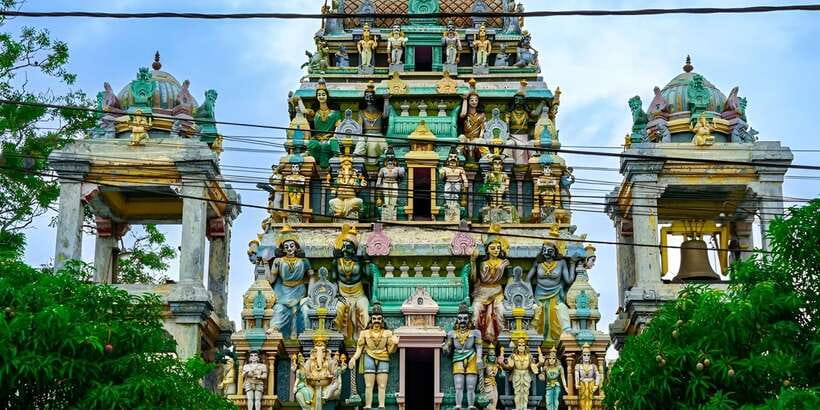
- The route begins at Sri Mutthu Mari Amman Temple, a colorful Hindu starting point on Sea Street.
- You walk through a real produce market, with vendors selling vegetables and fruit from simple stalls.
- King George’s Drive connects history with working waterfront life, including dry-fish processing and fishing activity.
- The tour covers several faiths and eras, including a Hindu temple, Catholic churches, a Dutch fort area, and a former prison site.
- Shashi has received warm praise for his guiding, with guests noting his friendly manner, clear English, and helpful explanations.
- Morning is the smarter choice, since the route is on foot and Negombo can feel very hot by noon.
Why this walk makes sense in Negombo
Negombo is often treated as a place to sleep near the airport. That misses the point. The city has a layered identity shaped by fishing, trade, colonial rule, Catholic traditions, Hindu worship, and everyday Sri Lankan commerce. This walk gives you a way to connect those pieces without spending a full day on transport.
The route lasts about three hours and returns to the same temple where it begins. That makes it easy to fit into an arrival day, a final morning, or a short stay. You do not need to organize separate visits to the market, fish center, fort area, lagoon, and church.
At $14 per person, the price is modest for a private-feeling introduction with an English or Hindi-speaking guide, snack tasting, and several stops. The value depends on what you want. If you prefer grand monuments and long historical lectures, this may feel light. If you want local streets explained as you walk, the cost is appealing.
The guide is an important part of the experience. Shashi is praised for being kind, informative, and willing to answer questions or adapt to particular interests. The company also lists English and Hindi as available languages. Since the start time is arranged after booking, confirm the meeting time rather than assuming a fixed departure.
More History Walking Tours in the world:
- History and Hauntings of Salem Guided Walking Tour
★ 5.0 · 14,564 reviews - Lisbon: History, Stories and Lifestyle Walking Tour
★ 4.8 · 10,902 reviews - Boston: Freedom Trail History Small Group Walking Tour
★ 5.0 · 6,450 reviews
Starting beneath the Hindu temple
Meet the guide in front of Sri Mutthu Mari Amman Temple on Sea Street. This is a fitting beginning because it introduces Negombo as a city with more than one religious and cultural voice.
The temple gives you an immediate sense of Hindu practice in the city. Your guide can explain what you are seeing and place the temple within the wider story of Negombo. This is not just a photo stop. It helps you understand why the later churches and colonial sites belong in the same walk.
The first guided section lasts roughly 15 minutes. Wear clothing suitable for a place of worship, and bring sunglasses and sunscreen. The tour is outdoors and on foot, so light clothing, comfortable footwear, and water are sensible choices, even though only sunglasses and sunscreen are specifically listed as items to bring.
Reading Negombo through its fruit and vegetable market
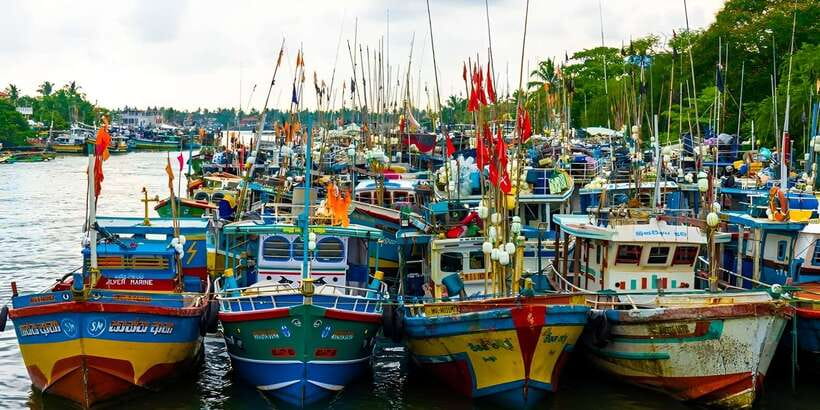
From the temple, you walk through a local market where vendors sell vegetables and fruit from stalls. This is one of the most useful parts of the route because markets explain a city through ordinary things: what is sold, how it is displayed, and how people buy food for the day.
You will have a chance to watch the market rather than simply pass a row of shops. The guide can point out local ingredients and explain details about food, spices, and daily habits. Several high ratings praise this kind of explanation, particularly the way Shashi connects food with Sri Lankan traditions.
Keep your expectations practical. This is a working market, not a polished food hall. It may be crowded, hot, or strongly scented. That is part of its value, but it also means you should stay aware of your footing and belongings while listening to the guide.
King George’s Drive and the dry-fish center
The walk then follows King George’s Drive, named after a visit by King George. The road runs parallel to the sea and leads into one of the more distinctive parts of the experience: the area connected with fishing activity and dry-fish processing.
The dry-fish center is not presented as a pretty coastal viewpoint. You may smell the fish before you see the processing area. The description is refreshingly honest about that, warning that you will get enough of the dry-fish smell before moving on. If strong seafood odors bother you, this is the part to consider carefully.
For everyone else, the smell is a reminder that Negombo’s waterfront is a workplace. Anglers, boats, fish sellers, and processors are part of the city’s economy. You are seeing the connection between the sea and the market you visited earlier, rather than receiving a detached history lesson.
This section also helps explain why the tour feels more local than a standard monument circuit. The guide is showing you how the city functions today while also discussing its past.
A few more history tours around the world worth a look
- Colosseum: Underground and Ancient Rome Tour
★ 4.7 · 12,691 reviews - London Small Group Tour of Historical Pubs
★ 5.0 · 10,422 reviews - Prague: Oldtown, Medieval Underground & Dungeon History Tour
★ 4.3 · 10,277 reviews - Charleston’s Old South Carriage Historic Horse & Carriage Tour
★ 5.0 · 10,023 reviews
Lellama fish market and the waterfront working life
The route continues to the fish market, known as Lellama. You receive about 20 minutes here for a visit, guided explanation, and sightseeing.
A fish market can be intense. Expect working activity, strong smells, and a setting designed for trade rather than sightseeing comfort. That is precisely why it can be memorable. If you want to understand Negombo’s identity, this is more revealing than simply looking at a colonial building from the outside.
The guide’s role matters here. Without context, a fish market may seem like a quick stop for photographs. With explanations about food, fishing, and local routines, you can better understand the importance of the waterfront to the city.
The tour does not promise a long cooking demonstration or a full meal. It does include a snack tasting menu and refreshments, usually later in the route. One guest did not receive the advertised food and refreshments because of a disrupted tour, so it is sensible to confirm these inclusions at the start.
The old Dutch Fort and the Kothlawala Bridge
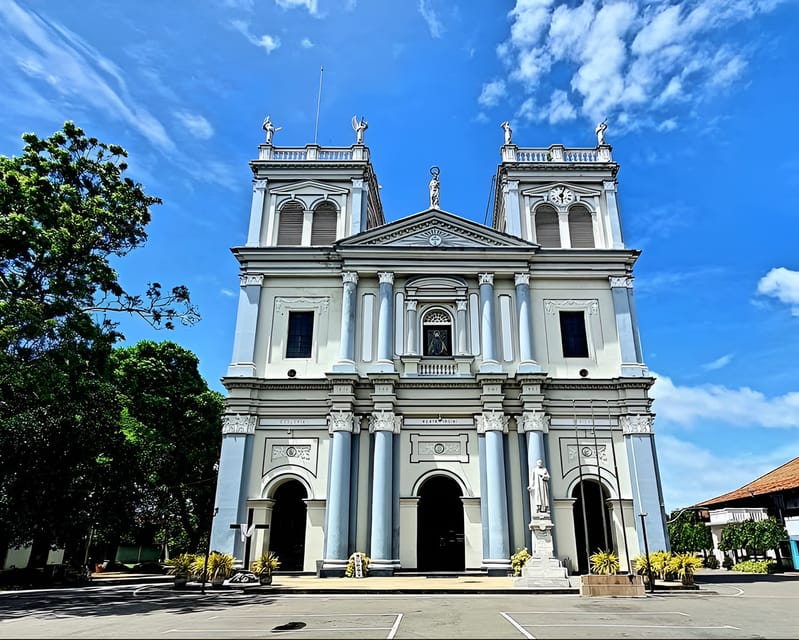
After the fish market, the route passes near the prison before reaching the old Negombo Dutch Fort area. The fort itself is not described as an intact, sprawling fortress. That matters. You should come for the historical setting and the guide’s explanation, not for a grand monument on the scale of Galle Fort.
The connection with Dutch colonial rule gives you another layer in Negombo’s story. Your guide can explain how the fort area fits into the city’s past and why the prison is part of the route.
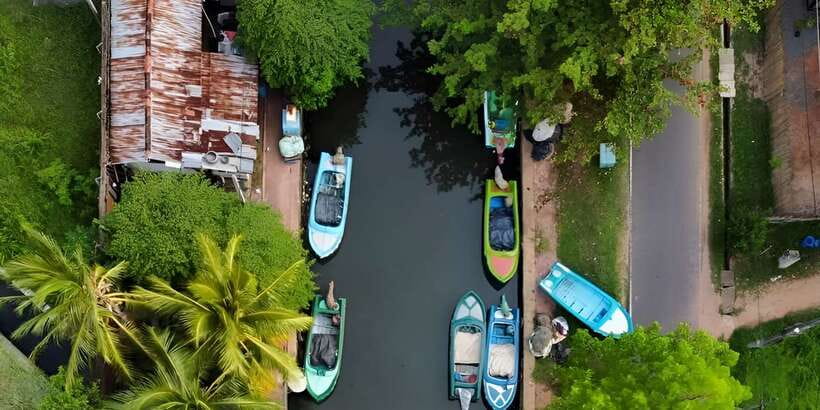
You also pass the famous Kothlawala Bridge. This is a good place for a photograph of the fishing boats. The bridge adds a visual pause after the market and fort area, with boats helping you connect the city’s colonial past to its continuing relationship with the water.
The scheduled visit to the Dutch Fort takes about 20 minutes, followed by a similar amount of time at Negombo Lagoon. The pace is gentle, according to the strongest feedback, so you are not being hurried from one stop to the next.
Negombo Lagoon and the water’s wider story
The lagoon stop gives the walking route a little breathing room. You are not simply moving between buildings. The water helps explain why fishing, boats, markets, and dry-fish processing have such a strong place in Negombo.
The lagoon visit lasts about 20 minutes. The experience is guided sightseeing rather than a boat ride, so do not book this expecting a cruise or water activity. You are there to look, listen, and understand how the water shapes local life.
This is also one of the places where the walking pace helps. You can ask questions and take photographs without the pressure of a large sightseeing schedule. The tour is designed for conversation, and the feedback repeatedly praises the guides for making room for questions.
St. Mary’s Church and Negombo’s Catholic identity
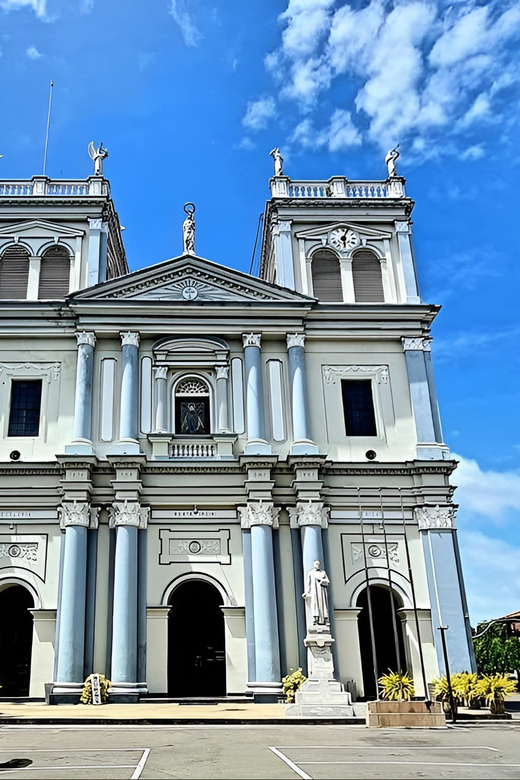
The next major stop is St. Mary’s Church, also listed as St. Mary’s Cathedral in the tour description. The building brings Catholic history and local religious life into a route that began at a Hindu temple and passed through colonial sites.
This contrast is central to the experience. You are not being shown a single version of Negombo. The route brings together Hindu worship, Catholic churches, colonial history, fishing culture, markets, and the lagoon. That mix is the reason the walk works as a city introduction.
There is one detail you should clarify before setting out. The highlights also mention St. Stephen’s Church, while the detailed route names St. Mary’s Church. Since both names appear in the published information, ask the guide which church is included on your chosen departure.
The church stop is scheduled for about 20 minutes. Treat it as a cultural and religious visit, not only an architectural photo stop. Your guide can help explain why Christian sites are so visible in this part of Sri Lanka.
Sri Lankan snacks, sweets, and a useful pause
After the church, you can have quick Sri Lankan spicy snacks or sweets with refreshments. This is a small feature, but it adds value because food gives you another way to understand the place.
Do not expect a full lunch. The wording points to a tasting stop, not a restaurant meal. That makes it suitable for a mid-morning walk, but you may want to eat beforehand if you need something substantial.
The snack stop also gives you time to ask for practical advice about Negombo. One highly praised guide offered useful local tips, and this is the natural moment to ask about food, markets, or places you might visit later. Keep in mind that one guest reported the snack and refreshments were not provided after a guide change. Confirm what is planned when you meet.
How hard is the three-hour walk?
The pace is described as gentle, and the walking segments are broken into manageable stops of roughly 15 to 20 minutes. Still, this is a three-hour outdoor walk. You will be exposed to heat, market smells, waterfront conditions, and ordinary street surfaces.
The strongest practical advice is to choose a morning start. By noon, the heat can become difficult for anyone who struggles with walking in the sun. Sunglasses and sunscreen are specifically recommended, and comfortable walking shoes make sense.
Because the tour uses public streets and working areas, conditions may not feel polished. That is part of the appeal, but it also means you should not expect air-conditioned transport between stops. The route returns to Sri Mutthu Mari Amman Temple, so you are not left at an unfamiliar endpoint.
Guide quality and the one weak point
The guide can make or break this experience. The most praised qualities are friendliness, clear English, useful explanations, and a willingness to answer questions. Shashi is specifically praised for knowing the local area, explaining food and traditions, and responding to special requests.
The tour also offers Hindi. English is the language most directly reflected in the feedback, with one guest noting that the guide spoke good English and explained the city clearly.
The main problem is reliability during a guide substitution. One guest waited about 30 minutes for a replacement after the first guide became ill. That guest also wanted a clear overview of the route at the beginning. I would ask for the day’s stops and confirm the snack arrangement before walking off.
This is not a reason to reject the tour, but it is a reason to value clear communication. The company asks you to stay in touch after booking to arrange a convenient start time. Use that contact to confirm the meeting point, departure time, and included refreshments.
Who should book this walk?
I would recommend it to you if you want a compact introduction to Negombo and prefer local streets to a bus tour. It suits first-time visitors, people with a short stay, and anyone interested in how religion, fishing, food, and colonial history overlap in one city.
It is also a good choice if you enjoy asking questions. The walk leaves room for conversation, and the guides are praised for responding to individual interests rather than rushing through a fixed script.
You may want another activity if you dislike fish markets, strong smells, hot weather, or outdoor walking. The fort is an area with historical value, not a vast restored monument, and the lagoon stop is sightseeing rather than a boat excursion.
The experience is suitable for adults and older children who can manage three hours outside, but no specific accessibility information is provided. If you have mobility concerns, ask the operator about the street surfaces and walking conditions before booking.
Price, cancellation, and booking flexibility
At $14 per person, the tour offers good value if you use the guide well. You receive a three-hour route, English or Hindi guidance, several distinct parts of Negombo, and refreshments with snack tasting. The cost is especially reasonable for a first orientation before exploring independently.
You can cancel up to 24 hours before the tour for a full refund. The reserve-now-and-pay-later option lets you hold a place without paying immediately, which helps if your arrival plans are not fixed.
The meeting point is in front of Sri Mutthu Mari Amman Temple. The guide will wait there, and you should arrange the start time after booking rather than relying on a standard departure.
Should you book the Negombo Heritage Walking Tour?
Book it if you want to understand Negombo through its working streets, religious sites, markets, fish trade, and waterfront. The route is inexpensive, well paced, and broad enough to show several sides of the city in three hours.
Choose a morning departure, confirm the start time and church stop, and ask about the snack tasting when you meet the guide. With those small checks, this is a practical introduction to Negombo that offers more local texture than a quick stop at the fort alone.
FAQ
How long is the Negombo Heritage Walking Tour?
The tour lasts three hours, including guided walking and sightseeing at the temple, markets, Dutch Fort area, lagoon, and church.
How much does the tour cost?
The price is $14 per person.
Where does the tour start?
It starts in front of Sri Mutthu Mari Amman Temple on Sea Street. The tour also returns to this temple.
Which languages are available?
The tour offers live guiding in English and Hindi.
What places are included?
The route includes Sri Mutthu Mari Amman Temple, a local fruit and vegetable market, Lellama fish market, King George’s Drive, the old Dutch Fort area, Negombo Lagoon, and St. Mary’s Church.
Does the tour include food or refreshments?
Refreshments and a snack tasting menu are included. The description also mentions Sri Lankan spicy snacks or sweets. Confirm the arrangement with the guide at the start.
What should I bring?
Bring sunglasses and sunscreen. Comfortable walking shoes are also sensible for the three-hour outdoor route.
Can I choose the starting time?
The start time is arranged for convenience after booking. You should contact the operator once your booking is confirmed.
Can I cancel the booking?
Yes. You can cancel up to 24 hours in advance for a full refund. The reserve-now-and-pay-later option also lets you book without paying immediately.
Just added around the world
- New Orleans: Garden District Food, Drinks & History Tour★ 4.9 · 97 reviews
- New Orleans: Drunk History Walking Tour★ 4.2 · 165 reviews
- New Orleans: French Quarter Food History Walking Tour★ 4.9 · 713 reviews
- New Orleans: French Quarter Saints & Sinners History Tour★ 4.6 · 56 reviews
- New Orleans: History, Culture & Architecture Guided Tour★ 4.6 · 38 reviews
- New Orleans: Haunted Drunken History Walking Tour★ 4.9 · 50 reviews
- New Orleans, French Quarter: Pirate History Walking Tour★ 5.0 · 45 reviews
- New Orleans: 2-Hour French Quarter History and Voodoo Tour★ 4.7 · 89 reviews
History Walking Tours, compared.
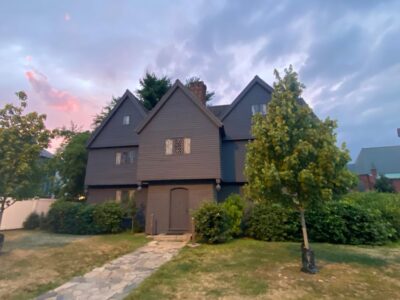
History and Hauntings of Salem Guided Walking Tour
Read our review →
Freedom Trail History Small Group Walking Tour
Read our review →
Historic Charleston Guided Sightseeing Walking Tour
Read our review →
Tapas Walking Tour with Food, Wine, and History
Read our review →
Savannah History and Haunts Candlelit Ghost Walking Tour
Read our review →