
Review · UNITED STATES
National Museum of American History: Guided Tour
America’s story fits inside a single museum. This 2.5-hour guided visit to the National Museum of American History brings together the Star-Spangled Banner, George Washington’s sword, Dorothy’s ruby slippers, and the Greensboro lunch counter. I like the focused route through a collection of more than three million objects, and I like having an English-speaking guide explain the political, social, cultural, and scientific context behind each display. The main drawback is that the tour can only sample a museum this large, so you will not see everything.
The small-group limit of eight people keeps the experience personal, while a private option gives you more control over the pace. Maureen has been praised for an energetic approach, and Leigh for an enthusiastic, pleasant style. At $86 per person, the tour makes the most sense if you want clear orientation and stories instead of wandering through a huge building alone.
Key points at a glance
- See the actual Star-Spangled Banner: The enormous flag that inspired the national anthem is the museum’s most powerful object.
- Follow America through famous personal items: George Washington’s sword and Thomas Jefferson’s desk connect national events with the people who shaped them.
- Read culture through Hollywood: Dorothy’s ruby slippers show how film became part of the American story.
- Connect clothing with politics: First Ladies’ gowns offer a visual way to discuss women, public image, and the presidency.
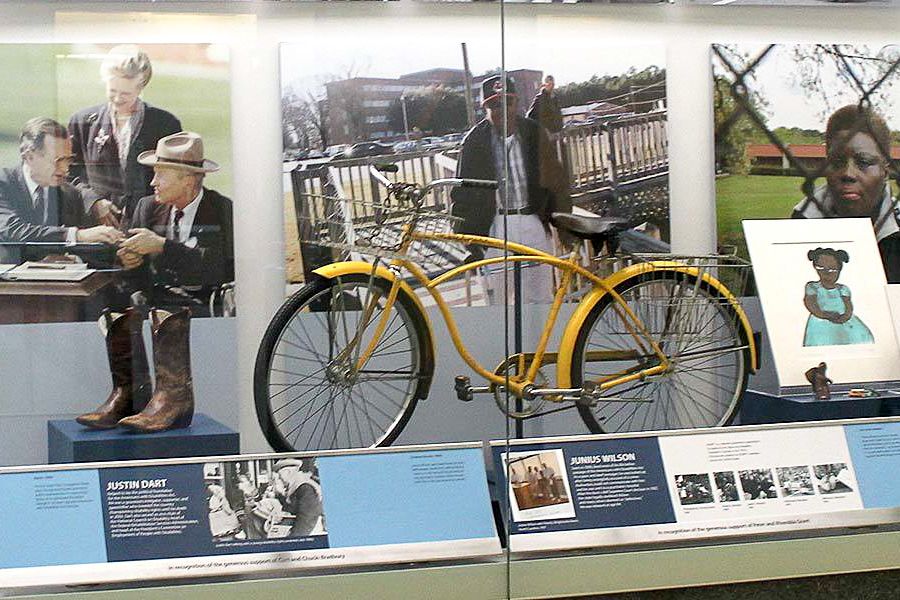
- Face the Civil Rights era: The Greensboro lunch counter turns segregation from an abstract topic into a physical place.
- Keep the group small: Private and shared tours are limited to eight people, with skip-the-ticket-line access.
Why a guided visit helps in a huge museum
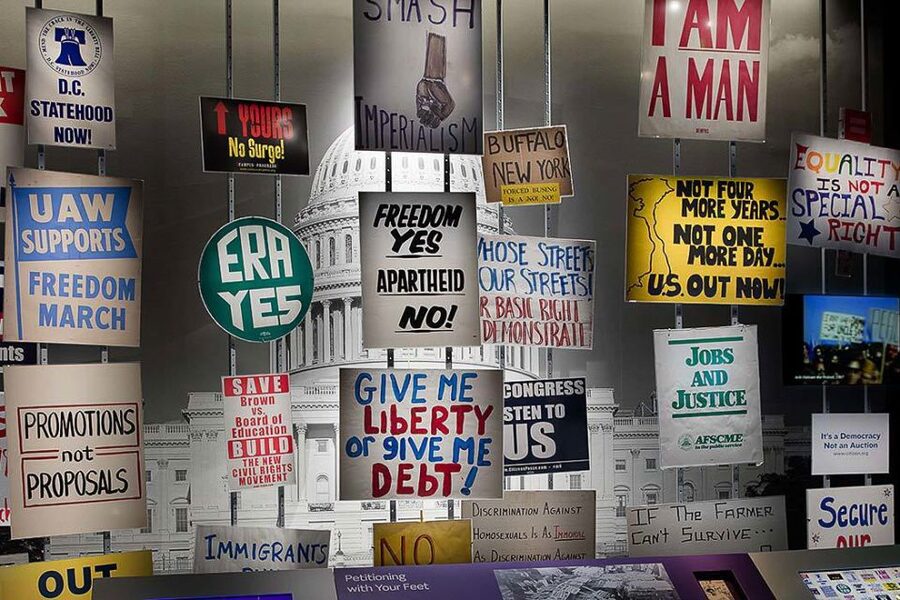
The National Museum of American History covers the American experience from the colonial period to the present. Its collection includes more than three million historical objects, so the challenge is not finding something interesting. The challenge is deciding what deserves your limited time.
That is where the guide earns the fee. Instead of treating the museum like a checklist of famous objects, your guide links military history, politics, science, entertainment, civil rights, and daily life. You get a route through the major themes, plus background stories and surprising details that can make familiar objects feel less familiar.
I especially like this format for a first visit. You can return later for galleries that received only a brief look, but you will leave with a basic map of the museum and a clearer sense of how the pieces fit together.
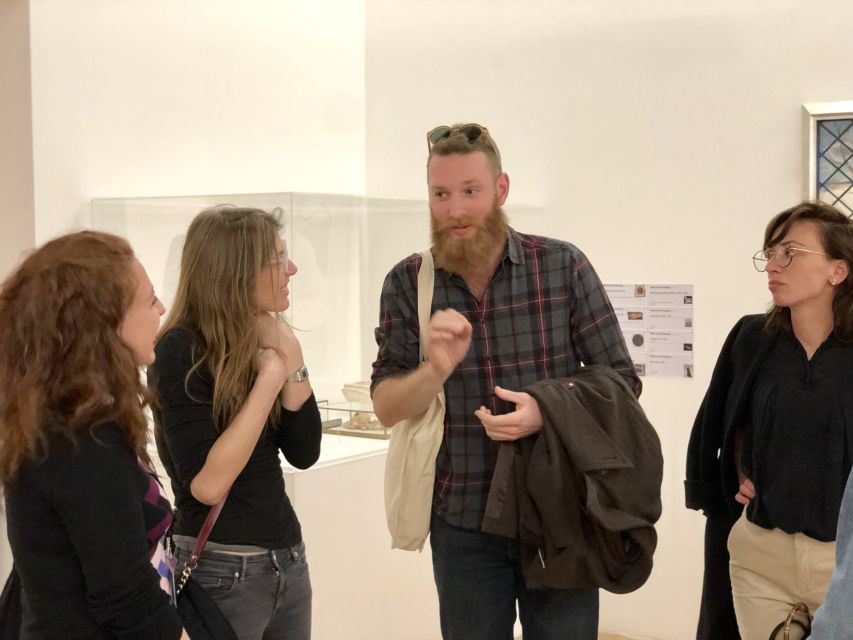
The experience is conducted in English. A small group of no more than eight allows you to hear the guide without the strain of a large crowd, and it gives you a reasonable chance to ask questions. A private booking is the better choice if your party wants a custom pace or needs more time at selected objects.
More Museum and Gallery History Tours in the USA
- Guided African American History Tour with Reserved Museum Entry
★ 4.5 · 1,180 reviews - Chicago: Field Museum of Natural History Ticket or VIP Tour
★ 4.7 · 717 reviews - Field Museum of Natural History Admission Tickets
★ 4.5 · 489 reviews
The Star-Spangled Banner gives the tour its emotional center
The actual Star-Spangled Banner is not simply a patriotic prop. It is a large, fragile historical object tied to the national anthem and to the early United States. Seeing the original flag gives the country’s familiar symbols a physical scale and texture.
Your guide uses it to explain how an object can move from a wartime setting into national memory. That kind of context matters because the flag is easy to recognize but harder to understand. The display asks you to think about how symbols are made, preserved, and used.
This is one of the stops where the guided approach pays off most. You can look at the flag on your own, but the story around it gives the object greater weight. The room may also be subject to quiet or restricted speaking rules, so listen closely before entering. Your guide will provide the needed explanation in advance when those rules apply.
George Washington’s sword brings the founding period closer
A sword associated with George Washington offers a more personal entry into the country’s early political and military story. Washington is often reduced to a portrait, a title, or a statue. An object connected to him makes the first president feel less distant.
The guide also places Washington within the larger story of the colonies becoming an independent nation. That is useful if you know the broad outline of the American Revolution but want more connection between people, objects, and events.
Do not expect a long, standalone lesson on every founding figure. The point of this stop is to add a tangible detail to the bigger account. In a museum filled with thousands of objects, the sword becomes an anchor for the early part of the visit.
Thomas Jefferson’s desk connects ideas with daily work
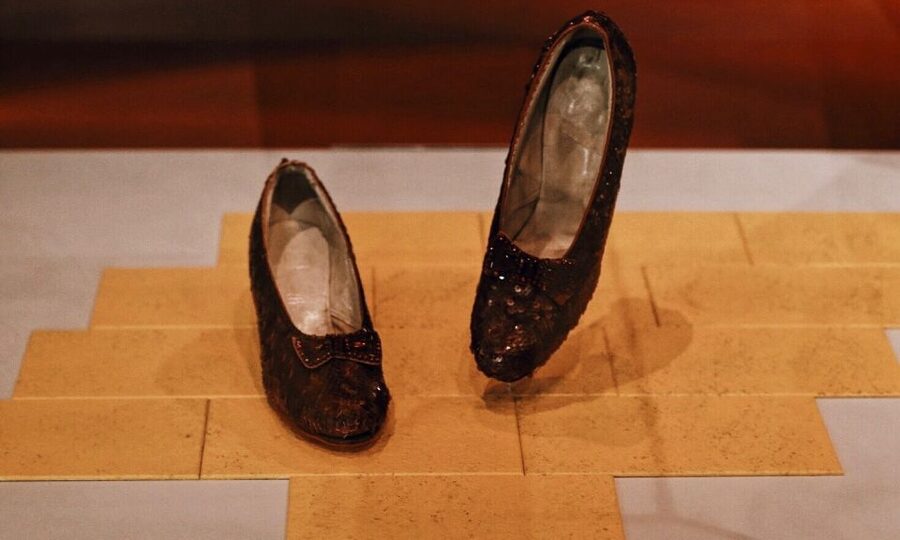
Thomas Jefferson’s desk shifts attention from public speeches and battlefield events to the work of writing, planning, and governing. A desk can seem ordinary beside a famous flag or a pair of ruby slippers, but that is exactly why it is useful.
The object points to the practical side of political life. Ideas that later appear in documents and institutions begin with people sitting down to read, write, and make decisions. Your guide uses the desk to place Jefferson within the story of the young republic.
I appreciate this kind of contrast. The museum does not rely only on grand symbols. It also shows the furniture and tools tied to the people behind the country’s founding arguments.
Same place, a different slice of the past:
- History and Hauntings of Salem Guided Walking Tour
★ 5.0 · 14,564 reviews - Charleston’s Old South Carriage Historic Horse & Carriage Tour
★ 5.0 · 10,023 reviews - Beneath The Streets Underground History Tour
★ 4.5 · 8,006 reviews - Boston: Freedom Trail History Small Group Walking Tour
★ 5.0 · 6,450 reviews
Dorothy’s ruby slippers show America through Hollywood
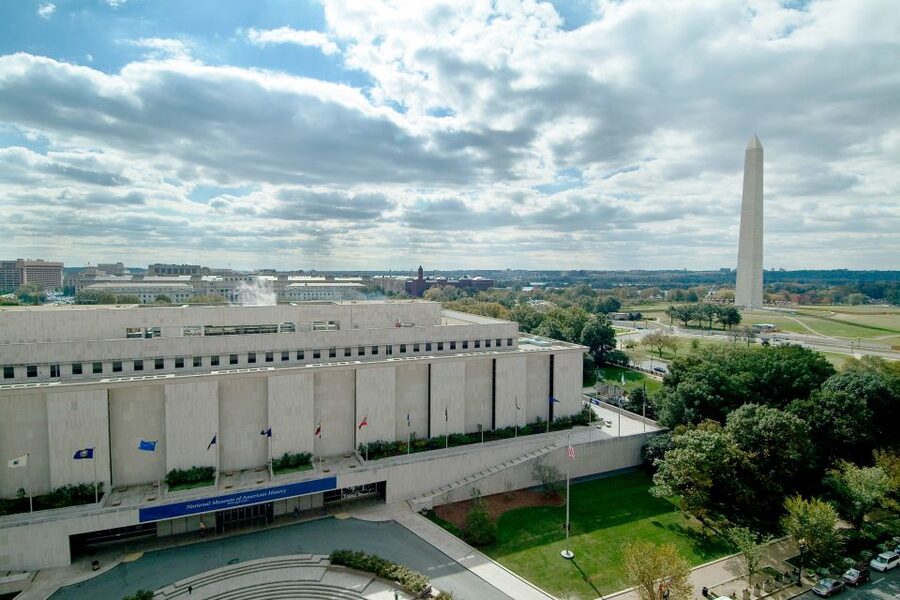
The ruby red slippers from The Wizard of Oz bring Hollywood into a museum otherwise filled with presidents, flags, and political milestones. Their presence makes an important point: American identity has been shaped by entertainment as well as elections and wars.
The slippers also work because they are instantly recognizable. Even if you have not studied American history, you likely understand that film characters and movie images can become part of public memory. Your guide discusses how Hollywood helped shape the country, giving this object a wider role than simple costume memorabilia.
This is a good stop for mixed-age groups and for anyone who prefers cultural history to political history. It also breaks up the heavier subjects that follow. The possible limitation is that the display is one part of a much larger museum story, so you should not expect an extended film-history presentation.
The Greensboro lunch counter makes segregation physical
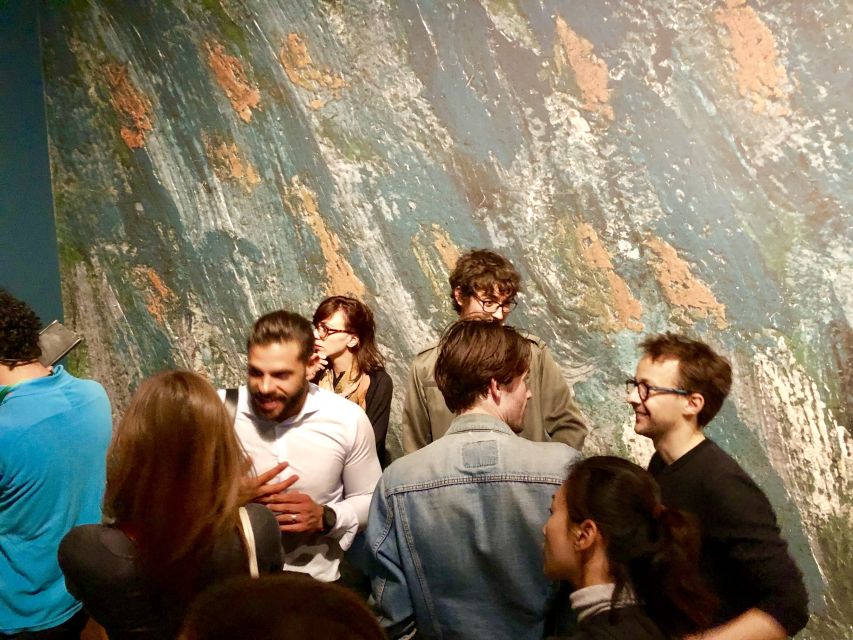
The Greensboro lunch counter is one of the most direct objects on the route. It gives the Civil Rights Movement a physical setting instead of presenting segregation only through dates, speeches, and photographs.
A lunch counter is familiar. That ordinary quality makes the exhibit hard to dismiss as something remote. The guide explains how segregation shaped everyday life and how a simple public space became connected to protest and change.
This stop may carry more emotional weight than the lighter Hollywood displays. It is also a place where your guide may need to keep the discussion measured, especially if the room has quiet or speaking restrictions. You will get the background before entering when required, then have time to take in the setting itself.
For me, this is one of the tour’s strongest choices because it links national events with a place people can easily picture. You are not just hearing that discrimination existed. You are seeing the kind of space where it was enforced.
First Ladies’ gowns offer a different view of power
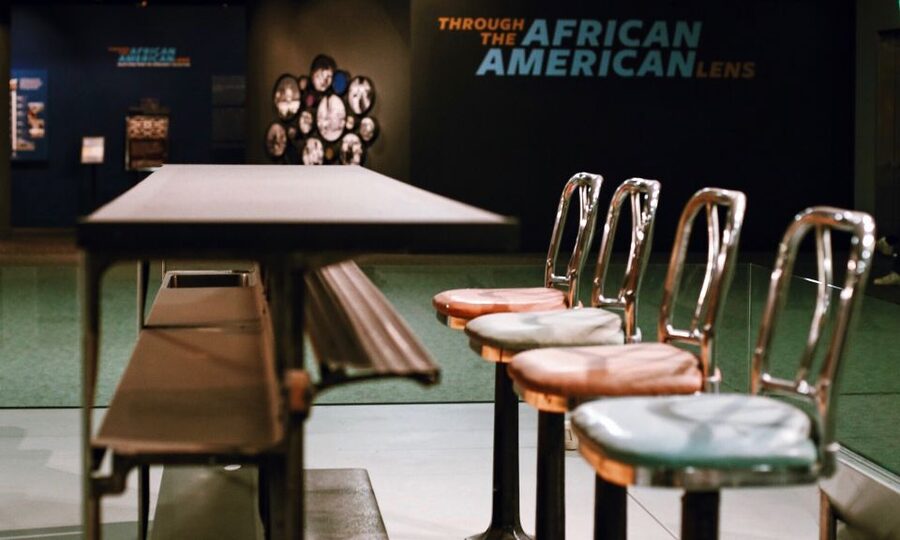
The collection of gowns worn by First Ladies provides a visual way to discuss women’s roles in American public life. Clothing can reveal expectations about ceremony, image, status, and the public duties attached to the White House.
This section broadens the tour beyond presidents and military leaders. It asks how women have been represented and how appearance became part of political life. The gowns also help you see how the museum tells social history through material objects.
The display is not a complete account of women in America, and you should not treat it as one. Its value is more focused. It shows how women connected to the presidency were presented to the public, and how fashion became part of the national conversation.
The guide shapes the experience
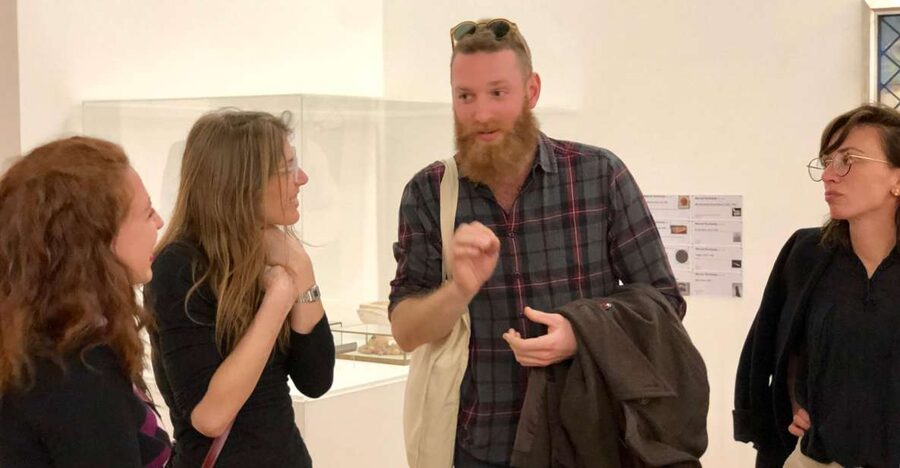
The listed guides have received especially warm praise for their energy and enthusiasm. Maureen is noted for an engaging approach, while Leigh is described as enthusiastic and a pleasure to learn from. Those details matter because a museum guide can either bring objects to life or turn the visit into a string of dates.
The strongest version of this tour depends on the guide’s storytelling. You are paying for selection, explanation, and connection. With so many objects available, a good guide helps you understand why a particular item matters instead of simply announcing its name.
I would ask questions when the opportunity comes. The tour is designed around historical, scientific, cultural, social, technological, and political information, so you can steer the conversation toward the areas that interest you most, within the planned route and time.
Keep in mind that some rooms require quiet or limit speaking. This is not a flaw in the tour. It is a museum rule, and your guide will explain the contents before you enter those spaces.
Small group or private booking?
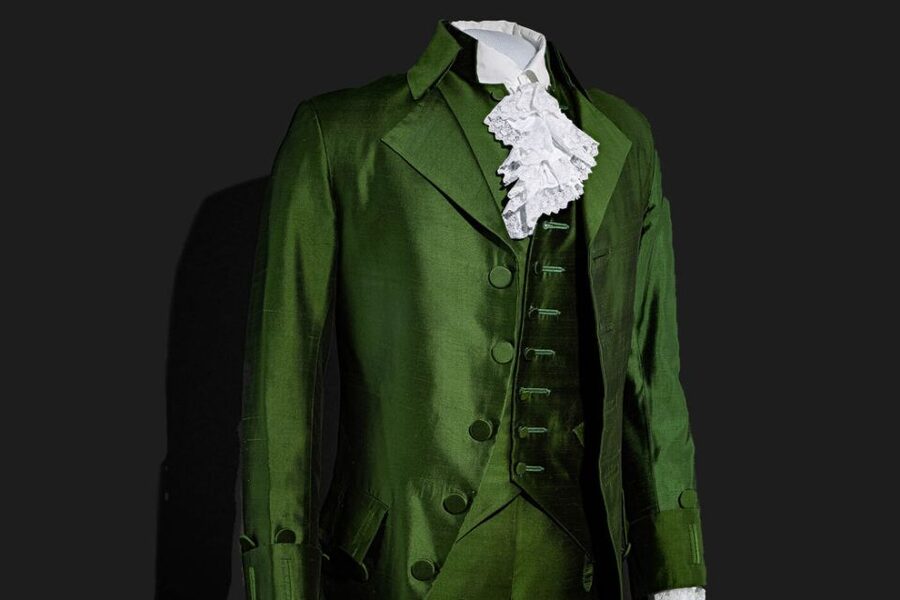
The shared tour allows up to eight people. That is small enough to feel personal without requiring the cost of a fully private booking. It should also make it easier to stay together in busy museum spaces and hear the guide’s comments.
A private tour is best for families, couples, or small parties with a clear interest in one period or theme. The information provided does not promise a fully customized itinerary, so confirm what flexibility is available when booking if that matters to you.
The small-group format suits first-time visitors who want structure but still prefer a relaxed setting. It is less suitable if you want to read every label, visit every gallery, or spend long stretches studying one object. Two and a half hours goes quickly in a museum of this scale.
Is $86 a fair price?
At $86 per person, this is not the cheapest way to enter the museum. The value comes from the guide and the time saved, not from a large number of included extras. The fee includes a professional guide, a 2.5-hour walking tour, and a private or small-group format. Food, drinks, hotel pickup, and temporary exhibits are not included.
I consider the price reasonable for someone who wants a clear introduction to the museum and its major objects. You are paying to avoid an aimless first hour, to hear context at the right moment, and to move through selected highlights with someone who knows how the collection fits together.
The value is weaker if you already know the museum well or prefer to explore at your own pace. In that case, the fixed route and time limit may feel restrictive. The tour is most useful when your schedule is tight or when the museum’s size feels intimidating.
The skip-the-ticket-line feature adds practical value, though it does not mean you skip security. Bring a passport or ID card, and leave luggage and large bags behind. Only handbags or small, thin backpacks are allowed through museum security.
Practical details before you book
The tour lasts 2.5 hours, with starting times shown when you check availability. Meeting points vary by the option you choose, and the activity ends back at the meeting point. There is no hotel pickup or drop-off.
Dress appropriately for entry into some sites on the tour. Museum access can also change if management closes the building without warning. If the opening is delayed by more than one hour, an alternative will be provided, but the supplier does not offer refunds or discounts in that situation.
Accessibility needs require care. The information says to advise the operator when booking if you need a wheelchair-accessible tour, but it also lists the activity as not suitable for wheelchair users. Contact the provider before paying so you know exactly what can be accommodated.
Some collections may change. That is normal for a museum with a large rotating program, and temporary exhibits are not included in this tour. The core objects listed here are the main reason to book, but no museum route can guarantee every display on every date.
Cancellation is flexible up to 24 hours before the activity for a full refund. You can also reserve now and pay later, which helps if your Washington plans are still shifting.
Who should book this museum tour?
I would choose this experience if you have limited time in Washington, want the major highlights explained, or find large museums difficult to approach alone. It is also a strong fit for families and mixed-interest groups because the route moves from founding politics to Hollywood, civil rights, and women’s public roles.
History fans may enjoy it as a brisk orientation before returning for a more detailed visit. First-time museum visitors will get the most obvious benefit. The tour also suits anyone who prefers stories and connections over reading a long label at every case.
I would skip it if your top priority is total freedom. You may prefer to explore independently if you want to linger at one gallery, take frequent breaks, or focus on temporary exhibits. The guide can make the museum clearer, but two and a half hours still gives you an edited view.
Should you book it?
Book this tour if you want the National Museum of American History to make sense quickly. The Star-Spangled Banner, Washington’s sword, Jefferson’s desk, Dorothy’s slippers, First Ladies’ gowns, and the Greensboro lunch counter cover a lot of ground, and the guide ties those objects into a readable story.
At $86, the tour is best viewed as a paid orientation with expert commentary, skip-the-ticket-line access, and a group of eight or fewer. Choose the private option if your party wants more control. Choose the shared option if you want a personal feel at a lower level of commitment. Just remember that no guided route can replace a second visit to a museum this large.
FAQ
How long does the National Museum of American History guided tour last?
The guided tour lasts 2.5 hours. Starting times are available when you check the booking calendar.
How much does the tour cost?
The listed price is $86 per person.
Is the tour private or shared?
You can choose between a private tour and a small-group tour. Shared groups have a maximum of eight people.
What language is the tour conducted in?
The live tour guide speaks English.
Does the tour include skip-the-ticket-line access?
Yes, skip-the-ticket-line access is included.
What should I bring?
Bring a passport or ID card. Large bags, luggage, and suitcases are not allowed inside the museum.
Are food and drinks included?
No. Food and drinks are not included, and the tour does not include hotel pickup or drop-off.
Can I cancel the tour?
Yes. You can cancel up to 24 hours in advance for a full refund. Reserve-now, pay-later booking is also available.
Just added around the USA
- Charlotte Historic : Queen Bee City Tour★ 4.5 · 31 reviews
- Charlotte’s Premier Historical City Bus Tour★ 5.0 · 178 reviews
- Charlotte’s Ultimate Southern Charm Historical City Bus Tour★ 5.0 · 61 reviews
- Charleston’s Historic Pubs, Taverns, and Taprooms Tour★ 4.5 · 33 reviews
- Charleston’s Strong Women of the South History Tour★ 4.5 · 27 reviews
- Small-Group Tour: Charleston Old Walled City Historical Walking Tour★ 4.5 · 283 reviews
- Private Walking Tour of Historic Charleston★ 5.0 · 38 reviews
- Sip History in The Sun Cabana Covered Cocktail Class★ 5.0 · 332 reviews
Museum & Gallery History Tours, compared.
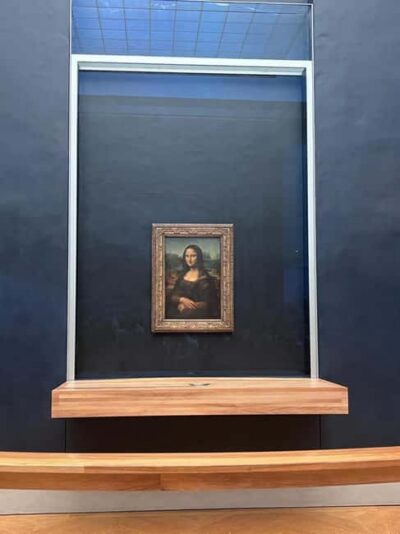
Louvre Museum Entry with History of Mona Lisa
Read our review →
Venice’s Best: Basilica, Doge’s Palace, Gondola & History Gallery
Read our review →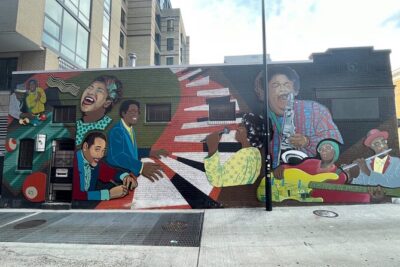
Guided African American History Tour with Reserved Museum Entry
Read our review →
POLIN Museum of the History of Polish Jews Ticket
Read our review →
Bell Tower & St Mark’s Square History Gallery Ticket
Read our review →
Field Museum of Natural History Ticket or VIP Tour
Read our review →
Madrid in a Day Tour:Royal Palace, Historic Center & Prado Museum
Read our review →
Basilica, Doge’s Palace, History Gallery & Bell Tower Option
Read our review →Browse the lists this tour appears in