
Review · CENTRAL KENYA
Nairobi Walking tour:Explore History Culture and Traditions
Nairobi reveals itself on foot. This three-hour walk connects courts, mosques, markets, parks, churches, museums, and city views while local guides explain how Nairobi works today. I especially like the mix of major sights and ordinary city life, from Jamia Mosque and City Market to a coffee break and conversations about Kenyan culture, politics, food, and daily routines.
I also like the strong local guiding, especially from guides such as Edwin, John, Sam, and Pierre. Edwin is often praised for his storytelling, humor, and ability to adjust the pace. The main drawback is simple: this is a lot of ground in three hours, and the optional KICC helipad costs extra. Evening departures can also find some sites closed.
Key points to know before booking
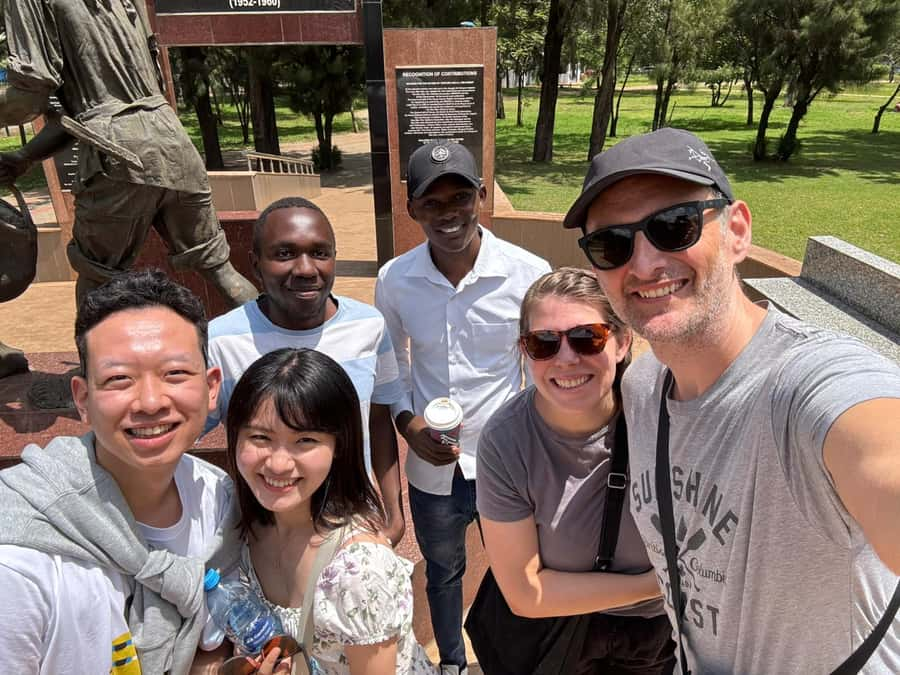
- Begin beside Nairobi’s Supreme Court: The meeting point is at the Carrefour entrance next to the Supreme Court building.
- Expect a real city walk: The route covers central Nairobi on foot, with stops at monuments, religious buildings, gardens, markets, parks, and museums.
- Coffee is optional: A café break is built into the route, but your drink is not included in the $22 price.
- Local guides shape the experience: Edwin, John, Dennis, Sam, and Pierre have been praised for clear explanations, humor, language skills, and flexible pacing.
- The KICC view costs extra: The tour includes KICC, but the helipad fee is not included.
- Hotel pickup is available: Pickup is offered from listed hotels and from accommodation within 10 kilometers of Nairobi Municipality.
Starting beside the Supreme Court
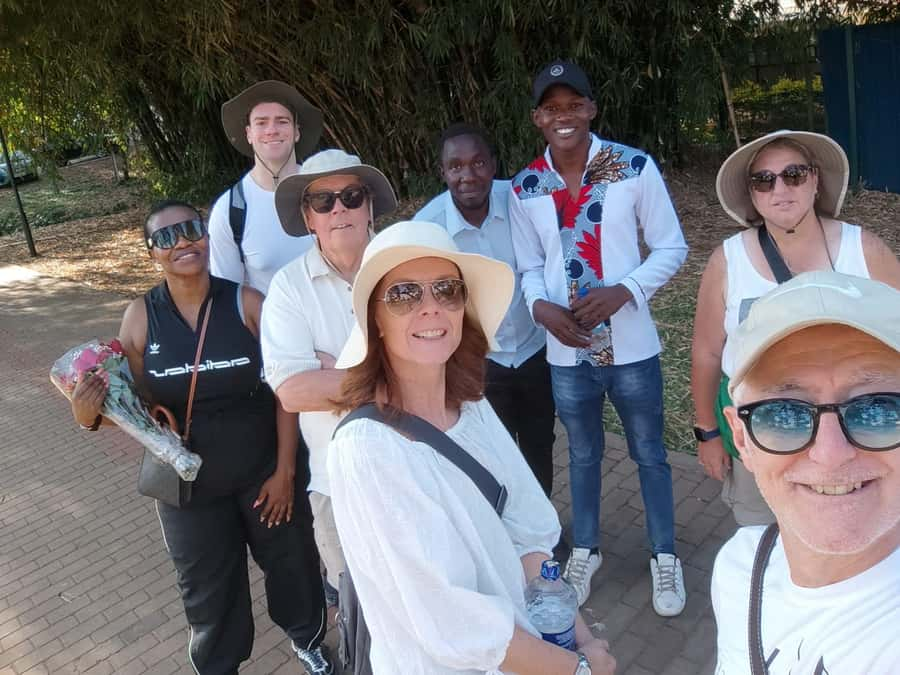
The tour begins at the Carrefour entrance beside Nairobi’s Supreme Court. This is a practical central meeting point, though you should pay close attention to the exact entrance because a large city-center building can have several nearby landmarks.
A short safety briefing comes first. That matters here. Walking through central Nairobi is more rewarding when you understand how to move through the streets, where to pause, and how to keep your belongings secure. The guide also gives you a useful introduction to the city before the sightseeing begins.
Pickup is available from many hotels, apartments, hostels, and Nairobi-area locations. If your accommodation is not on the published list, you can send the address through WhatsApp. The stated pickup range is within 10 kilometers of Nairobi Municipality. This is useful if you are staying outside the central business district, but confirm the arrangement before the tour day.
More Local Culture and Traditions Tours in the world:
- Amsterdam Food and Cultural Tour with Tastings
★ 5.0 · 4,315 reviews - Sevilla Food Tour: Tapas, Wine, History & Traditions
★ 5.0 · 3,468 reviews - Tromsø: Reindeer Camp and Sami Cultural Tour with Lunch
★ 4.7 · 3,326 reviews
Monuments, the library, and Nairobi’s early story
The first part of the walk brings in Nairobi’s civic and colonial-era architecture, including the War Monuments and McMilan Memorial Library. These stops help explain how the city developed as an administrative and commercial center.
The McMilan library is more than a quick exterior photo stop. Entrance is included, giving you a chance to see one of the city’s historic public institutions from inside. The guide can place the building within Nairobi’s wider story and explain how older institutions still fit into modern city life.
There is a monastery stop during this section as well. The published timing gives each early stop roughly 15 minutes, so expect focused visits rather than long museum sessions. If you enjoy architecture and historical detail, listen closely and ask questions. The guides are at their best when the conversation becomes interactive.
Edwin receives especially strong praise for storytelling. He is described as funny, clear, and able to keep a long walk from feeling tiring. That style suits this route, since the value comes not only from seeing buildings but also from understanding what they mean.
Jamia Mosque and the layers of Nairobi
Jamia Mosque is one of the key religious landmarks on the route. The visit adds an important cultural layer to a tour that also includes Christian churches, government buildings, parks, and commercial spaces.
You should dress and behave respectfully at religious sites, and follow your guide’s instructions about where you may go. The stop is relatively short, so it is best approached as an introduction rather than a detailed architectural tour.
This is also a good place to ask about Kenya’s different communities and traditions. The tour is designed around culture and adaptation, and the guides often discuss how Kenyans balance older customs with city life, modern work, politics, and changing neighborhoods.
French and Spanish-speaking visitors have a useful advantage here. The experience is offered in English, Spanish, and French. Pierre, in particular, is praised for fluent French and for adding Swahili lessons to the walk.
City Market, Jevanjee Garden, and the coffee pause
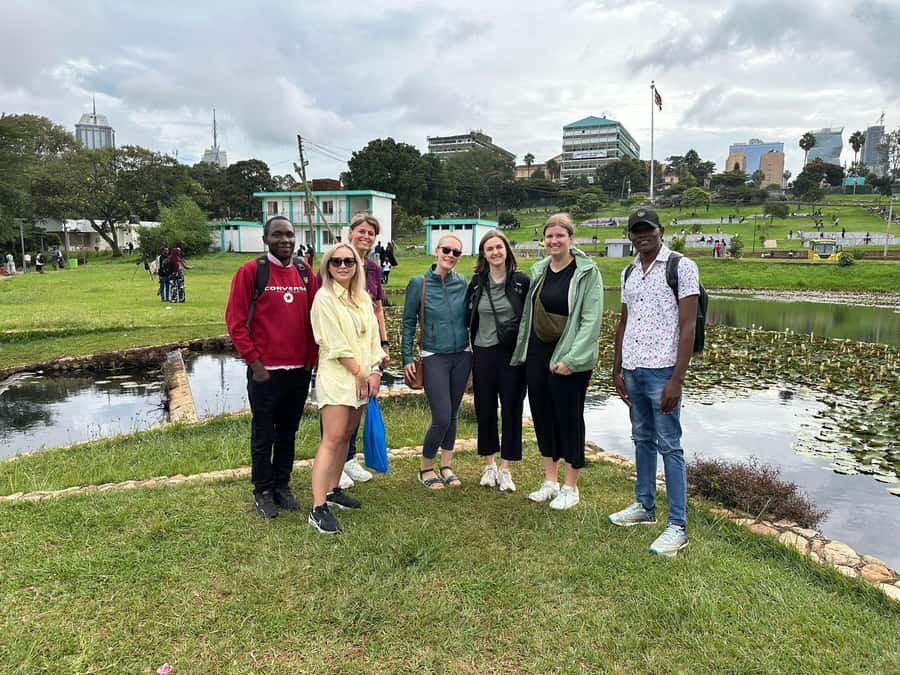
City Market gives the route a change of pace. Instead of monuments and formal buildings, you get a working commercial setting with shopping, movement, and local products. The tour includes exploration of the market, although part of the itinerary is described as passing through, so the amount of time available can vary.
Jevanjee Garden follows as another change in scenery. Together, the market and garden show two sides of central Nairobi: the practical and commercial city, and the small green spaces that offer relief from traffic and concrete.
The coffee stop is one of the tour’s smartest touches. You can try Kenyan coffee during a washroom break at a local café, but coffee and other drinks are optional and not included in the price. Several people specifically appreciated the timing of this pause. It gives your feet a rest and creates a natural moment to ask the guide about food, work, language, or daily life.
I would use this break well. Drink water as well as coffee, especially in warm weather. The tour asks you to carry your own water, and you should also bring sunscreen and a hat.
More History Walking Tours in the world:
- History and Hauntings of Salem Guided Walking Tour
★ 5.0 · 14,564 reviews - Lisbon: History, Stories and Lifestyle Walking Tour
★ 4.8 · 10,902 reviews - Boston: Freedom Trail History Small Group Walking Tour
★ 5.0 · 6,450 reviews - Historic Charleston Guided Sightseeing Walking Tour
★ 5.0 · 6,216 reviews
Walking past the University of Nairobi and Norfolk Hotel
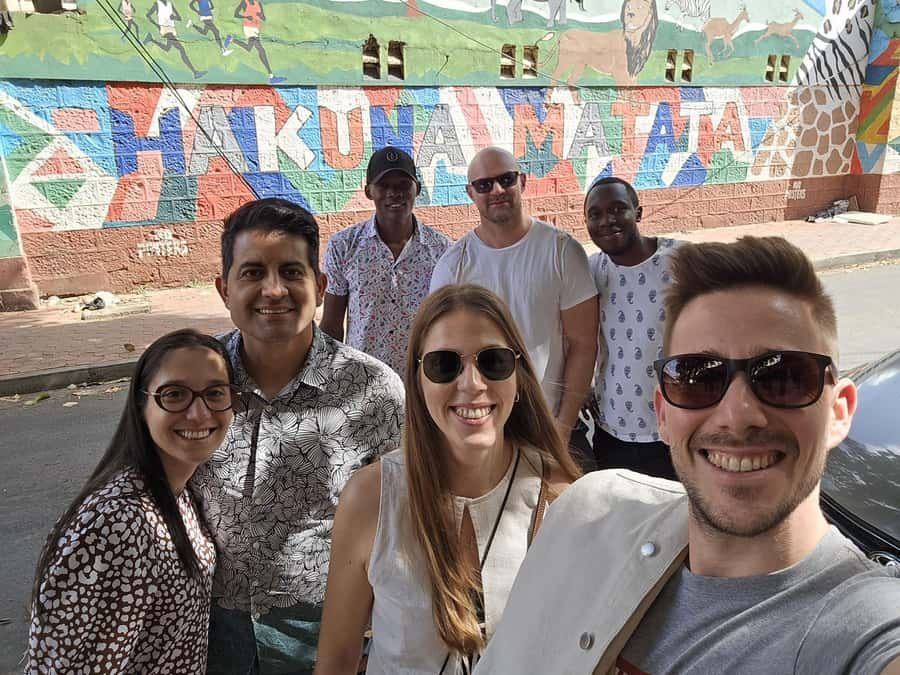
The route continues toward the University of Nairobi, with a view of the well-known Norfolk Hotel. This section is useful because it connects education, tourism, old institutions, and the changing shape of the capital.
The University area gives you a sense of Nairobi as a working city, not only a collection of sights. You are still near major landmarks, but the focus shifts toward institutions used by residents. The guide can also explain how the city’s architecture and public spaces reflect different periods of Kenyan life.
Do not expect a lengthy campus visit. The university is part of the walk and sightseeing, not a separate guided university tour. The Norfolk Hotel is viewed from the route rather than presented as an interior visit.
Uhuru Park, where the walk slows down
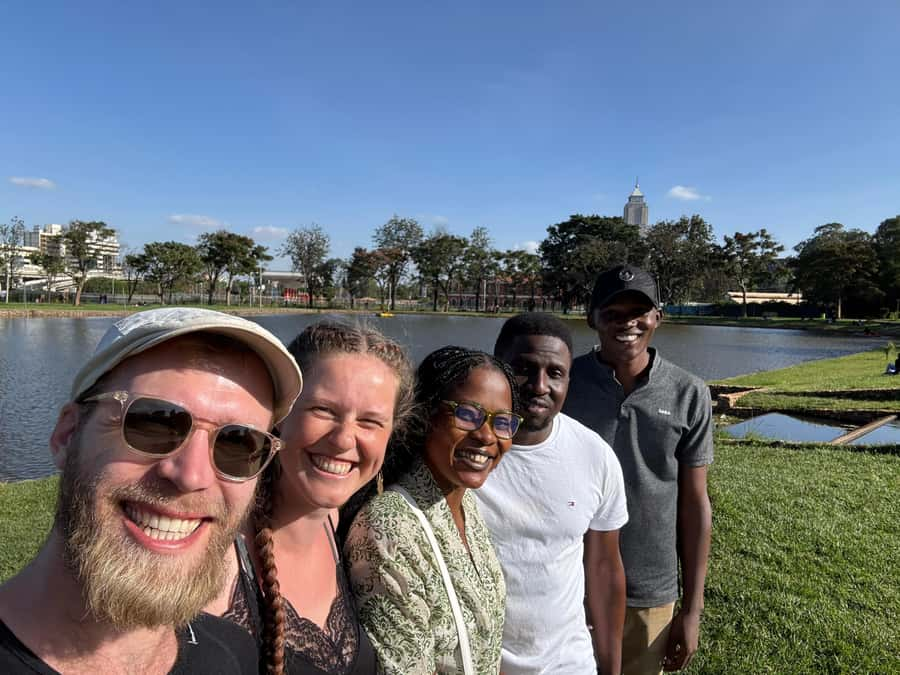
Uhuru Park is one of the most welcome stops. After several streets, buildings, and market areas, the park provides open space and a chance to sit, rest, and take in Nairobi from a calmer angle.
Entrance to Uhuru Park is included. The park is presented as one of the city’s most attractive green areas, and it gives the tour a needed breathing space. One guide adjusted the pace so the group could sit on the grass and escape the sun for a while. That kind of flexibility can make a real difference on a walking tour.
The park is also a good setting for broader conversation. Guides may discuss Kenyan culture, politics, geography, sport, and city life rather than sticking to a memorized script. If you want a fast list of facts, say so. If you prefer a relaxed conversation, the guide can often adapt.
The route is advertised as three hours, but actual timing can vary. Some walks have lasted a little over two hours, while others have extended close to four hours when the group wanted more conversation or extra time at stops. Your pace, group size, questions, and opening hours will affect the finish time.
Holy Family Basilica and the KICC skyline
The Cathedral Basilica of the Holy Family adds another major religious landmark to the route. Along with Jamia Mosque and the monastery, it helps show the range of faith communities represented in central Nairobi.
The basilica is a visit rather than merely a passing view. Keep the stop respectful, and remember that services or other activities may affect access. The guide can explain its place among Nairobi’s civic and religious buildings.
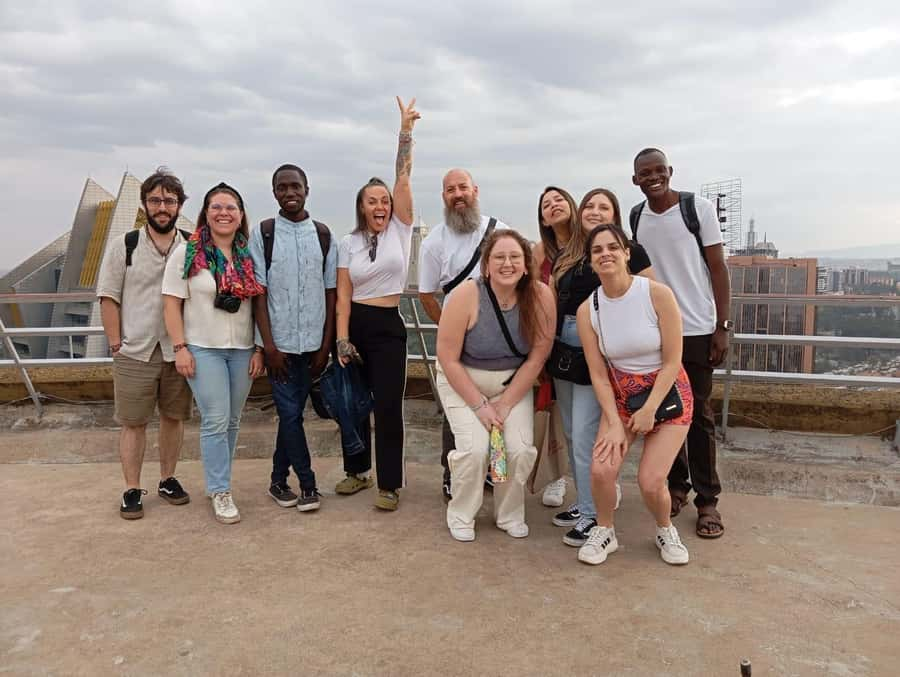
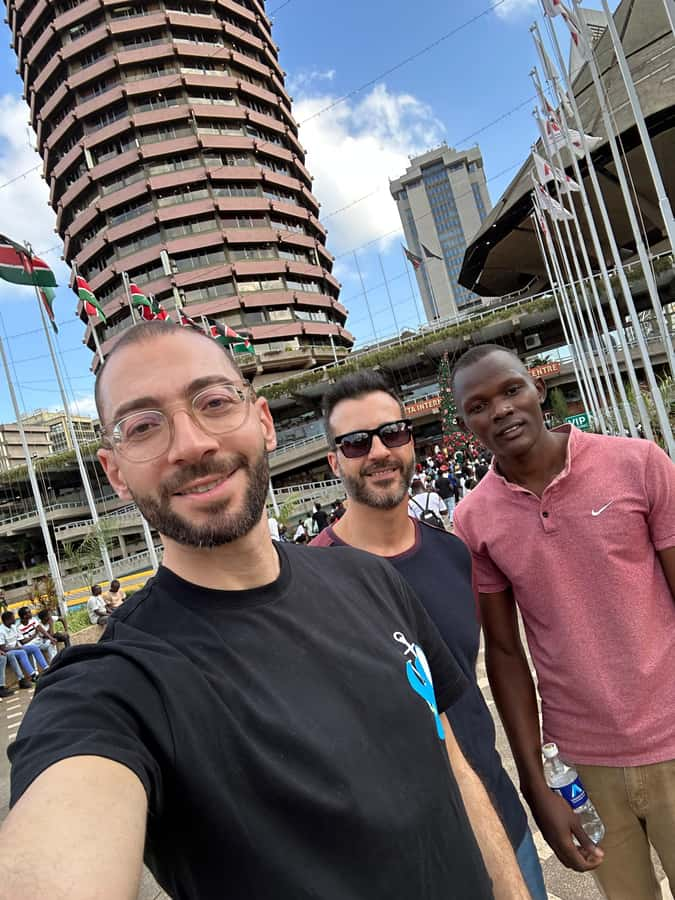
Next comes the Kenya International Convention Centre, usually called KICC. This is one of the tour’s strongest photo opportunities. You see the KICC, surrounding government buildings, and the central city from a high viewpoint. The helipad is particularly appealing for wide city views, but its fee is not included in the $22 price.
That extra cost is worth checking before you arrive. If you want the view but do not want to pay for the helipad, the guide can still point out useful places around KICC and explain the government district. The tour includes a visit and photo stop, while the special helipad access requires separate payment.
Masai Market and the practical side of souvenirs
The Masai Market brings craft shopping into the day. It is a lively place to browse locally made items and see another side of Kenyan culture. The tour includes time for shopping, and a guide can help you understand prices and negotiate more comfortably.
I would not rush into buying the first item you see. Walk around first, compare pieces, and ask the guide about reasonable prices. One guide helped a visitor choose souvenirs and negotiate better deals. That sort of help is valuable, especially if you are unfamiliar with local bargaining customs.
Your purchases are your own expense. Keep cash, phones, and passports secure, and pack anything you buy so it does not become awkward during the rest of the walk.
Railway Museum and Bomb Blast Memorial Park

The Kenya Railway Museum gives the tour another historical angle. Nairobi’s growth is closely linked to transport and railway development, so this stop helps connect the city’s physical growth with its past.
The available timing is short, around 12 minutes in the published schedule. Treat it as a compact visit or pass-by rather than a full museum afternoon. If railway history is your main interest, you may want a separate visit at another time.
The final stop is Bomb Blast Memorial Park. This is a quieter and more serious part of the walk. You are asked to pay your respects at a memorial site, so the tone changes from sightseeing to remembrance.
That emotional shift is important. The tour is not only about attractive parks, shopping, and skyline photographs. It also introduces difficult parts of Nairobi’s recent past. Give the site the attention and respect it deserves.
What the $22 price really delivers
At $22 per person, this is strong value if you want a broad introduction to central Nairobi. The price includes a guide, pickup to the starting point, entrance to McMilan Memorial Library, entrance to Uhuru Park, and a route covering many of the city’s key sights.
You are paying for access to local explanation and easier navigation as much as for the stops themselves. Several people valued the sense of safety and the relief of not having to manage directions on a first visit. That is especially useful if you have limited time in Nairobi.
The price does not include meals, drinks, optional coffee, personal shopping, or the KICC helipad fee. Those costs are easy to manage, but budget for them if you want the full version of the day.
The tour may be especially good value for a first afternoon or a stopover. It gives you enough context to decide what deserves a longer visit later. It is less suitable if you want extended time inside every museum or a slow architectural study of each landmark.
Pace, languages, access, and practical comfort
Wear comfortable walking shoes. The route covers a substantial section of central Nairobi, and even a relaxed pace requires time on your feet. Bring water, sunscreen, and a hat, and prepare for changing weather.
The tour is wheelchair accessible, though you should share your needs when booking so the guide can help manage the walking route and timing. The experience can be adjusted to different paces, and several people valued guides who allowed rest periods and extra photo time.
English, Spanish, and French are available. Spanish and French speakers have praised the language ability of guides, while English-speaking visitors often mention the clear explanations and friendly manner.
The experience allows free cancellation up to 24 hours before the start, and you can reserve now and pay later. Starting times depend on availability. Evening tours can be pleasant, but some sites may be closed, so a daytime departure is better if entering buildings is important to you.
Should you book the Nairobi walking tour?
I would book this if you want a well-priced first look at Nairobi, especially during your first day in the city. You get landmarks, markets, religious buildings, parks, city views, history, and local conversation without arranging several separate visits.
It suits curious walkers, solo visitors, couples, first-time Nairobi guests, and anyone who wants a guide for central streets. It is also a good choice if you want to ask real questions about Kenyan culture, politics, food, and daily life.
Think twice if you dislike walking, want long museum visits, or need every stop to follow a strict schedule. Also confirm the KICC helipad cost, pickup point, and departure time before booking.
For most visitors, the combination of strong guiding, flexible pacing, and broad coverage makes this a sensible introduction to Nairobi. Guides such as Edwin and John add the warmth and humor that keep the route from feeling like a checklist.
FAQ
How long does the Nairobi walking tour last?
The advertised duration is three hours. Actual timing can vary, with some experiences running shorter or longer depending on pace, questions, photo stops, site access, and group preferences.
Where does the tour begin?
The main meeting point is at the Carrefour entrance beside the Supreme Court building in Nairobi.
Is hotel pickup included?
Yes. Pickup is available from listed hotels and from hotels, apartments, and hostels within 10 kilometers of Nairobi Municipality. If your accommodation is not listed, you can send the location through WhatsApp.
What languages are available?
The tour is offered in English, Spanish, and French.
Is coffee included in the price?
No. The café break is included in the route, but coffee and other drinks are optional and paid for separately.
Is the KICC helipad fee included?
No. The tour includes a KICC visit and photo stop, but the helipad fee is not included.
What should I bring?
Wear comfortable walking shoes and bring water, a hat, and sunscreen. You should also be ready for changing weather conditions.
Is the tour wheelchair accessible?
Yes, the activity is listed as wheelchair accessible. Share your needs when booking so the guide can help with the route and pace.
Just added around the world
- Charlotte Historic : Queen Bee City Tour★ 4.5 · 31 reviews
- Charlotte’s Premier Historical City Bus Tour★ 5.0 · 178 reviews
- Charleston’s Historic Pubs, Taverns, and Taprooms Tour★ 4.5 · 33 reviews
- Charlotte’s Ultimate Southern Charm Historical City Bus Tour★ 5.0 · 61 reviews
- Charleston’s Strong Women of the South History Tour★ 4.5 · 27 reviews
- Small-Group Tour: Charleston Old Walled City Historical Walking Tour★ 4.5 · 283 reviews
- Private Walking Tour of Historic Charleston★ 5.0 · 38 reviews
- Sip History in The Sun Cabana Covered Cocktail Class★ 5.0 · 332 reviews
Local Culture & Traditions Tours, compared.

Amsterdam Food and Cultural Tour with Tastings
Read our review →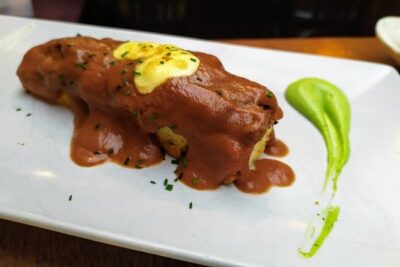
Sevilla Food Tour: Tapas, Wine, History & Traditions
Read our review →
Tromsø: Reindeer Camp and Sami Cultural Tour with Lunch
Read our review →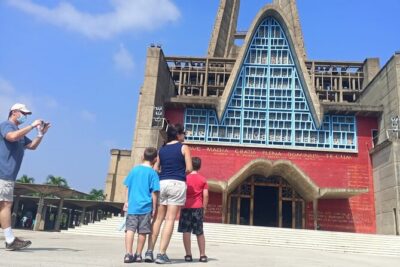
Half Day Dominican Republic Cultural Tour : Small Group
Read our review →
Ultimate Melbourne Walking Tour: History, Laneways & Culture
Read our review →
Tromsø: Sámi Reindeer Sledding and Sami Cultural Tour
Read our review →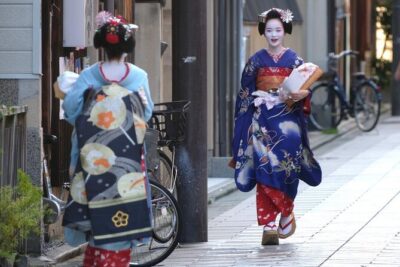
Kyoto Gion: 2-Hour Geisha Culture & History Walking Tour
Read our review →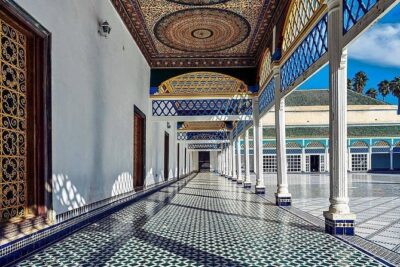
Marrakech Historical and Cultural Tour – Half Day City Tour
Read our review →Browse the lists this tour appears in