
Review · KUALA LUMPUR
Kuala Lumpur Heritage Walk
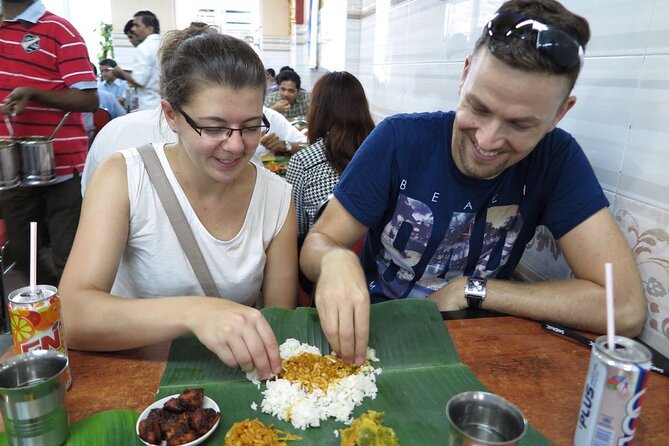
Kuala Lumpur tells its story through food. I like the way this four-hour walk links Central Market, Chinatown, two active temples, and historic streets instead of treating the city as a string of photo stops. I also like the small group of no more than 10, which gives guides such as Sean, Winnie, and Kristin room to explain customs and answer questions. The main drawback is that you need moderate fitness for four hours on foot, and the $60 price does not include hotel transport.
This is a good first look at old Kuala Lumpur, especially if you want more than grand buildings and shopping malls. You will taste Malaysian, Chinese, and Indian food, hear how a tin-mining settlement grew into a capital, and see how several communities continue to shape daily life. Food needs should be given when booking, and vegetarian choices are available.
Key details that shape the walk
- Breakfast begins at Restoran Yusoof dan Zakhir: You start with Malaysian food, so arrive ready to eat rather than saving room for a later meal.
- Temple visits are participatory: At Sin Sze Si Ya Temple, you may light candles and joss sticks or place a Goodluck Man on the wall, but only if you wish.
- Chinatown includes a wet market: This is not just a scenic lane of shops. You will also sample Chinese foods associated with local eating.
- Lebuh Ampang brings Indian flavors: The walk pauses for Indian cuisine and connects the street to its former role in Kuala Lumpur.
- The group stays intimate: A maximum of 10 people makes it easier to hear explanations and ask about religious practices.
- The route returns to Central Market: There is no hotel pickup, but the start and finish are at the same central meeting point.
Why this heritage walk works as a first morning
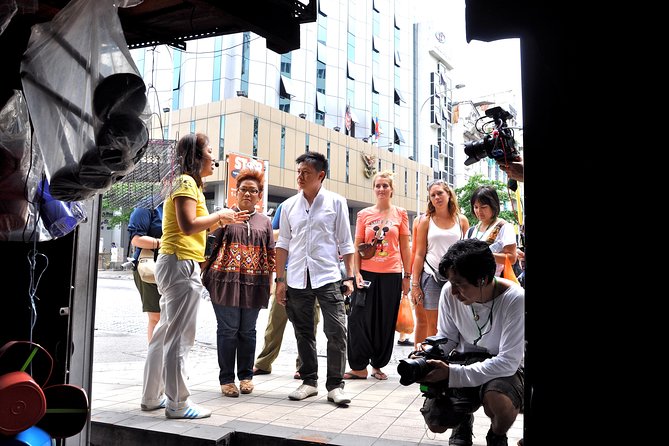
Kuala Lumpur can feel scattered at first. Modern towers, colonial buildings, covered markets, temples, and food stalls occupy the same broad city center, but the connections are not always clear when you walk alone. This route gives you a storyline: a former tin-mining settlement became a city shaped by Chinese and Indian immigrants, Malay customs, trade, worship, and food.
The four-hour length is useful. A shorter walk might show you a temple facade and a market entrance, then hurry you along. Here, the guide has time to explain what you are seeing and stop for several tastings. You are not simply collecting landmarks. You are learning why different streets and places of worship sit so close together.
I would choose this early in a Kuala Lumpur stay. The central meeting point at the Tourist Information and Interaction Centre, in the Central Market Annexe on Jalan Hang Kasturi, puts you near several major sights. Afterward, you will have a better sense of where Chinatown, Central Market, Jamek Mosque, and Lebuh Ampang fit together.
The route begins at 9:00 a.m. and finishes back at the meeting point. That makes it easy to plan lunch, shopping, or an afternoon visit elsewhere. Since the tour does not include hotel pickup, you need to arrange your own way to Central Market. The area is near public transportation, which helps if you are staying outside the center.
More History Walking Tours in Kuala Lumpur:
- Half Day Cultural And Heritage Walking Tour in Kuala Lumpur
★ 5.0 · 28 reviews - History and Hauntings of Salem Guided Walking Tour
★ 5.0 · 14,564 reviews - Lisbon: History, Stories and Lifestyle Walking Tour
★ 4.8 · 10,902 reviews
Breakfast at Restoran Yusoof dan Zakhir
The first stop lasts about 15 minutes and includes a Malaysian breakfast. This is a smart beginning because food gives you an immediate way into the city’s mixed culture. You do not need to wait for a lecture about local traditions. You start by tasting something tied to everyday life.
The supplied information does not name every dish served, so I would not arrive expecting one particular breakfast plate. The useful point is that food tastings are part of the experience, not an optional extra you must pay for along the way. Bottled water is included, and you are asked to bring your own tumbler so you can refill it at the tour center.
The short stop also signals the pace of the morning. This is a walking tour with several compact visits, not a long restaurant meal. If you have a large breakfast before meeting the guide, you may have less room for the Chinese and Indian tastings later.
Sin Sze Si Ya Temple and the meaning behind the rituals
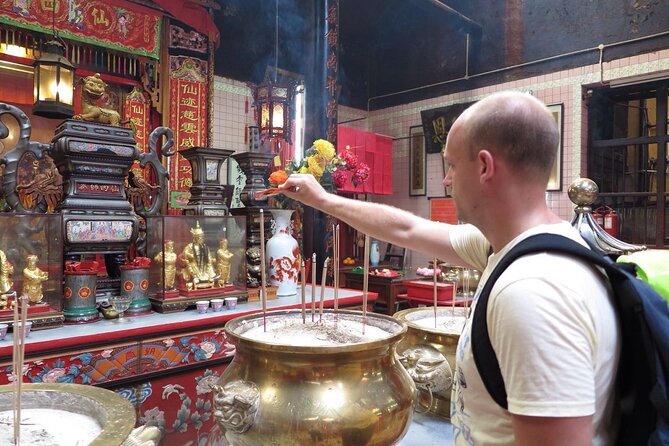
At Sin Sze Si Ya Temple, the guide explains Taoist culture and religious practice. You may light candles, use joss sticks, and place a Goodluck Man on the wall to invite good luck into your life. These actions are optional, which matters. You can take part respectfully, or simply observe and ask questions.
The stop lasts about 15 minutes. That is enough for an introduction, but not enough for a long study of Taoist belief. I like this approach for a first visit because the guide can explain the basic meaning of what is happening without turning the morning into a formal religious class.
You should dress and behave with care inside the temple. The tour supplies the explanation, but your role is still that of a visitor entering a working place of worship. The appeal here is the connection between belief and daily practice. Instead of seeing only colorful decoration, you get a sense of why people light incense or seek blessings.
A particularly good guide can make this brief stop feel personal. Kristin, praised for turning the tour into an interactive experience, reportedly invited participation in the temple ritual and explained what the actions meant. That kind of explanation is exactly what makes a guided visit more useful than a quick walk past the entrance.
Sri Maha Mariamman Temple and Hindu traditions
The Sri Maha Mariamman Temple visit lasts about 20 minutes. Here the focus shifts to Hindu culture, religious practice, and Hindu deities. The amount of time can depend on your interest, so you may have room for questions rather than being moved along at a fixed pace.
This is one of the walk’s strongest features: two religious sites appear in the same morning, but they are not presented as interchangeable. The guide can help you notice the differences in practice and belief between the Taoist temple and the Hindu temple. That comparison gives more meaning to Kuala Lumpur’s multicultural identity.
The visit may be especially useful if you are unfamiliar with Hindu worship. A guide can explain the role of deities and the purpose of the temple in plain language, while you take in the setting. You should remember that this is an active place of worship, not a museum. Keep your behavior respectful and follow any instructions given at the entrance.
One limitation is timing. Twenty minutes is a useful introduction, but it will not satisfy someone who wants a detailed study of Hindu iconography or temple design. The tour is best for context and access, not specialist research.
A few more history tours around Kuala Lumpur worth a look
- Historical Malacca Guided Day Tour (Shared Tour)
★ 5.0 · 2,172 reviews - Kuala Lumpur: Batu Caves & Historic Buildings Tour
★ 4.7 · 539 reviews - Historical Malacca Day Tour from Kuala Lumpur (Private Tour)
★ 5.0 · 515 reviews - From Kuala Lumpur: Private Batu Caves Cultural Tour
★ 4.4 · 410 reviews
Chinatown beyond the souvenir stalls
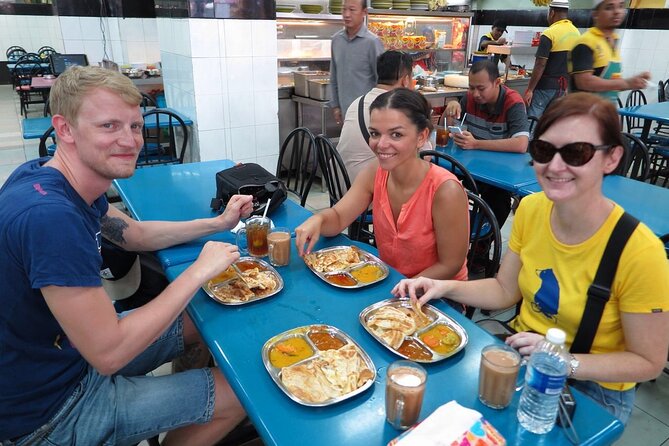
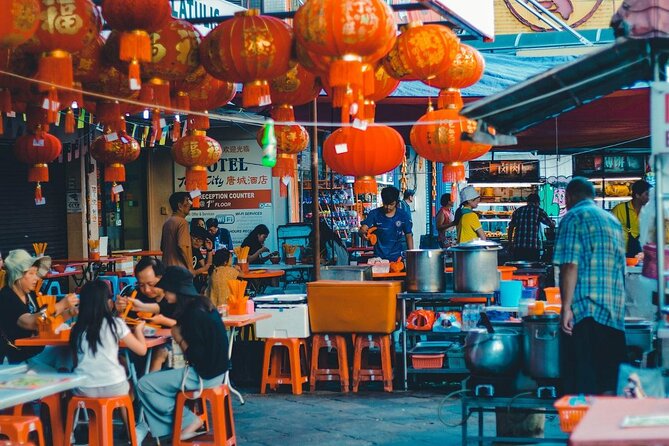
The Chinatown portion combines a neighborhood walk, a wet market, and Chinese food tastings. It lasts about 20 minutes, though the description allows the time to respond to the group’s interest. That flexibility can make the stop feel less mechanical.
The wet market is important because it brings you closer to ordinary commerce. Chinatown is easy to reduce to shopping streets and tourist photos, but a market shows another side of the district. You may see the kinds of food and trade that support daily meals, not just the items aimed at visitors.
The food tasting is described as Chinese food known to locals. The precise dishes are not specified, so you should treat this as a chance to try several small tastes rather than a set menu. One useful tip is to arrive with an open mind and avoid filling up at breakfast. The first meal and later tastings are part of the tour’s value.
Sean has been singled out for his friendly manner and clear information. Winnie is praised for enthusiasm and for a particularly memorable moment when the walk happened to reach an Indian wedding. That event cannot be promised, but it shows the advantage of walking with someone who pays attention to what is happening around the route.
Sultan Abdul Samad Jamek Mosque and Kuala Lumpur’s beginnings
At Sultan Abdul Samad Jamek Mosque, the guide tells the story of how Kuala Lumpur began. The stop lasts about 15 minutes and is less about entering for an extended visit than about placing the city’s origins on the map.
This is a useful pause in the route. After temples and market streets, you get a clearer explanation of the settlement itself and how its early development relates to the city you see today. The mosque also helps connect religious life with the broader story of Kuala Lumpur.
The information provided does not promise a detailed interior tour or a special prayer-time visit. I would therefore see this as an exterior and historical stop unless the guide tells you otherwise. The value comes from the narrative, especially if you are new to the city and want to understand why this central area matters.
Because the stop is short, listen closely at the beginning. A good question here might be how the early settlement grew around trade and mining, or how the different communities became part of the capital’s development.
Lebuh Ampang, Indian food, and a slower meal stop
The final listed stop is Lebuh Ampang, where the guide explains the street’s past role and pauses for authentic Indian cuisine. The stop is scheduled for about 30 minutes, making it the longest food-focused break on the route.
This meal gives the walk a satisfying finish. You have already tasted Malaysian and Chinese food, so the Indian stop completes the morning’s three-part food story. The point is not to label Kuala Lumpur with a single cuisine. It is to show how several communities have left their mark on what people eat and where they gather.
The tour information does not identify the exact restaurant or dishes, so do not book this expecting a named specialty. Vegetarian food is available if requested in advance. You should also report other dietary requirements when booking, since the operator needs that information before the tour.
The food component is where the $60 price becomes easier to judge. You are paying for a four-hour guided route, several tastings, cultural explanations, bottled water, and a group capped at 10. You are not paying for transportation or a full restaurant lunch. If you would otherwise spend the morning wandering between these places and buying food on your own, the price can be fair. If you prefer to explore markets independently and eat at your own pace, it may feel high.
The guide makes or breaks the morning
The route covers familiar central sights, but the guide determines how much you take away. Sean is described as friendly and full of information. Kristin is praised for interactive activities such as making roti, taking part in a Chinese temple prayer, and explaining the result. Winnie is noted for strong enthusiasm and for handling an unexpected Indian wedding encounter with energy.
Those details suggest that the best part of the experience is not a single landmark. It is the way the guide connects food, faith, and street life. You should ask questions. For example, ask what a ritual means, how a dish fits into local eating, or why a street became associated with one community.
The tour is in English. Since the group is small, you have a better chance of getting a direct answer than on a large coach excursion. The maximum group size of 10 also helps at food stops and temples, where a large crowd can quickly become awkward.
Walking conditions, timing, and practical limits
You need moderate physical fitness. The route lasts around four hours and includes streets, markets, temple visits, and food stops. Wear comfortable walking shoes and bring water, even though bottled water is included. Kuala Lumpur’s heat can make a morning walk feel longer than the clock suggests.
Caps and hats are not included, so bring your own protection from the sun. You should also dress in a way that lets you enter religious places respectfully. Specific clothing rules are not supplied, so follow the guide’s instructions at each temple or mosque.
The minimum age is 11. At least two people are required per booking, and the maximum is 10. This makes the tour a better fit for older children, couples, families with teens, and adults who like conversation. It may not suit very young children or anyone who struggles with extended walking.
A passport name, number, expiry date, and country are required for all participants at booking. Confirmation arrives at the time of booking. Cancellation is free if you cancel at least 24 hours before the 9:00 a.m. start, but changes or cancellations inside that window are not accepted for a refund.
Who should book this Kuala Lumpur walk?
I would book it if you are visiting Kuala Lumpur for the first time and want a quick cultural orientation. It is also a good choice if food is part of your travel plan, but you want a guide to explain the setting instead of simply following a restaurant list.
The tour suits you best if you enjoy walking, asking questions, trying unfamiliar foods, and entering active religious sites respectfully. It is less suitable if you want a slow architectural tour, a full meal at each stop, private transportation, or a deep study of one faith.
Should you book it?
Yes, if you want a friendly introduction to central Kuala Lumpur with real food and clear cultural context. The strongest reasons are the intimate group, the mix of Taoist and Hindu temples, the wet market stop, and the way Malaysian, Chinese, and Indian flavors shape the morning.
I would hesitate only if $60 feels steep for a walking tour, or if four hours on foot sounds tiring. For most first-time visitors, the guide, tastings, and tightly connected route make the price reasonable. Book dietary needs early, arrive hungry, and treat the temples as places of worship rather than quick photo stops.
FAQ
How long is the Kuala Lumpur Heritage Walk?
The experience lasts approximately four hours and begins at 9:00 a.m.
Where does the tour start and finish?
It starts at the Tourist Information and Interaction Centre, Lot 02-03 Mezzanine Floor, Central Market Annexe, Jalan Hang Kasturi, Kuala Lumpur. It finishes back at the same meeting point.
Is hotel pickup included?
No. Hotel pickup and drop-off are not included. The meeting point is near public transportation.
What food is included?
Food tastings are included, with Malaysian breakfast, Chinese food tastings in Chinatown, and Indian cuisine at Lebuh Ampang. Bottled water is also included.
Is a vegetarian option available?
Yes. A vegetarian option is available, but you should request it when booking. You should also provide any other dietary requirements at that time.
How many people can join the tour?
The tour has a maximum of 10 participants. A minimum of two people per booking is required.
What is the cancellation policy?
You can cancel for a full refund at least 24 hours before the experience starts. Cancellations or changes made less than 24 hours before the start time are not accepted for a refund.
Just added around Kuala Lumpur
- Private Half-Day Temples and Cultural Tour in Kuala Lumpur★ 4.5 · 125 reviews
- Private Halfday Batu Caves and Cultural Tour in Kuala Lumpur *26*★ 5.0 · 29 reviews
- Malacca Historical Private Tour With Personal Chauffeur★ 4.5 · 151 reviews
- Private Half-day Batu Caves and Cultural Tour Kuala Lumpur *2026*★ 5.0 · 165 reviews
- Malacca Sunset Tour: UNESCO Heritage Highlights & River Cruise★ 4.0 · 108 reviews
- Full day in Malacca Historical Private Tour in Kuala Lumpur★ 5.0 · 20 reviews
- Kuala Lumpur Malacca River Cruise and Historical Tour with Lunch★ 4.5 · 36 reviews
- Ipoh Heritage & Orang Utan Island Day Tour from Kuala Lumpur★ 4.0 · 32 reviews
History Walking Tours, compared.
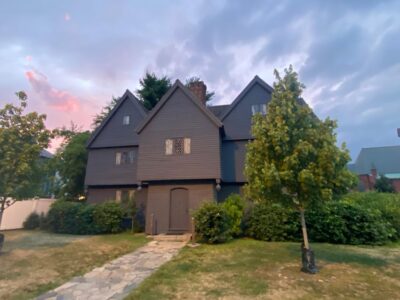
History and Hauntings of Salem Guided Walking Tour
Read our review →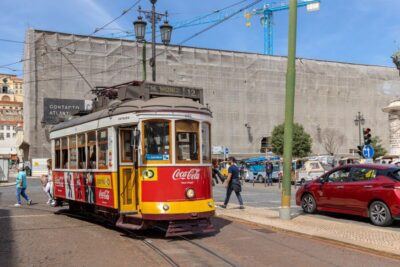
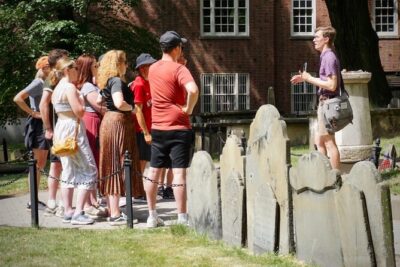
Freedom Trail History Small Group Walking Tour
Read our review →
Historic Charleston Guided Sightseeing Walking Tour
Read our review →
Tapas Walking Tour with Food, Wine, and History
Read our review →
Savannah History and Haunts Candlelit Ghost Walking Tour
Read our review →
A History of Terror – Belfast City Centre Walking Tour
Read our review →Browse the lists this tour appears in