
Review · CENTRAL VIETNAM
Hoi An: Half-Day Heritage Walking Tour
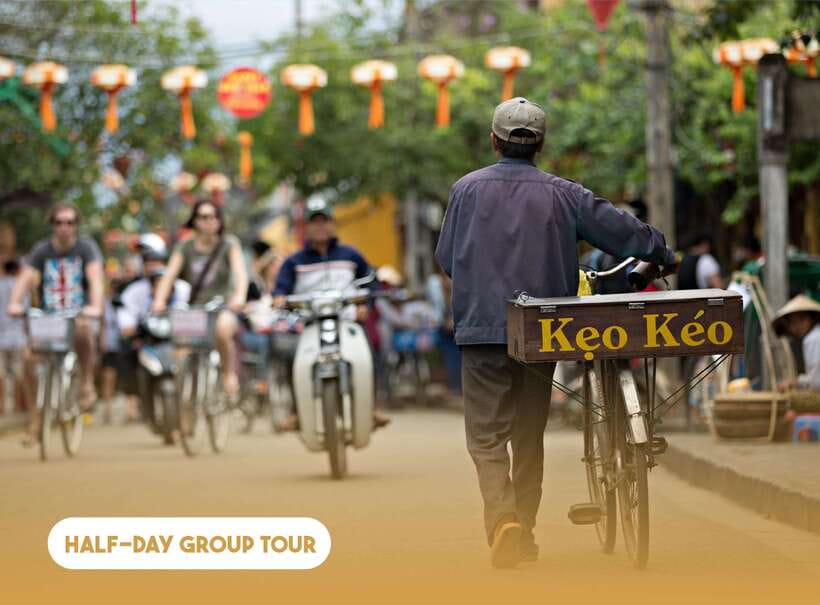
Hoi An rewards slow feet. This four-hour tour brings together the old town’s Chinese, Japanese, and Vietnamese architecture, from family homes to assembly halls and the famous Japanese Covered Bridge. I like the mix of major sights and ordinary street life, especially the stop at Hoi An Market and the short taste of local lemongrass drink. One important caution: the planned four hours have not always matched the time guests actually received, so confirm the schedule at pickup.
I also like that entrance fees, bottled water, transport, insurance, and an English-speaking guide are included in the $33 price. A strong guide can turn a pretty walk into a useful lesson about Hoi An’s trading past. Phan received especially warm praise for clear explanations and careful timing, while Emily was noted for looking after an elderly guest in rainy weather.
- The Japanese Covered Bridge anchors the walk: This is Hoi An’s best-known landmark and a clear highlight for first-time visitors.
- Architecture changes from stop to stop: Chinese assembly halls, Japanese details, Vietnamese homes, and French influence all appear within a compact area.
- The market adds local flavor: You get time among food stalls and everyday commerce, not just polished heritage buildings.
- A traditional arts show breaks up the walking: The performance lasts about 40 minutes, though it leaves less time for historical sightseeing.
- The advertised duration needs checking: Several bookings ended well before four hours, making this the key point to clarify before you go.
- Hotel pickup is limited to central Hoi An: Pickup and drop-off do not cover the South Hoi An area.
Why Hoi An Works So Well on Foot
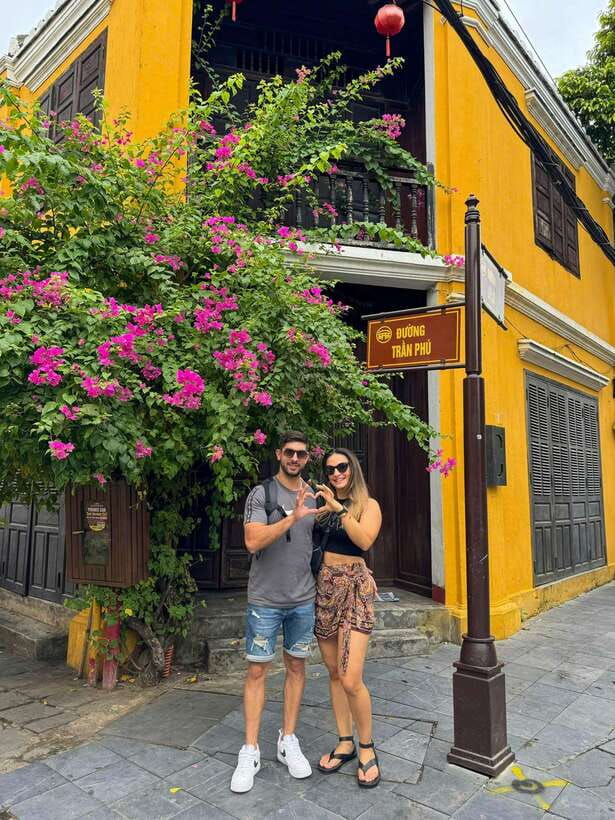
Hoi An Ancient Town is small enough to explore without turning the day into a march. The streets hold a calm, weathered charm, with old walls, wooden facades, tiled roofs, and trellises of windflowers adding soft color to the scene. Walking lets you notice small details that disappear from a vehicle.
The town’s character comes from several cultures meeting over time. Chinese merchants shaped assembly halls and religious buildings. Japanese design appears in the covered bridge and some old homes. Vietnamese traditions remain visible in the layout of family houses and in daily street life. French influence also forms part of the town’s architectural story.
This tour works best if you want an introduction rather than a full scholarly study. You move from food market to museum, from performance hall to old house, then finish at the bridge. The route gives you a useful first map of the old town, which can help you return later to explore at your own pace.
The pace should be manageable for most people because the walking is broken by several indoor stops and the traditional performance. Still, this is not a completely effortless outing. Hoi An’s old streets are best experienced on foot, and you should expect regular standing and walking between sites.
Starting With Hoi An Market
After pickup in Hoi An City Center, the transport portion takes about 15 minutes before the market visit. Hoi An Market is a practical opening stop because it introduces the town through food, trade, and routine rather than monuments.
You get about 35 minutes here for a guided visit. The market is a good place to notice local flavors and the everyday rhythm of Hoi An. It also helps explain why this town became important as a trading center: goods, food, and people have long met in a compact urban setting.
Do not expect a long meal stop. The schedule calls this a food market visit, with sightseeing and walking, so the emphasis is on looking and learning. Personal expenses are not included, so any purchases are yours to pay for. If you want snacks or souvenirs, carry some Vietnamese currency and keep your expectations modest. The tour gives you a taste of the market, not an open-ended shopping session.
I like this start because it makes the old town feel lived in. A heritage district can become a collection of pretty facades, but the market reminds you that Hoi An is also a working town.
More History Walking Tours in Vietnam
- Hoi An: Ancient Town Guided Walking Tour
★ 4.9 · 766 reviews - Hoi An Ancient Town Walking Tour with a Local
★ 5.0 · 517 reviews - Hoi An Ancient Town – Walking Tour with Local Guide
★ 4.9 · 385 reviews
Chinese Craftsmanship at Fujian Assembly Hall
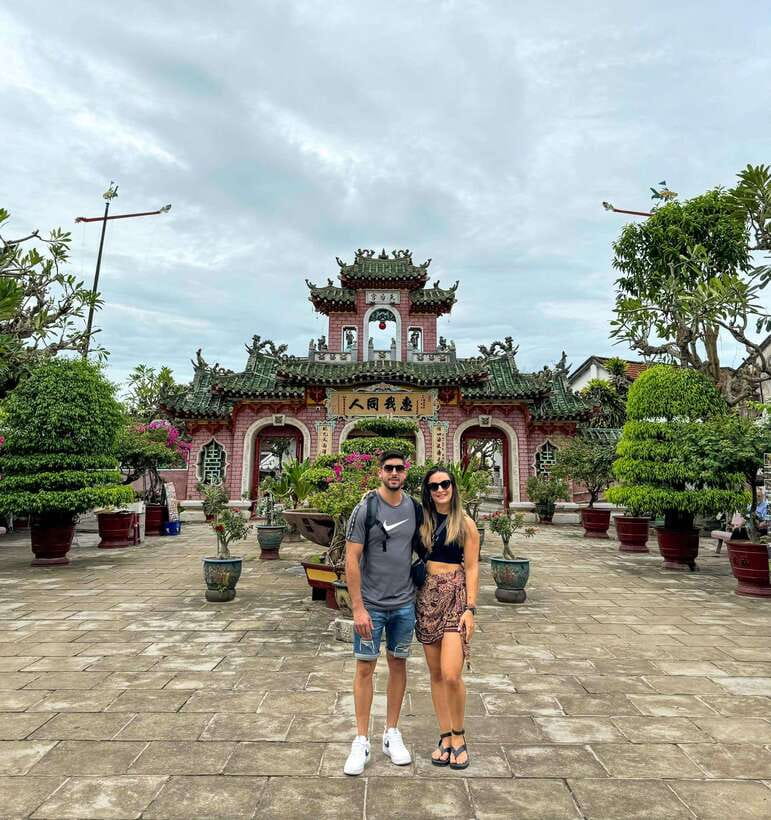
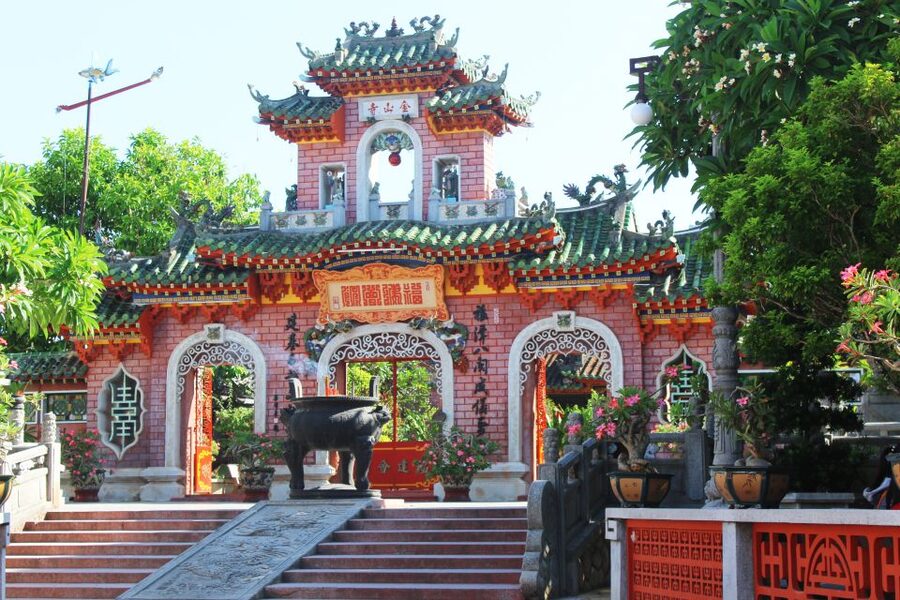
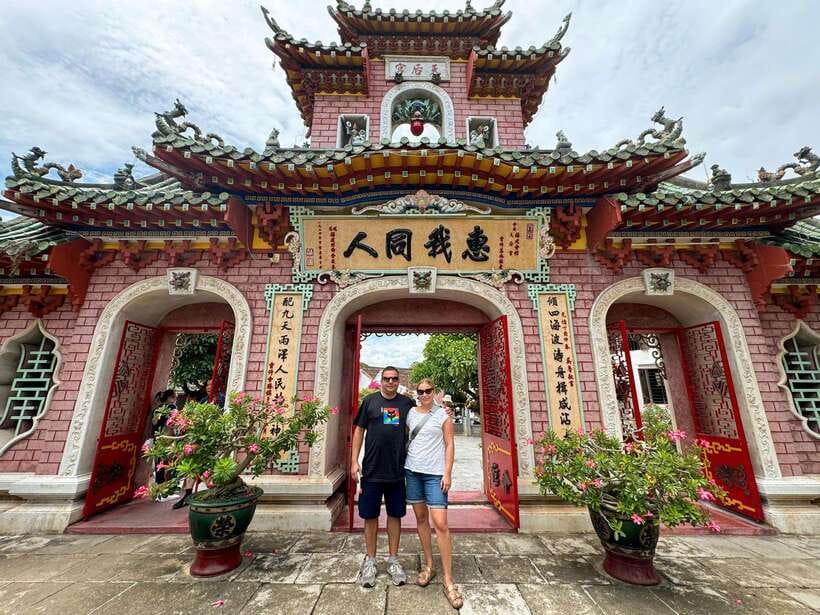
The next major stop is Fujian Assembly Hall, with roughly 20 minutes for a guided visit. This is one of the clearest places to see Chinese cultural influence in Hoi An.
Assembly halls served Chinese communities living and trading away from their original homes. Here, the architectural focus is on decoration, communal identity, and religious practice. Your guide can help you read the building as more than a photogenic courtyard or ornate entrance.
Twenty minutes is enough for an introduction, but not for a slow inspection of every detail. If you enjoy carved wood, decorative surfaces, and the way a building serves a community, pay close attention during the explanation. Ask questions early, since the next stop arrives quickly.
This is one reason a good guide matters. The building’s appearance is easy to admire, but its cultural purpose takes explanation. Phan was praised for giving clear, complete answers, and that kind of guide would make this stop far more useful.
Forty Minutes of Traditional Performance
The Hoi An Traditional Art Performance Theatre receives about 40 minutes. The program includes a traditional dance show, making it one of the longest scheduled stops.
This performance offers a change of pace after the market and assembly hall. Instead of walking through architecture, you sit and watch local artistic traditions presented on stage. It can be a welcome rest, especially for anyone traveling with an older family member.
The tradeoff is simple: forty minutes is a large share of a four-hour tour. One booking described the show as enjoyable but unexpected, while another felt the tour needed more historical explanation and less time devoted to commercial or performance elements. I would treat this stop as a pleasant extra, not the main reason to book the experience.
If your priority is architecture and history, ask at the start how the time will be divided. If you enjoy cultural performances and want a break from walking, this part may be one of your favorite sections.
A Short Visit to the Hoi An Folk Museum
The folk museum follows, with about 15 minutes for a guided visit. That is a brief stop, but it adds context to the houses and streets you have already seen.
Museums can help connect buildings with the people who used them. Here, the value lies in seeing local traditions presented in a more organized setting, rather than only absorbing the town through facades and street scenes.
Fifteen minutes does not allow a leisurely museum visit. Listen closely to the guide and focus on the objects or displays that explain daily life and local culture. If you want to return for a longer look, note the location and come back independently.
This short visit also shows the tour’s general approach. It offers several introductions in one morning or afternoon instead of giving you a long, detailed session at one site.
Same place, a different slice of the past:
- Ninh Binh Heritage Full Day Tour with Buffet Lunch and Limousine
★ 5.0 · 2,692 reviews - Premium Cu Chi Tunnels Tour with Local Expert by SpeedBoat
★ 5.0 · 2,045 reviews - Hanoi Heritage Premium Daily Tour
★ 5.0 · 914 reviews - Halong Heritage Luxury Day Cruise-Buffet lunch&Limousine transfer
★ 5.0 · 846 reviews
Inside the Old House of Tan Ky
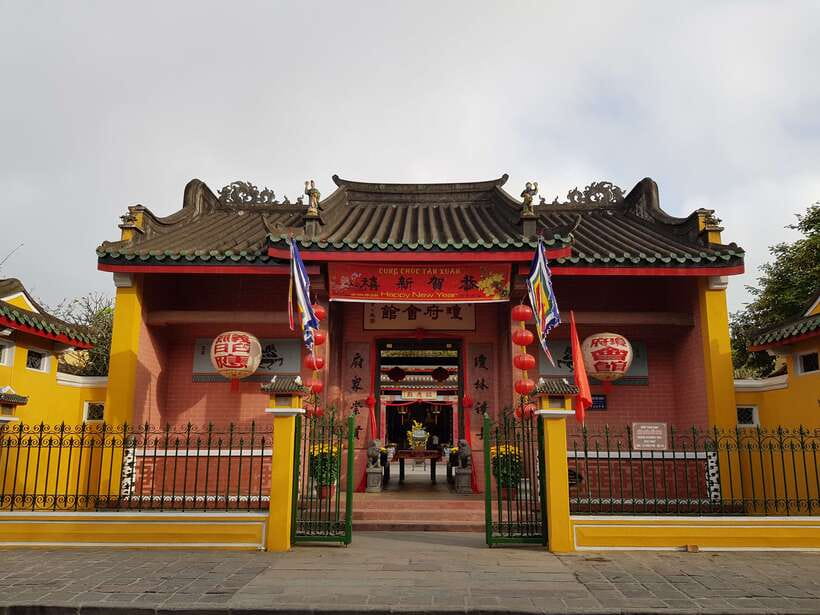
The Old House of Tan Ky is one of the tour’s strongest architectural stops, with about 20 minutes set aside for sightseeing and explanation.
The house helps show how Hoi An’s old homes combine outside influences with local needs. The experience is not simply about entering an old building. It is about seeing how Chinese, Japanese, and Vietnamese elements can appear together in one place, reflecting the town’s trading connections.
Look closely at the structure rather than rushing toward a single famous feature. The house offers a sense of how families lived and worked within the old quarter. The subdued, simple mood of these interiors is a useful counterpoint to the more decorated assembly hall.
Twenty minutes is enough for a guided overview, but you may wish for more time if historic homes interest you. The tour gives you a first look, then leaves you with a reason to return on your own.
A Lemongrass Drink and Local Street Flavor
A 10-minute snack stop at Mót Hội An introduces a local lemongrass drink. This is a small moment, but it adds a sensory touch to an otherwise sight-focused route.
The drink is included as a local snack experience, while other personal spending is not. Ten minutes is short, so think of it as a quick refreshment rather than a full food stop. It is a nice chance to pause, try something associated with the town, and ask your guide about local eating customs.
I like this kind of brief stop because it keeps the tour connected to present-day Hoi An. Ancient homes tell one story, but a local drink puts you back in the streets and among current daily habits.
The Japanese Covered Bridge Finale
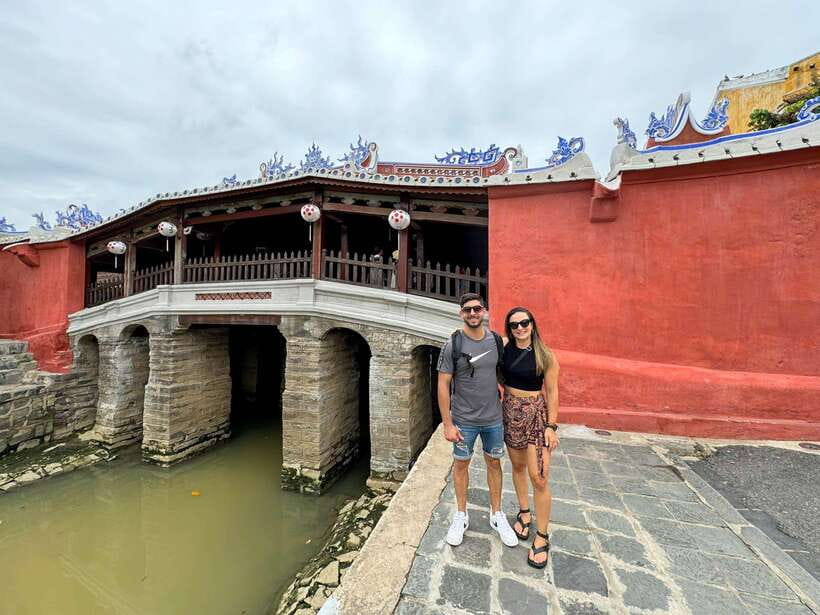
The Japanese Covered Bridge gets about 15 minutes. This is the tour’s must-see landmark and likely the most recognizable sight on the route.
The bridge reflects Japanese influence and has become a symbol of Hoi An. Its compact form makes it easy to appreciate quickly, but the guide’s explanation is still useful. Ask about its place in the town’s cultural mix and how it connects with the surrounding old quarter.
Fifteen minutes gives you time for a guided look and photographs, though the area can feel hurried if you want to study every angle. The advantage is that you reach the landmark with context. You have already seen Chinese-influenced architecture, old Vietnamese homes, museum displays, and local street life, so the bridge becomes part of a larger story rather than an isolated photo stop.
Afterward, the route passes by Hội Thánh Tin Lành Việt Nam, Chi Hội Hội An, with about 15 minutes of guided walking. This is a pass-by stop rather than a full visit, so think of it as an additional architectural reference along the route.
The Main Value: A Compact Cultural Map
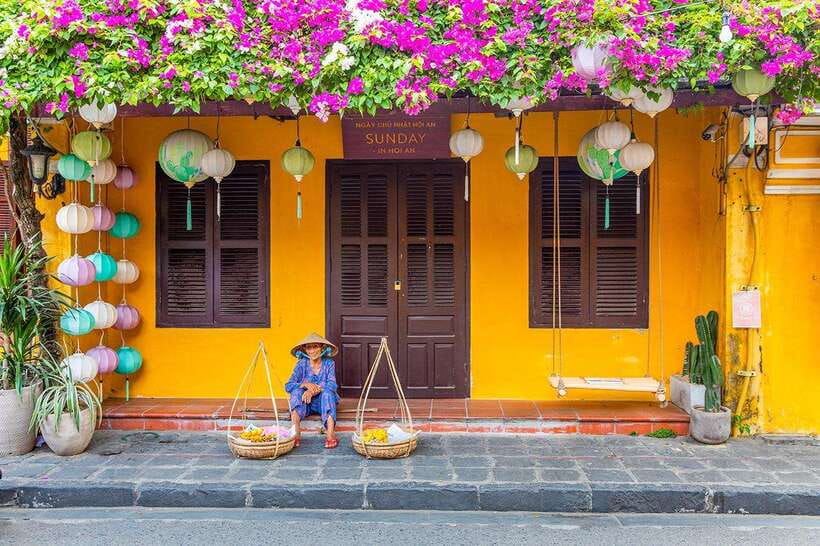
At $33 per person, the tour is fairly priced if it delivers the planned four hours and you value convenience. Entrance fees, transport, bottled water, travel insurance, and an English-speaking guide are included. You also get several places that may be easy to miss if you simply wander without knowing what is open or significant.
The value drops sharply if the experience ends after two to two and a half hours. Two separate bookings raised this concern, with one describing a tour of just over two and a half hours and another reporting about two hours. One person also felt too much attention went toward visiting merchants rather than explaining the town.
That does not mean every departure will be the same. Guide quality appears to matter greatly. Emily was praised for her care with an elderly mother during rain, and Phan was praised for punctuality, clear explanations, and answering questions. Other feedback described a guide who seemed distracted by a phone and offered less historical detail than expected.
I would ask two direct questions before setting out: How long will the full tour last today, and will there be any shopping or merchant visits? Clear answers can help you decide if the schedule matches what you paid for.
Transport, Timing, and Comfort
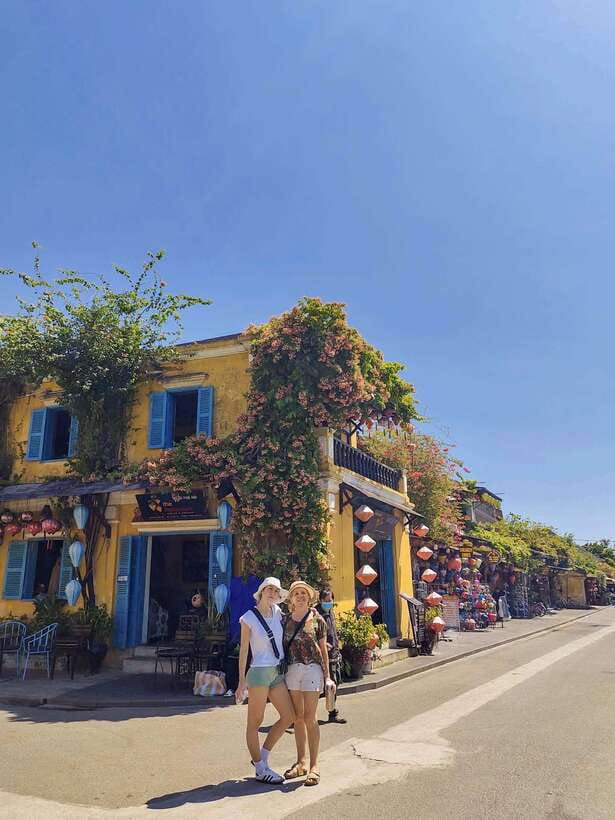
The tour includes a 15-minute transfer at the beginning and another 15-minute transfer at the end. Pickup and drop-off are available at hotels in Hoi An City Center, but not in the South Hoi An area. If you are staying outside the covered zone, confirm where you need to meet the guide.
The listed stops add up to a busy half-day. The market takes 35 minutes, the assembly hall 20, the performance 40, the museum 15, Tan Ky House 20, the drink stop 10, the bridge 15, and the church pass-by 15. Add the two transfers, and the plan leaves little room for delays, long photo stops, or extended shopping.
That tight schedule helps explain why the quality of the guide and timing matters so much. A well-run tour can feel neatly organized. A delayed pickup or slow transition can make the final sights feel rushed.
Rain does not necessarily ruin the experience. Emily’s careful help with an elderly guest during wet weather is encouraging, but you should still carry suitable footwear and clothing. The tour remains primarily a walking experience, so comfort matters more than dressing for a formal sightseeing excursion.
The activity is offered with an English-speaking guide. Other languages may be available on request for an added charge. A private group option is also available, which may suit families or couples who want more control over questions and pace.
Who Will Get the Most From This Tour?
I would recommend it to a first-time visitor who wants a structured introduction to Hoi An Ancient Town. It suits you if you prefer having the major buildings identified, want some historical explanation, and do not want to organize entrance fees and route planning yourself.
It also works well for families and older relatives, provided everyone is comfortable with walking and standing. The performance creates a useful rest period, and the attentive service shown by Emily suggests that a considerate guide can make a real difference.
The tour is less suitable if you want several hours of slow photography, independent shopping, or detailed museum study. It may also disappoint you if your main goal is a rigorous history lesson. The itinerary covers many sites quickly, and the performance takes a substantial block of time.
Families should note the child policy: one child may be accompanied by one adult at the child price. A second child pays the adult price.
My Booking Advice
Book this tour if you want a convenient first look at Hoi An’s old quarter, especially if the $33 price includes every listed entrance and the full four-hour schedule is confirmed. The combination of market, old homes, assembly hall, folk museum, performance, local drink, and Japanese Covered Bridge gives you a broad introduction in one outing.
Before paying, confirm the actual duration and ask if the route includes merchant or shopping visits. If the operator can explain the timing clearly, this is a useful orientation tour with good cultural variety.
I would skip it if you already know Hoi An well or prefer to spend your time slowly exploring one house, museum, or street at a time. For a first visit, though, the route can help you get your bearings fast and decide which places deserve a second look.
FAQ
How long is the Hoi An Heritage Walking Tour?
The advertised duration is four hours. The planned schedule includes transport and visits to several sites, but you should confirm the actual duration at pickup because some bookings ended earlier.
What is included in the $33 price?
The price includes transportation according to the route, entrance fees, bottled drinking water, an English-speaking guide, and travel insurance.
Is hotel pickup available?
Pickup and drop-off are included for hotels in Hoi An City Center. The service excludes the South Hoi An area.
Is the Japanese Covered Bridge included?
Yes. The tour includes a guided visit of about 15 minutes at the Japanese Covered Bridge.
Does the tour visit Hoi An Market?
Yes. The market visit lasts about 35 minutes and includes guided sightseeing, walking, and a food market visit.
Is a traditional performance part of the tour?
Yes. The Hoi An Traditional Art Performance Theatre is scheduled for about 40 minutes and includes a traditional dance show.
Can I book a private group?
Yes. A private group option is available.
Can I cancel the booking?
You can cancel up to 24 hours in advance for a full refund. The activity also allows you to reserve now and pay later.
More Half-Day Tours in Vietnam
- From Ho Chi Minh: Cu Chi Tunnels Half-Day History Tour with Guide
★ 5.0 · 480 reviews - Cu Chi Tunnels Guided Tour: Vietnam War History Half-Day
★ 4.6 · 189 reviews - Hue Half-Day Motorbike Tour – Authentic Countryside of Vietnam, History, Culture
★ 5.0 · 143 reviews - From Ho Chi Minh City: Heritage & Culture Half-Day Tour
★ 4.7 · 37 reviews
Just added around Vietnam
- Hue: 3 Best Royal Tombs Tour and Ancient Pagoda★ 4.9 · 100 reviews
- Hue Imperial Ancient City Walking Tour★ 4.8 · 308 reviews
- Ho Chi Minh City Tour with Colonial Heritage and Chinatown★ 4.6 · 48 reviews
- Hanoi: Cho Gioi Vietnam War History Walking Tour★ 5.0 · 102 reviews
- Hanoi: Historic Jeep Tour★ 4.9 · 30 reviews
- Hanoi City Highlights Walking Tour – Landmarks & History★ 5.0 · 34 reviews
- Hanoi’s Heritage: Embroidery Workshop in Ancient House★ 4.9 · 22 reviews
- From Hanoi: Trang An eco-tourism – Hoa Lu ancient & Mua Cave★ 4.7 · 51 reviews
History Walking Tours, compared.

History and Hauntings of Salem Guided Walking Tour
Read our review →
Freedom Trail History Small Group Walking Tour
Read our review →
Historic Charleston Guided Sightseeing Walking Tour
Read our review →
Tapas Walking Tour with Food, Wine, and History
Read our review →
Savannah History and Haunts Candlelit Ghost Walking Tour
Read our review →
A History of Terror – Belfast City Centre Walking Tour
Read our review →Browse the lists this tour appears in