

Review · ASHEVILLE
Historic Music Scene Walking Tour in Asheville
Music gives Asheville its rhythm. This walking tour connects that sound to the city’s streets, venues, and working music spaces, with guide David adding stories about local artists, famous performers, and the people who shaped Asheville’s scene. I like the easy downtown meeting point and the small group, limited to 15 people. I also like that the walk goes beyond famous venues to include Citizen Vinyl and a discounted Moogseum visit. The main drawback is simple: you spend two to three hours on foot, and some stops are exterior talks rather than full venue visits.
The tour begins at Harrah’s Cherokee Center at 11 a.m. and ends at the Moogseum on Broadway Street. For $30, you get a focused introduction to Asheville music, local history, and several important downtown locations. If you want a full concert or a long museum visit, this is not that. If you want context before choosing where to hear music later, it is a smart use of a morning.
Five things to know before you book
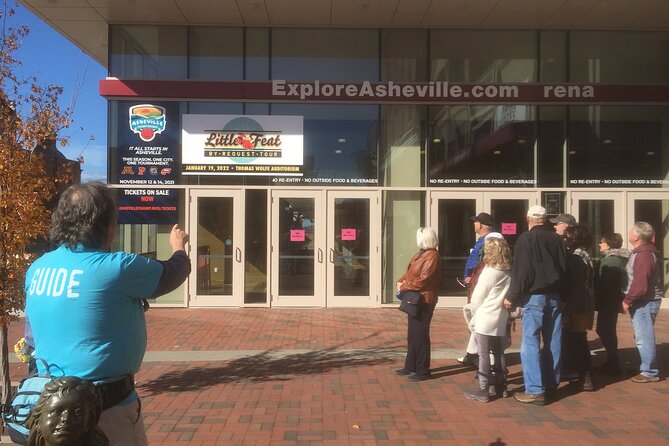
- David brings the local connection: He explains both Asheville’s music scene and the city history that helped shape it.
- Citizen Vinyl is more than a photo stop: You learn how vinyl records are pressed in the building today.
- The Orange Peel gets proper context: The tour covers its earlier role in national R&B and soul tours, along with its current life as a major venue.
- The group stays small: A maximum of 15 people makes it easier to hear the guide and ask questions.
- Moogseum entry is discounted: The tour ends there, but museum admission is not included.
- Plan around the weather: Poor conditions can lead to a new date or a full refund.
Why this Asheville music walk works
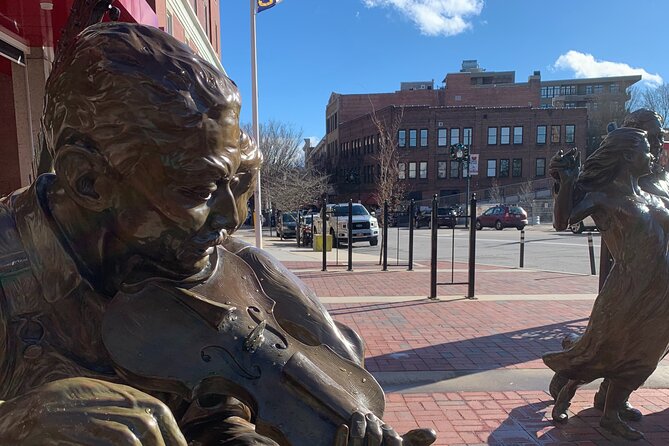
Asheville can feel like a city where music is everywhere, but it is not always clear how the pieces fit together. This tour gives you that framework. Instead of simply pointing out a concert hall and naming a few famous acts, David links venues, buildings, musicians, and local events into one walking story.
That matters because Asheville’s music identity is not limited to one genre. The route touches bluegrass, R&B, soul, contemporary touring acts, theatre, festivals, and the technical work of pressing vinyl. You get a wider picture of the city than you would from visiting one venue at night.
The tour also adds general Asheville history. David explains how the city developed and how its past shaped the music scene. Several people singled out his personable style, humor, and ability to connect musicians with the places where they performed. That kind of storytelling can turn an ordinary building into a useful stop.
I especially like the small-group limit. Fifteen people is large enough to have some energy but small enough for a question to reach the guide. It also suits a walking tour where you may gather on a sidewalk or outside a busy venue.
More History Walking Tours in the USA
- History and Hauntings of Salem Guided Walking Tour
★ 5.0 · 14,564 reviews - Boston: Freedom Trail History Small Group Walking Tour
★ 5.0 · 6,450 reviews - Historic Charleston Guided Sightseeing Walking Tour
★ 5.0 · 6,216 reviews
Starting at Harrah’s Cherokee Center at 11 a.m.
The meeting point is Harrah’s Cherokee Center at 87 Haywood Street. This is a practical downtown start, and the tour information says the meeting details are clear. David has also been praised for being at the stated location when expected, which removes one common source of travel-day stress.
The 11 a.m. start works well for a first full day in Asheville. You can learn the city’s music layout before deciding what to do later. Since the walk lasts about two to three hours, it takes up a useful morning and early afternoon without swallowing the whole day.
You should arrive ready to walk and listen outdoors. The tour requires good weather, and a poor-weather cancellation may result in another date or a full refund. The exact amount of walking is not stated, so I would wear comfortable shoes and avoid treating this as a sit-down lecture.
Moogseum: a discounted finish with a small catch
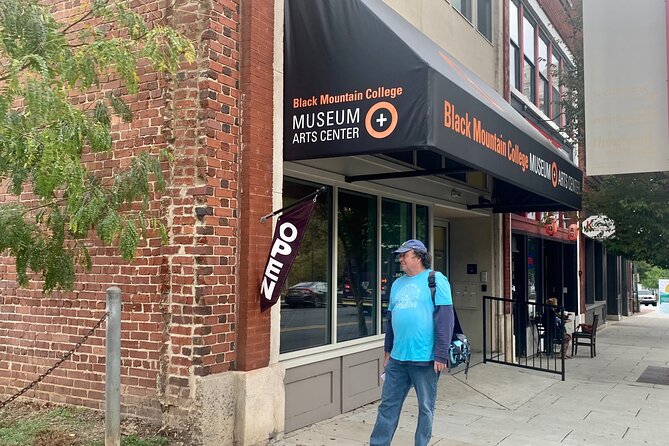
The Moogseum is listed as a 20-minute stop with discounted admission available. The tour ends at 56 Broadway Street, at the front of the Moogseum. Admission is not included, so you should budget separately if you want to go inside.
The discount is useful because the museum gives you a natural follow-up to the walking tour. The route introduces Asheville’s broader music culture, while the Moogseum offers a more focused museum experience connected to electronic music and sound. The tour itself allows discounted entry, but it does not turn the museum visit into part of the $30 ticket.
The 20-minute listing likely refers to the tour stop rather than a complete museum visit. If you want time to look closely at exhibits, plan to stay longer after the walk. This is one of the better features of the route for music lovers, but only if you remember that the museum ticket costs extra.
Citizen Vinyl and the sound of a working building
The tour passes Citizen Vinyl and explains the building’s past along with the way records are pressed there today. This is a particularly good inclusion because it brings music production into the story.
Many music walks focus only on performers and stages. Citizen Vinyl adds the physical side of music: the making of the record itself. You learn that a downtown building can have both a musical past and a current role in getting music onto vinyl.
The stop is described as a pass-by rather than a full admission visit. Keep that distinction in mind. You will hear about the building and the pressing process, but you should not expect a long behind-the-scenes factory tour unless the guide specifically says otherwise.
For me, this is the kind of detail that gives the tour value. It is concrete, tied to a real place, and different from simply listing famous bands.
Same place, a different slice of the past:
- Charleston’s Old South Carriage Historic Horse & Carriage Tour
★ 5.0 · 10,023 reviews - Beneath The Streets Underground History Tour
★ 4.5 · 8,006 reviews - Charleston Horse-Drawn Carriage Tour: Explore Historic Charleston
★ 5.0 · 3,561 reviews - Savannah History and Haunts Candlelit Ghost Walking Tour
★ 5.0 · 3,235 reviews
Bluegrass, local venues, and the city’s working music life

One stop focuses on a local bluegrass location. The tour covers who has played there and who is scheduled to appear in the near future. The exact venue name is not provided in the tour details, so you should treat this as a place-based lesson rather than a promised concert or admission.
This stop helps show that Asheville music is not only about well-known touring acts. Bluegrass remains part of the city’s local identity, and learning who plays in a particular room gives you a practical idea of where to listen after the tour.
The route also includes a current music venue where David discusses major names that have played, the design of the space, and how to enjoy it best. Again, the venue is not named in the supplied details. That means the guide’s explanation is important, since he provides the context that the bare building cannot.
This is a good example of why a local guide adds value. A venue can look ordinary in daylight. The stories about its performers, layout, and use can tell you whether it is better suited to a large concert, a local show, or a particular kind of night out.
The Orange Peel: from R&B tours to today’s concert calendar
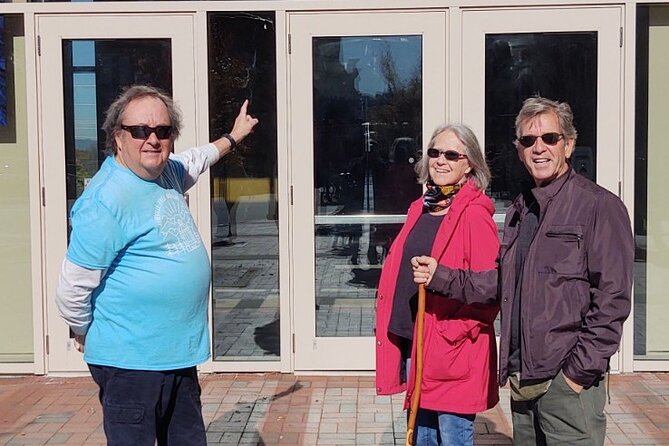
The Orange Peel is the clearest landmark on the route. The tour explains its role in national R&B and soul tours during the 1960s and 1970s, then brings the story forward to what you can visit there now.
The short listed stop is five minutes, and admission is free. That suggests an exterior explanation rather than a long look inside during a live event. You should not expect a concert ticket, backstage access, or a full building tour.
Still, the historical context makes the stop worthwhile. The Orange Peel is not presented as just a current concert hall. Its earlier place in touring R&B and soul gives you a way to understand how the building fits into American music history and Asheville’s place within it.
The stop is also useful for planning. If you are staying in Asheville for several nights, ask David about the current calendar or how best to enjoy the space. The tour information specifically promises advice about the venue, so bring questions if you want help choosing a show.
Theatre acoustics and Asheville’s festival spaces
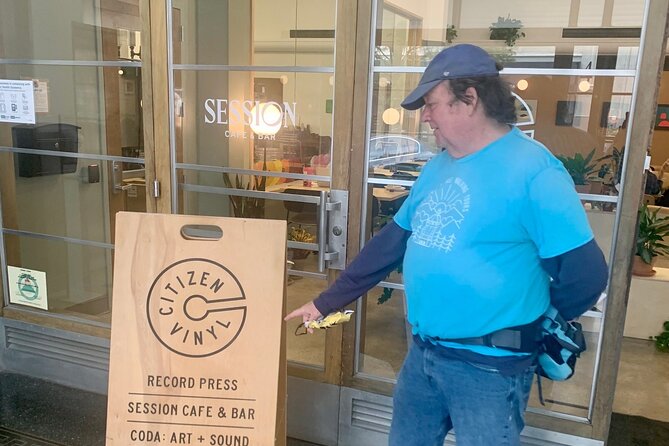
The route includes a theatre and music venue praised for its seating and acoustics. The name is not specified, so I would avoid booking this tour solely for a promised visit to a particular theatre. Instead, think of it as another chance to hear how Asheville uses its performance spaces.
Seating and acoustics are practical topics, not just decoration. They affect whether you can follow a quieter act, how comfortable a long performance feels, and what kind of show belongs in the room. A guide who explains those differences helps you make better choices later.
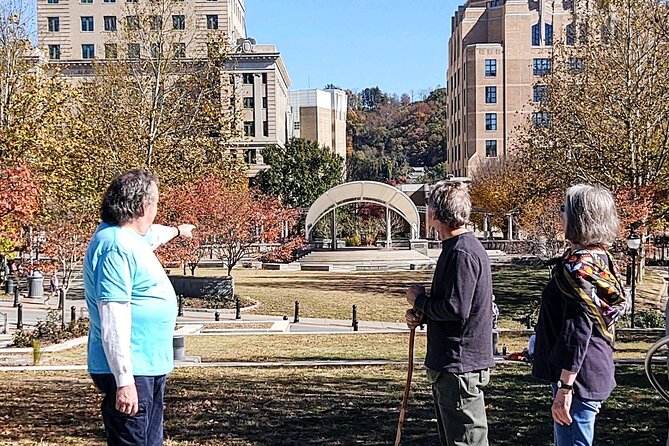
The walk also visits or discusses a place where many Asheville festivals and events are held. This broadens the tour beyond permanent venues. Festivals can change the way a city uses public space, and this stop helps you connect music with the larger event calendar.
The supplied details do not identify the theatre or festival location by name. That is worth noting before you book. The experience promises local interpretation, not a fixed list of fully named attractions with guaranteed indoor entry.
What the $30 price gets you
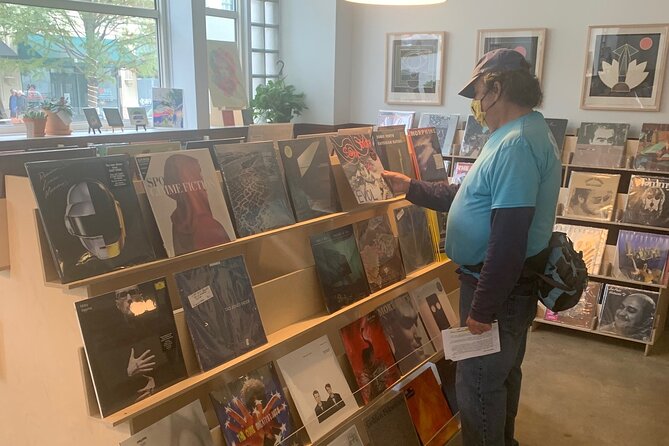
At $30 per person, this is priced as a specialist walking tour rather than a general orientation walk. The value depends on your interest in music and on how much you use David’s local knowledge.
You are paying for roughly two to three hours of guided storytelling, a small group, several music-related stops, and a discount at the Moogseum. You are not paying for museum admission, concert tickets, food, transportation, or entry to the venues discussed.
For a casual visitor with little interest in music, $30 may feel high for a walk that includes some exterior stops. For someone who wants to understand Asheville’s music culture, it is more convincing. You get a route that would be hard to assemble on your own, plus explanations about artists, buildings, festivals, and local history.
The tour becomes an even better value if you attend a show afterward or use the advice to choose a venue. I would not book it expecting entertainment alone. Book it for context, questions, and a better sense of where Asheville’s music happens.
Who will get the most from this tour
This walk suits music fans, history buffs, and first-time visitors who want a city introduction with a clear theme. It also works for anyone who prefers a small group over a large bus tour.
You will probably enjoy it most if you:
- Want local bluegrass, R&B, soul, and contemporary venue context
- Like hearing stories about buildings and performers
- Plan to attend live music during your Asheville stay
- Prefer a guide-led walk to exploring venues without background
- Have time to visit the Moogseum after the tour
It may be less suitable if you want a seated experience, a full museum tour, or guaranteed indoor access at every stop. The weather requirement also matters. A rain plan is not provided, so keep some flexibility in your schedule.
Most people can participate, service animals are allowed, and the tour is near public transportation. The group maximum is 15 people. The experience is offered in English, with a mobile ticket.
Booking advice and cancellation details
This tour is often booked about 29 days ahead, which suggests that advance planning is sensible, especially if your dates are fixed. You can cancel for a full refund up to 24 hours before the 11 a.m. start time.
Cancellations made less than 24 hours before the start are not refunded, and changes inside that window are not accepted. If poor weather or an insufficient number of bookings cancels the tour, you are offered another date or experience, or a full refund.
I would book it early if music is a main reason for your Asheville visit. Then keep the morning open, wear walking shoes, and arrive at Harrah’s Cherokee Center with your phone ticket ready.
Should you book the Historic Music Scene Walking Tour?
Book this tour if you want the story behind Asheville’s music venues, not just a list of places to photograph. David receives especially strong praise for his local history, music background, friendly manner, humor, and ability to answer questions. That is the heart of the experience.
Skip it if you want a concert, a full museum admission, or an indoor tour of every venue. The route includes pass-by stops and short exterior talks, so its value comes from the guide rather than from lengthy access to the buildings.
For $30, the small group, Citizen Vinyl visit, Orange Peel context, bluegrass discussion, venue advice, and Moogseum discount make this a solid choice for music-minded visitors. I would take it early in your stay, then use what you learn to choose your evening soundtrack.
FAQ
Where does the Historic Music Scene Walking Tour begin?
The tour begins at Harrah’s Cherokee Center at 87 Haywood Street in Asheville.
What time does the tour start?
The start time is 11 a.m.
Where does the tour end?
The tour ends at the Moogseum, located at 56 Broadway Street Front in Asheville.
How long does the walking tour last?
The experience lasts approximately two to three hours.
How much does the tour cost?
The price is $30 per person.
Is Moogseum admission included?
No. The tour provides discounted admission, but the museum ticket is not included.
How many people can join the tour?
The tour has a maximum of 15 participants.
Is the tour offered in English?
Yes. The experience is offered in English.
Can I cancel for a full refund?
Yes. You can cancel at least 24 hours before the start time for a full refund. Cancellations within 24 hours are not refunded.
Just added around the USA
- Aspen’s Past to Present Historic Tour★ 5.0 · 37 reviews
- Historic Annapolis Food Tour★ 4.5 · 44 reviews
- Alaska Native Heritage Center Admission Ticket★ 4.5 · 65 reviews
- Annapolis Historic Walking Tour at Harbor and Naval Academy★ 5.0 · 38 reviews
- Downtown Anchorage Food and History Walking Tour★ 5.0 · 199 reviews
- Historic Old Town Albuquerque smart phone App/Audio Walking Tour★ 4.0 · 27 reviews
- 12pm – Public High Noon History, Legends & Lore Tour – Guided Old Town Stroll★ 5.0 · 247 reviews
- PRIVATE History, Legends and Lore Guided Old Town Stroll – 10am or 2pm★ 5.0 · 40 reviews
History Walking Tours, compared.
History and Hauntings of Salem Guided Walking Tour
Read our review →
Freedom Trail History Small Group Walking Tour
Read our review →
Historic Charleston Guided Sightseeing Walking Tour
Read our review →
Tapas Walking Tour with Food, Wine, and History
Read our review →
Savannah History and Haunts Candlelit Ghost Walking Tour
Read our review →
A History of Terror – Belfast City Centre Walking Tour
Read our review →Browse the lists this tour appears in