
Review · LIMA
Guided Tours in Colonial and Modern Lima
Lima rewards a quick change of scenery. This 4 to 5-hour tour links Miraflores, San Isidro, and historic central Lima, giving you a useful first look at the city for $44 per person. You will see ocean views, pre-Inca ruins, grand colonial buildings, a former convent, and the famous catacombs without having to arrange several separate rides.
I like the mix of modern and old Lima, and I like that tourist transport, a bilingual guide, visits, and the catacomb admission are included. Guides such as Nataly, Jorge, Jesús, and Patrick have been praised for their patience, warmth, and clear explanations. The main drawback is its brisk pace: some stops are short, traffic can delay pickup, and a busy church may leave you with less time inside than expected.
This is a sensible orientation tour, not a slow museum day. Huaca Pucllana receives only about 10 minutes, and the Plaza Mayor stop lasts about 15 minutes. If you want a broad introduction before exploring Lima on your own, this works well. If you want long visits at every site, you may feel hurried.
Key Points to Know Before You Go
- A four-district introduction: The route connects Miraflores, San Isidro, central Lima, and the old colonial core in one half-day.
- The catacombs are the main paid sight: Admission to the Museo Convento San Francisco y Catacumbas is included, while the other listed admissions are free.
- Huaca Pucllana is a quick panoramic stop: Expect a short look at the Lima culture site rather than an extended archaeological visit.
- Traffic affects the schedule: One booking had a pickup delay of about an hour, so avoid planning a tight connection afterward.
- Guide quality matters here: Nataly, Jorge, Jesús, and Patrick received especially warm praise for patience, care, and strong explanations.
- Groups can reach 30 people: The bilingual service may include Spanish and English speakers together.
Why This Half-Day Lima Tour Works
Lima can feel scattered. Miraflores sits by the Pacific, San Isidro has leafy public spaces, and the colonial center is several miles away. This tour handles that separation by using tourist transport and a bilingual guide, allowing you to see the city’s main contrasts in one outing.
At $44, the value comes less from long entrance visits and more from the combination of transport, local explanation, and access to the San Francisco catacombs. You also avoid piecing together taxis or public transport between districts. The trade-off is clear: you are paying for coverage and convenience, not an unhurried study of each place.
The group limit is 30 people. That is large enough for a coach-style outing, but the experience can still feel personal when the guide takes questions or speaks with you during the drives and walks. One English-speaking participant found that the guide gave private explanations while moving around the city, even though most of the group was Spanish-speaking.
The tour is a good fit for a first day in Lima, especially if you want basic orientation before choosing where to return. It is also useful during a short stay when you need to see both the modern districts and the old center without spending a full day on the road.
More Colonial History Tours in Peru:
- Arequipa, Historic and Colonial City and Santa Catalina Monastery
★ 4.5 · 42 reviews - Lima: Historical, Colonial, and Modern City Tour
★ 4.3 · 21 reviews - Vung Tau Essential: Beach, Christ Statue & Colonial Heritage
★ 5.0 · 284 reviews
El Parque del Amor and Lima’s Pacific Edge
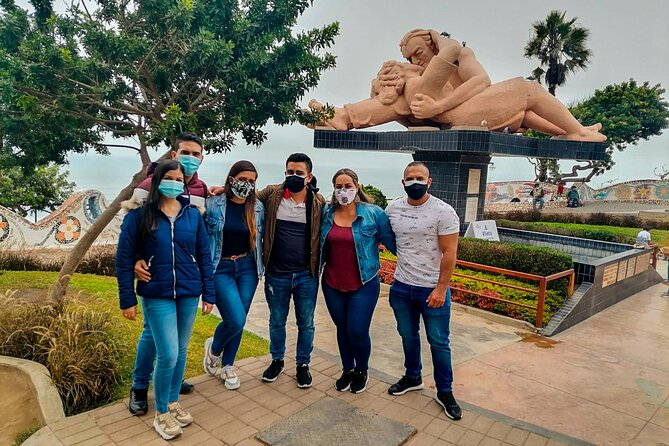
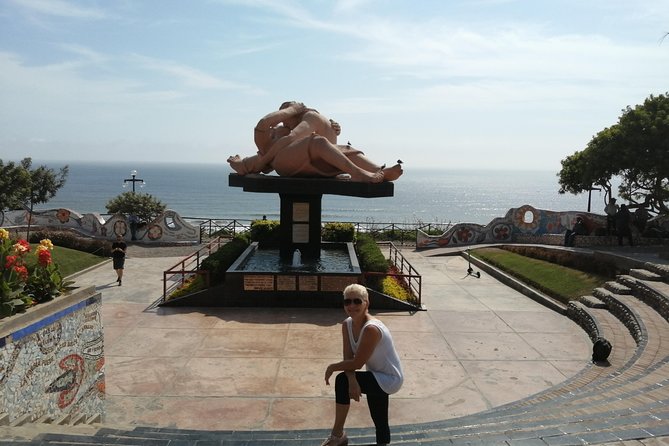
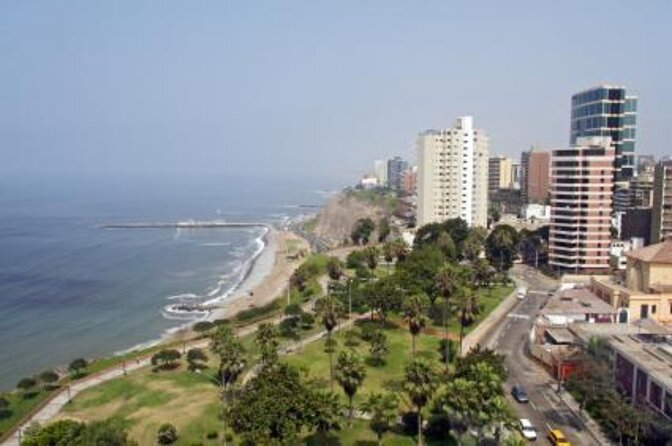
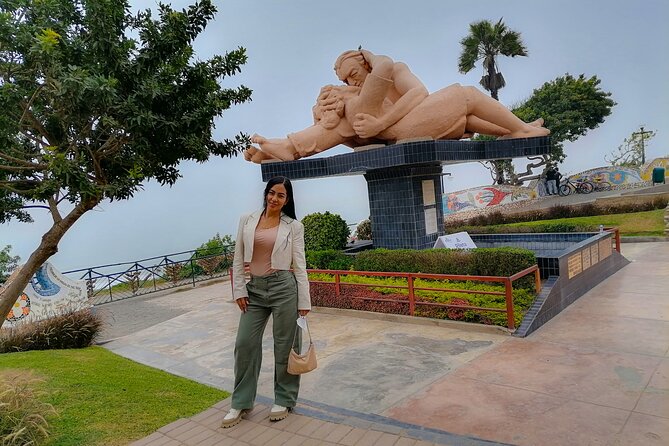
The tour begins at El Parque del Amor, the Park of Love, on the Malecón Cisneros in Miraflores. You get about 30 minutes here, with a panoramic view toward the Pacific Ocean and time to see the park’s large sculpture of two lovers reclining in a kiss.
The sculpture is 12 meters long, so it is not a small decorative detail you might miss while walking. It gives the park its playful identity, while the ocean-facing setting makes this a pleasant opening stop. You can expect the guide to explain the site and point out the main features rather than lead you through a formal museum visit.
I like this first stop because it gives you a quick sense of Lima’s modern coastal character. It also provides a change from the churches and plazas later in the day. The free admission keeps the stop simple, but the sea view depends on conditions, and the tour does not offer time for an extended walk along the Malecón.
If you enjoy taking photographs, this is one of the easier places on the route to do so. Keep an eye on the clock, though. The tour has several more stops, and the schedule is built around seeing many parts of Lima rather than lingering in Miraflores.
Huaca Pucllana and Lima Before the Spanish
Huaca Pucllana represents a much older Lima. The archaeological center was built by the pre-Inca Lima culture, which occupied the area from about AD 200 to 700. That date gives the stop real weight: Lima’s story began centuries before the Spanish founded the colonial city.
The scheduled visit is about 10 minutes and is described as panoramic. In practical terms, you should treat this as a brief look and an explanation from outside or around the site, not as a full archaeological tour. The admission is free, but the short timing limits how much detail you can absorb.
I value this stop because it prevents the city from being reduced to Spanish churches and government buildings. You see that Lima has several layers, with the Lima culture beneath the modern city and the colonial center. For anyone curious about pre-Inca Peru, this is a useful introduction, though you should arrange a longer archaeological visit separately if Huaca Pucllana is a major interest.
The short stop may also suit you if you want a quick survey rather than another formal museum. It is one of the clearest examples of the tour’s style: broad coverage, concise explanations, and limited time at each location.
El Olivar Park in San Isidro
El Olivar Park gives the route a quieter, greener pause. It is in San Isidro and is described as one of Lima’s lungs, with more than 1,500 trees and 23 hectares of green areas. The information also gives an overall extension of 87 square kilometers, though the figures describe the park in a way that may be worth clarifying with the guide if exact measurements matter to you.
Unlike the other stops, no specific duration is provided. You may therefore get a shorter photo or viewing stop as the group moves through San Isidro. The park’s value is not a major monument or ticketed attraction. It shows a different side of Lima, away from the Pacific overlook and the colonial center.
I like the inclusion of El Olivar because it breaks up a sightseeing route filled with stone buildings and urban traffic. It also helps you understand why San Isidro feels different from central Lima. Still, do not book this tour expecting a long park walk. The overall schedule has too much ground to cover for that.
More Guided Tours in Peru:
- Cusco: Historical Guided City Tour with 4 Inca Ruins
★ 4.5 · 99 reviews - Machu Picchu: historical and photographic guided tour
★ 4.9 · 27 reviews - History and Hauntings of Salem Guided Walking Tour
★ 5.0 · 14,564 reviews - Edinburgh: Edinburgh Castle Guided History Tour with Tickets
★ 4.8 · 9,933 reviews
Museo Central and Peru’s Monetary Story
The itinerary allows one hour at Museo Central, identified here as the Central Reserve Bank of Peru. The institution preserves the country’s monetary stability and regulates currency and credit, so this stop shifts the focus from public plazas and archaeology to Peru’s financial institutions.
The admission is listed as free. The hour gives this visit more room than Huaca Pucllana or Plaza Mayor, although the exact displays and gallery experience are not specified. Your guide can help place the museum within the wider story of Peru, but you should not assume that every section will receive a detailed guided explanation.
This stop is most useful if you like seeing how a country explains itself through public institutions. It also gives the tour some balance. You are not only looking at picturesque places. You are seeing a working part of Peru’s national identity, alongside the older sites.
Because the route is group-based, your time here may feel structured. If museums are your priority, take note of the one-hour allocation and listen carefully to the guide’s instructions about meeting back with the group.
San Francisco Convent and the Catacombs
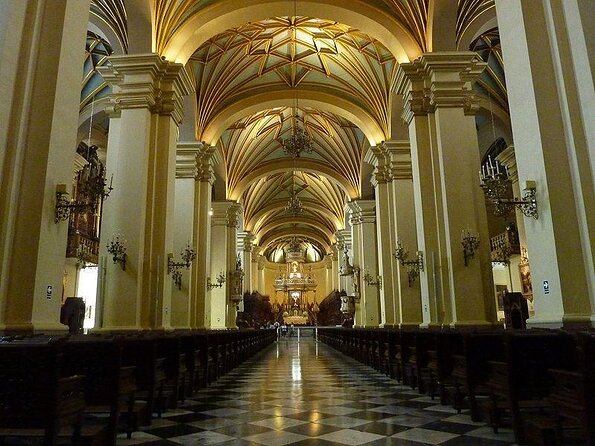
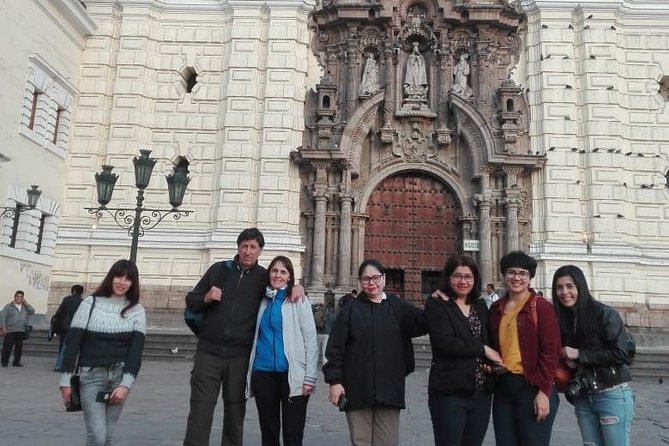
The Museo Convento San Francisco y Catacumbas is the tour’s strongest interior visit. One hour is set aside for the church and convent, with admission included. Inside, you may see paintings, the choir rooms, halls, a penance room, the chapter room, the refectory, and other convent spaces.
The catacomb museum lies below the church. You will see the crypts and learn how this underground burial site fits into the story of colonial Lima. For many people, this is the most memorable part of the outing because it combines religious art, architecture, and a direct encounter with the city’s burial practices.
The tour information promises access, but your actual time inside can be affected by crowding. One participant found the church too busy to enter, though the catacombs were visited. That is an important practical warning. The included ticket does not guarantee that every room will receive equal attention on a crowded day.
The guide’s role matters here. Patrick was praised for being attentive and well informed, while Jorge and Jesús were described as friendly and clear in their explanations. You will get more from the convent if you stay close enough to hear the guide and ask questions when the group pauses.
Wear comfortable footwear and keep your attention on the guide’s timing. This is not a self-paced museum admission. You are moving through a shared visit, and the hour can go quickly.
Plaza Mayor and the Colonial Center
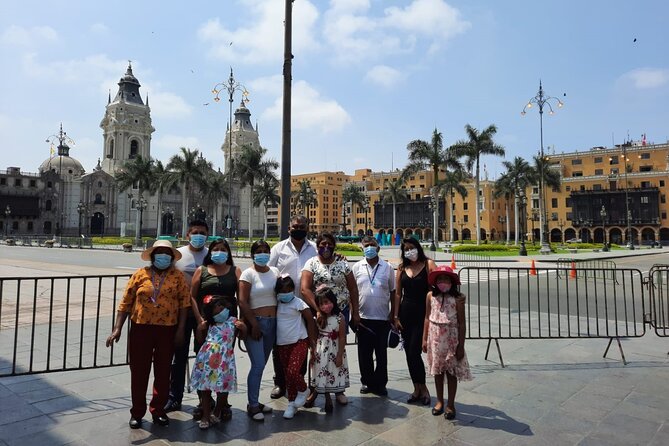
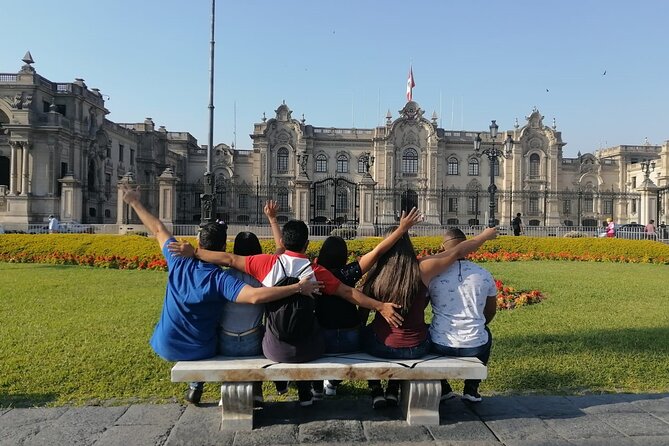
The final listed stop is Lima’s Plaza Mayor, also called Plaza de Armas. The visit lasts about 15 minutes, enough for a guided overview and photographs but not a long exploration of the surrounding buildings.
From the square, you can see the Government Palace of Peru, the Basilica Cathedral of Lima, the Archbishop’s Palace, the Municipal Palace, the Club Union building, and other important façades. The guide explains the founding of Lima and the plaza’s place in the city’s development.
This is a useful closing scene because it brings the earlier stops together. You have seen pre-Inca remains, modern districts, a national financial institution, and a colonial religious complex. The Plaza Mayor provides the clearest picture of Lima as the Spanish colonial capital.
Fifteen minutes is enough to get your bearings, but not enough to visit the cathedral or study every building. If you want to return later, this stop helps you identify the places worth a longer visit. A short stop here also means the tour can cover more ground, though visitors who prefer a relaxed old-town walk may wish for additional time.
Timing, Transport, and Group Size
The advertised length is approximately four to five hours. That estimate is reasonable for the number of districts involved, but Lima traffic can change the day’s rhythm. A pickup delay of about one hour was reported in one experience, so I would not schedule an airport transfer, restaurant reservation, or long-distance bus immediately afterward.
Tourist transport is included, which is a major part of the price. The route would be awkward to arrange independently in a short window, especially if you are unfamiliar with Lima. You get a vehicle, a bilingual tourism guide, and coordinated visits rather than having to negotiate each connection yourself.
The maximum group size is 30. The English service may be combined with a Spanish-speaking group, and the amount of English attention can depend on the guide and the size of each language group. An English-speaking participant still received one-on-one explanations while driving and walking, but you should be ready for some shared commentary.
Most people can participate, and service animals are allowed. The tour is near public transportation, though the included vehicle is the practical way to move between the districts during the scheduled visit.
Who Will Get the Most from This Tour
I would choose this experience if you have one or two days in Lima and want a quick orientation. It suits first-time visitors, couples interested in the Park of Love, history-minded visitors who want both pre-Inca and colonial sites, and anyone who prefers a guided route to handling Lima’s distances alone.
It also works for people who want a gentle introduction before deciding where to spend more time. Afterward, you may want to return to Huaca Pucllana, the Plaza Mayor, or the San Francisco complex for slower visits.
I would be more cautious if you dislike fixed schedules or large groups. The 10-minute Huaca Pucllana stop and 15-minute Plaza Mayor visit are short. Traffic may also reduce your available time, and the church portion of San Francisco can be affected by crowds.
The price is fair when you value transport, interpretation, and the included catacomb admission. It is less compelling if you only want to photograph the main sights and are comfortable arranging your own rides.
Should You Book It?
Book this tour if you want to see several sides of Lima in half a day and prefer having a guide explain the connections. The 96 percent recommendation rate and 4.8 rating from 54 ratings point to a consistently strong experience, especially when you get a guide such as Nataly, Jorge, Jesús, or Patrick.
Skip it if your main goal is deep time at one museum, a long walk through the historic center, or a leisurely visit inside every church room. For most first-time visitors, though, this is a practical and reasonably priced way to get your bearings, see the catacombs, and decide what deserves a second look.
Free cancellation is available up to 24 hours before the start time for a full refund. Changes or cancellations made less than 24 hours beforehand are not accepted for a refund.
FAQ
How long does the Lima tour last?
The tour lasts approximately four to five hours.
How much does the tour cost?
The price is $44 per person.
What transportation is included?
Tourist transport is included in the tour price.
Is a bilingual guide included?
Yes. A bilingual tourism guide is included.
Is admission to the catacombs included?
Yes. Admission to the Museo Convento San Francisco y Catacumbas is included.
Are food and snacks included?
No. Snacks and lunch are not included.
How many people can join the tour?
The maximum group size is 30 travelers.
Just added around Peru
- Historic Downtown, Miraflores & Catacombs Private Tour★ 5.0 · 100 reviews
- Lima Peru Sea Lions, History and Palomino Callao Islands★ 5.0 · 56 reviews
- Lima´s Vibrant Heritage & Larco Museum of Cultures Half Day Tour★ 5.0 · 48 reviews
- 6-Day Cultural Tour to Machu Picchu★ 5.0 · 76 reviews
- Piramids of Tucume Tour, Sican Museum and Lambayeque city tour★ 5.0 · 30 reviews
- Arequipa, Historic and Colonial City and Santa Catalina Monastery★ 4.5 · 42 reviews
- Aymara Route Mystical Cultural Tour★ 4.7 · 27 reviews
- Machu Picchu: historical and photographic guided tour★ 4.9 · 27 reviews
Colonial History Tours, compared.
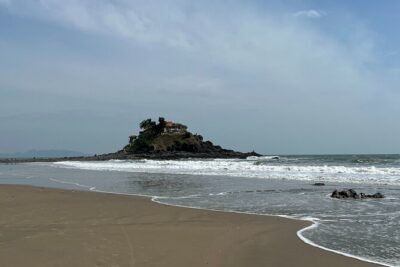
Vung Tau Essential: Beach, Christ Statue & Colonial Heritage
Read our review →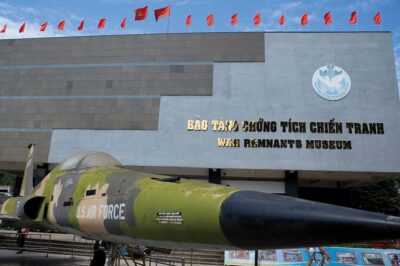
Full-Day Ho Chi Minh City Tour with Colonial Heritage & Chinatown
Read our review →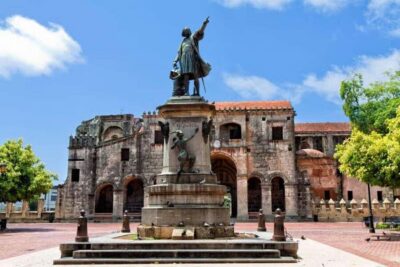
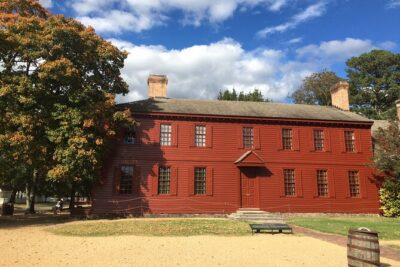

Colonial Williamsburg: Colonial History Guided Walking Tour
Read our review →
Discover Santo Domingo: Colonial History, Monuments & Lunch
Read our review →
Ho Chi Minh City Tour with Colonial Heritage and Chinatown
Read our review →Browse the lists this tour appears in