
Review · WESTERN CAPE
Cape Town: Art, Culture & History Walking Tour
Cape Town’s story is written on its streets. This two-hour walk links Bo-Kaap, the city centre, and District Six, using landmarks, art, and local stories to explain how the city was shaped. I like the route’s range, from brightly painted homes and mosques to Greenmarket Square and the solemn Slave Lodge. I also like the guides’ personal style, with Mandi, Olwethu, and Diego praised for clear explanations, warmth, humor, and practical tips. The main drawback is speed: two hours covers a lot, so some stops are brief rather than fully explored.
You start at Bo-Kaap Deli on Church Street and finish near the city centre sights, with no hotel pickup or transport included. Bring water, sunscreen, and good shoes. The walk is wheelchair accessible, but the historic streets, market areas, and steady itinerary may still require you to check what pace suits you.
Key points at a glance
- Bo-Kaap begins the story: See colorful homes, historic mosques, and learn about Cape Malay culture.
- A compact city-centre route: Long Street, Greenmarket Square, Company’s Garden, Parliament, the Slave Lodge, and District Six fit into one walk.
- Art is part of the history: Local galleries, handmade goods, textiles, creative studios, and street details help connect culture with place.
- Guides make the difference: Mandi, Olwethu, Diego, Basil, and Sipho have each led tours praised for clear storytelling and friendly conversation.
- Useful early-trip orientation: You get practical ideas for restaurants, shopping, wine places, and other areas to visit later.
- Strong value at $37: For two hours of guiding across several major areas, the price is fair, though food, drinks, shopping, and transport cost extra.
Why this Cape Town walking tour works
Cape Town can feel scattered at first. Bo-Kaap sits above the central streets, Long Street runs through a busy part of town, and District Six carries a very different mood. This walk gives you a basic map of the centre while explaining how these places connect.
The route is not simply a parade of attractive buildings. Its focus is identity and connection. You hear about Cape Malay culture, colonial rule, slavery, forced removals, protest, art, and the city’s present-day character. That makes the tour useful for you if you want more than photographs of painted houses.
At $37 per person, I see this as a reasonable introductory tour. You are paying for a local guide, a planned route, and context that would be difficult to gather alone in two hours. It is less attractive if you want long museum visits, plenty of shopping time, or a slow photographic walk.
The tour is conducted in English. The strong 4.9 rating from 392 reviews reflects a consistent pattern: guides are praised for being friendly, clear, and engaging without drowning you in facts. The best reports describe the experience as a conversation rather than a lecture.
More Local Culture and Traditions Tours in the world:
- Amsterdam Food and Cultural Tour with Tastings
★ 5.0 · 4,315 reviews - Sevilla Food Tour: Tapas, Wine, History & Traditions
★ 5.0 · 3,468 reviews - Tromsø: Reindeer Camp and Sami Cultural Tour with Lunch
★ 4.7 · 3,326 reviews
Starting among Bo-Kaap’s painted houses
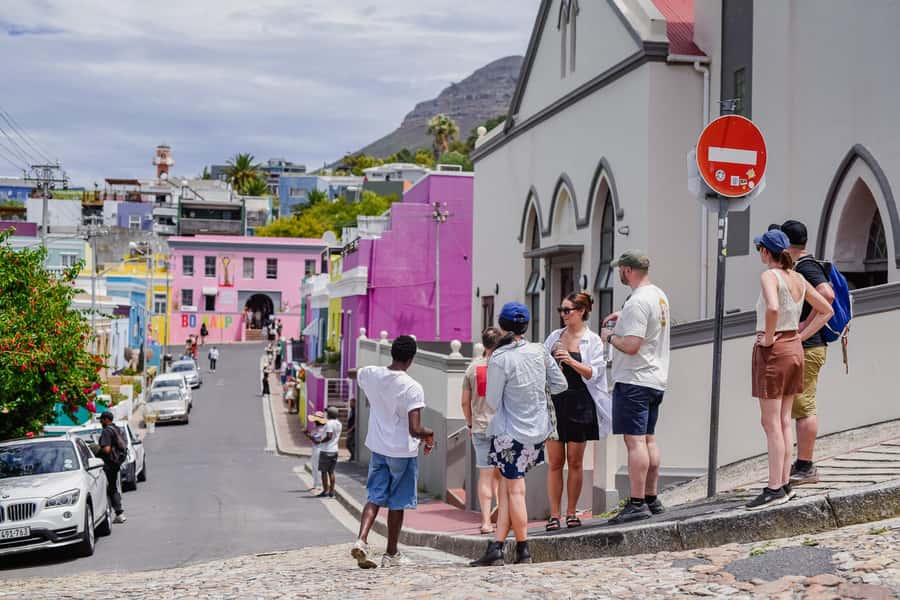
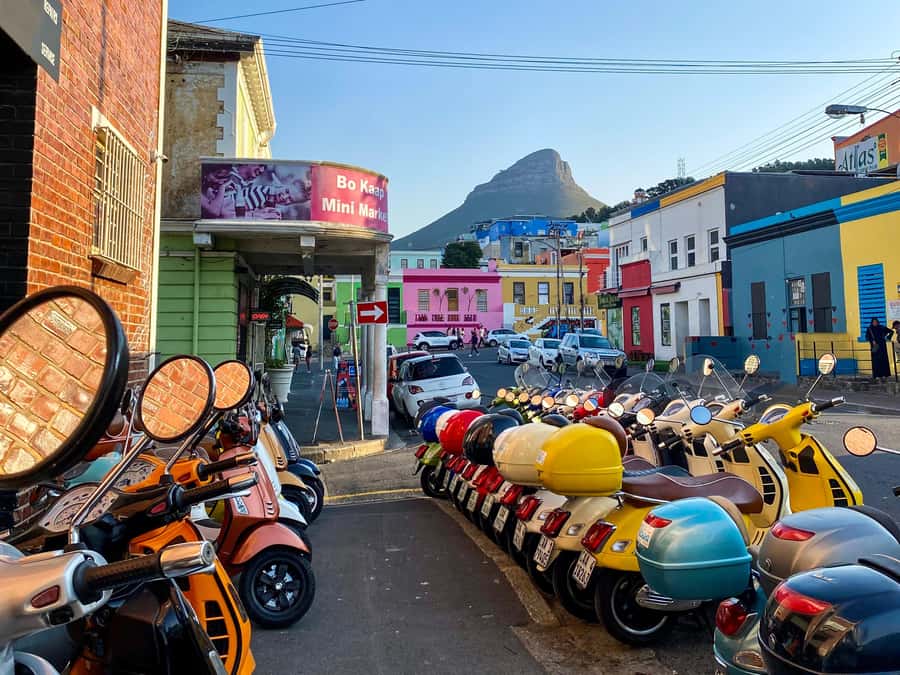
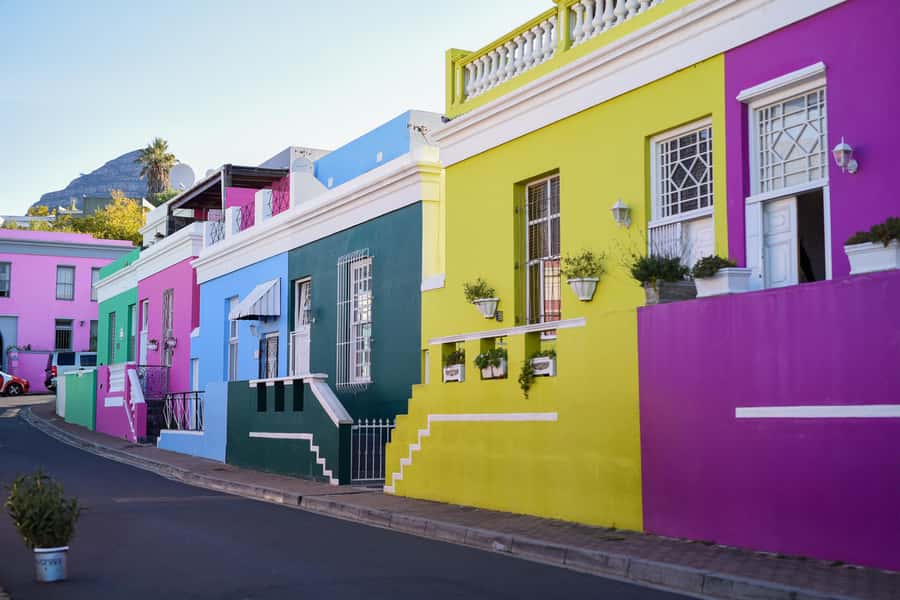
Meet at Bo-Kaap Deli, 97 Church Street. From there, the walk begins in one of Cape Town’s most recognizable neighborhoods, where brightly colored homes line steep streets and historic mosques mark the area’s religious life.
The colors make an easy first impression, but the guide adds the meaning behind the view. You learn about Cape Malay culture and the community’s role in shaping Cape Town. That context matters because Bo-Kaap is not just a backdrop for holiday photos. It is a living neighborhood with a strong sense of heritage.
You get about 20 minutes here for a guided visit and photographs. That is enough to understand the area and take in its main sights, but not enough for a long, unhurried wander. I would arrive ready to listen first and take photos as the group moves.
A stop at Auwal Masjid adds another layer. The mosque is included as a guided sight and photo stop, with around 10 minutes allowed. The guide’s explanation helps you connect the building to the wider story of Islam and Cape Malay life in the city.
Bo-Kaap is the tour’s strongest opening because it immediately joins architecture, religion, memory, and community. If this is your first morning in Cape Town, it also gives you a useful sense of where the central neighborhoods sit.
Wale Street and Long Street: old buildings, new energy
From Bo-Kaap, the group moves down through Wale Street. This section takes about 15 minutes and is partly a walking and sightseeing segment. Look for the change in the streetscape as residential Bo-Kaap gives way to the city centre.
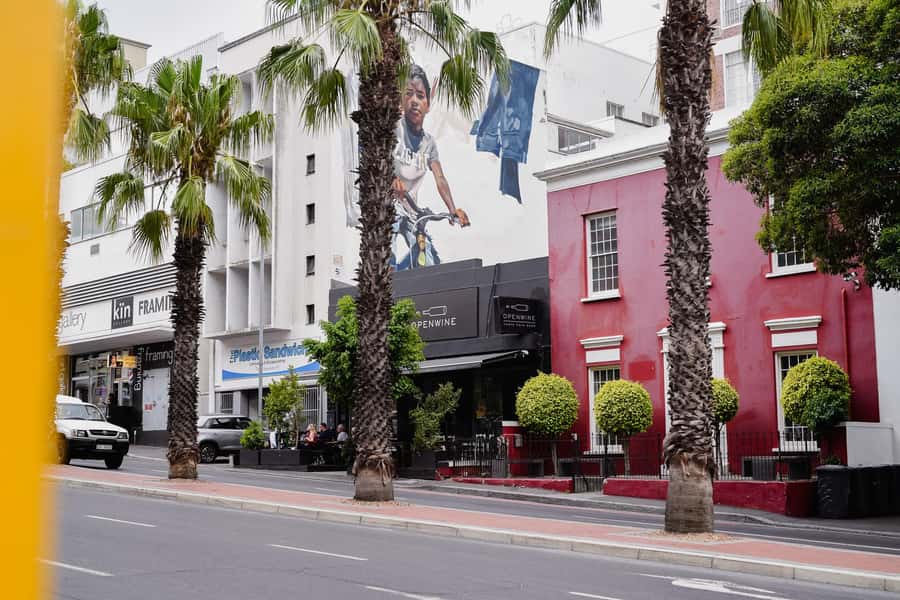
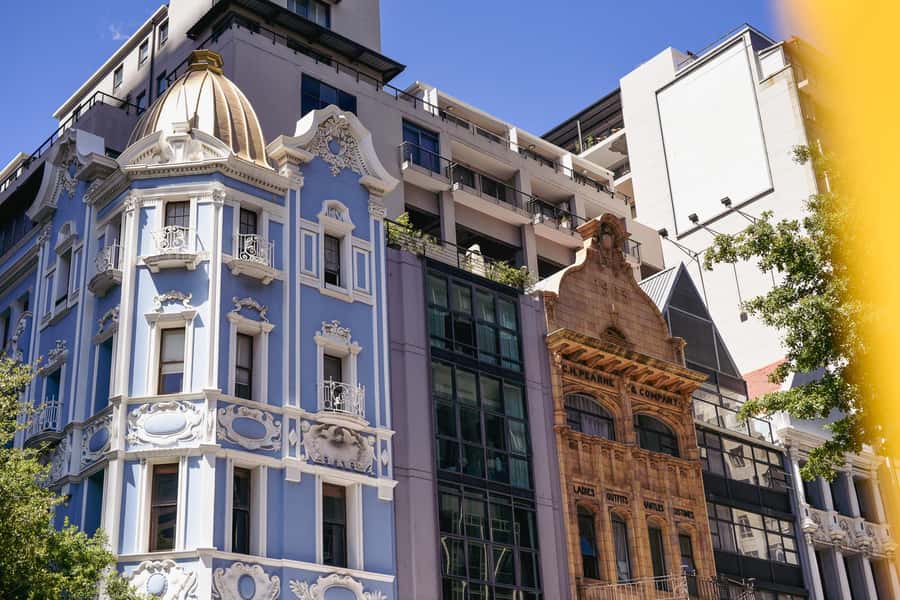
Long Street follows, with another 15 minutes for a guided visit and photographs. Victorian-era buildings sit alongside bars, bookshops, and vintage boutiques. The appeal here is the contrast. You are not looking at a preserved historic quarter isolated from modern life. Old facades share the street with businesses and everyday city movement.
I like this part because it helps explain Cape Town as a working city rather than a collection of monuments. The guide can point out details you might walk past, then connect them to the city’s changing identity.
Still, keep your expectations realistic. The itinerary gives Long Street a short slot, so you will not have time to browse its shops properly. Treat it as a guided introduction. If a bookshop, boutique, or café catches your eye, note it for a later visit.
Greenmarket Square brings art into the route
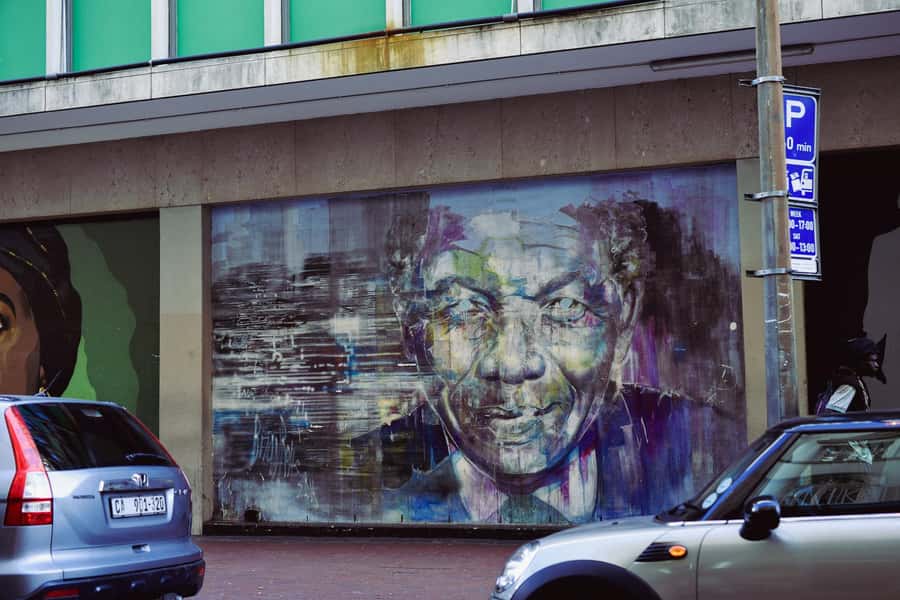
Greenmarket Square is one of the more hands-on portions of the walk. You spend about 20 minutes here with time for sightseeing, guided commentary, and a look at the arts and crafts market.
Traders offer handmade goods, local art, and textiles. This is where the tour’s art focus becomes easy to see. Instead of discussing Cape Town’s creative scene in the abstract, you encounter objects being made, displayed, and sold in a public market.
You may have a chance to browse, but this is not a dedicated shopping trip. Personal purchases are not included, and the short timing means you should not plan on serious bargaining or a long search for souvenirs.
The market also gives you a break from formal landmarks. The route shifts from mosques and old buildings to color, craft, and daily commerce. Guides have also pointed out art galleries and creative work along the way, including a recycling artist’s studio mentioned by one participant. The exact stops may vary, so think of the art element as part of the walking experience rather than a fixed gallery tour.
More History Walking Tours in the world:
- History and Hauntings of Salem Guided Walking Tour
★ 5.0 · 14,564 reviews - Lisbon: History, Stories and Lifestyle Walking Tour
★ 4.8 · 10,902 reviews - Boston: Freedom Trail History Small Group Walking Tour
★ 5.0 · 6,450 reviews - Historic Charleston Guided Sightseeing Walking Tour
★ 5.0 · 6,216 reviews
The Company’s Garden and the Slave Lodge
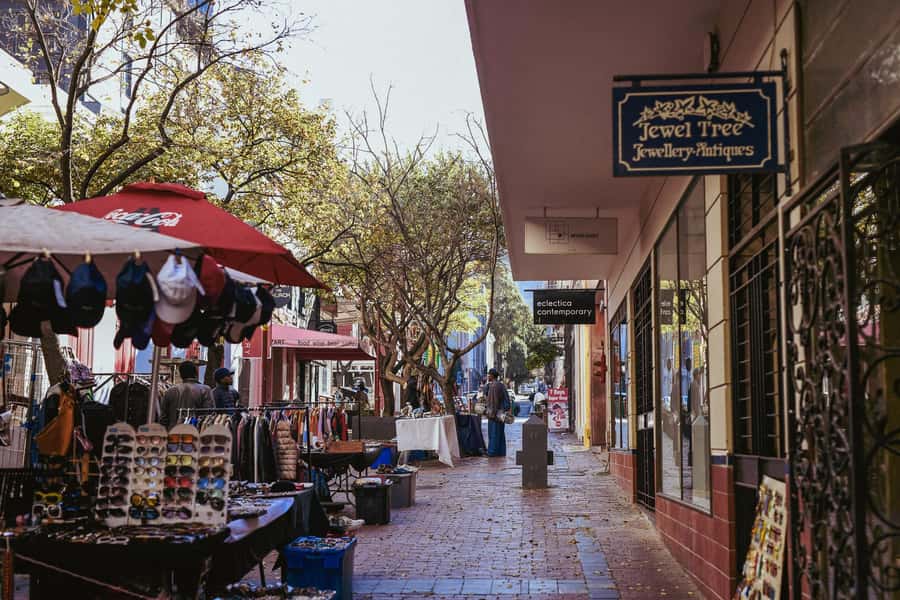
The itinerary then moves toward the Company’s Garden, with about 15 minutes for a guided walk and photographs. This green public space offers a change of pace from the narrow streets and market stalls.
The garden is useful in the route because it helps you see how the city’s open spaces relate to its public buildings and colonial past. It also gives you a chance to pause, although the tour remains on a schedule.
Nearby, the Iziko Slave Lodge provides one of the tour’s most serious historical points. The listed stop allows around 10 minutes for a guided look, sightseeing, and passing by. You should not expect a full museum visit in that time. The value here is the guide’s explanation of the site and its place in Cape Town’s difficult past.
This is an important balance in the tour. Bo-Kaap’s color and Greenmarket Square’s crafts are appealing, but the city’s story also includes slavery, exclusion, and colonial control. The route does not avoid those subjects.
City Hall, Parliament, and the Mandela connection
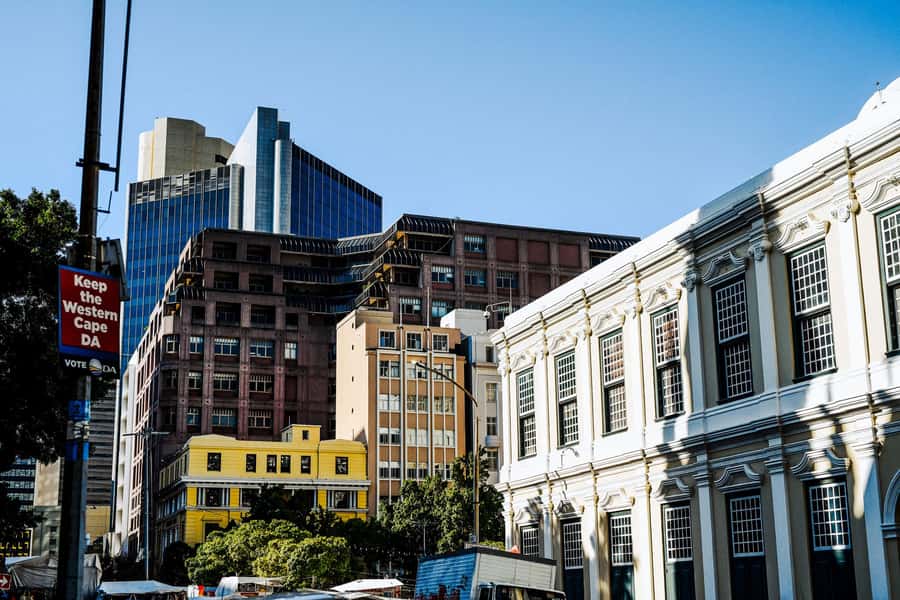
The walk continues past City Hall and toward Parliament. City Hall is linked with historic speeches and protests, and the route offers an opportunity to see an exhibition connected with Nelson Mandela. A separate itinerary stop at Parliament allows about 15 minutes for photographs, guided commentary, views along the way, and a pass-by.
These are mainly exterior and sightseeing moments rather than long indoor visits. That distinction matters. If you want to tour Parliament or spend an hour inside a museum, this experience will not replace a dedicated visit.
The Nelson Mandela element adds a strong modern political connection. Several people found the ending or final exhibit especially useful because it connected the city’s streets with South Africa’s wider political story. The guide helps place Mandela and the country’s transition within the city you are walking through.
This section also rewards questions. The guides have been praised for answering them and adjusting the conversation to the group. Mandi, in particular, is often described as energetic, clear, and willing to discuss the past and present rather than recite a script.
District Six gives the walk its emotional weight
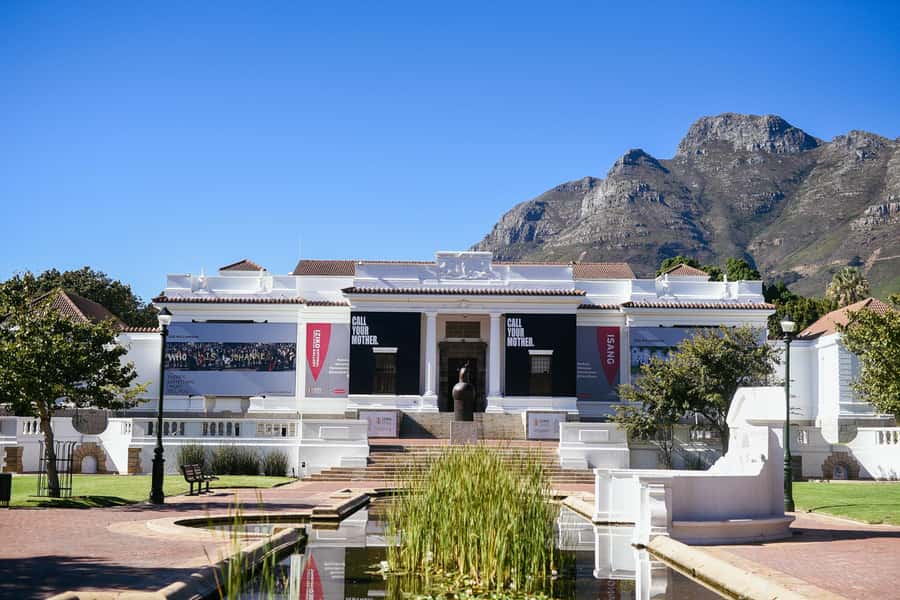
The final major area is District Six. Here, the focus shifts to forced removals and cultural resilience. This is where the tour moves from general city history to a more direct look at apartheid-era displacement and the lasting effect on Cape Town’s identity.
The planned stop allows about 10 minutes for a guided visit and photographs. Again, that is an introduction, not a full museum session. If you want to spend serious time with District Six’s records, photographs, and personal stories, you should arrange a separate visit to the District Six Museum.
Even with limited time, the stop gives the whole walk more weight. You have already seen colorful neighborhoods, historic buildings, and public spaces. District Six helps you ask who was allowed to live in those places, who was removed, and how communities continue to remember what happened.
For me, this is the reason to choose this tour over a simple sightseeing loop. You are not just told that Cape Town has a complicated past. You see how that past is attached to particular streets and communities.
Truth Coffee and the practical end of the route
Truth Coffee Roasting is included as a final photo stop and coffee-related visit. The itinerary does not state that a drink is included, so plan to pay for your own coffee if you choose to order one.
It is a pleasant way to end a serious walk. You can reflect on the route, ask final questions, and take a break. The wider tour information also points to access to toilets during a break, which is useful on a walking route.
Some people have used the guide’s local suggestions to plan the rest of their stay, including restaurants, shopping areas, wine places, and streets worth returning to. That practical advice is one of the tour’s quiet strengths. A good first walk should help you decide where to go next, not just show you what you have already seen.
What the guides add
The guide can shape this experience more than any single building. Names associated with recent tours include Mandi, Olwethu, Diego, Basil, and Sipho. Mandi is praised for clear explanations, energy, and patient answers. Olwethu is described as friendly, engaging, and helpful with timing and meeting arrangements. Diego receives praise for humor, local tips, greetings in Zulu and Xhosa, and a conversational approach.
Those details tell you what kind of guiding to expect. The strongest guides do not simply list dates. They explain why a neighborhood matters, invite questions, and connect history with present-day life.
You may also receive small practical touches, such as help finding the group if you are delayed or advice on where to eat afterward. One guide even stayed after the walk to help make sure a taxi arrived safely. That is not a guaranteed feature, but it shows the personal style people have found valuable.
There is one safety point to keep in mind. One person reported a frightening robbery incident after the guided portion, while walking independently in the city centre. The tour itself was not described as unsafe, but you should listen carefully to local advice and avoid assuming that every nearby street feels the same once the guide has left.
Walking conditions, timing, and what to bring
The published duration is two hours, though one account described a longer three-hour experience. Allow a little flexibility rather than scheduling an immediate connection afterward.
You will be on your feet and moving between neighborhoods. Wear comfortable shoes and carry water. Sunglasses, a sun hat, sunscreen, rain gear, a camera, personal medication, and hand sanitizer or tissues are all sensible additions.
The tour is wheelchair accessible, but accessibility on a walking route can depend on street conditions, slopes, crowds, and the exact path used that day. If you use a wheelchair, confirm the current route and pace before booking.
There is no hotel pickup or drop-off. You are responsible for reaching Bo-Kaap Deli and for arranging transport afterward. Lunch, extra food, coffee, souvenirs, and other personal expenses are also separate.
Free cancellation is available up to 24 hours before the start, and you can reserve now and pay later. Those policies make the tour easier to fit into a changing Cape Town schedule.
Who should book this walk?
I would choose this tour early in a Cape Town stay. It gives you a quick map of the centre, introduces major themes, and provides ideas for places to revisit at your own pace.
It suits you best if you enjoy history, local culture, architecture, public art, and conversation. First-time visitors will get the most from it, but even people who have already walked around the centre may notice details they missed without a guide.
It is less suitable if you want a slow photo session, long museum visits, or a food-focused outing. The route covers a lot, and the short stops mean you will often be introduced to a place rather than fully explore it.
The tour is not suitable for people over 95, according to the activity information. Alcohol and drugs are not allowed.
Should you book the Cape Town Art, Culture and History Walking Tour?
Book it if you want a clear, human introduction to Cape Town’s complicated story and prefer walking to sitting on a bus. The combination of Bo-Kaap, Long Street, Greenmarket Square, the Company’s Garden, colonial landmarks, Parliament, and District Six gives you a useful first look at the city.
At $37, the value is strongest when you make the walk the start of a wider visit. Use the guide’s suggestions, return to the places that interest you, and schedule a longer District Six or museum visit if the history grabs you.
Skip it if you already know the central neighborhoods well or want extensive time inside each attraction. For most first visits, though, the route offers a good balance of place, memory, art, and practical orientation in a short afternoon or morning.
FAQ
Where does the Cape Town walking tour start?
The tour starts at Bo-Kaap Deli, at 97 Church Street, Bo-Kaap, Cape Town, 8001.
How long does the tour last?
The stated duration is two hours. One experience description refers to a three-hour walk, so you should allow some flexibility in your schedule.
What language is the tour conducted in?
The live tour is conducted in English.
How much does the tour cost?
The listed price is $37 per person.
Is hotel pickup included?
No. Hotel pickup and drop-off are not included, and you must arrange your own transport to the meeting point.
What places are included on the route?
The route includes Bo-Kaap, Auwal Masjid, Wale Street, Long Street, Greenmarket Square, the Company’s Garden, the Iziko Slave Lodge, Parliament, District Six, and Truth Coffee Roasting. City Hall and a Nelson Mandela exhibition are also part of the sightseeing experience.
Is the walking tour wheelchair accessible?
The activity is listed as wheelchair accessible. Since this is a walking route through historic city streets, confirm the current route and pace if you have specific mobility needs.
What should I bring?
Bring comfortable shoes, water, sunglasses, a sun hat, sunscreen, a camera, rain gear, personal medication, and hand sanitizer or tissues.
Can I cancel or pay later?
You can cancel up to 24 hours in advance for a full refund. A reserve-now, pay-later option is also available.
Just added around the world
- The Queenstown Story @ Cobh Heritage Centre , Great Stories of Emigration.★ 4.5 · 181 reviews
- Visit 16 Sites Key Historical Sites And Experience Cobh Rebel Tours★ 5.0 · 167 reviews
- Historical Bicycle Tour of Dunedin★ 5.0 · 44 reviews
- Cincy Brunch History and Streetcar Tour with Riverside Food Tours★ 5.0 · 108 reviews
- 2.5 Hour Kayaking with Manatee and History Tour in Tarpon Springs★ 5.0 · 24 reviews
- Private Tour in Chichen Itza Official History Guide★ 5.0 · 36 reviews
- Dazu Ancient Rock Carvings Private Tour Extension★ 5.0 · 24 reviews
- Chicago River Architecture Tour Aboard a Historic Yacht★ 5.0 · 45 reviews
Local Culture & Traditions Tours, compared.

Amsterdam Food and Cultural Tour with Tastings
Read our review →
Sevilla Food Tour: Tapas, Wine, History & Traditions
Read our review →
Tromsø: Reindeer Camp and Sami Cultural Tour with Lunch
Read our review →
Half Day Dominican Republic Cultural Tour : Small Group
Read our review →
Ultimate Melbourne Walking Tour: History, Laneways & Culture
Read our review →
Tromsø: Sámi Reindeer Sledding and Sami Cultural Tour
Read our review →
Kyoto Gion: 2-Hour Geisha Culture & History Walking Tour
Read our review →
Marrakech Historical and Cultural Tour – Half Day City Tour
Read our review →Browse the lists this tour appears in