
Review · CENTRAL HUNGARY
Budapest Grand Half-Day Jewish Heritage Tour
The story of Budapest’s Jewish quarter reaches far beyond one synagogue. This four-hour walking tour connects grand religious buildings, wartime memorials, surviving Jewish institutions, and the streets of the former ghetto. I especially like the careful historical context and the chance to enter both the Dohány Street and Kazinczy Street synagogues. I also like that guides such as Benjamin, Petra, Orsi, and Borcsa have earned praise for clear explanations and warm, engaging personalities.
The main drawback is the pace. Four hours covers a lot, and the subject matter is serious. One recent booking ended about an hour early because of a guide’s scheduling problem, while another felt rushed near the end. That appears to be an exception, but I would still allow extra time afterward rather than planning a tight connection.
Key points to know before booking
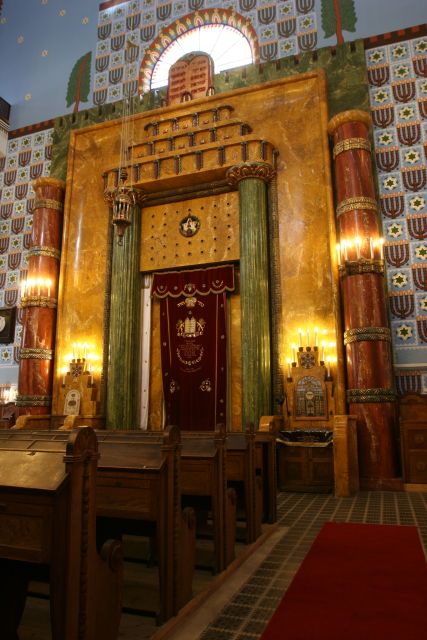
- Dohány Street Synagogue begins the tour with a major architectural and religious landmark, including the Jewish Museum and the synagogue grounds.
- Raoul Wallenberg Memorial Park and its Tree of Life bring the Holocaust story into sharp focus, with space for reflection rather than quick sightseeing.
- The former ghetto is explored on foot, including the Carl Lutz Memorial, Madách Square, Gozsdu Passage, kosher businesses, and Jewish community sites.
- Kazinczy Street Synagogue completes Budapest’s synagogue triangle, with an Art Nouveau design and an active Orthodox tradition.
- The guide makes or breaks the experience, and Benjamin received especially strong praise for his humor, clarity, openness, and command of Jewish and Hungarian history.
- The tour costs $116 per person, which is fair if you want several admissions and a serious guide-led introduction, but less appealing if you prefer to explore at your own pace.
Starting at Dohány Street Synagogue
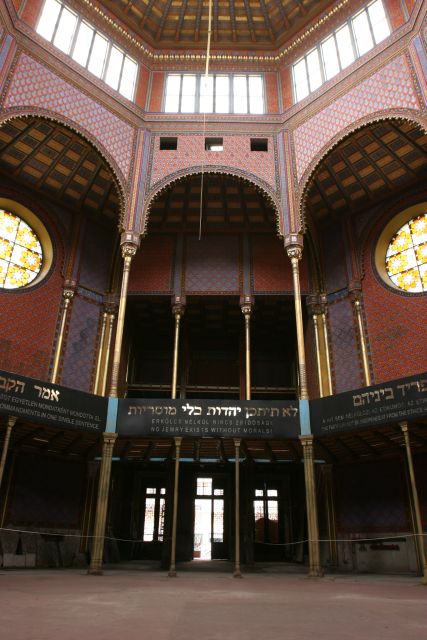
You meet at Dohány Street Synagogue, at Dohány u. 2, in central Budapest. This is a practical starting point because the synagogue is both the tour’s first stop and one of the city’s most important Jewish landmarks.
The opening section includes the synagogue interior, the Jewish Museum, the Martyrs’ Cemetery, Raoul Wallenberg Memorial Park, the Tree of Life, the Temple of Heroes, and the Jewish Centre. You are not simply being led from doorway to doorway. The guide uses these places to explain how Jewish life developed in Budapest, how religious practice changed over time, and how the community suffered during the Holocaust.
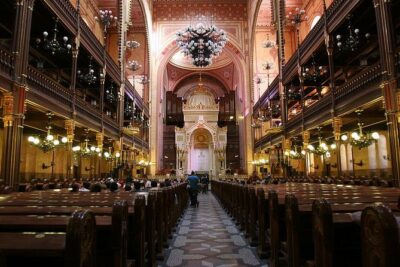
Dohány Synagogue is the visual centerpiece. It is often described as the largest synagogue in Europe, and its size gives you an immediate sense of the scale of Budapest’s former Jewish community. The visit also gives your guide a useful setting for explaining customs, religious objects, and the role of the synagogue in community life.
One caution: the opening explanation can be long. A four-star booking described nearly an hour seated inside the synagogue. If you prefer active sightseeing with quick commentary, this may feel slow. If you want a serious introduction before walking through the district, that time helps make the later stops easier to understand.
More Jewish Heritage Tours in Budapest:
- Budapest Jewish Heritage Memorial Walking Tour & Synagogue Entry
★ 5.0 · 568 reviews - Budapest: Jewish Heritage Guided Tour with Synagogue Ticket
★ 4.8 · 533 reviews - Budapest: Jewish History Guided Walking Tour with Historian
★ 4.8 · 205 reviews
The Jewish Museum and the synagogue grounds
The Jewish Museum adds objects and local detail to the broader story. It is included in the admission, and the guide provides local commentary rather than leaving you to read labels alone.
I like this part because it gives the tour more balance. The Holocaust is essential to understanding Budapest’s Jewish quarter, but Jewish life here did not begin in the 1940s and did not end there. Museum material and religious spaces help show traditions, family life, and community institutions alongside persecution and loss.
The synagogue grounds also include the Martyrs’ Cemetery. Its location makes the past feel close and personal. This is not a stop to rush through for a photograph. The guide’s role matters here, since the meaning of the cemetery and memorials depends on dates, names, and local events that are not always obvious from the setting alone.
The Temple of Heroes is listed as an outside visit. The Jewish Centre is also part of this opening section. Some buildings receive a full interior visit, while others are explained from outside, so do not expect to enter every structure you see.
Raoul Wallenberg Park and the Tree of Life
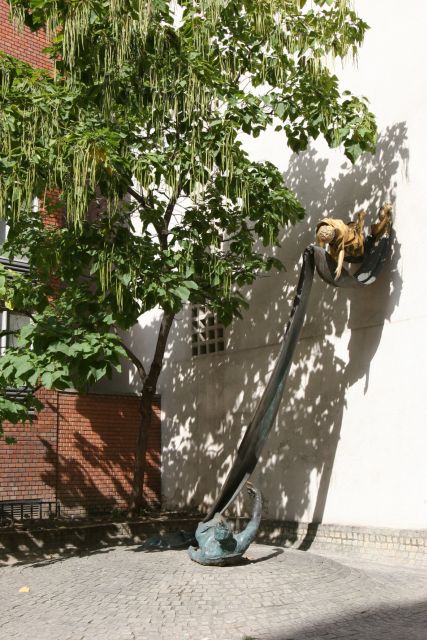
Raoul Wallenberg Memorial Park is one of the tour’s most moving stops. Its centerpiece, the Tree of Life, is a metal memorial shaped like an upside-down willow. The leaves carry names connected with Hungarian Jewish victims of the Holocaust.
The park honors Raoul Wallenberg, the Swedish diplomat who helped protect many Budapest Jews during the final years of the Second World War. The tour also connects his efforts with other rescuers, including Carl Lutz, who is remembered as Hungary’s Schindler.
This part of the visit works best when you give it time. The Tree of Life is visually striking, but its meaning is heavy. Your guide can explain why the memorial is placed here and how the surrounding synagogue grounds were linked to wartime suffering.
The memorial section is also where the tour shifts from religious heritage to recent political and social history. That shift is important. You see that the Jewish quarter is not merely an old neighborhood with attractive architecture. It is a place shaped by forced movement, survival, remembrance, and the rebuilding of community life.
Walking through the former ghetto
After the synagogue and museum section, the tour continues into the Jewish Quarter on foot. These streets were part of the former Budapest ghetto, and today they contain synagogues, memorials, kosher restaurants, shops, cafés, and ordinary city life.
Your guide gives basic information about Budapest as you walk, so this is useful even if you know little about the city beyond its major sights. The commentary links street layout and present-day businesses with the history of Jewish settlement and wartime restrictions.
The walking distance is manageable for most visitors who can comfortably walk for several hours, but the tour is not suitable for wheelchair users. Comfortable shoes are specifically recommended. The program mixes indoor stops, outdoor memorials, and neighborhood walking, so you will want footwear suited to both pavement and standing.
The Gozsdu Passage is one of the more modern and lively points along the route. It is a popular passage through the quarter, lined with shops, restaurants, and social spaces. Its current character contrasts with the memorials and older religious buildings nearby. That contrast helps you see the quarter as a living part of Budapest, not a museum frozen in time.
More Half-Day Tours in Budapest:
- Lima’s Vibrant Heritage: Exploring the City’s Landmarks Half-day
★ 4.5 · 581 reviews - From Ho Chi Minh: Cu Chi Tunnels Half-Day History Tour with Guide
★ 5.0 · 480 reviews - Naxos: Half-Day Guided History and Culture Sightseeing Tour
★ 4.7 · 435 reviews - Historical Italica: Half-Day Guided Tour from Seville
★ 4.5 · 416 reviews
Carl Lutz Memorial and the story of rescue
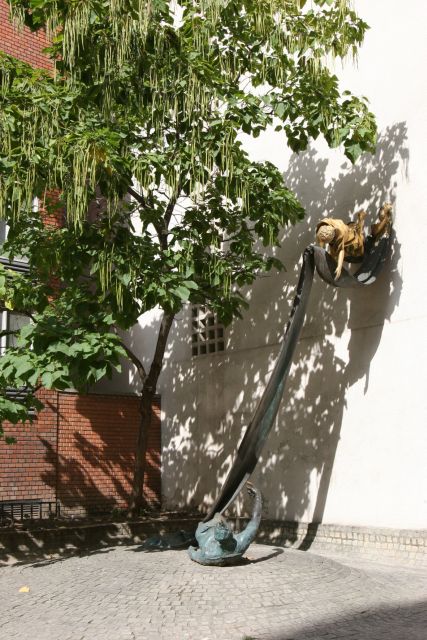
The Carl Lutz Memorial honors a Swiss diplomat who helped issue protective documents and shelter people during the Holocaust. The tour uses this stop to widen the story beyond the better-known name of Wallenberg.
This is a valuable detail because Budapest’s rescue efforts involved several individuals, institutions, and acts of courage. You may find the stop especially useful if you want to understand how foreign diplomats and local helpers responded during the final stages of the war.
The group may divide briefly around the Carl Lutz Memorial, since the shorter and longer tours can overlap. That arrangement has caused some confusion for past participants, so listen carefully to your guide about who continues and where the group will meet.
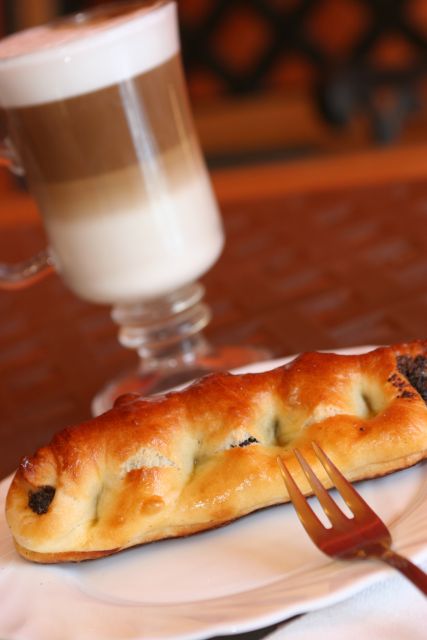
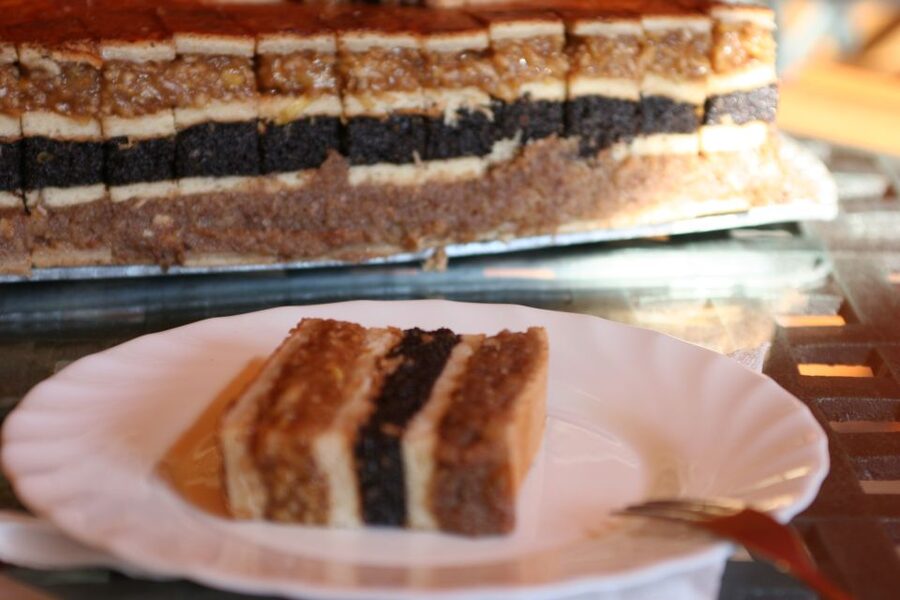
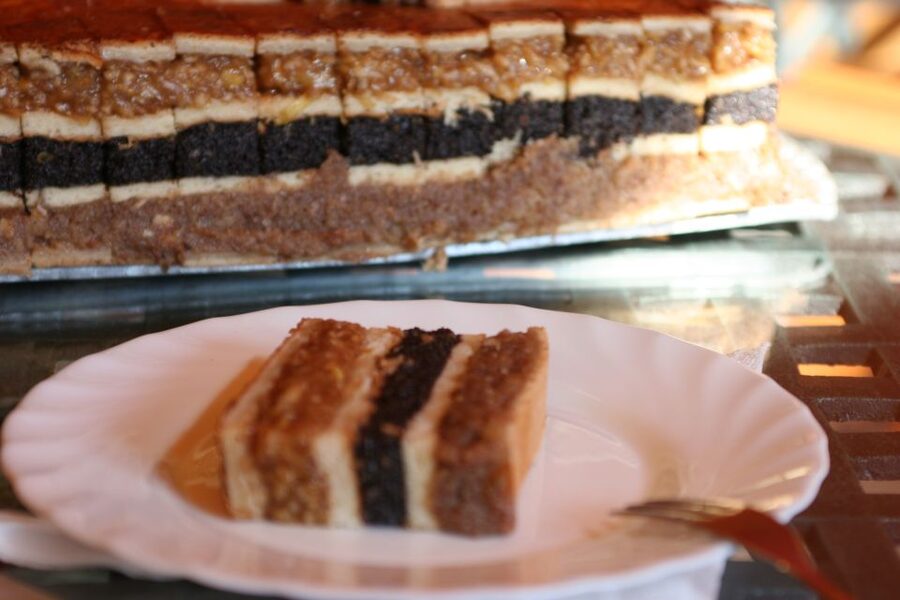
A café stop with cake and coffee in a kosher confectionery is also listed. This gives the four-hour tour a welcome pause, especially after the solemn memorials. There is also a 10 percent discount at Carmel Restaurant when taking the lunch option, although the provided information does not say that a full meal is included in the tour price.
Rumbach Street and Kazinczy Street
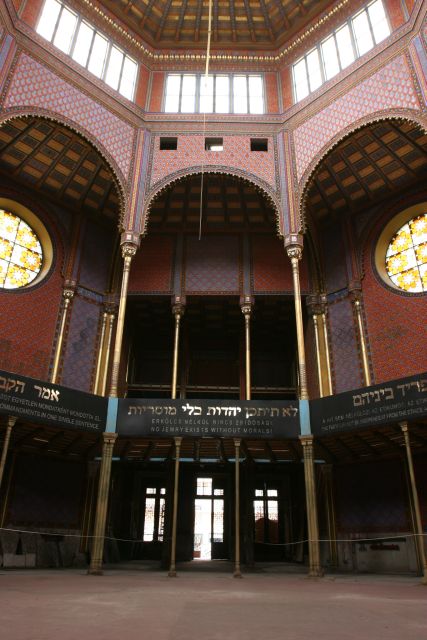
Rumbach Street Synagogue is part of the synagogue triangle, but the standard program lists it as an outside visit. You should expect to hear about the building and see it from the street rather than count on entering.
That detail matters because one past booking received a special visit inside Rumbach when it was normally closed. Treat that as an occasional possibility, not as something guaranteed. The reliable interior visits are Dohány Street Synagogue and Kazinczy Street Synagogue.
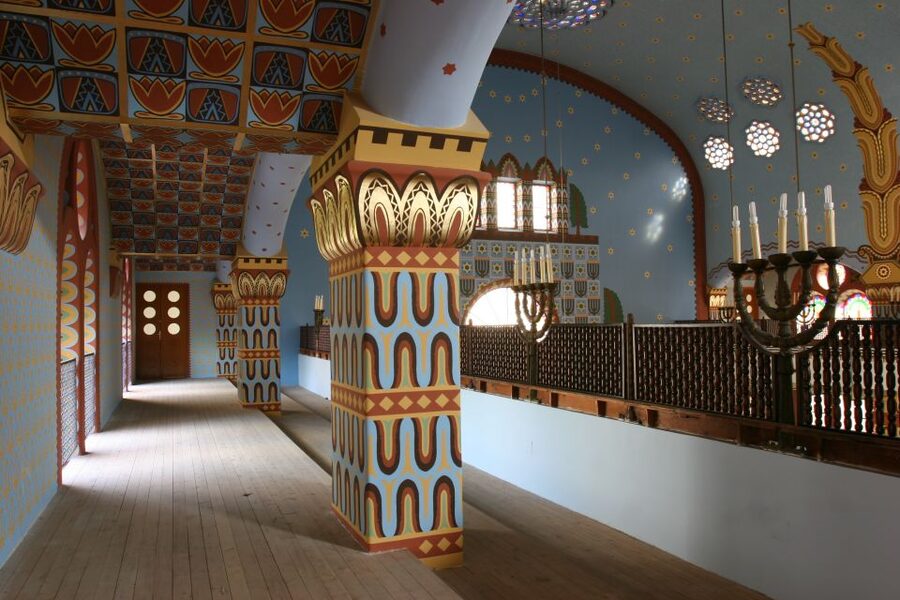
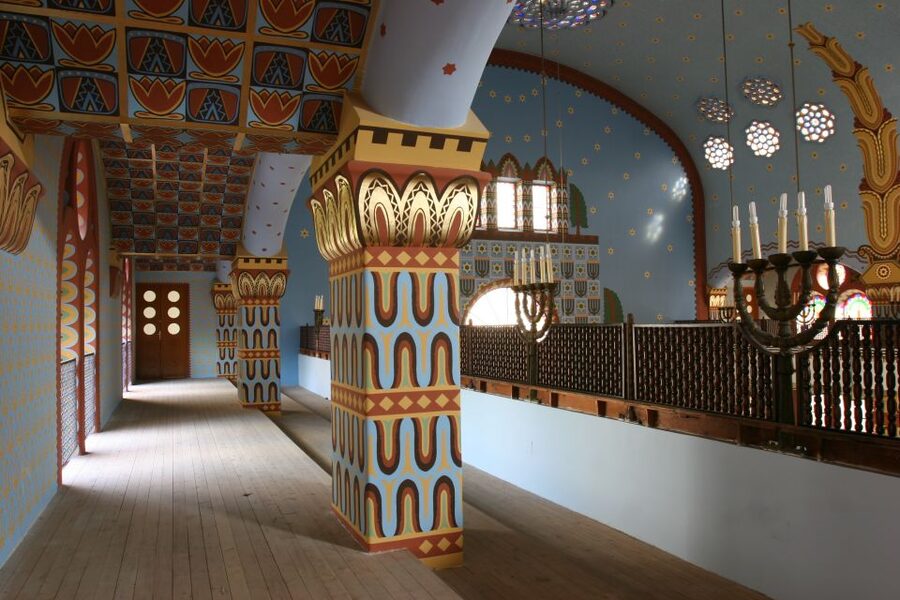
Kazinczy Street Synagogue is the final major stop. It is one of Europe’s largest operating Orthodox synagogues and was built in the Art Nouveau style. The building offers a different mood from Dohány. Seeing both helps you understand that Budapest’s Jewish community has never been one single religious or architectural tradition.
The tour information includes entrance to Kazinczy Street Synagogue, and the stop is described as an inside visit. Since the details also refer to it as part of the Orthodox Jewish Quarter, your guide can explain how the building fits into the district’s continuing religious life.
What the guides add
The strongest feature of this experience is the guide. Benjamin received repeated praise for his command of Budapest’s Jewish past and present, his humor, and his willingness to answer difficult questions directly. Several bookings describe him as passionate, articulate, and patient.
Petra was also praised for clear English and strong explanations. Orsi received warm comments for explaining both past and present Jewish life in Hungary. Borcsa was singled out for her Jewish background, local connections, and personal approach, including extending a tour so the group could ask more questions and see Rumbach from inside.
You should not assume that every departure will have the same person. The guide may be Benjamin, Petra, Orsi, Borcsa, or another member of the team. The feedback suggests a consistently strong standard, but individual delivery can vary. One booking found the guide well informed but somewhat rigid, while another felt the explanation at the synagogue was too long.
The subject also calls for a tactful guide. The tour deals with persecution, the Holocaust, religious identity, Hungarian politics, and the survival of a community. The best guides appear to handle those topics with seriousness without making the walk feel cold or academic.
Is $116 a fair price?
At $116 per person, this is not a bargain walking tour. You are paying for four hours, a professional English-speaking guide, admission to Dohány Street Synagogue, the Jewish Museum, Raoul Wallenberg Memorial Park, and Kazinczy Street Synagogue, plus a broad route through the quarter.
The value is strongest if you want interpretation. Buying admission alone would not give you the same explanation of how the buildings, memorials, and streets fit together. You also avoid the work of planning a route between several sites that are easy to visit separately but harder to connect into one coherent story.
The price is less attractive if you mainly want photographs or prefer short visits. The tour spends serious time on explanation, and some stops involve sitting or listening. You are also paying for a fixed four-hour structure, not just entry tickets.
The included coffee and cake add a small comfort break, and the Carmel Restaurant discount may help if you plan lunch nearby. Still, I would judge the price mainly by the guide and the admissions, not by the refreshment.
Who should take this tour?
I would recommend it to first-time visitors who want a strong introduction to Budapest’s Jewish quarter and to anyone interested in Jewish religious practice, Hungarian history, or Holocaust remembrance.
It also suits families with older children and teenagers who can handle serious subject matter. One booking from a nonreligious family with a teenager found the tour rewarding, which makes sense: the program explains culture and community, not only religious doctrine.
You do not need to be Jewish to appreciate it. The route addresses religion, architecture, war, diplomacy, urban change, and present-day community life. You do need to be ready for a thoughtful tour rather than a light sightseeing walk.
I would be cautious about booking it if you use a wheelchair, dislike extended walking, or have a tight schedule immediately afterward. Large bags and luggage are not allowed, and you should bring a passport or ID card. The tour is in English only.
Free cancellation is available up to 24 hours before the start, and you can reserve now and pay later. Those terms are useful if your Budapest plans are still shifting.
My verdict on the Budapest Jewish Heritage Tour
This is a strong, serious introduction to Budapest’s Jewish quarter. I like the way it joins grand synagogues with smaller memorials, former ghetto streets, kosher life, and stories of rescue. The route gives you both the painful past and the continuing community, which is far more useful than a quick monument checklist.
The guide is the key reason to book. Benjamin received the most repeated praise, but Petra, Orsi, and Borcsa also made strong impressions. If you want a guide who can explain religious details, answer difficult questions, and connect local events with wider Hungarian history, the $116 price can be justified.
Book it if you want context, conversation, and several important admissions in one morning or afternoon. Skip it if you want a fast photo walk, need wheelchair access, or prefer to explore quietly on your own. For most culturally curious visitors, this is four worthwhile hours, provided you leave room in your schedule in case the walk runs long or the pacing changes.
FAQ
Where does the Budapest Jewish Heritage Tour begin?
It begins at Dohány Street Synagogue, Dohány u. 2, 1074 Budapest.
How long does the tour last?
The scheduled duration is four hours. Starting times vary, so you need to check availability when booking.
What language is the tour conducted in?
The tour is conducted in English with a live guide.
Which sites include admission?
Admission includes the Jewish Museum, Dohány Street Synagogue, Raoul Wallenberg Memorial Park, and Kazinczy Street Synagogue.
Is Rumbach Street Synagogue visited inside?
Rumbach Street Synagogue is listed as an outside visit in the standard program. An interior visit may occasionally be possible, but it is not guaranteed.
What should I bring?
Bring a passport or ID card and comfortable shoes. Pets, luggage, and large bags are not allowed.
Is the tour suitable for wheelchair users?
No. The tour is listed as unsuitable for wheelchair users.
Just added around Budapest
- Segway Guided Tour In Budapest, Historical Buda Castle★ 5.0 · 28 reviews
- Budapest Private 3-Hour Jewish Heritage Tour★ 4.3 · 49 reviews
- Budapest: Communist History Tour with House of Terror Option★ 4.8 · 182 reviews
- Budapest: Jewish History Guided Walking Tour with Historian★ 4.8 · 205 reviews
- Budapest: Historic Downtown Bicycle Ride with Scenic Views★ 4.8 · 151 reviews
- Budapest Paddle Steamer Danube Cruise with Tokaj & Audio Guide★ 4.5 · 338 reviews
- Budapest: Jewish Heritage Guided Tour with Synagogue Ticket★ 4.8 · 533 reviews
- Budapest Jewish Heritage Memorial Walking Tour & Synagogue Entry★ 5.0 · 568 reviews
Jewish Heritage Tours, compared.
Budapest Jewish Heritage Memorial Walking Tour & Synagogue Entry
Read our review →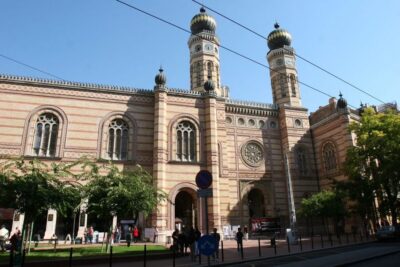
Jewish Heritage Guided Tour with Synagogue Ticket
Read our review →
3-Hour Porto Jewish Heritage Walking Tour with Local Guide
Read our review →
Private Jewish Heritage Journey by Barcelona Dreaming
Read our review →
Anne Frank and the Jewish History of Amsterdam Private Tour
Read our review →
Lisbon Jewish Heritage and History – Private Tour Van
Read our review →
Browse the lists this tour appears in