
Review · SICILY
Ancient Syracuse: private guided tour of the Neapolis archaeological park
Ancient stone, sharp stories, and one famous cave. This private walk through Syracuse’s Neapolis Archaeological Park brings the city’s Greek and Roman remains into focus, especially with guides such as Eva and Martina, who are praised for making complicated history easy to follow. I like the one-on-one format and the chance to ask questions at your own pace. I also like that you can choose a morning or afternoon departure.
The main caution is important: park admission is not included, unless you select the tour and ticket option. In spring and summer, temporary seating may cover much of the Greek Theater, so check the performance schedule before you book. The tour earns a 4.7 rating from 88 reviews, with 92 percent of customers recommending it, but the theater issue can affect the experience.
Key points to know before booking
- Private guiding: Only your group takes part, so you can ask questions without keeping pace with a large crowd.
- Greek Theater focus: This is the park’s central monument, but summer performances can leave it partly hidden beneath temporary wooden seating.
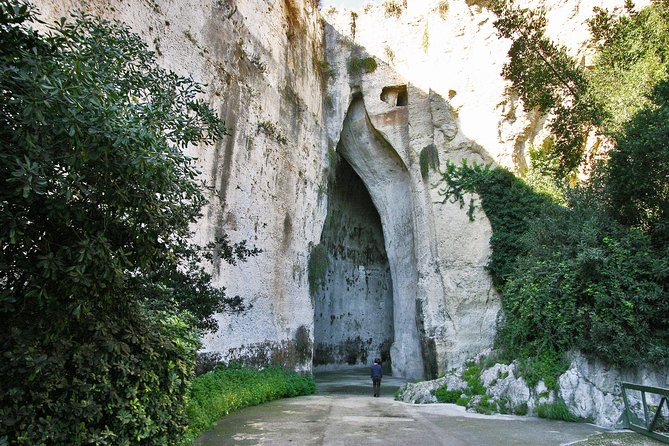
- Ear of Dionysius: The famous cave is a short stop with striking acoustics and a strong connection to Syracuse’s legends.
- Ticket warning: You must pay the archaeological park entrance fee separately unless you choose the option that includes admission.
- Guide quality: Eva receives repeated praise for her patience, detail, and ability to engage children, while Martina is also described as polished and well prepared.
- Timing matters: The tour is advertised at about 1 hour 30 minutes, while the park schedule describes roughly 2 hours, so allow some flexibility.
Why Neapolis deserves a guided walk
Syracuse is not just a pretty Sicilian city with an old center on Ortigia Island. Its Neapolis Archaeological Park contains some of the most important Greek and Roman remains in Sicily, spread across a large open site where ruins can be easy to misread without context.
A broken wall may look like just another pile of pale stone. A guide can explain whether it belonged to a theater, quarry, Roman arena, or later construction. That difference matters here because the park’s interest comes from how several periods sit close together.
I like the private format for this reason. You are not simply being led from one photo stop to the next. You can ask why the Greek Theater was carved into the hillside, how the stone quarries were used, or what made Syracuse important in the ancient Mediterranean world.
The tour is offered in English and includes a professional guide with a private walking format. It does not include the entrance fee by default, so the final cost is higher than the advertised $108.24 per person once tickets are added. For a private experience, that price may make sense for couples, families, or a small group that wants a focused visit rather than a standard group walk.
More Ancient History Tours in Italy
- Colosseum: Underground and Ancient Rome Tour
★ 4.7 · 12,691 reviews - Colosseum & Ancient Rome with Arena Floor Option I Max 6 People
★ 5.0 · 3,306 reviews - Rome: Colosseum, Ancient Rome Tour or AudioGuided Tour
★ 4.4 · 2,879 reviews
Starting at the Neapolis Archaeological Park
The meeting point is Largo Anfiteatro, 2, at the park entrance in Syracuse. The activity ends back at the same meeting point, which makes it simple to continue with your day afterward.
Wear comfortable walking shoes. The tour is outdoors and involves moving between several monuments, with little reason to expect a short, flat indoor visit. The experience is described as suitable for most people, and service animals are allowed.
The park stop is given a generous place in the schedule, with the full visit described as about two hours in the detailed itinerary. The overall tour summary says approximately 1 hour 30 minutes. That difference is worth noticing when you are planning lunch, transport, or another timed activity. Your exact pace may depend on the number of questions you ask, ticket arrangements, and how much time you spend at each monument.
A useful practical tip is to arrive at the exact meeting point shown on your confirmation. Confusion over meeting locations caused one customer to lose time, and the guide had to make several phone calls to locate the group. If you need to request a time change, do it well before the day of the tour. Last-minute changes may affect both the schedule and the amount of time spent waiting.
Greek Theater: the park’s main attraction
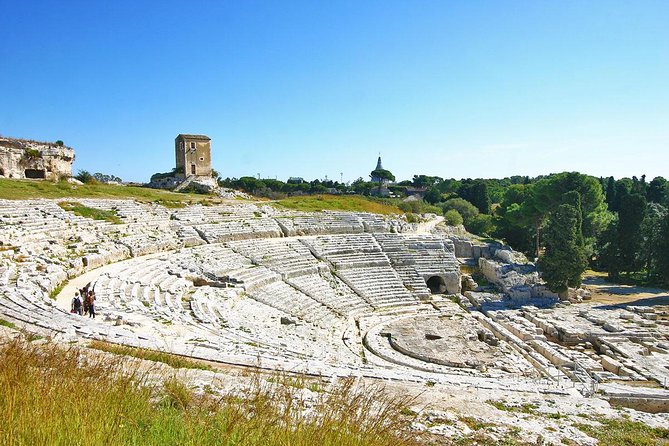
The Teatro Greco is the centerpiece of the visit. It is described as the most important ancient Greek theater in Sicily, and its scale helps explain the importance of Syracuse in the ancient Greek world.
This is the place where a guide can add real value. You can look across the carved seating and understand the design, but an explanation of how the theater functioned gives the stone more meaning. The guide also provides historical detail about Syracuse and answers questions as you move through the site.
The main drawback is seasonal. During the performance season, usually spring and summer, temporary wooden bleachers cover much of the theater. The structure is still in use for Greek plays, which is an appealing part of its continuing life, but the seating can hide the original form.
If seeing the uncovered theater is your top reason for booking, ask about current conditions before paying. Promotional photographs may show the theater without seating, while your visit could look very different. One customer felt this was a major disappointment, even though the guide did an excellent job with the rest of the park.
Summer heat is another concern. One useful suggestion from the experience is to bring an umbrella if you visit in hot weather. It can provide shade during explanations in exposed parts of the park. Morning departures may be more comfortable, though the tour also offers afternoon times for those with different schedules.
The Ear of Dionysius and the old quarries
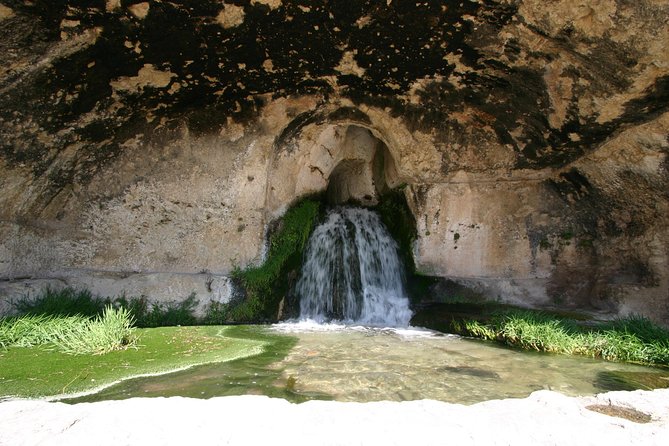
The Ear of Dionysius is a legendary cave cut into the ancient stone quarries. It is one of the park’s most memorable stops, not because it is large or richly decorated, but because the shape and acoustics make the place feel unusual.
The stop is listed at about 15 minutes. That is enough time to hear the guide explain the site and notice how sound behaves inside. Visitors have found the acoustics especially enjoyable, with singing carrying clearly through the cave. You do not need a long stop here to remember it.
The cave also helps you understand the quarry system. The ancient stone quarries were not merely a backdrop for the theater and other buildings. They were working spaces where stone was extracted, and they later had other uses. Your guide connects these spaces to Syracuse’s past rather than treating them as isolated curiosities.
This is one of the strongest reasons to choose a guided tour instead of walking through the park alone. Without explanation, the cave is dramatic but puzzling. With a guide, you can place it within the larger story of the city and its monuments.
More Private History Tours in Italy
- Ancient Ostia Antica Semi-Private Day Trip from Rome by Train with Guide
★ 4.5 · 579 reviews - Colosseum & Ancient Rome Semi-Private Tour
★ 5.0 · 208 reviews - Ancient Pompeii Private Tour: Skip the Line & Kid-Friendly Option
★ 5.0 · 167 reviews - Skip-the-Line Half-Day Private Tour Ancient Pompeii Highlights with Native Guide
★ 5.0 · 146 reviews
The Roman Amphitheater and a change of era
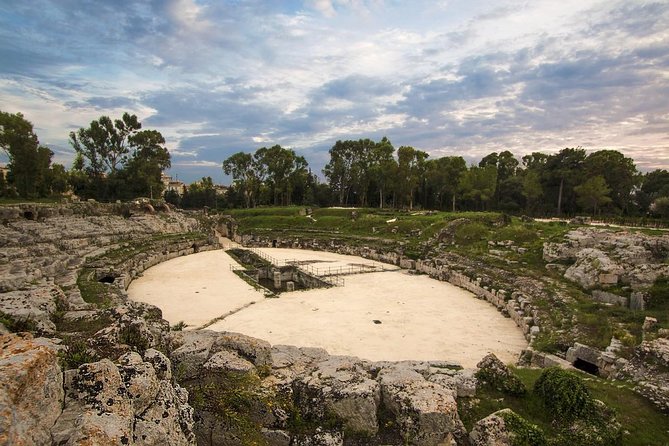
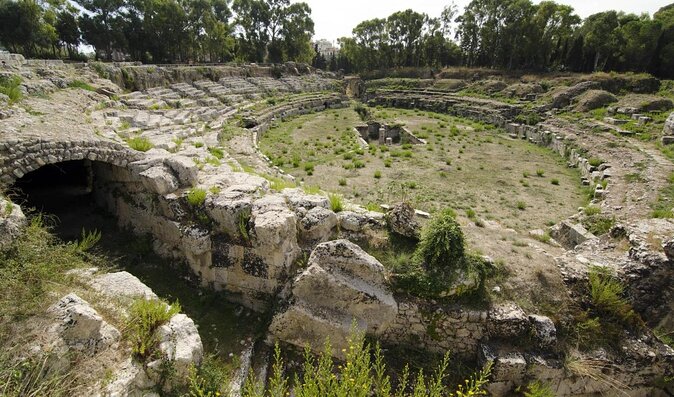
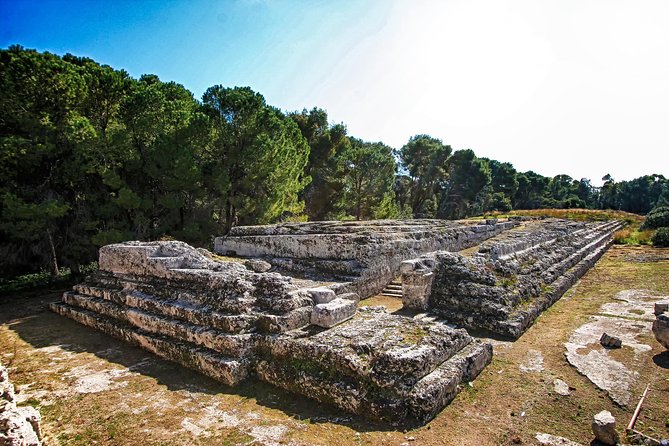
The Anfiteatro Romano di Siracusa shifts the focus from Greek Syracuse to Roman Syracuse. The guide explains gladiatorial contests and the purpose of the amphitheater, giving you a useful contrast with the Greek Theater nearby.
The stop is listed at about 15 minutes. It is not as long as the main theater visit, but that shorter pause works well because the amphitheater is one part of a wider archaeological area. You get a clear look at the Roman presence without losing the main focus of the tour.
I appreciate the way this combination gives you more than one period in a single walk. The Greek Theater, the quarries, the Ear of Dionysius, and the Roman amphitheater are not interchangeable ruins. Each asks different questions about public life, construction, entertainment, and power.
The guide’s job is to help you see those differences. Several customers specifically praised guides for explaining small architectural details and pointing out features that would otherwise be easy to overlook. One particularly memorable example involved the guide identifying a living acanthus plant, a detail connected to the carved leaf designs used on ancient columns and decoration.
The guide can make or break this visit
The strongest part of this experience is the guiding. Eva is praised repeatedly for her clear explanations, patience, enthusiasm, and willingness to answer questions. She has also been described as especially good with children, including a 10-year-old interested in history.
That family-friendly quality matters. Ancient sites can lose a child quickly if the visit becomes a stream of dates and names. A guide who responds to questions and notices what interests your child can turn the park into a much more active experience.
Martina also receives warm praise for being local, well spoken, and highly educated about the area. The important point is not which guide you receive, since availability can change, but that the experience depends heavily on the individual guide assigned to you.
The private arrangement gives the guide room to adjust. You can ask for more detail about theater design, Roman entertainment, the quarries, or local history. You can also pause when a monument catches your attention rather than being pulled along by a large group.
Some customers have combined the archaeological park with an additional tour of Ortigia or the nearby archaeological museum. Those longer arrangements are separate from this basic experience, but they show how well the park can fit into a broader Syracuse program. Do not assume those extra visits or lunch arrangements are included here.
What the $108.24 price means
At $108.24 per person, this is not a budget walk, especially because admission is normally extra. The price is easier to justify if you are traveling as a small private group and care about detailed explanation, flexible questions, and a quieter pace.
It may be less attractive if you are comfortable reading signs, using a guidebook, or exploring independently. The park’s main monuments are accessible without a private guide, so you are paying mainly for interpretation and convenience rather than exclusive access to the ruins.
Group discounts may be available, which can improve the value for families or several adults traveling together. Check the final cost carefully, including the ticket option and any reduced admission that may apply to children, teachers, or other eligible visitors.
The ticket arrangement deserves special attention. Admission is clearly treated as a separate cost because some visitors qualify for free or reduced entry only by showing identification at the ticket office. This can be inconvenient, but it also explains why a standard private tour may not include one fixed ticket price for everyone.
To save time, follow the meeting instructions closely and ask in advance about the best way to handle admission. A delayed start can come from more than a ticket line. Arriving at the wrong location or changing the schedule late can create extra waiting and phone calls.
Who will get the most from this tour
I would choose this experience if you want the ruins explained rather than simply photographed. It is particularly suitable for:
- Families with children who ask questions or enjoy ancient history
- Couples who prefer a private pace
- Small groups willing to split the cost for personal attention
- First-time visitors to Syracuse who want the major monuments placed in context
- Anyone unsure how to read an archaeological site without help
You may prefer an independent visit if the uncovered Greek Theater is your only priority, especially during summer. You may also find a self-guided visit better value if you already understand Greek and Roman archaeology and do not need a guide.
The private format does not remove every practical concern. You still need comfortable shoes, sun protection, and a separate admission budget. But it does give you a person who can answer questions and explain why each stop matters.
Tickets, weather, and cancellation details
The tour requires good weather. If poor weather causes cancellation, you will be offered another date or a full refund. You can cancel for a full refund up to 24 hours before the local start time, but changes or cancellations inside that window are not accepted.
Confirmation is sent within 48 hours of booking, subject to availability. The tour is offered in English, and mobile tickets are available.
Since the activity begins and ends at the same meeting point, it is easy to pair with another Syracuse plan. Just leave enough time for the possible difference between the advertised 1 hour 30 minutes and the more detailed two-hour park schedule.
Should you book the Neapolis private tour?
Book it if you want the ancient monuments interpreted by a strong guide, not just seen. Eva and Martina have both received especially warm praise, and the private format works well for families, curious couples, and small groups.
Before booking, confirm three things: the total price with admission, the current condition of the Greek Theater, and the exact start time. If summer seating covers the theater and that monument is your main goal, you may want to visit in another season or choose a different plan.
For most people interested in Syracuse’s ancient past, this is a worthwhile use of time. The Greek Theater, Ear of Dionysius, quarries, and Roman amphitheater form a varied visit, and a good guide can turn scattered ruins into a clear story. Just arrive at the right meeting point, bring shoes and sun protection, and treat the ticket cost as separate from the advertised tour price.
FAQ
Where does the tour start?
The tour starts at Largo Anfiteatro, 2, 96100 Siracusa SR, Italy.
Where does the experience end?
It ends back at the meeting point.
How long does the tour last?
The tour summary gives an approximate duration of 1 hour 30 minutes. The detailed park schedule allows about two hours, so you should leave some flexibility in your day.
Is the archaeological park entrance fee included?
No. The entrance fee is not included unless you choose the Tour + Ticket option.
Is the tour private?
Yes. Only your group participates in the private activity.
What language is offered?
The tour is offered in English.
Can I choose a morning or afternoon departure?
Yes. Morning and afternoon departure times are available.
What happens to the Greek Theater during summer?
During the performance season, usually spring and summer, temporary seating covers the theater and it may be only partly visible.
Are comfortable shoes recommended?
Yes. Comfortable walking shoes are recommended for the archaeological park visit.
Can I cancel for a full refund?
Yes, if you cancel at least 24 hours before the experience start time. Cancellations made less than 24 hours in advance are not refunded.
More Archaeological Site Tours in Italy
- Discover the Ancient Ruins of Pompeii: Day Trip from Rome
★ 3.5 · 2,247 reviews - Ancient Rome: Archeological area Largo Argentina
★ 3.9 · 49 reviews - Rome: Private Colosseum Experience and Ancient Ruins Tour
★ 4.6 · 25 reviews - Olbia: Archaeological Tour of Ancient Sardinia + Transport
★ 4.6 · 21 reviews
Just added around Italy
- Guided Cultural Tour of the Godfather Film in Messina★ 5.0 · 31 reviews
- SU NURAXI BARUMINI Unesco World Heritage Site★ 5.0 · 129 reviews
- Picnic aperitif in the vineyard of an ancient trullo in Martina Franca★ 5.0 · 21 reviews
- Brescia the Unexpected: History, Local Stories & a drink★ 5.0 · 31 reviews
- Bologna historical art walking tour with hidden gems and tastings★ 5.0 · 108 reviews
- Private or semi-private tour of the historic center of Bologna★ 5.0 · 34 reviews
- Bolognese Cooking Class with Margherita in the Historic Center★ 5.0 · 26 reviews
- Best of Bologna in one day : Food, architecture, art and history★ 5.0 · 27 reviews
Archaeological Site Tours, compared.
Discover the Ancient Ruins of Pompeii: Day Trip from Rome
Read our review →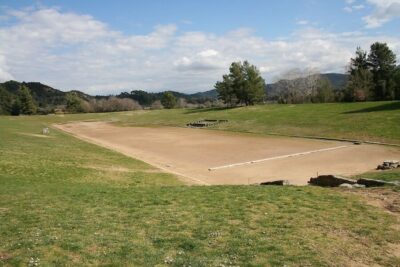
Ancient Olympia: Archaeological Site and Museum Entry Ticket
Read our review →
Cusco: Historical Guided City Tour with 4 Inca Ruins
Read our review →
Ancient Chacchoben Mayan Ruins & Mayan Experience from Costa Maya
Read our review →
Coba Private Tour – Ancient Ruins & Refreshing Cenote Swim
Read our review →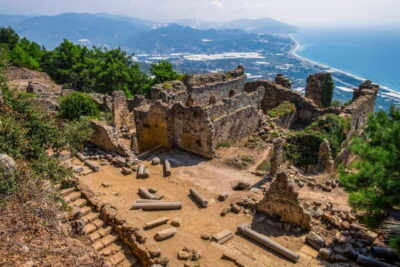
Alanya: Ancient Ruins & Hidden Coves of Gazipaşa w/ Cave
Read our review →
Buggy Tour in Ancient Ruins and Temples around Athens-SOUNIO Poseidon Temple
Read our review →
3-Day Ancient Greek Archaeological Sites Tour from Athens
Read our review →Browse the lists this tour appears in