
Review · TOULOUSE
Toulouse Food & History Tour with a Chef (in English)
Food tells Toulouse’s story. This four-hour walk links local dishes with the city’s grand mansions, medieval streets, riverfront, markets, and churches. I like the way Chef Alejandro serves food that matches each historical stop, and I like the small-group format, which is limited to a maximum of 10 or 14 people depending on the booking information. The main drawback is simple: you eat standing up, with no seating for the entire tour.
At $133.02 per person, this is not a cheap snack crawl. Still, the price includes seven food tastings, a trained chef, and a guided look at central Toulouse. You should also expect to walk and stand for about four hours, so comfortable shoes matter more here than stylish ones.
Key points to know before booking
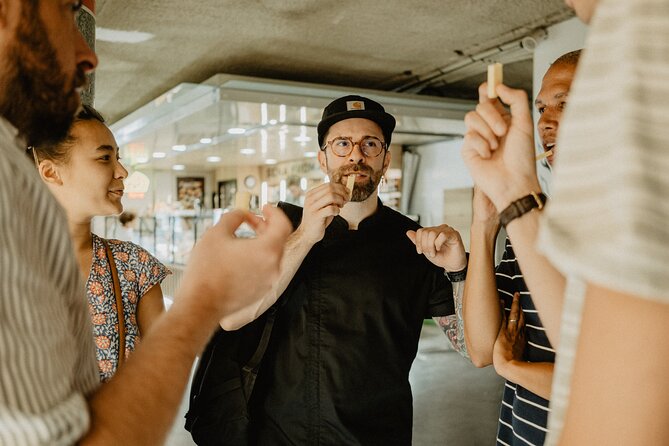
- Seven tastings follow seven Toulouse stories, from a traditional baked good at a Renaissance mansion to sausage, cheese, wine, charcuterie, and dessert.
- Chef Alejandro prepares and plates the food from a mobile cart, giving the tour an unusual cooking demonstration feel.
- The route covers central Toulouse, including the Fondation Bemberg, Garonne riverfront, Place Saint-Georges, Marché Victor Hugo, Basilique Saint-Sernin, and Place du Capitole.
- Much of the food is prepared ahead of time, while the cheese and wine pairing is served at the market stop.
- The tour is best early in your stay, since the guide sends restaurant, market, and food-shop suggestions afterward.
- You need moderate fitness, comfortable shoes, and a willingness to eat on your feet.
Why this food walk feels different
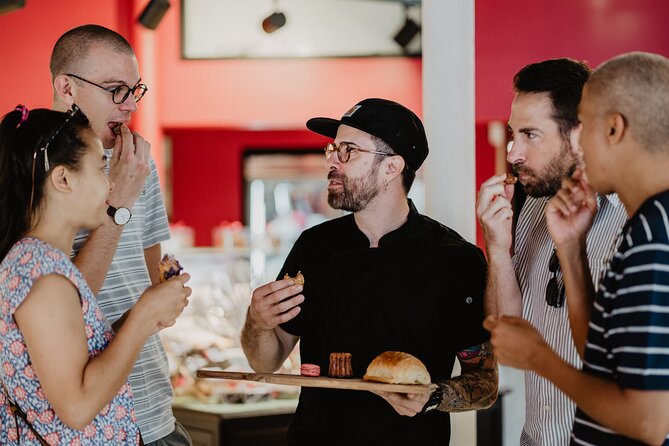
Most city food tours take you from shop to shop, with a guide explaining what you are eating. This one uses a more theatrical format. Alejandro moves through Toulouse with a cart, pauses at major sights, and connects each dish to a story about the place where you are standing.
That structure gives the morning a clear rhythm. You hear a short piece of local history, look at the architecture or street around you, then taste something connected to the subject. It is a better way to remember information than a long string of dates and names.
The food is not simply a collection of unrelated bites. The sausage at Place Saint-Georges relates to the region’s best-known product. Cheese and wine at Marché Victor Hugo introduce local producers. A famous Toulouse dessert follows the story of Basilique Saint-Sernin. The result is part walking tour, part tasting menu, and part outdoor cooking presentation.
The guide’s personality matters a great deal here. Alejandro is described as warm, funny, polished, and able to speak several languages. His style appears to be central to the experience, so you should book this tour if you enjoy conversation and storytelling rather than a quiet, self-guided walk.
More Food Tours in France:
- Avignon: Historic District Guided Food & Wine Walking Tour
★ 4.8 · 84 reviews - Bordeaux Historic and Gourmet Food Walking Tour
★ 4.5 · 82 reviews - Toulouse Food & History Tour with a Chef (in English)
★ 5.0 · 59 reviews
Starting at the Fondation Bemberg
The tour begins at the Fondation Bemberg, housed in the Hôtel d’Assézat on Place d’Assezat. This is one of Toulouse’s grand private mansions, built during the period when wealthy families made fortunes in trade and used that money to construct impressive homes.
The first stop sets the tone well. Instead of starting with a generic introduction to Toulouse, Alejandro uses the architecture to explain the social and economic forces that shaped the city. You also receive the city’s most iconic baked good at this point. One food description identifies it as a traditional chocolatine, a useful detail for anyone still sorting out the local pastry vocabulary.
The stop lasts about 30 minutes. Admission to the stop is listed as free, but this tour does not promise entry into the museum’s full collection. Think of it as an architectural and culinary introduction, not a museum visit.
I like this opening because it gives you a quick sense of Toulouse’s old wealth without asking you to commit to a long lecture. If you are especially interested in art inside the Fondation Bemberg, plan a separate visit.
The Garonne riverfront and Toulouse’s great fire
At Quai de la Daurade, the group turns toward the Garonne River. This is a scenic pause, but the main subject is a disaster: a great fire destroyed 85 percent of Toulouse in the 15th century.
That event helps explain why parts of the city look the way they do. Fires changed building practices and pushed the city toward different architectural choices. Here, the view is not just a photo opportunity. It becomes evidence for a story about how Toulouse rebuilt itself.
A sweet bite from the city’s oldest pâtisserie accompanies the stop. The exact pastry is not specified, so you should expect a local confection rather than assume a particular recipe. This is also a good moment to ask questions, since the riverside setting provides a natural pause between the denser streets of central Toulouse.
The half-hour format keeps the stories moving. You will not spend an hour standing in one spot, but you also will not get a full architectural lecture. That balance suits people who want context without losing the food-focused pace.
The Tour de Serta and the oldest timber-frame house
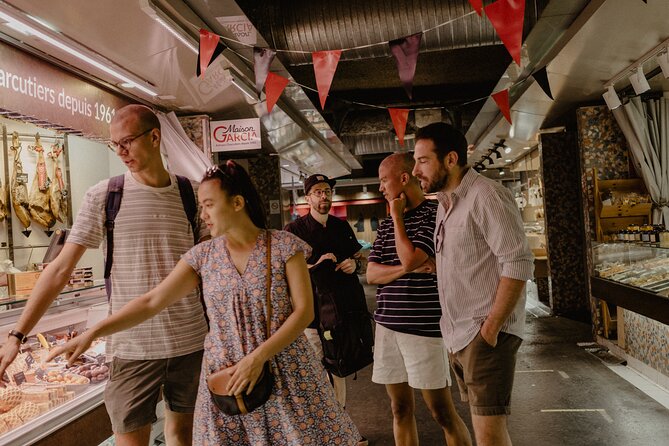
The Tour de Serta introduces a very different side of Toulouse. You see the oldest timber-frame house in the city, dated to 1533, and learn how older domestic buildings fit into the urban fabric.
This stop is valuable because Toulouse can easily become a parade of grand façades and famous monuments. A timber-frame house brings the focus back to ordinary city life and older construction methods. It also gives the walk some variety after the mansion and riverfront.
No separate tasting is specified for this stop, so do not expect seven full restaurant courses. The tour’s seven food moments are spread across the route, and some locations mainly provide historical context.
The compact route is one of the tour’s practical strengths. You see major sights, but you also pass through less formal urban spaces where the city feels like a place where people live, work, shop, and eat.
A few more history tours around France worth a look
- Paris: Louvre Museum Entry with History of Mona Lisa
★ 3.9 · 2,823 reviews - Paris: Dark History and Ghostly Guided Walking Tour
★ 4.7 · 1,000 reviews - Vieux Lyon Cultural & Historical Walking Guided Tour (English)
★ 5.0 · 942 reviews - Bordeaux: Historic Center & Chartrons District Bike Tour
★ 4.8 · 709 reviews
Place Saint-Georges and the Toulouse sausage
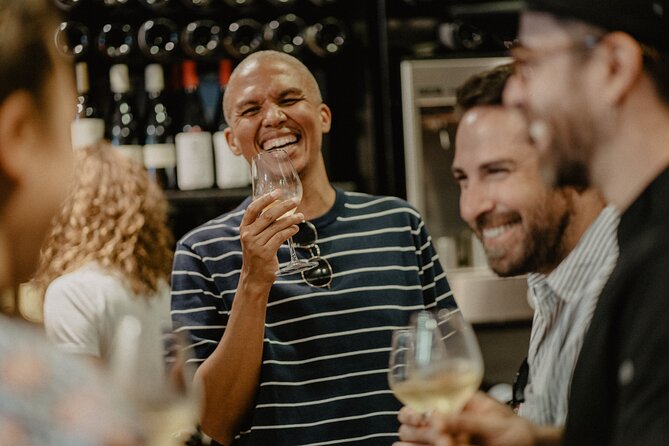
At Place Saint-Georges, the subject shifts to a wrongful execution in the 18th century. The incident later influenced political events after the Revolution, giving Alejandro a chance to connect one local case with a much larger chapter in French public life.
This is the sort of story that can make history memorable. Instead of hearing only about kings, wars, and laws, you get a human event tied to a specific square. The place itself becomes easier to recognize when you return later.
The food here is la véritable saucisse de Toulouse, the region’s signature sausage. It is the most substantial savory tasting on the route, and it anchors the tour in the local cuisine rather than relying only on pastries and cheese.
You should not expect a sit-down meal. The food is served at the stop, and you continue standing afterward. If you need regular rests or have difficulty eating while walking, this format may feel tiring.
Marché Victor Hugo: cheese, wine, and urban change
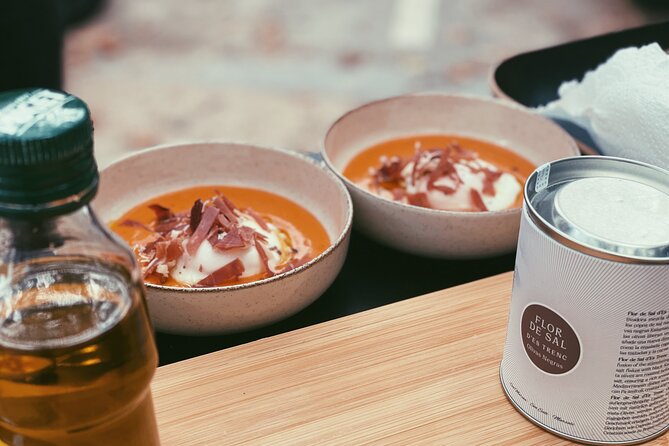
Marché Victor Hugo brings both food and city planning into the story. The site evolved from a medieval rampart to an art-nouveau market, then to a concrete brutalist car park. That unusual sequence gives you a quick lesson in how Toulouse has repeatedly remade its public spaces.
The tasting here is a cheese and wine pairing built around artisanal and very local products. Unlike most of the prepared food served along the walk, the cheese and wine are presented as the main market-based pairing. It is a strong choice for anyone who wants to understand how French food culture works through small producers, regional products, and careful combinations.
If you do not drink alcohol, tell the operator at least 24 hours before the start. The same advance notice applies to food allergies. The tour can accommodate service animals, but the eating format and busy public settings may still be worth discussing when you book.
The market stop also gives you useful orientation. If you want to return later for more cheese, wine, or produce, you will already know where to go. Alejandro’s follow-up message includes suggestions for markets, food shops, bars, and restaurants, which adds value after the four-hour walk is over.
Basilique Saint-Sernin and Toulouse’s oldest food traditions
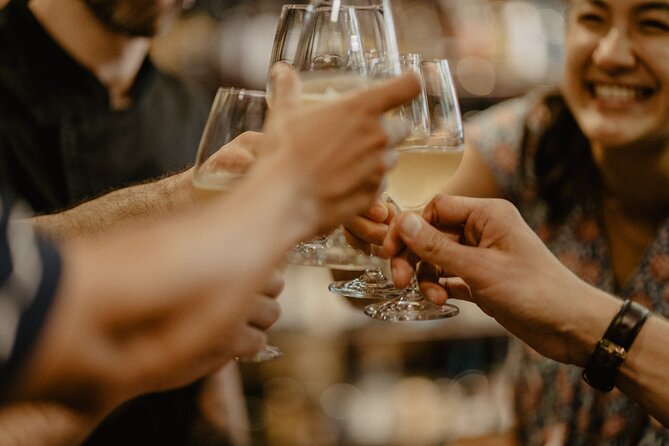
The route continues to Basilique Saint-Sernin, one of Toulouse’s major religious landmarks. The story here concerns the first Christian of Toulouse, who resisted the Roman Empire. The subject gives the basilica a human entry point and helps explain why this church matters beyond its impressive exterior.
At this stop, you taste Toulouse’s most famous dessert, described as a cake whose recipe is more than 2,000 years old. The exact name is not supplied, so you should treat the age claim as part of the tour’s food story rather than arrive expecting a specific modern pastry.
The combination works well. A church with ancient roots is paired with an old food tradition, so the final tasting feels like a conclusion to the morning’s themes. The stop also brings you close to the end point, making it easy to continue sightseeing afterward.
The basilica is a worthwhile place to finish because it gives you an immediate next activity. You can explore the church, walk back toward the center, or continue to Place du Capitole, which is about five minutes away on foot from the tour’s ending area.
Place du Capitole and Toulouse’s aviation story
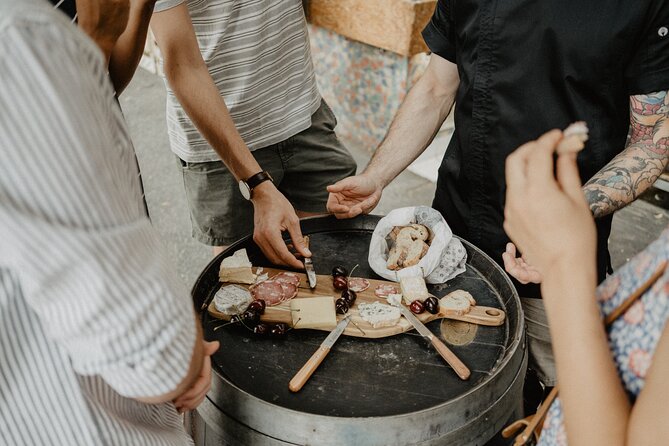
The tour also includes Place du Capitole, Toulouse’s best-known civic square. Here, Alejandro turns from medieval and religious history to aviation, explaining how the city became a major European aerospace center and the headquarters of Airbus.
That change of subject is useful. Toulouse is not only an old southern French city of mansions, churches, and markets. It is also a modern industrial and technological center. The aviation story helps you see why the city’s economy and identity extend well beyond its historic center.
The final tasting is a typical local charcuterie product. It gives the route a savory finish and adds another regional food tradition to the morning.
There is a small point to clarify in the route description: the tour end point is listed as Basilique Saint-Sernin, while Place du Capitole is described as only a five-minute walk from the end. You should expect to finish near Saint-Sernin rather than at the center of the square itself. That is not a serious issue, but it helps you plan the rest of your day.
What you actually eat and how it is served
The tour promises fresh food prepared and plated by a trained chef, but the practical details matter. Much of the food is prepared in advance and brought along on the cart. The chef then presents it at each stop, while the cheese and wine pairing is served separately at Marché Victor Hugo.
That is still a special format, especially compared with a standard walk between cafés. You get to watch a chef organize a portable tasting menu and explain why each item belongs with the story. Just do not book it expecting a cooking class or hot food cooked from scratch at every monument.
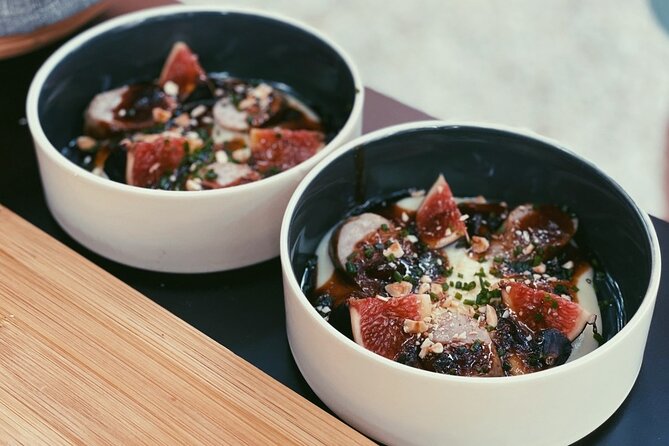
The seven tastings appear to include:
- A traditional Toulouse baked good
- A sweet from the city’s oldest pâtisserie
- Toulouse sausage
- Artisanal cheese and local wine
- A historic Toulouse dessert
- Regional charcuterie
- Additional food tied to the route’s stories
The exact menu can change, and the supplied details do not identify every item by name. Anyone with allergies should provide full information at least 24 hours ahead.
Is $133.02 a fair price?
At $133.02, the tour costs more than a basic market walk or a do-it-yourself pastry crawl. You are paying for the chef-host, seven tastings, four hours of guiding, the small group, and the work involved in transporting and presenting food around the city.
The value is strongest if you want one experience to cover several needs at once. You get a city orientation, a food introduction, major sights, historical stories, and practical recommendations for later meals. If you would otherwise book a separate walking tour and spend money sampling local specialties, the cost becomes easier to justify.
The price is less attractive if you mainly want a large meal. This is a tasting tour, not lunch at a restaurant, and you eat standing up. You may want to plan a proper meal afterward, especially if you have a large appetite.
The follow-up recommendations add a useful bonus. Alejandro sends information on food shops, markets, restaurants, and bars, and can answer questions during your stay. I would book this near the start of a Toulouse visit so you can use that advice for the rest of your time.
Who will enjoy this tour most?
I would recommend it to people who like food with a story. You should enjoy learning why a dish matters, not just tasting it. The tour also suits first-time visitors who want to get their bearings in the center without spending a whole day inside museums.
It is a strong choice for couples, families with older children, and small groups who enjoy talking with a guide. The reviews describe children joining successfully, but the four-hour standing and walking schedule may be too much for very young children.
It may not suit you if you need a seated meal, dislike wine, have serious dietary restrictions, or prefer a quiet museum-style explanation. It is also not the best choice for anyone who wants a highly flexible schedule, since the experience follows a set route and begins at 10:00 a.m.
The booking information gives both a maximum of 10 people and a maximum of 14 people. Because that detail is inconsistent, ask for the expected group size before paying if a small group is important to you.
Practical details that affect your morning
The meeting point is the Fondation Bemberg at the Hôtel d’Assézat, Place d’Assezat. The tour starts at 10:00 a.m. and lasts about four hours, ending at Basilique Saint-Sernin.
Wear shoes you can walk in comfortably. There is no seating, and you should expect to stand during the tastings and move between stops. A moderate level of physical fitness is required.
The experience is offered in English and uses a mobile ticket. It is near public transportation, which makes the central meeting and ending points fairly easy to reach. Service animals are allowed.
Free cancellation is available up to 24 hours before the start time. Changes or cancellations inside that window are not accepted for a refund. The tour also depends on good weather and a minimum number of bookings. If poor weather or low enrollment cancels it, you are offered another date, another experience, or a full refund.
Should you book the Toulouse chef-led food walk?
Book it if you want a lively introduction to Toulouse through food, architecture, and memorable local stories. Chef Alejandro’s strongest contribution is the way he links each tasting to a particular square, building, market, or church. The experience should leave you with more than a full stomach. You will know where to eat next and have a clearer sense of how the city developed.
Skip it if you want a seated lunch, a formal cooking lesson, or a tour focused only on art and monuments. For most first-time visitors who can comfortably walk and stand for four hours, the combination of seven tastings and central Toulouse history makes the price reasonable. I would schedule it on your first or second day, then use the guide’s food suggestions to shape the rest of your stay.
FAQ
How long is the Toulouse Food and History Tour?
The tour lasts approximately four hours.
Where does the tour begin?
It begins at the Georges Bemberg Foundation, Hôtel d’Assezat, Place d’Assezat in central Toulouse.
Where does the tour end?
It ends at Basilique Saint-Sernin de Toulouse. The end point is about a five-minute walk from Place du Capitole.
What time does the tour start?
The start time is 10:00 a.m.
Is seating provided during the tour?
No. You eat while standing and should be prepared to walk and stand for the full experience.
What should I do about allergies or alcohol?
Tell the operator at least 24 hours before the tour if you have food allergies or do not drink alcohol.
Just added around France
- Bordeaux Historic and Gourmet Food Walking Tour★ 4.5 · 82 reviews
- Private Bordeaux History Tour with a glass of Bordeaux wine.★ 5.0 · 28 reviews
- 2-Hour Walking Tour of the City’s Iconic Sights and History★ 4.0 · 207 reviews
- Bordeaux’ Best Boulangeries & History Tour★ 5.0 · 126 reviews
- Historical Center, Bordeaux Food Tour★ 5.0 · 33 reviews
- Historic Bayeux Daily Group City Tour In English 2 hrs (Apr-Sept)★ 5.0 · 220 reviews
- Private Walking Guided Tour of Historic Bayeux English or French★ 5.0 · 36 reviews
- Roman Sites and Historical Places Day Trip from Avignon★ 4.0 · 101 reviews
France History Tours, compared.
Louvre Museum Entry with History of Mona Lisa
Read our review →

Vieux Lyon Cultural & Historical Walking Guided Tour (English)
Read our review →
Bordeaux: Historic Center & Chartrons District Bike Tour
Read our review →
From Strasbourg: Best Of Alsace Historical Day Trip
Read our review →
Notre Dame Cathedral: Exterior Guided Tour & Unscheduled Access
Read our review →

From Nice: Historic Train Ride & Alps Villages
Read our review →Browse the lists this tour appears in