
Review · PUGLIA
Best Historical Cellar Visit and Wine Tasting in Salento
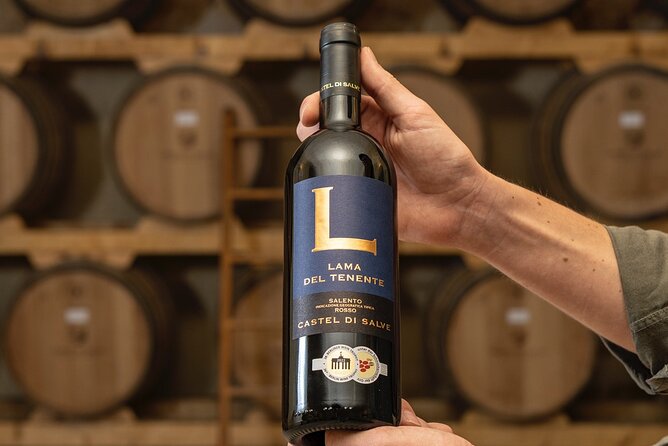
A family cellar can tell a better story. Castel di Salve brings you into a working Puglian winery founded in 1885, where you learn how grapes move from vineyard to bottle. I like the family-run setting and the chance to meet Riccardo, whose warm, personal style earned strong praise. I also like that the tasting includes five wines chosen for the season and current availability. The main drawback is practical: the winery is in Depressa, so you need to check transportation carefully before booking.
This is a short visit, about 90 minutes, but it packs in the full winemaking journey. You will see the production areas, hear about vine growing, and learn how wine is made and aged in the cellar. The group is limited to 15 people, which should make it easier to ask questions, though the experience is best for anyone who already has a clear route to the estate.
Key points to know before you go
- A family estate dating to 1885: Castel di Salve has been growing grapes and making wine for generations.
- Five wines in the tasting: The exact selection changes with the season and what is available.
- Riccardo gives the visit a personal touch: He explains the family story, answers questions, and has been praised for his passion.
- The tour covers the full process: You learn about vineyard work, production, and cellar aging.
- Small group size: A maximum of 15 people keeps this from feeling like a large commercial tasting.
- Plan your route first: The meeting point is at Via Gaetano Salvemini 32 in Depressa, in the Lecce province.
Why this Castel di Salve visit feels personal
Many winery visits give you a quick look at a cellar and pour a few samples. Castel di Salve takes a more personal route. The estate is a boutique family business that has made wine since 1885, so the visit connects the bottles with several generations of local work.
I like that context because it gives the tasting more meaning. You are not simply trying five wines in a room with no background. You are hearing how the family developed its business and how traditional methods fit into present-day production.
Riccardo is an important part of the experience. The descriptions of his guiding style point to someone who explains the winery with real enthusiasm, answers questions directly, and makes time for conversation. You might also meet his father during the visit, adding another family voice to a tour already built around continuity.
That personal contact is likely to matter more than polished presentation. If you prefer a large estate with a formal script, this may feel modest. If you like meeting the people behind a regional product, it is a strong match.
More Wine Tours in Italy:
- Lake Garda: Historic Castle Cruise with Wine Tasting
★ 4.5 · 241 reviews - Genoa Food, Wine Tasting & History Walking Tour
★ 5.0 · 212 reviews - Marsala: Historic winery tour with wine tasting
★ 4.8 · 112 reviews
Starting in Depressa, not central Lecce
The meeting point is Via Gaetano Salvemini 32, 73039 Depressa LE, Italy. This is an important detail, since the winery is not presented as a central Lecce attraction with easy city access.
The provider specifically advises you to check how to reach the estate before sending your booking request. Take that seriously. A wine tasting is much more enjoyable when you are not worrying about the return trip, a missed connection, or who will drive after the tasting.
The activity begins and ends at the same address. That makes the plan simple once you arrive, but it also means you should build your transportation around the winery rather than expecting a transfer between multiple locations.
No transport service is included in the information provided, so you should not assume pickup from your hotel or another town. The practical choice is to confirm your route, allow enough time to arrive, and decide in advance how you will handle the wine tasting and the trip back.
First stop: how grapes are grown
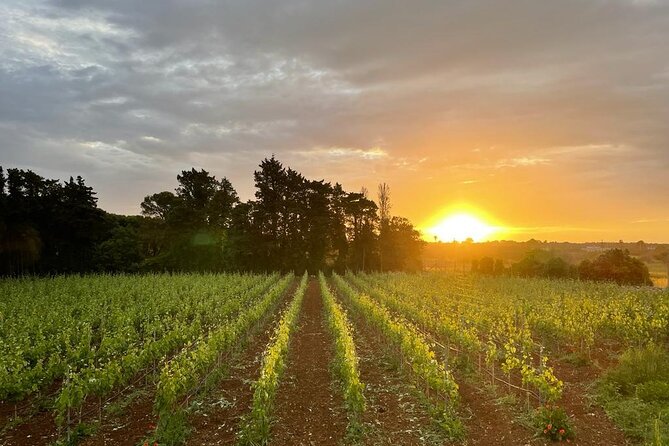
The visit begins with the vineyard side of winemaking. You learn about vine growing and the work needed before grapes reach the cellar.
The information does not give a detailed list of grape varieties, vineyard plots, or seasonal tasks. That is useful to know, because you should expect a general explanation of vine growing rather than a highly technical agricultural seminar. The exact amount of time spent outdoors may also depend on the season and the day’s conditions.
Still, this part gives you a foundation for the tasting. Wine can taste more interesting when you understand that its character begins with choices made long before fermentation. Questions about pruning, harvest timing, grape condition, and local traditions can help you make the conversation more specific.
I would arrive with a few questions ready. Ask which wines in the tasting come from the estate’s own grapes, how the family’s methods have changed since 1885, and how the season affects the bottles being poured. The guide is prepared to answer questions, and a small group gives you a better chance to shape the discussion.
Through the production areas
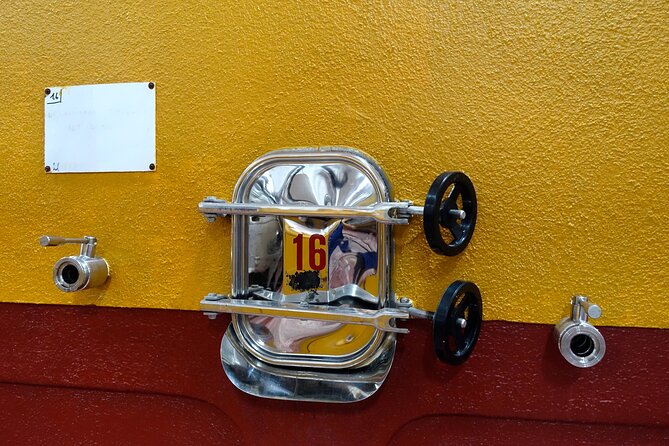
After the vineyard discussion, you visit the production areas and learn about winemaking techniques. This is the point where grapes become wine, and it helps connect the farming work with the bottles in front of you.
The experience is not described as a demonstration with a fixed production schedule. You should think of it as an educational walk through the winery, with explanations of how the estate handles its wines. Depending on the season and current activity, some parts of production may be more active than others.
That seasonal element can be a plus. A winery is not a museum, and the work changes through the year. At one time of year, vineyard concerns may be more relevant. At another, cellar work and aging may take center stage.
The family-run scale also matters here. You are visiting a boutique estate rather than a large industrial facility. That can make the process easier to understand, even if you do not see every stage in full operation during a 90-minute visit.
A few more history tours around Italy worth a look
- Colosseum: Underground and Ancient Rome Tour
★ 4.7 · 12,691 reviews - Rome: Colosseum with Arena, Roman Forum and Palatine Guided Tour
★ 4.0 · 5,598 reviews - Venice: St. Mark’s Basilica Guided Tour & VR History Intro
★ 3.9 · 4,880 reviews - Colosseum with Arena, Roman Forum and Palatine Hill Guided Tour
★ 4.5 · 3,526 reviews
Inside the old cellar
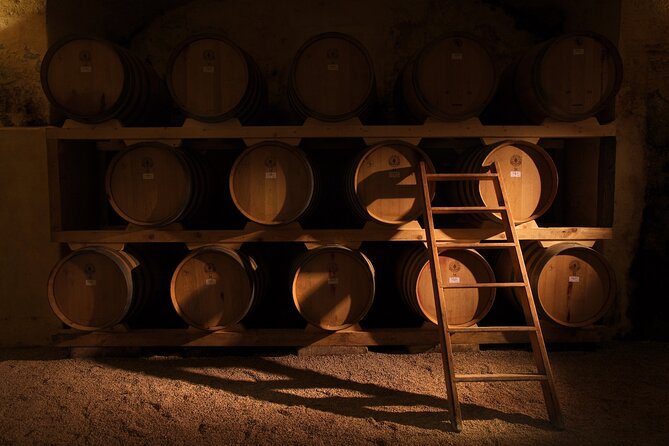
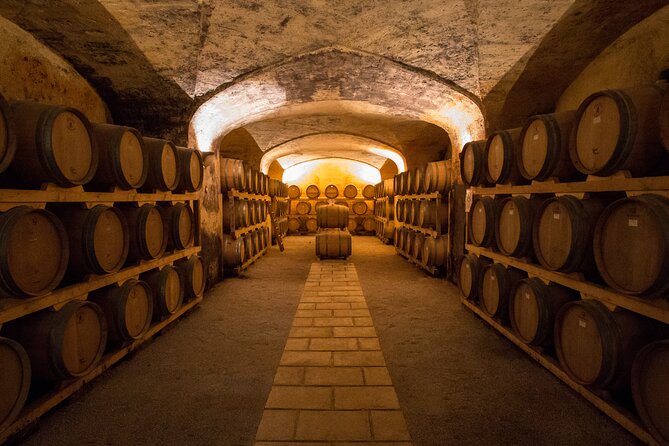
The old winery and cellar give the tour its strongest sense of place. Here you learn about aging and the traditions that help shape the finished wine.
The exact cellar layout and equipment are not specified, so I would avoid expecting a grand underground complex or a theatrical presentation. The appeal is more grounded: you are seeing the place where Castel di Salve makes and ages its own production.
Cellar aging is also a useful bridge to the tasting. Instead of treating wine as a finished product that appears without explanation, the visit shows you that time, storage, and technique affect what reaches the glass. If you have questions about how long wines rest or why different wines need different treatment, this is the natural moment to ask.
The old winery setting should appeal to anyone who values family tradition and working places over glossy visitor centers. It may be less satisfying for visitors who want extensive architecture, a long formal tour, or a large range of displays.
Tasting five wines after the tour
The tasting follows the winery visit and includes five different wines from Castel di Salve. The selection is made according to the season and availability, so you should not book this expecting a fixed menu of specific labels.
That changing selection is both a benefit and a limitation. It allows the estate to pour wines that are appropriate to the time of year and currently available. At the same time, you cannot plan the tasting around one particular bottle unless the provider confirms it ahead of time.
Five wines is a sensible amount for a 90-minute experience. You get enough range to compare styles without turning the visit into a long drinking session. The tasting also gives you a chance to connect each wine with the vineyard and cellar explanations you have just heard.
I like that the experience does not end with the final cellar explanation. The tasting is where the information becomes practical. You can compare aromas, flavors, and structure while the family explains the wines and responds to your questions.
The tasting has received especially warm praise for the quality of the wines and the friendly atmosphere. If you find a bottle you enjoy, wine purchases appear to be possible at the estate. One visitor arranged to have wine sent home to Texas, but you should confirm shipping options, cost, and destination rules directly before counting on that service.
Riccardo and the value of a small group
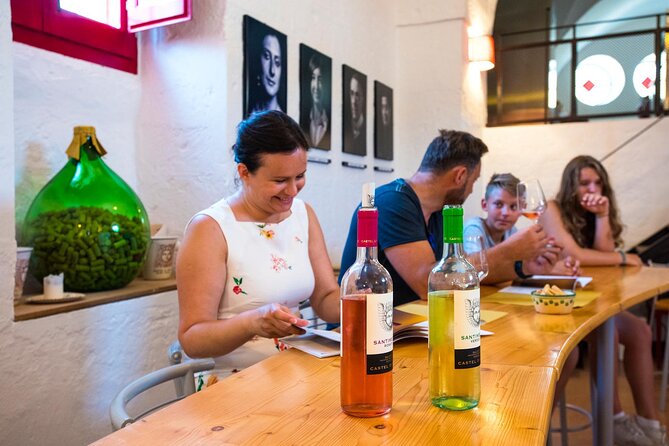
The maximum group size is 15 people. That is not a private tour, but it is small enough to keep the visit manageable and give the guide room to respond to questions.
Riccardo’s role appears to be one of the strongest reasons to book. He explains the family story, speaks with enthusiasm, and helps the visit feel like a conversation rather than a lecture. You might also meet his father, which adds a direct link to the family business across generations.
The information is clear that the tour is offered in English. If you want a technical wine class with formal tasting vocabulary, you should ask how detailed the instruction will be. If you want an accessible introduction with room for questions, the format sounds more comfortable.
I would also keep the group limit in mind when choosing your booking date. A smaller group can make a major difference at a family estate, especially during the tasting. You are less likely to feel lost in a crowd, and the guide can spend more time explaining the wines and responding to individual interests.
Is $36.01 a fair price?
At $36.01 per person, this is priced as a modest guided experience rather than a full meal or luxury wine program. The value comes from the combination of a winery tour, family background, production explanations, and five wines.
For me, the price makes sense if you already plan to be in the area and can reach Depressa without expensive transport. The cellar visit and tasting provide more substance than a quick sample at a shop, while the small group and family contact add something that a self-guided tasting cannot.
The calculation changes if you need a costly taxi or complicated transport. Since the estate asks you to check the route in advance and no transfer is specified, transportation could become a larger part of your budget than the tour itself.
The short duration helps fit the visit into a day in Salento. You spend about 90 minutes at the estate, then continue with your plans. That makes it a practical choice for a wine-focused stop rather than a full-day excursion.
Who will enjoy this most
I would recommend Castel di Salve to you if you enjoy small producers, family businesses, and local food or wine traditions. It suits beginners who want a clear introduction, as well as wine fans who enjoy asking detailed questions about production and aging.
It is also a good fit if you value the people behind a product. Meeting Riccardo and possibly his father gives the estate a human side that larger wineries often lack.
You may want to skip it if you need hotel pickup, a fixed list of wines, or a long, highly technical tasting. The wine selection changes, transportation is your responsibility, and the visit lasts about an hour and a half.
Service animals are allowed, and most people can participate. The experience is offered in English, which makes it accessible to English-speaking visitors who want to understand the tour without relying on translation.
Booking, timing, and cancellation details
Confirmation is sent within 48 hours of booking, subject to availability. Since the group is capped at 15 people, give yourself time to receive confirmation before locking in a tightly timed day.
Free cancellation is available if you cancel at least 24 hours before the start time. Cancellations made less than 24 hours in advance are not refunded, and changes within that same period are not accepted. The cut-off follows local time in Italy.
The best practical move is to confirm the visit, check the route to Depressa, and leave enough margin for arrival. Once there, the return to the same meeting point keeps the structure straightforward.
Should you book Castel di Salve?
Book this experience if you want an approachable look at Puglian winemaking, five changing seasonal pours, and a family connection that reaches back to 1885. Riccardo’s personal style, the chance to meet another family member, and the small group size give the visit real character.
I would make transportation the deciding factor. If Depressa fits your route and you can manage the return after tasting, $36.01 is a reasonable price for the cellar access and guided wine experience. If getting there is difficult, the low tour price may not compensate for the added transport trouble.
For a relaxed, family-run introduction to Salento wine, this is an easy recommendation. Just check the route first, arrive ready with questions, and treat the five-wine lineup as a seasonal surprise rather than a fixed promise.
FAQ
Where does the wine tasting take place?
The experience takes place at Cantina Castel di Salve, Via Gaetano Salvemini 32, 73039 Depressa LE, Italy.
How long does the experience last?
The visit lasts approximately 1 hour and 30 minutes.
What does the tour include?
You visit the old winery and production areas, learn about vine growing, winemaking, and cellar aging, then taste five wines from the estate.
How many wines will I taste?
The tasting includes five wines. The exact wines depend on the season and availability.
Is the tour offered in English?
Yes. The experience is offered in English.
How large is the group?
The activity has a maximum of 15 participants.
Does the experience start and end at the same place?
Yes. It begins at the Depressa meeting point and ends back at that same location.
Do I need to arrange my own way to the winery?
You should check how to reach the winery before requesting the visit. The provided information does not specify transportation or hotel pickup.
Can I cancel for a full refund?
Yes, if you cancel at least 24 hours before the experience start time. Cancellations made less than 24 hours in advance are not refunded.
Just added around Italy
- Visit + Experience at the Historical Museum of Firefighters and the Italian Red Cross★ 5.0 · 30 reviews
- Skip-the-line Exclusive Private Full-Day Complete Ancient Pompeii Guided Tour★ 5.0 · 30 reviews
- Small Group Guided Walking Tour of Ancient Pompeii Highlights★ 5.0 · 27 reviews
- Guided Tours of Pompeii Excavations Historical and Cultural Itineraries★ 5.0 · 56 reviews
- Fast Access Exclusive Private Ancient Pompeii Half Day Tour with Local Guide★ 5.0 · 54 reviews
- Pompeii Small Group Tour – Tickets Included★ 5.0 · 85 reviews
- Ancient Pompei in the afternoon★ 5.0 · 140 reviews
- Discover Palermo in 3 hours. Art, history, markets and street food★ 5.0 · 352 reviews
Wine Tours, compared.

Douro Valley: Historical Sites, Wine Experience, Lunch & Cruise
Read our review →
Tapas Walking Tour with Food, Wine, and History
Read our review →
Live Fado Show with Port Wine in Historic Center
Read our review →
Sevilla Food Tour: Tapas, Wine, History & Traditions
Read our review →
Valencia Old Town Tour with Wine & Tapas in 11th Century Historic Monument
Read our review →
Barcelona Tapas Walking Tour: Food, Wine & History
Read our review →
Ultimate Seville Tapas, Wine & History Small Group Tour
Read our review →
Browse the lists this tour appears in