
Review · MEDELLíN
Commune 13, Graffitour street food. History.All inclusive
Past and present meet on a hillside. This three-hour Comuna 13 tour combines a cable-car ride, neighborhood history, graffiti, galleries, viewpoints, and local food in one compact outing. I especially like the aerial introduction to San Javier and the chance to hear the area’s story from local guides such as Sebastián, who grew up in Comuna 13. The main drawback is the physical effort: expect hills, stairs, and plenty of walking, so this is not a good fit if you have chronic knee trouble.
The $25 price is appealing for a small-group outing capped at 20 people, especially since the advertised package includes transport during the tour and a mango ice cream. I also like that you can return to the meeting point or stay in Comuna 13 afterward. Still, confirm the meeting details carefully, since one past outing involved a canceled group and temporarily closed cable cars.
Key points to know before booking
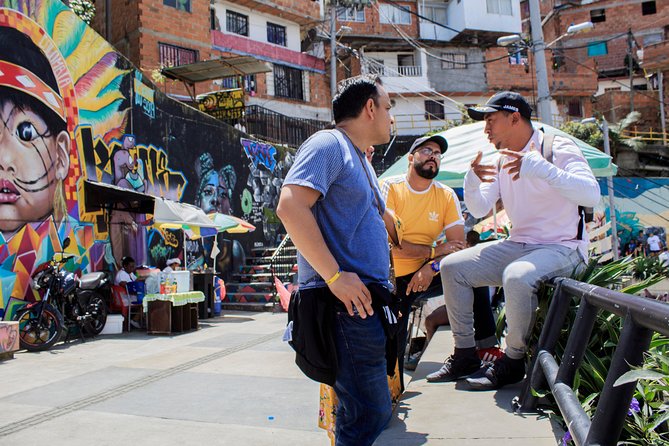
- The cable car gives you a useful first look at Comuna 13, with views over the neighborhood and an introduction to how it developed.
- Local guides add the strongest personal touch, especially Sebastián, Manuela, Luis, Andrés, Mergie, and Leidy, who have been praised for clear explanations and local connections.
- The graffiti route includes art galleries, shops, viewpoints, and public escalators, not just painted walls.
- A mango ice cream is included, while the experience is also presented as an all-inclusive street-food tour.
- The walk is active, with hills and stairs that can be tiring even during a three-hour visit.
- The meeting point is at San Javier Metro Station, and the tour ends there unless you choose to remain in Comuna 13.
Why Comuna 13 makes such a strong introduction to Medellín
Comuna 13 is more than a colorful stop for photographs. The area’s public art, music, shops, viewpoints, and escalators are tied to a difficult past and to the work local people have done to reshape daily life.
That context is what gives this tour its value. You are not simply walking through a street-art corridor and ticking off a famous Medellín sight. You are hearing how the neighborhood changed, how residents responded to hard years, and how art became part of the area’s public identity.
I like the way the tour begins with a broad view before taking you into the streets. From the cable car, you can see Comuna 13 from above. Then the bus and walking route bring you close to the murals, shops, galleries, and people who give the neighborhood its character.
The strongest guides appear to be those with a direct connection to the area. Sebastián has been especially praised for growing up in Comuna 13 and still living there, while other guides, including Manuela, Luis, Andrés, Mergie, and Leidy, have been singled out for their warmth and detailed explanations.
Guide quality can vary on any group outing, but the pattern here is encouraging. The most valued part of the tour is not just the route. It is the guide’s ability to explain what you are seeing and answer questions in a personal, easygoing way.
More Food and History Tours in Colombia:
- Santa Marta A Historical & Street food Experience
★ 4.7 · 41 reviews - Sevilla Food Tour: Tapas, Wine, History & Traditions
★ 5.0 · 3,468 reviews - Victoria Guided Food and History Tour
★ 5.0 · 2,015 reviews
Starting at San Javier Metro Station
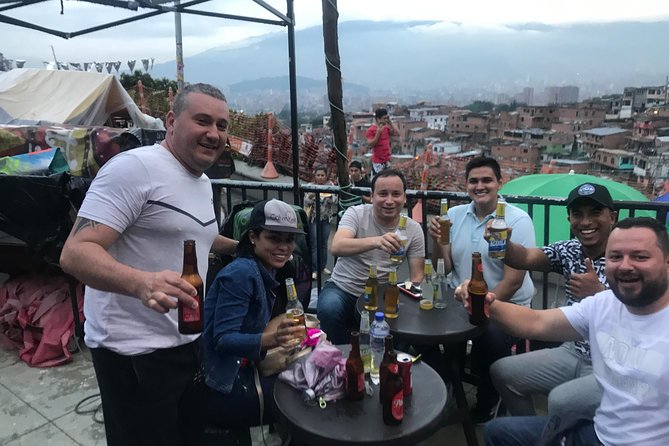
The meeting point is Estación Metro San Javier, at Cra. 95 #96-29 in the San Javier II area of Medellín. This is an important detail because the tour depends on finding the group promptly before the transport portion begins.
I would arrive early and keep the guide’s contact information easy to reach. One past booking became confusing when the cable cars were temporarily closed and the original group was canceled without timely notice. The guide eventually placed the solo participant with another group, and the outing itself worked out well, but the delay was stressful.
That experience also shows why you should not assume the cable car will always operate exactly as planned. If the system is closed, the route may switch to a bus and walking. The neighborhood visit can still be worthwhile, but the aerial section is a special part of the itinerary, so a quick check on the day is sensible.
The tour has a maximum of 20 people. That is not a private outing by definition, but it is small enough for a guide to speak with the group and answer questions. In some cases, cancellations have left the guide with only a few participants, or even a private-style experience.
Seeing Comuna 13 from the cable car
The cable-car ride comes first in the planned route. From above, you get a different sense of how the neighborhood sits across the hills and how daily life is shaped by the terrain.
This is not just a scenic ride added for decoration. It gives you a visual introduction before you begin walking. The guide uses the ride to explain what you are looking at and to discuss the area’s past. Several people have particularly valued the combination of the cable car and the street tour, calling it the part that made the outing feel complete.
You should have good opportunities for broad views and photographs, though the exact experience depends on the operating conditions and weather. The tour requires good weather, and a poor-weather cancellation may lead to a different date or a full refund.
After the cable-car segment, the group returns to the meeting area and takes a public bus toward the Independencia neighborhood. That transition matters. You are not being driven in a private vehicle from one attraction to another. You are using ordinary city transport, which makes the outing feel more connected to everyday Medellín.
The public transport portion also means you should expect a little less control over timing than on a private vehicle tour. That is a fair trade for the low price and local feel, but it helps to arrive calm and ready for a flexible schedule.
Walking the graffiti route in Independencia
The main walking section takes place in the Independencia neighborhood, where you will find the well-known graffiti route, art galleries, shops, viewpoints, and the public escalators.
The murals are the visual focus, but the guide’s explanations are what turn them into more than a sequence of colorful walls. One guide has been praised for explaining the symbols and meanings in detail. That is useful because a quick photograph rarely tells you why a particular image matters to the community.
You may also hear about the influence of hip-hop and how music helped shape local expression. That subject has been especially meaningful for people who wanted to understand the ideas behind the art, rather than simply admire its colors.
The route includes time around galleries and shops, so you can see how art functions as part of the neighborhood’s local economy. The viewpoints offer another pause from the walking and give you a chance to look back across Medellín.
The public escalators are another important part of the visit. They are described as a distinctive project in a neighborhood setting and help residents manage the steep slopes. For you, they also reduce some of the uphill effort, though they do not remove all stairs, slopes, or walking.
Wear comfortable clothing and shoes. The physical demand is not extreme for most people, but the combination of hills, stairs, and standing can add up. If you have chronic knee problems, this tour is specifically not recommended.
More Food Tours in Colombia:
- Amsterdam Food and Cultural Tour with Tastings
★ 5.0 · 4,315 reviews - Barcelona: Tapas Walking Tour with Food, Wine, and History
★ 4.8 · 4,261 reviews - Madrid Tapas & Taverns Small Group Food & History Tour
★ 5.0 · 2,664 reviews - Historic Ybor City Food Walking Tour
★ 5.0 · 2,210 reviews
Mango ice cream and the food element
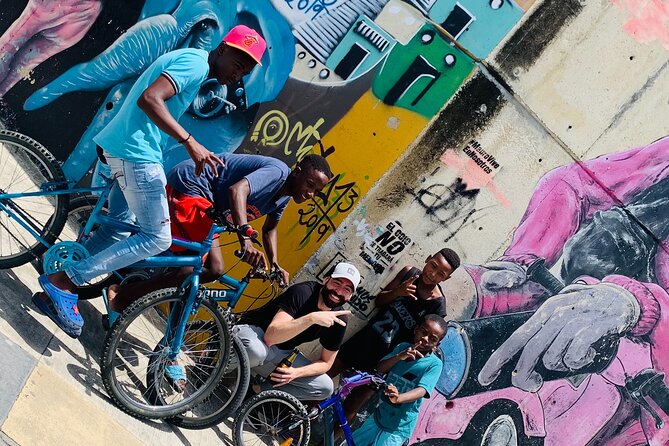
A mango ice cream is included during the visit. It is a small detail, but a useful one after walking through the neighborhood, and it gives the tour a simple taste of local street food.
The experience is presented as an all-inclusive street-food, history, and graffiti tour. The clearly stated food item is mango ice cream, so I would not book it expecting a large meal or a long food crawl. The supplied details do not specify a full menu or multiple tastings.
That distinction matters when you assess the $25 price. You are mainly paying for the guide, route, local context, transport elements, and the included treat. The food is a bonus rather than the central reason to book.
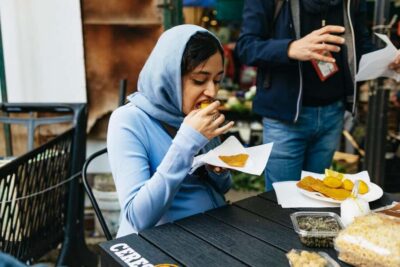
Some people have also enjoyed trying unfamiliar desserts during the outing. If you are curious about local flavors, the tour gives you a modest introduction without asking you to plan a separate food excursion.
What the guides add to the visit
The guides are the biggest reason this tour earns such strong marks. Sebastián is repeatedly praised for his English, easy manner, extensive local knowledge, and ability to answer questions. He has also been described as someone who gives useful Medellín recommendations beyond the tour itself.
Manuela has been praised for making a Comuna 13 visit memorable, while Luis has received strong feedback for explaining the neighborhood’s past and the meaning behind its graffiti. Andrés, Mergie, and Leidy have also been described warmly, with particular praise for local insight and personal storytelling.
Those names are useful when you are booking because guide assignments may differ. You cannot necessarily guarantee a particular guide, but you can understand the kind of experience the company aims to provide: a personal account, not a detached lecture.
The best moments are likely to come when you ask questions. Guides have been praised for keeping groups engaged, explaining difficult periods with care, and helping people understand the connection between history, music, public art, and community change.
English-language ability has been specifically praised for Sebastián. Other comments appear in English, Spanish, and French, but the available information does not promise a particular language for every departure. If language is important to you, confirm it before paying.
Is three hours enough?
Three hours is enough for a useful first visit, but not enough to explore every corner of Comuna 13 at a slow pace. The schedule covers the cable car, return to the meeting point, public bus, graffiti route, shops, galleries, viewpoints, escalators, and mango ice cream.
That makes the tour efficient for a first afternoon in Medellín. You get the major elements without giving up an entire day. I would place it early in your stay if you want an introduction to the city’s recent story and a chance to ask your guide for further suggestions.
The compact schedule also means you should not expect long shopping stops or unlimited time at every viewpoint. The group needs to keep moving, especially if it has close to the 20-person limit.
At the end, the activity returns to the meeting point at San Javier. You may instead choose to remain in Comuna 13, or arrange your own transport from there. This is handy if you want to continue looking around, but you should decide in advance how you will get back to your accommodation.
Price, group size, and practical value
At $25 per person, this is a good-value introduction to one of Medellín’s most discussed neighborhoods. The price covers about three hours, a guide, the planned public transport connections, the cable-car portion when operating, and mango ice cream.
It is especially good value if you want context rather than a quick photo stop. A self-guided walk may cost less, but you would miss the personal stories, explanations of the graffiti, and help with navigating the route.
The group limit of 20 keeps the price low while giving the guide a workable audience. A smaller departure can feel more personal, but you should not count on a private tour. One past outing became private only because other participants canceled.
The experience is often booked around 17 days ahead, so I would reserve before your trip if your schedule is fixed. Free cancellation is available until 24 hours before the start time for a full refund. Changes or cancellations inside that window are not accepted, and poor weather may lead to a new date or a full refund.
Who should book this Comuna 13 tour?
I would recommend it to first-time visitors who want a guided introduction to Medellín’s public art and local history. It also suits solo visitors who prefer company and families whose children can manage a fairly active walk.
Couples may enjoy the mix of views, food, stories, and photographs. The tour also works well for people who want to hear about hip-hop, community change, and the meaning of the murals rather than simply pass through the area.
It is less suitable if you need a slow, flat route or dislike public transportation. Chronic knee problems are a stated concern, and the route includes hills and stairs. You should also be comfortable with the possibility that a cable-car closure could change the plan.
Service animals are allowed, and the tour is near public transportation. Most people can participate, but the physical demands still deserve honest consideration.
My booking advice
Book this tour if you want a compact, affordable way to connect Comuna 13’s art with its past and present. The cable-car views, local guides, public escalators, and mango ice cream give the outing more range than a simple graffiti walk.
I would book it with three tips in mind: arrive early at San Javier Metro Station, wear supportive shoes, and confirm the day’s meeting and cable-car details. If you want more time for shops and photographs, stay in Comuna 13 after the official tour ends.
Skip it if you need a flat, slow-paced outing or want a substantial food tour. For most visitors who can handle the walking, this is a strong-value experience with real local context and a human touch.
FAQ
Where does the tour begin?
It begins at Estación Metro San Javier, Cra. 95 #96-29, San Javier II, Medellín.
Where does the tour end?
The activity ends back at the meeting point. You may also choose to remain in Comuna 13 or arrange transport from there.
How long does the experience last?
The tour lasts approximately three hours.
How much does it cost?
The listed price is $25 per person.
What transportation is used?
The planned route includes a cable car from the meeting area, a return to the meeting point, and a public bus to the Independencia neighborhood.
Is food included?
Mango ice cream is included. The experience is presented as an all-inclusive street-food, history, and graffiti tour, but no additional food menu is specified.
How many people can join?
The tour has a maximum group size of 20 people.
Is the tour suitable for people with knee problems?
It is not recommended for people with chronic knee problems because the route includes walking, hills, and stairs.
What happens if the weather is poor?
The experience requires good weather. If it is canceled because of poor weather, you will be offered another date or a full refund.
Just added around Colombia
- Pablo Escobar Historic Tour and Cable car★ 5.0 · 38 reviews
- History of Pablo Escobar tour★ 5.0 · 35 reviews
- History and Street Art Tour in Comuna 13★ 5.0 · 35 reviews
- Cartagena Instagrammable History★ 4.5 · 29 reviews
- Cali: Walking tour of the historic center★ 5.0 · 69 reviews
- Chiva Private Cultural Tour with Audio Guide in Buga★ 5.0 · 49 reviews
- Bogota scooter tour★ 5.0 · 46 reviews
- Historical tour Bogota★ 5.0 · 72 reviews
Food & History Tours, compared.
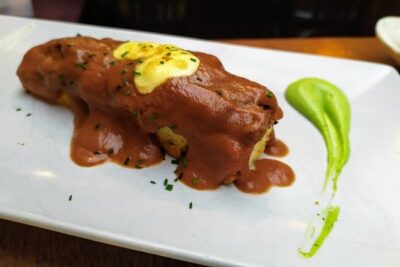
Sevilla Food Tour: Tapas, Wine, History & Traditions
Read our review →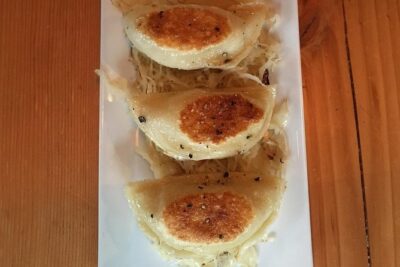
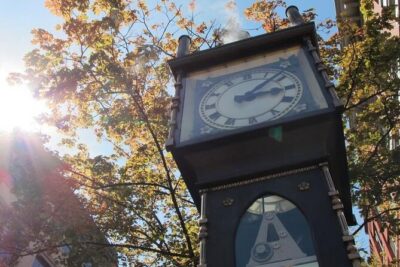

Dublin Historical Centre Food Tour with 8 Food Tastings & Drinks
Read our review →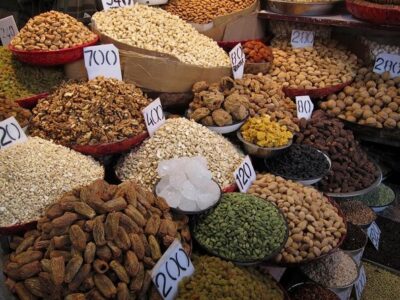
The Great Indian Food Tour: Old Delhi Food and Heritage Walk
Read our review →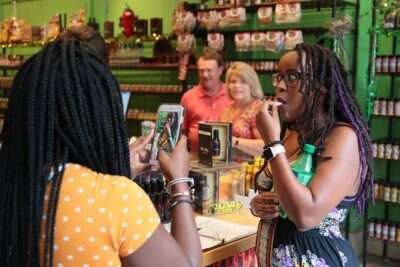
Browse the lists this tour appears in